
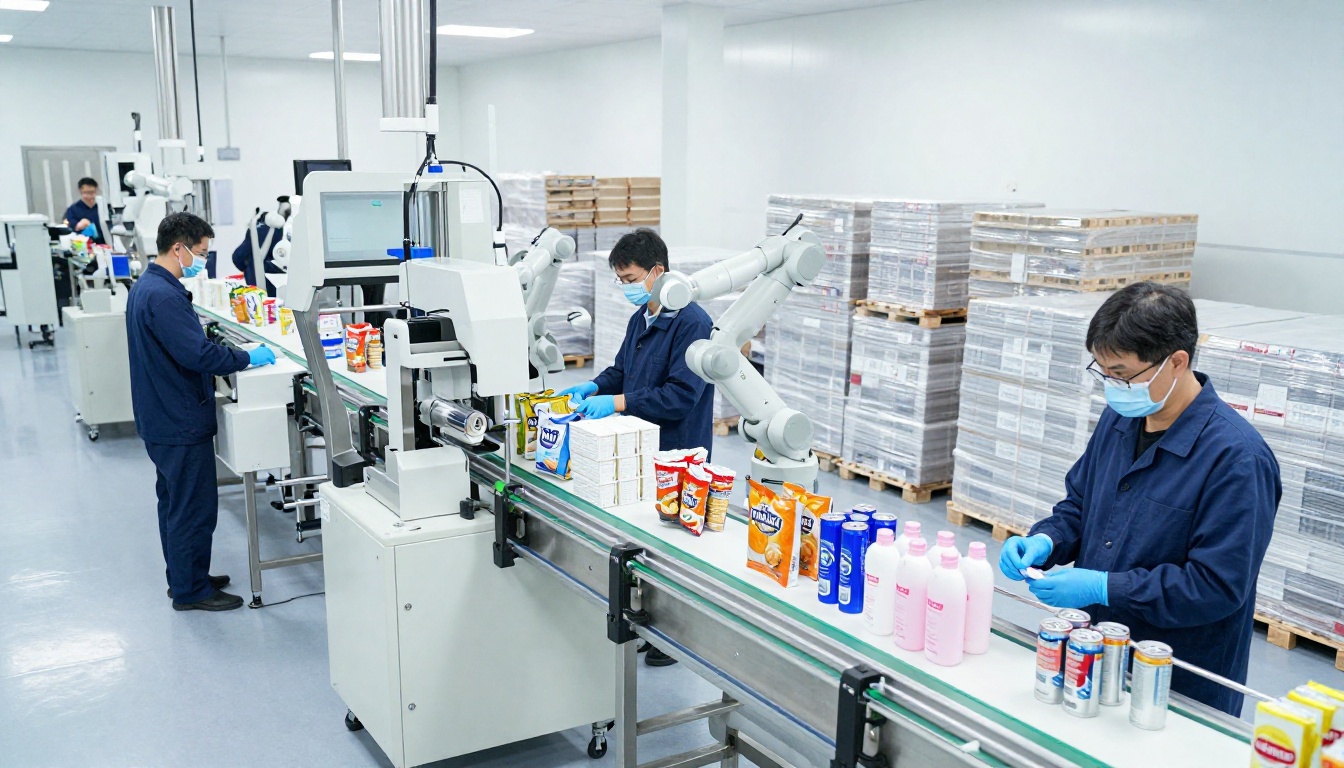
Why FMCG Brands Rely on Co-Packers for Speed, Scale, and Consistency
FMCG stands for fast-moving consumer goods, the everyday items people buy often and replace quickly, like snacks, drinks, toothpaste, deodorant, and shampoo. These products don’t sit around for long, so brands win or lose based on how reliably they can make them, pack them, and get them onto shelves.
That’s why so many FMCG companies lean on Co-Packers. A co-packer can make and or package your product for you, including mixing or batching (when needed), filling, sealing, labeling, case packing, and palletizing. Many also handle kitting for promotions (like bundles), plus basic warehousing and shipping when timing matters.
The stakes are high because shelf space is tight and buyers expect consistency. At the same time, trends move fast, and running out of stock can cost you repeat purchases and retailer confidence. Even a great product can stall if you can’t keep up with demand, hit delivery windows, and meet labeling rules.
Picture a new drink flavor that pops off on social media and orders jump overnight. Instead of scrambling for equipment, labor, and floor space, a co-packer gives you speed, lower upfront cost, flexible capacity, consistent quality, and practical help with the rules that come with food, beverage, and personal care. If you’re weighing timing, this guide on when outsourcing packaging makes sense is a helpful starting point.
Speed wins in FMCG, and Co-Packers help brands move fast
In FMCG, timing is a real competitive edge. Retailer resets, promo calendars, and seasonal sets don’t wait for anyone. That’s why brands use Co-Packers who already have the equipment, trained labor, and proven line procedures, so you don’t start from zero when it’s time to ship.
From product idea to store-ready packs without building a factory
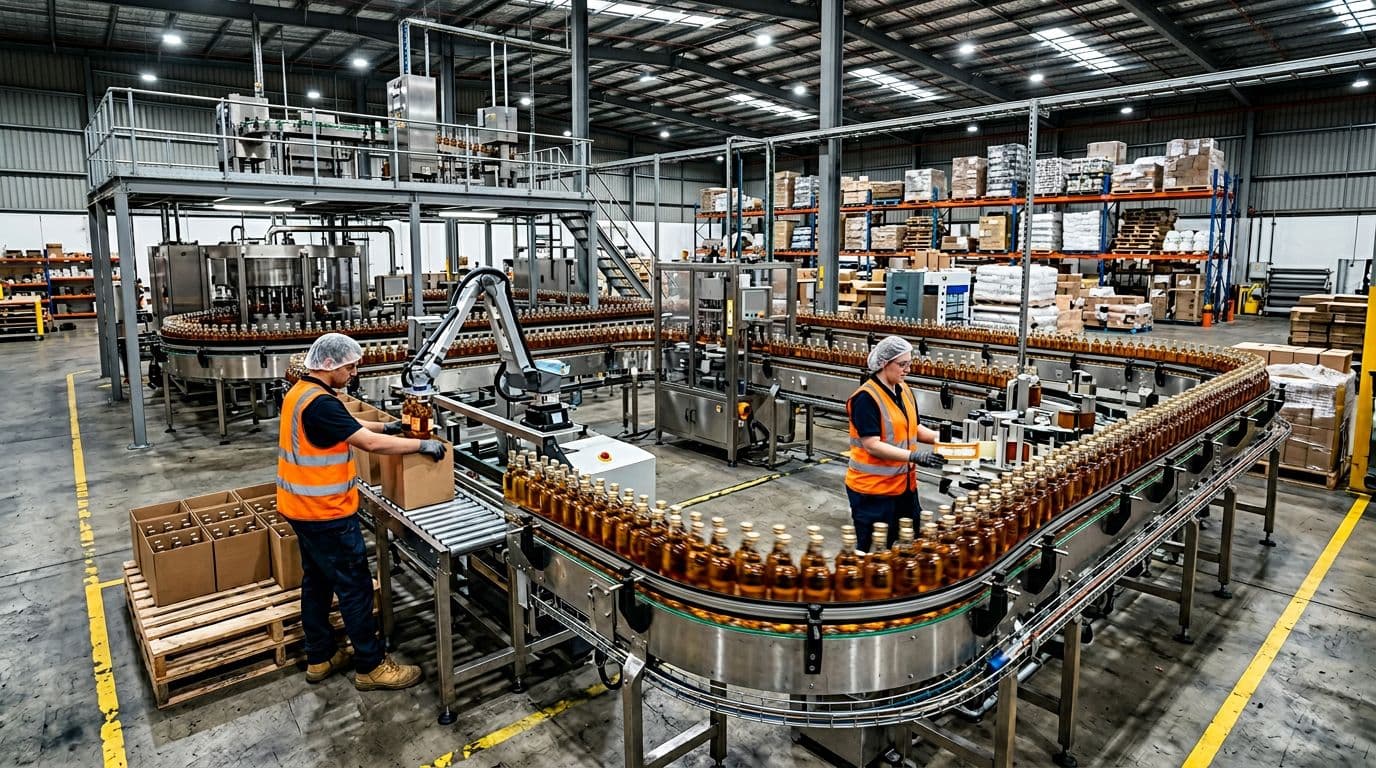
A good co-packer can cover most of the path from “we have a formula” to “we have retail-ready cases.” Depending on the product, that can include:
- Sourcing guidance (suggested packaging materials, lead times, pack formats, and specs)
- Batching or blending (when the product needs to be made or finished before packing)
- Filling and sealing (bottles, pouches, cups, jars, or other formats)
- Labeling and date coding (so lots and best-by dates are consistent and readable)
- Case packing and palletizing (built to retailer and carrier requirements)
You still own the parts that make the brand yours: the recipe or formula, the brand assets, the claims, pricing, marketing, and sales, plus final approvals on packaging and specs. Think of it like hiring a skilled kitchen to cook your menu. You still decide what’s served and how it’s marketed.
Here’s a simple way to compare timing:
| Path | What takes time | Typical timeline shape |
|---|---|---|
| Build your own facility | Site, equipment, hiring, training, validation | Often months (sometimes longer) |
| Run first production with a co-packer | Specs, materials, scheduling, trial run, first lot | Often weeks, depending on readiness and capacity |
The fastest launches happen when packaging specs, component lead times, and run windows are agreed early, not a week before a retailer deadline.
Handling demand spikes, seasonal runs, and retailer promos
FMCG demand is rarely smooth. It jumps because promos hit, a retailer adds stores, an influencer sparks a surge, or the weather flips demand overnight (hello, summer drinks and cold season essentials). Those spikes can be great news, until you can’t keep shelves filled.
Co-packers help because capacity can flex without you buying more machines. When volume rises, they may respond by adding shifts, running larger batches, or scheduling your SKU across more than one line (when the format allows it). That extra breathing room matters during retailer promos, where on-shelf availability drives repeat purchase and future placement.
Stockouts can trigger more than lost sales. They can also create retailer chargebacks for missed windows, late deliveries, or incomplete orders. A co-packer’s job is to keep output steady when the calendar gets noisy, so your promo doesn’t turn into an apology tour.
Testing new SKUs and flavors with less risk
Crowded shelves and faster trend cycles make 2026 a tough year to “set it and forget it.” New flavors, limited editions, trial sizes, and variety packs can unlock growth, but they also create risk if you bet big too early.
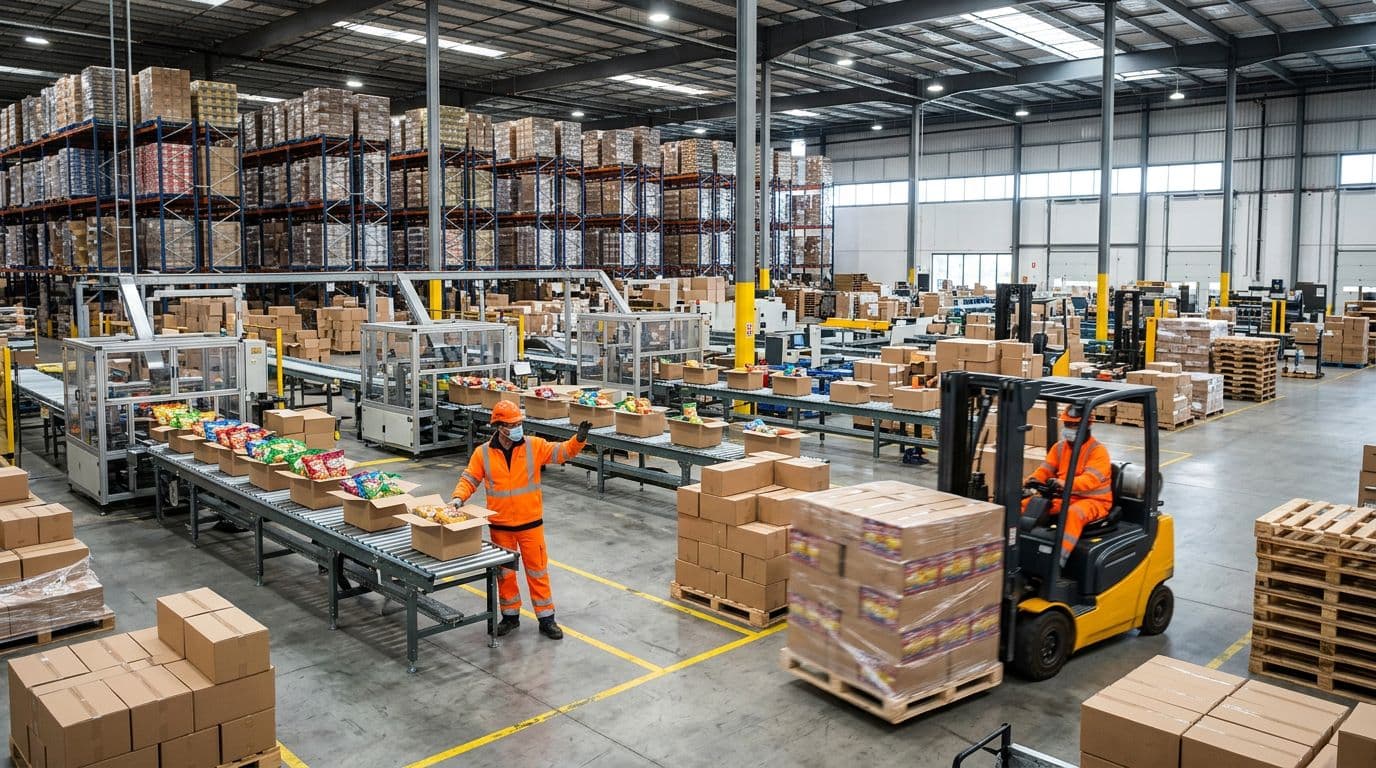
Co-packers make experiments easier because you can run smaller lots and try new formats without committing to permanent equipment. That could mean a limited seasonal flavor, a sampler pack for e-commerce, a club-size bundle, or a packaging change that improves shelf impact. You get a real sell-through signal, then decide what deserves a larger run.
If you want a deeper look at the packaging options that support quick launches, this guide to choosing the right co-packing services breaks down common capabilities and how to match them to your product plan.
Co-Packers lower the cost to scale, and protect cash flow
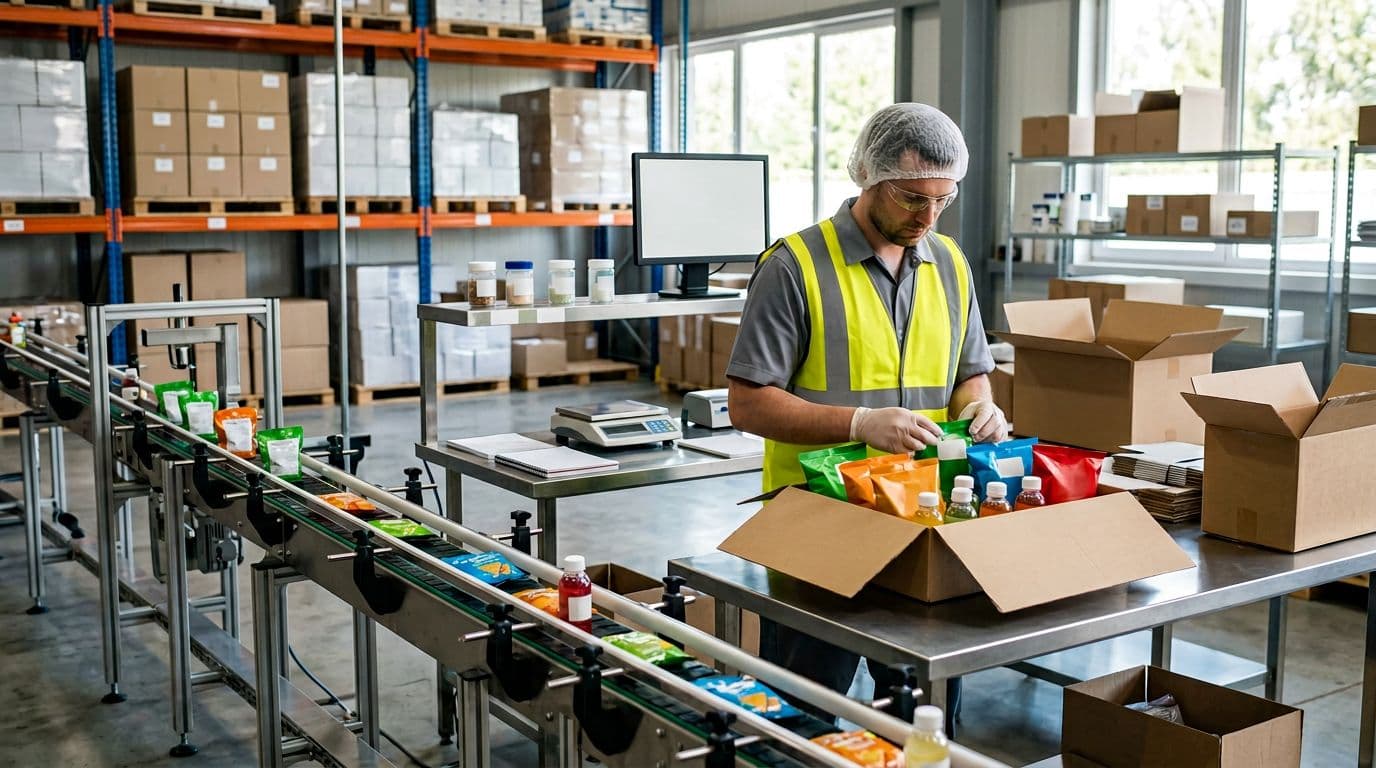
Growth can be exciting and stressful at the same time. You need more output, but you also need cash for inventory, ads, and a few key hires. Co-Packers help because they let you expand production without taking on heavy fixed costs that keep hitting you every month, even when sales dip.
Avoiding big equipment buys, facility leases, and full-time labor too early
Running your own plant can pay off later. However, early on it can feel like buying a semi-truck when you still do local deliveries. The monthly overhead shows up whether you ship 5,000 units or 50,000.
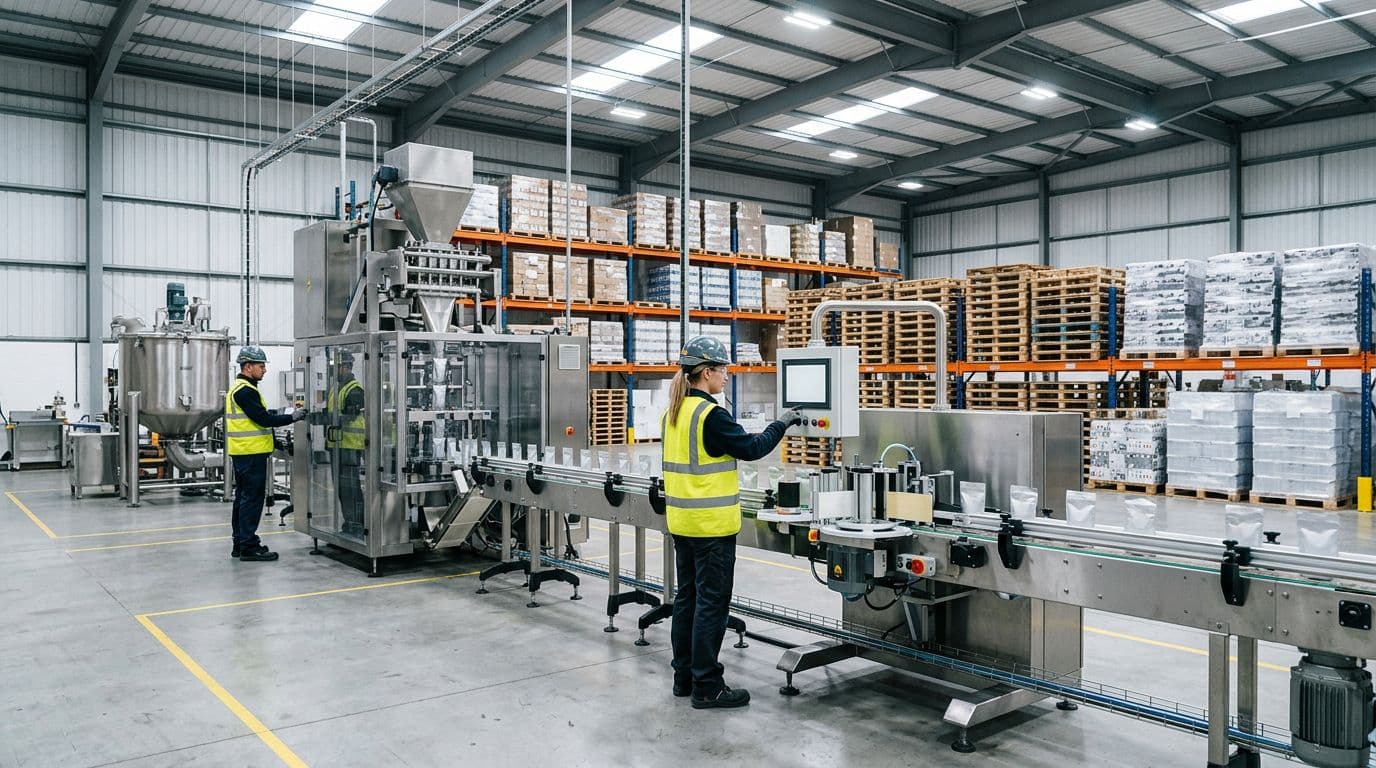
With a co-packer, you sidestep major costs like:
- Production equipment: mixers, kettles, fillers, cappers, sealers, pouching and cartoning machines, conveyors, checkweighers, and coding systems.
- Quality infrastructure: basic QA lab setup, testing tools, calibration programs, documentation systems, and audit readiness.
- Facilities and utilities: leases, build-outs, compressed air, water, power, waste handling, pest control, and sanitation.
- People costs: plant managers, line leads, QA staff, maintenance techs, and the time it takes for hiring and training.
- Downtime and repairs: spare parts, service calls, preventive maintenance, and the production you lose when a key machine goes down.
Outsourcing keeps your capital available for what actually drives demand, like retail programs, paid media, and inventory you can sell.
Turning fixed manufacturing costs into predictable per-unit costs
Fixed costs are heavy because they are due on a schedule. Rent, insurance, maintenance, and payroll do not care if a retailer pushes a reset date. Per-unit pricing flips that pressure. Instead of funding a factory, you budget a run.
That predictability helps you plan:
- Gross margin by SKU, so you know what you can afford.
- Promo budgets (discounts, free-fill, endcaps) without guessing.
- Retailer terms like case pack, pallets, and delivery windows, because you can model the real unit economics.
Still, per-unit quotes move for clear reasons. In plain terms, your price changes when the job takes more time or uses more stuff. Common drivers include materials and packaging components, how much hands-on labor it needs, the speed of the line, and how often the co-packer must stop for changeovers (switching labels, film, case packs, or lot codes). For a deeper breakdown of what typically shows up on quotes, see Co-Packing Pricing Explained.
When your manufacturing cost behaves like a dial you can turn up or down per run, cash planning gets a lot easier.
Reducing waste and expensive mistakes when volumes change
Volume changes create risk. New packaging orders arrive, timelines get tight, and a rushed line is where errors happen. Experienced co-pack operations reduce that exposure with routine checks, standard work, and teams who have already seen the common failure points.
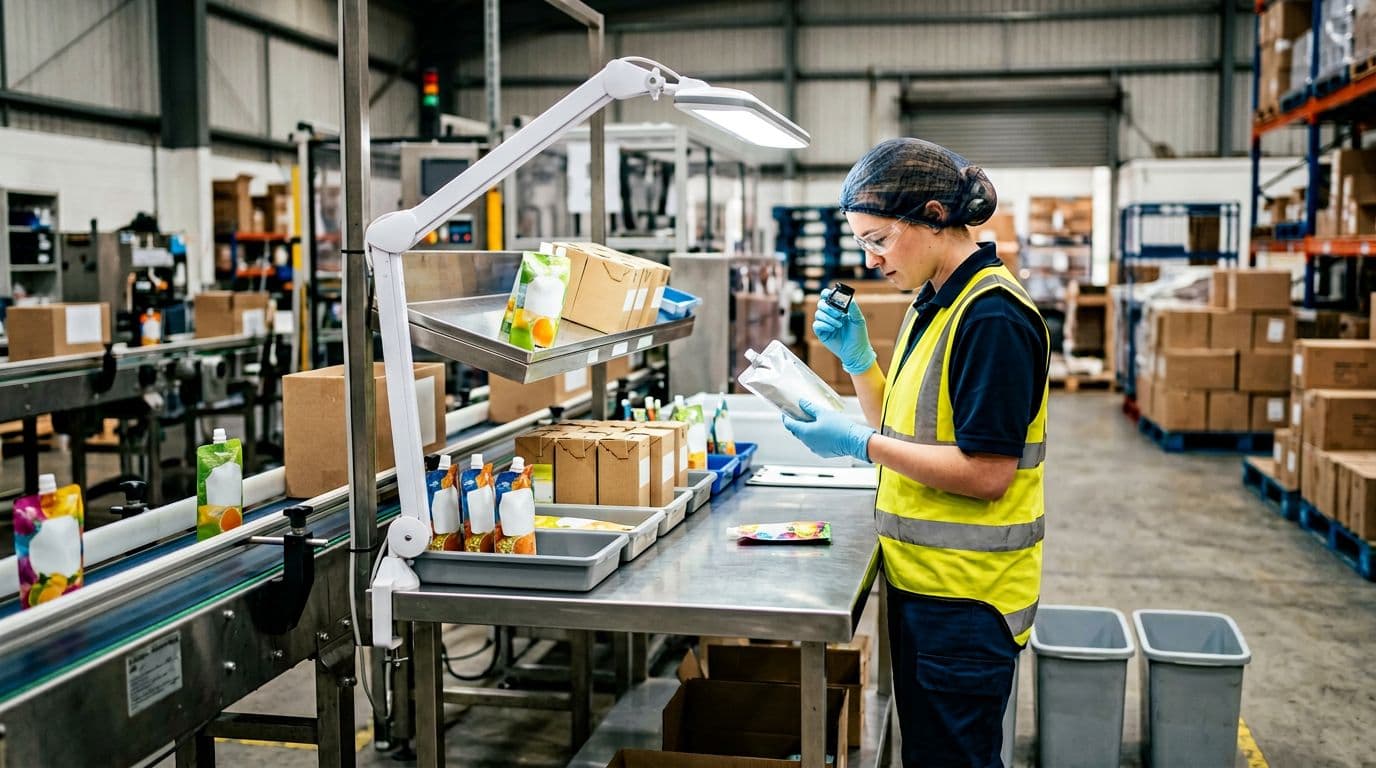
That shows up in fewer headaches like mislabels, wrong date codes, incorrect case counts, and packaging mix-ups. In FMCG, those mistakes get expensive fast. Returns, chargebacks, and rework drain cash, while bad reviews and lost shelf space drain trust. When you make fewer errors, you keep more sellable units, and you protect the budget you need for ads, inventory reorders, and the next hire.
Consistency and compliance matter, especially when you sell everywhere
When your product shows up in grocery, club, and online orders, the bar gets higher. Customers expect the same taste, texture, and fill level every time. Retailers expect your cases to scan, stack, and ship without issues. That’s why brands lean on Co-Packers that run repeatable processes and keep clean documentation, even when volume jumps.
Keeping every batch the same so customers trust the brand
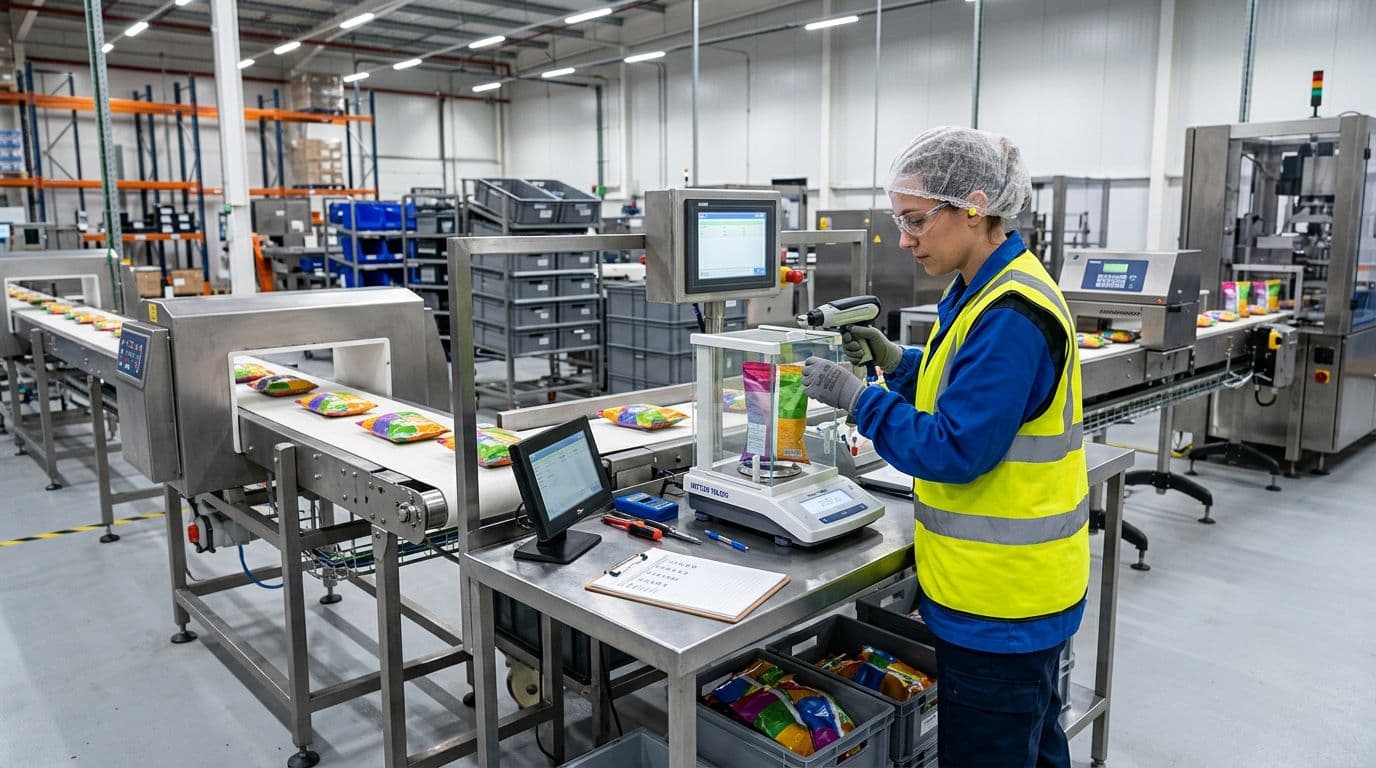
Consistency is not luck, it’s routine. A good co-packer builds process controls, which are simple checkpoints that make sure today’s run matches the last one. Think of it like a recipe you follow the same way every time, but on a production line with instruments and records.
Here’s what that often looks like in plain terms:
- Measured ingredients so the batch hits the same flavor and texture.
- Set cook or mix times and temperatures so nothing comes out under-processed or overcooked.
- Fill-weight checks so pouches, jars, or bottles aren’t light (or overfilled and leaking).
- Seal checks so the pack holds up in shipping and stays fresh on shelf.
- Metal detection (when relevant) to help catch foreign material risks before cases leave the facility.
- Lot coding so you can tie finished goods back to a specific run, date, and inputs.
Those small checks protect real outcomes. You see fewer customer complaints, fewer one-star reviews about “this tastes different,” and fewer retailer headaches like leakers, short weights, or inconsistent case counts. In other words, process control protects the promise on your label.
Customers forgive a lot, but they don’t forgive a product that changes every time they buy it.
Meeting food safety and labeling rules without constant guesswork
Rules change, and so do retailer requirements. What passed last quarter might get flagged on the next PO. When labeling or safety details slip, the fix is rarely small. Re-labeling burns time, holds inventory, and can snowball into missed delivery windows, or worse, a recall.
Co-Packers reduce guesswork because they handle packaging every day and bake checks into the line. Practical areas they watch closely include:
- Allergen controls: separation, changeovers, and correct allergen statements so “contains” info stays accurate.
- Nutrition Facts and ingredient statements: matching the approved spec, including sub-ingredients when required.
- Date coding: legible, correct format, correct placement, and consistent across cases.
- Country-specific labels for exports: different languages, units, warnings, or formatting depending on the market.
Recent recall headlines keep proving the point: undeclared allergens and labeling errors remain common causes of FMCG recalls, and those issues can start with a simple packaging mix-up. Staying tight on labels is not paperwork, it’s protection.
If you’re scoping partner expectations, this walkthrough on outsourcing contract packaging helps clarify what to align early.
Traceability, recalls, and returns, planning for the hard days
Nobody plans for a recall, but smart brands plan for the possibility. Strong traceability means you can answer one question fast: “Which products used this ingredient lot, on this day, on this line?”
Good traceability usually includes:
- Lot numbers on finished goods tied to a specific production run
- Production records (times, line, operators, in-process checks)
- Ingredient tracking that connects inbound materials to outbound cases
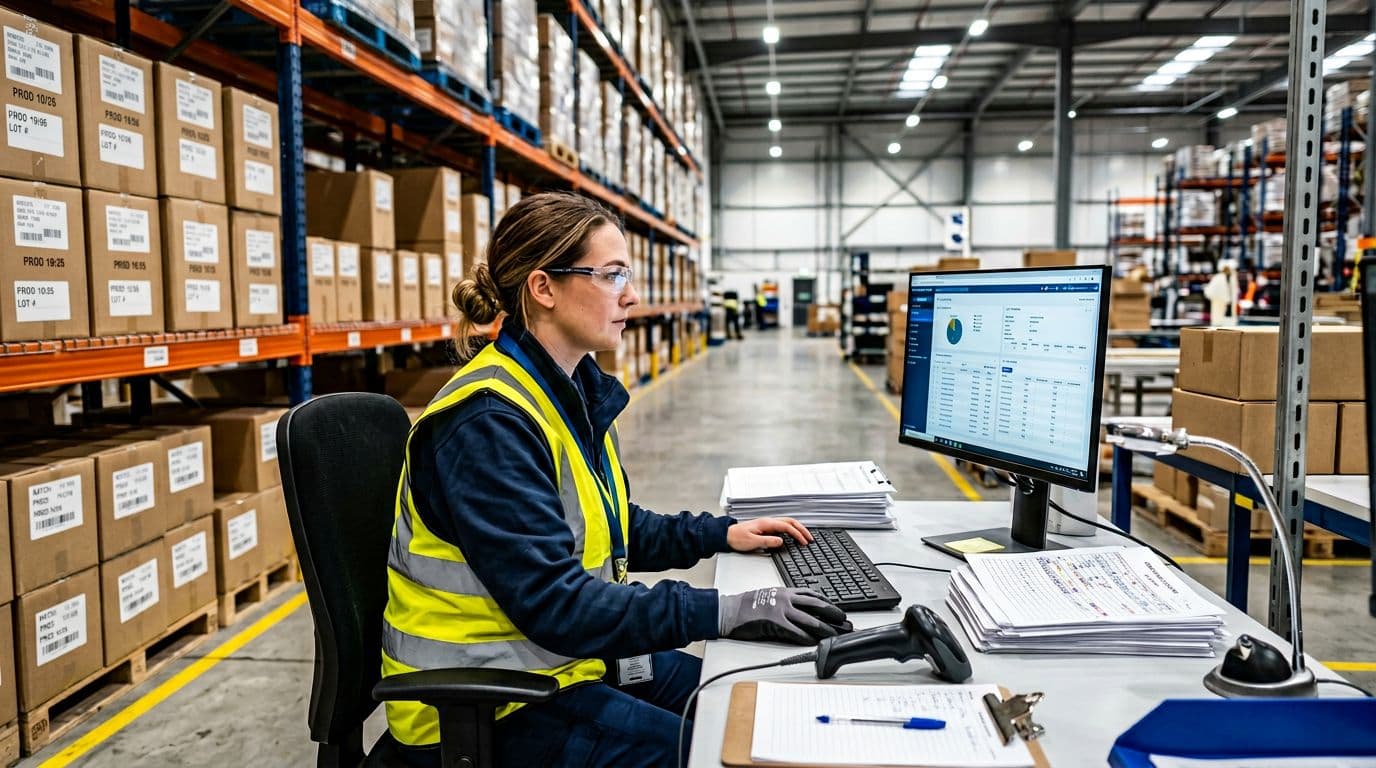
When something goes wrong, this structure limits the blast radius. Instead of pulling everything, you can target specific lots, protect shelf presence, and keep selling the unaffected product. Co-Packers also help with returns and rework decisions (what’s safe to rework, what must be scrapped, what needs quarantine), which reduces waste and speeds recovery.
Modern Co-Packers do more than pack, they help brands compete in 2026
In 2026, Co-Packers are less like a “box it up” vendor and more like an extension of your ops team. They help you choose pack formats that sell, keep labeling clean under pressure, and build routines that prevent expensive errors. Just as important, many brands now want a long-term partner, because switching facilities is painful once you scale.
The theme is simple: speed still matters, but reliability and flexibility decide who keeps shelf space when rules and retailers keep tightening.
Packaging choices that stand out, including sustainable options
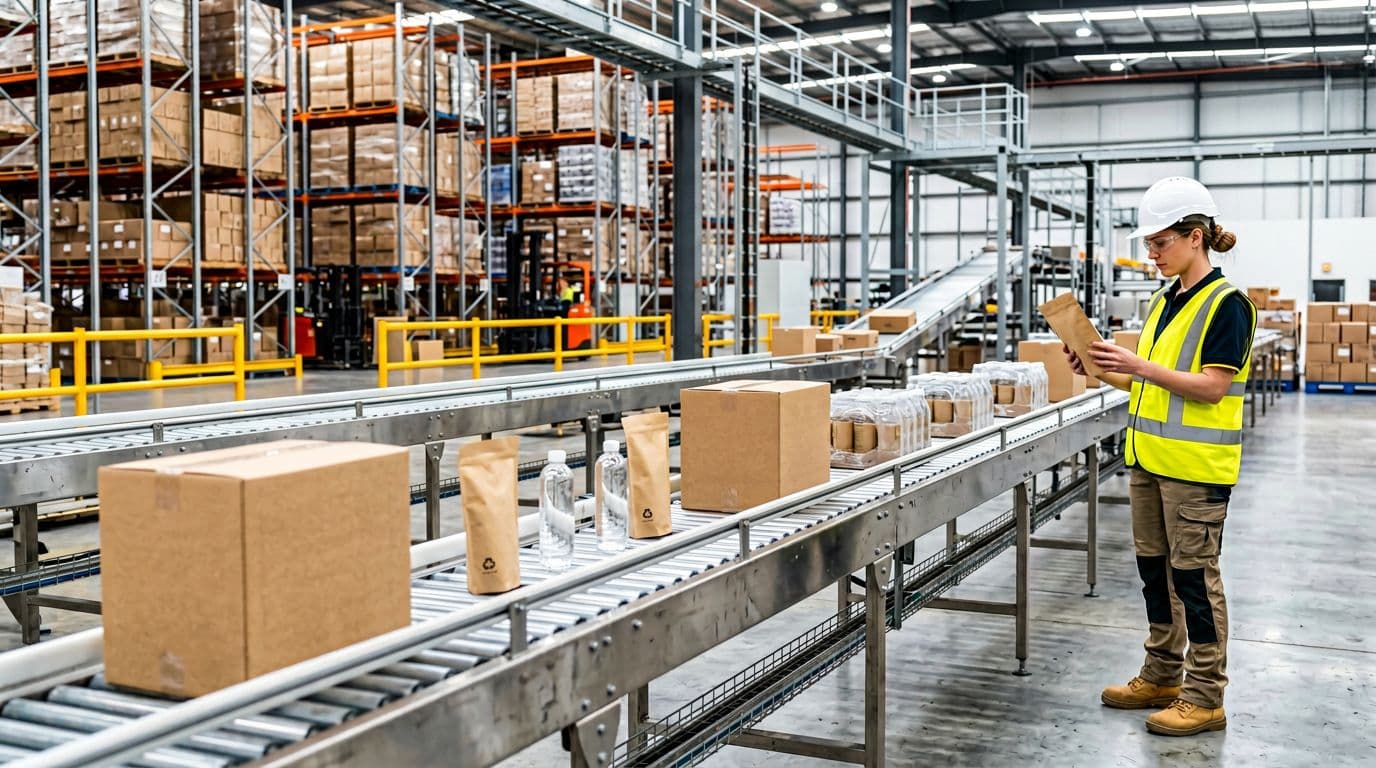
Co-Packers see what works across brands and channels, so they can pressure-test packaging ideas before you commit. That includes execution across common FMCG formats like pouches, bottles, cartons, multipacks, and shelf-ready displays. If you need a variety pack for e-commerce, a club-ready multipack, or a retail shipper that doesn’t fall apart in the aisle, a good partner will steer you toward materials and structures their lines can run consistently.
Sustainability also isn’t just a brand story anymore, it’s tied to cost and access. EPR fees and retailer packaging rules can penalize hard-to-recycle materials and unnecessary weight. That’s why practical changes often win over flashy redesigns.
Here are a few real-world moves Co-Packers help execute without slowing down production:
- Lightweighting: Thinner bottles or reduced film gauge, when seal integrity still holds.
- Mono-material or widely recyclable structures: For example, moving from mixed materials to simpler recyclable films where possible.
- Right-sizing cases: Tightening case dimensions to cut corrugate use and reduce shipping air.
- Retail-ready displays that don’t waste board: Strong enough for the floor, but not overbuilt.
If your next program includes in-store units, this resource on retail POS and POP packaging displays can help you think through what’s realistic for store setup and supply.
Smart labeling and automation that reduce delays and errors
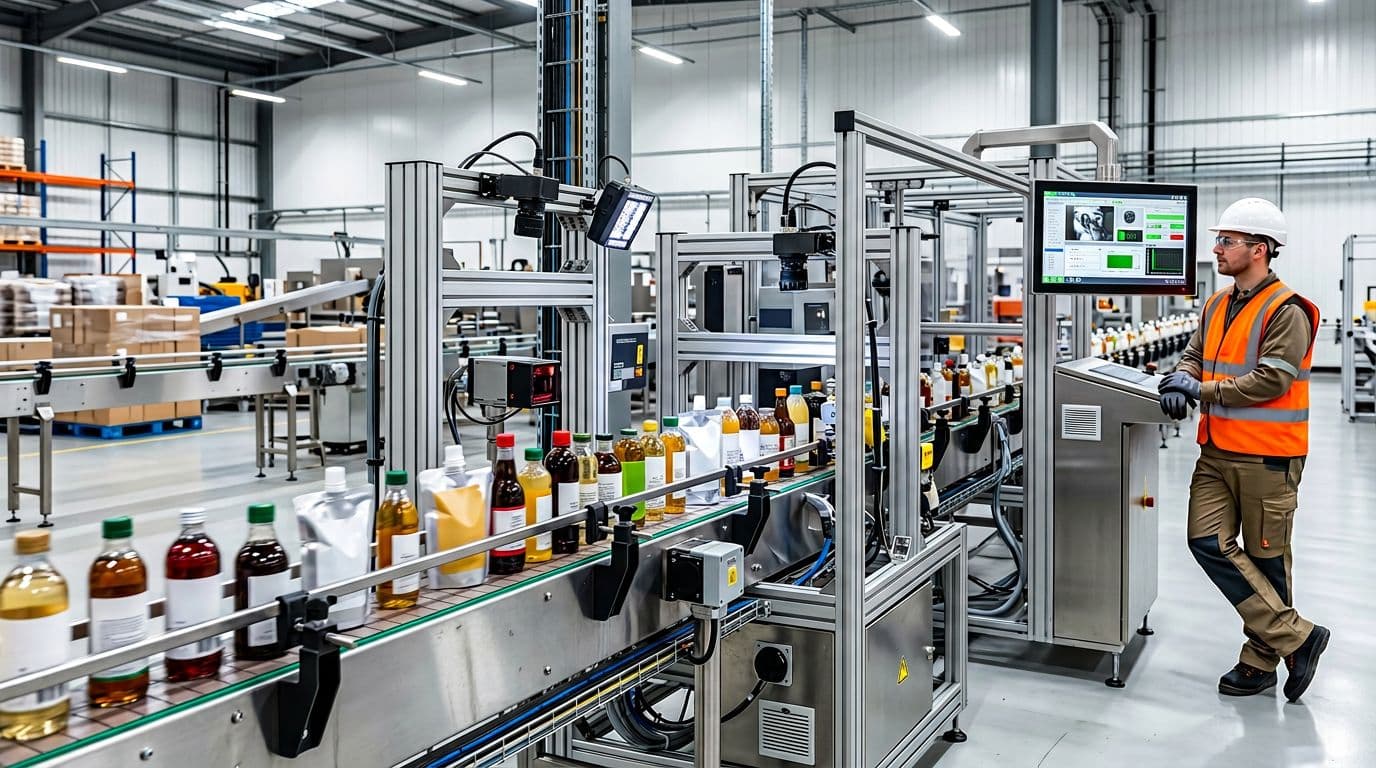
Modern lines don’t “trust and hope” when it comes to labels and codes. They verify. Scanners and vision systems can check that the right label is on the right SKU, that the date code matches the run, and that required codes are present and readable before cases get sealed.
In plain terms, the line looks for problems the same way a cashier scans items. If the wrong thing shows up, the system flags it, and the team can pull it before it becomes a full pallet of rework.
You may also see AI used as quiet process support, not magic. For example, it can help with forecasting, scheduling, or spotting patterns in downtime and defects. The value is simple: fewer surprises, tighter run plans, and fewer “we missed the ship window” moments.
One mislabel can turn a profitable run into quarantine inventory. Automation is how many Co-Packers keep that from happening.
What a good co-packer partnership looks like (and red flags to watch for)
The best partnerships feel boring in the right way. Specs stay stable, questions get answered fast, and changes follow a clear path. Before you sign on, align on the basics that protect both sides:
- Clear specs and artwork control: Approved dielines, label versions, code locations, pack-out photos, and case configuration.
- Realistic MOQ and lead times: What’s the minimum run, and what’s the scheduling window in peak season?
- Who buys what: Ingredients, primary packaging, corrugate, labels, and pallets. Also decide who owns excess.
- QA expectations: In-process checks, hold-and-release rules, sampling plans, and what triggers a stop.
- Change control: How do you request a new film, a new cap, or a new case pack, and who signs off?
- Communication cadence: Weekly production touchpoints, plus a clear escalation contact when things go sideways.
- Contingency plans: Backup materials, alternate ship dates, and what happens if a line goes down.
Watch for red flags that usually get worse with scale: vague pricing, thin documentation, constant missed deadlines, no plan for growth, or reluctance to share quality standards. If you want a deeper framework, this guide on choosing a contract packing partner is a solid reference for vetting fit.
Conclusion
Co-Packers give FMCG brands a practical way to win on the things that matter most, speed to market, flexible capacity when demand swings, and steadier costs that protect cash flow. Just as important, they bring repeatable line controls that help each run match the last, so customers trust what they buy and retailers trust what you ship. On the compliance side, strong Co-Packers reduce label and traceability surprises, which helps you avoid holds, rework, and painful chargebacks.
Looking into 2026, the pressure keeps rising. Sustainability expectations, including EPR fees and tighter rules around recycled content and claims, make packaging choices harder to get right. At the same time, smarter ops (automation, better scanning and verification, faster changeovers) help brands keep up without adding chaos. The strongest partners blend both, so your growth does not come with a pile of process headaches.
Next step: write down your product specs and goals (formats, volumes, quality checks, target timelines), then talk to a short list of Co-Packers to confirm fit on capacity, quality, and ship windows. Alignment upfront is what turns outsourcing into a real advantage.
