

Repackaging Services: When to Use Them, and What You Gain
Packaging problems rarely show up on a neat schedule. A shipment lands, and suddenly the boxes don’t meet a retailer’s rules, labels need a quick fix, or the presentation just won’t sell.
Repackaging Services means changing, rebuilding, or upgrading packaging after products arrive from a supplier but before they reach a customer or retailer. It can be as simple as swapping crushed or scuffed cartons for clean ones after transit damage. It can also mean turning bulk cases into shelf-ready packs, like splitting a 24-count master case into 6-packs with fresh labels and barcodes.
Businesses usually need repackaging when time is tight and the cost of rework, returns, or missed shelf dates is higher than outsourcing the task. It also comes up during promos, retailer compliance updates, or when packaging materials and reporting rules shift and you can’t wait for a new production run.
This post breaks down how to spot the right moment to use repackaging, what benefits you should expect (less waste, fewer chargebacks, cleaner shelf presence, faster turnaround), and what to watch out for (quality checks, traceability, and spec drift). It also covers how to choose a provider that can handle your volume, deadlines, and documentation needs, starting with this repackaging services guide.
What counts as repackaging services, and what it is not
Repackaging happens after the product is made but before it reaches the next stop, a retailer, a distributor, or the end customer. Think of it as changing the outfit the product wears, not changing the product itself. It can take place at a supplier site, a co-packer, a warehouse, or a 3PL, wherever you can work quickly, control quality, and document what changed.
A helpful boundary: Repackaging Services focus on presentation, protection, and compliance. They are not manufacturing, and they are not simply “slapping a shipping label on a box.”
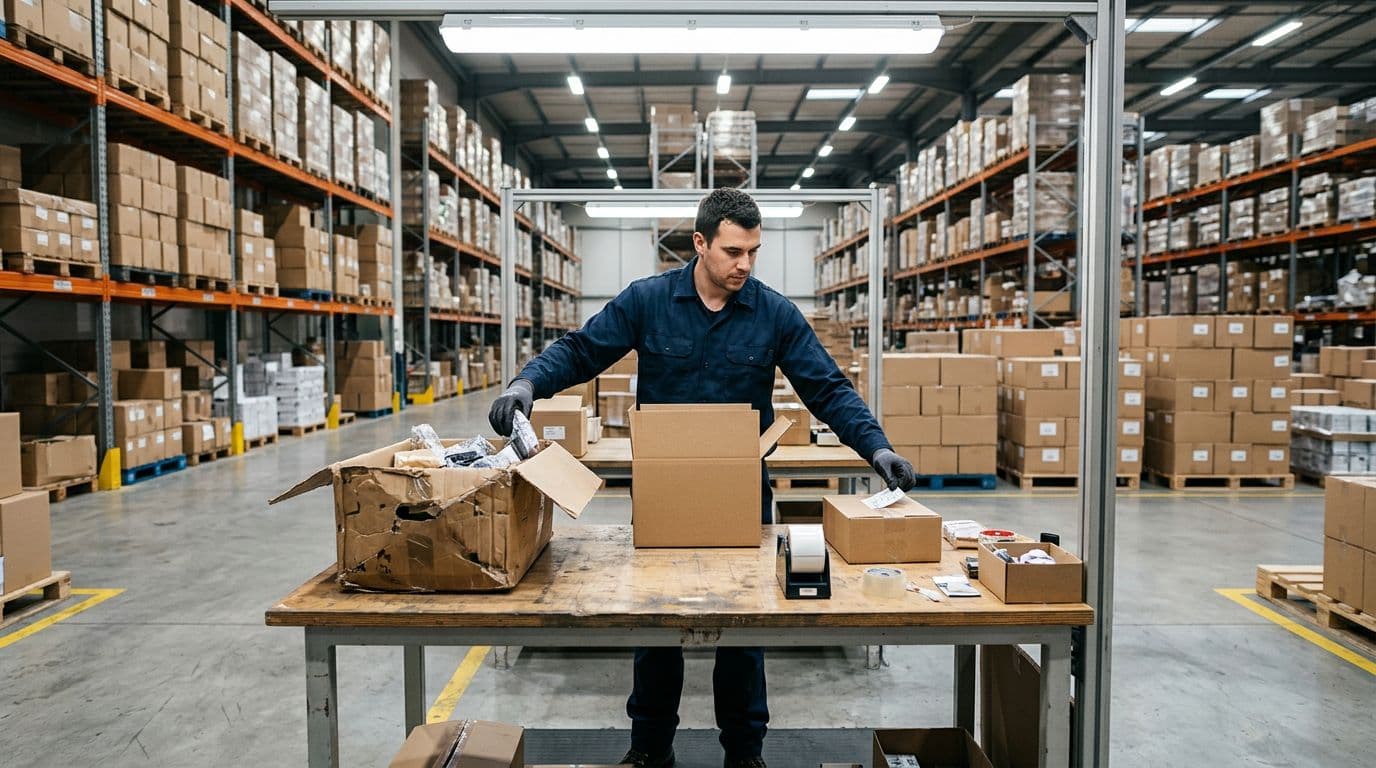
Common repackaging tasks businesses outsource
Most outsourced repackaging work falls into a few repeatable tasks. The goal is simple: make inventory sellable, scannable, and acceptable to the next buyer.
- Replacing damaged packaging: Swap crushed cartons, torn poly bags, or scuffed sleeves for clean materials. E-commerce example: replacing dented retail boxes so the customer does not see “warehouse wear.” Retail example: removing shelf-worn cartons before a store reset. B2B example: re-casing parts after a pallet tips in transit.
- Reboxing: Move units into a different carton size or style for shipping, storage, or shelf fit. For example, moving fragile items into stronger corrugate for parcel carriers.
- Relabeling (price, barcode, language): Apply updated UPCs, retailer-specific barcodes, new price tickets, or bilingual labels. This is common when the same product sells through multiple channels.
- Kitting and bundling: Package multiple items together for one sellable set. E-commerce: “starter kit” bundles. Retail: bonus packs for an endcap. B2B: maintenance kits built to a customer’s BOM.
- Shrink wrapping: Add clear film to hold multi-packs together or protect cartons. Often used for promotional packs and club-store formats.
- Poly bagging: Bag items for cleanliness, protection, or compliance (for example, small parts with warning statements).
- Adding inserts: Include manuals, promo cards, samples, or compliance sheets. This is a fast way to tailor messaging per customer.
- Applying tamper seals: Add tamper-evident labels or bands to reduce returns and protect brand trust.
- Breaking bulk into smaller units: Split a master case into inner packs or eaches. This is common when suppliers ship bulk but retailers order smaller shelf packs.
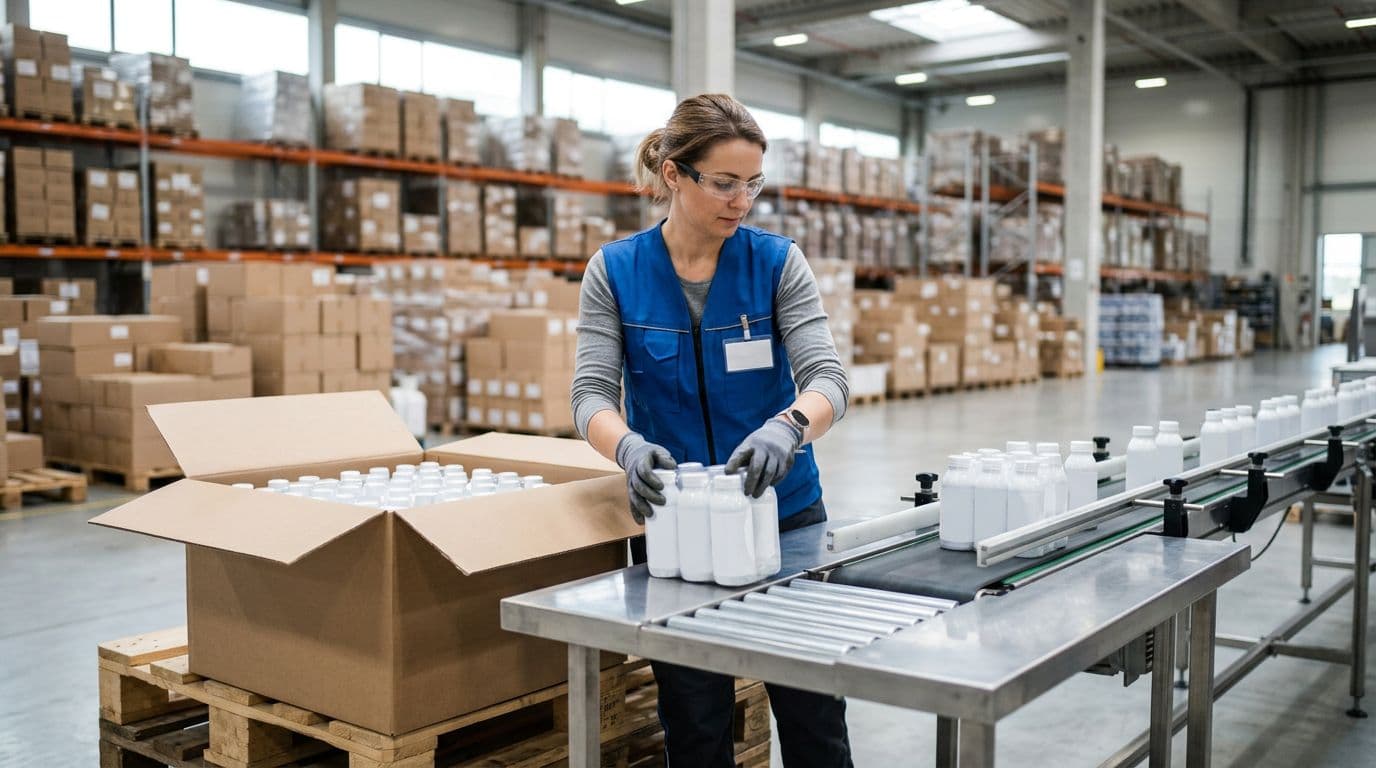
Repackaging vs. kitting vs. rework vs. fulfillment, how to tell the difference
These services often happen in the same building, but they solve different problems. Here is the clean way to separate them:
| Service | What it changes | What it does not change | Quick example |
|---|---|---|---|
| Repackaging | Packaging format, labeling, presentation, compliance | The product itself | Reboxing and adding a new barcode label for a retailer |
| Kitting | How multiple items are grouped and sold | The items’ design or function | Bundling shampoo, conditioner, and a sample into one set |
| Rework | Fixes defects in product or packaging so it meets spec | Core manufacturing or redesign | Replacing missing components, correcting misapplied labels |
| Fulfillment | Order flow from storage to shipment | Packaging specs (unless you add VAS) | Pick, pack, ship for daily orders |
One scenario that shows how they connect: a supplier ships bottled supplements in bulk trays. At the warehouse, the team repackages them into shelf-ready cartons with the correct UPC. Next, they kit a “30-day wellness set” by adding a trial-size product and an insert. During checks, they find some units have crooked labels, so they rework those units by removing and reapplying labels. Finally, fulfillment ships cartons to retail DCs and direct-to-consumer orders. For more context on where these fit inside broader value-added 3PL services, it helps to think of repackaging as one tool in a larger toolbox.
Why packaging changes happen after the product is already made
Packaging rarely stays “final” for long, because selling channels keep moving. A supplier may ship in bulk to save cost, while your retailer requires shelf-ready packs. Transit damage also forces your hand, because you cannot ship crushed boxes to a picky customer and expect low returns.
Rules change, too. Different retailers demand different barcode placement, labeling language, case counts, or tamper evidence. Seasonal promos add another twist, because marketing wants a holiday bundle now, not after your next production run. Last-minute label updates are also common, especially when prices, ingredients, or compliance statements get revised.
The bigger reason is flexibility. Repackaging lets you hold inventory in a simpler state (bulk or base pack) and finish it closer to the order. As a result, you avoid stacking up too much pre-finished packaging that might become obsolete before it sells.
Clear signs your business needs repackaging services now
Repackaging problems usually show up in the places that hurt most, customer inboxes, retailer portals, and return reports. If you keep “fixing it next time” but the same issues repeat, it’s a sign the packaging process needs a real checkpoint, not another patch.
The goal of Repackaging Services is simple: catch issues before they ship, protect the product better, and send out units that scan, stack, and sell the way they should.
You are seeing returns, complaints, or bad reviews about packaging
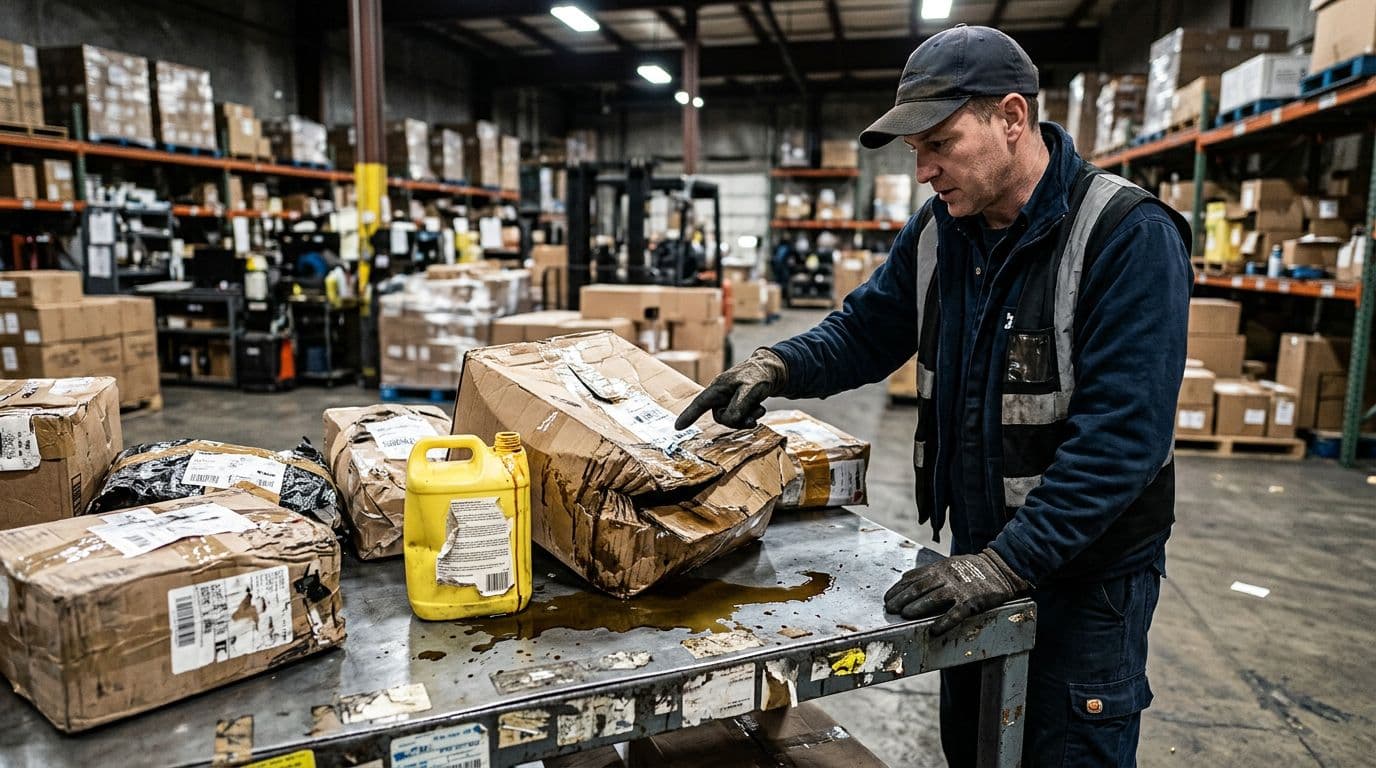
When customers complain about packaging, they rarely separate “the box” from “the brand.” Crushed corners, leaking items, scuffed labels, and that messy “thrown together” look all create doubt, even if the product works fine.
Watch for patterns like these:
- You see photos of dented retail boxes in reviews.
- Customers mention leaks, sticky residue, or broken seals.
- Labels arrive scraped, wrinkled, or unreadable, so returns get easier to justify.
- The unboxing feels like a junk drawer, not a purchase.
Repackaging adds a controlled stop where someone checks units, replaces damaged materials, and upgrades protection before they leave again. That can mean stronger corrugate, better void fill, tighter inner packs, tamper seals, or simply clean cartons and straight labels. In other words, you’re building a “catch net” before the customer sees the damage.
It also helps because shipping is rough. Recent reporting puts shipping damage at nearly 11% of e-commerce shipments, and parcels can see an average of 17 drops in transit. When you assume “it’ll probably be fine,” you’re betting against physics.
Returns carry hidden costs that don’t show up in the product margin:
- Outbound and return shipping charges add up fast.
- Restocking time steals labor from revenue work.
- Lost trust means fewer repeat orders, and worse reviews.
If a customer’s first experience is a crushed box or a leak, you’re not just fixing a return, you’re rebuilding confidence.
Retailers or marketplaces keep rejecting your shipments
If you sell into retailers, marketplaces, or DCs, packaging mistakes turn into hard stops. Your shipment can be “correct product, wrong setup,” and that still means trouble.
Common rejection triggers include:
- Missing barcodes, wrong barcode type, or poor print quality.
- Wrong label placement, so scans fail on the dock.
- Non-compliant packaging, such as case packs that do not match the PO or required pack style.
- Bundle rules not followed, for example, wrong count per set, missing “sold as set” cues, or inconsistent components.
- Shelf-ready packaging needs, like retail-ready cases, perforations, or specific pack-out.
When this happens, you risk costs and delays that stack quickly, including:
- Chargebacks for non-compliance handling.
- Refused loads that bounce back to you.
- Late delivery penalties if the rework pushes past the appointment window.
Repackaging services act like a pre-flight check for retailer rules. A good partner verifies barcode presence, label position, bundle counts, and case configuration before freight moves. That keeps your product moving through the system instead of sitting in exception status.
You are launching bundles, subscription boxes, or seasonal promos
Promos create a special kind of pressure because marketing works on calendar time, not production time. If you’re building bundles, subscription boxes, or seasonal offers, repackaging can keep you from redesigning upstream packaging for a short-lived campaign.
This is where repackaging shines:
- Building kits and bundles from existing inventory.
- Adding promo stickers or updated labels without reprinting everything.
- Dropping in limited-time inserts, coupons, or samples.
- Creating gift-ready presentation (clean boxing, protective packing, consistent layout).
The big win is speed. You can test an offer, learn what sells, and adjust fast. Instead of changing factory packaging for every idea, you keep base inventory steady and “finish” it close to ship. That lowers risk if the promo flops, and it prevents you from sitting on obsolete packaging after the season ends.
You are shipping in bulk but selling in smaller units
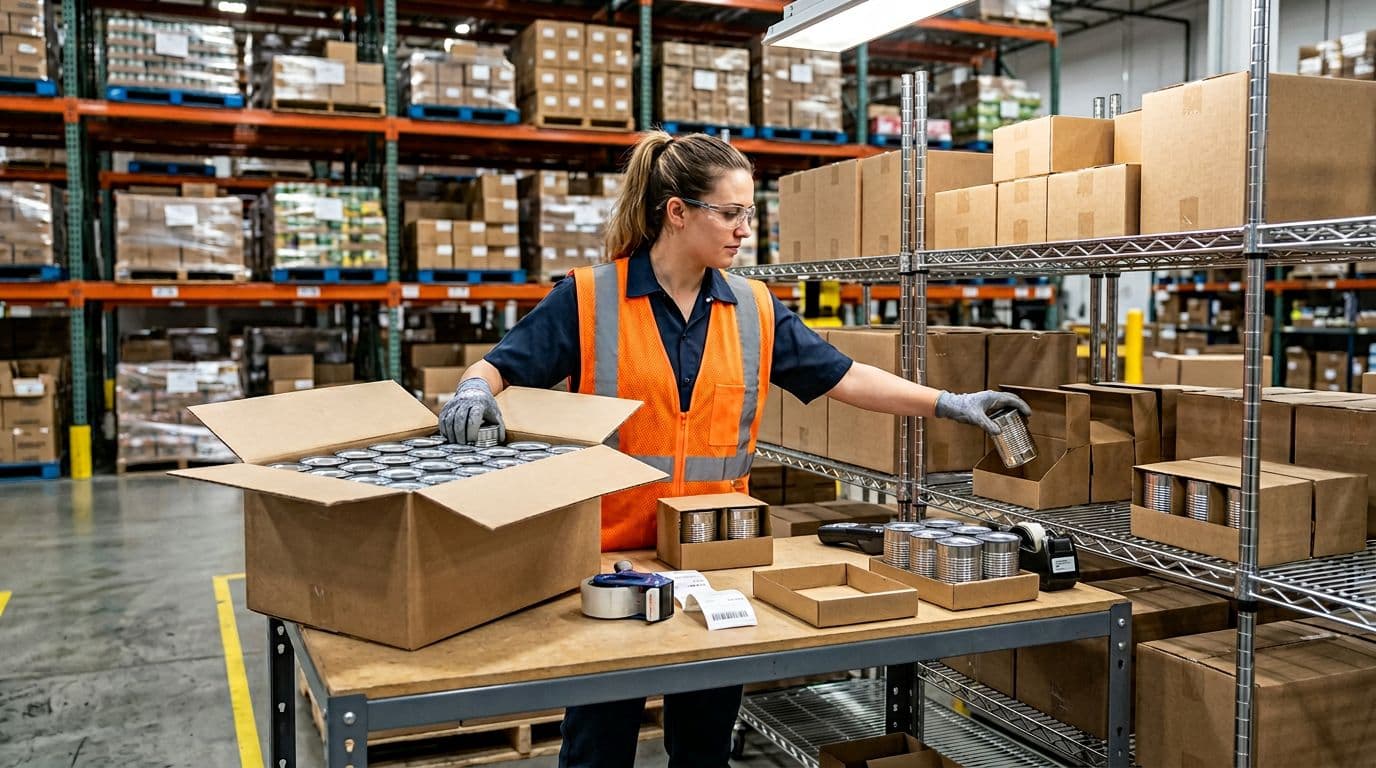
Bulk buying saves money, but it can create friction once orders start coming in as singles, 2-packs, or small bundles. If your team keeps cracking cases on the fly, you’ll feel it in pick errors, messy storage, and rising labor.
Repackaging helps when you need to:
- Break master cases into eaches for e-commerce.
- Repack into smaller inner packs that fit standard bins and shelves.
- Add the right barcode and labeling for each selling unit.
Here’s a simple example: you import a 24-pack case to get a better unit cost. Online, your best seller is a 2-pack. Without a repack plan, staff open cases wherever there’s space, then chase loose units across the warehouse. With repackaging, you convert inventory into consistent 2-packs (and singles if needed), then store and ship them like a normal SKU.
As a result, you control handling, reduce damage from loose movement, and often cut shipping waste because the packaging matches the order size. For certain categories, especially food and beverage repackaging services, that consistency also helps with traceability and clean presentation across multiple channels.
The business case, why repackaging can cut costs and boost sales
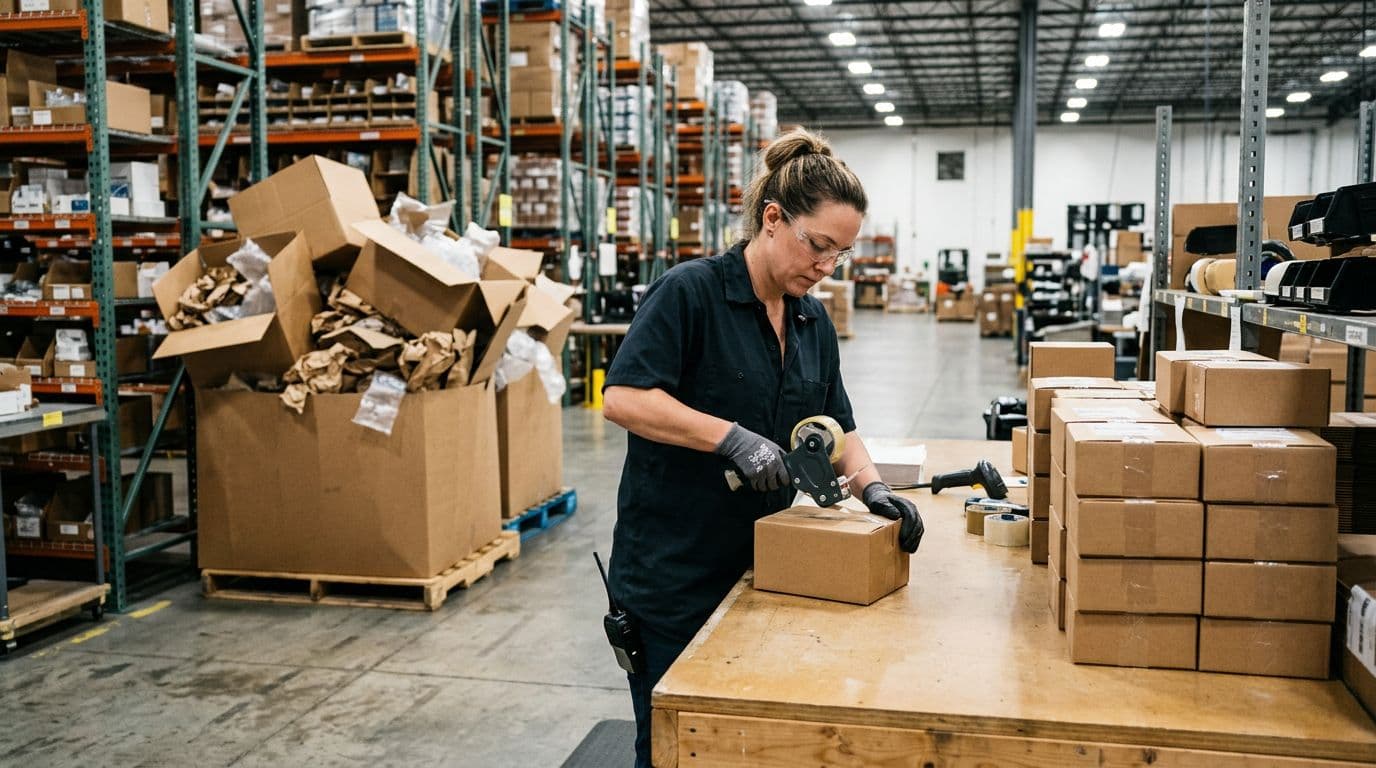
Repackaging is easy to dismiss as “extra handling.” In practice, Repackaging Services often pay for themselves because they reduce the expensive stuff you don’t see on a unit cost sheet, oversize shipping fees, damaged goods, re-shipments, chargebacks, and customer service time.
A simple way to think about ROI is to compare two buckets: what you spend to fix packaging versus what you stop bleeding every week.
- Cost of repackaging: labor, materials, and any setup time.
- Cost of doing nothing: higher freight bills, more returns, more replacements, and slower warehouse flow.
If your repack work prevents even a small share of returns and oversize shipments, the math usually turns in your favor. For a deeper look at what providers include (and what can surprise you later), this co-packing pricing breakdown is a helpful reference.
Lower shipping and storage costs through right-sizing and better pack-outs
Shipping costs often jump because carriers bill by space, not just weight. With dimensional weight pricing, a light product in a big box can cost like a heavier one. FedEx and UPS commonly use a DIM divisor of 139 for daily rates (USPS often uses 166 for packages over 1 cubic foot), so shaving inches off a carton can cut billable weight fast. Results vary by carrier rules, zone, and product type, but the pattern is consistent: wasted space tends to show up as wasted spend.
Right-sizing also reduces the “hidden” materials bill. When the box fits the product, you usually need less void fill, less tape, and fewer corner patches. Those are small items, but they pile up when you ship every day.
Storage gets cheaper in a similar way. Better pack-outs and smarter case packs can increase how many sellable units fit per pallet, and how many pallets fit per row. That gives you more capacity without paying for more square footage. Even if your storage rate stays the same, you’re buying fewer pallet positions for the same sales volume.
If you’re paying to move air (in cartons or on pallets), right-sizing is one of the fastest ways to stop.
Fewer damaged goods, fewer refunds, fewer headaches
Damage is rarely caused by one big mistake. It’s usually death by a thousand bumps, loose product inside the carton, thin corrugate, weak corners, and not enough bracing where the item actually needs it. Repackaging gives you a chance to fix those problems before the carrier gets a say.
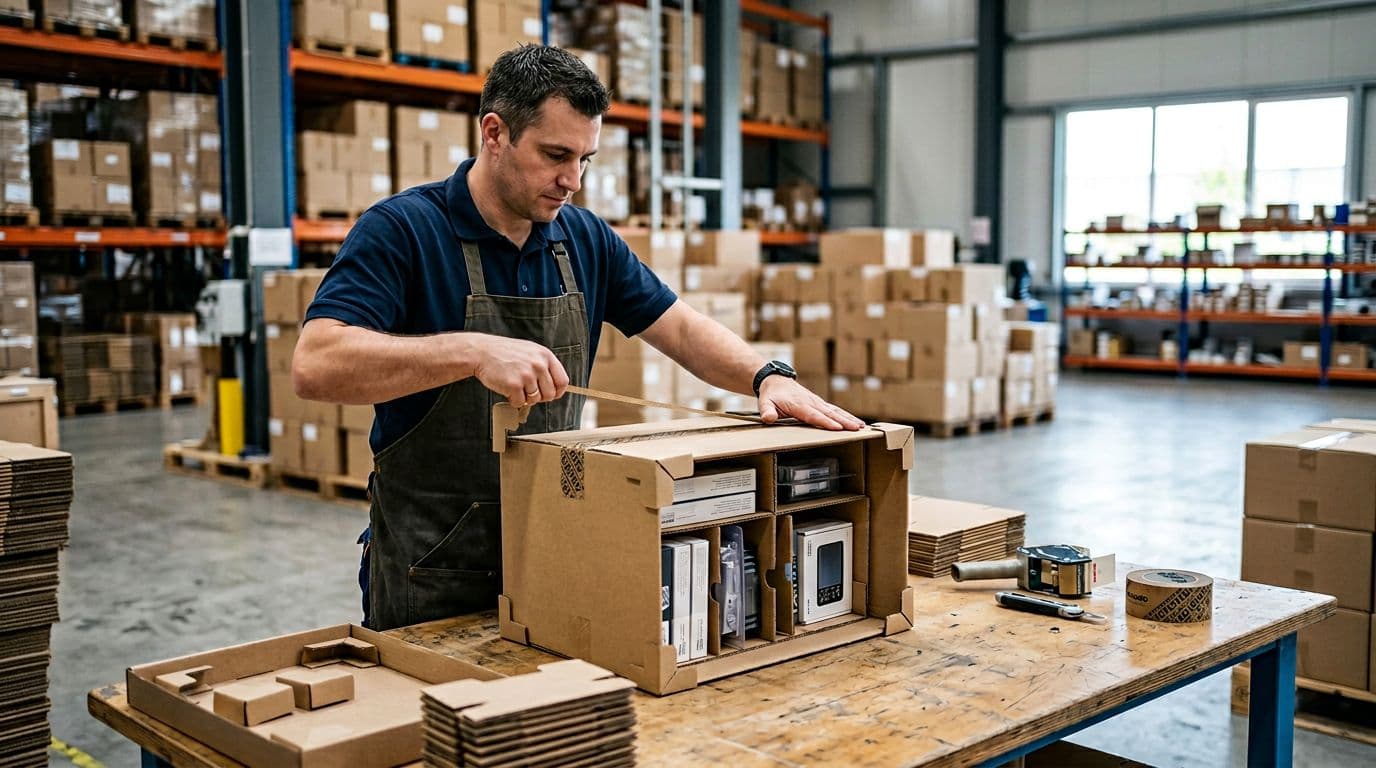
Common upgrades include:
- Stronger outer boxes for parcel shipping, especially for heavier items.
- Inserts and dividers that stop internal shifting.
- Corner guards and edge protection for crush-prone products.
- Tighter packs that reduce movement and rattling.
Just as important, repackaging creates a built-in quality checkpoint. While units are handled, teams can catch scuffed cartons, broken seals, missing parts, or bad labels. Every issue found before shipping is one less “Where’s my replacement?” email later. That reduces customer service load and protects your reviews, which protects your sales.
A stronger unboxing experience that helps repeat purchases
Customers judge fast. If the package looks sloppy, the product feels riskier, even if it works perfectly. Repackaging helps you control that first impression with clean, organized presentation that signals care and consistency.
This doesn’t have to mean fancy, expensive packaging. Simple add-ons can lift perceived quality without ballooning costs:
- Branded tape or a consistent seal style.
- A short insert with instructions or care tips (especially for fragile or multi-part items).
- A thank-you card that feels human, not corporate.
- A small promo code for the next order (use it selectively so it stays profitable).
The key is restraint. A neat pack that arrives intact beats a “premium” pack that arrives crushed. When repackaging improves both protection and presentation, you often see the payoff in fewer returns and better repeat purchase behavior.
More flexibility when demand changes or rules change
Repackaging also supports a simple postponement strategy: keep inventory in bulk or a base pack, then finish the packaging closer to the order. That way, you don’t lock yourself into one label, one case count, or one retailer format months in advance.
This flexibility matters when:
- Demand spikes and you need more sellable units fast.
- A new retailer onboards you and requires a different barcode, label placement, or case pack.
- Regulations or internal claims language changes, forcing rapid label updates.
- Marketing needs a short promo run without a full packaging reprint.
Instead of scrapping old packaging or waiting on a new production run, you adjust near the end of the process. If you want a broader view of why companies outsource these finishing steps, the secondary packaging outsourcing benefits overview connects the dots between cost control and day-to-day operational flexibility.
How to choose a repackaging partner and avoid expensive mistakes
Hiring help for Repackaging Services should feel like adding a reliable station to your supply chain, not rolling dice on timelines and quality. The safest way to pick a partner is to treat it like a buying process with clear steps: define what “done” looks like, confirm how they control errors, then test with a small run before you hand over real volume.

Before you request quotes, bring a tight “job brief.” At minimum, share your SKU list, photos of the current pack, your target pack-out, monthly volume, and any hard ship dates. Also include what you can supply (boxes, labels, inserts) versus what you expect them to source.
Questions to ask before you sign anything
Start with the basics that drive cost, speed, and risk. If a provider answers vaguely, that’s a signal to slow down.
Ask these questions early:
- What services are done in-house? Reboxing, labeling, kitting, coding, inspection, and rework can happen under one roof or across vendors. In-house usually means fewer handoffs.
- What are lead times and cutoffs? Get specific: time to start after inbound arrives, daily cutoff times, and how weekend or holiday work is handled.
- How are errors handled? Ask who pays for rework, how quickly they notify you, and what triggers a hold.
- What is the process for approvals and samples? You want a documented first-article approval, plus physical or photo samples before full production.
- Can they handle lot codes, expiration dates, or serial numbers if needed? If you might need traceability later, confirm capabilities now.
- What reporting do you get? Examples: daily production counts, scrap totals, photo proofs, inventory adjustments, and ship confirmations.
- How do they price? Clarify whether pricing is per unit, per touch, or per hour, and what “touch” means in their world.
- What happens during peak season? Ask about surge labor, overtime policy, and how they protect your capacity when everyone else is rushing too.
To keep expectations clear, confirm what will be written into the agreement, including responsibilities and change control. This guide on essential contract packaging agreement elements is a useful cross-check before you commit.
Quality control, traceability, and packaging compliance basics
Good QC is not a promise, it’s a routine. You should be able to picture the checkpoints, the paperwork, and what gets recorded at each step.
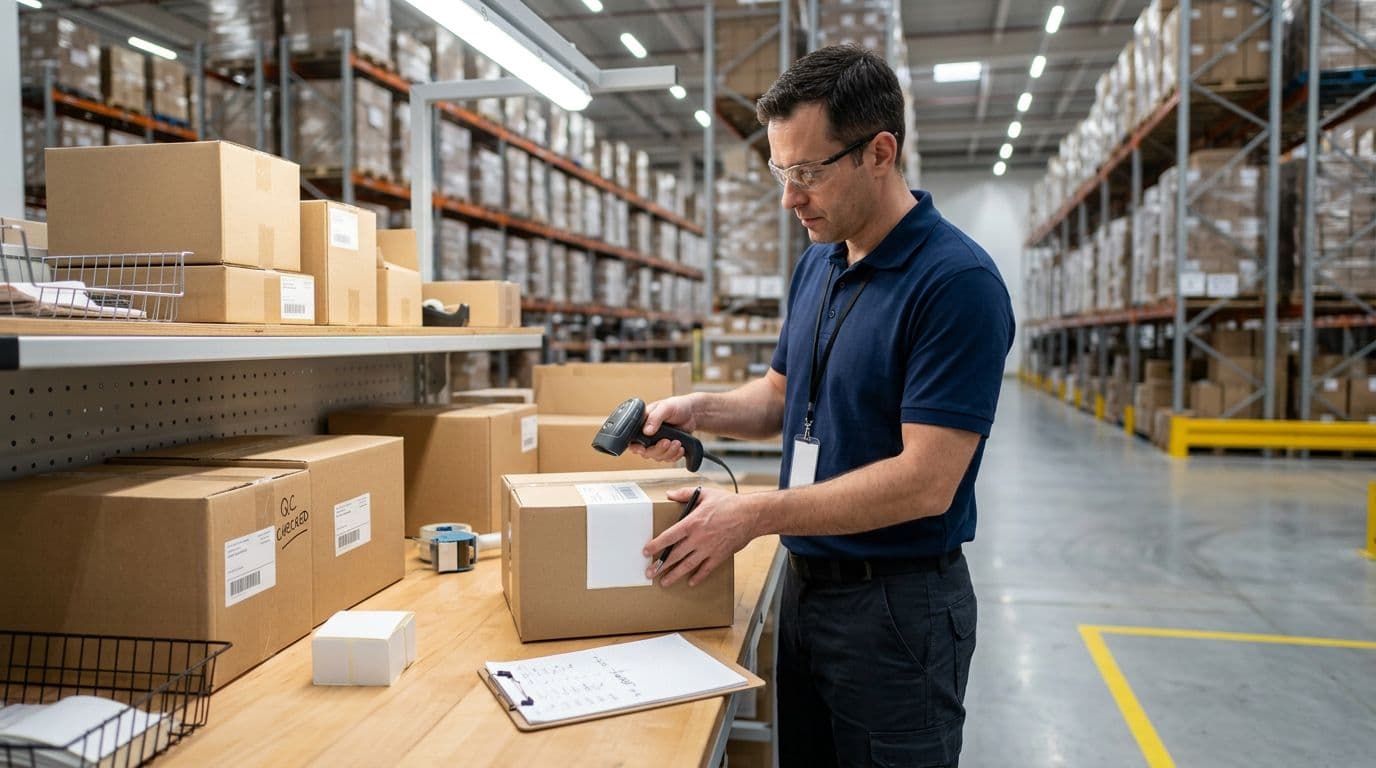
Look for QC practices like:
- Incoming inspections for product condition and component accuracy (right labels, right cartons, right inserts).
- Count verification at the start and end of each batch to prevent short shipments.
- Barcode scans for SKU verification and to catch mix-ups before sealing cartons.
- Photo proofs of the finished pack, case label, and pallet labels for approval and records.
- Documented work instructions (SOPs), including pictures for pack-out steps and label placement.
Traceability matters more than people expect. Even if your product is simple, you may still need lot tracking, date codes, or a record of which inbound lots went into which outbound shipments.
Finally, don’t forget compliance outside your walls. Confirm your partner can follow retailer and marketplace packaging rules, including barcode types, label placement, poly bag warnings (if applicable), and case pack requirements. One missed rule can turn into rejections, chargebacks, or relabeling at the worst time.
If they can’t explain their QC checks in plain language, they probably can’t run them consistently.
Packaging materials and design, make it protective, compliant, and easy to pack
Your packaging design affects labor as much as it affects damage rates. The fastest packs usually share one trait: they are hard to do wrong.
Focus on three decisions:
- Choose the right outer package: corrugate box vs. mailer, based on weight, fragility, and carrier handling.
- Control movement inside the box: use the right void fill (paper, air pillows, molded inserts) so the product doesn’t bounce.
- Keep labeling simple and scannable: durable labels, consistent placement, and barcodes that don’t wrap corners.
A few practical tips that reduce cost fast:
- Limit packaging variations. Too many box sizes and label versions slow the line and increase mistakes.
- Reduce steps. If a pack requires three stickers, two folds, and a custom insert, you are paying for every extra motion.
- Pick materials that run cleanly. Cheap tape that fails or labels that peel create rework.
If sustainability matters to your customers, start with easy wins like right-sizing (less material) and recyclable paper void fill. Keep the change controlled so you don’t trade “greener” for higher damage.
Red flags that lead to delays, waste, or surprise fees
Most expensive mistakes show up as small “unknowns” during quoting, then become big invoices later. Watch for these red flags:
- Unclear pricing that doesn’t separate labor, materials, setup, storage, and change fees.
- No written SOPs for pack-out, label placement, or QC checks.
- No defined QC checkpoints, or a “we’ll figure it out” attitude.
- Weak communication, especially around delays, shortages, and errors.
- Frequent inventory mismatches between what they say they have and what ships.
- No proofing process for labels, samples, or first articles.
- Vague timelines with no cutoffs, no schedule confirmations, and no escalation path.
Before scaling, run a small pilot. Pick one SKU or one bundle, set measurable targets (error rate, daily output, reporting cadence), then review results together. If you want a structured way to evaluate fit, this resource on choosing the right contract packing partner can help you compare providers without getting lost in sales talk.
Conclusion
Repackaging Services make sense when your packaging stops being “good enough” for the next step in the chain. The triggers are usually clear: repeat damage in transit, retailer or marketplace rules that cause rejections, last-minute bundles and seasonal promos, or bulk shipments that you need to sell as smaller units.
The upside is just as practical. You can cut waste and avoid chargebacks, protect products better, and improve the unboxing so customers trust what they bought. You also get more flexibility, because you can keep base inventory simple and finish packs closer to the order, especially when labels, barcodes, or pack-outs change.
To get started, audit what’s going wrong (photos help), then estimate the true cost of doing nothing (returns, re-shipments, labor, penalties). Next, run a small pilot with one SKU or one bundle, and track error rate, speed, and reporting. If you want a broader view of outsourcing the work, this guide on outsourcing secondary packaging is a helpful companion.
Finally, write down your top 3 packaging problems, then use that list to compare providers and choose the one that can fix them without creating new surprises.
