
Types of Packaging Materials: Best Options for Your Product
Packaging material does a lot more than make a product look good. It helps protect what’s inside, affects shipping weight and cost, shapes how the product looks on the shelf, and can support your brand’s sustainability goals. That’s why choosing the right packaging materials matters early, not after the product is already boxed up.
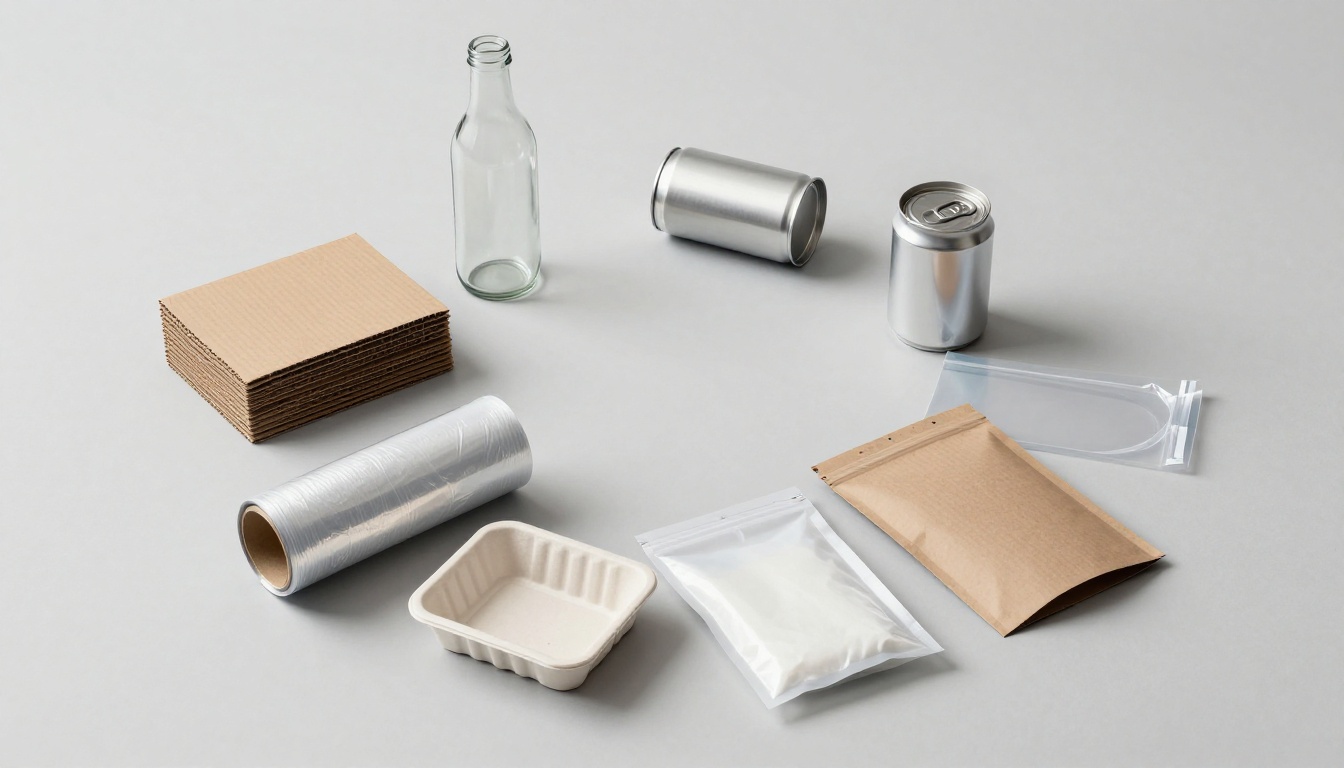
There isn’t one best option for every product. Paper and cardboard, plastic, glass, metal, and newer choices like molded fiber and biopolymers all have strengths, but they also come with tradeoffs in cost, durability, barrier protection, appearance, and disposal. In 2026, brands are also paying closer attention to lightweight designs, recyclable formats, and materials that fit real-world waste systems, not just nice claims on paper.
This guide will help you compare the main packaging material types and match them to your product’s needs. That could mean stronger protection in transit, lower freight costs, better shelf impact, or a smarter fit for your environmental goals. If sustainability is part of your decision, it also helps to review sustainable packaging best practices before choosing a material.
Start with what your product needs most
Before you compare paper, plastic, glass, or metal, start with the product itself. The best packaging material depends on what you need it to do. Protection comes first, but shelf life, moisture resistance, weight, retail appearance, sustainability goals, and budget all matter too.
A good package works like the right coat for the weather. Too light, and the product takes a hit. Too heavy, and you pay for it in freight, storage, and packing time. That’s why smart packaging choices should support how your product is stored, packed, and shipped, especially if you rely on packaging and fulfillment solutions to keep orders moving cleanly and on time.
Think about protection, shelf life, and product sensitivity
Different products need different levels of defense. Fragile items need structure and cushioning. Perishable goods need barriers that control moisture, oxygen, or temperature. Liquids need strong seals and leak resistance. If you sell cosmetics, you often need both protection and a polished look.
For example, electronics usually need corrugated boxes, inserts, or padding to absorb shock during transit. Food products often need films or liners that slow moisture loss and limit oxygen exposure, because that helps protect freshness and shelf life. Cosmetics and personal care items may need tight closures, inner seals, or compartmented cartons so they don’t leak, crack, or look damaged on the shelf.
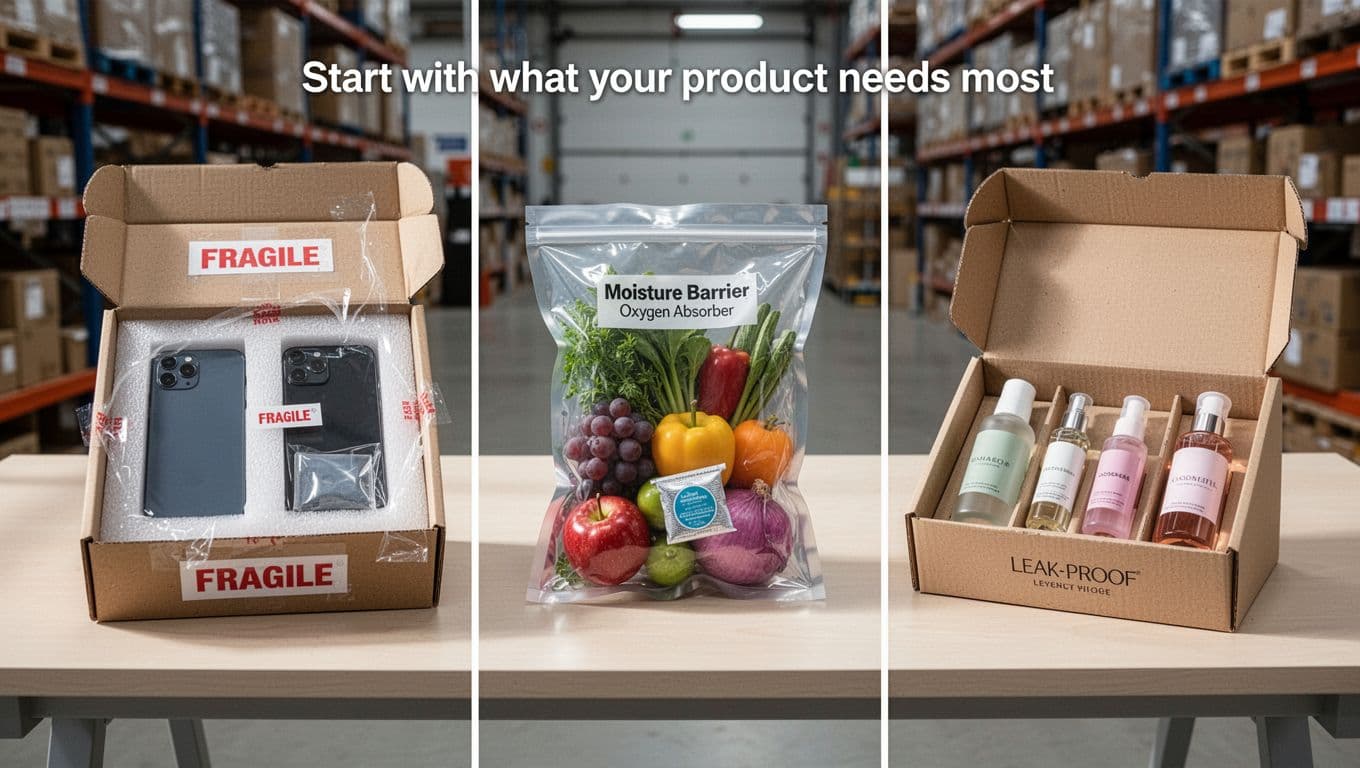
If a product is heavy, the package also needs stacking strength. If it is heat-sensitive or cold-sensitive, the material may need insulation or specialty barriers. In short, match the material to the risk, not just the look.
If the product fails in transit or on the shelf, the package failed too.
Balance cost, shipping weight, and customer experience
Low material cost can look smart at first, but it’s only one part of the total cost. A cheaper package that causes damage, wasted space, or higher return rates often costs more in the end. That’s why total packaging cost matters more than unit price alone.
Lighter materials can reduce freight costs, especially in e-commerce. Smaller, right-sized packaging can also cut dimensional weight and lower storage needs. On the other hand, premium materials can raise perceived value and improve the unboxing experience, which matters for giftable products, beauty items, and high-end goods.
Keep these tradeoffs in mind when comparing options:
- Lightweight materials: Can lower shipping costs, but may offer less protection.
- Heavier-duty materials: Add strength for rough handling, but increase freight spend.
- Premium finishes: Improve shelf appeal and brand feel, but raise material cost.
- Oversized packaging: May seem safer, yet it often adds void fill, labor, and wasted space.
The goal is not to pick the cheapest material. It’s to choose the one that protects the product, fits your budget, and still gives the customer a good first impression.
The most common packaging materials and where each one works best
Once you know what your product needs, the next step is choosing the material that fits the job. Some options are light and low-cost, others offer better barrier protection, and a few stand out because they look more premium on the shelf. The right pick depends on how your product moves, how long it needs to last, and what kind of brand experience you want to create.
Paper and cardboard are versatile, affordable, and easy to recycle
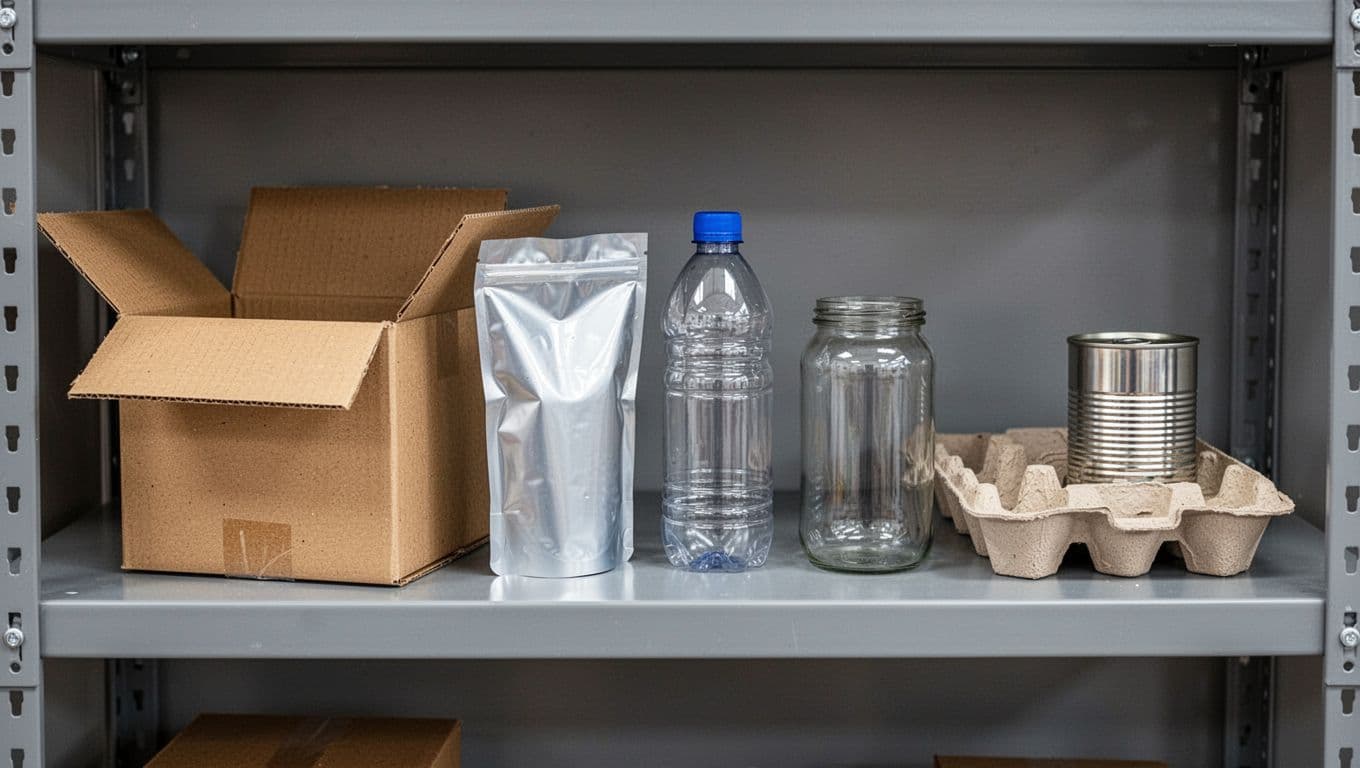
Paper and cardboard are often the first place brands start, and for good reason. They work across a wide range of formats, including folding cartons, corrugated boxes, inserts, sleeves, and retail packaging. If you need something printable, easy to source, and familiar to customers, this category checks a lot of boxes.
They also give brands a lot of room to stand out. Paper-based packaging prints well, which makes it strong for color, graphics, and shelf appeal. In many cases, it’s also one of the more budget-friendly choices, especially for shipping cartons and simple retail packs. Better yet, most standard paperboard and corrugated formats have broad curbside recyclability, which makes disposal easy for customers. If your project also needs assembly, bundling, or retail-ready formats, integrated packaging and fulfillment solutions can help connect material choice with pack-out and distribution.
Still, paper has limits. It doesn’t handle moisture, grease, or very heavy products as well as plastic, metal, or glass. Coatings, liners, or mixed-material builds can improve performance, but those changes may affect cost and recyclability. In short, paper and cardboard work best when you want low cost, strong branding, and easy recycling, but not when the product needs a tough moisture barrier by itself.
Plastic offers flexibility and strong barrier protection, but it has tradeoffs
Plastic stays common because it’s flexible, durable, and easy to form into many package types. You see it in films, pouches, bottles, clamshells, tubs, and blister packs, which makes it useful across food, beauty, household, and retail products. When shelf life, seal strength, or leak resistance matter, plastic often performs well.
Its biggest strengths are practical. Plastic resists moisture, holds up in transit, and can create tight seals for products that need protection from air or spills. Flexible formats also reduce weight, which can lower freight costs. That’s one reason so many brands still use it for high-volume runs and e-commerce packs. For products that need retail display plus containment, blister packaging and other formed plastic options remain a common fit.
The tradeoffs are harder to ignore now. Some plastic formats recycle well, but many do not, especially multi-layer films and mixed-material packs. Buyer expectations have shifted too, and brands face more pressure to cut waste and move toward simpler, recyclable formats. Newer biopolymer films such as PLA and PBAT are getting more attention, but they are not a simple fix. Some require industrial composting and won’t break down properly in a home compost pile. So while plastic still solves real packaging problems, it works best when protection is the top need and the end-of-life plan is clearly understood.
Strong packaging on the shelf means less if customers don’t know what to do with it after use.
Glass and metal work well when strength, safety, or a premium look matter
Glass and metal sit in a different lane than paper or plastic. They usually cost more, but they can offer excellent barrier protection, durability, and a more premium feel. If your product needs a strong defense against oxygen, moisture, or outside contamination, these materials deserve a close look.
Glass is a strong fit for items that need chemical stability or a high-end appearance. That’s why it’s common in sauces, beverages, candles, supplements, and many beauty products. It doesn’t react easily with what’s inside, and it instantly signals quality. The downside is obvious, it weighs more and can break. That adds freight cost and handling risk.
Metal, especially aluminum and steel, works well for cans, tins, closures, and rigid containers. It offers strong protection and high recyclability, while also handling stacking and transport well. However, it can be more expensive than paper or plastic, and it may not fit every product shape or brand style. Put simply, glass and metal make sense when protection, safety, and presentation matter more than low weight or low cost.
Molded fiber and other newer eco-friendly materials are growing fast
This group includes molded fiber pulp, plant-based packaging, and other renewable materials designed to reduce reliance on foam and hard-to-recycle plastics. Molded fiber, which is made from pressed paper pulp, works especially well for inserts, trays, edge protection, and product cradles. If you’ve seen a paper-based tray replacing foam in electronics or food service, you’ve already seen this shift in action.
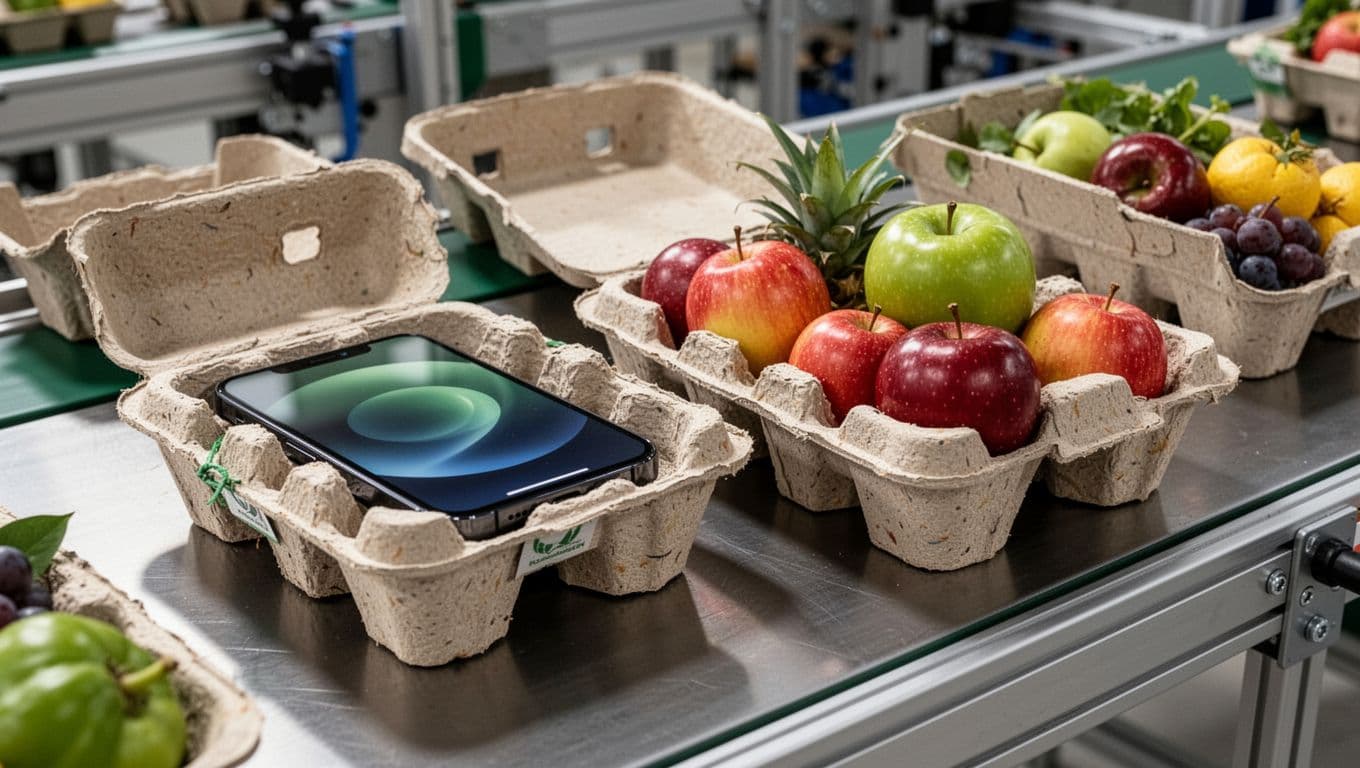
In 2026, demand keeps growing for recycled content, curbside-friendly formats, and alternatives to foam. Brands want packaging that fits real waste systems, not just good marketing language. That has pushed more interest toward fiber-based trays, paper-based barriers, and plant-based formats that feel easier to explain to buyers. If your brand is weighing material performance against labor, sourcing, and total pack-out cost, a practical co-packing pricing breakdown can help frame those tradeoffs.
Even so, newer eco-focused materials are not perfect. Some are more sensitive to moisture, some cost more, and some are still harder to source at scale. Availability can vary by region and pack style. So while these materials are a smart fit for brands with strong sustainability goals, they work best when the package design matches what the material can realistically handle.
Match the material to the kind of product you sell
Once you know the strengths of each packaging material, the next step is applying them to real products. That matters because a package has to do more than look right on a shelf. It also needs to protect the item, hold up in storage, and move cleanly through distribution and fulfillment services without slowing down picking, packing, or delivery.
Food and beverages need the right mix of safety, barrier protection, and efficiency
Food packaging has a tougher job than most. It often needs to block moisture, oxygen, grease, leaks, or light, because those factors can affect freshness, texture, and shelf life fast.
For dry goods like cereal, crackers, or baking mixes, paperboard cartons are a common fit. They print well, stack neatly, and keep costs in check. Still, they often need an inner bag or liner when the product needs more moisture protection. For wraps, frozen items, or snack packs, plastic films usually make more sense because they seal tightly and help protect freshness.
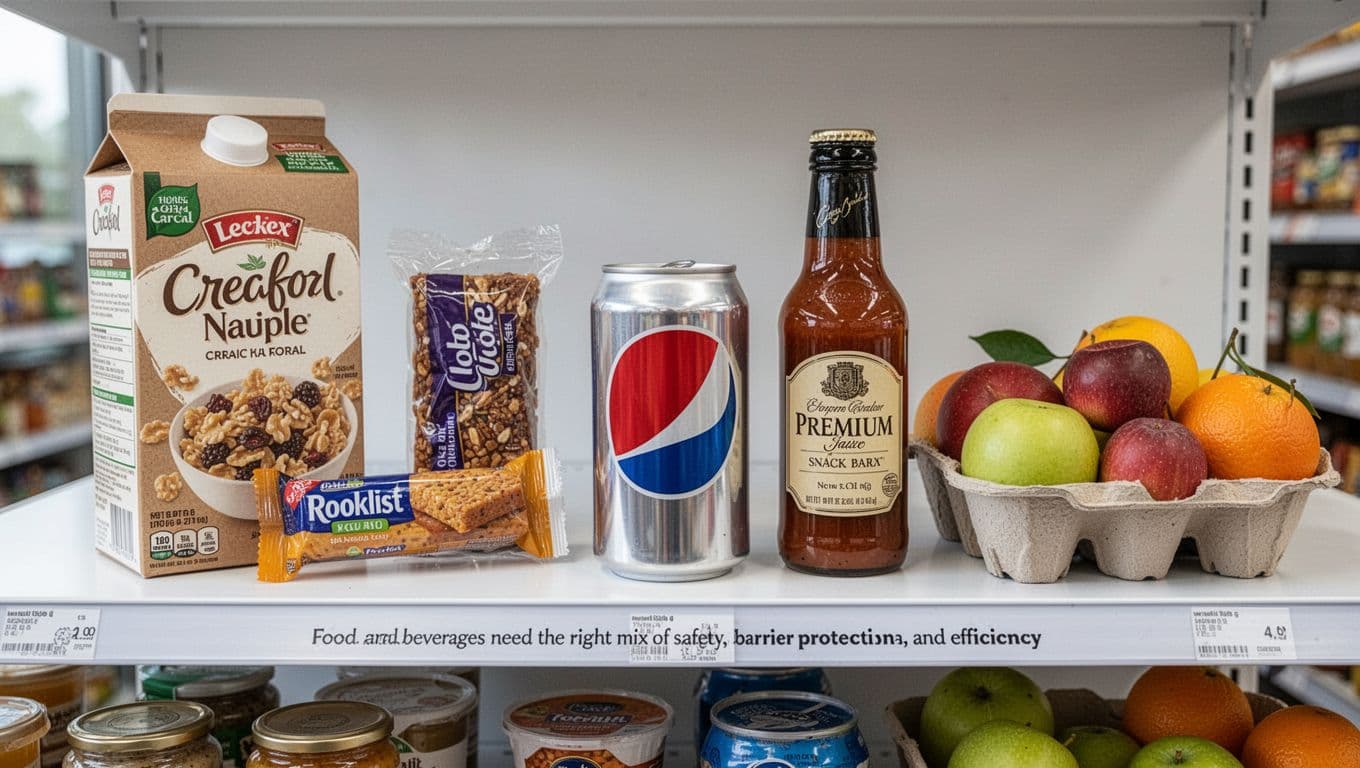
When the product is liquid or pressure-sensitive, the material choice gets stricter. Aluminum cans work well for soda, energy drinks, and canned foods because they offer a strong barrier and ship efficiently. Glass fits sauces, dressings, and premium beverages when taste protection and shelf presence matter more than weight. Meanwhile, molded fiber trays can support produce, eggs, or protective inserts inside secondary packs.
One rule always stays the same: product-contact packaging must meet the right safety and regulatory standards. If the material touches food, compliance is not optional.
Beauty, personal care, and wellness products need protection plus shelf appeal
This category asks packaging to do two jobs at once. First, it must protect the formula from leaks, air, and contamination. Second, it has to look good enough to earn attention in a crowded aisle or online listing.
That is why many brands use a mix of materials. A paperboard carton gives you space for branding, directions, and a polished outer look. Inside that carton, the primary container might be plastic for squeezable lotions, glass for serums and oils, or metal for balms and salves. Each layer plays a different role.

Looks matter here more than in many other product types. A soft-touch finish, embossed carton, frosted bottle, or clean magnetic closure can shape how premium the product feels before a customer even opens it. In other words, packaging becomes part of the product itself.
The unboxing experience also matters, especially for wellness kits, subscription boxes, and gift-ready items. If the cap leaks or the carton arrives scuffed, trust drops fast. A pretty package that fails in transit is like a nice handbag with a broken strap, it misses the point.
Electronics, kits, and fragile items need structure and shock protection
Fragile products need packaging that acts like a seatbelt. It should keep the item stable, absorb impact, and stop parts from shifting during storage and shipping.
For many electronics and multi-part kits, corrugated boxes with custom inserts are a strong starting point. They provide structure, stacking strength, and better fit. Molded fiber inserts work well when you want a snug hold with less plastic. Blister packaging can be useful for small retail items that need visibility and tamper resistance. For added cushioning, flexible protective materials like air pillows, wraps, or sleeves can help fill gaps and reduce abrasion.
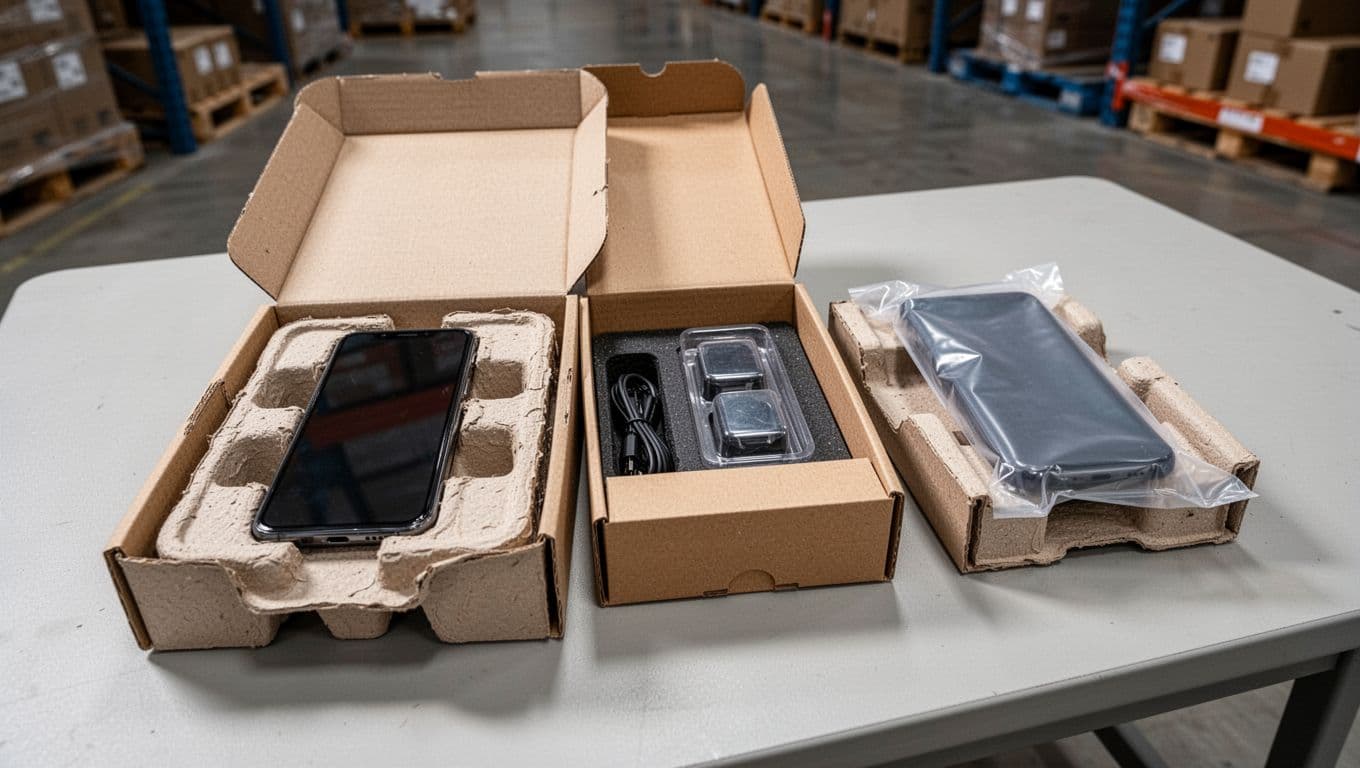
A poor fit leads to cracked screens, dented parts, and missing components. As a result, return costs climb and customer confidence slips. A good packaging setup lowers those risks while making warehousing easier, especially when products need to be scanned, picked, and packed quickly.
The right protective material does more than prevent damage, it protects your margin and your reputation.
Sustainability matters, but the greenest option depends on the full picture
In 2026, brands face real pressure to use recyclable, lower-waste packaging. Customers notice it, retailers ask about it, and teams want claims they can stand behind. Still, the best choice is rarely the one with the nicest green label.
A material is not automatically better because it’s plant-based, recycled, or recyclable in theory. You have to look at the whole system, including performance, transport weight, recycled content, reuse potential, and local disposal options. A package only works as a sustainability win if people can actually use and dispose of it the right way.
Recyclable, compostable, and reusable do not mean the same thing
Recyclable means a material can be collected, sorted, and processed into something new. Compostable means it can break down into natural matter under the right conditions, often in a commercial composting facility. Reusable means the package is built to be used again, either by the customer or within a return system.
Those terms matter because they shape what happens after the product is opened. A compostable pouch sounds great, but if your customer only has curbside recycling and no compost access, it may still end up in the trash. In the same way, a recyclable pack with mixed layers or confusing labels may never get recycled at all.
Clear disposal instructions help. So does choosing formats that fit real-world systems in your market. If your team is weighing shipping footprint along with end-of-life claims, this look at how sustainable packaging reduces shipping impact adds useful context.
If customers can’t tell how to dispose of the pack, your sustainability message falls apart fast.
Look for packaging that reduces waste without hurting performance
The practical goal is simple, use less material without creating more product loss. Right-sized boxes, lighter components, and simpler pack structures often cut waste, freight cost, and packing time. They also make disposal easier for customers.
At the same time, don’t strip the package down so far that products arrive crushed, leaking, or scuffed. Damage creates its own waste, and that can erase the gains from lightweighting. The smart move is balance: remove what you don’t need, keep what protects the product, and avoid structures that are hard to separate or recover.
For many brands, the strongest option is not the most novel one. It’s the one that protects the product, travels efficiently, uses fewer resources, and fits the disposal systems customers already have.
A simple way to decide which packaging material is best
Choosing packaging material gets easier when you stop looking for a perfect option and start looking for the best fit. In most cases, the right answer comes from a short decision process, not from chasing one material trend. Also, remember that many brands use more than one material in the same package because primary and secondary packaging do different jobs.
Ask these questions before you choose a packaging material
Start with the product itself. What could damage it, moisture, oxygen, impact, leaks, light, or rough handling? If you know the main risk, you can narrow your choices fast.
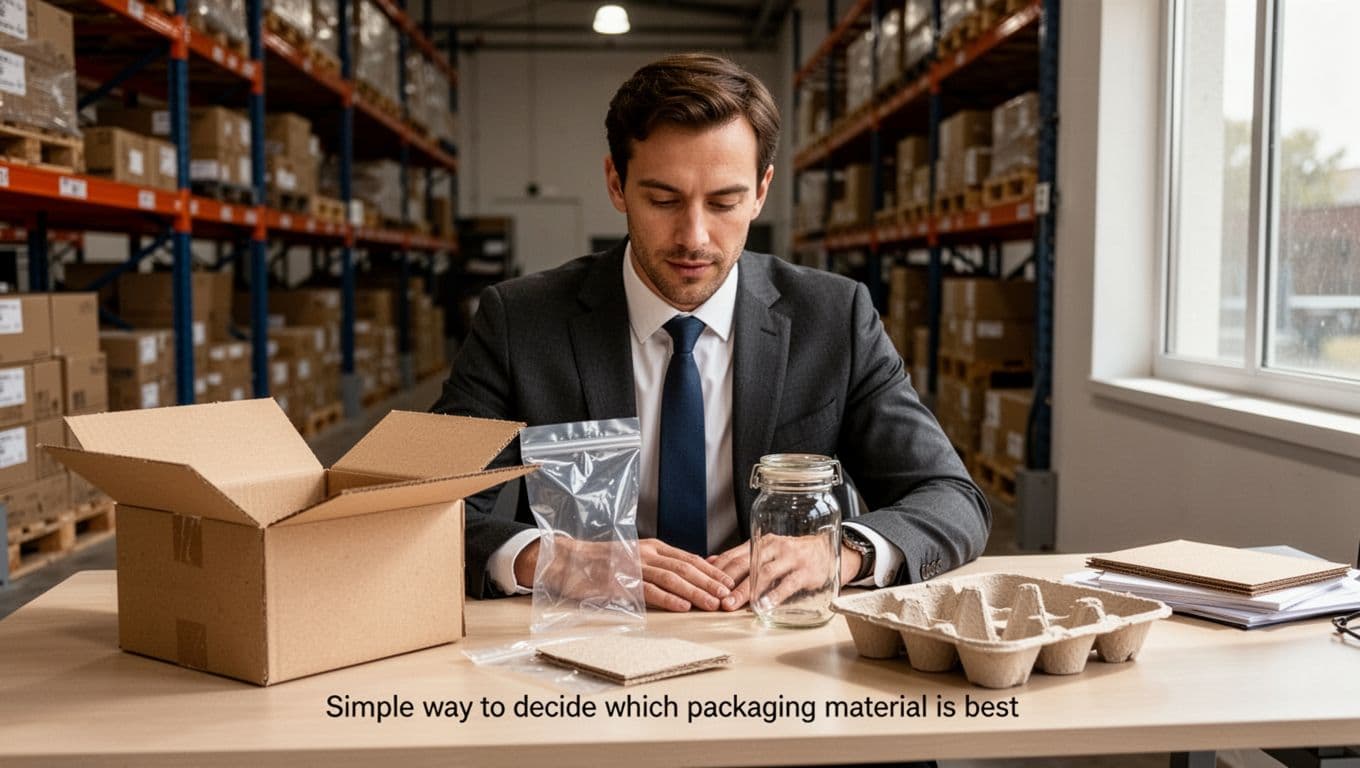
Then work through a simple checklist:
- Define product needs: How fragile is it, and how long does it need to last?
- Rank your priorities: Is protection, shelf appeal, cost, or weight most important?
- Test material options: Compare two or three choices with real samples, not guesses.
- Review shipping impact: Where will it be sold, and how far will it travel?
- Check sustainability claims: What goal matters most, recyclable, reusable, or compostable in real life?
- Confirm operational fit: Will it run well on your line, in your warehouse, and through your pack-out process?
A few more questions help sharpen the choice. What unboxing experience do you want? Does the product need to stand out on a shelf, survive parcel shipping, or do both? If your team needs help evaluating operational fit, this contract packaging partner checklist can help.
In the end, the best packaging material is the one that fits the product, customer, and supply chain together.
Conclusion
There is no single best packaging material for every product, only the best fit for what you’re selling, how it ships, and what your customers expect.
Paper and cardboard stand out for versatility, printability, and easy recycling. Plastic still makes sense when barrier strength, leak control, and flexibility matter most. Glass and metal bring strong protection and a more premium feel, while newer eco-friendly options look promising for brands that want to reduce waste without giving up performance. If you’re comparing sustainability claims, a closer look at biodegradable vs compostable packaging can help keep the choice grounded in real-world disposal.
Most importantly, testing should guide the final call. Review samples, run transit checks, and see how each option performs in storage, shipping, and on the shelf before you commit. The right material is the one that protects the product, supports your goals, and holds up in real conditions.
