
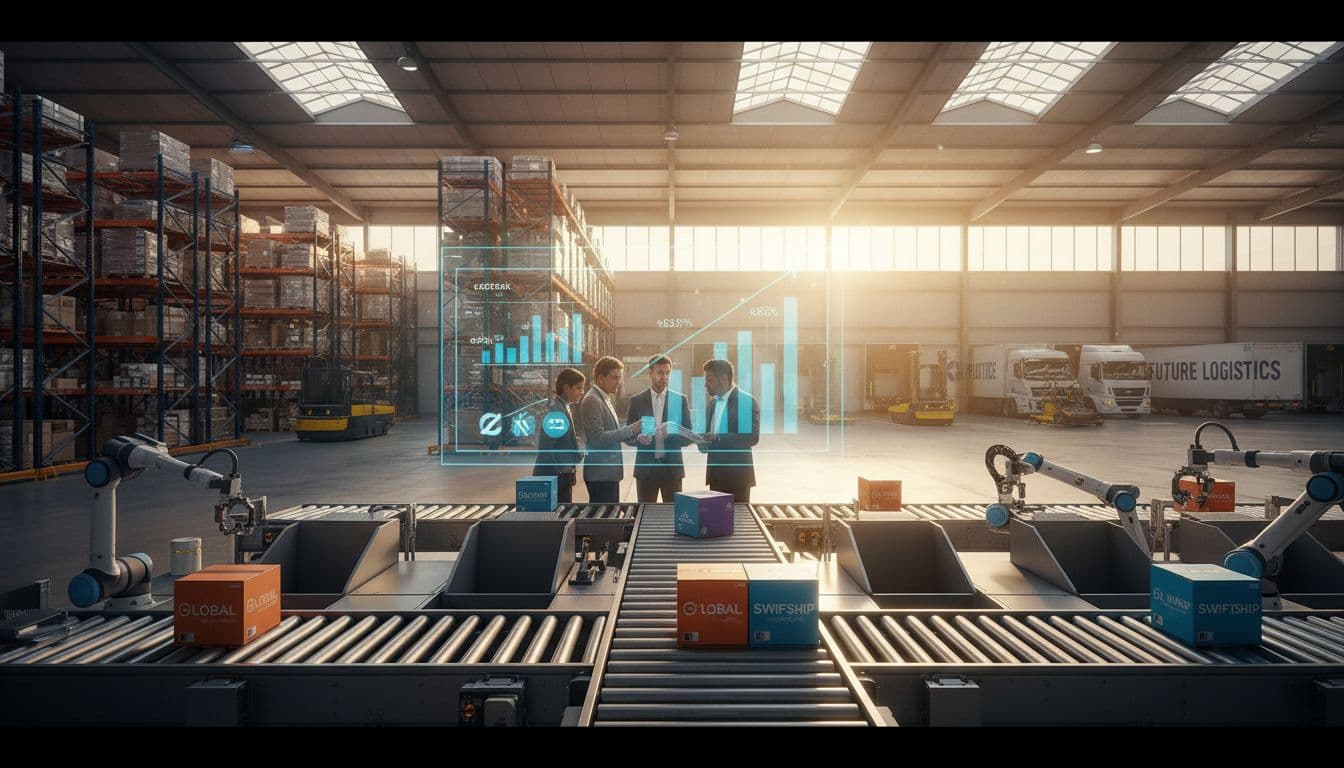
Why Businesses Are Moving Toward Integrated Packaging & Fulfillment Solutions
Orders keep climbing, but customers don’t grade on a curve. They expect fast shipping, clean tracking, and boxes that arrive in perfect shape. Meanwhile, one wrong label or missing insert can trigger returns, support tickets, and bad reviews that stick around.
That’s why more teams are shifting to Integrated Packaging & Fulfillment. In plain terms, it means packaging, kitting, warehousing, and shipping work as one connected system, often with one provider and one set of standards. Instead of bouncing between a packaging vendor, a warehouse, and a shipping desk, everything runs in one workflow from pack-out to ship confirmation.
The push is also coming from better data and smarter packaging. Recent research shows 84% of companies expect to move to smart packaging within 1 to 3 years, even though only a small share has fully completed that move so far. When you combine faster operations with better visibility, integration starts to look less like a “nice-to-have” and more like basic survival.
For a practical look at what integrated workflows can include, see the packaging and fulfillment process overview.
Why integrated packaging and fulfillment is becoming the new normal

A few years ago, a “good enough” fulfillment setup could still work. Today, order flow hits from all directions: direct-to-consumer, marketplaces, wholesale, retail replenishment, and pop-up promos that spike overnight. Add more SKUs, more variants, and more rules, and the old handoff-heavy model starts to crack.
On a warehouse floor, those cracks look familiar. Packaging materials arrive late, so packers improvise with whatever boxes are nearby. Inserts live in a different area, so teams forget them during rushes. Label formats vary by channel, so someone prints the right label, then sticks it on the wrong carton. Each mistake adds handling and time, which then pushes shipments past carrier cutoffs.
Integration fixes the core problem: disconnected decisions. When packaging, kitting, inventory, and shipping share the same plan, the work becomes repeatable. That can be done in-house with one system and one team, or with a partner, but the goal stays the same: one connected workflow from packaging design choices to ship confirmation and tracking updates.
Smart packaging trends are also nudging companies toward tighter coordination. The smart packaging market is estimated at $27.55 billion in 2026, with steady growth expected in the years ahead. Even if you aren’t adding QR codes or RFID today, the direction is clear: packaging is turning into an information tool, not just a container.
Teams that want one place to manage storage, pick-pack-ship, and outbound coordination often look at distribution and fulfillment services as the backbone of that integrated approach.
Customers want fast delivery, but they also want it to arrive perfect
Fast shipping doesn’t help if the product shows up damaged. Customers don’t separate “shipping” from “packaging” in their minds. They see one experience, one box, one brand.
Packaging choices control more than protection. The right materials can reduce damage, cut returns, and speed up packing. For example, a pack-out built for e-commerce uses the correct box size, reliable cushioning, and clear placement rules for inserts. That reduces rework because packers don’t have to guess.
The big shift is simple: packaging and shipping decisions need to happen together. If the shipping team picks carriers based on weight tiers and zones, the packaging team should know that. If packaging changes the carton size, shipping costs change too. Integration keeps those choices tied to the same goals.
A box isn’t just a box, it’s a promise. If it arrives sloppy or broken, the brand looks sloppy too.
Visibility matters more when orders, channels, and returns pile up
Visibility sounds like a software buzzword, but it’s basic: knowing what you have, where it sits, and what shipped. When order volume rises, the cost of “we think we have it” becomes painful. Stockouts trigger backorders, split shipments, and refund requests that burn time.
This is where smart packaging and integrated processes meet. A simple QR code, a scan at pack-out, or an RFID tag can help confirm the right item went into the right carton. You don’t need to be technical to benefit. You just need a consistent scan point and clean data.
The adoption signals are strong. Research shows 84% of companies plan to transition to smart packaging in 1 to 3 years, and many expect the payoff to show up as fewer shipping and receiving errors and higher inventory accuracy. Even if your business starts small, integration makes it easier to add these tools later because the workflow already connects packaging to fulfillment.
The real payoff: lower total cost and fewer handoffs
Most businesses don’t switch because they want a new vendor. They switch because their current setup costs more than it should, just not all in one line item.
When packaging sits in one place and fulfillment sits in another, you pay for extra touches. Products move from dock to storage, then to a kitting area, then back to storage, then to packing, then to shipping. Each handoff takes labor, space, and coordination. It also creates more chances for something to go missing.
An integrated model reduces those touchpoints and simplifies accountability. When one team owns the process, problems don’t bounce around. The same group that packed the order can trace what happened, fix the root cause, and update the standard work.
Cost control often comes from small, repeatable improvements:
- Right-sized packaging to reduce dimensional weight surprises
- Standardized labeling to prevent reprints and relabeling
- Consolidated purchasing of cartons, void fill, labels, and inserts
- Fewer “expedite” shipments caused by late pack-outs
- Less rework from missing parts or incorrect pack configurations
Smart packaging research also points to the same theme. Companies planning these changes expect fewer shipping and receiving errors, which translates into less reshipping, fewer support tickets, and fewer write-offs.
This matters even more in high-volume categories where promotions, multipacks, and retail requirements collide. For brands in that space, retail consumer goods packaging and promotional support often depends on tight coordination between assembly, labeling, and outbound rules.
Less rework, fewer errors, and a smoother pick, pack, ship flow
Picture the “before” setup. A packaging vendor builds kits and sends them to a warehouse. The warehouse picks and ships them, but the kits weren’t packed exactly the way the channel needs. Now the warehouse opens cartons, swaps inserts, and relabels boxes under pressure.
Now the “after.” One team receives components, assembles kits, scans them into inventory, then picks and packs orders with the same rules used to build the kits. The work moves forward in one direction.
Common pain points usually drop fast when teams integrate:
Wrong inserts, missing components, label mismatches, and late cutoffs often come from unclear handoffs. Integration reduces those gaps because the same standards drive kitting and shipping. As a result, throughput improves, issue tickets shrink, and carrier handoff becomes more predictable.
Standardized labels and compliance reduce chargebacks and returns
Retailers and carriers have rules, and they enforce them. Carton labels must scan, packing slips must match, barcodes must meet placement requirements, and some categories need lot tracking or date coding. When different teams handle different steps, those rules get interpreted differently, and that’s when chargebacks show up.
Integrated packaging and fulfillment helps because compliance becomes part of the build, not a last-minute check. Label templates stay consistent. Pack-out rules don’t change depending on who’s working. Documentation lives in one process instead of scattered across email threads.
It also makes training easier. Instead of teaching two groups two sets of “how we do it,” you teach one standard flow. That matters during peak season, when temporary labor and overtime can amplify small mistakes.
Scaling without chaos: how integrated solutions handle peaks and new channels

Growth rarely shows up politely. It shows up as a flash sale, a retail reset, a seasonal rush, or an influencer mention that triples orders by lunchtime. If packaging and fulfillment operate as separate islands, scaling becomes a scramble. Each island has its own backlog, its own priorities, and its own definition of “urgent.”
An integrated approach handles spikes with planning and pre-work. Teams can pre-kit bundles, stage packaging materials near packing stations, and position inventory for faster picking. Instead of reacting one order at a time, the operation can build “ready-to-ship” units that move quickly when demand hits.
New channels also get easier. D2C might require branded inserts and parcel shipping. B2B might need case packs, pallet labels, and appointment deliveries. Marketplaces can add their own prep rules. Integration helps because you can build channel rules into the same workflow, then report on performance in one place.
Trust matters when you’re handing over this much responsibility. If you’re evaluating a partner, it helps to know who’s behind the operation, how they work, and where they run. The about the MSL team and Indianapolis operations page is a good example of the kind of transparency that supports a long-term relationship.
Scaling is easier when you aren’t rebuilding the process every time volume changes.
Kitting and assembly make promos and subscription boxes easier to ship
Kitting is simple: multiple items become one ready-to-ship unit. That could be a holiday bundle, a retail variety pack, or a subscription box.
When kitting sits outside fulfillment, problems sneak in. Parts arrive late, components get substituted without clear approval, or kits get built without the same scan checks used for shipping. Then the fulfillment team has to inspect or rebuild kits during the rush.
In an integrated setup, kitting follows the same quality checks as pick-pack-ship. Teams confirm components, count accurately, and pack consistently. That reduces missed parts and helps launches go smoother. It also protects the unboxing experience because every customer gets the same “this feels intentional” presentation.
Returns, exchanges, and rework are simpler when the same team owns the process
Returns are where disconnected systems go to die. A return arrives at one location, but the inventory system lives somewhere else. The packaging team doesn’t know what can be reused. Customer support can’t get a clear answer on when the refund will happen.
When the same operation manages packaging and fulfillment, returns can flow through one set of decisions. The team can inspect, repackage, restock, or dispose based on clear rules. Inventory updates faster, which prevents overselling. Customers get refunds sooner, which reduces complaints and chargebacks.
Even better, the operation can track return reasons and connect them back to packaging changes. If breakage shows up, you adjust cushioning. If wrong-item returns rise, you tighten scan steps. That feedback loop is hard to build when returns land in a different building.
How to tell if your business is ready to switch to integrated packaging and fulfillment
Some businesses wait too long because the current setup still “works.” A better test is whether it works without constant heroics. If your team is always chasing late shipments or fixing pack mistakes, you’re paying hidden costs.
Here are common signs you’re ready:
- Order volume is climbing, but shipping speed is slipping
- Packaging changes happen often, and updates don’t reach the floor fast
- SKU count is growing, so pick errors show up more
- Returns are rising, especially for damage or wrong items
- Label issues or retailer requirements cause rework
- Freight costs jump because cartons aren’t right-sized
- Inventory visibility feels fuzzy, especially across channels
A simple evaluation framework helps you choose your next move:
- Map every handoff from inbound receiving to ship confirmation.
- Mark where work waits, gets rechecked, or gets redone.
- Calculate total cost per order (labor, materials, shipping, rework, returns).
- Set goals for speed, accuracy, cost control, and brand consistency.
- Decide whether to build in-house or partner with a provider.
When you talk to a provider, keep the questions practical:
- How do you connect to our order systems and inventory data?
- What service levels do you commit to (cutoffs, ship times, accuracy)?
- What quality checks happen during kitting and packing?
- Can you support promotions, bundles, and frequent packaging changes?
- How do you staff peaks without breaking the process?
- What reporting do we get (errors, damages, returns, inventory)?
- Who sources packaging materials, and how do you control substitutions?
- What shipping options and carriers do you support for our mix?
Conclusion
Businesses are moving toward Integrated Packaging & Fulfillment because the stakes are higher now. Faster shipping only helps when accuracy stays high. Lower total cost comes from fewer handoffs and less rework. Better visibility reduces stock surprises, and scaling gets easier when one connected process supports every channel.
A smart next step is simple: audit your current handoffs, then price out what those delays and mistakes really cost per order. Once you see the full picture, an integrated approach becomes much easier to evaluate.
If you want to explore what integrated support can look like in practice, start with contract packaging and fulfillment support.
