
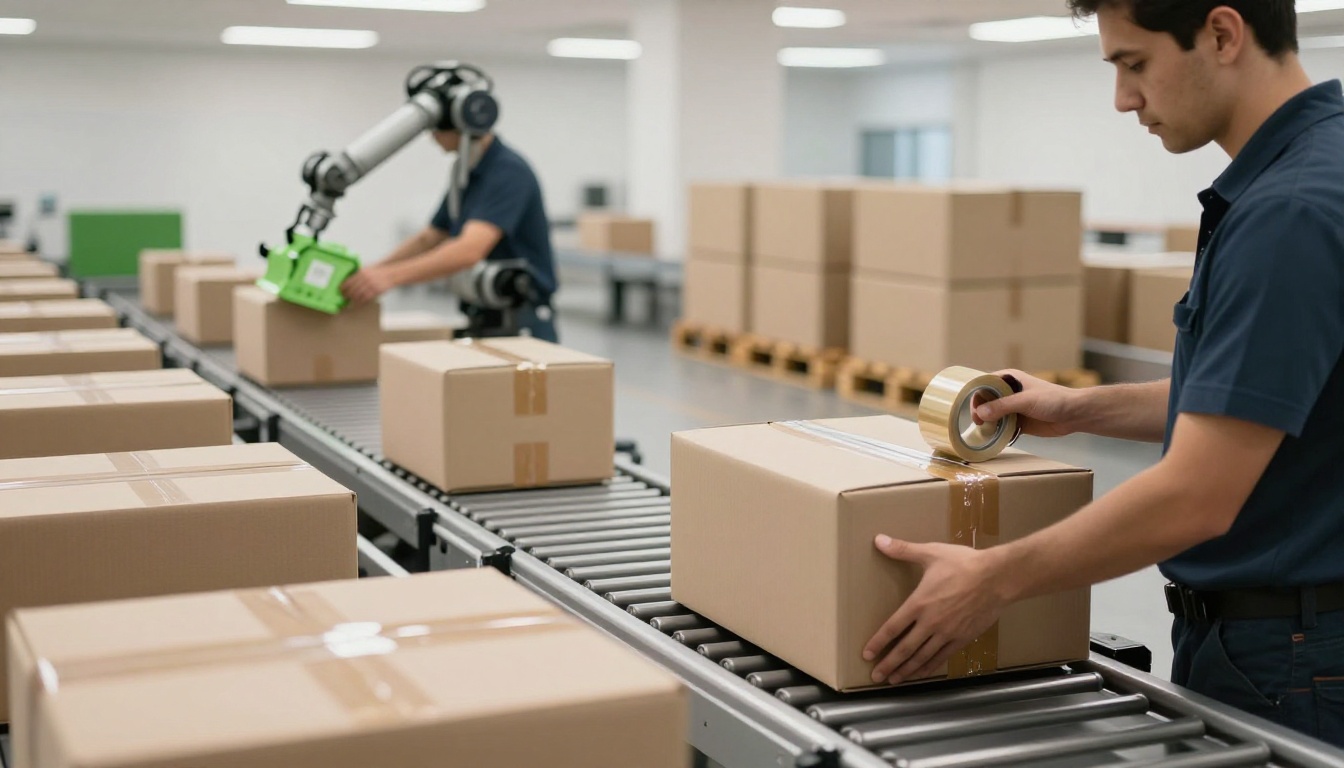
Contract Packaging for Amazon and Ecommerce Brands
In 2026, ecommerce brands face pressure from every side, rising ad costs, stricter marketplace rules, faster shipping demands, and the constant need to stand out both on the shelf and on the doorstep. If your team is still handling packaging in-house, those pressures can turn into delays, costly mistakes, and missed sales. That’s why contract packaging matters more than ever.
Contract packaging means an outside partner handles packing, labeling, kitting, bundling, or retail prep for your products. Instead of building your own line, hiring more labor, and managing every packaging detail yourself, you can move faster with contract packaging services that fit your order volume, compliance needs, and launch schedule. That matters when Amazon requirements shift, promo bundles pile up, or a new product needs to hit the market on time.
The real question is simple: when does outsourcing packaging make sense for Amazon sellers and ecommerce brands? The answer depends on your volume, complexity, compliance risk, and how much speed your team needs, which is where the practical sections ahead come in.
What contract packaging actually includes for ecommerce brands
For ecommerce brands, contract packaging covers the hands-on work that gets a product ready to sell, ship, or both. That can include kitting, assembly, label application, relabeling, shrink wrapping, bundling, retail-ready packaging, subscription box prep, promotional packouts, and repackaging. In plain English, this is the work that happens after your product is made, but before it reaches Amazon, a retailer, or your customer.
That scope matters because many brands confuse packaging with fulfillment. Packaging gets the item ready. Fulfillment moves it out the door. In real operations, those steps often sit side by side, which is why some brands choose one partner for both.
The difference between contract packaging, co-packing, and 3PL services
Contract packaging usually means a partner takes finished goods and prepares them for sale. That may include putting items into kits, adding FNSKU labels, shrink wrapping a multi-pack, over-labeling old packaging, or building a display-ready case pack. If your shampoo and conditioner need to be sold as one Amazon bundle, that is packaging work.
Co-packing is close, and people often use the terms the same way. In many cases, co-packing also includes assembling or combining products into a new sellable unit. For example, a brand may send in three snack items, and the partner turns them into a holiday sampler pack. The main idea is simple: co-packing often points to more assembly and packout work, while contract packaging is the broader label.
3PL services start where packaging often ends. A 3PL stores inventory, manages orders, picks items, packs shipments, and sends them to Amazon, retailers, or direct-to-consumer buyers. If a customer places an order on your site and a partner pulls the item from storage and ships it, that is fulfillment.
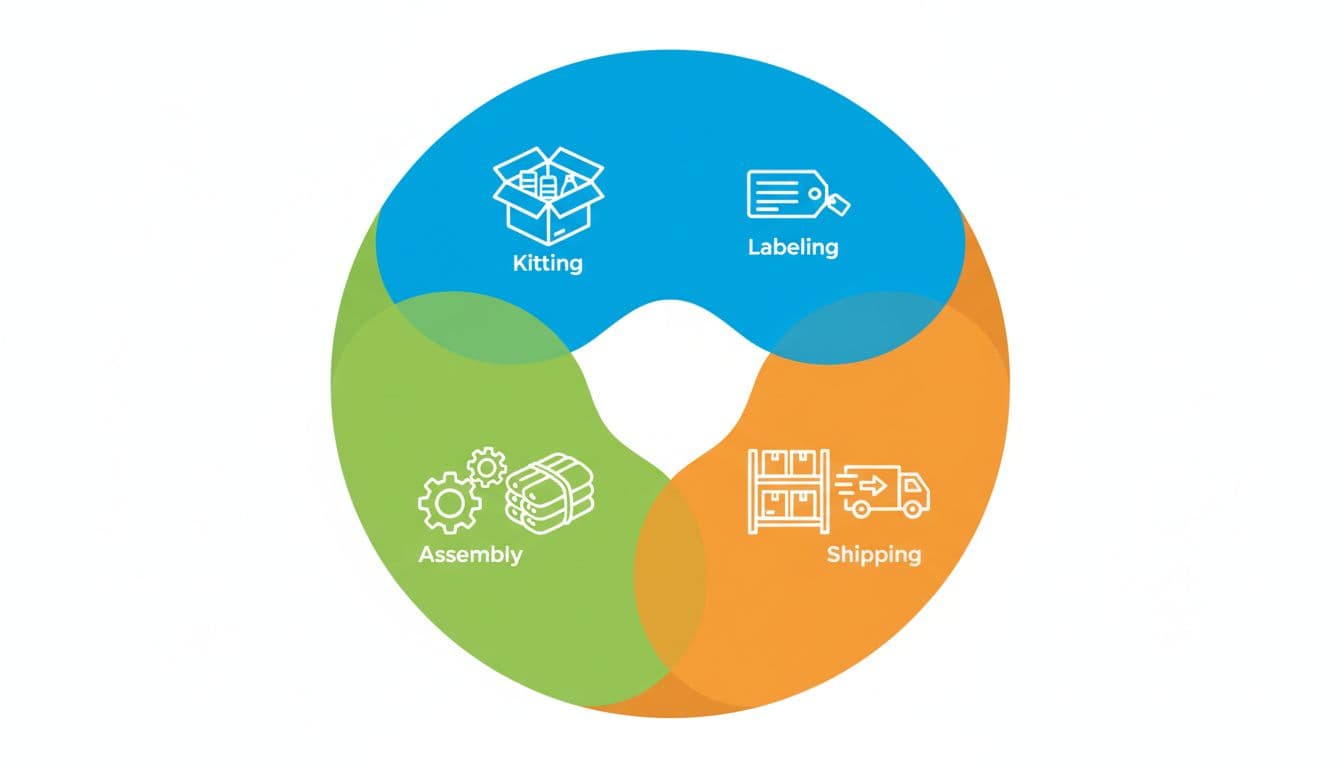
Still, the lines overlap all the time. A partner may relabel products for Amazon in the morning, build promotional kits in the afternoon, then store and ship those same units later. That is why many brands want a provider that combines packaging with 3PL fulfillment explained support. You hand off fewer touchpoints, reduce mistakes, and keep inventory moving in one system.
A simple way to look at it is this:
| Service | Main job | Common examples | | | | | | Contract packaging | Prepare products for sale | Kitting, labeling, shrink wrapping, repackaging | | Co-packing | Build or pack products into new sale units | Bundles, promo packs, display assembly | | 3PL | Store, pick, pack, and ship orders | Warehousing, order fulfillment, shipping |
For many ecommerce brands, one company may handle all three. That setup works well when speed matters and product setups change by channel.
Common packaging jobs brands outsource first
Most brands do not outsource everything at once. They usually start with the jobs that create the most slowdowns, the most mistakes, or the most last-minute labor. These are the tasks that look simple on paper but get messy fast when volume jumps.
The first group often includes Amazon FBA prep, because Amazon rules are strict and small errors can hold up inbound shipments. That work may involve barcode labeling, polybagging, suffocation warnings, carton checks, and bundling items so they scan as one unit. Brands that need help with Amazon FBA prep services often outsource early because rework costs less before inventory is rejected. That need has grown since Amazon ended its own U.S. FBA prep and item-labeling services on January 1, 2026, which this guide to Amazon FBA prep in Indianapolis explains in detail.
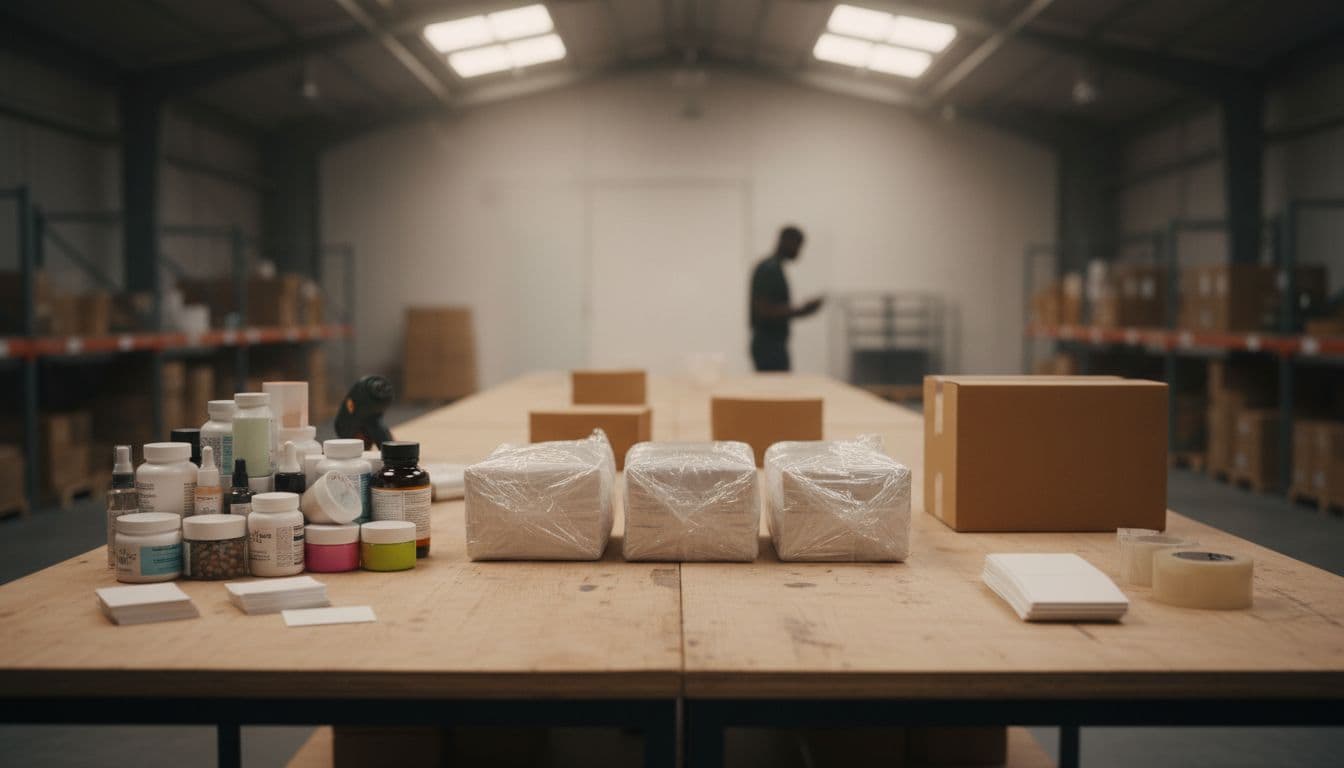
Another early handoff is multi-pack creation and promotional bundling. A brand may sell single units most of the year, then suddenly need 2-packs, gift sets, or buy-more-save-more bundles. In-house teams often struggle here because each new packout creates new labels, new counts, and new quality checks. A missed insert or wrong barcode can turn one promo into a return problem.
Common first-outsource jobs include:
- Amazon FBA prep and compliance work
- Multi-pack creation for club, retail, or ecommerce
- Promotional bundles and limited-time packouts
- Seasonal kits and holiday gift sets
- Over-labeling and relabeling for new SKUs or updated claims
- Display assembly for retail-ready shipments
- Subscription box prep for monthly or themed offers
- Repackaging damaged, outdated, or channel-specific inventory
These jobs are hard to manage in-house because demand rarely stays flat. One week you need 500 kits, then 5,000 the next. Labor plans break, floor space disappears, and your team ends up taping boxes when they should be buying inventory or growing sales. When the workload swings like that, outsourced professional kitting services can give you room to scale without building your own packaging line.
For Amazon and direct-to-consumer brands, the real value is flexibility. The same inventory can be turned into an FBA bundle, a retail display pack, or a subscription box with different packaging steps. That kind of support helps you move faster when channels need different versions of the same product.
The biggest benefits of contract packaging for Amazon and DTC growth
For Amazon sellers and direct-to-consumer brands, packaging is not just a back-end task. It affects speed, margin, customer experience, and your ability to react when demand shifts. A good contract packaging partner gives you extra capacity without adding fixed overhead, which matters when sales jump fast and plan changes hit mid-week.
That flexibility is why outsourced packaging often moves from a tactical fix to a growth tool. When your team can launch bundles faster, keep pack quality consistent, and avoid building a full internal line too early, you protect both revenue and operating focus.
Faster launches, seasonal promos, and bundle offers without extra headcount
Ecommerce demand rarely stays flat. Prime events, holiday peaks, influencer mentions, subscription pushes, and retail resets can all create sudden spikes. If your packaging team is already full, even a strong sales week can turn into a bottleneck.
A packaging partner helps you move when timing matters most. Instead of hiring temps, clearing floor space, and rewriting schedules, you can push promo bundles, limited-time packs, and multi-SKU kits through an outside team that is built for variable volume. That means fewer delays when you need to launch quickly and less pressure on your internal staff.
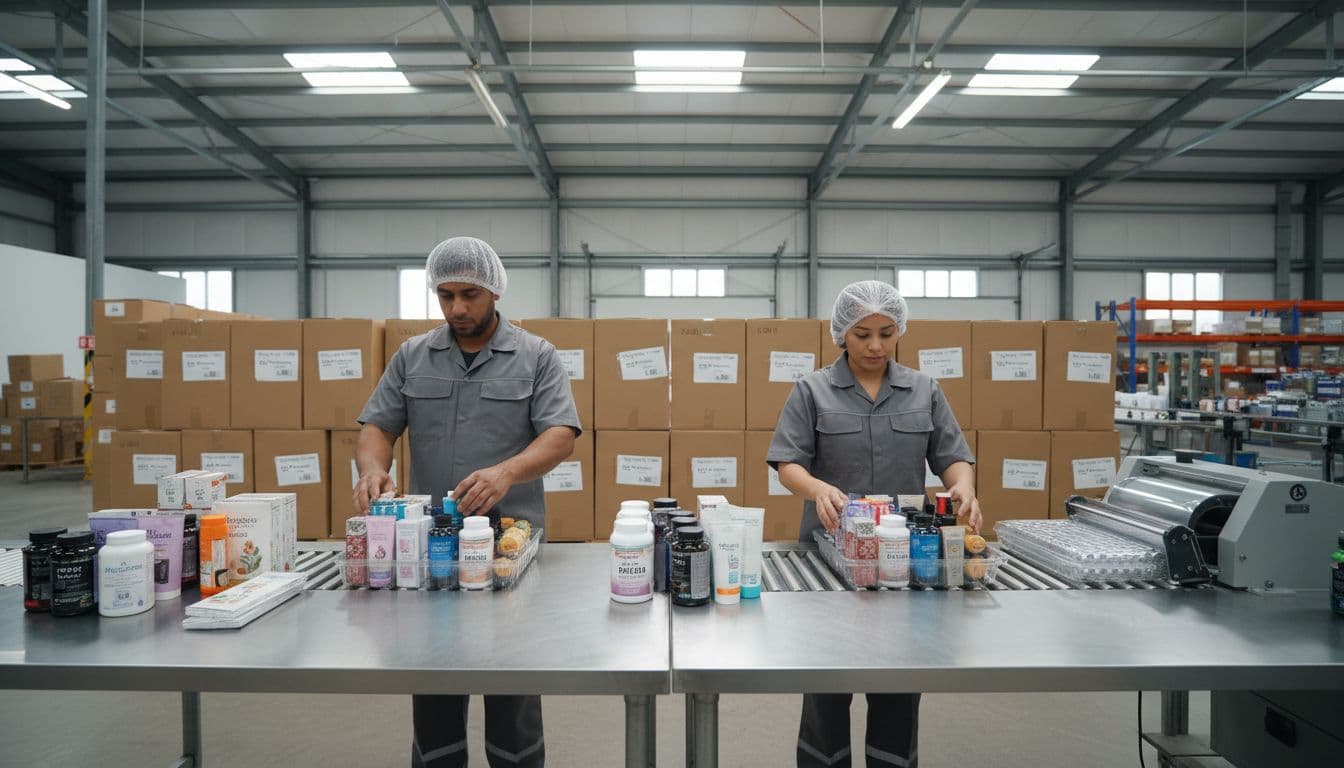
This matters most when the calendar is working against you. A missed bundle launch before Prime Day or Black Friday does not just slow operations. It can leave ad spend, inventory, and demand sitting there with nothing ready to ship. With the right partner, brands can build:
- Gift sets for holiday campaigns
- Multi-packs for Amazon offers
- Influencer drop kits for short windows
- Reworked packs for retail resets
- Subscription-style assortments for DTC promotions
The business case is simple. You pay for packaging capacity when you need it, instead of carrying year-round labor for a problem that only shows up in bursts. That improves operating flexibility and helps protect margin during peak periods.
Week-to-week swings are where this advantage shows up most. One week you may need 800 bundles. The next week you may need 8,000 because a creator feature took off or a retailer moved up a reset date. Internal teams usually struggle with those swings because labor plans, line setup, and supervision do not expand overnight. A contract packager can absorb those changes faster, which is one reason many brands look at broader contract packaging benefits once promotions become a regular part of growth.
Better customer experience through cleaner, more consistent packaging
Packaging is part of the product experience. Your customer sees the box before they use the item, and that first impression shapes trust fast. If the bundle looks messy, the insert is missing, or the product arrives dented, the brand takes the hit.
Consistent packaging improves the experience in a few direct ways. Products are packed more securely, labels are easier to read, units arrive in the correct configuration, and the presentation feels more polished. For Amazon and DTC brands, those details can affect both conversion and retention.
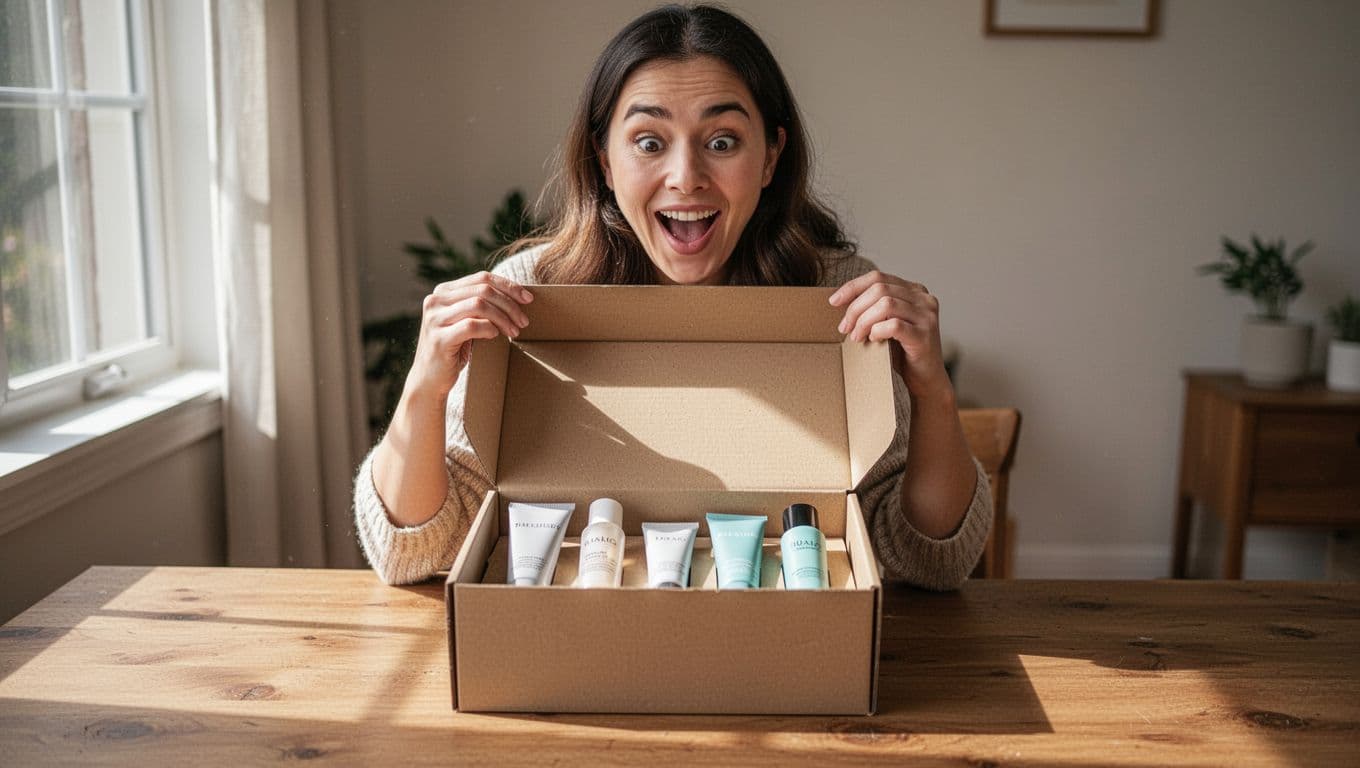
Clean execution also reduces common review problems. Customers notice when:
- A label covers important product info
- A bundle arrives with the wrong item count
- Packaging looks rushed or crushed
- Barcodes are unclear or misplaced
- Inner items shift and leak during transit
Those are packaging issues, but they show up as product complaints in reviews and support tickets. That is expensive. A one-star review tied to damage or poor presentation can drag down conversion long after the shipment is gone.
On the other hand, a tidy and dependable unboxing experience builds confidence. It tells the customer your brand pays attention. That matters even more in categories like beauty, wellness, food, and giftable consumer goods, where presentation shapes perceived value.
Better packaging does more than protect the product, it protects the sale after the click.
Consistency also supports repeat purchase behavior. When a buyer knows your order will arrive intact, labeled clearly, and packed the same way every time, reordering feels low risk. That trust compounds over time. For DTC brands, that can lift lifetime value. For Amazon sellers, it can support stronger ratings, fewer returns, and less friction across repeat orders.
Lower overhead compared with building an in-house packaging line
Building your own packaging line can make sense, but it is more expensive than many brands expect. The visible cost is equipment. The hidden costs are usually bigger: labor, training, supervision, floor space, maintenance, downtime, and ongoing quality checks.
When you outsource packaging, you convert much of that fixed cost into a variable operating cost. You are not buying machines for occasional promo work. You are not carrying extra staff during slower months. You are not using warehouse space for packout tables when that space could hold inventory or support shipping.
A side-by-side view makes the tradeoff clearer:
| Cost area | In-house packaging line | Contract packaging | | | | | | Equipment | Upfront purchase and maintenance | Included in service pricing | | Labor | Hiring, scheduling, and overtime | Scales with project demand | | Floor space | Dedicated packaging area needed | Offloaded to partner | | Training | Ongoing onboarding and process training | Managed by provider | | Supervision | Internal management time required | Handled externally | | Quality control | Built and monitored in-house | Included as part of service process |
For growing brands, that cost structure is hard to ignore. A partner can help you add packaging capacity without turning every promotion into a staffing project. If your SKU mix changes often, that flexibility is even more valuable because each new pack format usually brings new setup time and new room for error.
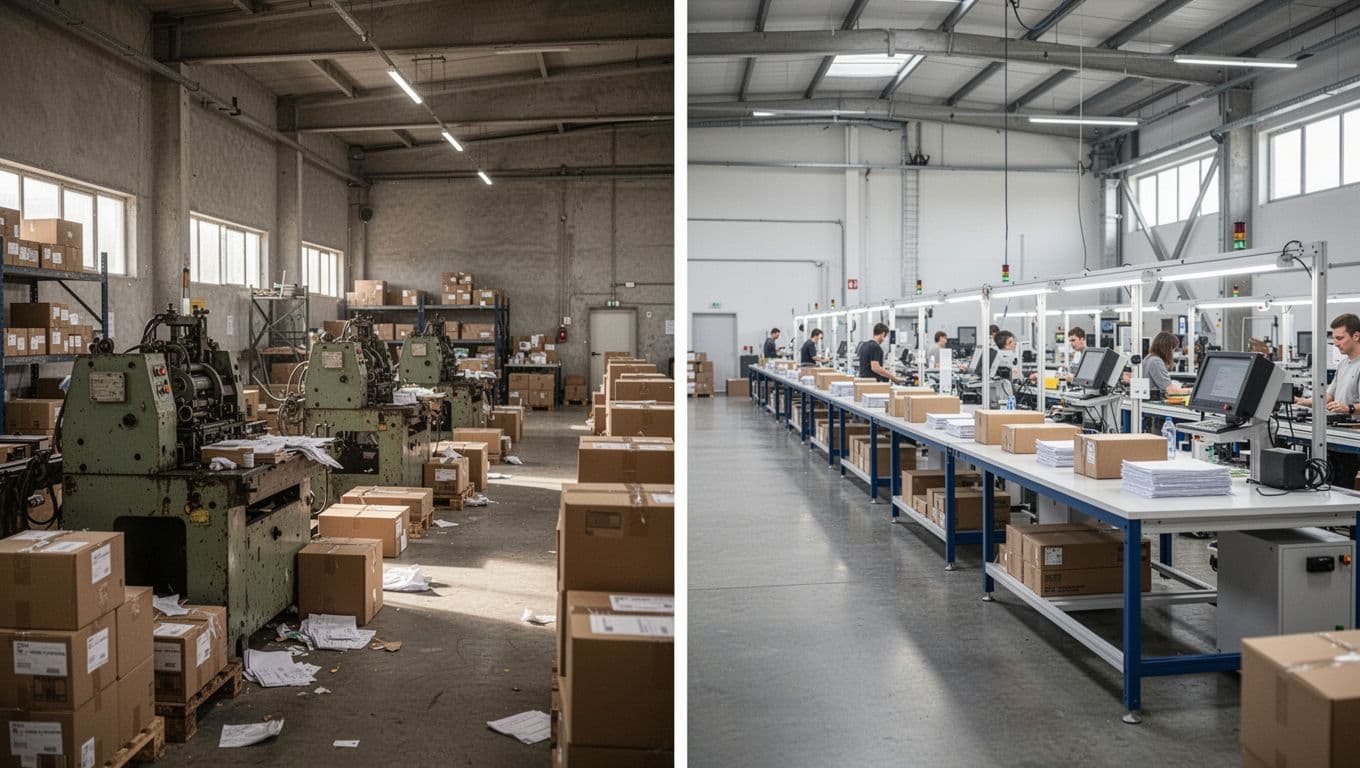
That said, in-house packaging still has a place. If your volume is very high, highly stable, and built around a narrow set of pack formats, owning the line may pencil out over time. You get tighter day-to-day control and may lower unit costs once utilization stays high enough for long enough.
Still, many Amazon and ecommerce brands are not there yet. Their demand is lumpy, promotions change often, and channel needs keep shifting. In that environment, outsourced packaging usually wins on flexibility and cash flow. If you are weighing both models, this look at contract vs in-house packaging costs helps frame the ROI in practical terms.
For most brands in growth mode, the goal is not to own more machinery. It is to keep product moving, protect margins, and stay ready for the next sales spike without rebuilding operations every month.
How to choose the right contract packaging partner
A packaging partner can help you grow, or create a new layer of problems. Before you sign anything, treat the selection process like a buyer’s checklist. You need clear answers on capacity, quality, inventory accuracy, reporting, turnaround time, and channel fit. If a provider gets vague, that is useful information by itself.
A strong partner should handle the work you need today and the version of your business six months from now. That matters when you’re shipping to Amazon, retail, and your own store at the same time. If you want a broader framework, this contract packaging partner checklist is a helpful next step.
Questions to ask about quality control, inventory visibility, and turnaround time
Start with the questions that protect margin. Ask, “What checks happen at setup, during production, and before final pack-out?” Then ask how they track mistakes. You want to hear about documented inspections, error logs, rework procedures, and trend reporting, not “we check everything.”

Keep the call practical. Good questions include:
- How do you verify item counts, labels, and pack configuration before a run starts?
- What is your recent mispack or relabel error rate?
- Can you trace lots, batches, or date codes if there’s a recall or customer complaint?
- What system do you use for inventory, and how quickly do receipts appear in it?
- How often do you cycle count, and how do you fix count gaps?
- What are your normal turnaround times, and what happens when volume spikes?
Also ask what service levels they commit to in writing. For example, can they define receiving speed, reporting cadence, and on-time shipment targets? If you want more detail, this guide on choosing a packaging company covers the questions worth asking.
If a provider cannot explain how they catch errors, they probably find them too late.
Why packaging and fulfillment under one roof can simplify operations
When packaging and fulfillment sit with different vendors, handoffs multiply. Inventory gets moved, files get re-sent, and small mistakes grow legs. One partner handling both steps usually means fewer touches, faster turnaround, and clearer accountability.
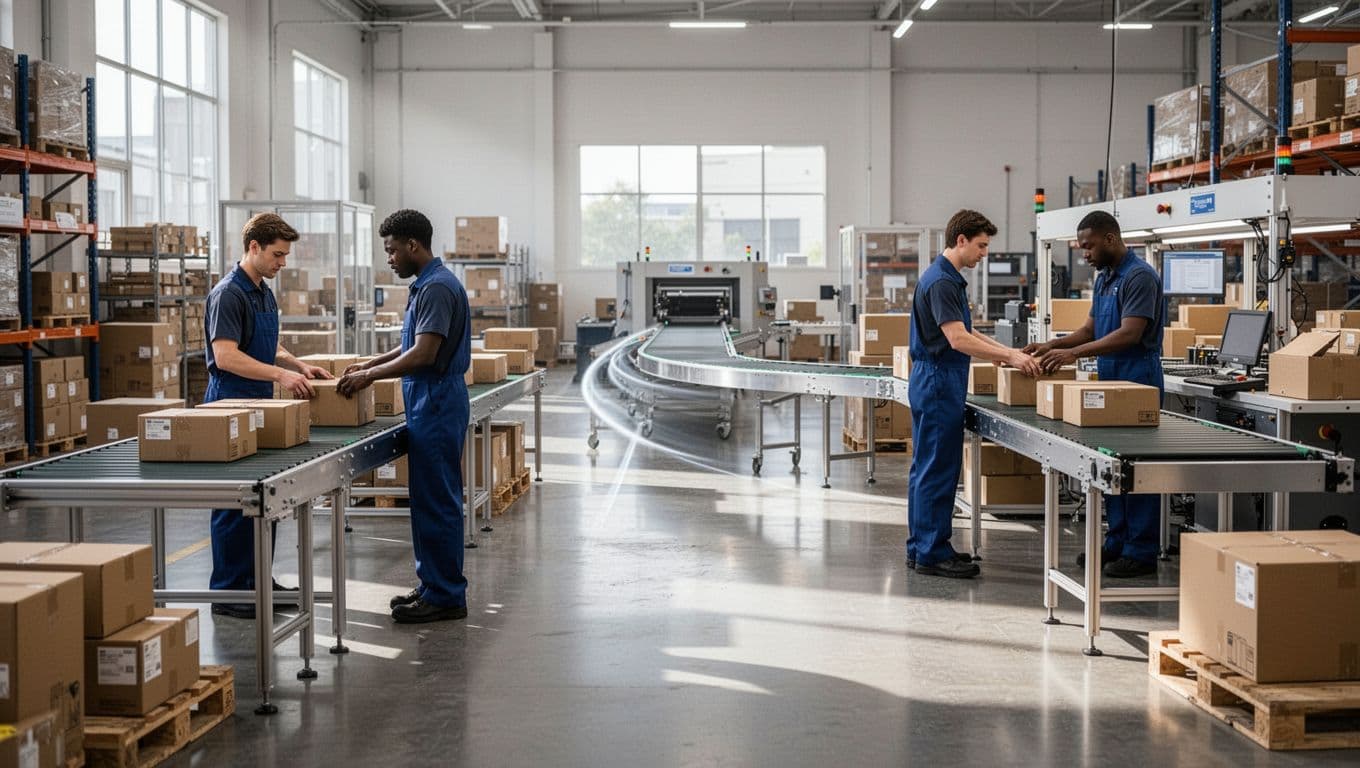
That setup is useful when the same inventory feeds Amazon FBA, retail orders, and Shopify or other DTC shipments. A bundled SKU can move from pack-out to storage to shipment without being bounced between vendors. As a result, your team spends less time chasing status updates and more time managing inventory and promotions.
It also makes problem solving easier. If a carton is wrong, there is one owner. If timing slips, there is one team to answer for it.
Red flags that can lead to delays, errors, or surprise costs
Some problems show up before the first order ships. Watch for unclear pricing, such as vague labor charges, setup fees that are not defined, or extra costs for rework, storage, or rush jobs. If the quote feels foggy now, billing will not get clearer later.
Another warning sign is limited format flexibility. If you need bundles, relabeling, retail-ready packs, and DTC orders, a provider should say exactly what they can and cannot handle. The same goes for compliance-heavy work. Amazon prep, retail routing, lot control, and date-sensitive products leave little room for guesswork.
Weak communication is another common issue. Slow replies, thin reporting, and no peak-season plan usually turn into missed deadlines. Before you commit, ask how they staff for busy periods, how they report exceptions, and whether they can support both B2B shipments and direct-to-consumer orders without splitting your operation across multiple vendors.
A simple process for getting started with contract packaging
Starting with contract packaging does not need to feel risky or complicated. The smoothest projects usually begin with a small pilot, clear specs, and a short list of numbers you can track. If you give your packaging partner the right inputs early, you get better pricing, fewer surprises, and a faster path to a full launch.

For first-time outsourcing, the goal is simple: test the process without betting the whole operation on day one. A pilot run gives you a controlled way to confirm pack quality, timing, and communication before you scale.
What information a packaging partner needs before a pilot run
A pilot run works best when your partner gets a full picture of the product and the job. If key details come in late, pricing gets fuzzy and production slows down. Good input at the start saves time later.
Begin with the physical basics. Share product dimensions, unit weight, and packaging components for every item in the pack-out. If the project includes inserts, shrink bands, trays, poly bags, or outer cartons, include those too. Small details matter here because line setup depends on them.
Then spell out the pack-out rules in plain language. Your partner should know:
- How many units go in each finished pack
- Which items belong together
- What order items should be packed in
- Whether inserts, samples, or promotional pieces are required
- What the finished unit should look like when it’s done
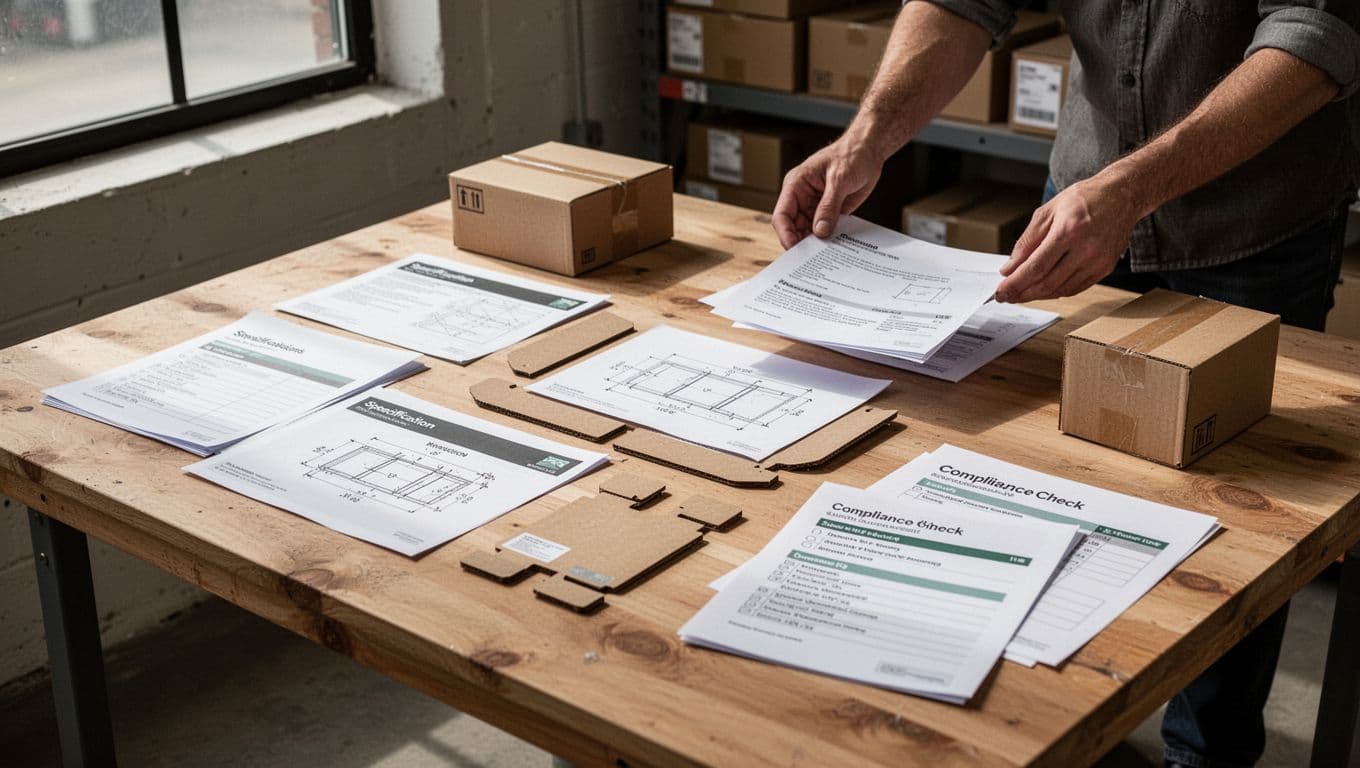
Labels are another big one. Send barcode files, placement rules, label sizes, and proof approval steps before production starts. If you’re shipping to Amazon or retail, include all channel-specific label needs up front. A missing barcode spec can hold up an entire run.
Compliance needs should never be an afterthought. If your product requires lot tracking, expiration dates, suffocation warnings, tamper evidence, or retail-specific prep rules, say so early. The same goes for food, beauty, and wellness products, where pack integrity and date control often matter more. If you want a practical checklist for the handoff, planning specs for packaging handoff can help you organize the basics.
Case counts and shipping requirements also shape the project. Your partner needs to know how many finished units go into each master case, how pallets should be built, whether shipments are headed to Amazon FBA, retail DCs, or direct-to-consumer stock, and what carton labeling rules apply. Packaging is only half the job if the outbound setup is wrong.
Finally, share your target launch date and a realistic forecast range. Don’t just send one number. Give a low, expected, and high volume estimate so the partner can plan labor and materials. That makes quoting more accurate and keeps the pilot grounded in real demand, not guesswork.
Better inputs lead to better pricing, cleaner setup, and fewer production surprises.
If you’re new to outsourcing, a short written brief is usually enough to start. One SKU or one promo kit is plenty. A small test with complete information beats a large test built on assumptions. For a more detailed roadmap, this guide to planning outsourced packaging pilots is a useful next step.
How to measure success after you outsource
Once the pilot or first live run is complete, step back and compare the results to your old process. This is where outsourcing stops being a theory and becomes math. You do not need a complicated scorecard. A few simple metrics tell you most of what you need to know.
Start with order accuracy. Were the right items packed in the right counts, with the right labels, in the right cases? Accuracy problems create returns, chargebacks, and customer complaints, so this number deserves attention first.
Next, look at damage rates and turnaround time. If units arrive crushed, leaking, or poorly packed, the process needs work. If jobs still take too long, the partner may not be solving your bottleneck. Measure both because speed without pack quality is expensive.

A simple before-and-after view makes the review easier:
| Metric | What to compare |
|---|---|
| Order accuracy | In-house error rate vs outsourced error rate |
| Damage rate | Damaged units per shipment or per 1,000 units |
| Turnaround time | Days from receipt to finished shipment |
| Cost per unit | Total packaging cost, not just labor |
| Chargebacks | Retail or marketplace penalties before and after |
| On-time shipment performance | Percent shipped by promised date |
Cost per unit matters, but keep it honest. Include labor, rework, overtime, packaging mistakes, and management time from your old process. A quote only looks expensive when you ignore the hidden costs of doing it yourself. If you need help framing the comparison, the outsourced packaging cost savings guide gives a useful way to look at total cost.
Chargeback reduction is another strong signal, especially for Amazon and retail shipments. If labeling errors, late deliveries, or incorrect case packs drop after outsourcing, that is a real operational gain. On-time shipment performance matters just as much because missed windows can wipe out the value of a lower unit cost.
For first-time outsourcing, keep the review practical. Ask three direct questions after the pilot:
- Did quality improve or hold steady?
- Did the work move faster and with fewer issues?
- Did total cost make sense once rework and delays were included?
If the answer is yes on most of those points, you likely have a process worth scaling.
A simple path forward looks like this:
- Assess your pain points. List the jobs that create the most delays, errors, overtime, or compliance risk.
- Define your packaging specs. Write down product dimensions, pack-out rules, labels, case counts, and shipping requirements.
- Forecast volume. Share a realistic range, not just one target number, so the partner can plan around real demand.
- Test a pilot run. Start with one SKU, one bundle, or one promo pack that reflects actual work.
- Measure the results. Compare accuracy, damage, cost, turnaround time, chargebacks, and on-time performance against your old baseline.
That approach keeps the first step manageable. You do not need a perfect system to get started, but you do need clear specs and a fair way to judge the results.
Conclusion
Contract packaging makes the most sense for growing Amazon sellers, omnichannel ecommerce brands, and teams that are feeling pressure from pack complexity, labor gaps, or shifting order volume. When bundles, relabeling, retail prep, and FBA requirements start eating up time, consistency becomes just as important as speed.
That is why the real value is bigger than handing work to an outside partner. A good setup gives you a more reliable, scalable operation, with fewer errors, better use of labor, and more room to support growth across Amazon, retail, and DTC channels. If you’re still weighing the fit, these signs you need contract packaging help can help frame the decision.
The next step is simple. Look at your current process, your true packaging costs, and the kind of growth you expect over the next year. If your internal setup is starting to slow launches or create rework, it may be time to change how packaging fits into the business.
