

Signs Your Business Needs a Contract Packaging Company
Orders are up, which should feel like a win. Instead, your team is packing late, hunting for boxes, and fixing small mistakes that keep showing up. The product is solid, but the back end feels shaky.
A Contract Packaging Company is a partner that packages your product for you at scale.
This post helps you spot the clearest signs that packaging is slowing your business down. It also explains what a co-packer can take off your plate, and how to decide if outsourcing is the next smart move. If you’re tired of living in “just get it out the door” mode, these signals will feel familiar.
Before you go pricing machines or hiring another shift, it helps to step back. Packaging is often where growing businesses quietly lose time, money, and customer trust.
Clear signs your packaging process is holding your business back
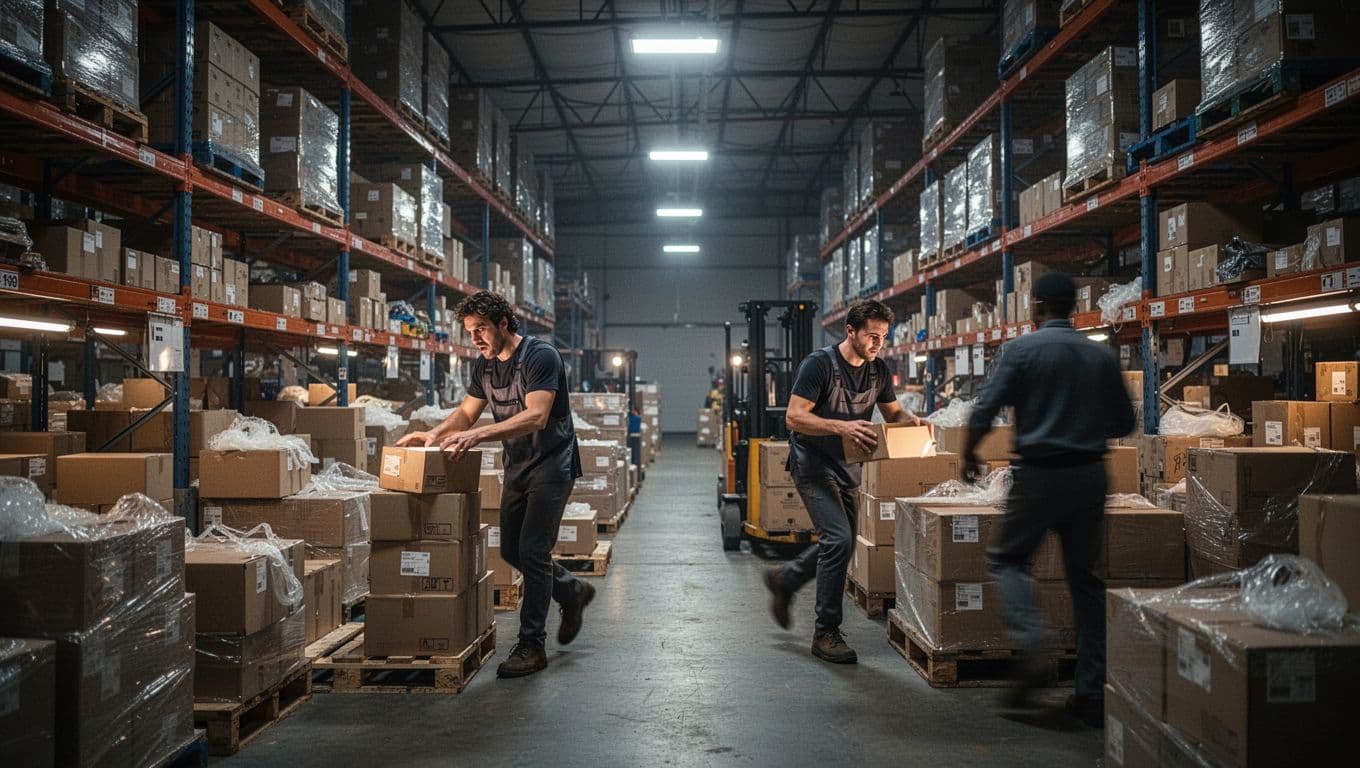
When packaging starts to strain, it rarely breaks all at once. Instead, little “patches” pile up, overtime, rush shipments, rework, and constant rescheduling. The signs below show up across food, beauty, supplements, publishing, and consumer goods.
You cannot keep up with demand without overtime, rush shipping, or delays
If you only hit ship dates by working nights or weekends, capacity is already capped. Backorders start creeping in, then customer service tickets follow right behind. In retail, missed windows can lead to chargebacks, or a buyer simply dropping the item.
Seasonal spikes make it worse. A holiday promo, a new account win, or a single influencer post can double volume fast. For example, a brand that normally ships 2,000 units a week might suddenly need 5,000, and the team ends up paying for rush freight just to stay afloat.
A good rule: when “temporary overtime” becomes the normal plan, your packaging process is too small for your sales.
You are running out of space, or your facility is getting cluttered and risky
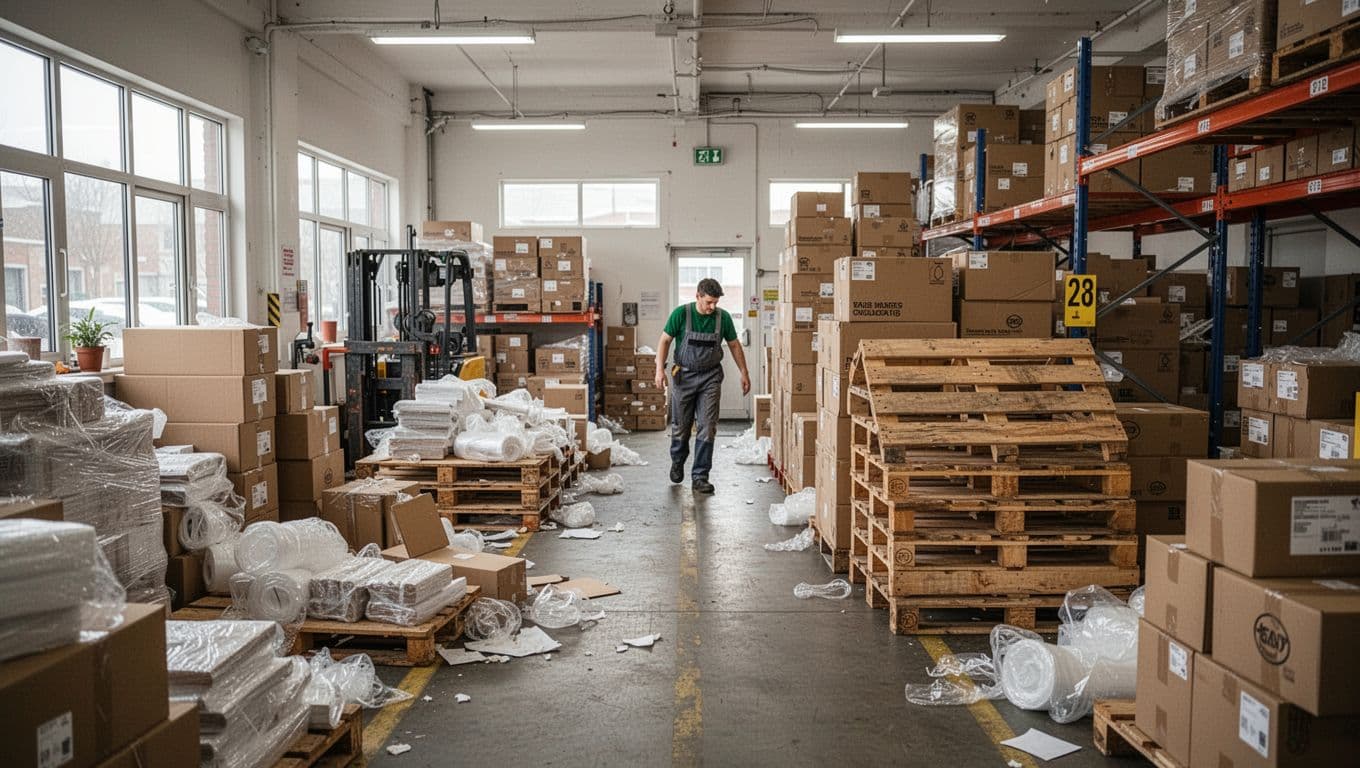
Space problems don’t just look messy, they create real costs. Pallets in aisles slow movement, increase trip hazards, and make inventory harder to count. Besides that, clutter hides shortages until you’re already late.
Look for signs like packaging materials stored “wherever they fit,” finished goods staged in random corners, and no clear lane for pickups. A common scenario is a team that can pack product, but can’t stage it, so trucks wait, loads get split, and the day turns into a traffic jam.
Manual steps and frequent changeovers are driving up cost per unit
Hand labeling, hand packing, and lots of touch points feel manageable at low volume. As volume grows, that same process becomes expensive, and slow. Each extra step also adds another place for an error.
Changeovers can quietly drain your day. If you’re switching between SKUs, pack sizes, or promo stickers every hour, the “real” line speed collapses. Then hidden costs appear: damaged goods from rework, scrap from misprints, and supervisors spending time on fire drills instead of improvements.
If this sounds familiar, it’s worth reading a plain-language explanation of what is contract packaging so you can map which tasks belong inside your walls, and which don’t.
Quality problems are increasing as volume grows
Quality issues often start as small inconsistencies, then become a pattern. You might see wrong labels, mixed lots, seal failures, or missing inserts. Return rates rise, and customers start to mention packaging in reviews.
More SKUs and more hands on product increases error risk, especially without strong SOPs and checks. For example, two similar labels placed on the same table can turn into a full day of relabeling. If you sell regulated items (food allergens, cosmetics claims, supplements), one mistake can also create compliance risk, not just customer frustration.
Packaging requirements got more complex than your current setup
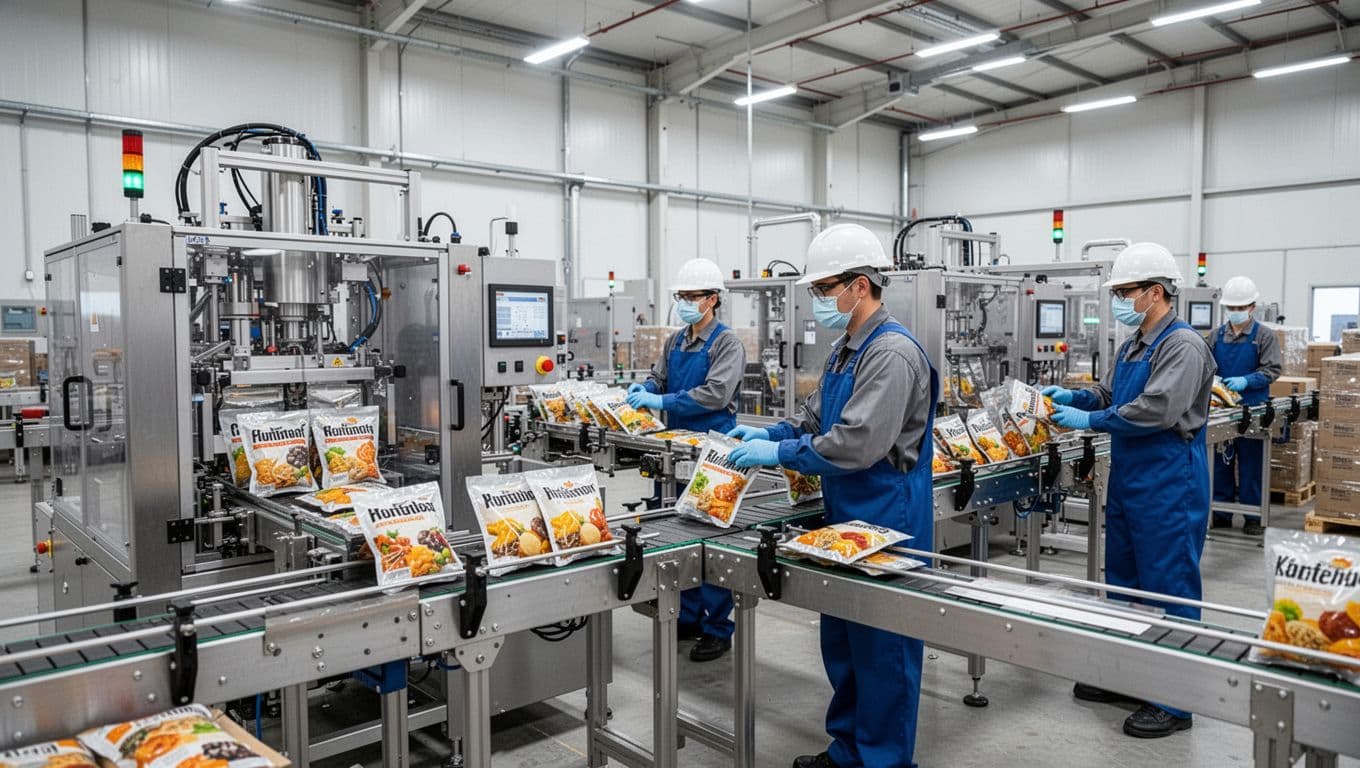
Sometimes the issue isn’t that your team is doing a bad job. The work just changed. New channels, new formats, and new rules can make “basic packing” feel like a different business. A Contract Packaging Company often already has the equipment, trained teams, and documented processes to handle that jump in complexity.
You need packaging formats or machinery you do not have
Certain formats are hard to fake with simple tools. Pouching, blister packs, shrink bundling, kitting, retail displays, and automated case packing usually need dedicated machinery and setup time. Even “simple” multi-packs can get tricky when barcodes, case counts, and shelf presentation all matter.
Buying equipment too early can backfire. Cash gets tied up, and you might pick the wrong machine for where the product is headed next. A brand might invest in a labeler, then realize their growth is in bundled packs that need shrink and case packing instead. Outsourcing can act as a bridge until volumes and formats settle.
You are facing stricter compliance, documentation, or retailer rules
As you grow, customers expect proof, not promises. That can mean lot codes, date coding, traceability, sampling plans, and inspection records. Retailers may also require consistent case labels, scannable barcodes, and clear packaging specs.
Some categories demand tighter controls even when the business is small. Allergens, cosmetics, supplements, and many foods need careful handling and clean documentation. A partner that already runs structured checks can reduce risk and keep records organized when questions come up.
Also, in early 2026, many packaging providers are investing more in automation to reduce errors, plus sustainability support as material choices and recycling rules keep tightening. Another fast-growing trend is combining packaging with warehousing and shipping, so products don’t get stuck between vendors.
If your bottleneck is mostly “boxing, bundling, and getting it out the door,” secondary packaging outsourcing benefits can help you see what’s commonly handed off first.
You want custom packaging, but design changes keep causing chaos
Custom packaging helps you stand out, but it adds moving parts. Label updates, new languages, compliance statements, or promo stickers can turn into confusion fast. Without tight version control, the wrong label can end up in market, then you’re dealing with returns or retailer complaints.
Chaos usually shows up as old label rolls sitting near new ones, unclear approval steps, and no clean cutoff date for changes. A packaging partner can bring structured change management, documented approvals, controlled inventory, and clearer “this version starts on this lot” rules.
The business case, when outsourcing packaging is the smarter move

At some point, the decision stops being emotional and becomes math. The best comparison is not hourly labor versus a per-unit quote. It’s total cost and total risk to produce a finished, sellable unit on time.
Your true cost of in-house packaging is higher than it looks
In-house packaging costs often hide in plain sight. Labor is obvious, but the supporting costs pile up, especially when you’re growing and training new people. Here’s a simple way to think about it:
| Cost area | In-house often includes | What to watch for |
|---|---|---|
| People | labor, training, coverage | turnover, overtime creep |
| Time loss | changeovers, downtime, meetings | slow runs, constant resets |
| Quality | scrap, rework, returns | label errors, mixed lots |
| Equipment | maintenance, parts, repairs | emergency fixes, spare parts |
| Facility | space, utilities, insurance | packaging crowding out higher-value work |
The takeaway is simple: calculate cost per finished unit, then add the cost of quality problems. If you want help thinking through quotes and line items, this co-packing pricing breakdown is useful because it explains where fees usually come from.
Gotcha: the cheapest per-unit pack rate can still cost more after storage, rework, or rush charges.
You need speed and flexibility more than you need ownership of the line
Ownership feels safer, but it can slow you down. Outsourcing can help launch products faster, handle promotions, and absorb surges without hiring and layoffs. It also lowers the risk of being stuck with underused equipment when demand shifts.
Many growing brands use a hybrid model. They keep core items in-house, then outsource seasonal packs, special bundles, or new formats. That approach can protect margins while keeping customers stocked during spikes.
If you’re thinking about the timing and handoff details, an outsourcing contract packaging guide can help you plan specs, samples, and launch steps without guessing.
Your team needs to focus on growth activities, not packaging firefighting
Packaging firefighting steals leadership time. Hours disappear into staffing, scheduling, chasing materials, and fixing mistakes. That’s time not spent on sales, product development, retailer relationships, or forecasting.
Opportunity cost is real. For example, if a founder spends every Monday relabeling, they aren’t calling new accounts. If an ops lead spends every afternoon expediting boxes, they aren’t improving the process. Outsourcing doesn’t remove responsibility, but it can shift the day-to-day work to a team built to run it.
Conclusion
When demand rises, packaging problems get louder. The biggest warning signs usually fall into a few buckets: volume pressure, space limits, manual inefficiency, quality drift, new complexity, and higher true cost than you expected.
Here’s a quick five-question checklist you can answer today:
- Are you relying on overtime, rush shipping, or backorders to keep up?
- Is your facility crowded enough to slow work or create safety risks?
- Has your cost per unit climbed because of touch points and changeovers?
- Are quality issues increasing as you add SKUs or people?
- Do you need formats, documentation, or retailer rules you can’t support well?
If you answered “yes” to two or more, take one practical next step. Write a one-page brief with product specs, monthly volumes, packaging format, compliance needs, and a 6-month forecast. Then talk with a Contract Packaging Company to see if outsourcing fits your goals and your timeline.
