
Reducing Packaging Lead Times to Speed Up Delivery
Late shipments don’t start at the carrier dock. They usually start weeks earlier, when packaging choices, approvals, and material orders quietly pile up. Then the launch date slips, rush fees hit, and somebody’s hunting for labels 10 minutes before the shift starts.
Packaging Lead Times are simple: the time from a packaging decision or purchase order to finished, shippable product. That includes artwork, supplier production, inbound freight, receiving, and the minutes your team spends packing and labeling.
The good news is that faster delivery rarely requires one big hero move. The fastest wins usually come from simplifying packaging, tightening planning, and removing line bottlenecks. This post lays out practical steps that work for small teams and larger operations, without guessing where the problem is.
Find where time is really getting lost, before you try to go faster

If you try to “speed up packaging” without a map, you’ll probably spend money in the wrong place. A faster label printer won’t help if your art approvals take two weeks. Extra labor won’t fix a supplier that needs long minimum lead times.
Start by finding the longest waits and the most frequent delays. Think of your packaging process like a highway. Widening a clear lane does nothing if the traffic jam is two exits earlier.
A reliable way to cut lead time is to reduce waiting, not to increase effort. Waiting hides in approvals, changeovers, and missing materials.
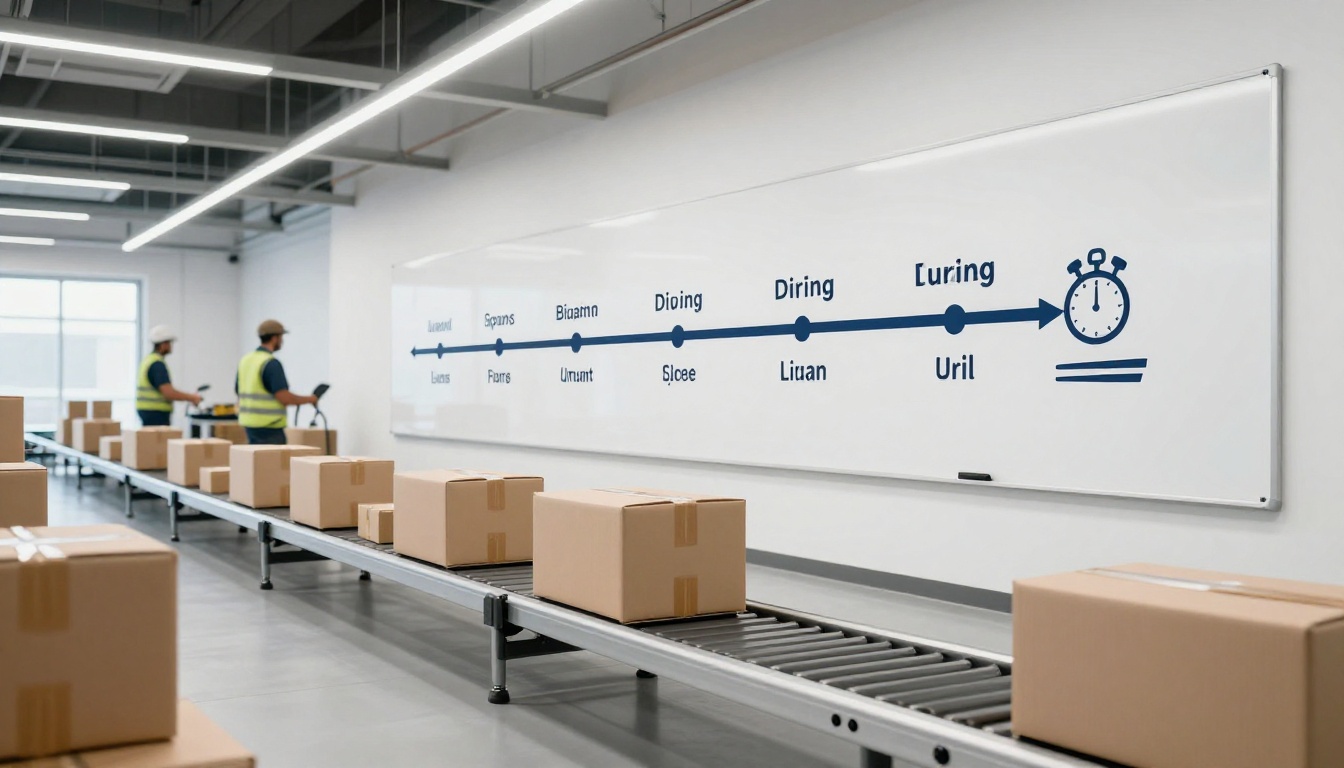
Map the full packaging timeline, from artwork to delivered cartons
Most teams only track the “production” portion. That’s the trap. Your real timeline runs from the moment packaging changes are requested to the moment finished goods are ready to ship.
Common steps to include:
- Design and specs (dielines, material callouts, pack-out rules)
- Artwork and approvals (brand, regulatory, retailer requirements)
- Supplier quote and PO (pricing, MOQs, proofs)
- Supplier production (print, convert, assemble)
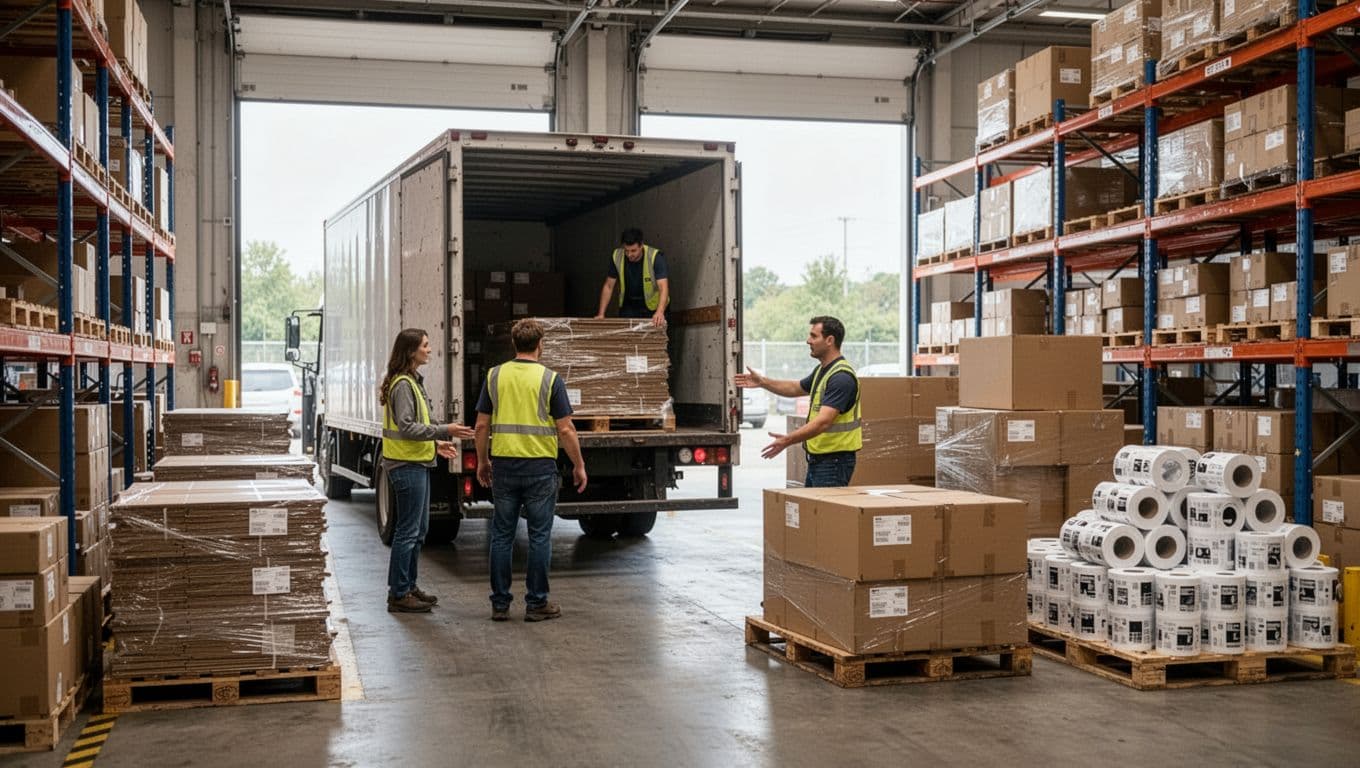
- Inbound freight (transit plus carrier appointments)
- Receiving and putaway (counts, damage checks, location)
- QA and release (spec checks, print quality, barcodes)
- Kitting and staging (build kits, stage components)
- Packing and labeling (unit pack, case pack, palletize)
- Outbound ship confirmation (scan, labels, ASN, pickup)
Keep measurement simple. Use a shared sheet, or pull timestamps from your ERP or WMS. Track start date and finish date for each step, plus who owns the handoff.
Here’s a quick way to record it without turning it into a project that never ends:
| Timeline step | What to capture | What it reveals |
|---|---|---|
| Artwork approval | request date, approval date | queue time and rework loops |
| Supplier production | PO date, ship date | true supplier lead time vs promised |
| Receiving | arrival date, putaway complete | dock and labor constraints |
| Packing | first unit time, last unit time | throughput and changeover pain |
Also log “hidden waits.” Approval queues, supplier minimum order quantities, and “we’ll fit you in next week” production slots can add more days than shipping ever will.
Spot the top 5 delay triggers that hit most teams
Across packaging operations, a few repeat offenders show up again and again:
- Too many box sizes and packaging SKUs: Each added size creates more ordering, more storage, and more chances to pick wrong.
- Frequent design changes: Every tweak restarts approvals, proofs, and sometimes new plates or tooling.
- Single-sourcing key items: One supplier issue turns into a full stop.
- Long changeovers on the line: Switching formats, labels, or tape widths eats time and causes mistakes.
- Inventory surprises: Running out of labels, tape, inserts, or void fill forces last-minute substitutions or downtime.
To prioritize, don’t chase the loudest complaint. Pick the delay with the biggest hours lost per week. A small problem that happens daily often beats a big problem that happens twice a year.
If packaging complexity keeps rising and your team can’t keep up, it may be time to consider outside help. This guide on when to outsource packaging lays out the practical signs and tradeoffs.
Simplify packaging so it is easier to source, pack, and ship
Speed comes from repetition. Every time your team handles a new format, they slow down, even if they don’t notice it. Simplification isn’t about making packaging “basic.” It’s about making it predictable.
Standardize formats, reduce SKUs, and right size to cut picking and packing time
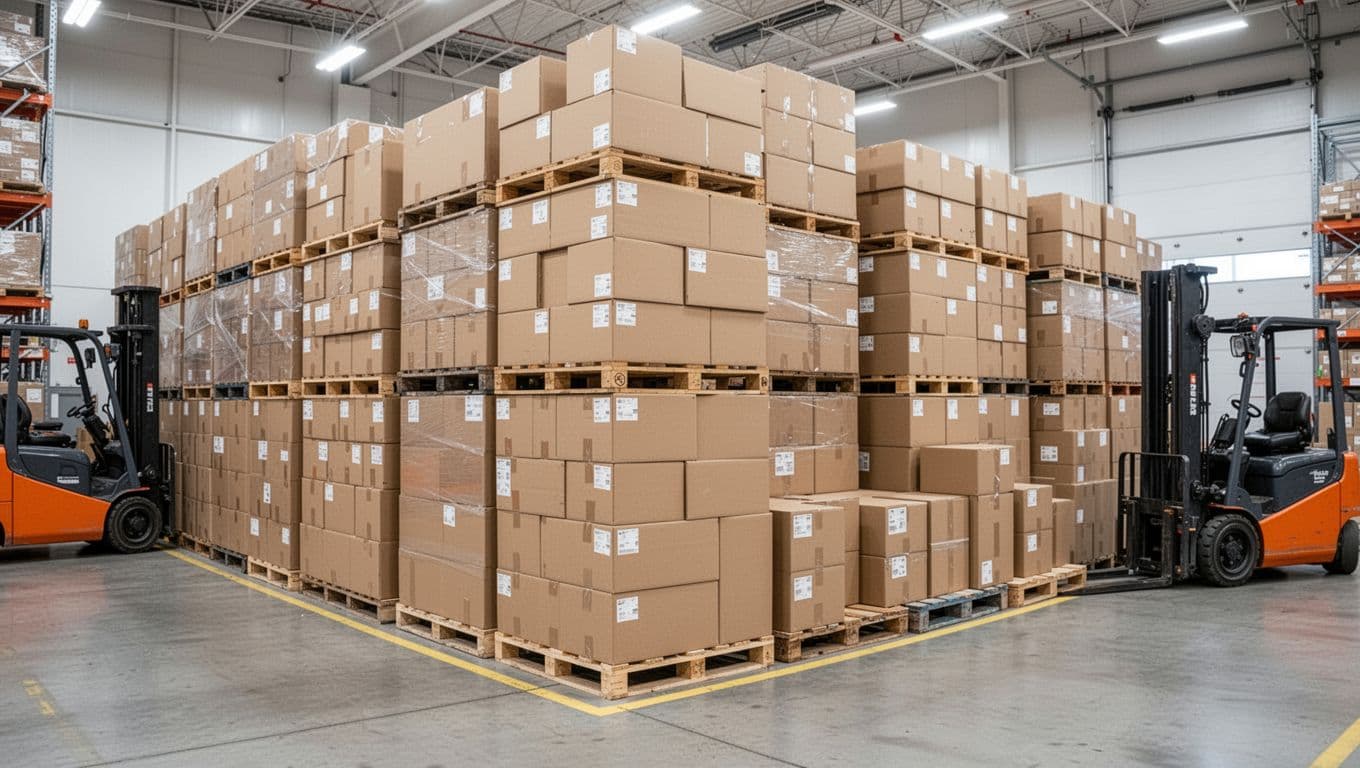
If you stock 12 box sizes, you’re not just storing cardboard. You’re storing decision-making. That shows up as longer pick paths, more training, more wrong picks, and more urgent reorders.
A practical target for many operations is 2 to 3 shipping box sizes for most volume, plus a small exception set. Pair that with one tape spec and one label format wherever you can.
Actions that usually pay off quickly:
- Run a box rationalization project using the top 80 percent of shipments by volume.
- Create a short approved list and freeze it for a set window (even 60 days helps).
- Standardize label placement and orientation so packers don’t “think” at the station.
- Use pre-approved artwork templates for common label types and cartons.
Right-sizing matters too. Oversized packaging creates more void fill, more packing steps, and more dimensional weight surprises. A well-sized carton is like a fitted glove. It protects the product and reduces the fuss.
If you need a refresher on how secondary packaging choices affect protection and logistics, this secondary packaging basics guide breaks down the role it plays in shipping and handling.
Use flat shipping and ship-in-own-container options when they fit
Some packaging is slow because it’s bulky before it even touches product. Flat-packed (knock-down) cartons, mailers, and trays ship and store more efficiently because they collapse. That can reduce inbound freight pressure and make replenishment easier.
Recent industry research highlights the space difference clearly: flat-pack corrugated can save about 90 percent of storage space versus shipping pre-formed rigid formats. In real terms, that means fewer trucks for replenishment and less time fighting crowded racks.
Flat options work best when:
- You ship e-commerce orders with consistent pack-outs.
- Your items are lightweight and don’t need heavy rigid protection.
- Your receiving area and storage space are tight.
On the other hand, rigid packaging can still win when presentation and crush resistance matter, especially for fragile products or premium retail display. The goal isn’t to force one format everywhere. It’s to use the simplest format that still protects the product and meets customer expectations.
Wrapping choices can also change pack speed and damage rates. If you’re comparing approaches like shrink, flow wrap, or cello wrap, see this overview of types of wrapping techniques.
Make your packaging supply chain faster and more reliable
Even “perfect” packaging designs still need supply. If procurement and suppliers move slowly, your lead time stays long. The fix is a mix of redundancy, better ordering triggers, and fewer last-minute changes.
Build a two-supplier plan for every critical packaging item
Single sourcing feels efficient until it isn’t. When your only label supplier has a machine issue, your packing line becomes a waiting room.
Build a two-supplier plan for items that stop shipping when they’re missing, such as:
- labels and print-and-apply rolls
- cartons and shipper cases
- inserts and instruction sheets
- flexible film and pouches
- tape, glue, and void fill
Keep specs identical. That means the same adhesive, facestock, print method, and core size on labels, and the same board grade and dimensions for cartons. Then run small test orders so the backup supplier is real, not theoretical.
Nearshoring can make sense when demand swings fast, reorders happen often, or packaging is heavy and bulky. Shorter transit also helps when you want to hold less inventory without risking stockouts.
For readers who want a plain-language view of how packaging fits into the larger flow of materials and decisions, Understanding the Supply Chain gives a helpful foundation.
Shift from panic reorders to planned replenishment with better forecasts
Panic reorders are expensive, noisy, and usually late. Planned replenishment is quieter, cheaper, and faster.
A simple approach most teams can run:
- Set reorder points for packaging, not just finished goods. Base it on average weekly usage and supplier lead time.
- Use a pull model tied to real sales. If sales change, your packaging plan changes with it.
- Review weekly, even if it’s just 20 minutes. Small adjustments beat monthly surprises.
- Lock a short “no change” window for artwork and specs (for example, two to four weeks). This prevents last-minute edits that restart proofs and approvals.
In February 2026, many supply chain teams are also using AI-assisted planning tools to forecast needs and respond faster. Recent reports suggest these tools can reduce forecast errors by 20 to 50 percent and cut excess inventory by up to 30 percent, when the data is clean and the process is consistent. You don’t need fancy math to benefit from the idea. The takeaway is to plan packaging like you plan product, with frequent updates and fewer surprises.
Speed up the packing line and warehouse handoffs without burning out your team
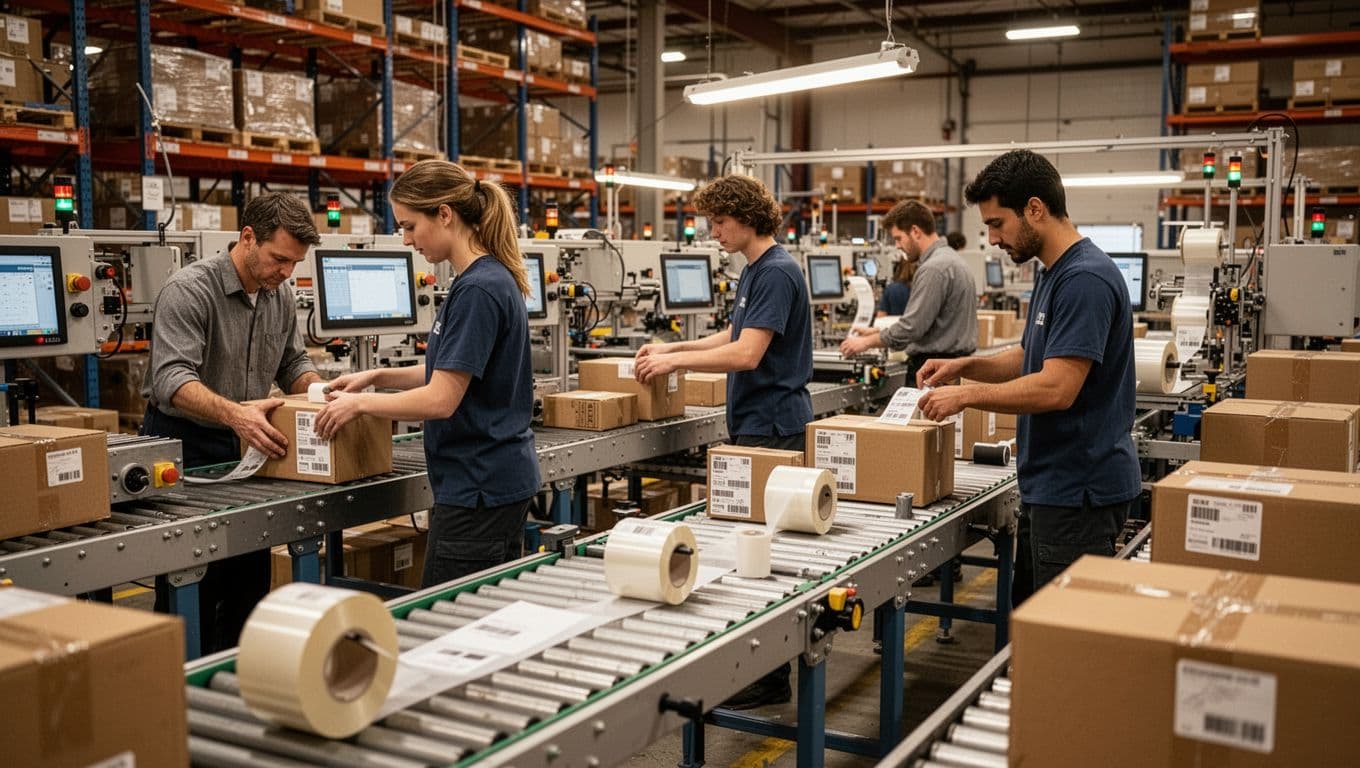
Once materials are in the building, your lead time often comes down to minutes. Those minutes add up fast when walking paths are long, changeovers drag, or packers hunt for supplies.
Fix the biggest bottleneck first, then standard work and layout
Start by finding the constraint. It’s often one of these: labeling, sealing, case erecting, or changeovers between SKUs. Time a normal hour and look for the station where work piles up.
Then attack the simplest friction first:
- Put tape, labels, and inserts at point of use, not across the aisle.
- Kit materials to the station, so every order doesn’t become a scavenger hunt.
- Write clear work instructions with photos, and keep them at the station.
- Reduce tool searching by assigning fixed homes for scanners and dispensers.
- Shorten walking paths by moving the most-used materials closer.
Set one concrete target, like reducing packing station touches or steps by 20 percent. Small layout changes often hit that number faster than people expect.
For more ideas that connect layout to speed, this post on warehouse efficiency tips is a solid companion.
Add automation where it pays off, and plan installs to avoid downtime
Automation helps when the math works. It doesn’t help if it creates a new bottleneck or takes weeks to install during peak season.
“Right-sized” automation options for packaging lines include auto labelers, tape sealers, case erectors, print-and-apply systems, and scan verification. Start with throughput math: current units per hour, target units per hour, error rate, and labor cost. Then compare that to equipment cost and expected uptime.
Plan early to protect delivery speed:
- Confirm vendor lead times before you commit to a launch date.
- Order spares that commonly fail, like extra printers and spare scanner batteries.
- Schedule installs during slow periods, and build time for training.
- Run a short pilot window, so issues show up before you bet the whole shift.
Better automation also reduces errors, which speeds ship confirmation and cuts rework. Less rework means fewer late orders.
Conclusion: a faster path to shorter lead times
Reducing Packaging Lead Times is less about pushing harder and more about removing delays in the right order. First, measure the full timeline so you can see the real waits. Next, simplify packaging to reduce SKUs, approvals, and packing decisions. Then strengthen suppliers and replenishment rules, so materials show up before you need them. Finally, fix the biggest packing line bottleneck, and only add automation after the numbers make sense.
A simple 30-day action list:
- Week 1: Map and measure each step, from artwork to ship confirmation.
- Week 2: Standardize top-volume packaging SKUs and lock templates.
- Week 3: Set backup suppliers and reorder points for critical items.
- Week 4: Remove the top line bottleneck, train standard work, and re-time throughput.
Pick one high-impact item and start today. Speed builds when the process stops fighting your team.
