
Amazon FBA vs Self-Fulfillment and 3PL for Retail Brands
Amazon FBA took off for good reason. It gave retail brands speed, national reach, Prime trust, and a setup that felt far simpler than building warehouse operations from scratch. For many sellers, that made FBA the fastest path to market, especially in the early stages of growth.
Now, though, many brands want more than reach. They want better control over margins, customer experience, inventory flow, and how stock moves across Amazon, their own site, and retail channels. That shift is why the choice now isn’t only about Amazon, it’s about picking the right fulfillment model for the business you’re building. If you need a closer look at Amazon FBA vs self-fulfillment before deciding, the tradeoffs become clear fast.
This guide compares the three main paths, FBA, self-fulfillment, and 3PL fulfillment, so you can make a practical decision based on your products, order volume, and growth plans.
What Amazon FBA does well, and where it can hold brands back
Amazon FBA earns its place for a lot of brands, especially early on. It removes much of the daily shipping work, puts products in front of a huge built-in audience, and makes fast delivery easier from day one. That mix is hard to ignore when you’re trying to grow without building warehouse operations at the same time.
Still, what works well at launch can get tighter as the business gets more complex. As order volume rises, channels expand, and retail requirements show up, FBA can start to feel less like a growth tool and more like a box with fixed walls.
The biggest reasons brands start with FBA
For a new or growing brand, FBA reduces a lot of moving parts. Amazon stores the inventory, ships orders, handles much of the customer service, and manages returns within its system. That means your team can spend more time on product, marketing, and demand, instead of packing boxes every day.

Speed matters too. FBA gives brands access to Prime shipping and strong marketplace visibility, which can help conversion rates. When shoppers trust the delivery promise, they buy with less friction. In the early stage, that’s a major advantage.
FBA also makes scaling easier at first. You don’t need to sign a warehouse lease, hire a pick-pack team, or build carrier relationships before you prove demand. If you’re still learning what sells, that lower operational burden can be a smart first step. Brands that need help meeting Amazon FBA packaging requirements often see how much prep discipline matters before inventory even reaches Amazon.
The hidden costs that show up as brands grow
As sales increase, FBA fees can take a bigger bite out of margin. Fulfillment fees, monthly storage fees, long-term storage charges, and prep-related costs add up faster than many brands expect. A SKU that looked profitable at low volume can get squeezed once all-in costs are clear.
Returns can add friction too. Amazon handles the customer-facing side, but the brand still absorbs the inventory and margin impact. On top of that, stranded inventory can create a quiet drain. If listings break, shipments get flagged, or units become unavailable, stock can sit there without generating revenue.
FBA is easy to start with, but it can get expensive to stay with when fees stack up across every unit.
There is also less room to protect margin through packaging, order design, or channel-specific handling. Because Amazon controls much of the process, brands have fewer ways to fine-tune cost per order or shape the customer experience.
Where FBA falls short for multichannel and retail programs
FBA works best when Amazon is the main channel and the order flow is simple. It gets harder when your business needs custom kitting, retail-ready packaging, display builds, wholesale orders, or channel-specific promotions. Those jobs often need more hands-on packaging and routing logic than FBA is built for.
A retail brand may need bundles for a seasonal promotion, shelf-ready packs for stores, or exact carton rules for wholesale buyers. FBA is not designed for that kind of flexible execution or brand presentation control. You also get limited customer data and less say in how packaging looks when the box arrives.
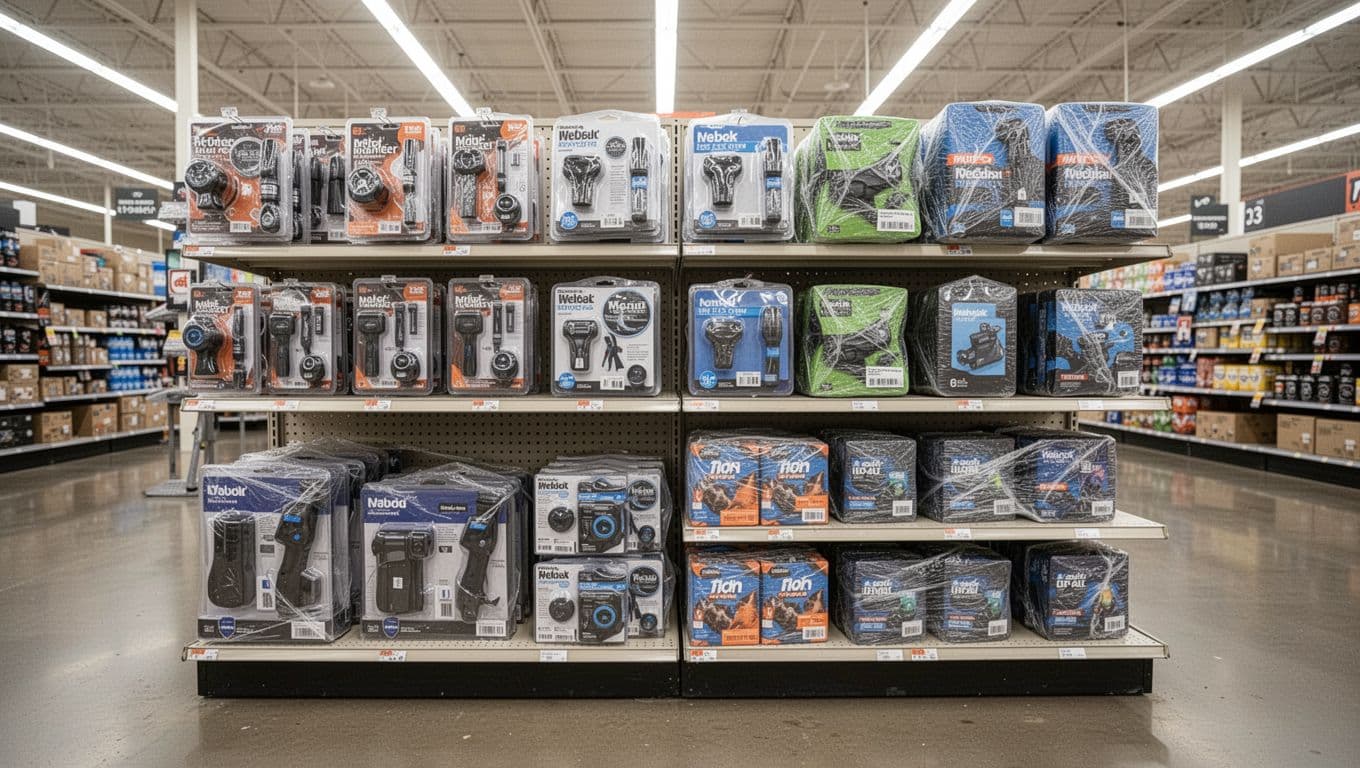
That gap is usually where brands start looking at multichannel fulfillment strategies or value-added 3PL services. When you need one inventory position to support Amazon, DTC, B2B, and retail at the same time, self-fulfillment or a 3PL often gives you more control, more flexibility, and a better fit for how the brand actually sells.
When self-fulfillment makes sense for a retail brand
Self-fulfillment means your brand ships orders with its own people, space, and systems. You store the inventory, pick the items, pack the boxes, buy the postage, and handle the return if it comes back. For the right retail brand, that setup can be a strong fit, especially when control matters more than convenience.
That said, self-fulfillment is not the cheap or easy option by default. It works best when your operation is simple enough to manage well, and when the value of direct control outweighs the labor and overhead that come with it.
You get full control over packing, branding, and service
One big reason brands choose self-fulfillment is control over the customer experience. You decide how the box looks, what goes inside, and how the order feels when it lands on the doorstep. That matters when packaging is part of the brand, not just a shipping task.
With self-fulfillment, you can add custom inserts, samples, promo cards, or channel-specific offers without asking a third party to change the process. If you want one pack-out for first-time buyers and another for repeat customers, you can do that. If you need tight coordination between packaging and shipping, this is where integrated packaging fulfillment solutions become part of the bigger conversation.
You also keep direct control over service standards. A late shipment, a damaged order, or a missed insert comes back to your team right away, which can be a good thing when you care about fixing problems fast. For brands with gift sets, fragile items, or products that benefit from a stronger unboxing moment, that hands-on control can feel worth the effort.
It can work well for simple order volume and local inventory
Self-fulfillment usually works best when the business is still operationally manageable. That often means a brand has a small to mid-sized catalog, steady demand, and orders that are easy to pick and pack. If you know what sells each week and your team can ship it without constant fire drills, the model can hold up well.

Brands that often do well here tend to share a few traits:
- They have predictable SKUs with low handling complexity.
- Their order volume is steady enough to staff without major swings.
- They already have storage space, packing stations, and basic shipping workflows.
- Their products may need careful handling, bundling, or brand-specific packing rules.
Local inventory can help too. If your stock is in one place, your team is nearby, and most orders move through the same workflow, self-fulfillment is easier to keep accurate. In that stage, you may not need a full outside partner yet. Still, once pack-outs get more complex, some brands start to outsource packaging operations while keeping part of fulfillment in-house.
The operational challenges can grow fast
What feels manageable at 30 orders a day can get messy at 300. Self-fulfillment puts your team in charge of every moving part, and the cracks usually show up all at once. Labor planning gets harder, warehouse space disappears, and shipping supplies seem to run out at the worst time.
Software also becomes a real issue. Spreadsheets and basic order dashboards can work for a while, but higher volume demands better inventory visibility, barcode scanning, order routing, and shipping tools. Without that, inventory accuracy slips, orders get delayed, and returns pile up. If your business is nearing that point, end-to-end fulfillment services are often worth comparing against the true cost of doing it yourself.
A few pressure points show up again and again:
- Carrier rates may be weaker than what larger fulfillment providers can negotiate.
- Returns handling takes space, labor, and clear rules.
- Peak season can overwhelm your team with overtime, temp training, and more mistakes.
- Stock counts get less reliable as SKU count and order volume rise.
The hardest part is that these problems compound. A crowded stockroom slows picking. Slow picking misses carrier cutoffs. Missed cutoffs trigger support tickets. Then your team spends the next day fixing yesterday’s issues instead of shipping today’s orders. That is why self-fulfillment makes the most sense when the operation is still simple, controlled, and well within your team’s capacity.
How a 3PL helps brands scale without building everything in-house
A 3PL, or third-party logistics provider, is an outsourced fulfillment partner that handles the work many growing brands can no longer do well on their own. That often includes storing inventory, picking orders, packing shipments, and getting products out the door on time. In many cases, a 3PL also supports more involved retail programs and custom packaging work that go far beyond basic parcel shipping.
This model appeals to brands that are outgrowing FBA or self-fulfillment, but still do not want to run a full warehouse operation themselves. You get added capacity, labor, systems, and shipping coordination without taking on a lease, warehouse staff, and the daily headaches that come with both.
A good 3PL does more than ship boxes
At a basic level, a 3PL gives you warehousing and order fulfillment. However, the better partners do much more than store cartons and print labels. They help manage the full flow of inventory, from receiving and putaway to pick, pack, ship, and returns.
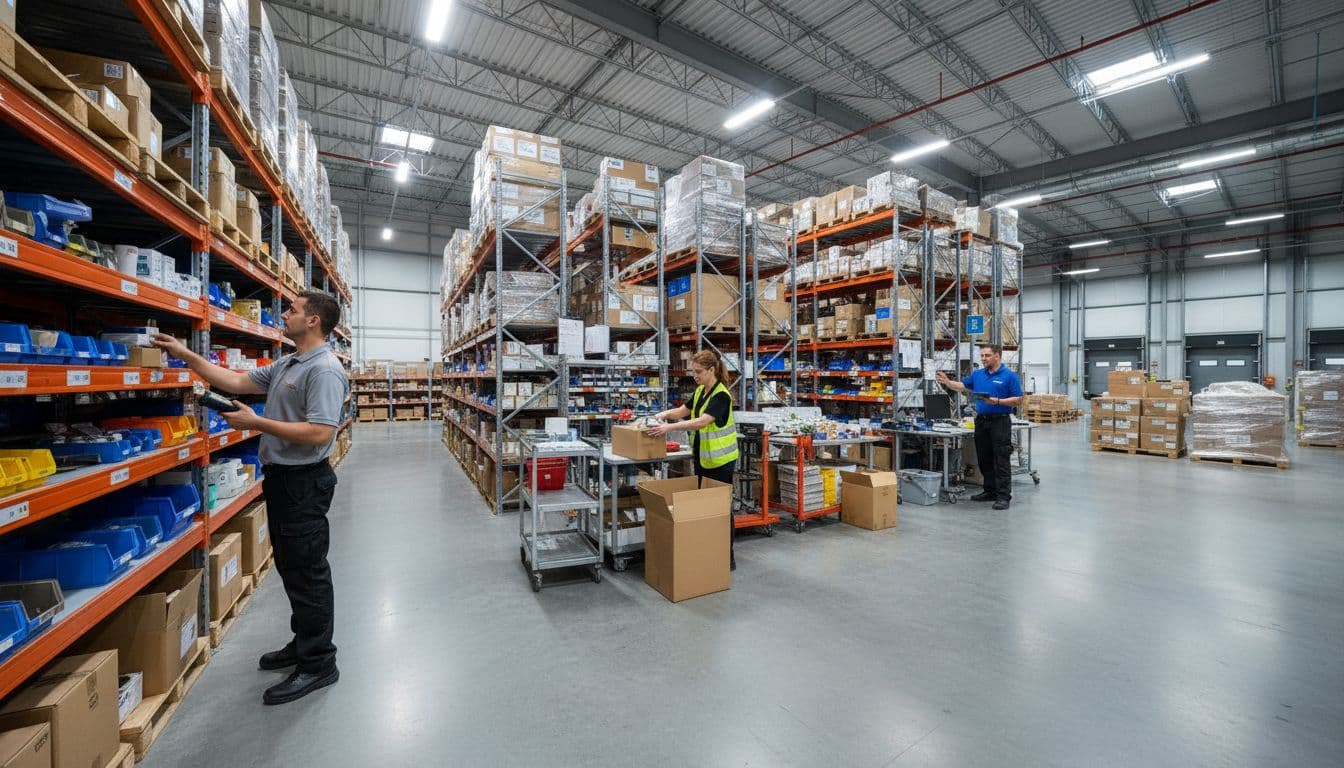
That matters because growth creates moving parts fast. Once orders come from your site, Amazon, retail buyers, and wholesale accounts at the same time, you need more than shelf space. You need order management, solid inventory visibility, and someone who can coordinate transportation in and out of the building without losing track of stock.
A capable 3PL often supports:
- Warehousing for reserve stock and active pick locations
- Order management across multiple sales channels
- Returns support, including inspection and restocking rules
- Inventory visibility through connected systems and reporting
- Transportation coordination for inbound and outbound freight
- Multichannel fulfillment for DTC, marketplace, and retail orders
Some providers also take on value-added work that would be hard to build internally. That can include kitting, relabeling, repackaging, and display assembly. If your brand needs more than standard pick-pack-ship, a partner with distribution and fulfillment services can give you room to grow without forcing your team to build every process from scratch.
3PLs are especially helpful for brands with complex packaging needs
Complex packaging is where many in-house teams hit a wall. Shipping one SKU in a mailer is one thing. Building promotional packs, multi-SKU kits, retail-ready displays, subscription boxes, or compliance-heavy retail orders is a very different job.
Those programs take more labor, more floor space, and tighter process control. A team may need to combine several items into one sellable unit, apply new labels, shrink wrap the pack, check date codes, and pack it to a retailer’s routing rules. Then they may need to repeat that process at scale, without missing a component or causing a chargeback.
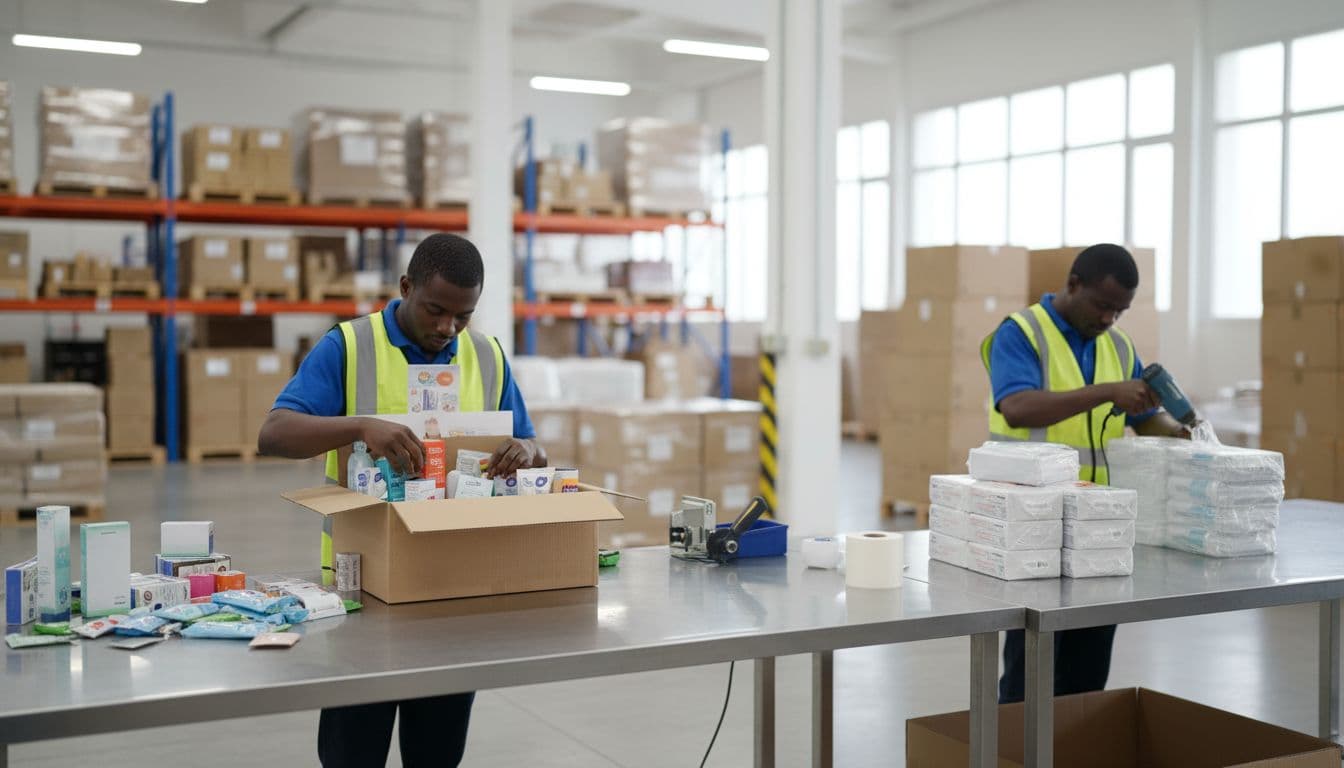
Basic parcel fulfillment usually focuses on speed and accuracy at the order level. Complex packaging adds another layer, because the package itself becomes part of the product and part of the retail requirement. That is why brands with promos, club packs, seasonal sets, or retailer-specific packaging often need specialized support, not just warehouse labor.
If that sounds familiar, it helps to review what professional kitting services can cover before you try to manage it with a small internal team.
The more packaging rules your orders carry, the less likely a simple in-house setup will keep up for long.
The tradeoff is less direct control, so partner fit matters
Outsourcing fulfillment solves real problems, but it also changes how you operate. You are trusting another team with your inventory, service levels, and part of your customer experience. That is why partner fit matters as much as price.
Onboarding is the first test. A 3PL needs time to learn your SKUs, packaging rules, routing guides, return workflows, and channel requirements. If the setup is rushed, mistakes usually show up later in inventory counts, pack-outs, or shipping delays.
You also need clarity on a few practical points before signing:
- What minimums apply for storage, orders, or account fees?
- What service-level expectations are written into the agreement?
- How will communication work when issues come up?
- Which systems integrate with your store, ERP, or marketplace tools?
- Who owns the day-to-day relationship on the account?
Clear account management makes a big difference here. You do not want to chase answers across a generic support inbox when a retailer order is late or a bundle build changes mid-week. A strong 3PL relationship works best when roles are clear, reporting is consistent, and both sides treat the operation like a shared process, not a handoff.
Self-fulfillment vs 3PL, how to choose the right model
The right choice usually comes down to fit, not ideology. Self-fulfillment can work very well when your operation is still tight and predictable. A 3PL often makes more sense when growth adds more orders, more channels, and more room for mistakes.
Use this section as a simple decision framework. Look at what your business needs now, then pressure-test that setup against where you expect to be in 6 to 18 months.
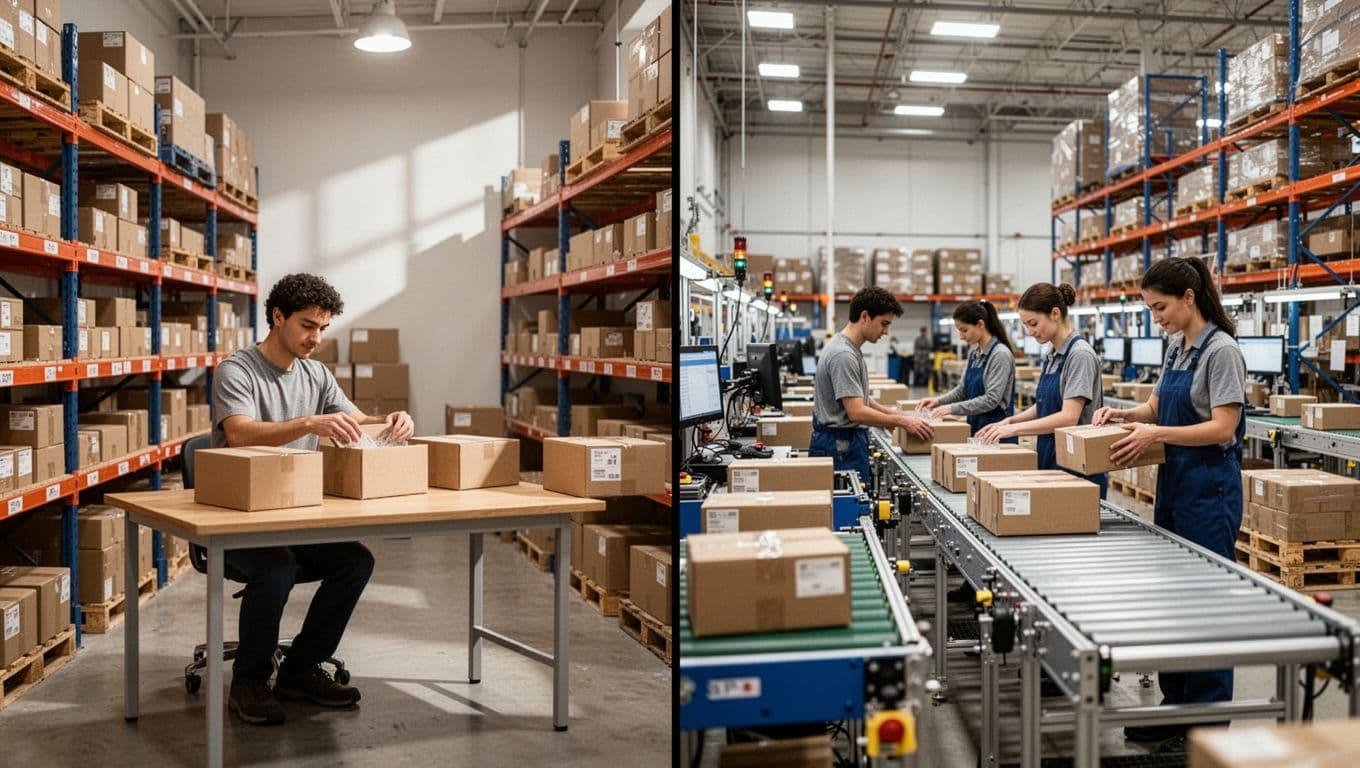
Start with your order volume, SKU mix, and channel strategy
Start with the shape of your business. A brand shipping 20 simple orders a day has a very different problem than a brand managing Amazon, Shopify, and wholesale at once. Volume matters, but order complexity matters just as much.
Self-fulfillment often fits when your catalog is small, your orders are easy to pack, and demand is steady. If most sales come through one channel, and your team can keep up without late nights, in-house shipping may still be the right call. It gives you control without adding another partner to manage.
A 3PL starts to look stronger when the business stops moving in a straight line. That usually happens when you add more SKUs, launch bundles, or start selling across channels. Wholesale orders can bring routing rules and retailer requirements. DTC orders need speed and accuracy. Amazon now requires sellers to handle FBA prep themselves before inventory arrives, on top of inventory timing. Trying to run all three from one back room can feel like juggling while standing on a moving truck.
This quick comparison helps simplify the choice:
| Criteria | Self-fulfillment may fit best | 3PL may fit best |
|---|---|---|
| Order volume | Low to moderate, steady demand | Growing volume or sharp spikes |
| SKU count | Small catalog, simple picks | Large catalog or more pick complexity |
| Bundles and kits | Occasional, manageable by your team | Frequent bundles, promos, or rework |
| Sales channels | One main channel | Amazon, Shopify, retail, or all three |
| Seasonality | Mild swings | Holiday peaks, promotions, retail resets |
If your business is adding more channels, more bundle work, or more retail rules, this is usually when to switch to 3PL services.
Look at the true cost, not just the pick and pack fee
A lot of brands compare self-fulfillment and 3PL pricing the wrong way. They look at a pick and pack fee and stack it against what they pay for tape, boxes, and postage. That is too narrow. The better lens is total cost of ownership.
With self-fulfillment, your real costs include labor, rent, shelving, software, packaging materials, equipment, shipping rates, and the time your team spends managing the whole thing. Then add the costs that hide in the corners, like shipping errors, reships, chargebacks, returns handling, and support tickets after a bad delivery.

A 3PL quote can look expensive at first glance. However, the fee often replaces costs you already carry, just in a less visible way. It can also reduce mistakes, improve carrier rates, and free your managers to focus on sales, inventory planning, and customer service instead of fixing warehouse problems. If you’re pricing partners, a good guide to 3PL fulfillment costs helps you compare quotes more clearly.
The cheapest cost per order today can become the most expensive model once errors, overtime, and missed growth are part of the picture.
Think about customer experience and brand goals
Fulfillment is also part of your brand. The box shows up at the customer’s door, not the warehouse’s. Because of that, your decision should match the kind of experience you want buyers to have.
Self-fulfillment can be a strong choice when packaging is highly personal or customized. If you want tight control over presentation, special inserts, hand-packed bundles, or channel-specific touches, keeping it in-house may feel worth the extra work. That control can matter for gifting, premium products, or early-stage brands that want every order to feel carefully handled.
Still, customer experience is bigger than packaging alone. Speed, order accuracy, clean returns, and reliable delivery windows shape trust just as much. If a 3PL helps you ship faster and with fewer mistakes, that can lift retention more than a custom insert ever will. Brands focused on repeat purchase value should weigh both sides, presentation and consistency.
The better model is the one that supports your service standard as you grow. If your current setup works only when volume is calm, it may not support the brand experience you want next year.
Questions to ask before choosing a fulfillment partner
Before you pick a 3PL, or decide to keep fulfillment in-house, pressure-test the setup like a buyer would. You are not just asking, “Can orders ship?” You are asking whether the operation can hold up when volume jumps, channels multiply, and retail requirements get harder. Use the questions below in real conversations, then listen for specifics instead of broad promises.
Can this setup support both today’s orders and next year’s growth?
Start with capacity. A setup that works in a calm month can break during a promo, holiday spike, or retail launch. Ask what happens when order volume doubles for two weeks, when a major account sends a rush PO, or when Amazon and DTC both peak at the same time.
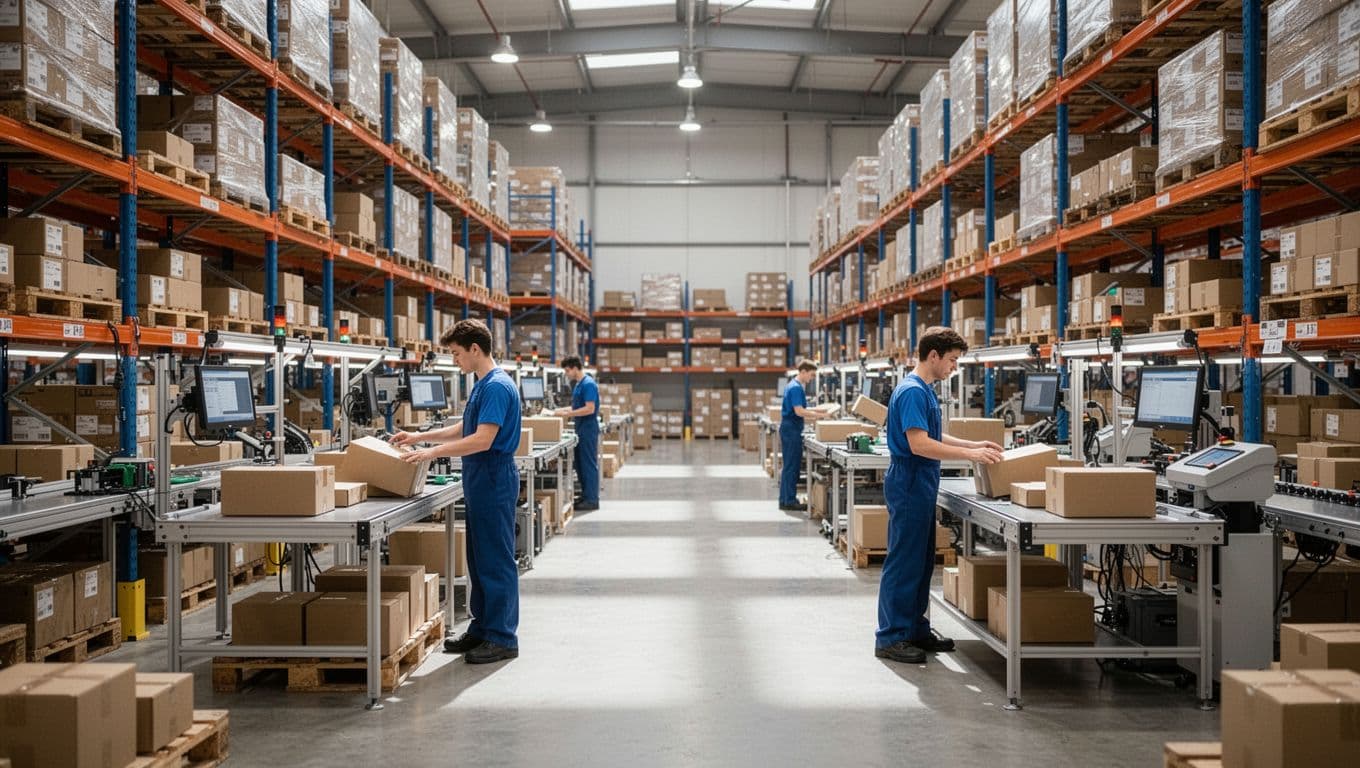
A useful checklist for this conversation includes:
- Ask how much spare labor and warehouse capacity they keep for surges.
- Ask what peak planning looks like, including temp labor, extra shifts, and carrier cutoffs.
- Ask whether they can support new channels without splitting inventory across too many systems.
- Ask what happens if your brand adds wholesale, subscription, or retail display programs later.
If you are reviewing your own in-house model, ask the same questions with brutal honesty. Can your team ship on time during Black Friday? Can your space absorb more SKUs? Can your systems support growth-ready fulfillment for subscriptions if you launch recurring orders? If the answer is “only with overtime,” that is a warning sign. This is where hiring a scalable 3PL fulfillment partner or reworking your internal operation deserves a serious look.
A strong fulfillment setup should absorb growth, not create panic every time sales improve.
How will inventory, reporting, and communication work day to day?
Daily execution matters more than sales-pitch language. Ask what you will actually see each day, who will answer questions, and how fast issues get resolved. If the partner cannot explain the routine, the routine probably is not solid.
Focus on five areas:
- Inventory visibility. Will you see on-hand stock, available stock, inbound receipts, and reserved units in one place?
- Order tracking. Can you track status from receipt to ship confirmation, across every channel?
- Exception handling. What happens when an item is short, damaged, or missing a label?
- Service response. Who owns the account, and how quickly do they respond?
- Inventory accuracy. What accuracy rate do they target, and how often do they cycle count?
Good answers sound concrete. You want service times, reporting cadence, count procedures, and clear escalation steps. Weak answers sound vague, such as “we usually catch that” or “our team will follow up.”
For in-house fulfillment, use the same checklist. If your team relies on spreadsheets, manual counts, or inbox hunting to solve shipment problems, that friction will show up in customer service and margin. Brands comparing systems often benefit from learning more about benefits of 3PL inventory management before deciding what to build themselves.
Can they handle value-added work that your brand may need next?
Many brands choose a partner for basic pick-pack-ship, then outgrow that setup fast. Ask what happens when your next retail ask is not a simple carton on a shelf. Can they build kits, relabel units, repackage returns, prep displays, or manage special projects without sending you to another vendor?
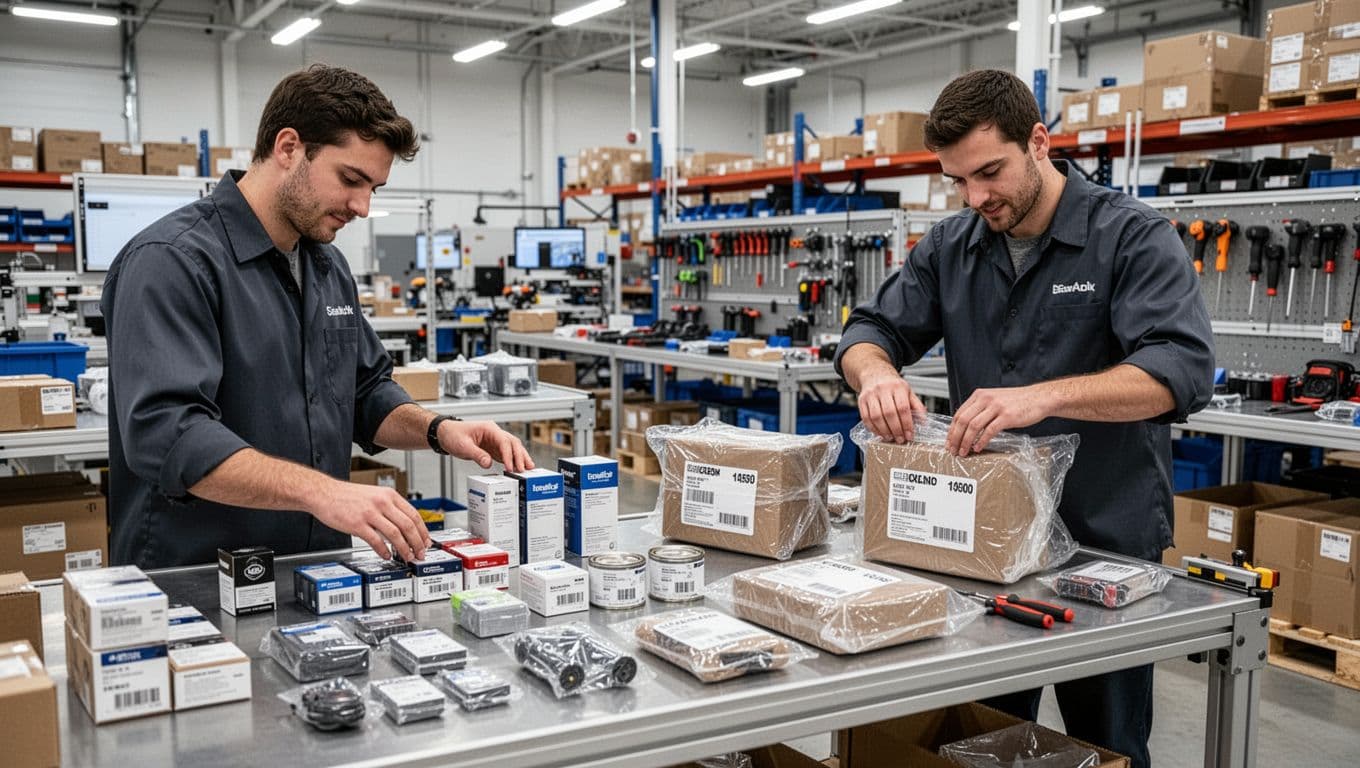
Ask for examples of work such as:
- Multi-SKU kitting for promotions or seasonal packs
- Relabeling and compliance labeling for retail or Amazon changes
- Repackaging for club, wholesale, or shelf-ready formats
- Display prep, store sets, and launch kits
- Short-run special projects with fast turnarounds
This question matters because fulfillment is part of your wider operations strategy. A partner that can grow from shipping boxes to handling value-added work gives you more options later. If that flexibility is important, review a value-added 3PL services guide and compare it against what your team can realistically manage in-house.
The smartest path is often a hybrid fulfillment model
Many modern brands do not pick one fulfillment path and stick with it. They mix models based on channel, order type, and margin goals. That usually means keeping Amazon FBA for marketplace speed, using a 3PL for DTC and retail orders, and handling a small slice in-house for special cases.
That setup gives you more control where it matters, without giving up scale where it helps. Instead of forcing every order through the same pipe, you route each one through the best-fit system.
Use each channel for what it does best
A hybrid model works best when each fulfillment channel has a clear job. Amazon FBA is often the right fit for Amazon orders because it supports Prime speed and keeps marketplace operations simple. If Amazon is where customers expect fast delivery with little friction, FBA can carry that load well.
A 3PL usually fits the work FBA does not handle as well. That includes multichannel fulfillment, retailer-compliant packing, custom bundles, subscription orders, and promotional kits. If your brand sells on Shopify, through wholesale, and into retail, a 3PL gives you more room to manage those moving parts in one place. For brands expanding beyond one sales channel, this guide to choosing hybrid fulfillment partners adds useful context.
Meanwhile, in-house fulfillment still has a place. It can be the right choice for VIP orders, press kits, samples, local pickups, or urgent projects that need hands-on attention. Those orders often need speed, judgment, or a personal touch that an outside process may not match.
A simple split often looks like this:
- FBA handles Amazon orders that depend on fast marketplace delivery.
- A 3PL ships DTC, retail, and custom-pack work across channels.
- Your team keeps control of special orders that need extra care.
The goal is not to simplify every order into one system. The goal is to match each order to the system that handles it best.
A hybrid model can protect margins and reduce operational risk
A hybrid model also spreads risk. If one channel tightens storage limits, raises fees, or hits a delay, your whole operation does not stop. You already have other lanes open.
That backup capacity matters during peak periods, retail resets, and surprise demand spikes. It also helps you protect margin because each order type goes through the most cost-effective path. High-volume Amazon sales can stay in FBA, while higher-touch orders move through a 3PL or your own team.
The bigger win is fit. Wholesale cartons, gift bundles, and urgent sample packs do not belong in the same workflow. When fulfillment matches the order, your team ships cleaner, wastes less time, and avoids expensive workarounds.
Conclusion
Amazon FBA can still be a strong fit, but it isn’t the automatic best choice for every retail brand. The right model depends on how much control you need, how complex your packaging and order flow are, where your brand is in its growth stage, and how many channels you need one operation to support.
For some brands, self-fulfillment makes sense because it protects margins and keeps the customer experience close at hand. For others, a 3PL or hybrid setup is the better move because it handles higher volume, retail rules, and multichannel demands without pushing the team past capacity.
The key takeaway is simple: there is no one-size-fits-all answer. Audit your current operation, map what your business will need next, and choose the model that supports both a better customer experience and profitable growth. If you’re getting close to an outsourced setup, this prep guide for 3PL outsourcing can help you review what a smooth transition should look like.
