

End-to-End Fulfillment Services Explained for Growing Brands
Your orders used to fit into a predictable routine. Then a promo hits, a product goes viral, or you add a new sales channel, and suddenly shipping turns into the thing your team talks about all day. At that point, the problem isn’t just speed. It’s accuracy, inventory control, returns, and the customer emails that pile up when tracking looks weird.
End-to-End Fulfillment Services mean outsourcing the full order lifecycle to one fulfillment partner. That partner receives your inventory, stores it, tracks counts, picks and packs orders, ships them, manages returns, and reports on performance. In other words, one team owns the flow from dock to doorstep (and back again).
This guide explains what’s included, how the day-to-day works, what it costs, what to ask providers, and how to tell if you’re ready to switch. Because when order volume climbs, small mistakes get expensive fast, and shipping speed becomes part of your brand promise.
What End-to-End Fulfillment Services include from dock to doorstep (and back)
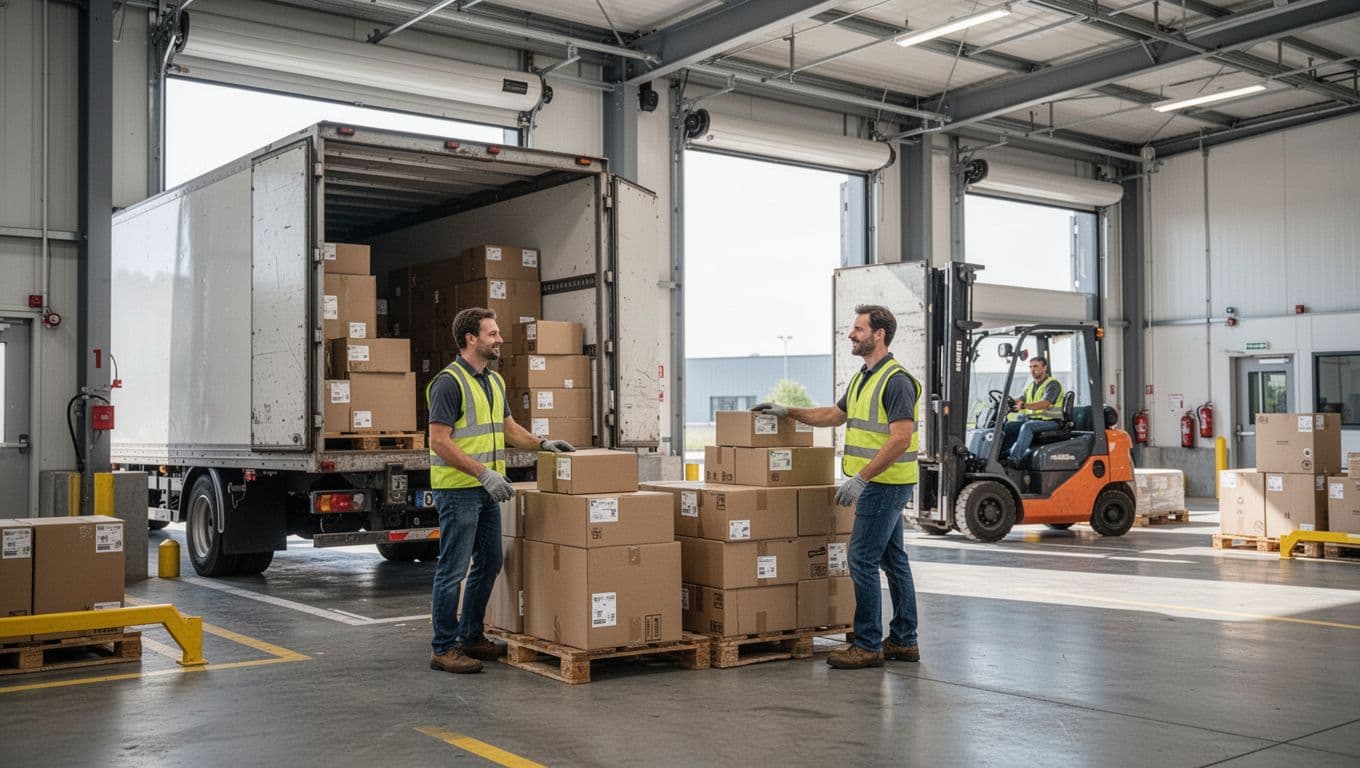
When people say “end-to-end,” they often mean “we ship your orders.” True end-to-end fulfillment is broader. One partner takes responsibility for the entire chain of custody: inbound receiving, storage, inventory accuracy, order processing, outbound shipping, returns, and the reporting that proves it’s all working.
That single-owner model matters because it reduces gaps. If receiving is messy, inventory counts drift. If counts drift, you oversell. If you oversell, support tickets spike. With end-to-end service, the same operation that checks inventory in is accountable for shipping it out, so issues surface faster and fixes stick.
Providers don’t all include the same scope, though. Some include returns by default, others charge extra. Some handle retail prep and EDI, others focus on DTC only. Before you sign, confirm the exact workflow in writing, including cut-off times, service-level agreements (SLAs), and what “inventory accuracy” means in their reports.
For a broader look at how facilities run, this ecommerce fulfillment centers guide gives helpful context on the full order journey.
The core steps, receiving, storage, inventory, pick and pack, shipping, returns
Receiving starts when cartons or pallets arrive. The team counts units, checks for damage, and scans items into the system. If receiving is sloppy, you’ll see “phantom stock” that never existed, which leads to stockouts and backorders.
Storage sounds simple, but layout affects speed and damage rates. Poor slotting causes extra touches, crushed packaging, and slower picks.
Inventory control is the heartbeat. A good partner runs cycle counts, tracks adjustments, and flags mismatches quickly. If they don’t, you’ll oversell, or you’ll reorder too late.
Pick and pack is where accuracy lives or dies. Scanning and quality checks reduce wrong items and missing parts. When it’s done poorly, you pay twice (reship cost plus lost trust).
Shipping includes label creation, carrier handoff, and tracking events. Late pickups or missed cut-offs often look like “label created” with no movement, and customers notice.
Returns close the loop. If returns sit unprocessed, refunds slow down, sellable units stay stuck, and your cash flow takes a hit.
Here’s a mini example in plain terms: a customer orders on your store, the order syncs to the warehouse, a picker scans the items, a packer boxes them with the right materials, a label prints, tracking flows back to your store, and the carrier picks up. If the customer returns it, the warehouse inspects it, restocks sellable units, and updates your inventory so you can sell again.
The extras that can make or break the customer experience
After the basics, the “extras” often decide whether customers feel like they bought from a real brand or a random seller. Common add-ons include branded inserts, custom packaging, and gift notes. Many growing brands also need kitting and bundles, especially for multi-SKU sets or influencer kits.
Subscription boxes and recurring shipments add another layer. They require timed assembly, consistent components, and better forecasting. Lot and expiration tracking is also important for food, supplements, and cosmetics, because you may need FIFO rules and traceability.
Some operations can handle hazmat or special handling, but that usually adds onboarding steps and compliance requirements. Retail and B2B prep is another big one, including carton labeling, case packs, and EDI workflows for wholesale orders.
Exception handling matters more than most brands expect. A strong partner actively manages address fixes, damaged-in-transit issues, and lost package claims, instead of waiting for your support team to find the problem.
Most extras cost more, and they often require setup time. Treat them like product features, define the standard, then lock it into your SOPs.
How an end-to-end fulfillment partner works with your store and your team
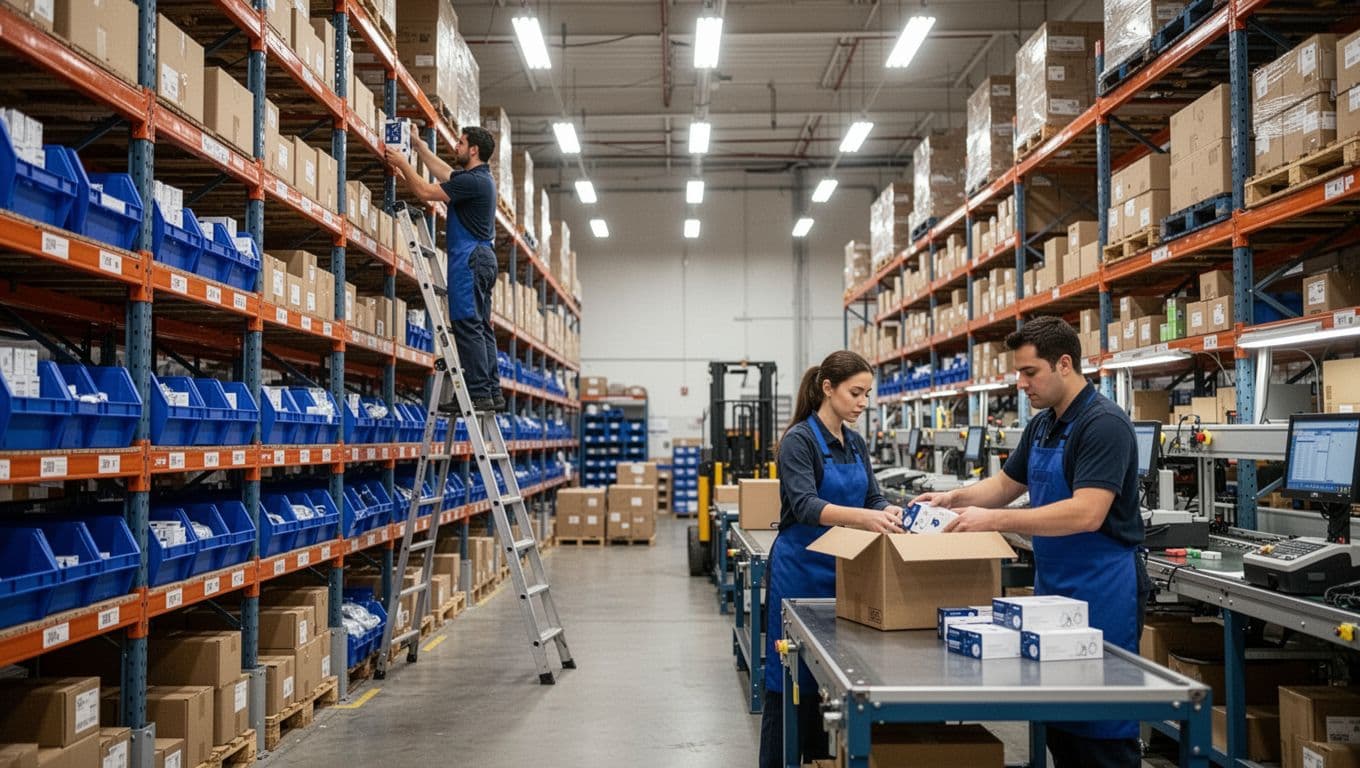
A fulfillment partner shouldn’t feel like a black box. In a good setup, your store, your inventory, and your shipping rules connect to their system, and both teams know who owns which decisions.
Day to day, your job is to plan demand, keep products flowing in, and set the policies (shipping options, packaging rules, return conditions). Their job is to execute those policies consistently, then report performance and exceptions.
Timelines vary, but most switches follow a pattern: integration setup, inbound receiving, test orders, packaging approval, then go-live. If your SKUs are complex, or you need kitting, add time for samples and work instructions.
If you want a simple view of the physical side of execution, these pick, pack, and ship services break down how the floor work typically runs.
What happens after a customer clicks “Buy”
Once an order comes in, your store or marketplace sends it to the fulfillment system. The warehouse queues it based on priority and shipping method. Then pick tasks drop to the floor, usually with barcode scans at each step.
Next, the pack station confirms items and chooses the right box or mailer. The label prints, tracking is created, and that tracking number flows back to your store so customer notifications can go out.
Cut-off times matter here. If the provider’s cut-off is 2 p.m. local and your customer orders at 2:05, that order likely ships next day. SLAs should state what “ships” means (label printed vs carrier scan).
Fast shipping also depends on where your inventory sits. Many brands now split stock across regions to reduce transit zones. Recent 2026 reporting also shows multi-location fulfillment is becoming common, with surveys noting that a majority of brands use more than one facility, and many plan to add locations to meet delivery expectations.
Returns, exchanges, and refunds without the chaos
Returns are where “end-to-end” either proves itself or falls apart. A typical flow starts when the customer initiates a return, a label gets generated, and the package arrives at the warehouse. The team inspects the item, then restocks it, quarantines it, or marks it unsellable based on your rules. Finally, your brand gets the status update so you can trigger a refund or exchange.
The key is making a few choices upfront:
- Return window and condition rules (unopened, lightly used, damaged).
- Whether you charge restocking fees.
- What happens to damaged goods (dispose, donate, return to vendor, refurb).
Speed matters because it affects trust. Customers forgive a lot if returns feel fair and fast. Slow refunds create chargebacks, angry emails, and social posts that stick around.
A clean returns process isn’t just “nice to have.” It’s often the cheapest way to reduce support tickets and protect repeat purchase rates.
Costs, benefits, and the “right time” to outsource fulfillment
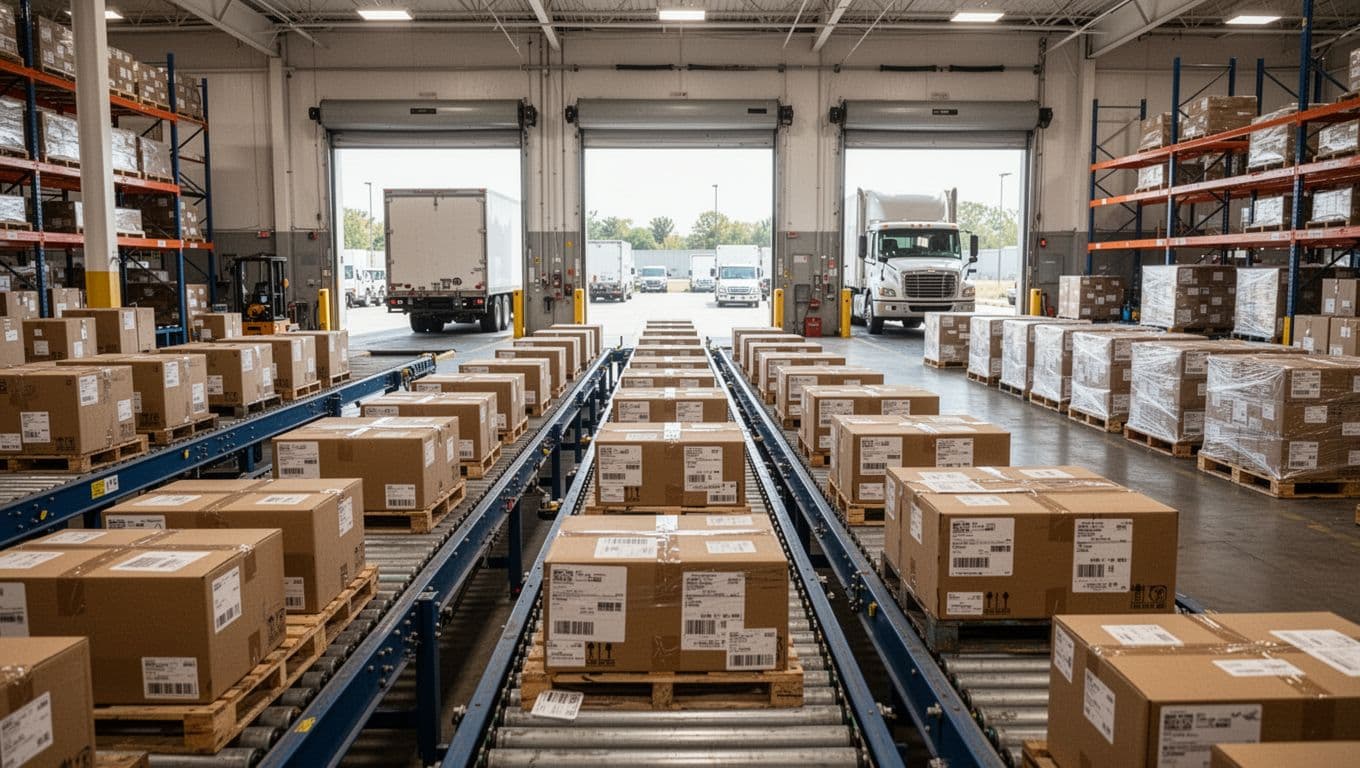
Outsourcing fulfillment can lower stress quickly, but the decision should still be practical. You gain speed, consistent processes, and capacity for spikes. At the same time, you give up some direct control and you’ll need to manage the relationship like a key vendor.
Benefits usually show up in three places: fewer shipping errors, faster delivery, and more time for marketing and product work. The best partners also bring better shipping options, because they ship at scale and can often offer more carrier choices.
Costs are real, though. You’ll pay for storage and handling, and your packaging choices affect shipping charges. A mailer can cost less than a box, but it may increase damage if your product needs protection. Dimensional weight is another common surprise, because large boxes can cost more even if they’re light.
To understand the operational upside, this overview of order fulfillment benefits is a useful companion read.
What you usually pay for, and how to avoid surprise fees
Most fulfillment pricing falls into predictable buckets. This table shows the common line items you’ll see on proposals and invoices.
| Cost area | What it covers | Common surprise |
|---|---|---|
| Receiving | Counting, check-in, putaway | Extra charges for floor-loaded containers or long unload times |
| Storage | Shelf, bin, or pallet space | Peak season storage rates or minimums |
| Pick and pack | Labor to pick items and pack orders | Higher fees for multi-line orders, inserts, or kitting |
| Packaging materials | Boxes, mailers, void fill, tape | Premium packaging costs and special sizes |
| Shipping postage | Carrier charges | Dimensional weight, zones, residential surcharges |
| Returns processing | Inspection, restock, disposal | Fees per return plus extra for rework or relabeling |
| Account management and tech | Support, reporting, integrations | Setup fees, API limits, or custom work |
The takeaway: pricing rarely breaks brands, surprises do. Ask for the full rate card, sample invoices, and peak season pricing in writing. Also confirm how they bill for exceptions, like address changes or reships caused by warehouse error.
A few terms you should understand early: zones (distance-based shipping cost), dimensional weight (box size drives price), and cut-offs (the last time an order can ship same day).
Signs you are ready for End-to-End Fulfillment Services (and when to wait)
A brand is usually ready when fulfillment starts blocking growth. That could mean you’re packing orders at night, reviews mention shipping mistakes, or you can’t keep up during launches. Expanding SKUs and channels is another trigger, because manual inventory tracking doesn’t survive complexity.
Practical readiness signals include:
- Order volume is rising, and busy days are now “normal.”
- Your error rate is hurting reviews, refunds, or ad performance.
- Faster delivery is becoming a real competitive need.
- You need to handle holiday spikes without hiring and renting space.
- Your team spends more time shipping than selling.
Waiting can also be the right call. If products aren’t finalized, packaging changes weekly, or preorders swing demand wildly, a fulfillment partner will struggle to hit SLAs without extra costs. Tight margins are another reason to pause, at least until you renegotiate packaging, pricing, or shipping strategy.
How to choose the right provider, questions to ask, and red flags to spot
Choosing a provider is less like hiring a vendor and more like choosing an operating partner. The best fit depends on your order profile, your SKUs, and the experience you want customers to have.
Start by matching capabilities to needs. If you sell fragile items, ask about pack standards and damage rates. If you sell regulated products, ask about lot tracking, expiration handling, and quality checks. For brands selling DTC plus wholesale, confirm they support both, including retail labeling and EDI where needed. This page on distribution and fulfillment services shows what a broader service menu can look like when you need both DTC and B2B support.
Questions that reveal service quality fast
Good questions uncover how the warehouse runs on its worst day, not its best day. Ask these early:
- What are your pick accuracy rates, and how do you measure them?
- What is your daily order cut-off time, and what percent ships on time?
- How do you handle inventory discrepancies, and how fast do you resolve them?
- Which store and marketplace integrations do you support?
- What happens during peak season, and how do you staff up?
- What is your average time from order import to carrier scan?
- How do you handle carrier claims for lost or damaged packages?
- Who is my day-to-day point of contact, and what’s your support response time?
- What reporting do I receive weekly (orders shipped, exceptions, returns, aging inventory)?
- Can you share references with similar products and similar order volume?
Listen for clear, direct answers. Vague replies usually mean vague processes.
Common red flags, and how to protect your brand during a switch
Watch for these warning signs: unclear SLAs, pricing that feels “custom” but won’t be written down, slow support during sales calls, no real-time inventory visibility, limited carrier options, or refusal to run a pilot.
To protect your brand during the transition, use a simple migration plan:
- Start with a pilot set of SKUs, not your entire catalog.
- Run parallel inventory counts for the first inbound and first week of orders.
- Test packaging standards with sample shipments to real addresses.
- Process test returns and confirm restock rules work as expected.
- Set go-live criteria (accuracy, ship time, tracking flow), then expand.
Also review contract basics before you commit: termination terms, data access, and who holds liability for lost or damaged inventory.
The safest switches are boring. If a provider pushes a rushed go-live with no pilot, slow down.
Conclusion
End-to-End Fulfillment Services put one connected partner in charge of your full order lifecycle, which can reduce errors, improve shipping speed, and give your team time back. They also bring structure to the messy parts, especially returns, exceptions, and inventory accuracy.
A smart next step is simple: map your current fulfillment steps, estimate your true cost per order (including labor and mistakes), then compare providers using the questions above. When you choose, focus on consistent execution and clear reporting, not just a low pick fee.
In the end, the right fulfillment partner supports customer experience as much as logistics, because every box that arrives on time is a quiet promise kept.
