
How Co-Packing Companies Benefit Retail, and When to Switch
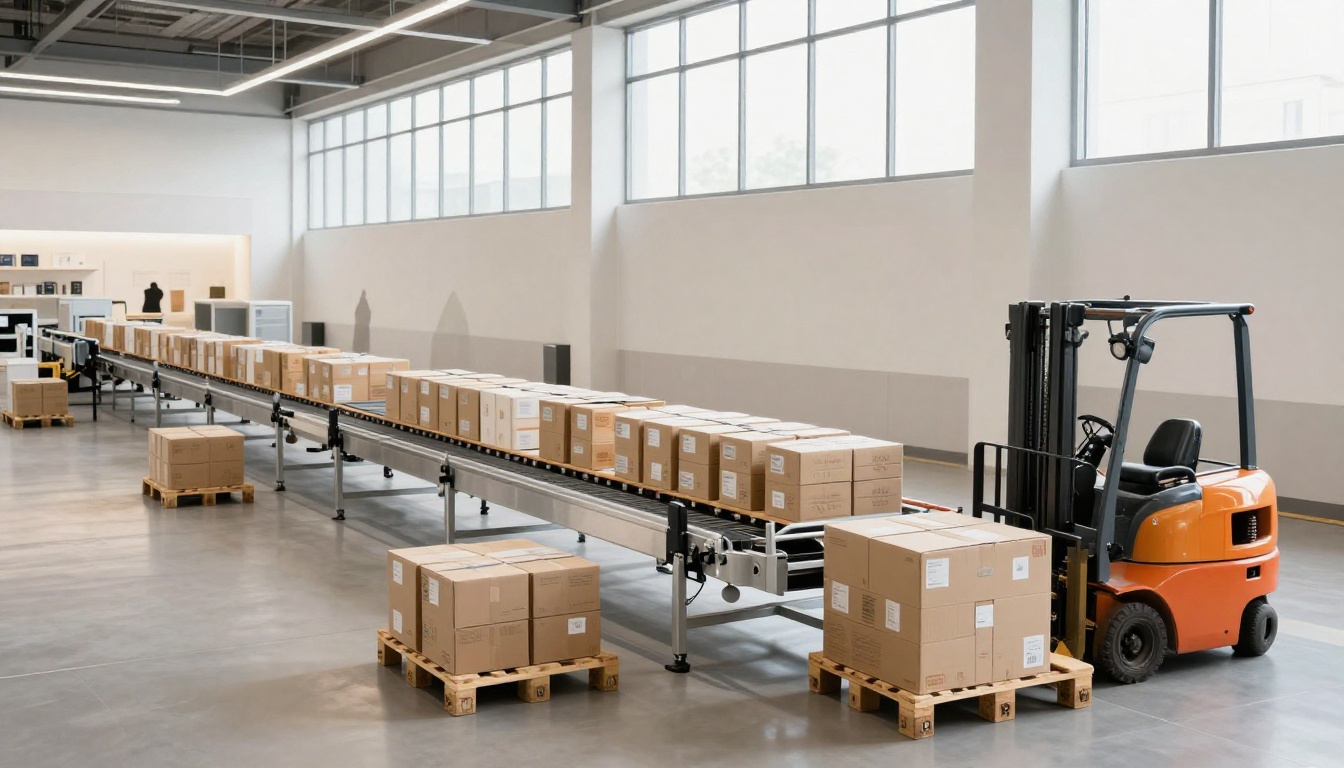
Co-packing means hiring a third party to package, label, assemble, or prep your product for retail sale. From a retail point of view, the real question is simple: does that move help you get products to shelves faster, in better shape, and at a lower operating cost than doing it yourself? In many cases, yes, especially when packaging starts slowing down growth.
Retail success depends on speed, shelf-ready quality, labor efficiency, and the ability to react when demand shifts. A product might sell well, but if your team can’t pack it fast enough, meet display standards, or keep up with store deadlines, packaging turns into a bottleneck. That’s why many brands start in-house, then hit a point where more volume means more overtime, more errors, and less room to grow.
This is where co-packing companies can help. They can take repetitive packaging work off your team, improve consistency, and make it easier to scale for promos, seasonal spikes, and retailer requirements. If you’re weighing costs, timing, and tradeoffs, this practical guide will show how co-packers support retail performance, and how to tell if switching makes sense for your business, with help from a co-packer readiness checklist and a clear look at the decision points that matter most.
What co-packing companies actually do for retail brands
For retail brands, a co-packer is the team that gets products ready to sell, ship, and scan. That work can include packaging, assembly, labeling, rework, kitting, and fulfillment support, all tied to real deadlines and store rules.
In plain English, co-packers take separate parts and turn them into finished, saleable units. They help brands move faster when promo packs, retailer specs, seasonal resets, or online orders start to pile up. If you want a broader view of these contract packaging services, the day-to-day work usually looks a lot more hands-on and operational than people expect.
From basic packaging to retail-ready displays
A lot of people hear “co-packing” and picture someone sealing boxes. In reality, the job often starts much earlier. A co-packer may receive bottles, cartons, labels, inserts, trays, shrink film, and display parts as separate components, then build them into a finished retail unit.
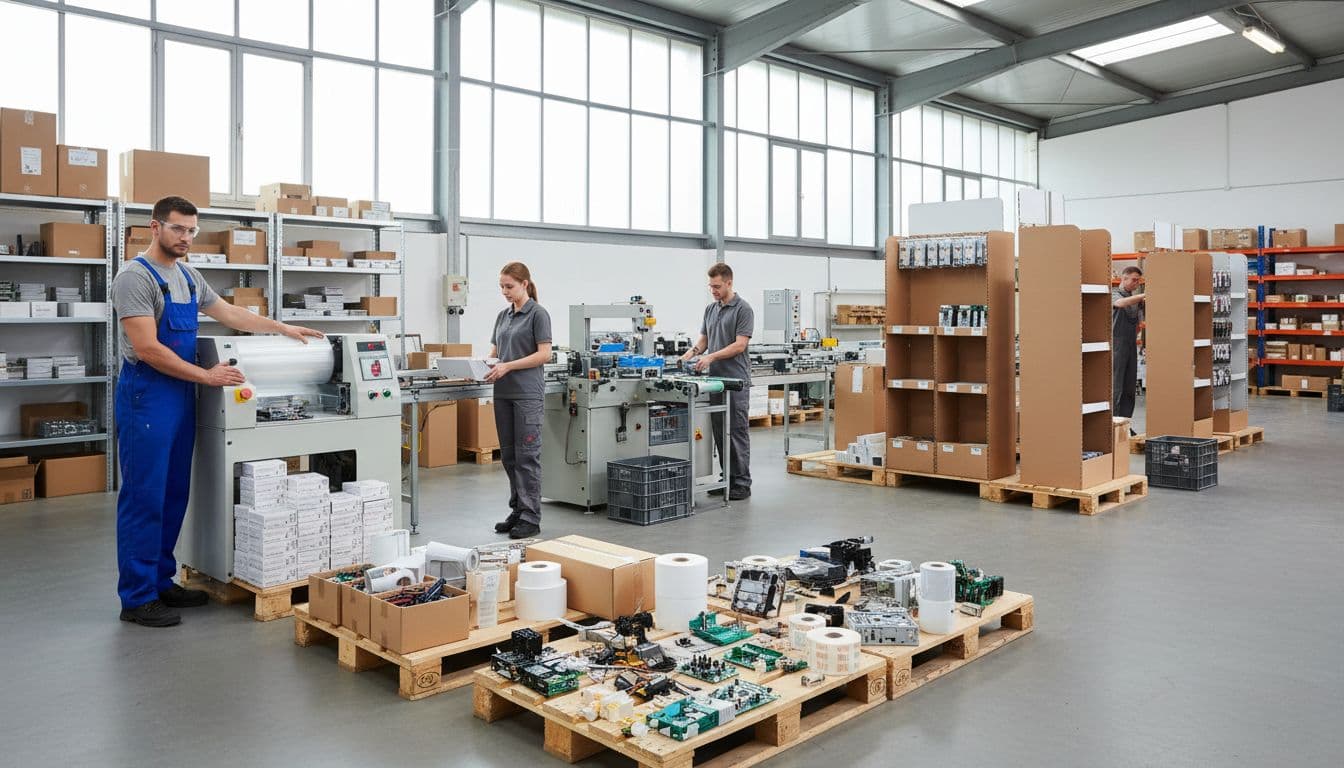
That work can take many forms, depending on where the product will sell. For example, a co-packer might:
- shrink wrap two or more items into a retail multipack
- place a product into blister packaging for shelf visibility or theft control
- apply an over-label to update compliance details, barcodes, or retailer-specific data
- build club packs with larger counts and stronger retail-ready structures
- assemble bonus packs for limited-time promotions
- create variety packs with multiple SKUs in one sellable unit
- pack products into point-of-sale displays for floor or countertop placement
Each of those tasks solves a real retail problem. A store may need a display that arrives pre-built because staff won’t assemble it. A club retailer may require a larger bundle that can survive pallet handling. A seasonal promo may need a “free item” added without changing the base product.
The process usually follows a clear path. Components arrive, materials get checked, product is packed or bundled, labels are applied, cases are built, and displays or pallets are assembled for shipment. By the end, the brand doesn’t just have packaged goods. It has retail-ready inventory that can move through a distributor, into a back room, and onto a shelf with less friction.
This is also where rework and repackaging matter. If a barcode is wrong, a label changed, or a supplier packed the product in the wrong format, a co-packer can often fix the issue without forcing the brand to scrap inventory. That kind of flexibility is one reason many teams compare more than labor rates when choosing a packaging company.
A good co-packer helps products match the shelf plan, the promo plan, and the ship date at the same time.
How co-packing supports both store shelves and e-commerce orders
Retail isn’t one lane anymore. Many brands sell through store chains, online marketplaces, and direct-to-consumer channels all at once. That puts pressure on packaging because the same product may need different handling for each route.
For store shelves, co-packers help brands meet retail compliance rules. That can mean correct pack counts, scannable barcodes, case labels, shelf-ready trays, display assembly, and pallet builds that match retailer requirements. If one detail is off, the shipment may get delayed, rejected, or reworked at added cost.
Online orders create a different set of needs. Instead of shipping a pallet to one retail DC, the brand may need hundreds of single-unit orders picked, packed, and shipped to homes. That calls for carton selection, protective packing, order accuracy, and fast handoff to carriers. In other words, the job shifts from retail prep to order fulfillment, often in the same building.
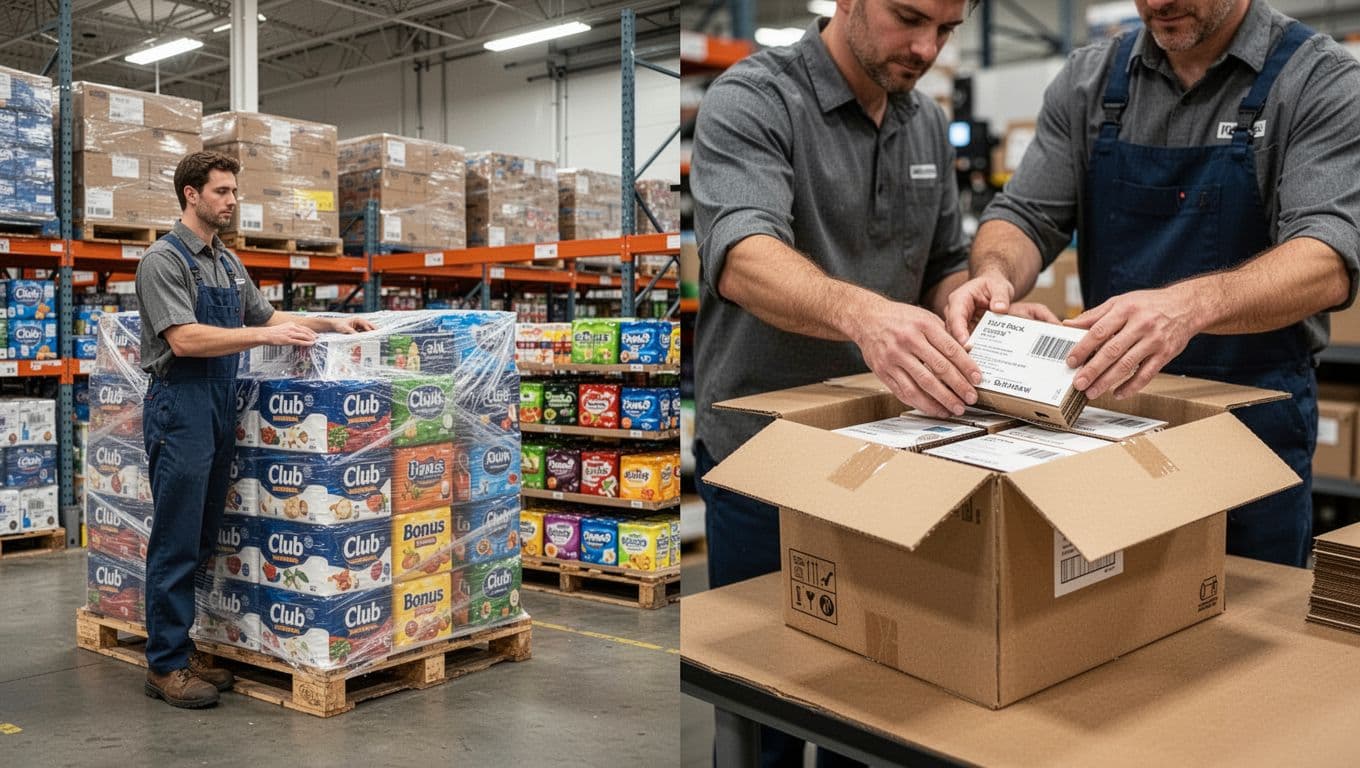
This matters most when a brand is managing mixed demand. Maybe one SKU goes to big-box stores in variety packs, while the same item also ships one at a time through an e-commerce storefront. A co-packer can support both by setting up separate workflows for:
- Retail distribution, where consistency, compliance, and delivery windows matter most.
- Marketplace orders, where prep rules and packaging standards may differ by platform.
- Direct-to-consumer shipments, where speed, protection, and presentation all affect the customer experience.
That support becomes even more useful during seasonal pushes. Holiday gift sets, back-to-school bundles, and limited-time bonus packs often need short-run assembly for stores, plus ongoing pick, pack, and ship support for online demand. When one partner can handle both sides, brands avoid extra handoffs, duplicate inventory touches, and last-minute scrambling.
The practical value is simple. Co-packers help brands package products the way each channel needs them, then get those orders out on time. For retail operations, that can mean fewer headaches, fewer misses, and more room to grow without turning the warehouse into a fire drill.
The biggest ways co-packing companies benefit retail
For retail brands, the value of co-packing shows up in the numbers and on the shelf. It lowers overhead, adds flexible capacity, speeds up launches, and helps teams keep up with retailer demands without turning every busy week into a scramble.
That matters even more now. In 2026, brands are pushing for faster launches, more creative packaging support, and domestic speed when timing matters. A good co-packer helps you move faster without adding the fixed costs and headaches of doing everything in-house.
Lower costs without buying more equipment or adding more space
Packaging growth gets expensive fast. One new machine can tie up cash for years, and extra floor space is never cheap. Add labor, maintenance, training, and downtime, and the real cost climbs higher than most teams expect.
Co-packing cuts that burden because you’re using shared capacity instead of building everything yourself. Many brands avoid buying costly packaging machinery and tap into existing lines, trained crews, and proven workflows. In many cases, co-packing is often 20 to 50 percent cheaper than small in-house operations, depending on volume and pack complexity.
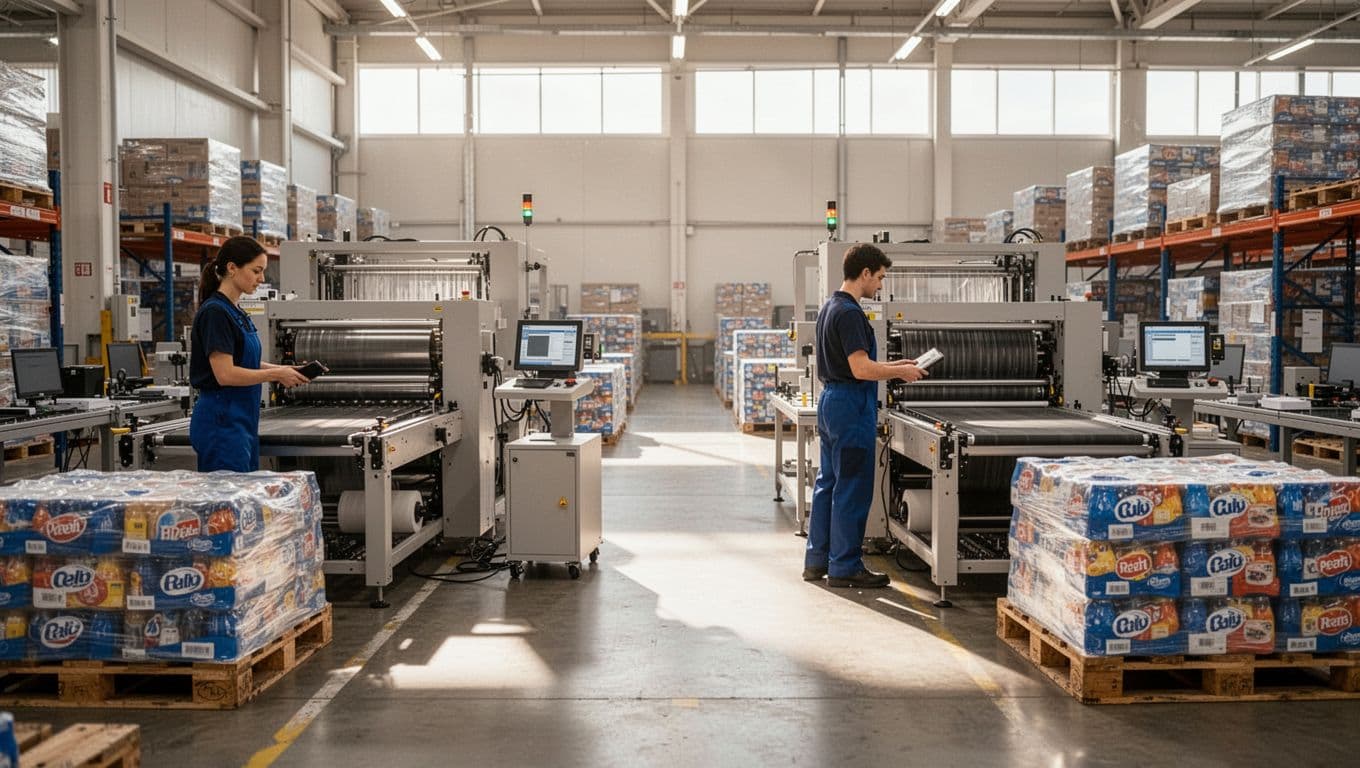
That savings usually comes from a few practical places:
- You avoid large capital spending on packaging equipment.
- You need fewer in-house packaging hires.
- Your team works fewer overtime hours during rush periods.
- You reduce the risk of paying for machines that sit idle between runs.
This is one reason many brands look at cost-efficient co-packing solutions before they expand internal packaging. If demand is uneven, owning more equipment can feel like buying extra lanes for traffic that only shows up on Fridays.
Shared packaging capacity helps brands pay for output, not underused assets.
Faster turnaround when retail demand changes quickly
Retail timing is unforgiving. A holiday window closes fast, a promotion can spike demand in days, and a retailer reset doesn’t wait for your team to catch up. If packaging can’t move at the same speed, sales get stuck in the warehouse instead of landing on shelves.
Co-packers help brands react faster because they already have labor, equipment, and repeatable processes in place. A brand making a few hundred units in-house may be able to scale far faster with a co-packer, especially for promo packs, variety bundles, display builds, and limited-time runs.
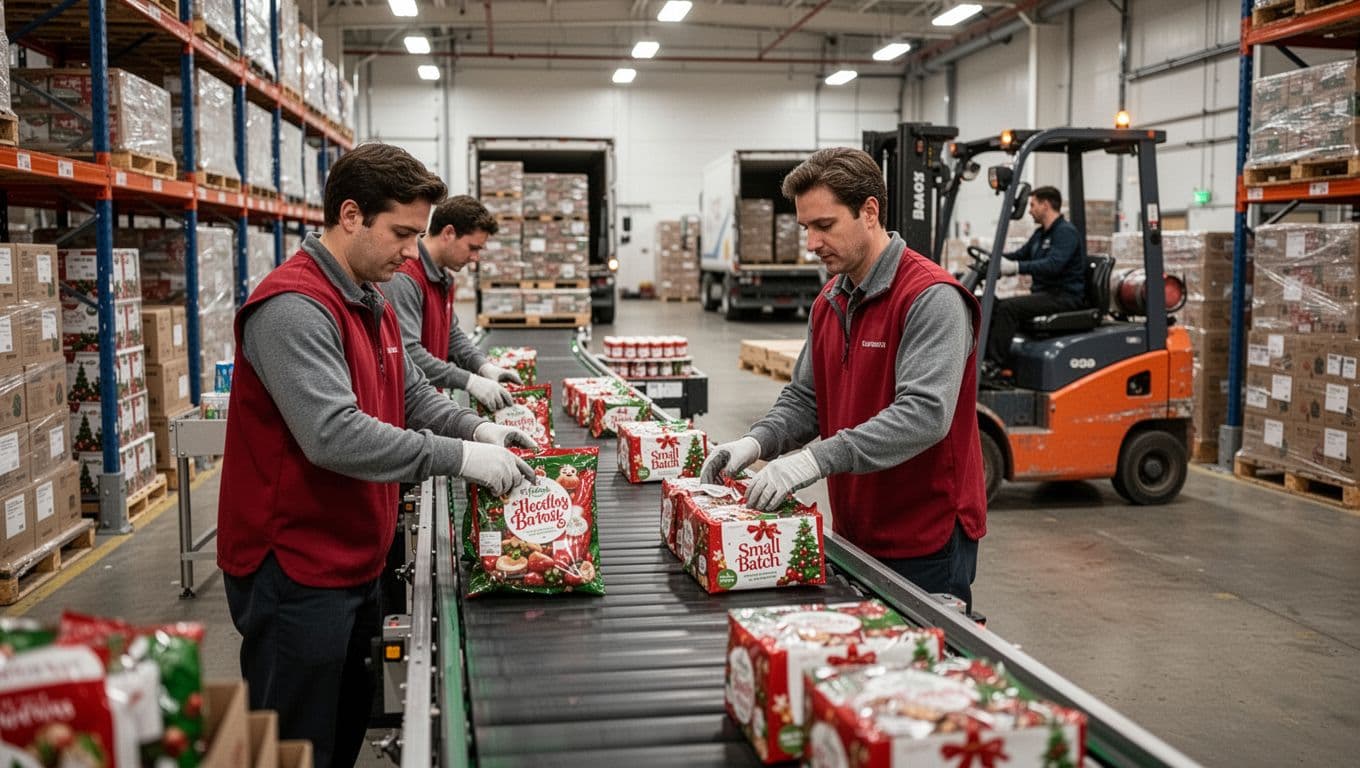
That flexibility matters when demand shifts for reasons like:
- holiday surges
- retailer promotions
- seasonal resets
- trend-driven spikes
- last-minute packaging changes
In other words, co-packing helps protect your selling window. Speed to market is not just nice to have. It’s a real retail advantage, especially when domestic speed and shorter lead times matter more than ever. Brands that want scalability and cost savings via co-packing often make the switch because slow packaging starts costing them shelf space.
Better quality control and fewer retail compliance problems
Retailers expect accuracy every time. A bad label, wrong lot code, missing barcode, or incorrect pack count can trigger chargebacks, delays, returns, or rejected shipments. Those mistakes also chip away at retailer trust.
Experienced co-packers reduce that risk with documented processes and standard checks. They know consistency matters in the small details, including labeling, lot coding, case packing, and final presentation. When every unit looks right and scans right, products move through the supply chain with less friction.
That consistency protects more than the shipment. It protects your relationship with the buyer and the customer’s experience on the shelf. Clean presentation, correct counts, and reliable coding tell retailers your brand is ready for larger programs, faster launches, and more complex packaging needs.
More time to focus on product growth, sales, and marketing
Packaging problems drain leadership time. When managers are chasing labor gaps, fixing line slowdowns, or solving rework issues, they are not meeting buyers, planning launches, or building the brand.
Co-packing gives that time back. Instead of managing daily packaging headaches, your team can focus on the work that drives retail growth, such as:
- opening new accounts
- supporting retailer relationships
- planning promotions
- launching new SKUs
- improving brand presentation
This shift is one of the clearest business wins. Your team spends less time on output management and more time on revenue work. That’s especially useful when retail growth depends on faster launches, stronger sell-in, and packaging that supports the story your brand wants to tell.
Should you switch to a co-packer, or keep packaging in-house?
This is the point where many brands pause and do the real math. Co-packing can remove bottlenecks, but it is not always the best move. The better choice depends on what is slowing you down today, how stable your volume is, and how much control you need on the floor.
A fair decision starts with honesty. If your team is shipping on time, holding quality, and running efficient lines, staying in-house may be the smart call. But if packaging has become the choke point, it helps to compare your options before growth turns into a constant scramble.
Signs your current packaging setup is holding retail growth back
Most teams do not hit a wall all at once. More often, the warning signs pile up week by week until packaging starts acting like a traffic jam in the middle of the business.
A quick self-check helps. If several of these feel familiar, your setup may be too tight for the next stage of growth:
- Orders ship late, especially after promos, retailer resets, or account wins.
- Overtime has become normal, not occasional.
- Your packing area feels crowded, with pallets, cartons, and components fighting for space.
- Supervisors spend more time putting out fires than improving the process.
- Quality slips are rising, such as wrong labels, missing inserts, mixed lots, or damaged packs.
- Retailer compliance errors keep showing up, including barcode issues, case-pack mistakes, or labeling problems.
- New product launches move slower than sales and marketing need them to.
- Seasonal spikes stretch the team past a safe or reliable pace.
- You keep adding manual steps because there is no room, staff, or budget for better equipment.
- Packaging work is pulling leaders away from sales, planning, or product development.
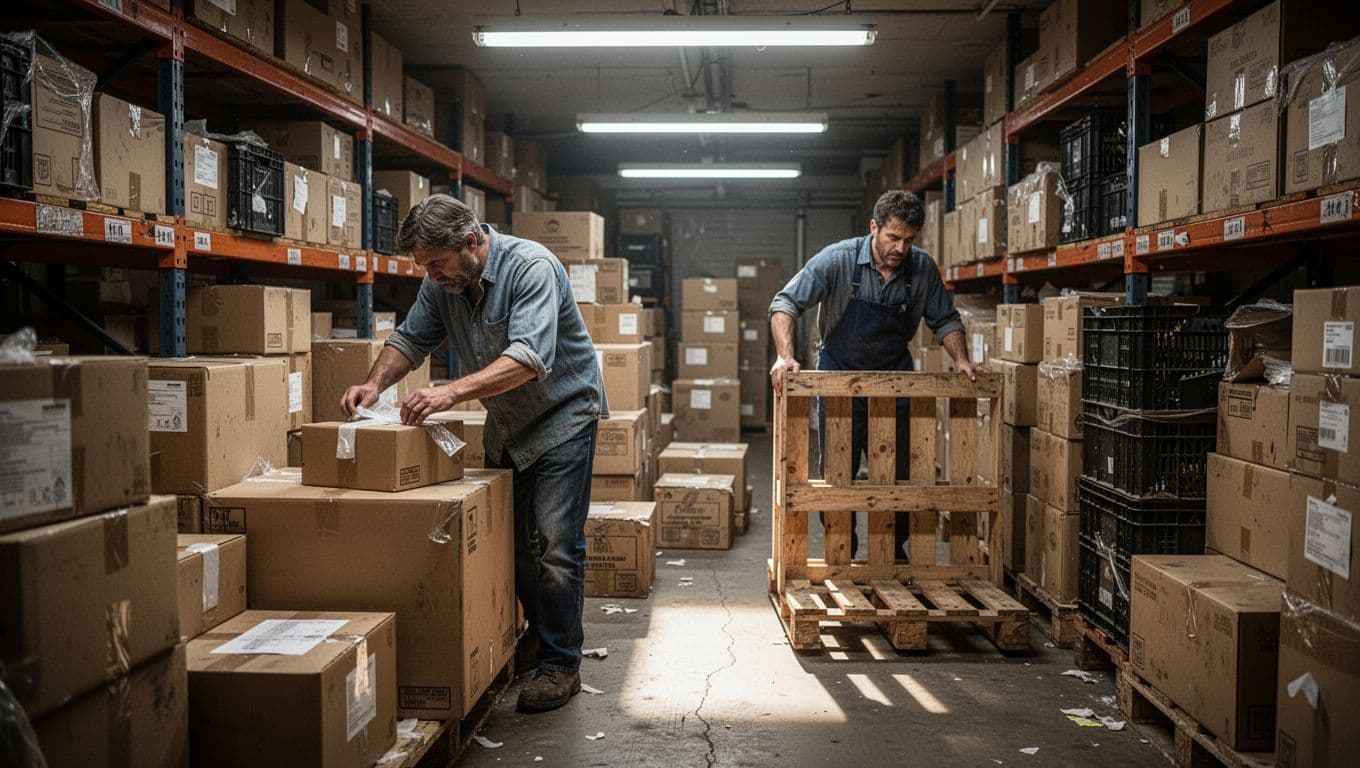
The pattern matters more than any one bad day. A late truck once in a while is normal. A business that needs rush freight, extra shifts, and last-minute fixes every month is telling you something. If you want a deeper gut-check, these signs your packaging needs outsourcing line up closely with what growing retail brands usually feel before they switch.
When packaging only works through overtime and workarounds, growth is already costing more than it should.
When staying in-house may still make more sense
Co-packing gets a lot of attention because it solves real problems. Still, in-house packaging can be the better option when the work is steady, efficient, and easy to control with your current team.
For example, staying in-house often makes sense if you run the same pack style at high volume every week. In that case, your equipment stays busy, your labor is trained, and your cost per unit may be hard for an outside partner to beat. The same goes for operations with specialized machinery or packaging steps that are hard to hand off cleanly.
Control can matter just as much as cost. Some brands keep packaging inside because they handle sensitive formulas, private product details, or strict customer requirements. Others already built a strong internal system, with clear SOPs, reliable staffing, and room to grow. If that is your setup, outsourcing may add complexity rather than remove it.
There is also a middle ground. Many brands keep core, predictable runs in-house and send overflow, promo kits, seasonal bundles, or retailer-specific jobs outside. That hybrid model can protect control while adding breathing room during busy periods. If you are weighing the numbers, this guide to contract packaging vs in-house costs gives a useful way to compare fixed overhead with variable outsourcing spend.
A simple side-by-side comparison to help you decide
A side-by-side view usually makes the choice clearer. You do not need a giant spreadsheet first, just an honest read on where each model fits your business today.
| Factor | In-house packaging | Co-packing |
|---|---|---|
| Labor | You hire, train, schedule, and cover turnover yourself | Labor is built into the partner’s operation |
| Equipment | You buy, maintain, and upgrade machines | You use existing equipment without heavy capital spend |
| Speed | Strong when lines are stable and demand is predictable | Often better for fast ramps, promos, and new formats |
| Flexibility | Harder when volume swings or SKUs change often | Better for seasonal spikes, short runs, and overflow |
| Quality control | Direct hands-on control, if your systems are solid | Process-driven consistency, if the partner is well managed |
| Cash flow | Higher fixed costs, even in slow periods | More variable costs that track with output |
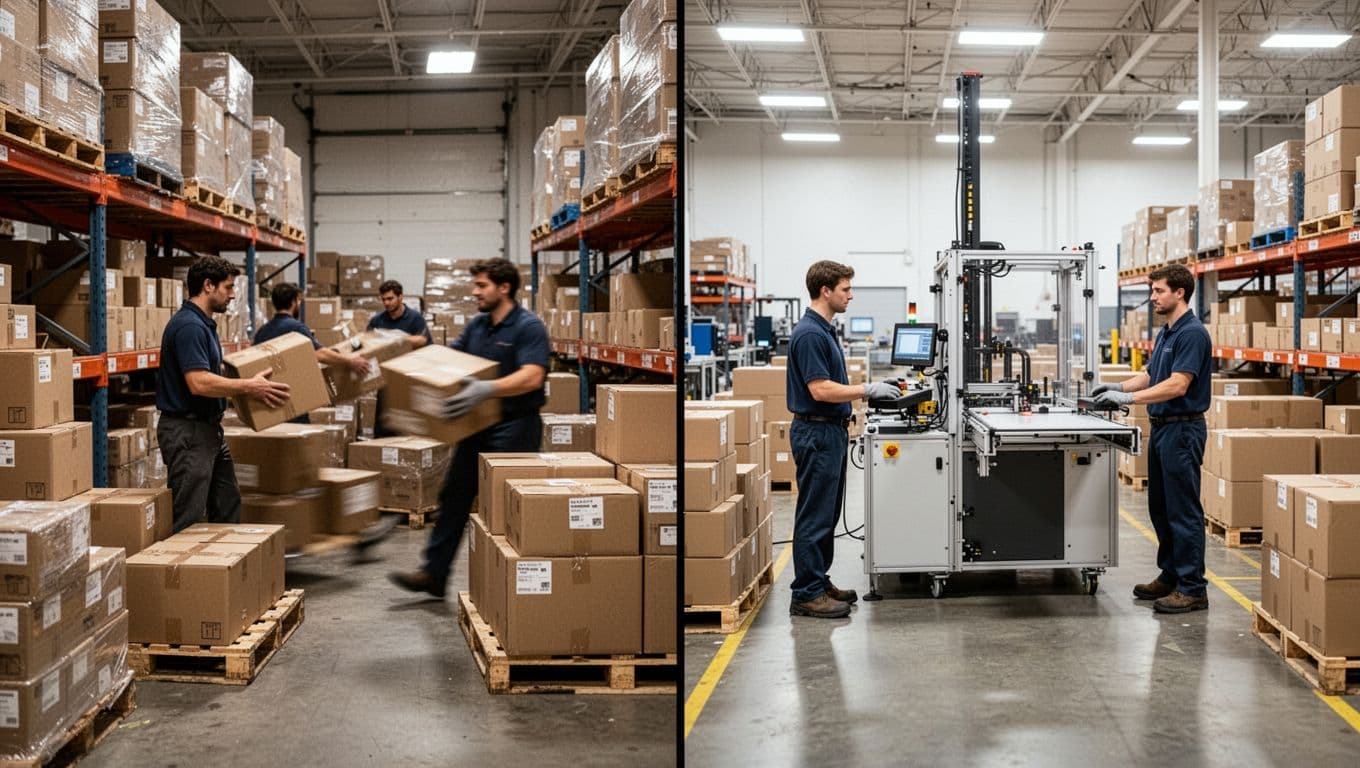
The short version is simple. In-house usually wins when volume is stable, processes are mature, and control is the top priority. Co-packing usually wins when demand moves around, labor is tight, equipment needs keep growing, or retail complexity is outpacing your team. If your business sits somewhere in the middle, a hybrid in-house to co-packer model is often the most practical next step.
The real trade-offs retailers should think about before switching
Switching to a co-packer can solve real problems, but it also changes how your operation feels day to day. You may gain speed, labor relief, and room to grow, while giving up some of the direct visibility you had when everything happened under your own roof.
That does not make outsourcing a bad move. It means the decision works best when you look past the sales pitch and weigh the trade-offs honestly. Cost, control, and partner fit all matter, and the right answer depends on how your products actually move.
Less day-to-day control can feel uncomfortable at first
For many retailers and brands, this is the hardest part. When packaging leaves your building, you no longer see every line stop, every pallet move, or every last-minute adjustment. That loss of visibility can feel risky, especially if your team is used to walking the floor and fixing issues on the spot.
Still, less visibility does not have to mean less control. It usually means different control. Instead of managing by proximity, you manage through clear rules, strong communication, and documented checkpoints.
The basics matter more than people expect. Before launch, both sides should agree on:
- who approves artwork, labels, and pack changes
- what the SOPs say for setup, checks, and rework
- when first-run samples or golden samples need sign-off
- how often reporting goes out, and what it includes
- who can make same-day decisions if something is off
If those pieces are loose, small issues can snowball. If they are tight, the process stays steady even when your team is not on site.
A good partner should make it easy to stay aligned with photos, production updates, inventory reports, and clear escalation paths. In many cases, strong process discipline replaces much of the visibility you lose when work moves off-site. That is one reason many teams use a guide to selecting a co-packer before they hand over live production.
When outsourcing works well, you are not giving up control. You are moving control into systems that both sides follow.
Minimum order quantities, setup fees, and storage costs can change the math
The quote on page one rarely tells the whole story. A co-packer may offer a competitive per-unit rate, but the real cost depends on setup time, warehousing, freight, and how much inventory you have to commit to upfront.

Minimum order quantities are a big part of that equation. For many projects, retailers will see MOQs somewhere in the 1,000 to 10,000 unit range. Some co-packers can go lower, especially for simpler products or small-batch programs. Others need much larger runs to make line time worthwhile. Packaging suppliers may also set separate minimums, which can push you to buy more labels, bottles, cartons, or film than you need right away.
Besides MOQs, common cost drivers include:
- per-unit packing fees
- line setup and changeover charges
- pallet storage and warehousing fees
- inbound and outbound freight
- special handling, rework, or rush fees
This is where brands get tripped up. A low unit price can look great until you add storage on excess materials, extra freight touches, or multiple setup charges across short runs. On the other hand, a slightly higher quote may include better scheduling, lower waste, and fewer billing surprises. If you want a clearer way to compare bids, this breakdown of co-packing pricing and hidden fees helps frame the real landed cost.
The best value is rarely the cheapest quote. It is the option that fits your volumes, your demand pattern, and your margin without creating inventory you cannot move.
Your partner choice matters as much as the service itself
Two co-packers can offer the same broad service and deliver very different results. That is why switching only works when the partner fits your product, your channel, and your timing.

Start with the practical questions. Can they handle your pack format and your order volume? Do they have room during peak season? Are they good at retailer compliance, e-commerce prep, or both? If your business moves fast, a slow communicator can become a bigger problem than a high pack rate.
A strong fit usually comes down to a few things:
- Capacity that matches your current volume and near-term growth
- Communication that is fast, clear, and consistent
- Industry experience with products like yours
- Location that makes sense for freight and lead times
- Technology for inventory, reporting, and traceability
- Service range that fits what you want to outsource now, and later
This matters because co-packing is not just labor for hire. It is an operating partner tied to your shelf dates, your customer requirements, and your brand reputation. If the fit is wrong, even a capable facility can create friction. If the fit is right, the handoff feels much smoother and the benefits show up faster.
That is also why the next step is not just asking, “Should we switch?” It is asking which partner can support the way your business actually runs.
How to choose a co-packing company that fits your retail business
Picking a co-packer is less about who says “yes” and more about who fits the way you actually sell. Retail brands need a partner that can hit packaging specs, keep orders accurate, support promo work, and stay steady when demand jumps. If you’re comparing options, focus on day-to-day fit first, because that is what keeps products moving without extra fire drills.
Ask about capabilities that match your products and retail channels
Start with the work you need done every week, not the broad service list on a website. A co-packer may sound full-service, but you still need to confirm they handle your exact formats, such as shrink packaging, display assembly, repackaging, over-labeling, multi-SKU kits, and e-commerce fulfillment.
If your business sells in more than one channel, this matters even more. Retail shipments and direct-to-consumer orders don’t move the same way. One needs shelf-ready cases, correct barcodes, and display builds. The other needs pick-pack-ship accuracy, protective packing, and fast order turns. A partner that can manage both gives you fewer handoffs and fewer chances for mistakes.
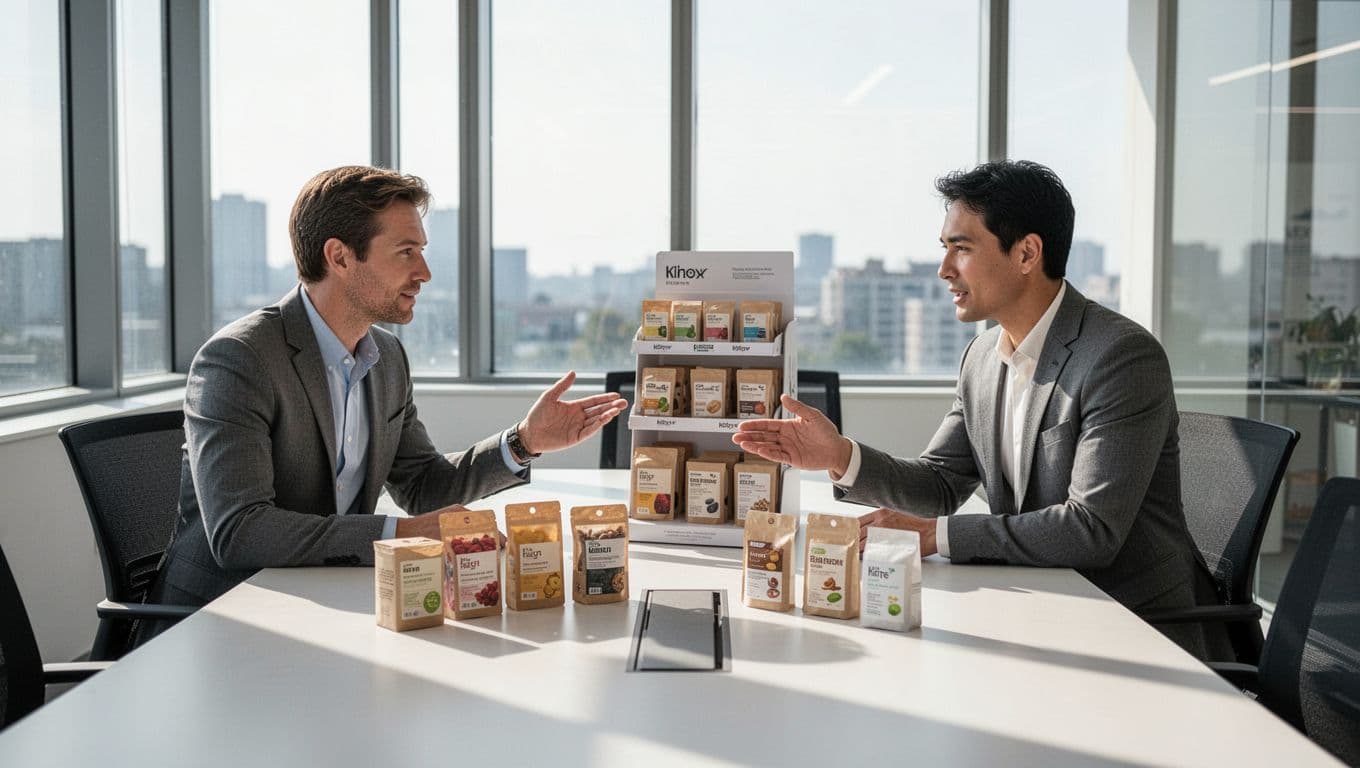
A short question list can save you a lot of pain later. Ask things like:
- Can you run our current pack formats without custom workarounds?
- Have you built retail displays, promo bundles, or variety packs like ours before?
- Can you support both store distribution and direct-to-consumer orders?
- How do you handle retailer-specific labels, case packs, and last-minute changes?
That level of detail tells you whether the co-packer is a real fit or just close enough. If you want a broader framework for comparing providers, this guide on how to choose the right co-packing partner adds useful checkpoints.
The right co-packer should fit your current packaging mix, your sales channels, and the way your orders actually flow.
Look for strong quality systems, inventory accuracy, and on-time performance
Retail programs run on trust. If inventory counts are wrong or shipments miss their dates, the damage spreads fast. You feel it in stockouts, rushed freight, retailer complaints, and messy internal planning.
That is why service reliability matters as much as packaging skill. Ask how the co-packer tracks materials, work-in-process, and finished goods. You want clear inventory control, documented checks, lot traceability, and a simple way to see what is on hand and what is shipping next. Good systems make the operation easier to trust, especially when you are not on the floor every day.
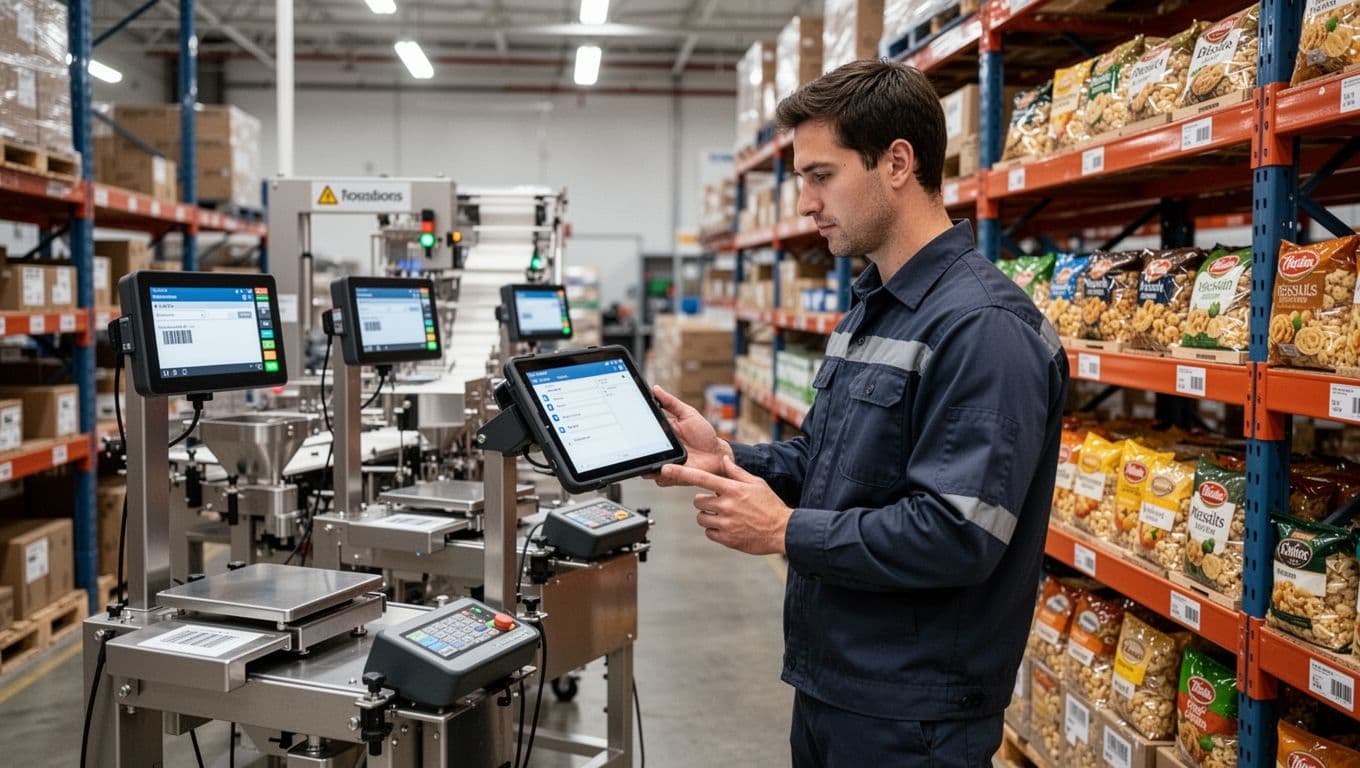
On-time performance deserves direct questions too. Ask for actual delivery metrics, not vague promises. A reliable co-packer should be able to explain:
- how they check labels, counts, and pack quality before orders leave
- how they track inventory accuracy across components and finished goods
- how they report delays, shortages, or exceptions
- how often they hit ship dates for retail programs
This is where a co-packer either acts like a steady operations partner or a source of surprises. For brands in fast-moving categories, FMCG co-packers for speed and scale can be a helpful reference point for what strong execution should look like.
Choose a partner that can grow with you, not just help you today
A co-packer might solve today’s bottleneck and still become tomorrow’s limit. That is why capacity matters beyond your next run. You want enough room for higher volume, added SKUs, seasonal promotions, and new retailer programs without starting the search all over again in a year.
Growth rarely shows up in a neat line. One month brings a promo bundle, the next brings a new pack count, then a retail win creates a rush for more output. A good partner has labor, floor space, scheduling discipline, and support services that can flex when that happens. Warehousing and transportation coordination also help, because packaging is only part of the job. The handoff to storage and outbound shipping has to work too.
When you vet long-term fit, look for signs that the partner can scale without chaos. Ask about peak season capacity, changeover speed, overflow planning, and whether they can add services as your needs widen. Moving to a new co-packer later is possible, but it is expensive, slow, and distracting. Picking one with room to grow now usually saves you a much harder transition later.
A practical checklist to decide if now is the right time to switch
At some point, the question stops being “What is co-packing?” and becomes “Should we move now, or wait?” That call gets easier when you stop guessing and pressure-test your current setup.
Use the questions below as a working checklist with your ops, sales, and finance teams. If you answer “yes” to several of them, your packaging model may be costing you more than it appears. If you want a broader planning tool before you change vendors or workflows, this co-packer preparation checklist is a helpful next step.
Questions to ask about cost, speed, and capacity
Start with the basics. If packaging is healthy, it should support growth without draining cash, time, or floor space. If it feels like a constant squeeze, pay attention.
Ask your team:
- Are packaging costs rising faster than sales?
- Are we paying regular overtime just to stay caught up?
- Are we missing launch windows or promo deadlines?
- Can our current team handle peak demand without errors?
- Are we turning down opportunities because we lack packaging capacity?
- Are we tying up cash in equipment or labor we do not use year-round?
- Is our packaging line idle in slow months, then overloaded in busy ones?
- Are rush freight and last-minute fixes becoming normal?
- Do new SKUs slow everything else down?
- Are we using skilled staff for repetitive pack-out work instead of growth work?

A few “yes” answers may only point to a rough season. However, a pattern tells a different story. When cost climbs, speed drops, and your team keeps working at the edge of capacity, the setup is starting to fight your growth.
This matters even more now because retail demand can swing fast across store, marketplace, and direct-to-consumer channels. In 2026, more consumer goods revenue is flowing through direct channels, which puts added pressure on flexible packaging and fulfillment support. If your operation cannot scale without extra labor, extra stress, and extra spend, that is a real sign to revisit the model.
If growth only works through overtime, borrowed space, and constant schedule changes, your packaging system is already under strain.
Questions to ask about quality, retail compliance, and customer experience
Speed is only half the story. A fast line that ships the wrong label, wrong lot code, or damaged unit still hurts the business. Retail buyers notice those misses, and customers do too.
Ask these questions next:
- Are label errors showing up more often?
- Are damage rates creeping up during packing or shipping?
- Are retailer requirements getting harder for us to meet consistently?
- Are returns tied to packaging problems, breakage, or wrong pack-outs?
- Can we trace lots quickly if a retailer or customer asks?
- Does pack quality stay consistent from one run to the next?
- Do cases arrive shelf-ready, or do stores have to fix our work?
- Are barcode, case-pack, or pallet errors causing chargebacks or delays?
- Do our products look the same every time they hit the shelf?
- Are packaging mistakes starting to chip away at brand trust?
These questions matter because brand trust is built in small moments. A crooked label, crushed display, or missing insert looks minor in the warehouse, but it feels major to a buyer or shopper. On the shelf, consistency tells retailers your brand is dependable. In the returns data, it tells you whether packaging is helping or hurting the customer experience.
If your team also manages shipping after pack-out, it helps to compare packaging issues with broader fulfillment strain. This guide on when to outsource packaging and fulfillment can help you spot where the real bottleneck sits.
Questions to ask potential co-packing partners before you commit
If your internal checklist points toward a switch, the next step is vetting partners with clear eyes. A good co-packer should make your operation calmer, not more complicated.
Bring practical questions into every call or site visit:
- What are your standard lead times?
- What happens if demand spikes with little notice?
- What are your minimum order quantities?
- How do you handle short runs, test runs, or seasonal promos?
- How long do changeovers take between SKUs or pack formats?
- What reporting do you provide on production, inventory, and exceptions?
- How often will we get updates, and who is our day-to-day contact?
- What services are included, and what costs extra?
- Can you support labeling, kitting, rework, displays, and fulfillment if we need them?
- How do you handle quality checks and lot tracking?
- What is your backup plan if labor, materials, or transportation gets tight?
- How do you prioritize customer orders during peak periods?

You are not only buying line time. You are choosing a partner who will affect shelf dates, retailer relationships, and customer experience. So, listen for specifics. Clear answers beat polished promises every time.
Before you move forward, compare partners on the same scorecard. Look at lead time, flexibility, communication, service scope, and contingency planning side by side. That simple exercise often makes the right fit obvious, especially when one partner can explain how they will handle both normal volume and the week when everything spikes at once.
Conclusion
Co-packing can be a smart move for retail brands that need more speed, more flexibility, and more consistency without piling on fixed costs. When packaging starts causing late orders, quality issues, or constant overtime, the problem usually is not demand, it is capacity and process.
At the same time, switching is only worth it if it fits your current pain points, your growth plans, and the partner you choose. If your in-house setup is stable, cost-effective, and easy to control, keeping it in-house may still make sense, but many growing brands reach a point where outside support gives them more room to sell, launch, and keep retailers happy.
The practical takeaway is simple. If packaging is slowing growth, hurting quality, crowding your floor, or pulling your team away from sales and product work, it may be time to explore a co-packer. A good partner should help you move faster, stay accurate, and handle retail demands with less strain. That is usually the clearest sign that switching is not just an operational change, it is the next step for a brand that has outgrown doing everything on its own.
