

Complete Guide to Choosing the Right Contract Packaging Partner
A missed ship date can feel like a slow leak in your business. One late order turns into retailer fines, angry reviews, and rushed rework. At the same time, labor costs keep rising, and your team can’t keep doing weekend pack-outs forever.
That’s where contract packaging comes in. Contract packaging is when a specialized company packages, labels, kits, or assembles your products for you.
This guide helps you compare options, ask better questions, and choose a Contract Packaging Partner that protects quality, speed, and budget. You’ll start by getting clear on your needs, then you’ll verify capabilities and compliance, and finally you’ll reduce risk with a tour and pilot run. The “best” partner depends on your product, volume, compliance needs, and growth plans, so the goal is fit, not hype.
Start with your product, your goals, and what “good” looks like

Before you request quotes, lock down your definition of “done right.” Otherwise, you’ll get proposals that look detailed but can’t be compared. Think of it like shopping for tires without knowing your wheel size. The price range won’t help you.
Start with the business reason you’re outsourcing. Maybe you need faster launches, fewer defects, or more capacity for seasonal spikes. Next, decide what you want to keep in-house. Some brands outsource only final assembly and labeling. Others hand off full pack-out, warehousing, and shipping.
Also, be honest about what’s driving the pressure. If you’re adding SKUs often, your partner needs quick changeovers. If e-commerce is growing, you may need smaller runs and frequent art updates. If you’re selling in states with new packaging EPR programs in 2026, you’ll want a partner who can support clean packaging data and material choices.
If you’re still deciding whether outsourcing is the right move, this guide on when to use a co-packer for your business can help you weigh timing, costs, and tradeoffs.
List your packaging needs so quotes are apples to apples
Write down what the partner must package, and how. Bring photos, past samples, or a competitor’s pack if it helps. Clear inputs create clear pricing.
Here’s what to document before you talk to any Contract Packaging Partner:
- Product type and risk: Food, personal care, OTC, supplements, or household goods (plus any sensitivities like moisture, dust, or fragrance transfer).
- Primary and secondary packaging: Bottles, jars, pouches, blisters, cartons, display trays, shipper boxes, inserts.
- Pack formats: Singles, multi-packs, club packs, sample kits, gift sets, variety bundles, point-of-sale builds.
- Materials and specs: Film gauge, corrugate grade, adhesives, tamper-evident features, sustainability requirements.
- Labeling and coding: UPC placement, lot codes, date coding format, barcode grade needs, print-and-apply versus pre-printed.
- Case pack and pallet rules: Units per case, case orientation, pallet pattern, stretch wrap needs, corner boards.
- Storage conditions: Ambient, humidity limits, temperature bands, pest control expectations.
- Special handling: Fragile items, powders, hazmat restrictions, clean handling requirements.
- Shelf life and traceability: Lot traceability expectations, hold-and-release rules, and how you’ll handle short-dated components.
The goal is simple: if two vendors quote different assumptions, you’ll pick based on a mirage.
Set success metrics up front (cost, speed, quality, and flexibility)
You can’t manage what you don’t measure, and you can’t fix what you didn’t define. Choose a short set of targets that match your real pain.
For example, define on-time-in-full as a percentage (say 98 percent). Set a maximum defect rate, like 0.5 percent, and agree on what counts as a defect. Add a practical lead time target for standard orders, then define what “rush” means and what it costs.
Operational metrics matter too. If your product mix changes often, agree on changeover time targets. If cash is tight, define minimum order size and whether you can stage production across multiple smaller runs.
Finally, plan for growth. A partner that fits today can fail you next year if you double volume or add a holiday bundle. Ask how they handle seasonal spikes, because capacity problems rarely show up in the sales pitch.
What to check before you trust a partner with your brand
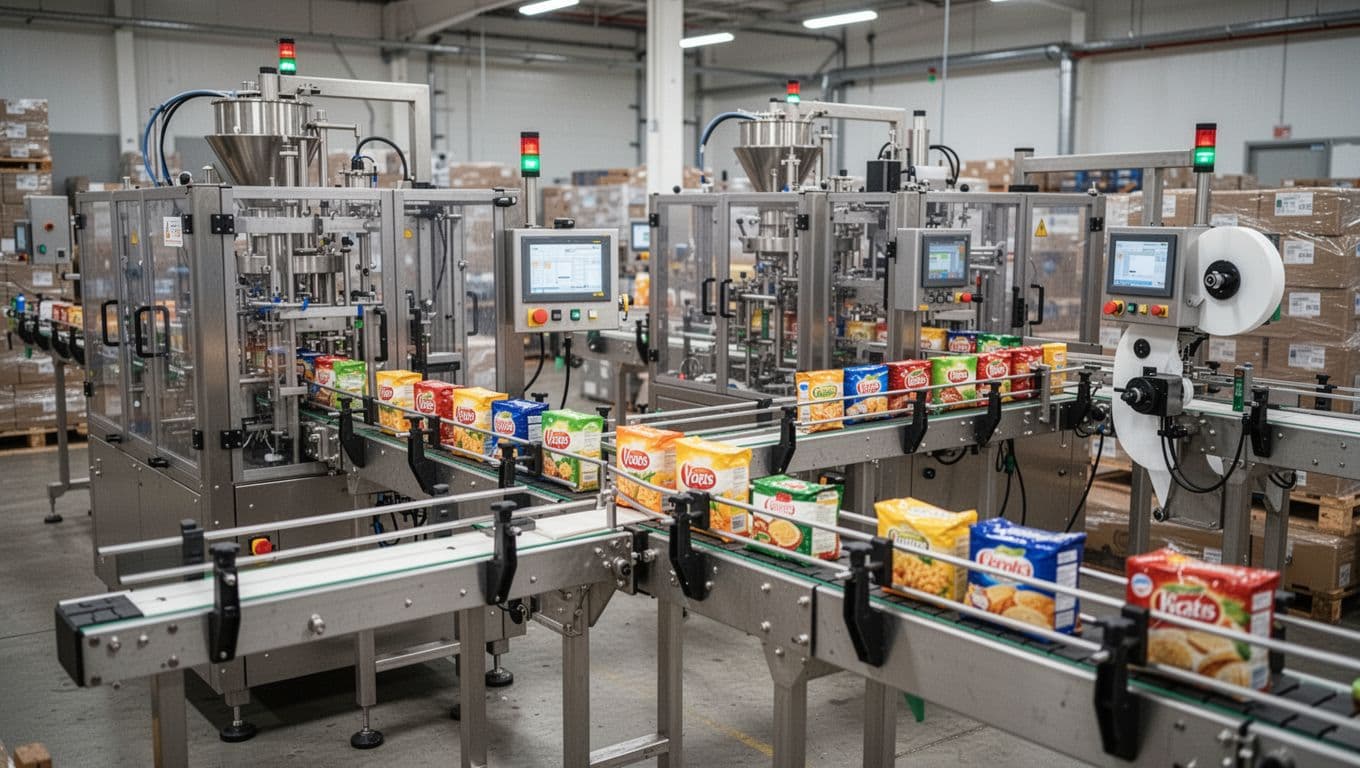
A sales call can sound perfect. What you need is proof that day-to-day operations match the promise. In 2026, that includes more automation, better traceability, and stronger documentation, because customers expect faster turnaround with fewer mistakes.
Start with capability fit, then look at quality systems, then ask for evidence. A strong Contract Packaging Partner will welcome this, because it prevents mismatched projects.
A good partner doesn’t just say “we can do it.” They show how they do it, and what happens when something goes wrong.
Capabilities that must match your packaging and your volume
First, confirm equipment fit. Different formats require different lines, and “we’ve done something similar” isn’t always close enough.
Ask what they run today for work like yours, such as fillers, pouching, cartoning, shrink bundling, labeling, kitting, or display builds. Then ask about line speeds and how automation affects consistency. A highly manual line can work well for kits, but it may struggle on high-volume club packs.
Next, verify material handling. Films, cartons, adhesives, and labels can behave differently across machines. If you use recycled content or bio-based materials, ask what they’ve tested, because these materials can change seal strength or run speeds.
Capacity is where many projects break. Ask practical questions:
- What’s current utilization?
- How many lines can run your format?
- What’s the staffing model for second shift or weekends?
- If a line goes down, is there redundancy?
Location is a real cost and speed lever too. A partner near your plant can reduce inbound freight and make trials easier. On the other hand, being closer to your customers can cut outbound costs and shorten delivery windows.
Quality and compliance basics you should verify (not just hear about)
Quality is a system, not a pep talk. Ask for their written QA process, and make sure it matches your risk level.
At a minimum, confirm how they handle:
- Incoming inspection of packaging components
- In-process checks (weights, counts, seals, label placement)
- Sampling plans and who signs off
- Calibration for scales and measuring tools
- Lot traceability and recall readiness
- Allergen controls, if your product needs them
- Document control for specs and work instructions
You’ll also see common certifications and programs, depending on the product and market. ISO programs may show up in many industrial settings. Food projects may involve SQF or related food safety standards. Some facilities list FDA registration, kosher handling, or SEDEX audits for ethical sourcing expectations. The key is fit: match the requirement to your customer commitments and product risk.
One quick tip that saves pain later: ask how they handle nonconforming product. Who places a hold? Who decides rework versus scrap? How do corrective actions get documented, and how fast do you see the report?
Questions that reveal how they really operate day to day

Two partners can have similar equipment and still feel totally different to work with. The difference shows up in communication, project control, and how they handle changes. Your best “interview” is a set of questions that forces clarity.
A good Contract Packaging Partner should answer directly, without vague timelines or fuzzy roles. You want to hear how work flows from quote to launch to repeat orders.
Communication, project management, and change control
Start with ownership. Who is your main contact, and who backs them up? If your contact is out, projects still need decisions.
Next, ask how updates work. Weekly emails? A shared dashboard? Photos from first article runs? In 2026, it’s reasonable to expect fast responses and clean documentation, especially around launches.
Also, clarify approvals. Packaging artwork and specs can break schedules when nobody owns the final sign-off. Ask:
- How do you approve packaging components before production?
- How do you control spec changes after approval?
- How do you prevent old art from showing up on the line?
Change control matters even for small edits. A new barcode, a new lot code format, or a carton supplier swap can create scrap if it isn’t tracked. The partner should be able to explain the process in plain language.
If you want a deeper walkthrough of the outsourcing process end to end, use this resource on how to outsource contract packaging, especially if you’re preparing your first RFP.
Pricing, risk, and protections in the contract
Pricing can look simple until add-on fees show up. Get the model in writing, and make sure it matches how your project runs.
Here’s a quick way to compare common pricing structures:
| Pricing model | Best for | Watch-outs to clarify |
|---|---|---|
| Per unit | Stable, repeatable runs | Minimums, yield loss, and what counts as a “unit” |
| Per hour | Short runs, lots of changeovers | Efficiency assumptions, staffing levels, overtime rules |
| Setup plus run rate | Mixed projects with defined setups | What triggers a new setup fee, changeovers, line clearance |
After pricing, cover the “edges” where risk hides. Clarify what causes price changes, such as labor increases, material inflation, or tariff shifts. Decide who sources materials and what happens when components arrive late or short.
Then confirm basics that protect both sides: insurance coverage, confidentiality and IP protection, and ownership of tooling or custom fixtures.
Most importantly, define what happens when quality issues occur. Holds, rework, credits, and disposal need a simple workflow. If you want help thinking through the details, this breakdown of essential elements of contract packaging agreements is a strong reference.
How to validate the fit before you commit long term

Paper checks and calls help, but nothing beats seeing real work. A short validation phase can save months of pain. It also makes the final decision feel obvious.
Tour the facility and look for signals of consistency
A tour isn’t about shiny machines. It’s about whether the operation repeats good work, shift after shift.
Look for practical signals:
- Clean, organized staging areas with clear separation of materials
- Labeled pallets and controlled access to components
- Clear work instructions at the line
- Training signs or documented onboarding
- In-process checks happening without drama
- Finished goods stored to prevent crush or mix-ups
If possible, ask to watch a changeover. You’ll learn more in 15 minutes than in a slide deck. A controlled changeover suggests the partner can handle SKU growth without chaos.
Run a pilot, track results, then scale with clear KPIs
A pilot should mirror real conditions. Use real components, real pack-outs, and the same labeling and coding rules you’ll use in production.
Agree on acceptance criteria before the run. Define the KPIs you’ll track, such as defects, output rate, and on-time completion. Then hold a post-run review and document what changes before the next run.
Treat the pilot like a dress rehearsal. If the basics don’t work under calm conditions, they won’t work during a peak week.
After a successful pilot, scale in steps. Increase volume, add complexity, then add more SKUs. Quarterly business reviews help keep performance visible, and they create a routine place to fix small problems before they grow.
Conclusion
Choosing a Contract Packaging Partner works best as a clear sequence. First, define your packaging needs and success metrics, so quotes are comparable. Next, verify capability, capacity, and quality systems with proof, not promises. Then ask the day-to-day questions that uncover how the team communicates, controls changes, and handles pricing and risk. Finally, confirm the fit with a facility tour and a pilot run tied to KPIs.
The right partner protects brand trust, keeps schedules steady, and lowers total cost over time because you spend less energy on rework and fire drills. Build a shortlist, schedule discovery calls, and use the checklists in this guide to keep every conversation focused and useful.
