
How Packaging Impacts Product Safety and Compliance
A bottle that leaks in transit doesn’t look like a big deal, until it soaks a whole case. A seal that lifts at the corner can turn a fresh product into a customer complaint. Even a smudged label can create the worst kind of confusion, the kind that affects how someone uses the product.
That’s why packaging isn’t just about presentation. It protects people, it protects the product, and it proves you followed the rules. When it works, nobody notices. When it fails, the results show up fast: spoilage, breakage, returns, recalls, or a retailer refusing the shipment.
This article breaks packaging safety and compliance into three practical areas. First, how packaging prevents contamination, damage, and tampering. Next, why compliance often starts with labeling and readability. Finally, how to build a repeatable process with testing and documentation. As of February 2026, rules keep shifting, especially around food contact chemicals (like PFAS bans in some states), audits tied to sustainability claims, and state extended producer responsibility (EPR) laws that add new reporting and fee requirements.
How packaging keeps products safe from contamination, damage, and tampering
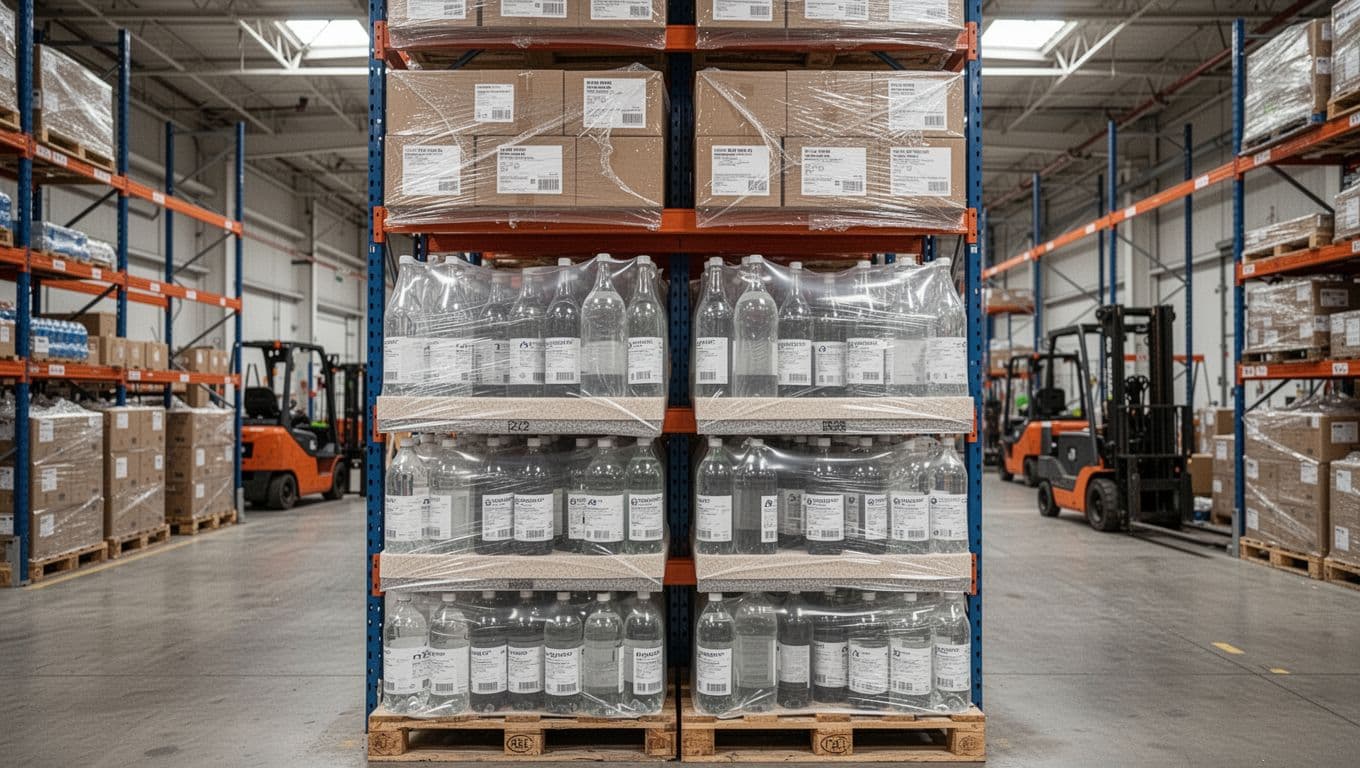
Packaging does three safety jobs at once. It creates a barrier from the outside world. It cushions the product through handling. It also shows whether someone opened it. Think of it like a seatbelt and a lock combined.
Most problems start small. A pinhole in a pouch lets oxygen creep in. A cap that backs off a quarter turn allows leaks. A weak shipper crushes at the bottom of a pallet. None of these issues look dramatic in a conference room. They show up on trucks, in humid warehouses, and on front porches.
Safety risk isn’t limited to food and medicine. Cosmetics can grow microbes if water gets in. Supplements can degrade if oxygen gets through. Household chemicals can leak and burn skin, or react with other items in a box. Good packaging choices reduce those risks before the first unit ships.
If your product is safe only when everything goes perfectly, it isn’t safe enough for real distribution.
Barrier protection, keeping air, moisture, and germs out
Barrier needs change by product. For shelf-stable foods, oxygen and moisture control often decide shelf life. A snack in the wrong film goes stale early. Powder products can clump if they pull humidity through a seam. For refrigerated or frozen foods, condensation and temperature swings can break labels, soften cartons, and weaken seals.
Some formats work because they manage the air around the product. Vacuum sealing removes oxygen. Modified atmosphere packaging (MAP) replaces air with a gas mix to slow spoilage. Those tools can help, but they depend on the right film structure and a reliable seal. If the seal fails, the “protected atmosphere” disappears.
Other categories have different risks:
- Supplements often need high-barrier bottles or blister packs to slow oxygen exposure and moisture pickup.
- Cosmetics and personal care products need seals that resist contamination during use, plus packaging that doesn’t react with oils or acids.
- Household chemicals may require compatible plastics, liners, and closures that won’t soften, crack, or leak.
Material swaps can create surprise failures. A “similar” film may seal at a different temperature. A new coating may reduce adhesion. A recycled-content resin can change stiffness and drop performance. In short, choosing the wrong film, coating, or sealant can shorten shelf life and increase safety risk, even if the package looks fine.
Tamper-evident features and child-resistant designs that prevent real harm
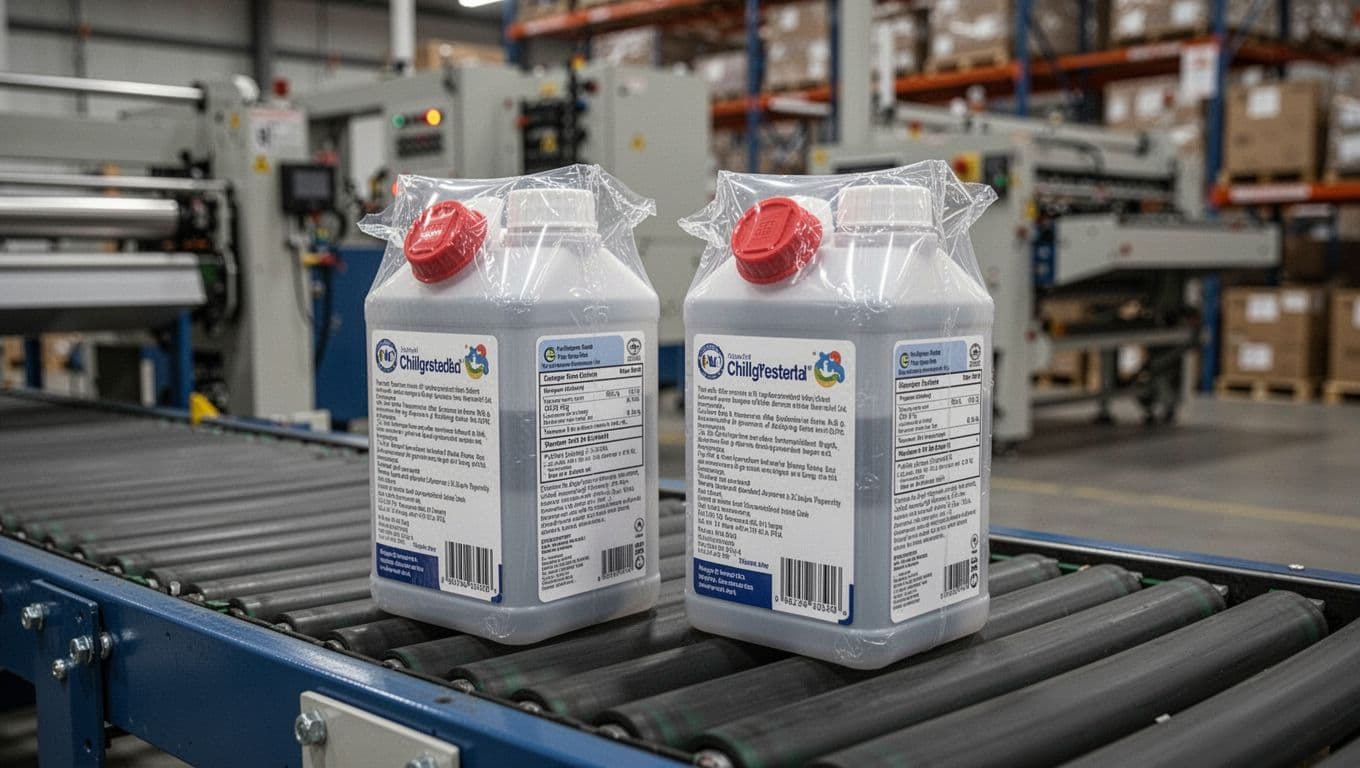
Tamper-evident features protect customers and your brand. They also reduce disputes, because they provide a clear signal when something isn’t right. Common options include shrink bands, breakable caps, tear strips, and induction seals. Each one answers a simple question: “Would I know if someone opened this?”
Retailers and distributors often expect tamper evidence for certain products, even when the law doesn’t spell out the exact feature. That expectation becomes a practical compliance requirement. If your packaging doesn’t meet it, you may face store rejections, chargebacks, or forced redesigns.
Child-resistant designs go one step further. They aim to prevent access, not just show tampering. Think child-resistant caps for medications, nicotine products, or concentrated cleaners. Blister packs also reduce accidental ingestion because they slow down access and encourage single-dose use.
However, safety features must stay usable. If seniors can’t open a package, they may cut around it, transfer it to another container, or leave it unsealed. The best designs balance protection with real human behavior. Testing with likely users, even informally, can reveal risks you won’t see on paper.
Compliance starts with what the package says, and whether people can read it
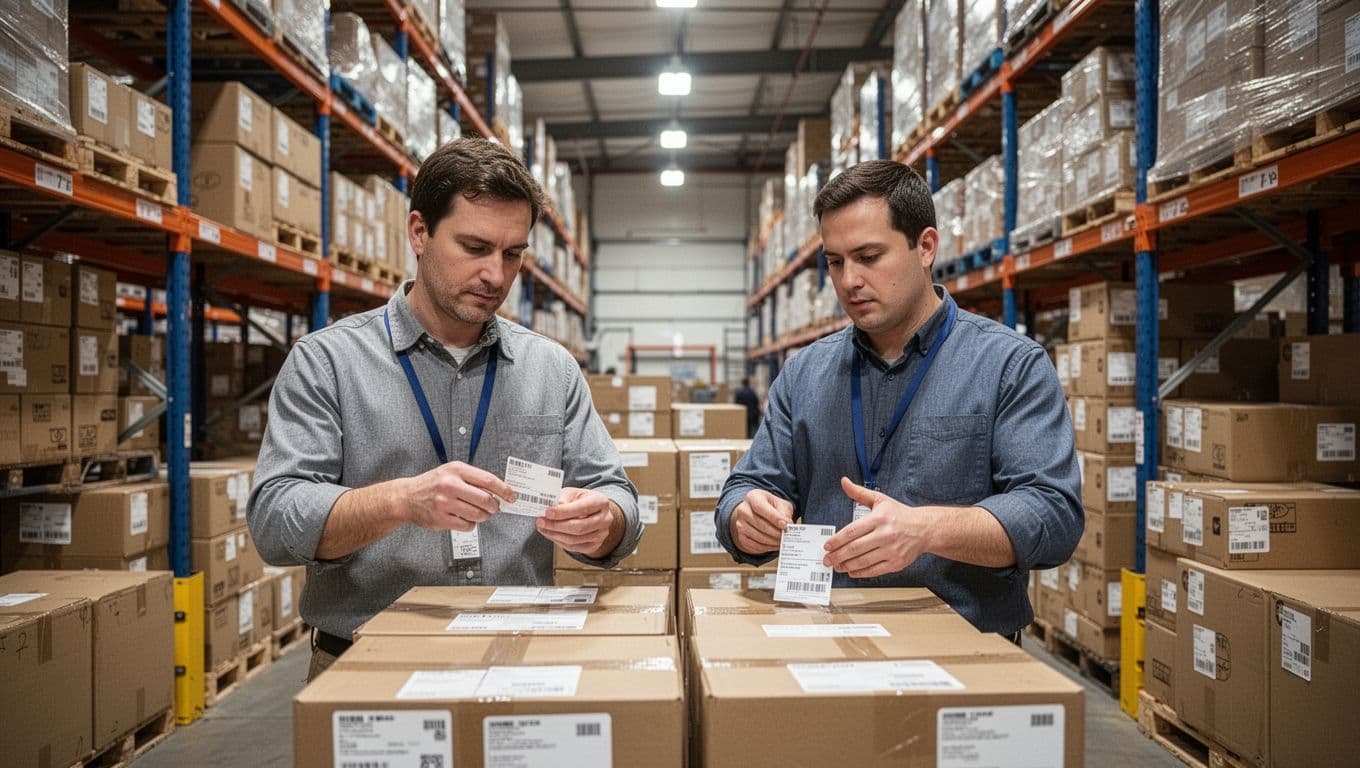
A compliant product can still get rejected if the label fails. That’s because the package is the main way regulators, retailers, and customers judge what’s inside. If the label is wrong, people assume the process is wrong too.
In the US, the Fair Packaging and Labeling Act (FPLA) is part of the baseline for many consumer goods. It focuses on honest, clear labeling, including net quantity and identity. Food, supplements, cosmetics, and regulated items add more rules. Even when requirements differ, the pattern stays the same: accuracy, clarity, and consistency.
Readability matters as much as content. Labels have to survive shipping scuffs, freezer moisture, and warehouse handling. Ink rub, condensation, and low-contrast design can make a “correct” label effectively useless.
Label requirements that often trigger recalls, allergens, net quantity, and warnings
Most label failures are basic, and expensive. Food products often get into trouble for missing allergen statements or unclear ingredient lists. Net quantity mistakes can also trigger enforcement, especially when the units are wrong or the placement doesn’t match expectations.
At a high level, many products need:
- Product identity (what it is)
- Net amount (in the right units and format)
- Company name and location details
- Ingredients (and allergens where required)
- Required panels such as Nutrition Facts, when applicable
- Warnings and directions for safe use, when needed
Even when a label includes everything, it must be truthful and not misleading. “Recyclable” and other environmental claims deserve extra care in 2026 because states, especially California, are tightening rules on which packages can use certain symbols or claims. Meanwhile, some states are also restricting PFAS in food contact packaging, which can affect coatings and grease barriers. If you change materials to stay compliant, your label claims may need updates too.
Barcodes and lot codes also support traceability. When an issue appears, those codes help you narrow the scope and respond faster.
The most common packaging compliance mistakes, and how to prevent them early
The same preventable errors show up again and again: tiny text that nobody can read, wrong units (ounces vs fluid ounces), missing warning language, bad translations, unproven claims, and allergen statements that don’t match the formula. Another common one is simple but brutal: the right label on the wrong SKU.
Prevention works best when it’s a workflow, not a heroic last-minute review. A practical system includes label proofing, version control, and checks on the line. That’s also where partners can help. Some teams build these steps into contract packaging workflows that include labeling and quality checks, so verification happens before cases get sealed.
A few early controls reduce risk quickly:
- Keep a single “approved artwork” folder with dates and signoffs.
- Use line clearance before each run, so old labels don’t stay nearby.
- Verify labels during setup, then again during the run (vision scans help).
- Confirm net weight or fill levels with routine checks, not guesses.
Mistakes cost less when you catch them at the printer proof stage. They cost the most when product is already in stores.
A practical system for safer, compliant packaging from design to shipment
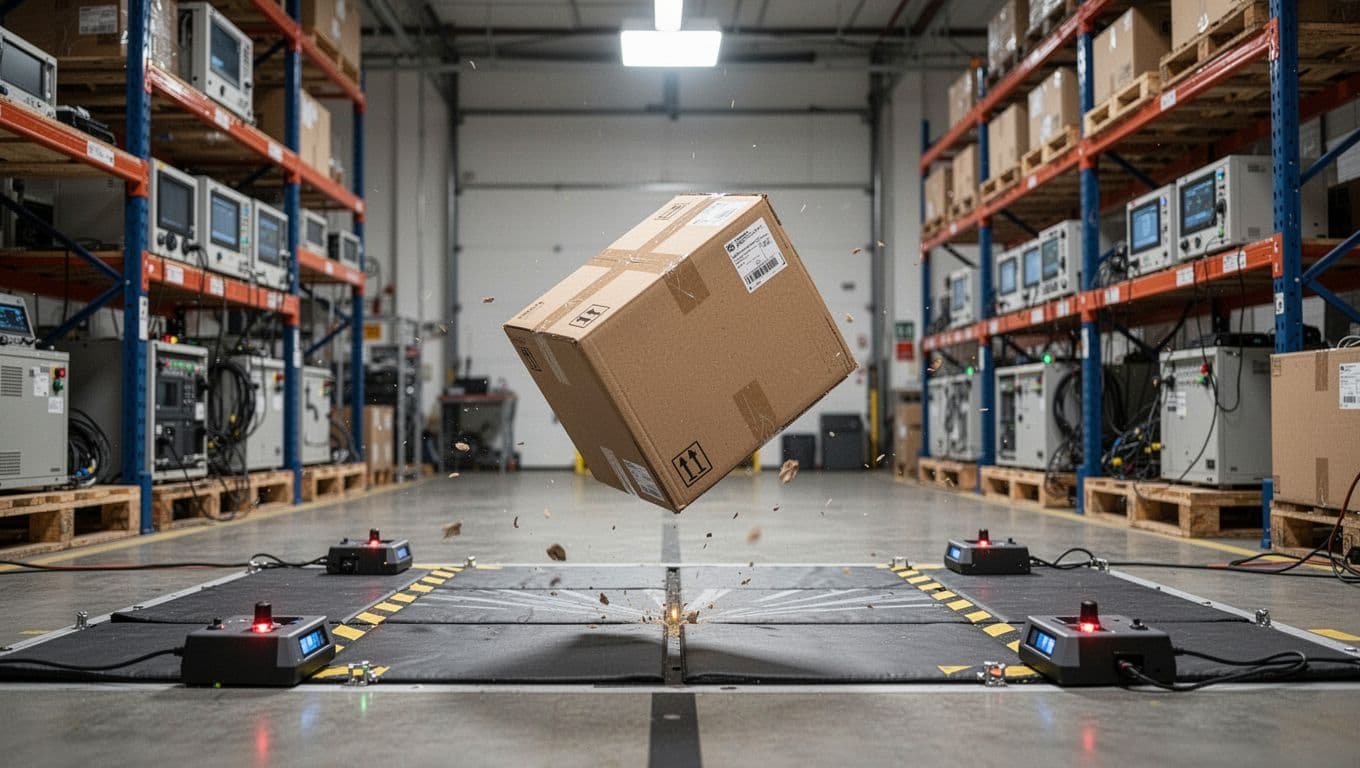
If you want safer packaging, don’t rely on good intentions. Build a repeatable system that connects design, suppliers, operations, and shipping. That system should also handle change, because change is constant.
In 2026, sustainability pressures can trigger material substitutions. State EPR programs add reporting duties and fees in several states, and deadlines vary. At the same time, state rules targeting PFAS in food packaging can force quick shifts in coatings and barrier layers. Every change can affect seal strength, shelf life, and label performance.
The fix is simple in concept: treat packaging changes like product changes. Test them, document them, and train your team on them.
Test for the real world, drops, vibration, leaks, temperature, and shelf life
Packaging that survives a tabletop demo can still fail in transit. Trucks vibrate. Pallets get stacked too high. Parcels land on corners. Warehouses swing from dry heat to damp cold. Even porch delivery adds sun exposure and temperature spikes.
Start by matching tests to your real risks. Drop testing and vibration testing show whether the shipper protects the product. Compression testing helps predict pallet crush. Leak testing catches weak seals and loose closures. Heat and cold cycling reveals warping, paneling, or adhesive failure.
E-commerce often needs more protection than retail. A retail pack might ship in a master case and then sit on a shelf. An e-commerce order may travel alone, bouncing through multiple hubs. That difference changes the cushioning, corrugate grade, and void fill needs.
Some brands use common test frameworks like ISTA or ASTM as a reference point. The names matter less than the habit: test, learn, and retest when anything changes.
Control materials and suppliers, especially when switching to recycled or compostable options
A cost-driven change can quietly raise risk. A different resin might crack sooner. A new closure liner could absorb fragrance. A higher recycled-content bottle might allow more oxygen ingress. Compostable films can behave differently under heat, humidity, or long storage.
Because of that, supplier control is part of compliance. In 2026, many companies also face tighter customer audits around food contact materials and chemical restrictions. When states restrict PFAS in food packaging, you may need supplier confirmation that coatings, adhesives, and grease barriers meet the rule in the states where you sell.
Keep a simple documentation set on file, and keep it current. Here’s a quick guide to what’s worth saving and why:
| What to keep on file | Why it matters |
|---|---|
| Material specifications (film, bottle, closure, corrugate) | Confirms you’re building the pack you tested |
| Declarations of Compliance (DoCs), when applicable | Supports food contact and chemical restriction reviews |
| Certificates of Analysis (COAs), when provided | Helps confirm lot-to-lot consistency |
| Supplier change notifications | Prevents “silent” changes that break seals or labels |
| Lot traceability for packaging components | Supports faster investigations and targeted holds |
The takeaway: if you can’t prove what the package is made of, you’ll struggle to prove compliance.
Build compliance into operations, lot codes, inspections, and shipping handoffs
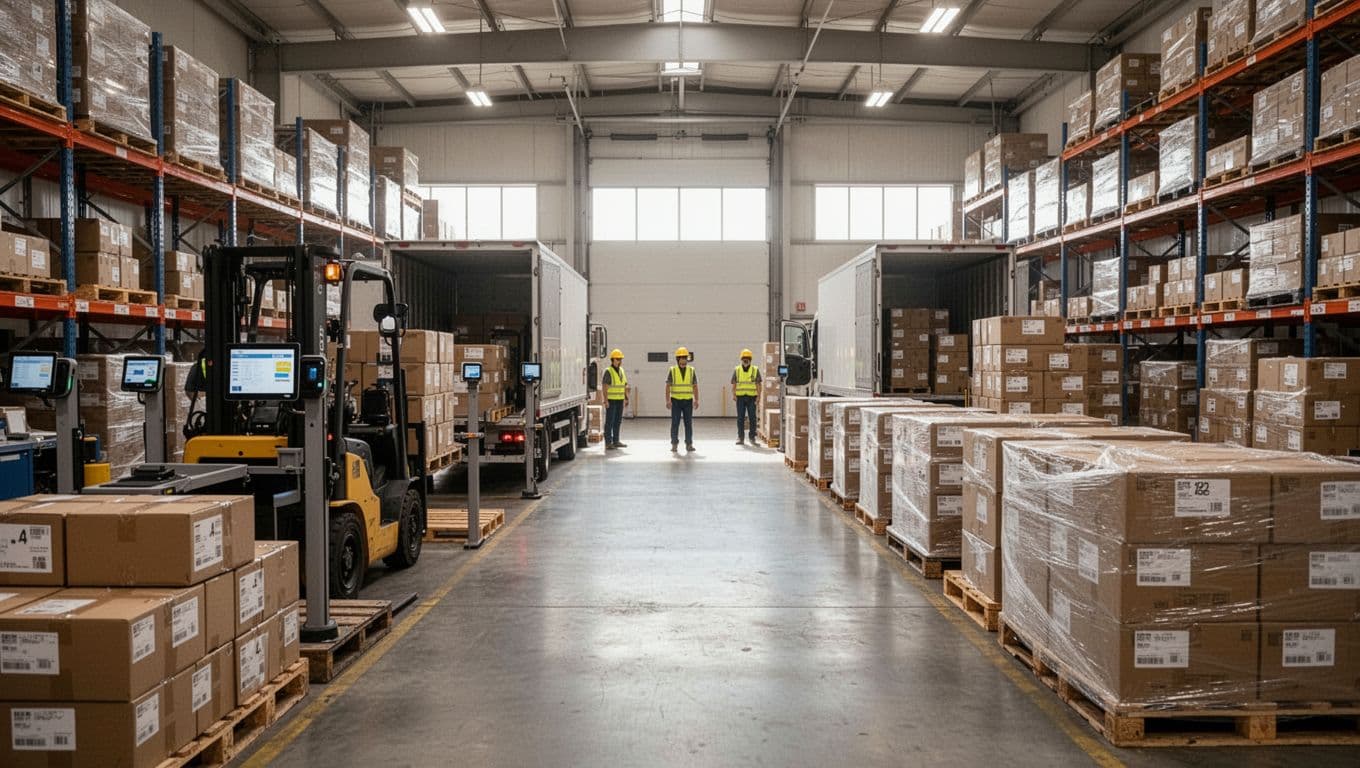
A good design still needs good execution. Operational discipline is where compliance becomes real. A simple flow works for most products:
Incoming checks confirm you received the right components. Line setup uses the right settings, the right labels, and the right lot codes. In-process checks catch drift, like fill weight changes or misapplied labels. Final audit verifies count, seal integrity, and case labeling. Holds and rework procedures keep mistakes from slipping into shipment.
Warehouse conditions matter too. Heat can soften adhesives and warp plastics. Humidity can weaken cartons and cause labels to lift. If storage is part of your supply chain, treat it like part of the packaging system.
Shipping handoffs also deserve structure. Pallet wrap tension, corner boards, and carton orientation can change outcomes. When you ship direct-to-consumer, small choices like void fill type and tape placement can reduce damage claims.
This is where operational support can help, especially when volume spikes or channels change. For example, packaging and fulfillment support that helps protect products through shipping can add consistent scanning, packing checks, and handling controls.
Smart packaging can also strengthen traceability without confusing customers. QR codes, 2D barcodes, or RFID tags can help track lots, deter counterfeits, and speed up returns. Keep it simple, and make sure the code still scans after scuffs and cold storage.
Conclusion
That leaking bottle and smudged label weren’t “small issues.” They were warnings that packaging is tied to safety and compliance every day. Materials and seals prevent contamination and damage. Tamper evidence and child-resistant designs reduce real harm. Labels carry legal requirements, and they must stay readable through shipping and storage. Finally, testing and documentation turn good intentions into a repeatable process, which matters even more as 2026 rules shift around PFAS restrictions, recycling claims, and state EPR reporting.
Before your next launch, or before any material change, take a quick reset:
- Review your top failure risks (leaks, crush, contamination, mislabeling).
- Verify label content and readability in real conditions.
- Test the full packout, not just the primary container.
- Document materials, supplier proofs, and change notices.
- Train the line on checks, holds, and lot coding.
Packaging is your product’s body armor. Build it to survive the real world, and you’ll ship with fewer surprises and more confidence.
