
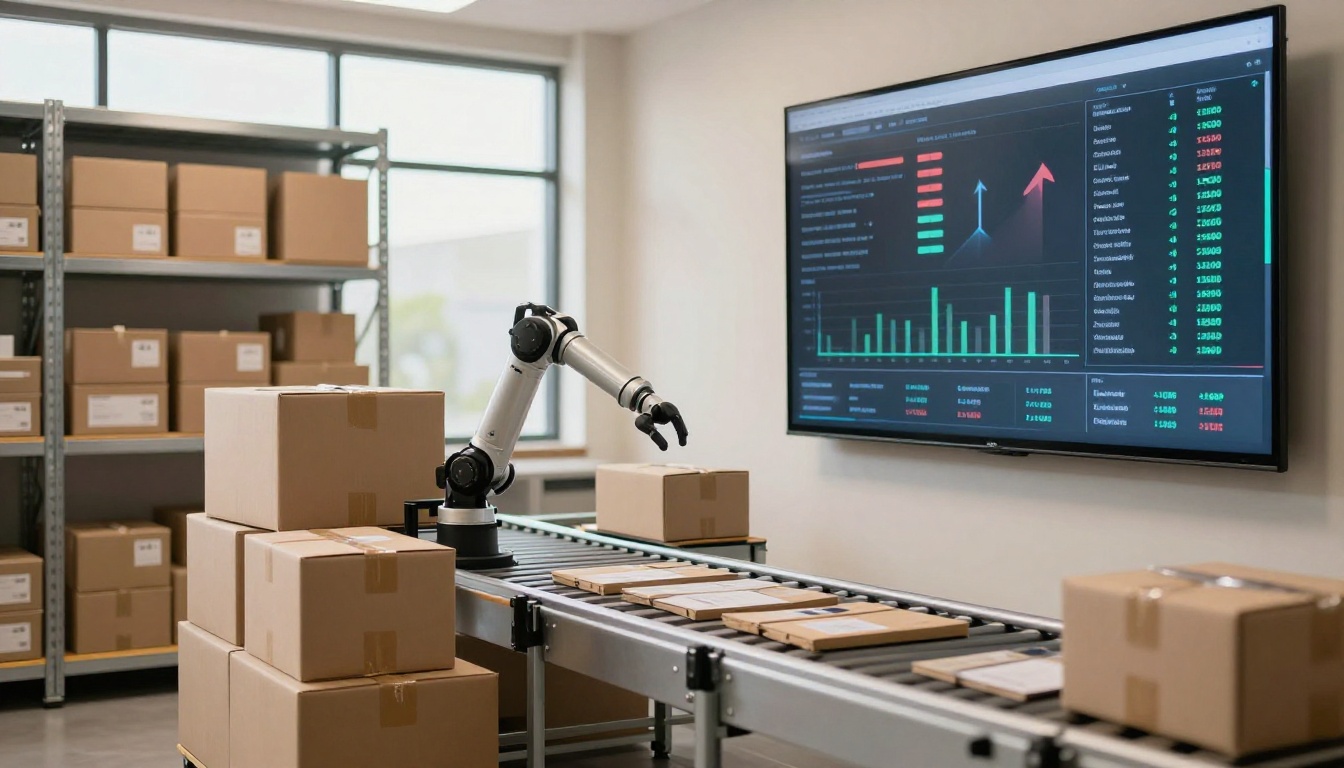
Benefits of Using an Order Fulfillment Service for Business Growth
Sales grow, then packing boxes, tracking inventory, and fixing shipping issues start eating up your time and margin. That’s when an order fulfillment service can help, a partner that stores your products, picks each order, packs it, ships it, and often handles returns through pick, pack, and ship services.
In 2026, many brands use fulfillment partners to improve speed, accuracy, and flexibility as customer demand for fast shipping keeps rising. Recent industry data shows about 84% of e-commerce brands now use 3PL providers for at least some orders, which is why this choice matters if you want to save money, grow faster, and serve customers better. The next step is looking at where outsourcing fulfillment helps most, and where it may not.
What an order fulfillment service actually does for your business
An order fulfillment service handles the physical work that starts after a sale is made. That includes storing products, tracking stock, picking the right items, packing them well, shipping them out, processing returns, and reporting what happened along the way.
If you are selling online, wholesale, or both, that support removes a lot of daily friction. It also gives you a clearer view of what is in stock, what shipped, what came back, and where problems start. For businesses with more complex needs, some providers also add kitting, retail-ready packaging, and direct-to-consumer order support under one roof.
From warehousing to doorstep delivery, the process made simple
The process starts when your inventory arrives at the fulfillment center. The warehouse team checks what came in, counts it, looks for damage, and enters it into the system. If this step is sloppy, every step after it gets harder, because your stock counts are already off.
Next, the products are stored in assigned locations. That may be shelves, bins, or pallet racks, depending on item size and order volume. Good storage is not just about space. It helps workers find items fast, reduces damage, and keeps orders moving on time.
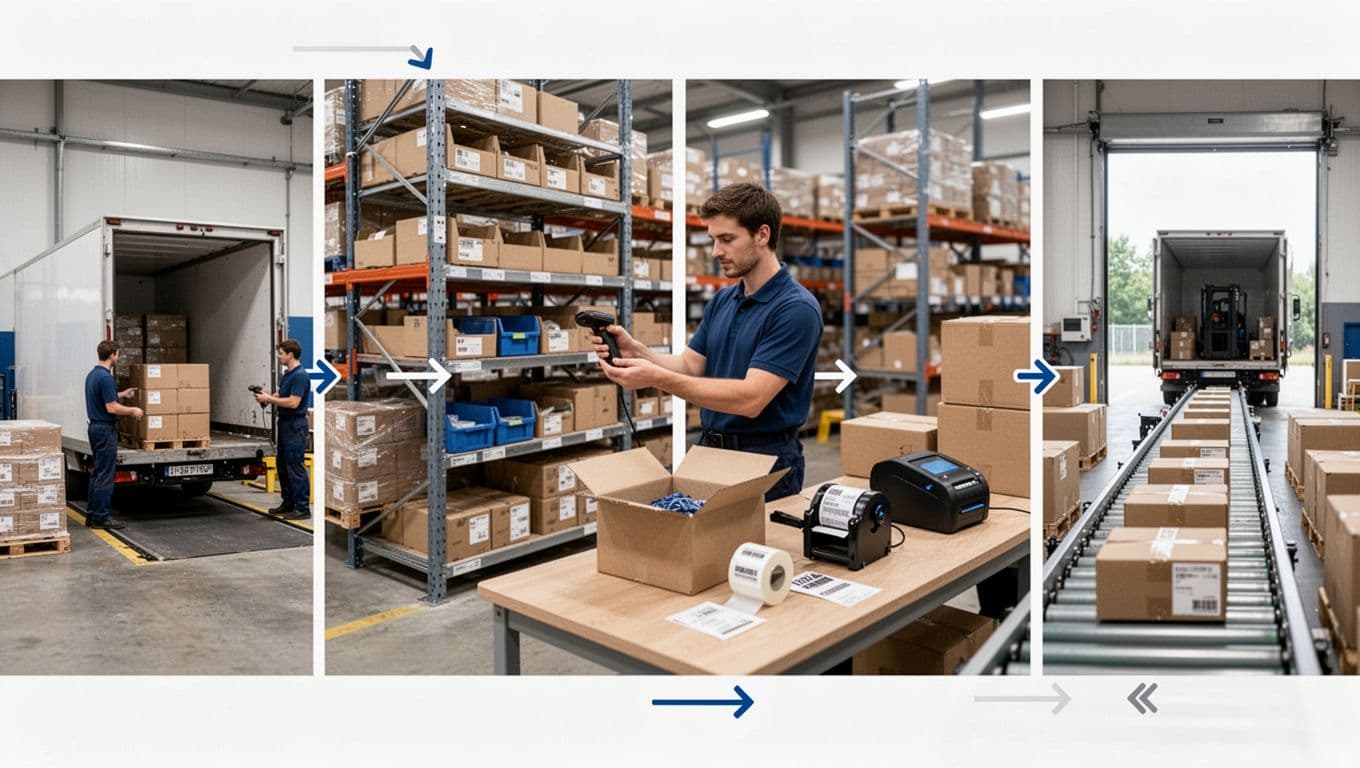
Once the system is set up, inventory tracking becomes the heartbeat of the operation. Every receipt, pick, adjustment, and return updates stock counts. That matters because you need to know what is truly available, not what a spreadsheet says should be available. Real-time visibility helps prevent overselling, late reorders, and customer frustration.
When a customer places an order, the fulfillment system sends that order to the warehouse. A worker, or sometimes an automated process, gets a pick list that shows which item to grab and where to find it. This is the “pick” part of pick and pack.
After the items are picked, they move to packing. The team checks that the order is correct, chooses the right box or mailer, adds packing material if needed, and seals it for shipment. Some businesses also request branded inserts, bundle assembly, or special packaging rules at this point. If you want a broader look at how one partner can manage that full flow, this guide to end-to-end fulfillment services gives helpful context.
Shipping comes next. The warehouse prints the label, selects the carrier service, and moves the package to the outbound area for pickup. Tracking details then flow back to your store, so customers can see where their order is. That simple update can cut down a lot of “Where is my package?” emails.
Returns are part of fulfillment too, even though many businesses treat them like a separate problem. A good provider receives returned items, inspects them, and follows your rules. If the item is still sellable, it goes back into stock. If not, it is set aside for disposal, rework, or another next step you approve.
Reporting closes the loop. Most providers show order volume, inventory levels, shipping activity, and error trends through dashboards or regular reports. Those numbers help you spot fast sellers, slow movers, frequent return issues, and warehouse performance without walking the floor yourself.
Some providers also go beyond basic shipping support. That can include:
- Kitting for bundles, promo packs, and subscription-style sets.
- Retail-ready packaging for stores with strict display or labeling rules.
- Direct-to-consumer fulfillment for brands shipping single orders to homes.
- B2B order handling for case packs, bulk shipments, or retailer requirements.
Fulfillment is much bigger than mailing a box. It is the system that keeps inventory accurate and orders moving.
How fulfillment services differ from doing everything in house
Handling fulfillment in-house gives you direct control. Your team sees every order, touches every product, and makes every shipping choice. For a small business with low order volume, that can work well. It may even feel cheaper at first, because you are using space and people you already have.
Still, the costs stack up faster than many owners expect. You need storage space, shelving, packing materials, shipping software, label printers, staff time, and carrier management. Then you need a process for returns, stock counts, mistakes, damaged items, and busy-season spikes. What looks simple at 10 orders a day can feel heavy at 100.
This side-by-side view makes the difference easier to see:
| Area | In-house fulfillment | Outsourced fulfillment |
|---|---|---|
| Storage | You lease or use your own space | Provider stores inventory for you |
| Labor | You hire, train, and schedule staff | Provider supplies warehouse labor |
| Technology | You pay for systems and setup | Tools and tracking are usually included |
| Shipping | You manage carriers and rates | Provider often has better carrier options |
| Returns | Your team inspects and restocks items | Provider processes returns by your rules |
| Scaling | Growth often means more space and labor | Capacity is easier to expand as volume rises |
The biggest difference is daily workload. In-house fulfillment pulls your team into repetitive tasks, especially during sales spikes or holiday rushes. That means less time for product development, marketing, retail growth, or customer service. Outsourcing shifts those operational tasks to a partner whose main job is moving orders accurately and on time.
Cost also changes as volume grows. In-house operations carry fixed costs whether orders are slow or busy. Rent, equipment, and payroll do not disappear during a quiet month. An outsourced model usually turns more of that into variable cost, so you pay more in busy periods and less when volume dips. Current 2026 benchmarks show domestic direct-to-consumer 3PL fulfillment often falls in the $8 to $15 per order range, while wholesale and B2B orders can run much higher based on complexity.
That does not mean outsourcing is always the better fit. If you ship low volume, need unusual handling, or want complete control in one location, in-house can still make sense. However, as order counts rise, outsourced support becomes more attractive because it gives you labor, space, systems, and process discipline without building all of that yourself.
Recent 2026 data also points to how common that shift has become. Some industry reports now say 95% of online retailers use 3PL services in some part of their fulfillment mix. That does not mean every brand outsources everything, but it does show how many businesses reach a point where doing it all internally stops being practical.
In-house fulfillment can work for a while. Growth is often the point where the math, time, and stress change.
Lower costs without sacrificing service
Cost control is one of the clearest reasons businesses move fulfillment to a partner. When you handle everything in-house, you pay for space, people, systems, and shipping whether orders are booming or slow. A fulfillment service changes that math by turning many of those fixed costs into variable costs tied to actual demand.
That matters because fulfillment and logistics can take a big share of revenue. Current 2026 benchmarks often place e-commerce fulfillment costs around 10% to 15% of sales, and some brands run even higher. Since shipping alone can make up the largest slice of that total, even small gains in storage, labor, or carrier pricing can protect margin fast.
You avoid the fixed costs that make growth expensive
Growth gets expensive when every new order forces you to add more infrastructure. First comes rent or warehouse space. Then you need shelving, packing stations, label printers, carts, software, and more room to move inventory safely. Before long, you’re managing a warehouse operation, not just selling products.
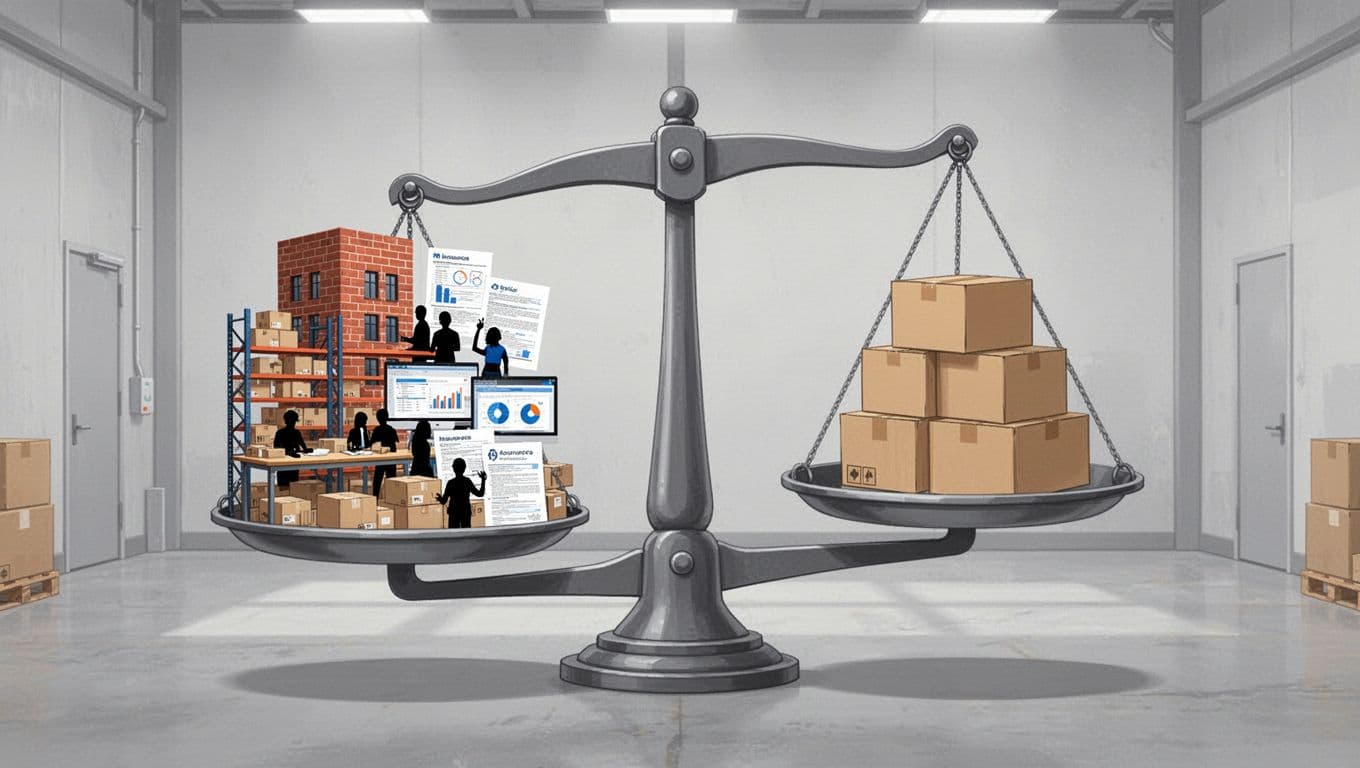
Labor adds another layer. You need warehouse staff, backup coverage, supervisors, onboarding, and ongoing training. On top of that, there is workers’ comp, payroll tax, safety procedures, and insurance. If volume drops for a month, those costs don’t disappear. They sit there like a meter still running.
A fulfillment partner spreads those costs across many clients. So instead of funding a full operation on your own, you pay for the space and labor you actually use. That helps cash flow because your costs rise more gradually as orders grow.
This is where pay-as-you-use pricing can be a real advantage:
- You avoid large upfront spending on warehouse setup.
- You don’t have to hire ahead of demand.
- You can scale for busy seasons without carrying that overhead all year.
- You keep more cash available for inventory, marketing, and product development.
If you’re comparing fee structures, it helps to understand what drives 3PL fulfillment and storage costs. Clear pricing matters because the goal is not just to spend less, but to spend in a way that stays flexible as your order volume changes.
You’ll also often see 15% to 20% cost savings cited in current market reporting and provider content around outsourcing fulfillment. That can happen, especially when a business replaces underused space, manual processes, and high parcel rates. Still, it isn’t a guarantee. Your actual savings depend on order volume, SKU mix, packaging needs, and how efficient your current setup is.
Fixed overhead makes slow months painful. Variable fulfillment costs are easier to manage because they move closer to actual sales.
Better shipping rates can improve your margins
Shipping is usually the biggest fulfillment expense, so this is where outsourcing can make a noticeable dent in cost per order. A fulfillment provider ships at much higher volume than most single brands. Because of that, they can often negotiate stronger carrier rates than a business can get on its own.
That advantage shows up in a few ways. You may pay less per package, access more service levels, or get better rate shopping across carriers. When those savings apply across hundreds or thousands of orders, the margin impact adds up quickly.
For example, saving even a small amount on each order can help you:
- Keep more profit on every sale
- Offer more competitive shipping at checkout
- Reduce the pressure to raise product prices
- Run free-shipping promotions with less damage to margin
Location plays a role too. A well-placed provider can shorten shipping zones and lower parcel costs, which is one reason warehouse location for lower fulfillment costs matters more than many brands expect.
There is also a customer benefit here. Lower shipping costs give you more room to offer fairer delivery pricing without eroding profit. That can improve conversion, especially when shoppers compare total landed cost before they buy. In other words, better shipping rates don’t just save money in the warehouse, they can help drive more revenue at checkout.
Fewer packing mistakes also mean fewer hidden losses
Packing accuracy is often treated as an operations metric, but it’s really a financial one. A wrong item, a missing piece, or a poorly packed order sets off a chain of costs. You may have to reship the order, issue a refund, replace damaged goods, handle a chargeback, and spend support time calming down an unhappy customer.
Those losses are easy to underestimate because they show up in different places. One error can hit product cost, postage, labor, customer service time, and future repeat sales. If mistakes happen often enough, they quietly drain profit.
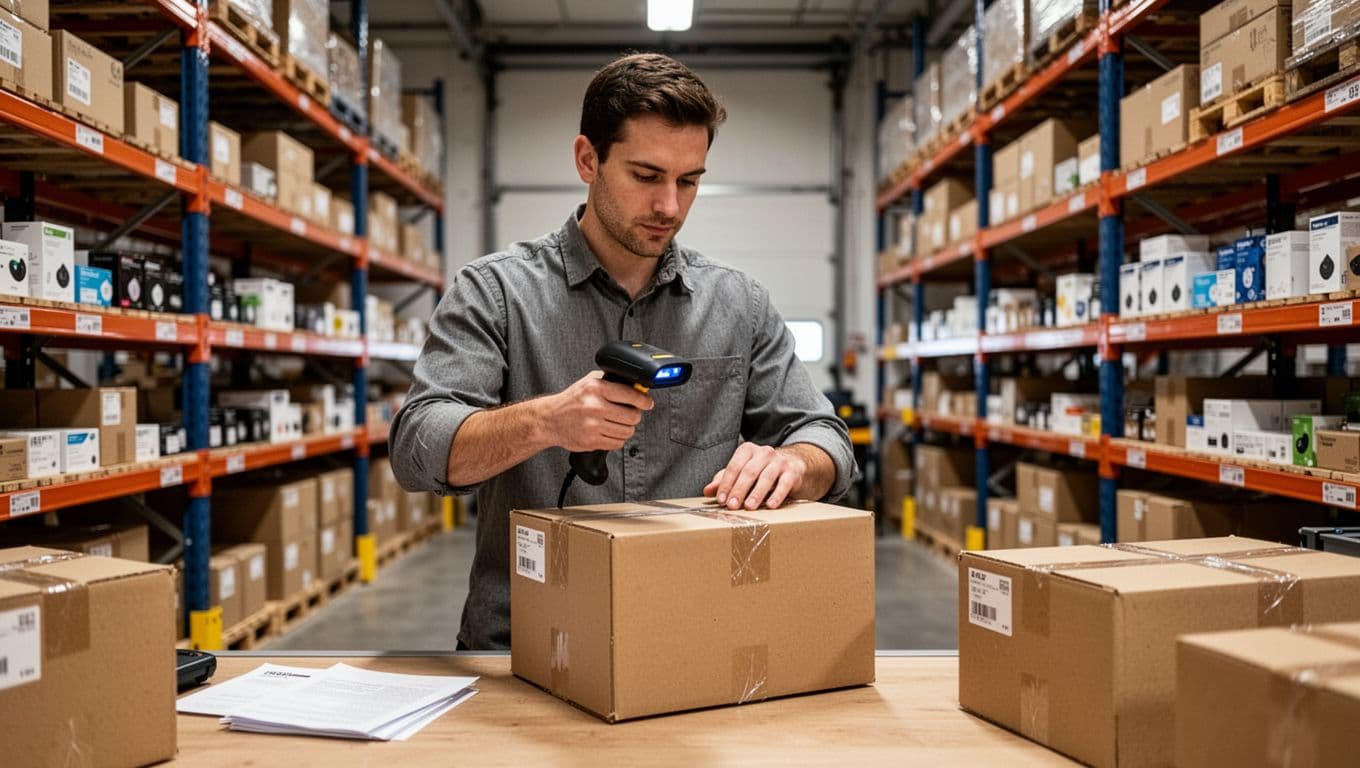
A strong fulfillment provider reduces that risk with barcode checks, standard pack rules, and tighter warehouse processes. Better systems usually mean fewer wrong-item shipments, less damage, and cleaner order records. That’s why accuracy is not just about keeping operations tidy. It’s about protecting margin.
The hidden costs of poor packing usually include:
- Reshipments and replacement product
- Refunds and return processing
- Chargebacks or marketplace penalties
- Extra support tickets and staff time
- Lost trust that hurts repeat purchases
If you want to see how better systems support that accuracy, real-time inventory tracking with 3PL gives useful context. When inventory is tracked well and orders are verified before they leave, fewer problems make it to the customer in the first place.
That is the real savings story. Lower fulfillment costs do not come only from cheaper storage or better postage. They also come from preventing avoidable losses that chip away at profit one bad shipment at a time.
Faster shipping and better customer experience can lift repeat sales
Fulfillment shapes what customers remember after they click “buy.” A good product gets the first sale, but fast delivery, accurate orders, clear tracking, and easy returns help you win the next one. In 2026, shoppers compare your store to the smoothest buying experience they know, and for many categories that means two-day shipping, visible delivery updates, and fewer surprises.
That is why fulfillment performance shows up far beyond the warehouse. It affects reviews, support volume, loyalty, and how often customers come back. When orders arrive on time and customers stay informed, trust grows. When shipping drags or updates go dark, even a great product can lose momentum.
Shorter delivery times help you meet modern buyer expectations
Shipping speed matters because it changes how people feel at checkout. If delivery looks too slow, many shoppers hesitate, abandon the cart, or buy from someone else. On the other hand, a clear promise with fast arrival makes the purchase feel safer.
In 2026, two-day shipping is no longer a nice extra for many online buyers. It is part of the baseline. Recent market data shows that 48% of online orders now arrive in two days or less, and customers who get that kind of delivery are more likely to buy again. Speed alone is not the whole story, but it still drives conversion because it reduces doubt.
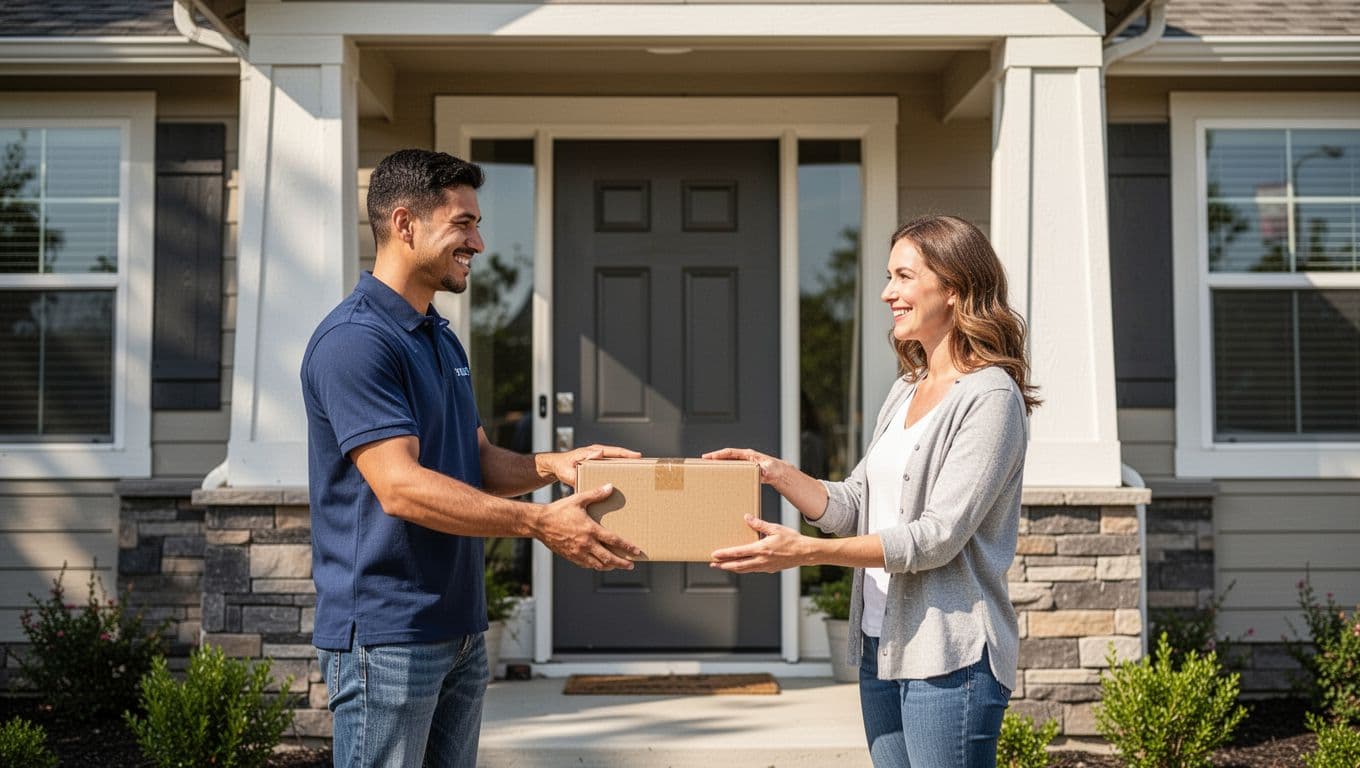
Fast shipping also improves satisfaction after the sale. A package that arrives when expected creates a simple message: your brand keeps its word. That trust can turn a one-time order into a habit, especially when the item is something people may reorder.
Location plays a big role here. If all inventory ships from one far-away warehouse, many customers sit in higher shipping zones and wait longer. Multiple warehouse locations help solve that by placing products closer to buyers. Less distance often means:
- Shorter transit times
- Lower odds of delays in handoffs
- More affordable delivery options at checkout
- Better odds of meeting a two-day promise
For brands trying to shorten delivery windows without building their own network, 3PL fulfillment for dropshipping shows how closer inventory placement can improve speed and control.
Speed also protects your reviews. Customers rarely leave glowing feedback because a warehouse worked hard behind the scenes. They respond to what they experience, and that is the box showing up quickly, correctly, and when promised. In that sense, fulfillment is the part of your brand they can hold in their hands.
In most cases, customers do not separate shipping from your brand. The delivery experience is the brand experience.
Real-time tracking keeps customers informed and reduces support tickets
Once an order ships, customers want visibility. They do not want to wonder if the package is moving, stuck, or lost. They want simple answers, and they want them without sending an email.
That is why tracking matters so much in 2026. Current data shows that shoppers often value accurate delivery dates and clear visibility even more than pure speed. In fact, many buyers would rather get a reliable estimate than a vague “fast shipping” promise. When tracking updates appear early and often, customers feel in control.

Good tracking improves the post-purchase experience in a few direct ways. It gives buyers proof that the order is real, confirms progress, and lowers the stress that starts when a package seems to disappear into a black hole. That peace of mind matters because the time between purchase and delivery is when doubt can creep in.
For your team, the benefit is operational as well as customer-facing. Better order visibility means fewer “Where is my order?” messages, fewer manual tracking lookups, and fewer support tickets that eat up staff time. Instead of answering the same status question all day, your team can focus on real issues that need a human response.
A strong fulfillment setup usually supports tracking through several stages, such as:
- Order received and confirmed
- Picked and packed
- Shipped with carrier handoff
- In transit with scan updates
- Delivered confirmation
Each update reassures the customer that the process is moving. That is a small detail with a big effect. A quiet tracking page can make a normal shipment feel late, while regular scans make the same transit time feel predictable.
There is another benefit here that is easy to miss. Tracking helps protect trust when delays happen. If weather, carrier congestion, or a missed scan slows an order, customers are more patient when they can see what is going on. Silence creates frustration. Visibility creates breathing room.
An easier returns process can protect your brand reputation
Returns are part of e-commerce, whether you like them or not. People order the wrong size, change their mind, receive a damaged item, or buy multiple options to compare at home. If returning an order feels confusing or expensive, that frustration lands on your brand.
A smooth returns process helps keep a bad moment from turning into a lost customer. Clear instructions, quick approval, and fast status updates show buyers that your company is fair and easy to work with. That matters because many shoppers check return policies before they buy, especially for apparel, beauty, gifts, and higher-priced items.

Convenience is the key. Customers are far more likely to shop again when the process feels simple. That could mean prepaid labels, easy-to-find instructions, faster refunds, or a portal that shows return status without a support request. Every step you remove lowers friction and protects trust.
At the same time, returns need to stay under control on the cost side. A fulfillment partner with solid reverse logistics can inspect items fast, restock resellable goods, and apply your rules consistently. That reduces waste, keeps inventory cleaner, and helps you avoid turning every return into a full loss. If you want a deeper look at the process, these best practices for handling returns are a useful reference.
An effective returns flow usually supports three goals at once:
- It makes the customer feel treated fairly
- It protects your team from avoidable manual work
- It helps recover value from returned inventory
That balance matters for repeat sales. Customers do not expect every order to be perfect. They do expect a fair fix when something goes wrong. When you handle returns well, you keep a service issue from becoming a review problem, and you give buyers a reason to trust you with the next order.
It becomes much easier to scale during busy seasons and growth spurts
Growth is great, but it can break weak fulfillment fast. A holiday rush, a viral post, or a retail promotion can push order volume far past your normal pace in a day. For small and mid-sized brands, that usually means longer shifts, crowded storage, and more mistakes.
An order fulfillment service gives you breathing room. Instead of building for your biggest possible month, you tap into capacity that expands when demand jumps and pulls back when it settles. That flexibility is a big reason many e-commerce brands in 2026 outsource fulfillment during peak periods, especially when they want to grow without locking themselves into more space, payroll, and overhead.
You can handle sudden order spikes without breaking your operations
Busy seasons don’t give much warning once they hit. Black Friday, a successful influencer campaign, a limited product drop, or a retailer feature can turn a normal week into a flood of orders. If you’re shipping in-house, that kind of spike often creates a domino effect, late picks, missed orders, stock confusion, and support tickets piling up.
A fulfillment partner is built to absorb those swings. The warehouse already has processes, stations, and staff in place to keep orders moving, even when volume surges. That means you can keep selling instead of pausing ads, capping promotions, or disappointing customers right when interest is highest.
This matters even more for brands with uneven demand. One strong campaign can create more orders in 48 hours than you usually see in two weeks. With flexible capacity for order spikes, your operation has a shock absorber instead of a breaking point.
Growth feels less risky when your logistics can grow with you
Expansion is easier to plan when fulfillment is not the bottleneck. Maybe you want to add a wholesale account, launch on a new marketplace, sell through more than one channel, or start carrying more SKUs. Those moves can drive revenue, but they also add operational weight fast.
A fulfillment partner helps you grow without rebuilding your back end every time you level up. You can add channels, ship into new regions, or support a broader product line without hunting for a bigger warehouse or redesigning your pick process from scratch. Since 86% of brands now sell on two or more channels, that kind of support matters more than ever in 2026.
For smaller teams, this changes the risk calculation. Growth stops feeling like a bet on whether your warehouse can survive it. It starts feeling manageable because your logistics can expand with demand.
Flexible labor and warehouse space help you stay efficient year round
Demand rarely stays flat all year. You may need extra room before the holidays, more hands during a promotion, and much less of both in slower months. If you carry a full in-house team and oversized warehouse all year, you pay for that unused capacity whether orders are there or not.
Shared resources solve that problem. A fulfillment provider spreads labor, storage, and equipment across many clients, so you use more when volume is high and less when it drops. That keeps your costs closer to actual sales, which is a major advantage for brands with seasonal patterns or sudden growth spurts.
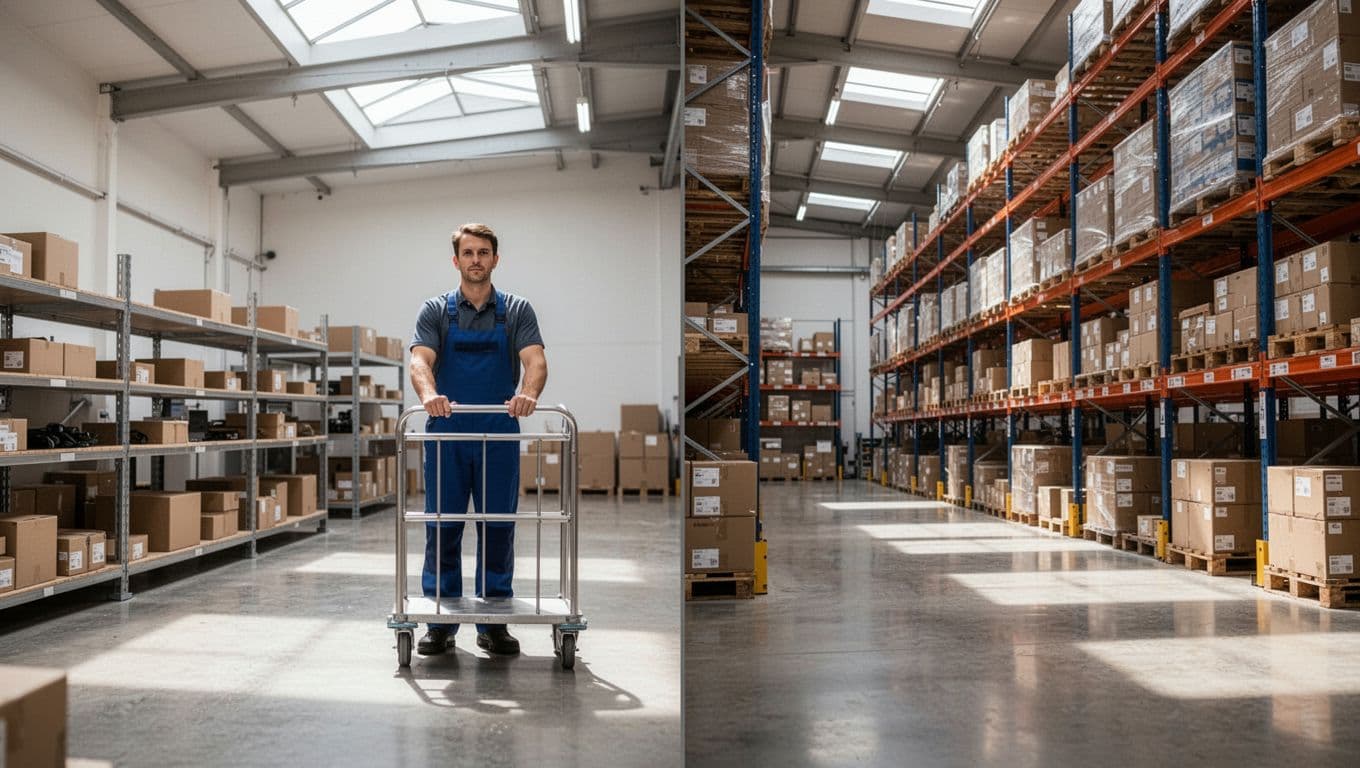
That efficiency is practical, not just financial. You avoid idle staff in slow periods, rushed hiring in peak months, and shelves sitting half-empty for much of the year. If your sales cycle runs hot and cold, 3PL seasonal inventory help gives you a more balanced way to operate.
Better systems and inventory accuracy help you make smarter decisions
A strong fulfillment partner gives you more than warehouse space. It gives you better visibility, cleaner data, and tools that make daily decisions easier. When inventory management systems, order tracking, reporting dashboards, and e-commerce integrations work together, you spend less time guessing and more time acting on facts.
That matters because growth gets messy fast when stock counts drift or orders need manual fixes. Better systems help you see what is selling, what is running low, where errors start, and how your operation is really performing.
Live inventory data helps prevent stockouts and overselling
Live inventory data gives you a current view of what is available, allocated, in transit, or returned. Without that view, your store can keep selling items that are already gone, or your team can hold back reorders until it is too late. Both problems hurt revenue, and both damage trust.
Customers notice when stock data is wrong. A canceled order or delayed shipment tells them your business is not in control. On the other hand, accurate inventory counts support more honest delivery promises, cleaner order flow, and fewer unpleasant surprises after checkout. Recent 2026 market data puts average 3PL inventory accuracy around 99.6%, which shows how much strong systems can improve day-to-day control.
Good visibility also helps you plan ahead. When counts update in real time across your store, marketplaces, and warehouse, you can reorder at the right point instead of relying on outdated spreadsheets. That means fewer stockouts on fast sellers and less cash tied up in products that do not need another purchase order yet.
If you want a closer look at how clean data supports order quality, MSL shares more on boosting fulfillment accuracy through inventory data.
Automation and barcode systems improve pick and pack accuracy
Manual fulfillment leaves too much room for simple mistakes. A wrong shelf location, a skipped check, or a rushed pack-out can send the wrong item to the wrong customer. That is why stronger fulfillment operations use warehouse management systems, barcode scans, and standard work steps to keep orders consistent.
When a picker scans an item and the system confirms it, guesswork drops. The same goes for packing. Standard pack rules, scan checks, and order verification steps help the team catch errors before the box is sealed. As a result, your customers get the right product more often, and your team spends less time fixing avoidable problems.
This kind of setup supports quality in practical ways:
- Orders move through the same verified process every time.
- Barcode scans reduce wrong picks and missed items.
- Standard workflows make training easier for new staff.
- System checks improve consistency during busy periods.
Many fulfillment services also connect these tools directly to Shopify, Amazon, ERPs, and other sales channels. That link cuts manual entry and lowers the chance of address errors, duplicate orders, or missed updates. MSL’s page on advanced warehouse management systems shows how scan-based tools and connected systems improve control on the floor.
Clear reporting gives you a stronger view of costs and performance
Good reporting turns fulfillment from a black box into something you can manage. Instead of waiting for problems to show up in customer emails, you can see trends early through dashboards and scheduled reports. That includes order volume, shipping activity, inventory movement, service levels, and exception rates.
With that level of reporting, better decisions come faster. You can spot which SKUs move quickly, which carriers cost more by zone, and where delays start to build. You can also track how often items are backordered, how long orders sit before shipping, and whether inventory is turning at a healthy pace. Those details help you plan labor, purchasing, pricing, and promotions with more confidence.

A useful dashboard often helps you answer questions like these:
- Which products are moving faster than forecast?
- Where are shipping costs climbing?
- How often are orders shipping on time?
- Which inventory items are sitting too long?
- Are returns or adjustments pointing to a quality problem?
Recent 2026 market reporting also shows that 90% of shippers choose 3PLs for technology and visibility, especially around live order and inventory data. That makes sense. When you can see the numbers clearly, you can fix issues sooner, reorder with better timing, and protect margin instead of reacting after the fact.
Specialized fulfillment support can strengthen your brand and operations
A good fulfillment partner does more than move boxes out the door. It can also help you package products in smarter ways, meet retailer rules, and keep your channels connected. That extra support matters when you want a better customer experience without adding more work for your team.
As e-commerce and B2B sales keep growing in 2026, brands need fulfillment that supports merchandising, compliance, and daily operations at the same time. When one partner can handle packaging, assembly, labeling, and shipping, you get fewer handoffs and more control.
Kitting and custom packing can create a better unboxing experience
Kitting adds value before the order even ships. Instead of sending separate items loose in a box, a fulfillment partner can bundle them into a ready-to-sell set, a gift pack, a subscription box, or a promotional bundle. That makes the order feel more complete, and it often raises average order value at the same time.
Custom packing builds on that. Branded tissue, inserts, product cards, samples, and right-sized packaging turn a basic delivery into a better brand moment. For many shoppers, the box on the doorstep is the first physical touchpoint with your business, so presentation counts.
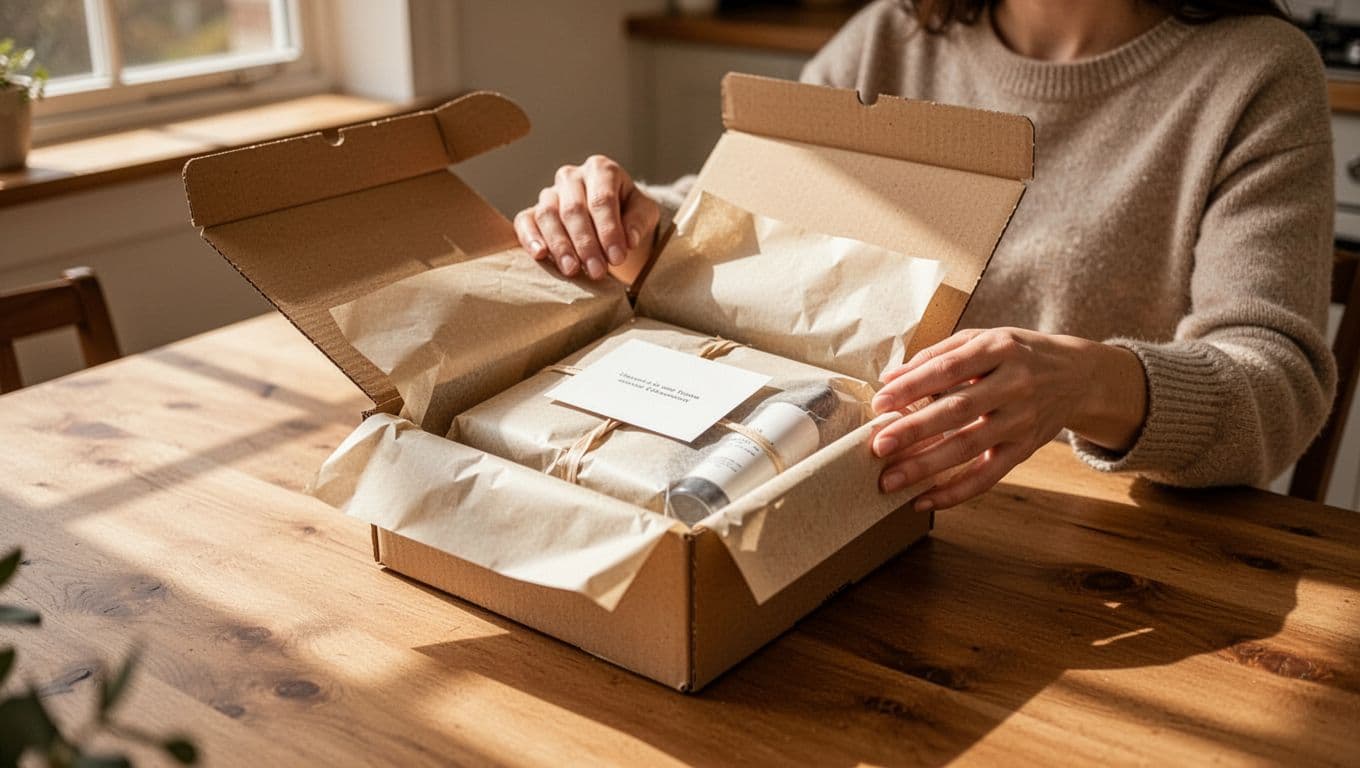
This is where the right partner can help in practical ways:
- Bundling related products into kits that are easier to sell and easier to ship
- Adding promo inserts, coupons, samples, or care instructions to support repeat orders
- Using branded packaging that feels consistent with your store, ads, and product pages
- Building seasonal sets or limited-run promos without slowing down daily fulfillment
For example, a skincare brand might combine cleanser, serum, and moisturizer into one kit with a usage card and a bounce-back offer. A food brand might ship a themed sampler pack for a holiday push. In both cases, the package does more than protect the product. It supports marketing and makes the order feel intentional.
That is why many brands look for professional kitting services or broader custom packaging solutions for growing brands as they scale. When kitting and packing happen inside the fulfillment workflow, you spend less time coordinating vendors and more time selling offers customers actually want.
The unboxing experience is not fluff. It is part of how customers judge quality, care, and brand trust.
Retail ready and multi channel fulfillment keeps sales options open
Selling through more than one channel sounds great, until each channel wants something different. Direct-to-consumer orders need fast pick, pack, and parcel shipping. Wholesale and retail orders often need case packs, pallet prep, barcode labels, routing compliance, and exact packing rules. If your fulfillment setup only handles one side well, growth gets harder.
A specialized partner helps you support both. The same inventory can feed your website, marketplaces, subscription programs, and retail accounts when the process is set up correctly. That gives you room to expand without building a new workflow every time you add a channel.
For multi-channel brands, the real benefit is flexibility. You can run a DTC promo pack online, ship a retailer display to stores, and fulfill bulk B2B reorders from the same operation. That matters because shoppers now use several touchpoints before buying, and many brands sell across two or more channels.
Retail-ready work often includes more than shipping cartons. It may involve:
- Display assembly for store floors or endcaps
- Over-labeling and barcode application
- Repackaging into retailer-approved formats
- Building club packs, multi-packs, or promo bundles
- Preparing orders to meet retailer routing and packing standards
When these tasks are handled by a partner with both packaging and fulfillment experience, your team avoids a lot of last-minute fixes. You are less likely to scramble over missing labels, wrong pack counts, or a display build that was never fully planned. If your business is selling online and through stores, integrated packaging and fulfillment solutions can make those handoffs much cleaner.
There is also a revenue angle here. A brand that can support DTC, B2B, and retail orders from one operation can test more offers, enter more channels, and respond faster when demand shifts. In other words, fulfillment becomes a growth tool, not just a cost center.
Transportation and logistics support can simplify the bigger picture
Fulfillment does not start at the packing table. It starts when goods move in, get checked, and land where they should. A partner with transportation and logistics support can help coordinate inbound freight, schedule receipts, manage outbound shipping, and reduce the friction between packaging, warehousing, and delivery.
That matters because disconnected logistics create small problems that spread fast. Late inbound loads can delay kitting runs. Missed carrier pickups can push orders back a day. Poor coordination between freight and fulfillment can leave inventory sitting in the wrong place at the wrong time. When one partner can connect those pieces, your operation gets easier to manage.
The biggest gains usually show up in three areas:
- Inbound freight coordination, so inventory arrives on time and is received in a planned way
- Outbound shipping support, so parcel, LTL, or retail shipments move through the right carrier flow
- Connected communication, so your packaging, fulfillment, and shipping teams are working from the same playbook
This becomes even more useful when you run promotional packs, retailer programs, or high-SKU product lines. A bundle may need components from several suppliers. A retail order may need a strict delivery window. A direct-to-consumer launch may depend on inventory arriving and getting packed fast. With connected logistics support, those moving parts are easier to track and far less likely to create fire drills.
Some brands also use promotional kits and assembly support alongside freight coordination to keep launches on schedule. That kind of setup reduces headaches because the upstream and downstream work is tied together. You are not chasing updates from one vendor while another waits for inventory to show up.
When transportation, packaging, and fulfillment work together, the whole supply chain feels less fragile. That saves time, cuts confusion, and gives your team a clearer path from inbound product to delivered order.
How to tell if your business is ready for an order fulfillment service
At first, handling fulfillment in-house can feel efficient. You know your products, your team is close by, and every order stays under your roof. Then growth changes the math. Packing boxes starts taking over your day, small mistakes get expensive, and shipping becomes a daily fire to put out.
That is usually the point when outsourcing starts to make sense. If your operation is stretching your time, space, and staff, the issue is not just workload. It is lost capacity for sales, service, and growth.
Warning signs that in house fulfillment is holding you back
The clearest sign is simple: orders are growing, but your process is not keeping up. What worked when you shipped a few dozen orders a week often breaks when volume rises, channels expand, or customers expect faster delivery.
Missed ship dates are one of the first red flags. When orders sit too long, customers notice fast. Late shipping leads to support emails, poor reviews, and canceled orders. In 2026, fast delivery is a basic expectation for many buyers, so even short delays can hurt trust.
Frequent errors are another warning sign. Wrong items, missing pieces, and bad labels do more than create hassle. They eat margin through reships, refunds, and extra labor. If your team is fixing the same mistakes every week, your fulfillment process is already costing more than it should.
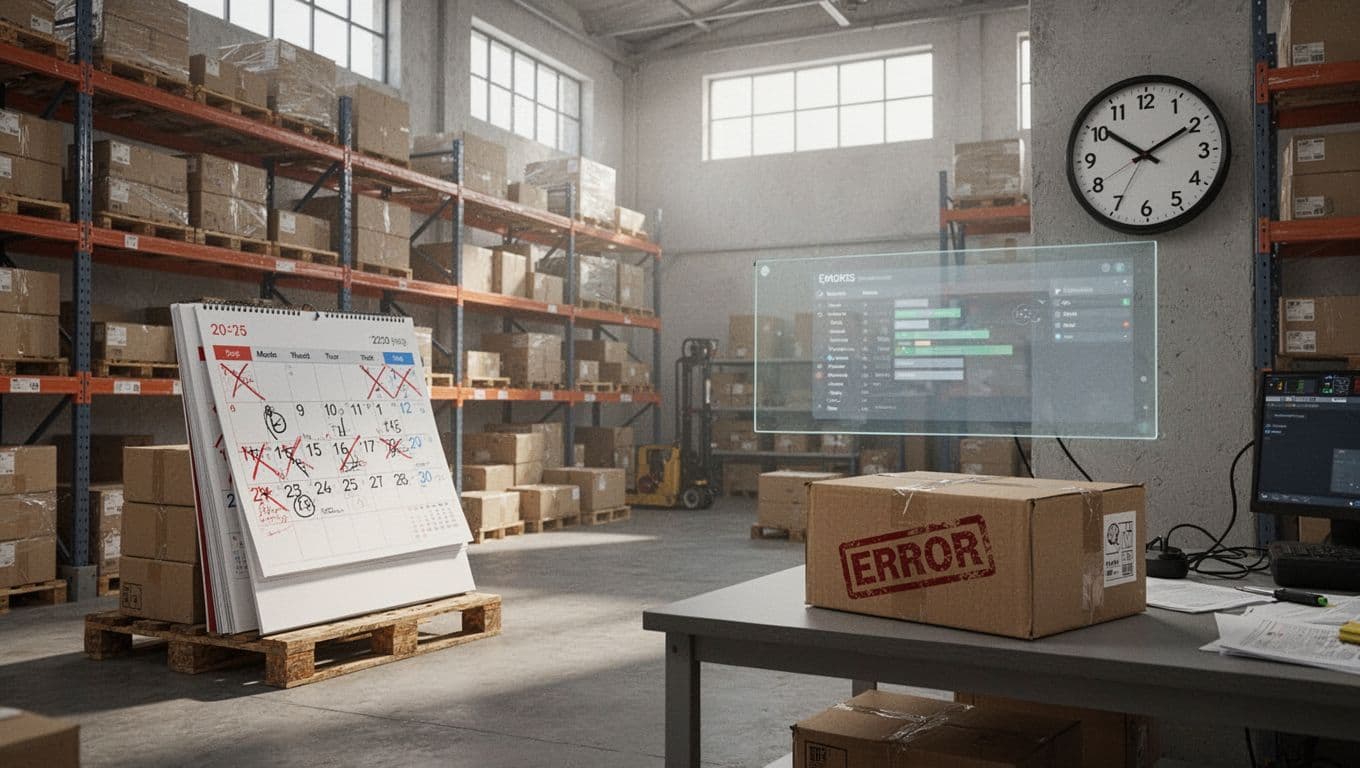
Space pressure is another common tipping point. Shelves get packed too tight, cartons start filling walkways, and receiving new inventory becomes a puzzle. Once storage turns messy, picking slows down and count errors rise. If your stock is taking over your office, back room, or production area, you are probably past the point of “making it work.”
Labor strain usually follows. Your team stays late to catch up, owners jump in to pack orders, and vacations become hard to cover. That may feel manageable for a short burst, but it is not a strong long-term system. When shipping depends on overtime and heroics, growth becomes harder to sustain.
Poor inventory visibility also causes trouble. If you do not trust your stock counts, everything else gets shaky. You risk overselling, delayed reorders, and customer frustration. Many growing brands reach this stage before they realize they need stronger systems, better warehouse support, or outsourcing warehousing to a 3PL.
A business is often ready to outsource when several of these problems show up at once, such as:
- Orders are rising, but ship times are slipping.
- Inventory counts are often off.
- Storage space is tight or disorganized.
- Staff is stretched thin during normal weeks, not just peak season.
- The owner spends too much time on boxes, labels, and carrier issues.
If fulfillment keeps stealing time from sales, product work, and customer service, it is no longer a side task. It is a growth constraint.
Questions to ask before choosing a fulfillment partner
Once the warning signs are clear, the next step is choosing carefully. A good fulfillment partner should remove pressure, not add confusion. That means looking past the sales pitch and focusing on fit.
Start with pricing clarity. You need to know what you are paying for, including receiving, storage, pick fees, packaging, returns, and any account minimums. If the quote feels vague, expect surprises later. Clear pricing makes it easier to compare options and protect margin.
Service levels matter just as much. Ask how quickly orders ship, what cutoff times apply, and how the provider handles spikes in demand. If fast turnaround is part of your customer promise, your partner needs to support it consistently.
Technology is another practical filter. You should be able to see inventory, order status, and tracking without chasing updates by email. Strong integrations and reporting reduce guesswork, especially if you sell on more than one channel. If you want a plain-English view of the basics, this guide on when to switch to a 3PL partner is a helpful next read.
It also helps to ask about returns, packaging, and product experience. Some businesses need simple pick and pack. Others need kitting, retail-ready prep, branded inserts, or special handling. A provider that understands your product type will make onboarding easier and execution more consistent.
Keep your short list focused on questions like these:
- Are the fees easy to understand, and are there extra charges?
- What ship-time standards do they commit to?
- Does their system connect with your store or order channels?
- How do they handle returns and restocking?
- Can they support your packaging rules or special pack-outs?
- Have they worked with products like yours before?
The decision often comes down to one practical point: is your business losing time and money by keeping fulfillment in-house? If order volume is climbing, late shipments are becoming normal, stock counts are unreliable, space is tight, and your team is overloaded, the answer is probably yes. At that stage, outsourcing is not about giving up control. It is about getting your time back and building a setup that can actually support growth.
Conclusion
An order fulfillment service can take real pressure off your team while giving you better cost control, faster shipping, stronger accuracy, and a smoother customer experience. As a result, your business spends less time fighting daily logistics and more time building with confidence.
That shift matters because growth gets easier when orders move out on time, inventory stays accurate, and customers trust the delivery promise. If you want a closer look at how these gains add up, MSL’s guide to order fulfillment benefits expands on the value of outsourcing.
Outsourcing fulfillment is a practical business decision that supports a more reliable, efficient, and growth-ready operation. When fulfillment works well, it stops being a bottleneck and starts becoming a strategic advantage.
