
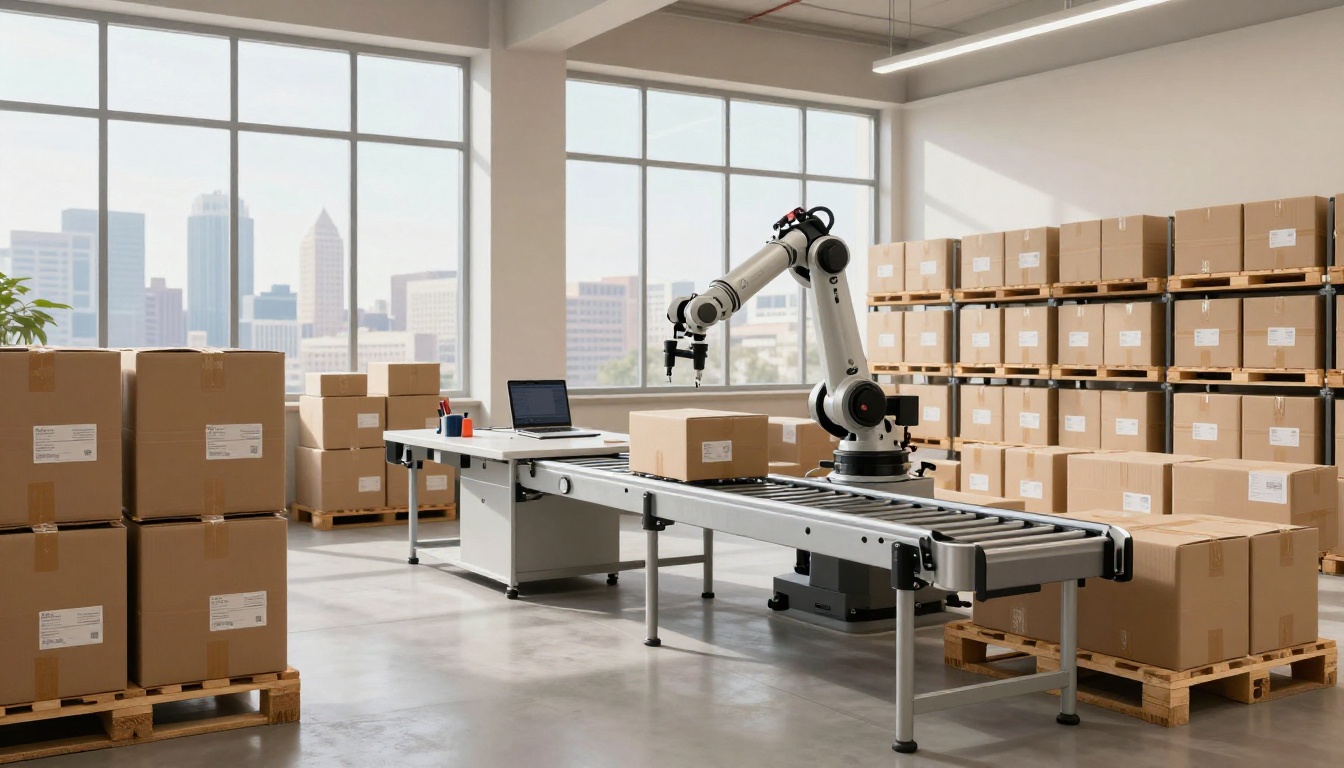
Copacking Services That Keep Packaging and Fulfillment Moving
When your products are ready, packaging can still slow everything down. Limited space, tight labor, and shifting order volume can make it hard to label, assemble, and ship with confidence.
That’s where copacking services help. They give you a practical way to package products, add labels, build kits, and prepare orders for sale or shipment without tying up your own team. For brands that need a better handle on packaging and fulfillment, the right partner can cut delays, reduce errors, and keep inventory moving.
MSL COPACK + ECOMM is an Indianapolis-based partner built for that work. Its contract packaging services support businesses that want more control over accuracy, timing, and supply chain flow, while its broader packaging and fulfillment support helps brands keep pace as demand changes.
If you’re trying to scale without adding more strain to your operation, the next step is finding a partner that can handle the details cleanly and consistently.
What copacking really means for growing brands
Copacking is a practical way to hand off packaging work without building your own production setup. A copacker acts like an outside operations team, handling the parts of production that slow brands down when orders grow or product lines expand.
That matters because in-house packaging comes with fixed costs, staffing pressure, and space limits. With the right partner, you can keep products moving while your team stays focused on sales, product work, and customer support. For many brands, that shift is the difference between chasing volume and keeping up with it. If you want a deeper breakdown of the model, this guide to copacking services explains how the work fits together.
The main jobs a copacker can handle
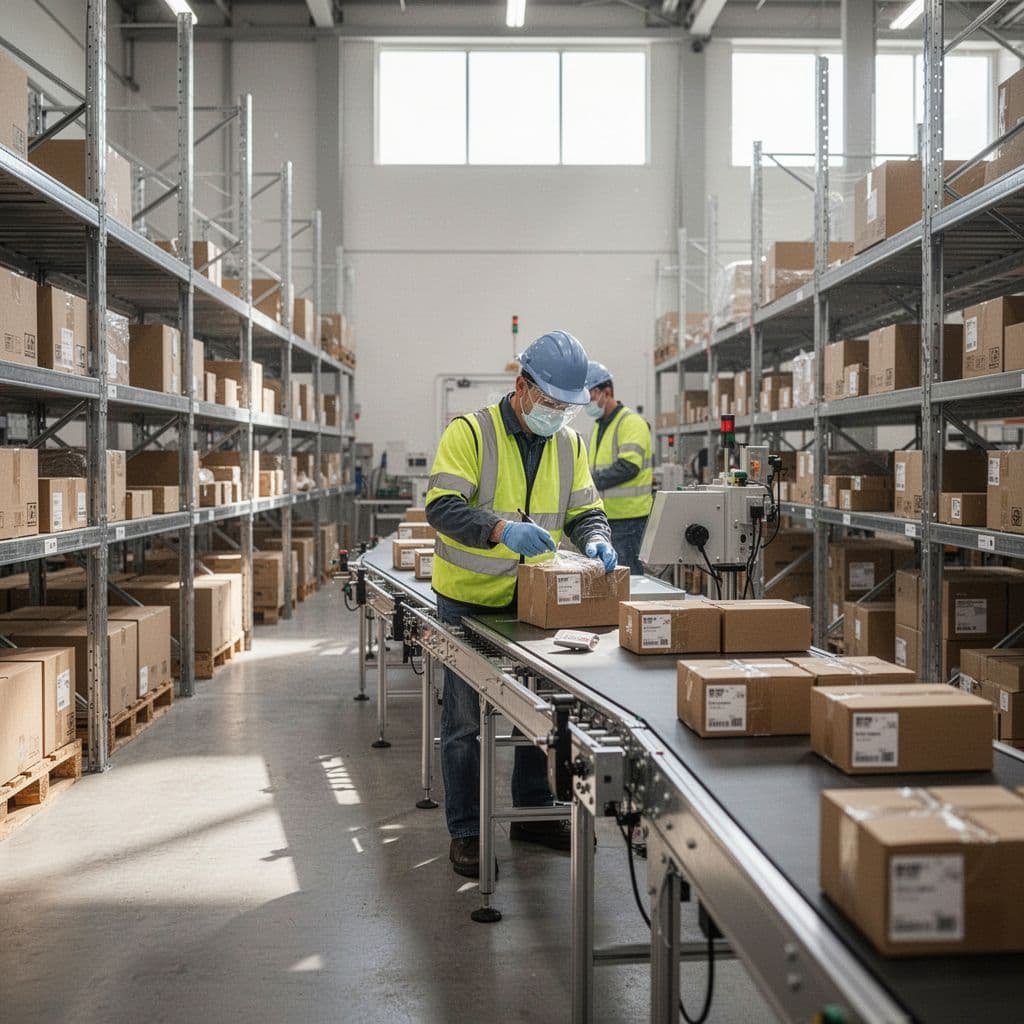
Copackers can take on a wide range of tasks, and the scope depends on the provider. Some handle only packaging, while others support more of the process, including assembly and prep for shipment.
Common services include:
- Filling products into bottles, pouches, cartons, or other containers
- Sealing packages so they stay secure and ready for sale
- Labeling items with the right product and compliance information
- Shrink wrapping bundles or cases for protection and presentation
- Kitting multiple items into one sale-ready package
- Assembly for products that need parts put together before packing
- Case packing to group finished goods for storage or shipping
A simple example helps. A snack brand may need bags filled, sealed, labeled, and packed into cases. A subscription brand may need several products kitted into one box. Either way, the copacker handles the repetitive work with speed and consistency.
Why outsourcing packaging can make operations easier
Outsourcing packaging cuts the load on your own team. You avoid hiring extra labor, buying equipment, and managing more floor space than you need. That keeps overhead lower and gives you a cleaner way to scale.
It also shortens the path from finished product to shipped order. When packaging gets done outside your building, your team can spend more time on what drives growth, such as sales, product development, and customer service.
For brands trying to grow without adding another production layer, copacking brings breathing room. It keeps the back end moving so the front end can grow.
How MSL COPACK + ECOMM supports packaging and fulfillment together
When packaging and fulfillment happen in separate places, small gaps create big delays. Labels get missed, counts drift, and pallets sit waiting for the next handoff. MSL COPACK + ECOMM connects those steps under one roof, so products can move more cleanly from packed goods to outbound shipping.
Contract packaging built for accuracy and consistency
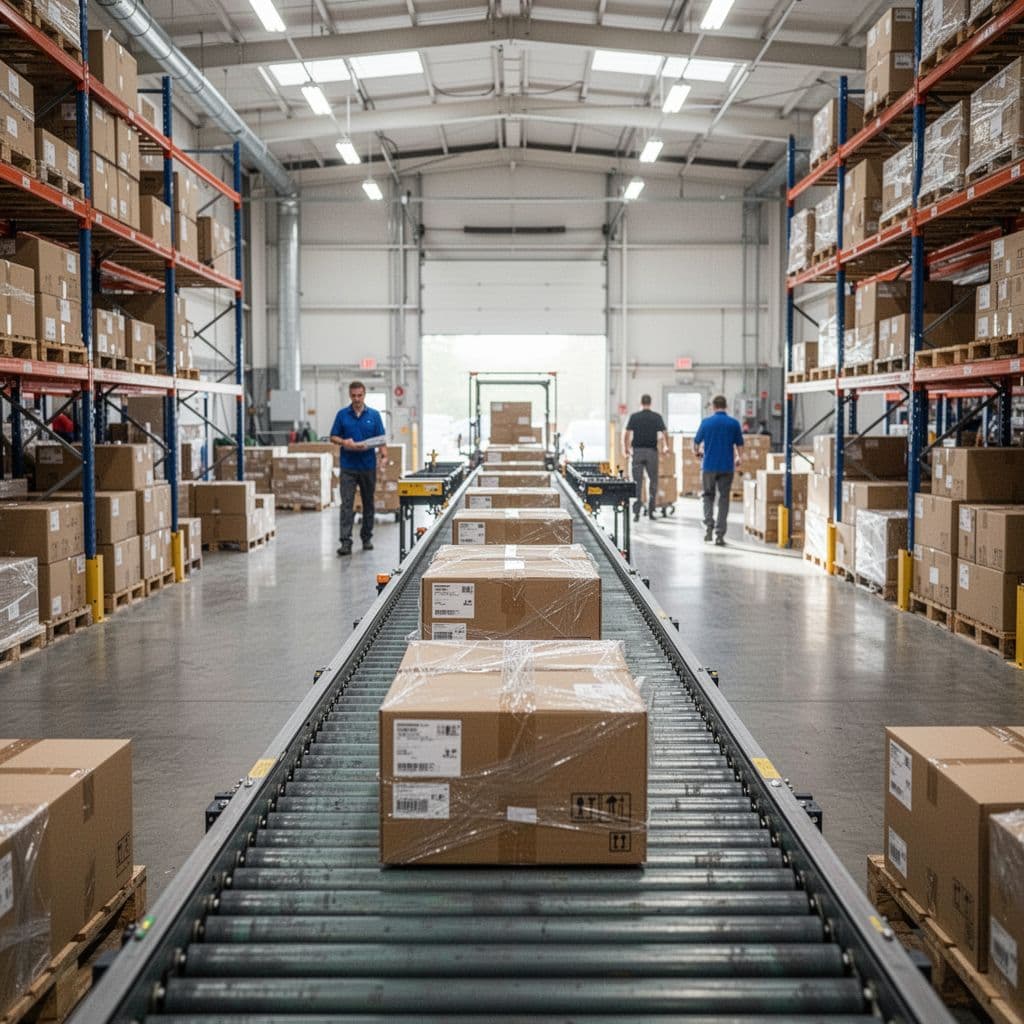
Strong packaging work depends on repeatable execution. A good partner follows the product spec, uses the right materials, and checks the details that keep each run on target.
That matters for labels, counts, kits, and final presentation. If one batch looks different from the next, customers notice and retailers do too. With consistent contract packaging, your products stay protected, your instructions are followed, and your finished goods look ready for market every time.
This kind of control also helps when packaging jobs change often. New SKUs, seasonal packs, and promo kits all need the same care. When the team knows the process and the standards, you get fewer reworks and fewer surprises.
Ecommerce fulfillment that keeps orders moving
Packaging and ecommerce fulfillment services work well together when online orders need both speed and accuracy. The same partner can package products, pick orders, pack shipments, and prepare them for carrier pickup without passing work between separate vendors.
That setup helps you keep control of inventory and packaging standards at the same time. Orders move faster because the items are already in the right place, and the team handling fulfillment already knows how the product should look when it ships.
For brands that sell direct online, this also supports cleaner pick-and-pack, better order accuracy, and faster turnaround during busy periods.
Warehousing and inventory visibility that help planning
Storage and tracking make the whole process easier to manage. When inventory is visible, you can plan replenishment sooner, avoid stockouts, and reduce delays before they reach the customer.
A connected setup also helps with distribution and fulfillment services, because receiving, storage, packaging, and shipping all feed the same flow of information. That makes it easier to see what’s on hand, what’s moving, and what needs attention next.
When packaging and fulfillment share the same system, you spend less time fixing handoff problems and more time keeping orders on schedule.
For brands with changing demand, that kind of visibility is the difference between reacting late and staying ahead.
Where copacking services create the most value
Copacking services matter most when the work gets repetitive, time-sensitive, or messy to manage in-house. That usually happens when a brand is launching something new, building special packs, or trying to keep up with demand that moves faster than its internal team can handle.
The real value shows up in places where packaging work can slow sales, delay shipments, or pull staff away from other priorities. If your operation needs more speed without adding permanent overhead, copacking can fill that gap cleanly.
New product launches and test runs
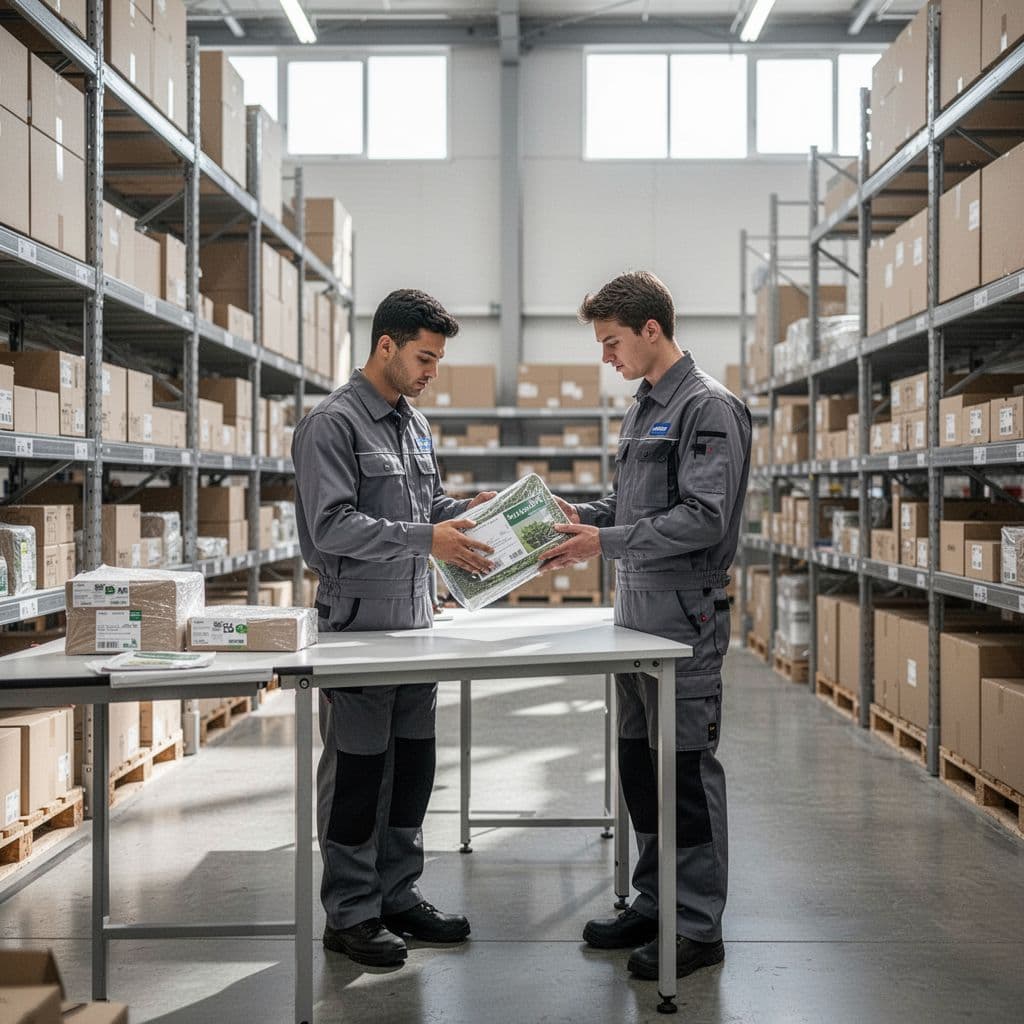
Launching a new item often means you need packaging support before you know if the product will take off. Copacking lets you move without a major upfront investment in labor, equipment, or floor space. That makes it easier to get products into market, then adjust based on what buyers actually want.
It also gives you room to test packaging in the real world. Maybe the label needs a clearer callout, the format needs to change, or the pack size needs adjusting. A small run through a contract packaging partner gives you useful feedback before you scale.
Small test runs can save a lot of wasted spend later.
Kitting, multi-pack offers, and special promotions
Bundled offers often need more than simple packing. They need assembly, count accuracy, and a finished look that feels retail-ready. That is where copacking works well for gift sets, promo packs, subscription boxes, and display-ready kits.
These jobs depend on repeatable work. One missed piece can throw off the whole order, so speed has to match accuracy. A solid team can build the same pack the same way, every time, which matters when you are shipping volume or running a time-limited promotion.
Busy seasons and demand swings
Holiday spikes, retail resets, and sudden growth can strain even a well-run operation. Copacking helps you add capacity without overbuilding your own staff or equipment plan.
That flexibility can keep bottlenecks from piling up. As a result, orders keep moving, service levels stay steadier, and your team spends less time reacting to shortages or backlogs.
How different industries use copacking to stay competitive
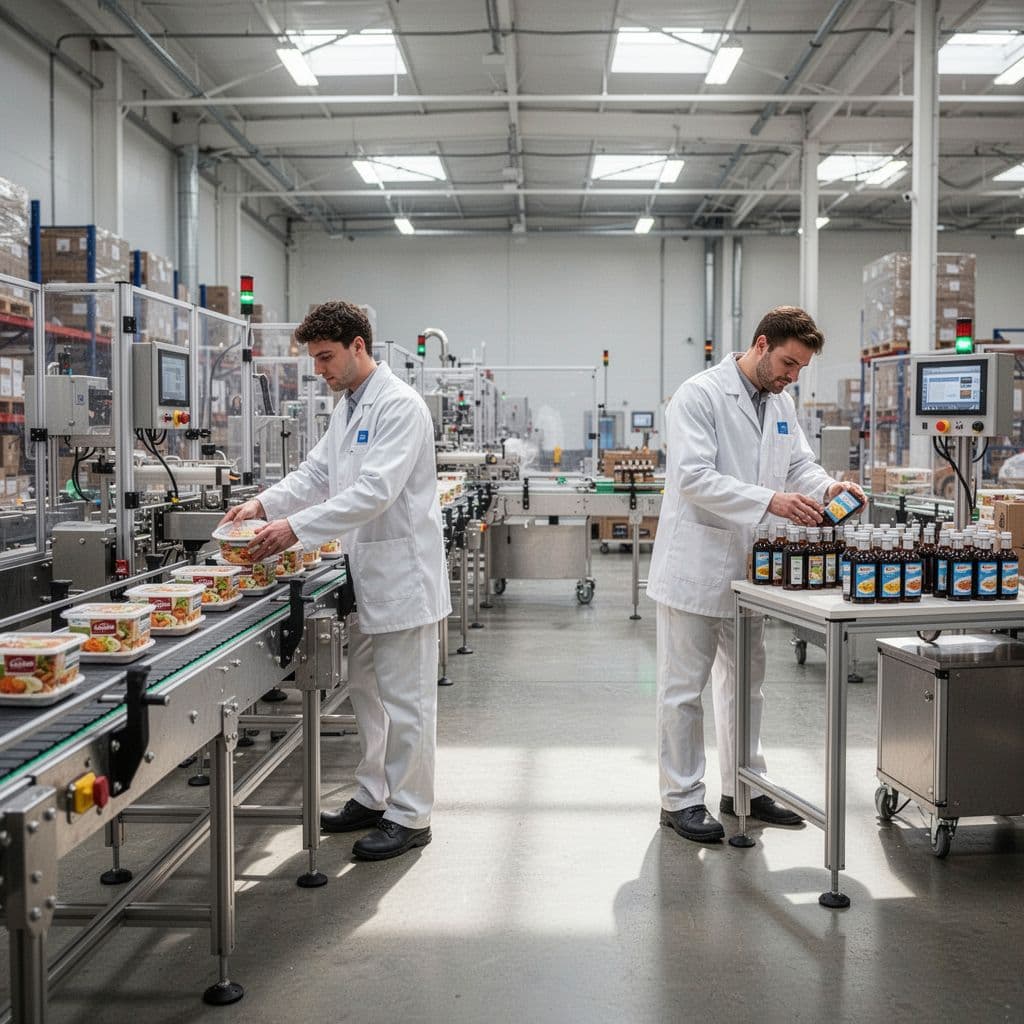
Copacking works because it adapts to the product, the channel, and the pace of the business. A food brand needs retail-ready cases and clean labeling. A beauty brand may need sample packs and careful handling. A publisher or consumer goods company may need assembly, inserts, and distribution support. The packaging job changes, but the goal stays the same, keep products moving without losing control of quality or timing.
Food and beverage brands
Food brands often need packaging that looks good on a shelf and holds up in transit. That means consistent labeling, clean case packing, and batch-to-batch accuracy. When a product hits retail, there is little room for sloppy presentation.
Copacking helps these brands keep runs consistent and ready for store placement. It also supports seasonal items, promo packs, and multiple package sizes without tying up internal staff. For brands that want a broader view of industry-specific packaging services, this is where the fit becomes clear.
Health, beauty, and personal care products
In this category, presentation matters just as much as protection. Bottles, jars, tubes, and cartons need to arrive clean, aligned, and ready for retail or ecommerce. Even small packaging flaws can make a product feel off.
Copacking also works well for kits and sample packs. That flexibility helps beauty and personal care brands test new offers, build subscription bundles, and handle different retail formats without reworking the whole operation.
Publishing and consumer goods
Books, inserts, boxed sets, and general consumer products often need hand assembly services before they ship. A copacking partner can add inserts, build multi-item kits, sleeve items, and prepare finished goods for distribution.
That support matters when products have many SKUs or frequent package changes. It keeps the process organized, which helps brands react faster when demand shifts.
What to look for in the right copacking partner
The right copacking partner should fit your product, your pace, and your growth plan. That means looking past a polished sales pitch and checking how well the team handles real work, real deadlines, and real volume changes.
You want a partner who understands your format, communicates clearly, and keeps quality under control. If your business depends on packaging and fulfillment staying in step, the wrong fit shows up fast in missed dates, messy inventory, and avoidable rework.

Questions to ask before you start
Start with the basics, then get more specific. A good partner should answer these questions without hesitation:
- What are your minimum order volumes?
- How do you handle lead times during normal weeks and peak periods?
- What equipment do you use, and does it match our product type?
- Which packaging formats can you support, such as cartons, pouches, bottles, kits, or display packs?
- How do you track inventory, lot codes, and finished goods?
- What does your shipping coordination process look like?
- Can you handle rework or special pack changes if our needs shift?
These questions help you spot gaps before they become problems. If a partner cannot explain its process in plain language, that is a warning sign. You need a team that can keep pace while still protecting accuracy, especially if your product line changes often.
For a deeper checklist, this guide to evaluating a contract packaging partner is a useful place to compare capabilities side by side.
Why location and logistics matter
Location affects more than mileage. It affects timing, freight planning, and how easily your products move between packaging, storage, and outbound shipping.
Being based in Indianapolis gives a copacking partner strong reach into major Midwest and national distribution lanes. That can help shorten transit times, simplify carrier planning, and support a steadier supply chain flow.
For brands that ship to retail accounts, ecommerce customers, or both, that central access matters. It gives you more flexibility when demand shifts and makes it easier to keep orders moving without building extra transport complexity into the process.
Conclusion
Copacking services give brands a practical way to save time, cut complexity, and keep production moving with more control. When packaging, fulfillment, and inventory work together, your team can stay focused on growth instead of getting buried in handoffs and extra labor.
That is where MSL COPACK + ECOMM fits well. Its benefits of contract packaging outsourcing connect packaging support with fulfillment and supply chain needs, which makes it easier to stay accurate, flexible, and on schedule.
If your operation needs a partner for packaging, fulfillment, and supply chain support, MSL COPACK + ECOMM is worth a closer look.
