

Best 3PLs for Omnichannel Fulfillment: What to Compare
Omnichannel fulfillment gets messy fast when one partner has to handle store orders, ecommerce orders, B2B shipments, and returns without missing a beat. If your brand is adding channels or replacing a provider, the wrong 3PL can slow shipping, create inventory errors, and frustrate customers.
The best fit is usually more than the lowest quote. You need a partner that can keep counts accurate, react when demand shifts, and support the way you sell now, not the way you sold two years ago. That matters for speed, cost control, and the customer experience your buyers expect at every touchpoint.
This guide breaks down the best 3PLs for Omnichannel Fulfillment by the features that matter most, including order accuracy, return handling, reporting, and flexibility across channels. It also helps you compare providers on service depth, not just price, so you can spot the difference between a basic shipper and a real operations partner.
If you want a closer look at what a strong fulfillment partner should cover, distribution and fulfillment services are a good place to start.
What omnichannel fulfillment really means for growing brands
Omnichannel fulfillment is one connected operation that supports every place a brand sells. That includes ecommerce sites, marketplaces, wholesale accounts, retail stores, and direct-to-consumer orders. The point is simple, one inventory pool, one order flow, and one set of rules that keeps every channel moving without conflict.
For growing brands, this matters because customers now expect more than shipping speed. They want accurate stock counts, clear order updates, and easy returns, whether they buy on a website or in a store. A strong end-to-end fulfillment services guide helps make that happen by tying storage, picking, packing, shipping, and returns into one process.
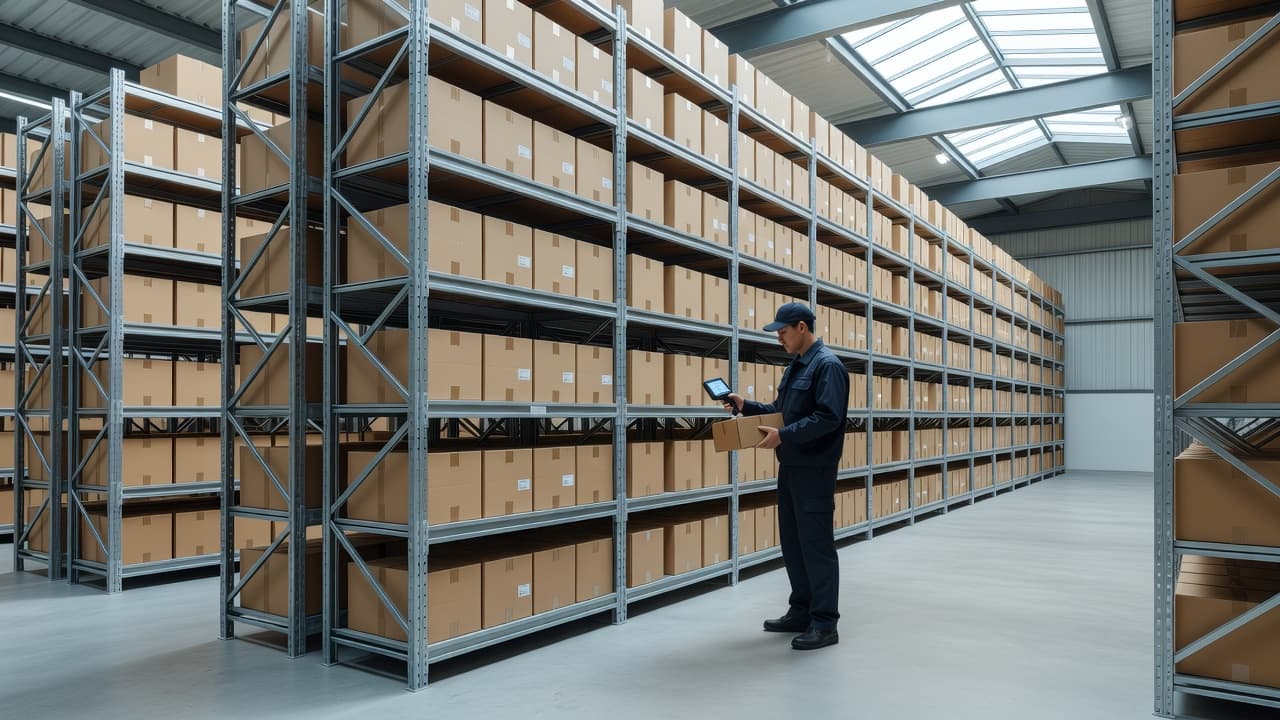
That shared setup also gives brands better control behind the scenes. Instead of running separate systems for each channel, teams can see what is on hand, what is committed, and what needs to move next. The result is fewer surprises, fewer stock gaps, and fewer awkward customer conversations.
How one inventory view reduces overselling and stockouts
A single inventory view keeps sales channels aligned. When an online order comes in, the system subtracts that unit right away. When a retail store needs replenishment, the same pool shows what can ship without putting ecommerce orders at risk. During peak season, that shared visibility helps brands shift stock where demand is strongest instead of guessing.
Real-time tracking matters here. So do cycle counts and clean reporting. Regular counts catch errors early, while reports show patterns in shortages, slow-moving items, and receiving mistakes. That gives brands better data for buying, replenishment, and promo planning.
Poor accuracy gets expensive fast. Overselling leads to canceled orders and frustrated buyers. Stockouts mean lost sales. In both cases, the brand pays twice, once in margin and again in trust.
When inventory data is off, every channel feels it. The customer sees the delay first, then the brand pays for the fix.
Why speed and order accuracy matter more across channels
Different channels have different expectations, but they all punish mistakes. DTC orders need fast pick, pack, ship performance. Wholesale orders need clean counts, correct assortments, and on-time delivery windows. Retail replenishment needs exact case packs, labeling, and compliance with store rules.
Small errors create outsized problems. One wrong item can trigger a return, damage a review, or cause a retailer chargeback. A missed insert or weak pack-out standard can do the same. That is why scan checks, packing rules, and quality control matter at every step.
Good 3PLs build consistency into the process. They verify items during picking, confirm the right carton or display before packing, and use final checks before shipment leaves the dock. For brands with multiple sales channels, that kind of control keeps the customer experience steady, even when the order types are very different.
If you want a partner that supports online, store, and wholesale demand together, ecommerce fulfillment services can be a useful benchmark for what to compare.
What the best 3PLs for omnichannel fulfillment should actually do well
A good 3PL does more than move cartons off a dock. It should handle mixed order types, protect product quality, and adapt when one customer wants a single unit while another wants a retail-ready pallet or a prebuilt display. That matters even more for brands in retail, food and beverage, health and beauty, and consumer goods, where the work often includes packaging, assembly, and store compliance, not just storage and shipping.
The best partners make those jobs easier, faster, and more consistent. They also give you fewer handoffs, fewer errors, and fewer surprises when volume changes.
Order routing, kitting, and retail-ready packaging
A strong omnichannel 3PL should be able to route orders based on the channel, the destination, and the pack-out rules you set. A DTC order may need one set of inserts and a clean box presentation. A wholesale order may need case packs and pallet standards. A retail order may need special labeling, inner packs, or store-specific prep.
That flexibility matters when you sell different formats at once. If a provider can kit promotional bundles, multi-SKU packs, and prebuilt retail sets, your team spends less time fixing orders after the fact. It also reduces extra touches in the warehouse, which can cut handling time and lower the chance of damage.
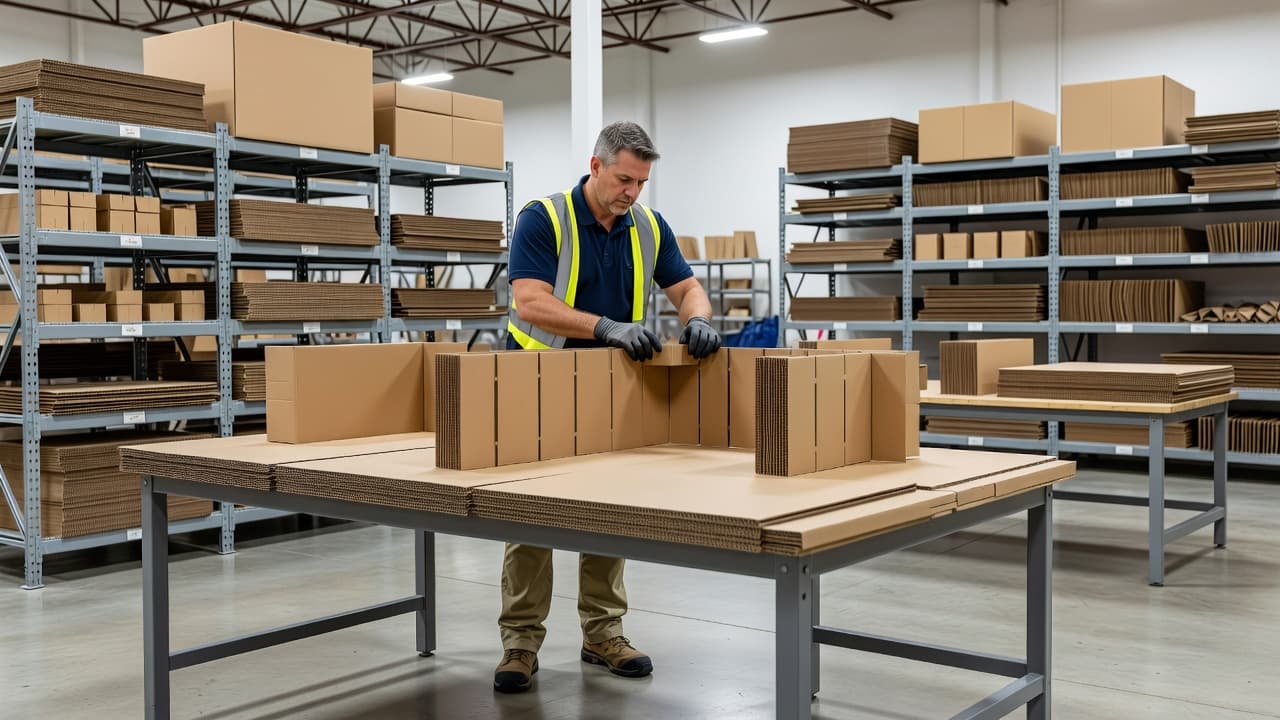
Look for support with formats like these:
- Club store packs, where product quantity and carton style need to match retailer rules
- Promotional bundles, where multiple items ship together as one sellable unit
- POS and POP displays, which need careful assembly and clean presentation
- Prebuilt retail sets, which save time on the store side and help products land shelf-ready
Retail packaging support is easy to overlook, but it can make a big difference. Better packing often means less rework in the warehouse and a cleaner look on the shelf or display. That helps your product arrive ready for the buyer, not just ready for the dock.
Returns handling and product inspection that protect margin
Returns can drain margin fast if the process is loose. A strong 3PL should give you clear return labels, simple intake steps, and a set way to inspect every item that comes back. Without that structure, you end up with disputes, inconsistent refunds, and inventory that no one trusts.
The best providers check condition at receipt, grade the item, and follow rules for restock, quarantine, refurbish, or discard. That keeps damaged goods out of sellable stock and helps your team make quick decisions on what can go back into inventory.
Clear return rules also help the customer. When people know what to expect, they are less likely to open a ticket or challenge the outcome. Consistent inspections protect the brand, protect the inventory, and reduce the back-and-forth that slows service teams down.
Returns work best when the same item gets the same treatment every time.
A good 3PL should also document why an item failed inspection. That record helps you spot repeat defects, packaging problems, or carrier damage before the issue spreads.
Technology, reporting, and traceability you can trust
If a provider cannot show you accurate inventory data, the rest gets shaky fast. Brands should ask how inventory is tracked, where scan checks happen, and how exceptions are reported when something does not match. Visibility is the difference between control and guesswork.
Scan verification at pick and pack helps catch wrong items before they ship. Barcode checks help prevent label swaps. Damage tracking should separate inbound damage, warehouse damage, and in-transit damage, so you can see where the problem starts. Some operations also support lot tracking, FIFO, or FEFO, which matters when expiration dates or traceability requirements come into play.
Reporting is just as important as the system itself. Weekly summaries help you catch problems early, while monthly trends show whether fixes are sticking. You want more than a dashboard, you want action when the numbers move in the wrong direction.
A strong partner should also keep audit-ready records and follow up on root causes. If a count is off, ask what changed. If returns spike, ask why. If damage rises, ask where it happens. Those answers tell you whether the 3PL is controlling the operation or just reacting to it.
How to compare 3PL providers without getting stuck on price alone

A low quote can look great on paper, but it can hide the real cost of bad service, weak controls, and surprise fees. When you compare 3PL providers for omnichannel fulfillment, the goal is to compare scope, not just rate cards. Two bids can look similar until one includes receiving, storage, pick fees, packing materials, and returns, while the other bills those items later.
Start by asking each provider for a detailed quote that matches your actual order mix. A fair comparison should reflect DTC orders, wholesale shipments, retail prep, returns, and any special handling you need. If one partner quotes for simple pick and pack but your business needs kitting or display assembly, that quote is not really cheaper. It is just narrower.
Questions that reveal how a 3PL really operates
The best vetting questions sound practical, not polished. You want proof of process, especially when volume spikes or something goes wrong. A good provider should answer clearly and show how the work gets done day after day.
Ask about these areas:
- Peak season handling: “What happens when order volume doubles or triples?”
- Damage control: “How do you log inbound damage, warehouse damage, and in-transit damage?”
- Wrong labels and mispicks: “Where do you scan, at pick, at pack, or both?”
- Missing inserts: “How do you catch orders that leave without the right insert or promo item?”
- Cycle counts: “How often do you count inventory, and what happens when counts do not match?”
- Nonconforming product: “What is your hold process for suspect items, and who approves disposition?”
- Returns: “How do you inspect returns, grade them, and decide what goes back to stock?”
Those questions tell you more than a sales deck ever will. If the answers are vague, the operation is probably vague too.
A strong partner should also show how it tracks root causes. If a label keeps failing, they should be able to explain why. If returns rise after a new pack-out rule, they should spot that pattern fast.
Hidden fees and contract terms to review before signing
Price only matters when you know what it includes. Ask for a quote that breaks out storage, receiving, picking, packing, kitting, pallet handling, freight coordination, and any special labor. If those items are bundled too loosely, you will have a hard time comparing providers side by side.
The contract should also spell out service levels in plain language. That means order cutoffs, turnaround times, inventory accuracy targets, reporting cadence, and how exceptions get handled. If you want a better view of how service and pricing connect, co-packing pricing models can help you spot where quotes often split apart.
Pay close attention to these terms before you sign:
- Storage fees: Are they based on pallet, bin, cube, or another method?
- Receiving fees: Do they charge by pallet, carton, line, or hour?
- Packing fees: Are inserts, void fill, special cartons, or labels extra?
- Change-order rules: What happens when order volume, SKU count, or pack-out rules change?
- Payment terms: When are invoices due, and are there finance charges?
- Volume changes: Does the rate change if your forecast shifts up or down?
A good contract protects both sides. It should define responsibilities, timelines, and what happens when your business grows faster than planned. If the provider cannot explain those terms in plain English, keep looking.
Red flags that signal a weak fulfillment partner
Some warning signs show up early if you know what to watch for. Vague reporting is one of them. If a provider cannot tell you inventory accuracy, damage rates, or order exceptions in a clear way, you will spend too much time chasing answers later.
Slow communication is another problem. When a 3PL takes days to respond during the sales process, that pace usually gets worse after onboarding. You need a partner that can answer questions quickly when shipments are late or counts do not match.
Watch for these red flags:
- No clear return process: Returns should have intake steps, inspection rules, and disposition paths.
- Poor inventory visibility: You should know what is on hand, what is committed, and what is available.
- Weak damage controls: Good teams separate damage types and document why they happened.
- No scan verification: Without scan checks, wrong picks and label swaps are harder to catch.
- Loose reporting: Weekly summaries and monthly trends should be easy to review and act on.
If a provider cannot show how it handles exceptions, you are buying hope, not fulfillment.
The safest choice is usually the one that can prove accuracy, explain costs, and handle real operational pressure. That is what matters when your orders move across channels and every mistake lands on the customer.
Where MSL fits in an omnichannel fulfillment strategy
MSL fits well when a brand needs packaging, assembly, fulfillment, and transportation handled in one connected flow. That matters because omnichannel work breaks down fast when each step lives with a different vendor. More handoffs usually mean more delays, more room for error, and more chances for inventory to drift.
For brands juggling DTC orders, retail launches, and promo packs at the same time, that setup gets even more useful. A team can build the kit, inspect it, pack it, and move it out without sending it across multiple facilities. As a result, the product spends less time waiting between steps and more time moving toward the customer.

### How integrated packaging and fulfillment reduce handoffs
When packaging, assembly, and distribution sit under one roof, the workflow gets simpler. A promo bundle does not need to leave one site for kitting, then move again for labeling, then again for shipping. That means fewer touchpoints, fewer mistakes, and a cleaner path from raw inventory to finished order.
This is especially helpful when different channels are moving at once. A DTC order may need a branded insert. A retail launch may need shelf-ready pack-outs. A seasonal promotion may need multi-SKU kits assembled on a deadline. If one partner can handle those tasks in sequence, your team does not waste time coordinating between separate vendors.
MSL’s contract packaging and copacking services fit that need well because they bring assembly and packaging into the same operation as fulfillment. That makes it easier to keep the process aligned when demand shifts or launch dates tighten.
Why quality control matters when products move through many channels
Quality control becomes even more important when the same product moves through multiple channels. Condition checks, secure packing, and accurate traceability protect the customer experience and help preserve margin. A damaged item in a DTC order creates a return. A sloppy retail pack can hurt the shelf presentation. A wrong component in a kit can create a complaint before the product is even used.
That is why MSL’s model makes sense for fragile goods, mixed-SKU kits, and retail-ready packaging. The work needs to look right on arrival, not just leave the building on time. If a display shows up bent or a bundle is missing one item, the customer sees the problem right away.
A few practical controls matter most:
- Inspection at pack-out helps catch defects before shipment.
- Damage prevention reduces waste and protects sellable inventory.
- Traceability gives your team a record of where each issue started.
- Retail presentation checks keep displays and shelf packs looking professional.
In omnichannel fulfillment, the last touch before shipment often decides whether the order feels polished or rushed.
MSL’s mix of packaging, fulfillment, and transportation support gives brands a tighter hand on that final mile inside the warehouse. For companies that care about accurate counts, clean presentation, and consistent output across channels, that kind of setup is hard to beat.
How to choose the right 3PL for your next stage of growth
The best 3PL for growth is the one that fits how your business works right now, and how it will work next quarter. A provider can have great facilities and still be the wrong fit if your orders, channels, or product type need a different setup.
As you compare options, focus on the full operating picture. A food brand may need shelf-life control and lot tracking. A beauty brand may care more about fragile packaging, tamper-evident packing, and retail-ready kits. A publisher may need bundling support. A consumer goods company may need help with spikes, case packs, and display assembly.

### Match the provider to your product, channel mix, and volume
Start with the product itself. Fragile items need careful pack-out and damage control. Perishable goods need tighter inventory rules and faster movement. Bundled products need kitting support, while retail launches often need labeling, display assembly, or club-store packs.
Channel mix matters just as much. A brand that ships mostly DTC orders has very different needs than one handling wholesale pallets, retail replenishment, and ecommerce orders at the same time. If your 3PL cannot handle all of those paths cleanly, you will spend too much time fixing exceptions.
Volume is the last filter, and it often gets missed. Some providers work well at steady order levels but struggle when demand spikes. If you run promotions, seasonal launches, or campaign-driven bursts, ask how the team handles sudden increases in pick, pack, and shipping activity.
A simple way to judge fit is to ask whether the provider can support:
- Your product type, including fragility, shelf life, or special handling
- Your channels, whether DTC, wholesale, retail, or all three
- Your order patterns, including spikes, bundles, and repeat replenishment
- Your service needs, such as kitting, labeling, returns, or display prep
If the warehouse model does not match your product and order flow, the service list will not matter for long.
The right partner should make your operation easier to run, not harder to explain.
Use a short scorecard to compare finalists
Once you have a few strong candidates, turn the research into a simple scorecard. That keeps the decision grounded and helps you compare providers on the same terms. It also makes it easier to spot the difference between a polished sales pitch and a partner that can actually run your business.
Use a 1 to 5 scale for each category, then add notes beside the score. Keep the categories tight so the team can review them without getting lost in details.
| Category | What to look for |
|---|---|
| Accuracy | Inventory counts, scan verification, return grading, and low error rates |
| Speed | Order turnaround, peak handling, and how well they keep promises |
| Communication | Fast responses, clear updates, and a team that explains issues plainly |
| Reporting | Useful dashboards, weekly summaries, and clean exception tracking |
| Flexibility | Kitting, retail prep, packaging changes, and volume swings |
| Pricing clarity | Simple quotes, visible fees, and contract terms that make sense |
After you score each provider, look at the total, then look again at the notes. A higher score only matters if the fit feels real across your main risks. For some brands, accuracy will matter most. For others, flexible packaging support or clear pricing will win the day.
A short scorecard also helps you compare apples to apples. One provider may look cheaper until you factor in special handling, returns, or packaging labor. Another may cost more upfront but save time every week because the process is cleaner and the reporting is better.
Pick the partner that matches your current volume, your channels, your product type, and your next growth move. That is the decision that holds up when the orders start coming in faster.
Conclusion
The best partner for Omnichannel Fulfillment is the one that keeps inventory accurate, orders moving, and customers happy across every channel. That means clear technology, solid scan checks, useful reporting, and a process that holds up when DTC, wholesale, and retail demand all hit at once.
Returns handling matters just as much. So does packaging support, since kitting, labeling, displays, and retail-ready pack-outs can make or break how well a product lands with the buyer. Strong quality control also protects margin by catching damage, bad counts, and wrong picks before they become service problems.
Pricing should be easy to read. If a quote hides labor, storage, handling, or return work, it will cause problems later. The better choice is the provider that explains costs clearly and matches your order mix, product type, and growth plans.
Before you sign with anyone, review the pain points in your current operation, then build a short list of providers that fit the way your business actually ships. The right 3PL will make the whole system feel steady, even when the channel mix changes.
