
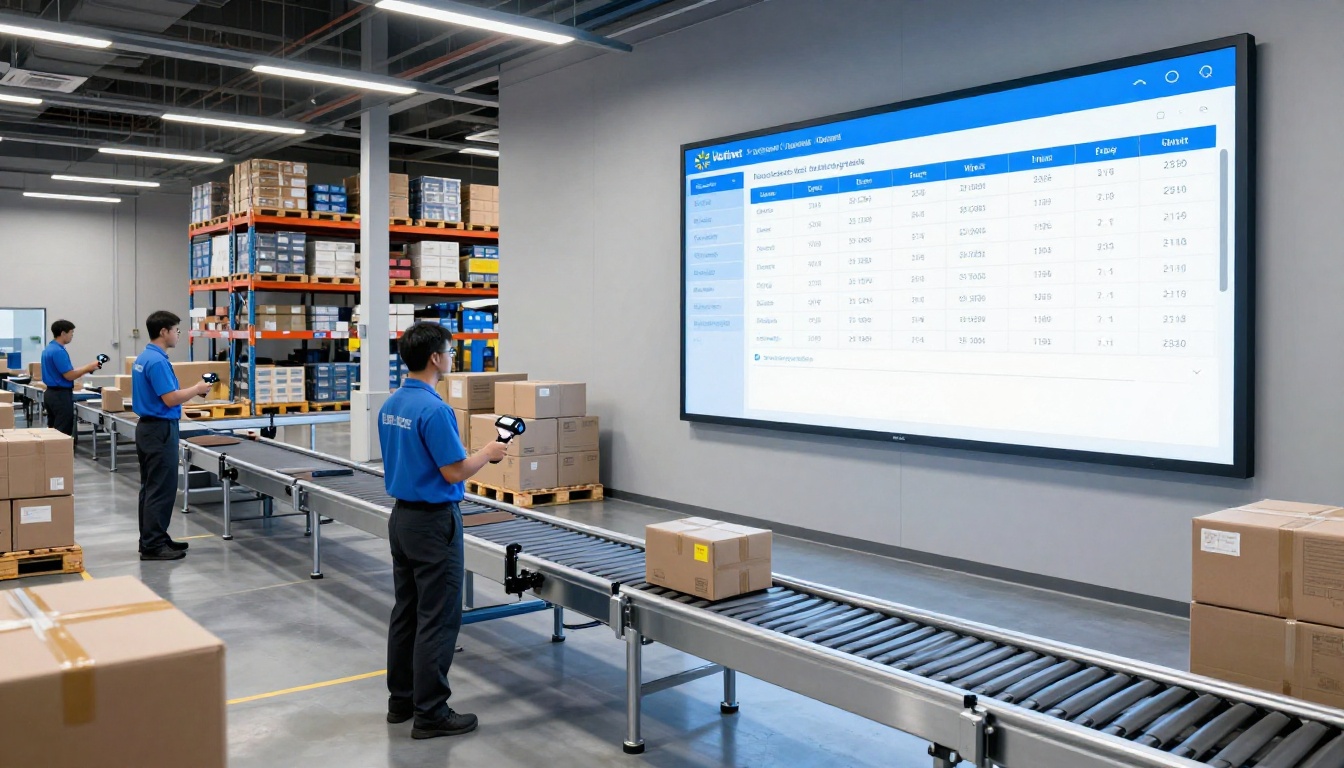
3PL for Walmart: Fulfillment, Compliance, and Packing
Selling on Walmart puts pressure on your warehouse from day one. Orders need to ship fast, inventory has to stay accurate, and packing has to match Walmart’s rules without slowing things down.
That’s why the right 3PL for Walmart matters. A good partner helps you handle shipping requirements, inventory control, packing needs, and the checks that keep your listings and orders on track, which is different from selling through a typical retail channel. If you want a quick refresher on the basics, how 3PL fulfillment works is a useful place to start, and the sections below will show what to look for in a partner that can keep up.
Why Walmart sellers use a 3PL instead of doing everything in house
Walmart sales can grow fast, but the back end has to keep pace. Once orders start piling up, in-house teams often hit limits on space, labor, and speed before the sales curve slows down.
That is where a 3PL for Walmart makes sense. A strong partner helps sellers stay on schedule, keep inventory moving, and handle packing and shipping without turning the business into a warehouse-first operation.
### The pressure points Walmart sellers run into fast
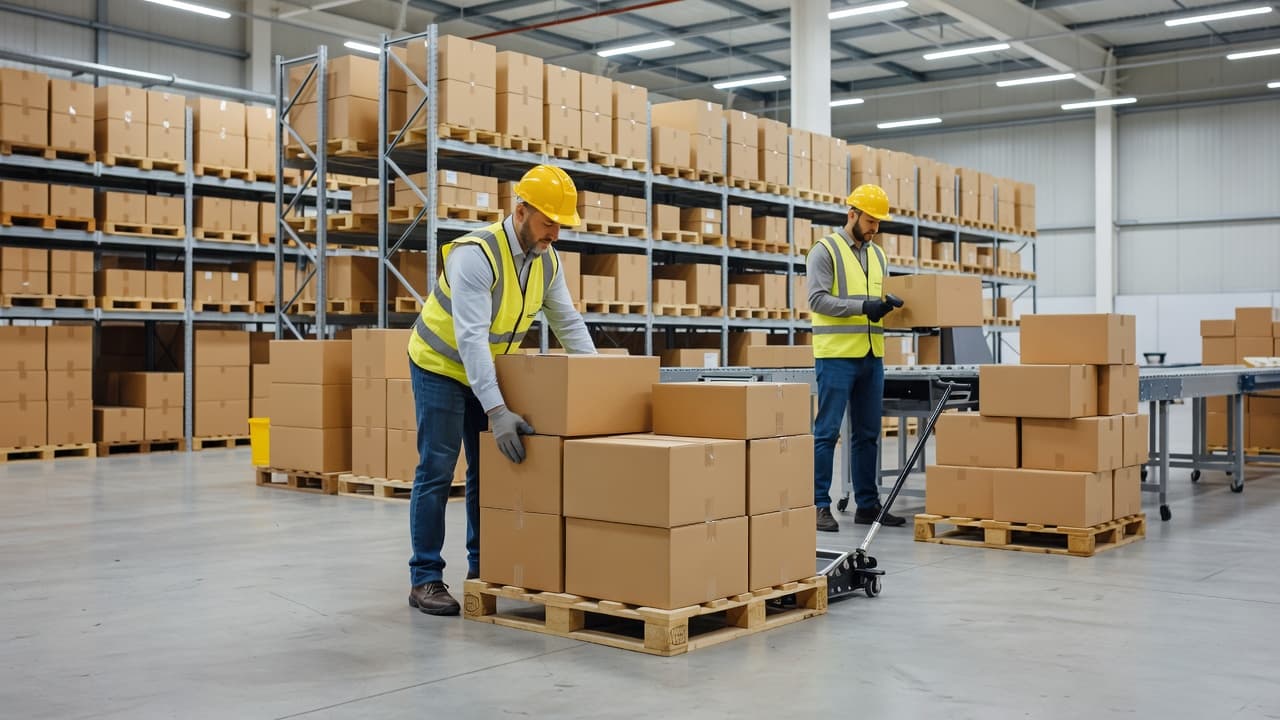
Walmart expects sellers to move with speed and accuracy. That sounds simple until daily volume starts rising, delivery windows tighten, and every delay starts to cost money.
Late shipments can trigger chargebacks, while stockouts can hurt sales momentum and damage listing performance. A missed ASN or a picking mistake can create even more problems, because Walmart does not give much room for sloppy execution.
A few pressure points show up again and again:
- Tight delivery windows make scheduling harder, especially during high-volume periods.
- Chargebacks hit hard when shipping, labeling, or timing misses the mark.
- Stockouts break the sales flow and leave money on the table.
- Late ASNs can disrupt receiving and create avoidable compliance issues.
- Order accuracy problems lead to returns, complaints, and more work for the team.
When those issues stack up, the warehouse becomes a bottleneck. That is why many Walmart sellers choose outside help before the workload gets out of hand.
Walmart fulfillment rewards consistency. Small mistakes can turn into expensive corrections fast.
The right partner helps sellers stay ahead of those problems instead of reacting to them after the fact. For brands that want a clearer path to advantages of outsourcing order fulfillment, the main benefit is simple, fewer surprises in daily operations.
What a 3PL can handle that internal teams often cannot
In-house fulfillment works for some brands, but it can get stretched quickly. Space runs out, labor gets harder to plan, and shipping schedules get more complex once volume rises or demand spikes.
A 3PL brings the extra capacity that many internal teams lack. That includes warehouse storage, pick and pack work, transportation coordination, and the compliance steps that keep orders moving through Walmart’s system.
A good 3PL can take on work like this:
- Storage and inventory control so stock stays organized and available.
- Pick and pack operations so orders move out with speed and accuracy.
- Packing and labeling work so shipments meet retail requirements.
- Transportation coordination so freight and parcel shipments stay on track.
- Seasonal surge support when order volume jumps during peak periods.
That kind of support matters because Walmart sellers often deal with uneven demand. One month may feel manageable, then a promotion or holiday rush changes everything. Instead of scrambling to hire, train, and rework the warehouse, brands can rely on a partner that already has the space, systems, and labor in place.
For many sellers, that is the real reason to outsource. It lowers overhead, improves fulfillment consistency, and keeps internal teams focused on sales, merchandising, and growth instead of chasing boxes through the warehouse.
How Walmart fulfillment works and where a 3PL fits in
Walmart fulfillment runs on a clear sequence: inventory comes in, gets checked and stored, orders are picked and packed, then shipments leave with the right labels and paperwork. A 3PL sits in the middle of that chain and keeps each step moving without forcing your team to manage every box, pallet, and deadline.
That role matters because Walmart expects more than basic shipping. It expects accuracy, clean documentation, and retail-ready execution. When a 3PL handles the back end well, your operation stays organized and your products stay ready for both online orders and retail distribution.
### Retail compliance, routing guides, and shipment accuracy
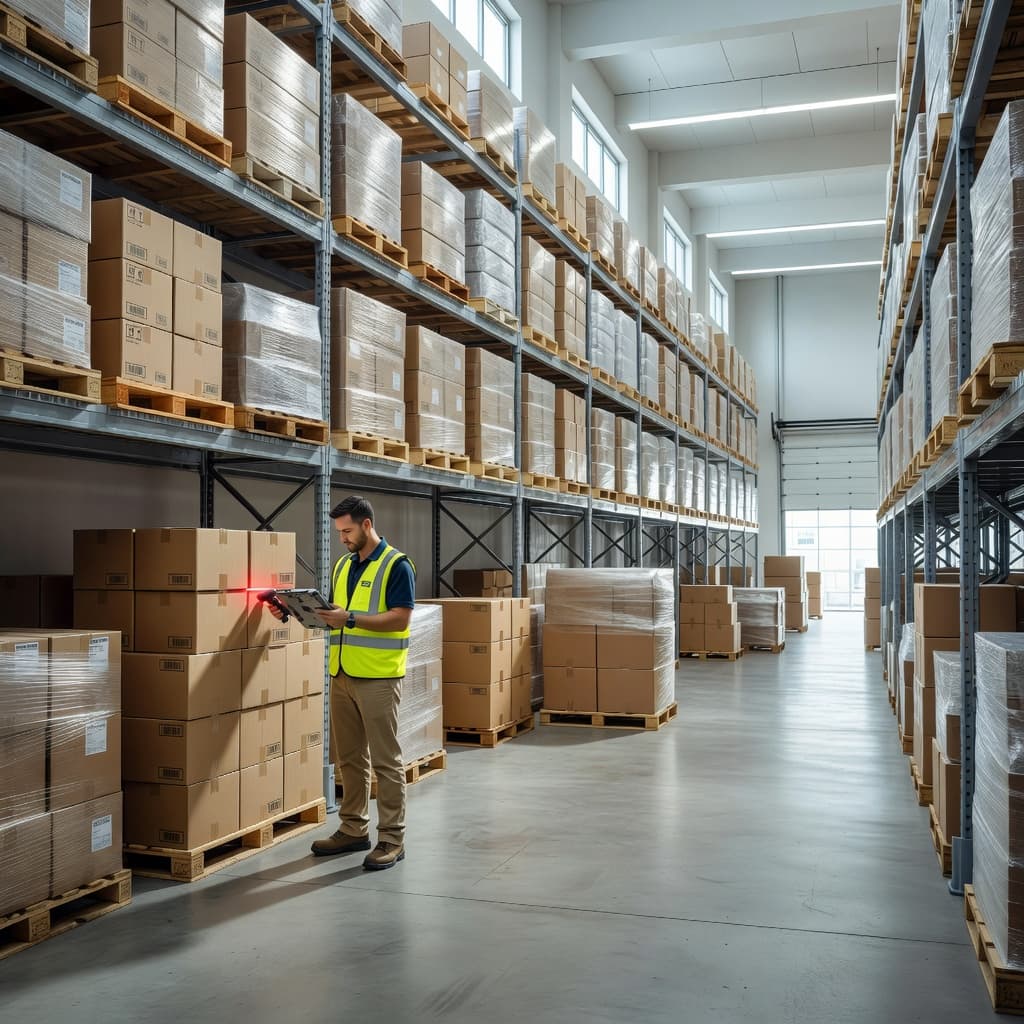
Walmart has strict vendor rules, and those rules touch almost every part of fulfillment. Packing labels need to be correct, cartons need to match the required format, and shipping documents need to line up with the order. If one piece is off, the shipment can slow down, trigger corrections, or create extra costs.
A 3PL helps keep those details in order. That means following routing guides, applying the right labels, building cartons to spec, and sending the right documents with every load. Even small mistakes can turn into lost time and avoidable fees, so accuracy matters at the start, not after the freight is already on the dock.
Common compliance points include:
- Vendor rules that define how product must be packed and shipped.
- Carton requirements that affect size, weight, and presentation.
- Packing labels that help Walmart identify and receive inventory correctly.
- Shipping documents that support routing, tracking, and receiving.
In retail fulfillment, a wrong label can cost more than a late truck. It can disrupt the whole receiving process.
The right partner keeps those checks in place every day. That is especially important when you want packaging and fulfillment services that support both speed and retail compliance.
Inventory visibility and replenishment planning
Fulfillment works best when inventory counts are accurate and current. If the numbers in the system match the shelves, you can place orders, replenish stock, and avoid surprises. If they do not, you risk overselling, missing sales, or filling the warehouse with products that move too slowly.
A strong 3PL keeps counts updated in real time and uses that data to guide reorder timing. That helps you prevent both overstock and out-of-stock problems, which is a big deal for Walmart sellers. Too much stock ties up cash and space, while too little stock breaks momentum and can hurt sales.
Good inventory control also supports better planning across channels. A product can flow into Walmart orders, other retail accounts, and eCommerce sales without turning into a guessing game. When counts stay clean, replenishment becomes a schedule, not a scramble.
To keep that process on track, a 3PL should be able to handle:
- Receiving checks that confirm the right product arrived in good condition.
- Live inventory updates that show what is available right now.
- Cycle counts and audits that catch errors before they grow.
- Reorder support that helps you restock before demand outruns supply.
That mix of visibility and control is what keeps fulfillment stable, especially when sales move across more than one channel.
Packaging and prep work that supports Walmart orders
Walmart fulfillment often depends on prep work that happens before the order ever ships. Labels have to be applied correctly, items may need to be repacked, and some products need to be bundled or kitted before they are ready for sale. A 3PL that handles this work can save time at every step.
This is where contract packaging and assembly support can make a real difference. It helps when you need multi-SKU bundles, club-store style packs, or display-ready sets that can move quickly into retail. It also helps when products need a cleaner presentation after inbound receiving or when they need to be grouped for a promotion.
Common prep tasks include:
- Labeling for warehouse, retail, or carton-level requirements.
- Kitting for multi-item sets that ship as one unit.
- Repacking when product needs new outer packaging or a different format.
- Bundle creation for promos, value packs, and retail offers.
- Display-ready assembly for shelf-ready or club-store presentations.
MSL’s kitting and assembly services fit naturally into that kind of work, especially when Walmart orders need packing support before they move out the door. In practice, this prep turns raw inventory into sales-ready inventory, which keeps the fulfillment line moving and the product presentation consistent.
How omnichannel and retail distribution work together
Walmart sellers rarely move through one channel alone. A product may sell on Walmart Marketplace, ship to stores, and also fill orders from other online channels. That is where omnichannel planning and retail distribution connect.
A 3PL helps by holding one inventory pool and routing it where it needs to go. If online demand rises, the team can fill eCommerce orders. If a retail shipment is due, the same inventory can be picked, packed, and sent as a store-ready load. The point is simple, the warehouse supports both channels without duplicating work.
That setup gives you more flexibility and fewer blind spots. You can use the same fulfillment partner to manage speed, retail readiness, and reporting, while your team stays focused on sales and account growth. When the process is built well, Walmart fulfillment feels less like a moving target and more like a system you can trust.
What to look for in a 3PL for Walmart
The best 3PL for Walmart does more than store product and ship boxes. It understands retail pressure, keeps data clean, and helps your team avoid expensive mistakes. That means you need a partner with proven retail experience, solid systems, strong prep capabilities, and a support team that responds before small issues turn into chargebacks or missed shipments.
### Retail experience and proof of performance
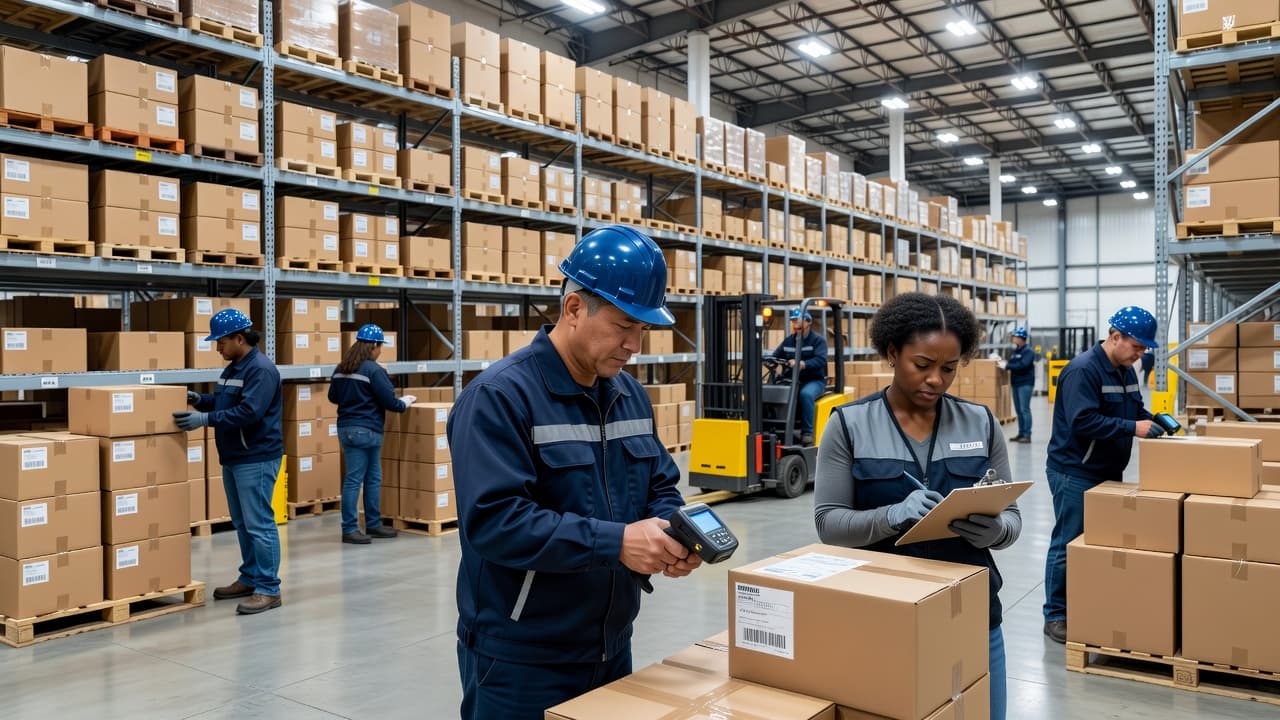
Choose a 3PL that already handles consumer goods, retail accounts, and high-volume orders. That background matters because Walmart expects tight execution, and a warehouse that only knows basic parcel shipping may struggle when the rules get more detailed.
Experience shows up in the little things. A seasoned provider understands labeling, carton prep, retailer timing, and the pace that comes with busy retail programs. It also knows how to keep margins intact, because mistakes at scale add up fast.
Look for signs such as:
- Retail account history with brands that sell through big-box or marketplace channels
- High-volume handling without drops in accuracy or turnaround
- Clear references or case studies that show consistent performance
- Familiarity with retail compliance and shipping requirements
A provider that has already supported consumer goods brands is less likely to guess its way through your setup. For Walmart sellers, that can save time, reduce rework, and protect profit on every order.
A 3PL that knows retail already will usually spot problems earlier and fix them faster.
Technology, inventory accuracy, and reporting
Technology should make your operation easier to control, not harder. The right warehouse system gives you live inventory visibility, order tracking, and reports you can actually use when planning replenishment or checking fill rates.
This matters because Walmart accounts move fast. If your counts are off, you can oversell, miss a replenishment window, or carry dead stock longer than you should. A strong system helps reduce those errors by keeping inventory status, order flow, and shipment progress in one place.
Ask how the provider manages:
- Inventory visibility across every active SKU
- Order tracking from receipt through outbound shipment
- Cycle counts and audits that catch drift early
- Reporting tools that show order volume, accuracy, and timing
A provider with strong reporting gives brands better control over sales planning and replenishment. If you want a closer look at inventory visibility and reporting tools, that is one of the areas worth reviewing before you sign anything.
Flexible packaging, kitting, and display assembly options
Walmart orders often need more than standard pick and pack work. A good partner should offer multi-format packaging, promo pack creation, labeling, repacking, and display assembly so product can move through fewer hands and fewer delays.
That flexibility saves real time. When packaging, kitting, and retail prep happen in one place, you cut down on handoffs between vendors. You also lower the chance of errors that show up when different teams each handle a piece of the job.
This is where Walmart-ready packaging solutions can make a difference, especially for brands that need club-store packs, POS or POP display assembly, or product bundles that are ready for retail shelves. The right setup keeps presentation consistent and helps launches move faster.
A strong packaging partner should be able to handle:
- Kitting and promo packs for bundled offers or seasonal sets
- Labeling and relabeling for retail and warehouse needs
- POS and POP display assembly for store-ready presentations
- Multi-format packaging for different product sizes and channels
When one provider can manage all of that, your team spends less time coordinating vendors and more time selling.
Service speed, quality checks, and account support
Speed matters, but speed without control creates problems. You want a 3PL that turns orders quickly while still checking accuracy at key points, because Walmart chargebacks and customer complaints can eat into margins fast.
Ask how the provider handles order errors, damaged goods, and rush work. You also need to know how they communicate when something goes wrong. A slow or vague answer can be worse than the issue itself, especially when a shipment needs attention right away.
Strong support usually looks like this:
- Fast response times when questions come up
- Clear order accuracy checks before shipments leave the dock
- Simple escalation paths when an issue needs review
- Direct communication from people who know your account
Warehouse space is only part of the equation. Account support matters just as much, because a responsive team can keep small issues from becoming recurring problems.
A practical way to compare providers
Before you commit, compare each 3PL on the same points. That makes it easier to see who can really handle Walmart work and who only looks good on paper.
| What to compare | What strong performance looks like |
|---|---|
| Retail experience | Real work with consumer goods and retail accounts |
| Technology | Live inventory, order tracking, and useful reports |
| Packaging services | Kitting, labeling, display assembly, and repacking |
| Quality control | Consistent checks and low error rates |
| Support | Fast answers and clear issue handling |
A provider that performs well across these areas is far more likely to keep Walmart orders moving cleanly. That is the kind of partner that helps your operation stay organized as volume grows.
How to set up a smooth Walmart 3PL operation
A smooth Walmart 3PL setup starts long before the first order ships. The best results come from clean data, clear rules, and a launch plan that tests the weak spots early. If you rush onboarding, small gaps in packing, labeling, or handoff timing can turn into delays fast.
The goal is simple, build a process your team and your warehouse partner can repeat without guessing. That means setting the rules up front, checking the workflow in real conditions, and making returns and exceptions easy to manage when customers need help.
Build clean item data and clear process rules
Accurate item data keeps the whole operation moving. Every SKU should match the product, pack details should be complete, and carton specs should be written down clearly. If one system calls a case pack one way and another system lists it differently, mistakes start creeping in right away.
The same goes for labeling and shipping instructions. Your 3PL needs to know how each item ships, how many units belong in a carton, what labels go on the case, and whether the order needs special handling. Even one missing field can lead to a wrong pick, a bad label, or a truck that leaves with the wrong load.
Clean setup should cover:
- SKU structure so each item is easy to identify and track
- Pack details so unit counts and case packs match the product
- Carton specs so weight, size, and handling rules are clear
- Labeling rules so every box and pallet is marked the right way
- Shipping instructions so the warehouse knows how each order should leave
Messy data slows everything down. It creates rework, causes delays at the dock, and can lead to inventory errors that ripple through Walmart orders. A full order lifecycle fulfillment setup works best when the information behind it is clean from day one.
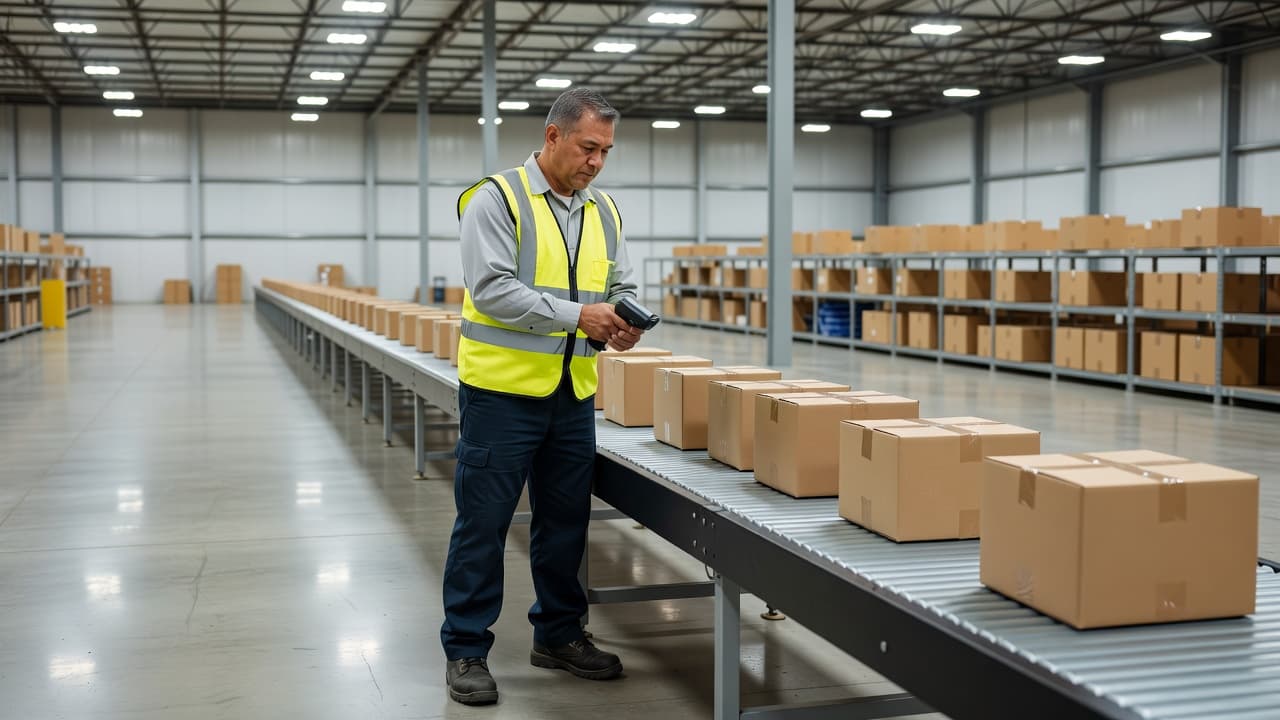
> If the item file is sloppy, the warehouse will feel it before the customer does.
A simple rule helps here, if a packing detail affects the box, the label, or the shipment, write it down in plain language and keep it consistent across every system.
Test the workflow before volume ramps up
Pilot runs are worth the time. Before you launch at full volume, send sample orders through the process and watch what happens at each step. That is the fastest way to catch weak points in packing, labeling, inventory movement, and handoff timing.
Testing should reflect real conditions, not a perfect lab version of them. Include a mix of order types, carton sizes, and any special prep work your products need. If you sell bundled sets, display-ready items, or products that need relabeling, test those cases too.
A good pilot usually checks:
- Order intake to confirm the data flows into the system correctly
- Pick and pack accuracy to verify the right item goes into the right box
- Label placement to make sure cartons and units are marked properly
- Inventory updates to confirm stock moves the way you expect
- Shipping handoff timing to see if trucks and parcel pickups stay on schedule
Testing helps you spot friction before it spreads. A slow scan, a mismatched carton spec, or a missed handoff window is easier to fix during a pilot than after hundreds of orders are on the line.
It also gives your 3PL a chance to adjust staffing, packing tables, and check points before the volume climbs. That matters because the first week of live orders often reveals the gaps no spreadsheet caught.
Set expectations for returns, exceptions, and customer service
Returns are part of the job, so the rules need to be simple. If your 3PL also handles reverse logistics, customers should know how to start a return, what condition the item needs to be in, and which products are not eligible. That keeps the process fair and cuts down on back-and-forth.
A clear returns policy should spell out the basics, including return windows, refund or exchange options, and any exclusions such as final sale items or non-returnable products. It should also explain how damaged goods are handled, since inspection matters when an item comes back to the warehouse. Returned products should be checked, sorted, and documented so the business can decide whether to restock, refurbish, liquidate, or file a claim.
Communication matters just as much as the policy itself. Customers should be able to find the rules on product pages, checkout pages, the site footer, and order emails. When the language is clear, there is less confusion after purchase, and service teams spend less time repeating the same explanation.
A strong setup usually includes:
- Simple return steps that tell customers how to start the process
- Clear eligibility rules so people know what can and cannot be returned
- Damage inspection procedures so returned items get checked the same way every time
- Exception rules for final sale, opened, or non-returnable products
- Support training so customer service can answer questions without delay
When returns are handled well, they feel like part of the system instead of a separate problem. That is important for Walmart sellers, because a clean return path protects trust and keeps the operation from getting tangled up in avoidable disputes.
Clear policies also help your warehouse team. They know what to accept, what to flag, and what to pass to the next step. That keeps the process controlled, even when the item comes back in poor condition or the customer expects an exception.
A smooth Walmart 3PL operation depends on setup discipline. Clean item files, pilot testing, and clear return rules give your partner the structure it needs to move fast without creating avoidable compliance issues.
Costs, risks, and the mistakes that can hurt your Walmart account
The wrong 3PL for Walmart can look affordable on paper and still drain margin fast. That happens when pricing is vague, operations are messy, or small errors start triggering extra work and account problems.
Walmart sellers need a partner that protects both cost and performance. A cheap quote means little if it comes with surprise fees, weak control, or repeat mistakes that slow shipping and hurt account health.

### Hidden costs that can add up fast
A low monthly rate can hide a lot of expense. Storage fees, labor add-ons, rush work, chargebacks, rework, and shipping changes can turn a fair quote into an expensive one once orders start moving.
Storage is one of the first places costs creep in. If stock sits longer than expected, the bill grows. Labor adds another layer, especially when the provider charges extra for labeling, kitting, relabeling, or handling odd-sized products.
Rush work is another common surprise. If your team needs last-minute prep, expedited processing, or same-day fixes, that speed usually comes at a premium. Then come chargebacks and rework, which often cost more than the original error because they include correction time, admin work, and sometimes replacement freight.
Shipping changes can also hit hard. Fuel surcharges, parcel rate shifts, and carton size issues all affect the final cost per order. If your packaging is inefficient, shipping can rise even when the base fulfillment fee looks low.
A quote should spell out the real cost drivers, including:
- Storage terms that explain how long inventory can sit before fees rise
- Labor charges for kitting, relabeling, repacking, and special handling
- Rush or overtime rates for urgent work
- Chargeback handling and correction fees
- Shipping adjustments tied to weight, size, or service level
A low quote only helps if operations stay tight. Once the process gets messy, every small exception costs more.
For sellers looking at reducing fulfillment costs through better packaging and handling, the real win comes from pricing clarity, not just a low headline number.
The biggest operational mistakes to avoid
Most Walmart account problems start with the same few mistakes. Poor inventory control leads to oversells and stockouts. Weak labeling slows receiving and creates compliance risk. Slow communication makes small problems harder to fix. Bad packaging choices raise damage rates and shipping costs. Skipping quality checks ties all of it together.
Poor inventory control is especially painful. If the system says stock is available when it is not, orders miss deadlines and customer trust drops. On the other hand, if counts are off in the other direction, you can overbuy and tie up cash in slow-moving product.
Labeling problems create another layer of risk. A missing or incorrect label can delay receiving, force rework, or trigger chargebacks. Packaging mistakes can be just as damaging, especially when the box is too large, too weak, or not suited to the product. That leads to higher freight costs and more damage claims.
Quality checks matter because they catch issues before Walmart does. A 3PL that skips inspection may let the same mistake repeat across dozens of orders. That is how a small error becomes a performance problem.
Common mistakes that hurt account health include:
- Inventory drift that causes stockouts or oversells
- Bad labels that slow receiving and create compliance issues
- Slow response times when a shipment needs attention
- Poor packaging choices that drive damage and higher freight
- Skipped QC checks that let the same mistake repeat
The best partners build checks into daily work instead of treating them as an extra step. That matters because Walmart account health depends on consistency, not luck.
When it makes sense to switch providers
A change makes sense when problems keep repeating. Missed deadlines, poor visibility, and weak support during growth are clear warning signs. If your 3PL cannot keep up when order volume climbs, the partnership is already costing more than it should.
Poor visibility is one of the biggest red flags. If you cannot get clean inventory data, shipment status, or issue updates when you need them, planning becomes guesswork. That puts pressure on your team and makes it harder to keep Walmart orders on track.
Repeated errors matter just as much. One mistake can happen anywhere. The real problem starts when the same label issue, packing miss, or inventory mismatch shows up again and again.
Growth is another test. A provider that works fine at low volume may fall apart once promotions, seasonal spikes, or new SKUs enter the picture. If support gets slower right when your business needs more help, the fit is wrong.
A switch often makes sense when you see:
- Missed ship dates that keep happening
- Weak reporting that leaves you guessing
- Repeated fulfillment errors that hurt margins
- Slow customer support during busy periods
- Limited capacity when your volume grows
A better provider should feel more stable, not more stressful. If your current setup keeps adding risk, it may be time to move before the damage spreads.
The safest move is to choose a partner that is clear about costs, strong on process, and ready for retail rules. That protects your Walmart account, keeps margin intact, and gives your team fewer fires to put out.
Conclusion
A strong 3PL for Walmart keeps the operation tight where it matters most, compliance, speed, packaging, accuracy, and clear communication. When those pieces work together, your team spends less time fixing errors and more time growing the account.
The best partner also fits the way you sell. If you need retail prep, inventory control, and ecommerce fulfillment services that can keep pace with Walmart demand, the right setup should make the work lighter, not heavier.
Review your current process with a hard eye. Then choose a 3PL that can support long-term growth without creating extra work for your brand.
