
Gable Boxes: How to Choose, Pack, and Use Them for Carryout
A box with a built-in handle makes carryout and small take-home orders easier to grab and go. Gable boxes are folding cartons with a shaped top that closes into a handle, but the right style depends on what you’re packing and how it will be handled.
They can suit bakery items, gifts, favors, or lightweight kits, while heavier or fragile products may need inserts or a sturdier carton. Food also needs packaging suited to its contents and safety requirements. For larger programs, custom packaging solutions for your products can help align the box with how items are packed and delivered.
Ahead, learn the common styles, how to pack them, what to check before choosing one, and where their limits matter.
Key Takeaways
- Gable boxes combine a folding carton and built-in handle, making them practical for lightweight carryout items, bakery goods, favors, and small kits.
- Choose dimensions and board strength for the product’s weight and shape; use inserts or another carton when items are heavy, fragile, or prone to shifting.
- For food, check that the complete package, including coatings and liners, suits the food type and temperature. FDA rules cover paperboard used with aqueous, fatty, and dry foods.
- Test a filled box for secure closure, comfortable carrying, and delivery conditions. For larger programs, explore food and beverage packaging services, and verify any recycling claims against the full package and local disposal options.
What Are Gable Boxes, and What Makes Them Useful?
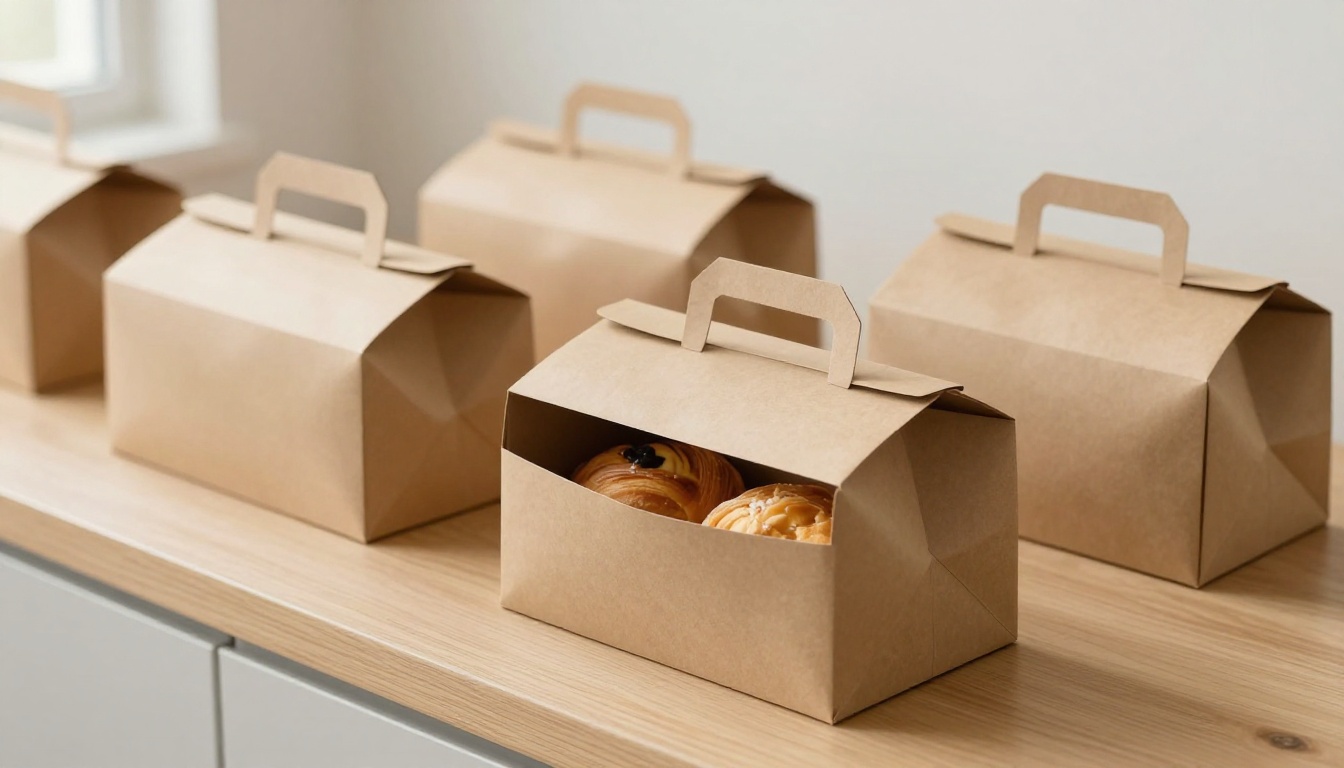
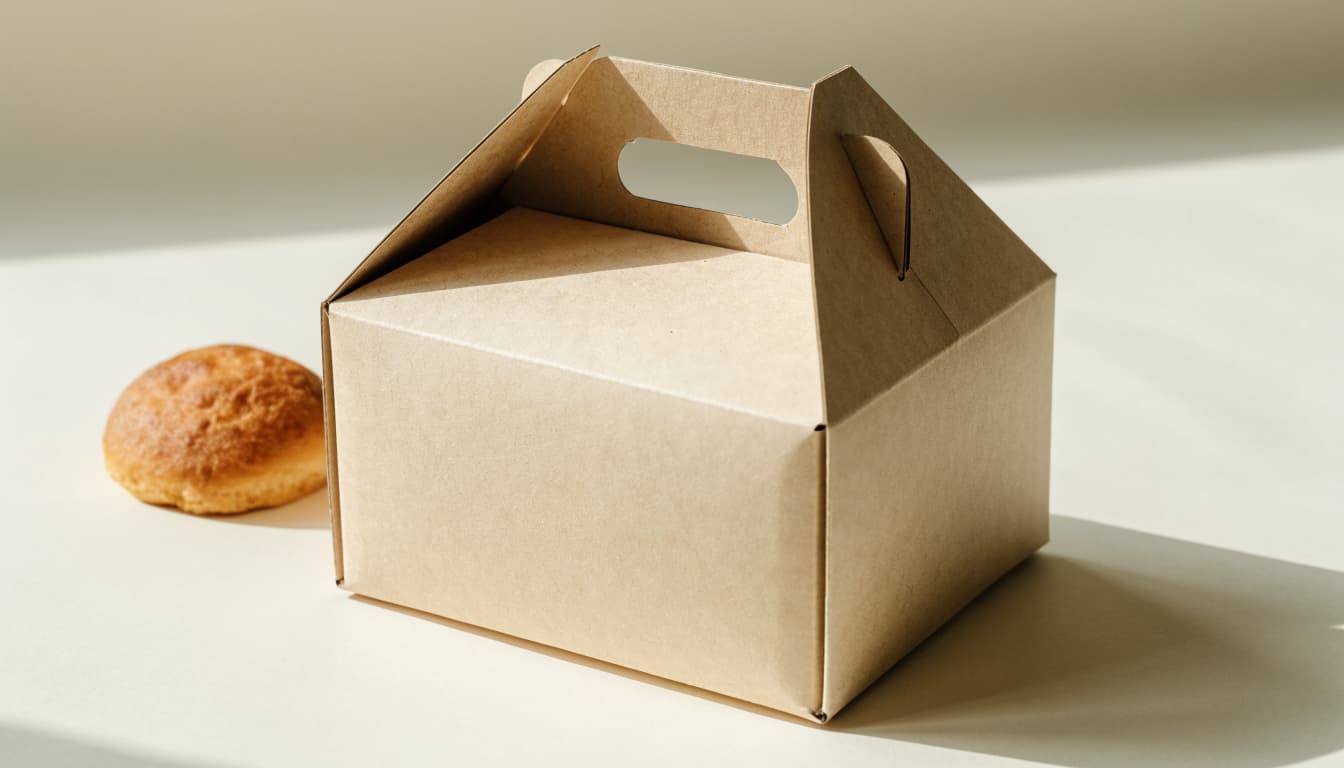
A gable box is a folding carton with a rectangular or square base and a peaked top that closes into a built-in handle. Its shape combines a container and carry grip in one package, making it a practical choice for lightweight carryout orders, favors, bakery goods, and small gifts.
How the peaked top and built-in handle work
The box body has four side panels that form its base and walls. Above them, angled panels fold inward to create the familiar roof-like peak. Depending on the design, tabs, slots, or interlocking panels hold the top closed. The handle opening forms when the upper panels meet, so the customer can lift the carton without attaching a separate strap or grip.
Because the handle is part of the carton, it keeps the package compact and gives it a tidy, unified look. However, the handle and paperboard have limits. Capacity depends on the box size, board strength, construction, and contents, so a gable box should not be assumed suitable for heavy products or parcel shipping. For heavier or breakable items, choose a sturdier package or add suitable support.
Why brands use them for carryout and presentation
For counter service, events, and take-home orders, the integrated handle makes a handoff simple. Staff can pass the closed box directly to a customer, who can carry it without juggling a separate bag or handle. The peaked shape also gives a plain item a more finished, gift-ready appearance, which can help small orders feel thoughtfully packed.
The broad panels provide room for a logo, colors, or other brand details. Even with simple printing, a clean package can make the order easier to recognize and present well at pickup. Businesses developing packaging for recurring programs can explore contract packaging and co-packing services to coordinate packaging requirements with assembly and production needs.
Still, appearance should follow function. Check that the box fits the product, closes securely, and stays comfortable to carry when filled. If the contents can shift, crush, leak, or exceed the handle’s capacity, use an insert or a different carton. For food, confirm that the complete package is appropriate for the item and its serving conditions.
Which Gable Box Styles and Materials Can You Choose?
Gable boxes vary in more than color and size. The bottom closure, paperboard thickness, finish, and any inserts all affect how the package performs, how quickly staff can assemble it, and what happens after disposal. Match those choices to the product and packing process, then confirm the finished specification with your supplier.
Choose a bottom closure that fits the product and packing speed
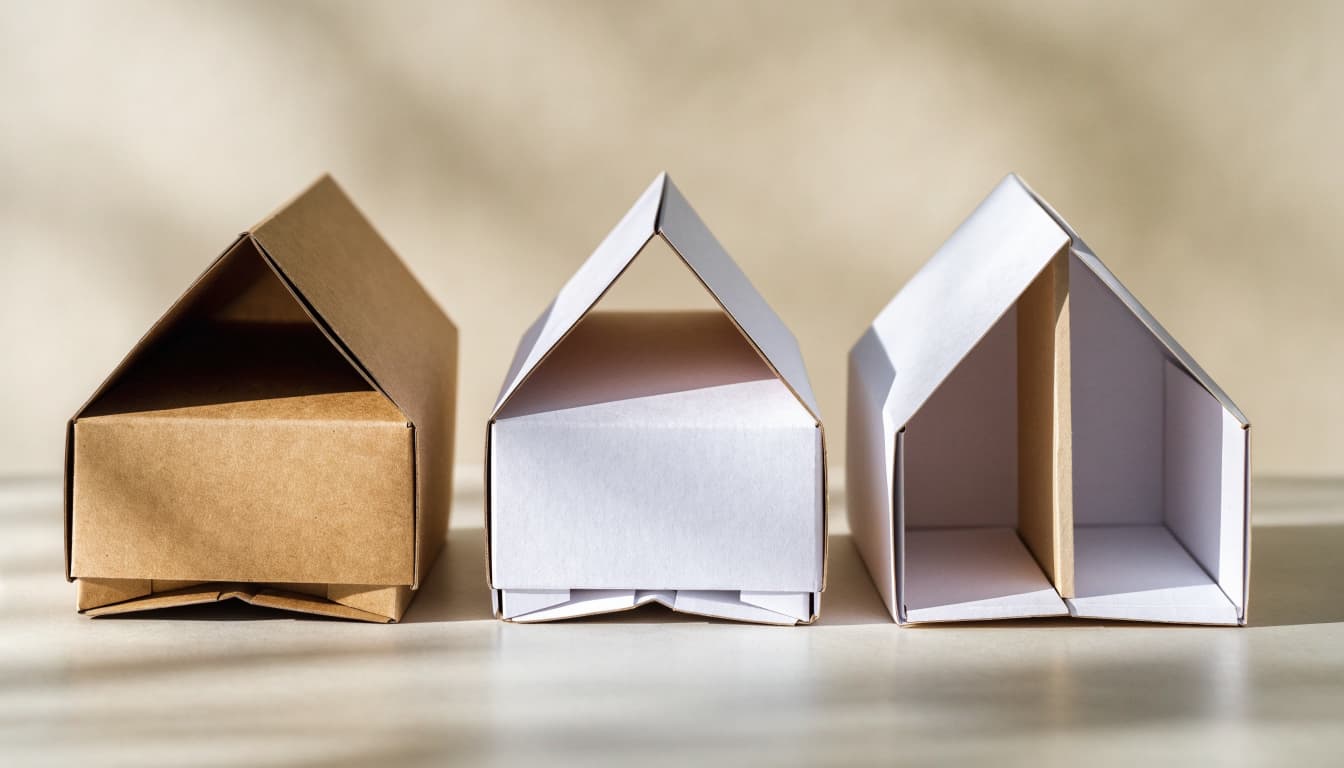
A tuck-style bottom is simple to fold and suits lighter contents, such as bakery items, favors, and small kits. For added bottom support, a snap-lock closure uses interlocking flaps. It takes more hand assembly, but can be a better fit for products that put more strain on the base.
An auto-lock bottom comes pre-glued and forms a locked base when the box opens. That can speed setup when staff pack many units or work on a production line. Still, a closure name alone doesn’t tell you the box’s load capacity. Board thickness, box dimensions, construction, and product fit all matter, so ask the supplier to confirm capacity for the complete specification.
Compare kraft, white paperboard, windows, and coatings
Kraft paperboard gives a box a natural, understated look. White paperboard creates a clean base for bright colors and detailed printing. Both can work well, but the right choice depends on the desired appearance and the board grade needed for the contents. For a broader look at packaging material options, consider how appearance, protection, and disposal fit together.
A window lets customers see the product without opening the box, which can help with bakery goods or gift sets. Coatings can add resistance to moisture or grease, but they must suit the food and how it will be handled. Windows, plastic films, and coatings can also affect recycling. Check the full package construction and local recycling rules rather than assuming a paperboard box belongs in the paper stream.
Use inserts or partitions to keep items from shifting
A divider can separate bottles, jars, food items, or parts in a multi-piece kit. By limiting movement, it helps prevent scuffs, collisions, and product-to-product contact. The insert should fit the contents closely without making packing awkward or taking up too much room.
Paperboard inserts can keep the package within a paper-based material family, while other insert materials may offer different levels of cushioning or moisture protection. Each added component affects material use, assembly time, and disposal. Test the packed box under normal handling conditions, then adjust the insert if items shift or staff need extra steps to load them.
How Do You Use and Pack a Gable Box?
Pack a gable box in a consistent order: open the carton, secure its base, add any needed liner or insert, load the product, then close and check the handle. A quick sample pack-out helps confirm that the box fits, protects the contents, and works for your team before you use it at scale.
Assemble the base, load the contents, and close the top
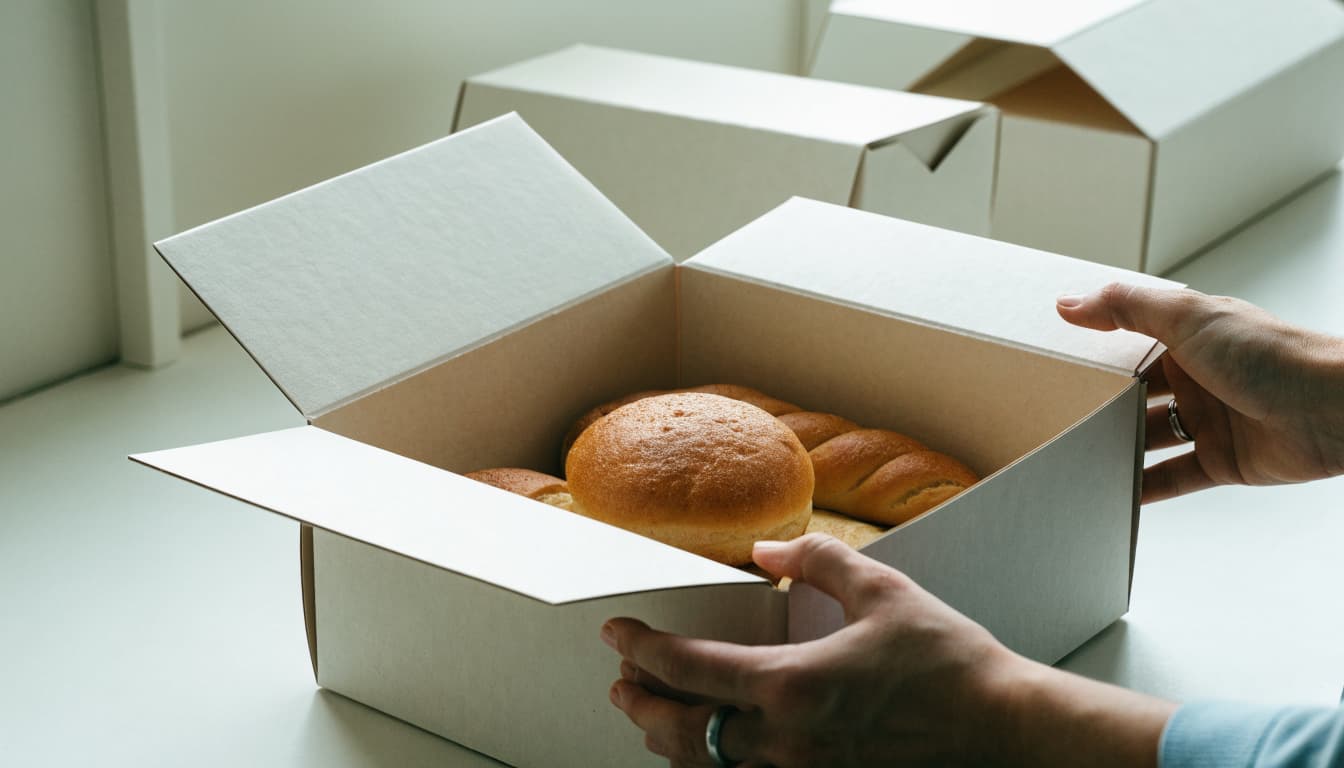
Start with a clean, flat carton. Open it along the scored folds, square the sides, and form the bottom according to its closure style. Fold the base flaps in sequence for a tuck-bottom box, or engage the interlocking panels on a snap-lock or auto-lock design. Before loading, press the base gently to confirm it sits flat and holds together.
If the product needs separation or a cleaner interior, place the approved liner or insert before adding the contents. Then load items evenly, keeping heavier pieces low and centered. Leave enough clearance for the product to fit without pressure, but avoid excess space that lets it slide around.
Finally, fold the top panels together and engage the tab or slot until the closure sits flush. Check that the handle forms correctly and the top stays shut when lifted. A sample filled box should pass a simple movement test: if the contents shift when you gently move it, adjust the fit or add a divider.
Pack bakery items, takeout meals, gifts, and retail kits safely
Choose the inside materials for the product, not just the box’s appearance. For food, use a gable box or liner intended for the specific food-contact conditions. Ordinary paperboard packaging is not automatically suitable for direct food contact. FDA regulations distinguish paper and paperboard used with aqueous or fatty foods under 21 CFR 176.170 from materials used with certain dry foods under 21 CFR 176.180.
Bakery items need enough headroom to avoid crushed frosting or flaky tops. Keep takeout containers upright, and use a divider if separate items could tip or collide. For bottles and fragile gifts, fit partitions closely so each piece stays in place without forcing it into the box.
Wet, greasy, or hot contents need materials and barriers designed for those conditions. Confirm the box, coating, and liner are suitable together, and follow the supplier’s use guidance. A paperboard carton alone may not protect against leaks, grease, or heat.
Make packing easier for teams and repeat orders
For recurring orders, assign box sizes and inserts by product or SKU. Keep the matching components together, and give packers clear instructions on base assembly, loading order, closure, and final checks. A simple sequence helps each shift pack the same way without extra rearranging.
Stage inserts before the run, then test the full pack-out with the people who will use it. This catches awkward folds, loose contents, and closures that slow the work. Standardization can reduce packing mistakes and delays, while limiting the need to stock many near-identical box sizes. For multi-item kits, kitting and assembly services can connect the packaging setup with repeatable product assembly.
How Do You Choose the Right Gable Box Size and Build?
Choose a gable box by working through three questions: What needs to fit inside? How will the package be handled? What does the complete pack-out cost? A sample run can answer these questions more reliably than a size chart or a unit-price quote.
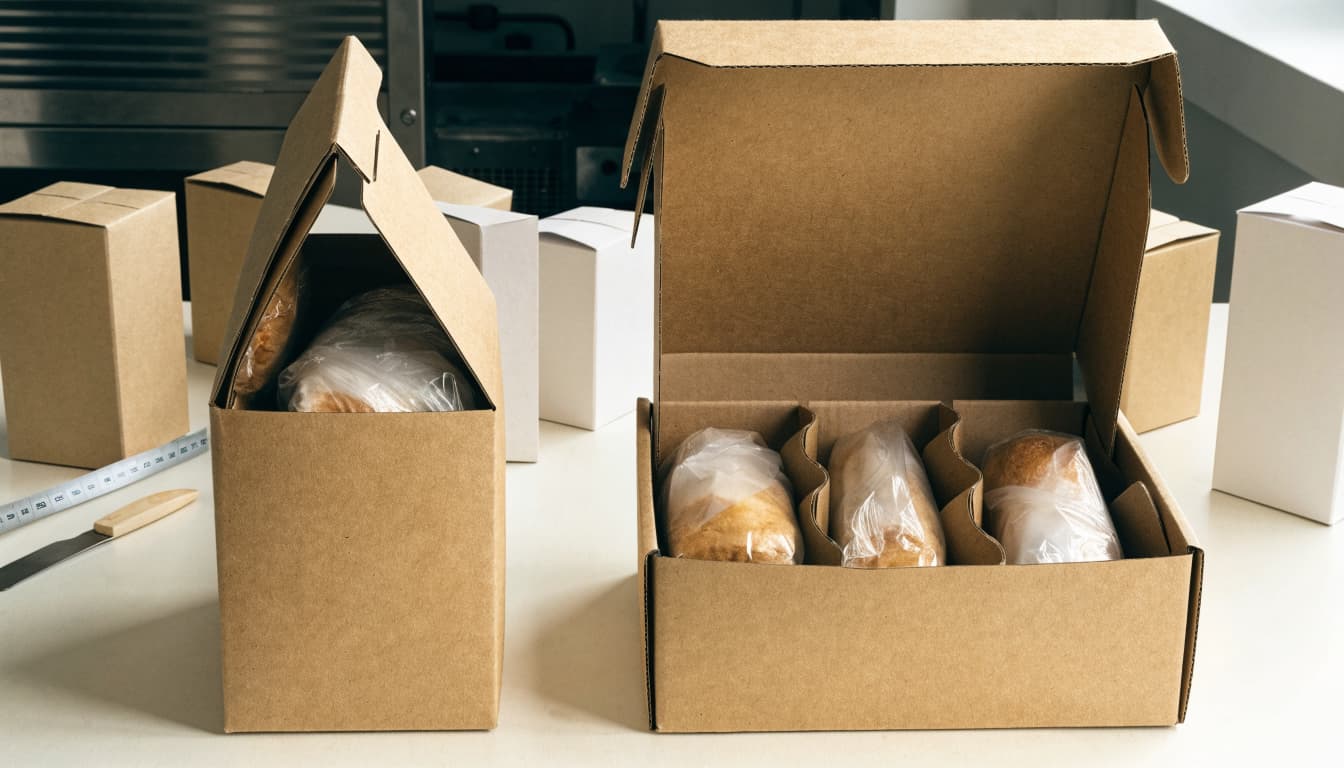
Measure the product and leave room for protection
Measure the product after adding any wrap, liner, or insert you plan to use. Include its full length, width, and height, then compare those dimensions with the box’s usable interior. The peaked top may reduce headroom, so check that the packed product won’t press against the closing panels.
A tight fit can crush delicate contents or keep the top from closing properly. Too much extra space lets items slide, tip, or bump together. Add a divider or protective material when needed, but check that it doesn’t make loading awkward or crowd the product.
Before ordering in volume, test a physical sample with the actual product and packing materials. Close it, lift it by the handle, and check how the contents sit after gentle movement.
Match strength to weight, fragility, and handling
Next, consider the product’s weight and how people will handle the box. A light favor carried a short distance puts different demands on the bottom and handle than a multi-item food order. Board grade and bottom construction both affect support, but no general weight claim can account for every size and pack-out.
For fragile items, use a fitted insert or divider to limit movement. If boxes will be stacked or carried through a busy pickup area, test those conditions with a filled sample. For shipment, evaluate the complete package under the handling conditions it will face, rather than assuming a carryout carton can withstand parcel delivery. These protective packaging material options can help you compare ways to cushion or separate products.
Balance print, branding, cost, and sustainability
Minimal printing can keep costs down and suit a simple, natural look. Fuller graphics can make a gable box more distinctive at pickup or on a retail shelf, but they add cost and may affect production timing. Choose the level of print that fits the customer experience and budget.
Then compare the whole pack-out, not just the box price. Include inserts, packing labor, storage space, shipping dimensions, product protection, and presentation. Right-sizing may reduce unused material and shipping space, while an undersized box can lead to damage, repacking, or replacement costs.
Paperboard may be recyclable when it’s clean, dry, and accepted by the local program. Food residue should be scraped off; grease, coatings, plastic windows, or other components can affect acceptance. Check local guidance before making disposal claims, and favor simpler material combinations when they meet the product’s needs.
When Are Gable Boxes a Good Fit, and When Are They Not?
Gable boxes work best when people need to carry a light product a short distance and presentation matters. Their built-in handle makes them convenient, but it doesn’t provide the protection of a shipping carton. Choose the package for the product’s weight, fragility, and sales channel.
Best uses include bakery, favors, gifts, and grab-and-go products
The handle makes bakery purchases easy to carry from counter to car, while the peaked top gives pastries and small treats a tidy presentation. For party favors and gift sets, one carton can hold several coordinated items and arrive ready to hand out. Small retail kits also benefit from a package that’s easy to pick up and presents the contents as one set.
Gable boxes can suit selected takeout orders, such as dry snacks or sealed containers that stay upright. However, the box itself may not resist leaks, grease, or heat. Choose a food-safe liner or inner container when the contents need one, and check that the filled box remains comfortable to carry.
Use a mailer or shipping carton when transit protection matters more
A gable box is mainly a carry-and-display carton. Parcel delivery adds drops, vibration, compression from stacked packages, and repeated handling. A decorative paperboard box may crush or open under those conditions, especially when it holds a heavy, fragile, or high-value product.
A shipping-grade mailer box or corrugated shipping carton offers more structure for that journey. Add a fitted insert or cushioning when the product could shift or take impact. If the gable box is part of the customer-facing presentation, place it inside a separate outer shipper with enough support to limit movement. That way, the gable box handles the handoff and the outer carton takes the transit stress. For online orders, protective packaging for parcel shipping can help match the outer package and cushioning to the product.
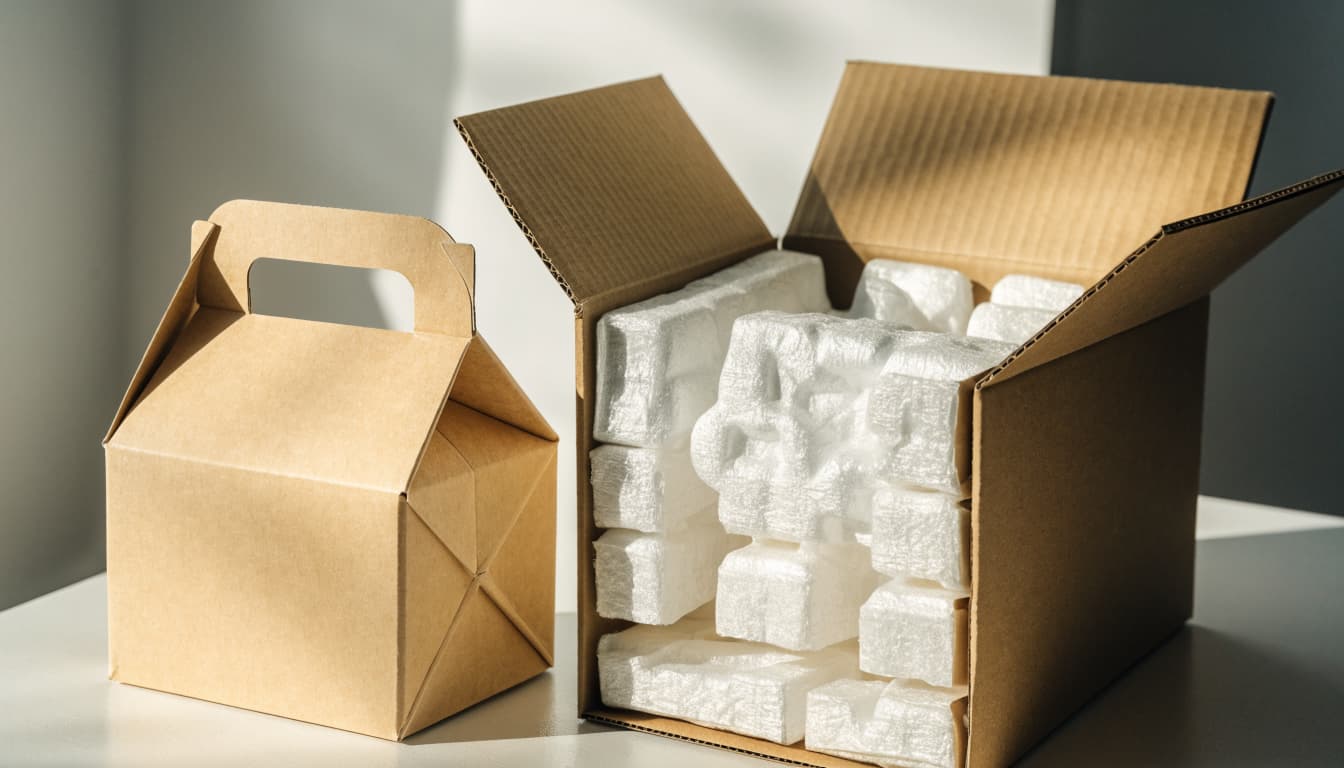
Avoid common mistakes that lead to spills, damage, or waste
Don’t choose a gable box by appearance alone. A stylish carton can still have a weak base, poor fit, or a coating that can’t handle wet or greasy contents. Overloading the box puts extra strain on its bottom and handle, while excess space lets products tip, slide, or collide.
Also, don’t treat the handle as proof that a box is safe to ship. It’s designed for carrying, not for carrier handling. Before placing a large order, pack and test a sample with the actual product, liner, and insert. Lift it by the handle, check that the contents stay put, and confirm the closure holds. For parcel orders, test the complete package in its outer shipper. A short trial can reveal fit and protection problems before they lead to damaged goods or wasted packaging.
Frequently Asked Questions
The right gable box depends on more than its shape. Check its materials, construction, and intended use before choosing one for food, carryout, or a custom packaging program.
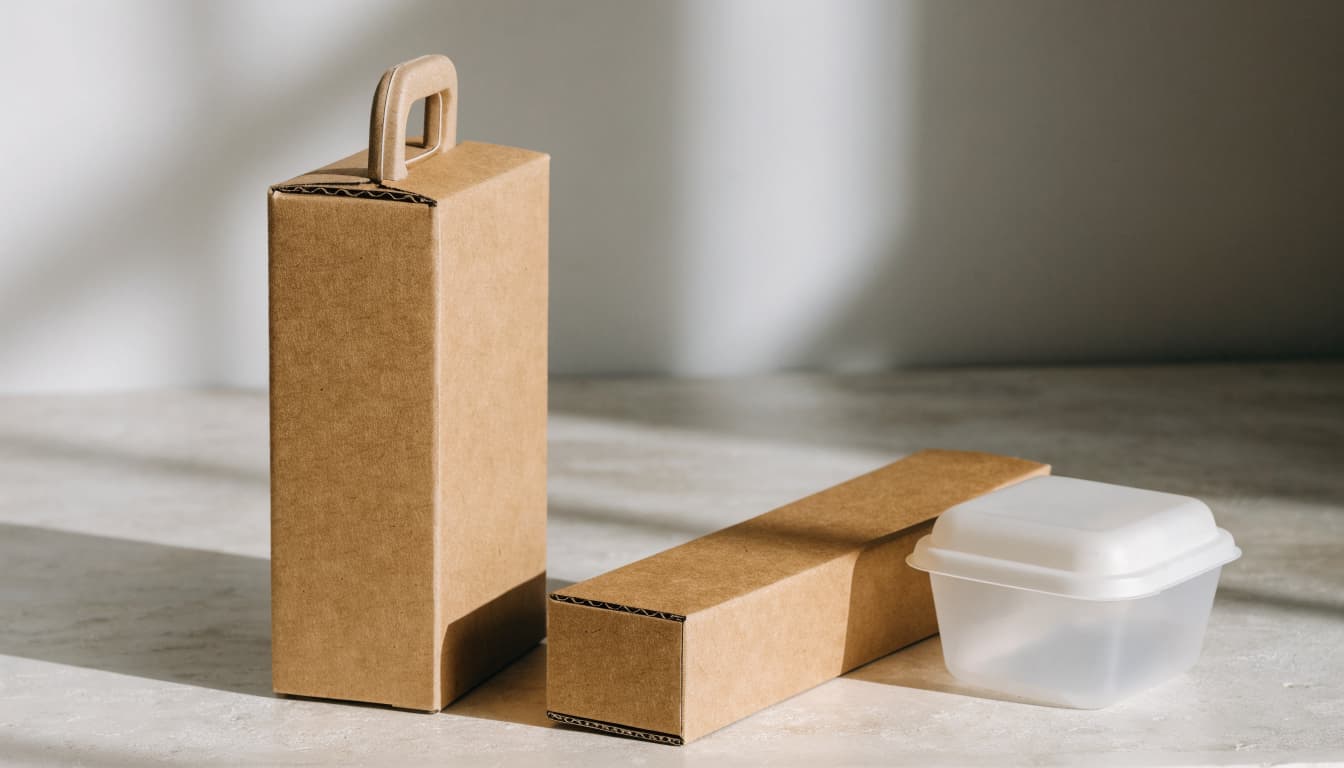
Are gable boxes strong enough for food and drinks?
They can hold some food and drinks, but capacity depends on the paperboard, bottom construction, box size, and total product weight. For multiple beverages, use a fitted insert or partition to limit movement, and confirm the filled-box capacity with your supplier. Also check that the complete package, including any liner or coating, is designed for contact with the specific food.
Can you ship a gable box through the mail?
Some sturdy designs may work for shipping after you test the filled package under realistic handling conditions. However, most gable boxes are carry or presentation cartons, not parcel-protection boxes. For more reliable protection, place the gable box in an appropriately sized corrugated shipper with cushioning if the contents can shift or break.
Do gable boxes need tape to stay closed?
Many styles fold or interlock at the top, so they can stay closed without tape during ordinary carryout. The closure depends on the box design and how it will be handled. If transport or security calls for an added seal, confirm that the tape works with the surface and won’t damage the print or interfere with the food packaging.
Are paperboard gable boxes recyclable?
Plain, clean paperboard may be accepted in local recycling programs, but coatings, plastic windows, liners, and food residue can change how a box is handled. Mixed materials and grease can make fiber recovery difficult, even when the carton looks mostly like paper. Check local recycling guidance and the supplier’s exact material specifications before making disposal claims.
Can gable boxes be printed with a custom brand design?
Many gable box styles can be made with custom dimensions, colors, logos, and product information. Finishes and production methods affect both cost and lead time, and larger runs may change the per-unit price. For food products, compare food packaging development and testing options and approve a sample before production.
Can you microwave or oven-heat food in a gable box?
Don’t assume a paperboard gable box is safe for microwave or oven use. Heat tolerance depends on the exact board, coating, adhesive, and package design, so get explicit instructions from the manufacturer for that carton. Use a separate microwave- or oven-safe container when the supplier hasn’t approved heating.
Conclusion
Gable boxes combine a container and a built-in handle, making them useful for lightweight carryout, bakery items, favors, and small gifts. The best choice fits the product, feels comfortable to carry when filled, and suits how the item will be sold or delivered. For parcel orders or fragile contents, consider whether another carton or added support is needed.
Before ordering a production run, test a filled sample. Confirm the load capacity, food-contact suitability, materials, and closure, then check whether local recycling programs accept the complete package. For products that need extra protection, review these protective packaging materials and best practices. A box that works in real handling conditions is a better choice than one selected by appearance alone.
