
Amazon Prep + Contract Packaging: Why Brands Use One Partner
Every shipment must be prepared correctly before it reaches Amazon FBA, even as packaging and fulfillment demands grow across your business. Since Amazon ended its US prep and item-labeling services on January 1, 2026, sellers need to handle that work in-house or arrange support before inventory ships.
At MSL COPACK + ECOMM, we bring Amazon prep and contract packaging together under one partner. Depending on your products and workflow, that can mean fewer handoffs and more consistent instructions for labeling, kitting, and shipment preparation. The right setup starts with clear product requirements, so let’s look at why brands combine these services and what to plan for. Explore Amazon prep and contract packaging benefits
Key Takeaways
- Amazon ended US FBA prep and item-labeling services on January 1, 2026, so sellers must send inventory ready for receiving, as Amazon’s announcement confirms.
- One partner can combine FBA labeling and packaging with kitting, inspection, and shipment preparation through contract packaging for Amazon sellers.
- Fewer handoffs can help keep counts, label instructions, and packouts consistent, but brands should confirm quality checks, reporting, capacity, and contingency plans.
- Compare the full cost, including labor, materials, storage, rework, and transportation, then approve work instructions against current Amazon requirements.
Why Brands Use One Partner for Amazon Prep + Contract Packaging
When prep and packaging happen in separate locations, each transfer creates another point where counts, labels, or timing can get misread. A single partner may receive inventory, inspect it, prepare units, assemble kits, track stock, and coordinate shipping in one connected workflow. The benefit depends on clear procedures and accountability, but fewer vendor handoffs can make the process easier to manage.

Fewer handoffs can mean fewer avoidable errors
Consider a label file sent to one location for kitting, then forwarded to another for Amazon prep. One team might interpret it as a unit label, while the next assumes it belongs on the outer carton. Bundle counts can cause similar confusion if one site expects four items and another expects six. The result may be relabeling, rework, or inventory that is not ready to ship.
With shared work instructions, approved label files, and one accountable point of contact, teams can follow the same requirements at each step. Inventory may also avoid duplicate unloading, counting, and transfers between vendors. That doesn’t remove every risk, so clear approvals and quality checks still matter. For details on preparing units, review Amazon FBA prep services.
Keep Amazon, wholesale, and direct orders distinct
The same product may need different packaging depending on its destination. An Amazon FBA unit may require a scannable product label and specific protective packaging. A wholesale order might need a fixed case quantity or retailer-specific carton labels, while a direct-to-consumer order may call for branded presentation or protective void fill.
A partner working from channel-specific SKU records and packout specifications can help keep those formats separate. For example, the instructions for an FBA bundle should identify its components, unit label, and carton configuration. Wholesale and direct orders should have their own approved details. Amazon’s FBA packaging and prep requirements also outline product-level rules sellers need to account for. When specifications stay tied to the right SKU and sales channel, a shared operation can support multiple order types without treating every shipment the same.
What Amazon Prep Requires Before Inventory Reaches FBA
Before inventory ships to US FBA, sellers need to prepare each SKU for safe handling, accurate identification, and receiving. The exact pack-out depends on the product and Amazon’s current rules, so one set of instructions rarely fits every item.

Labels, scans, bags, and product protection
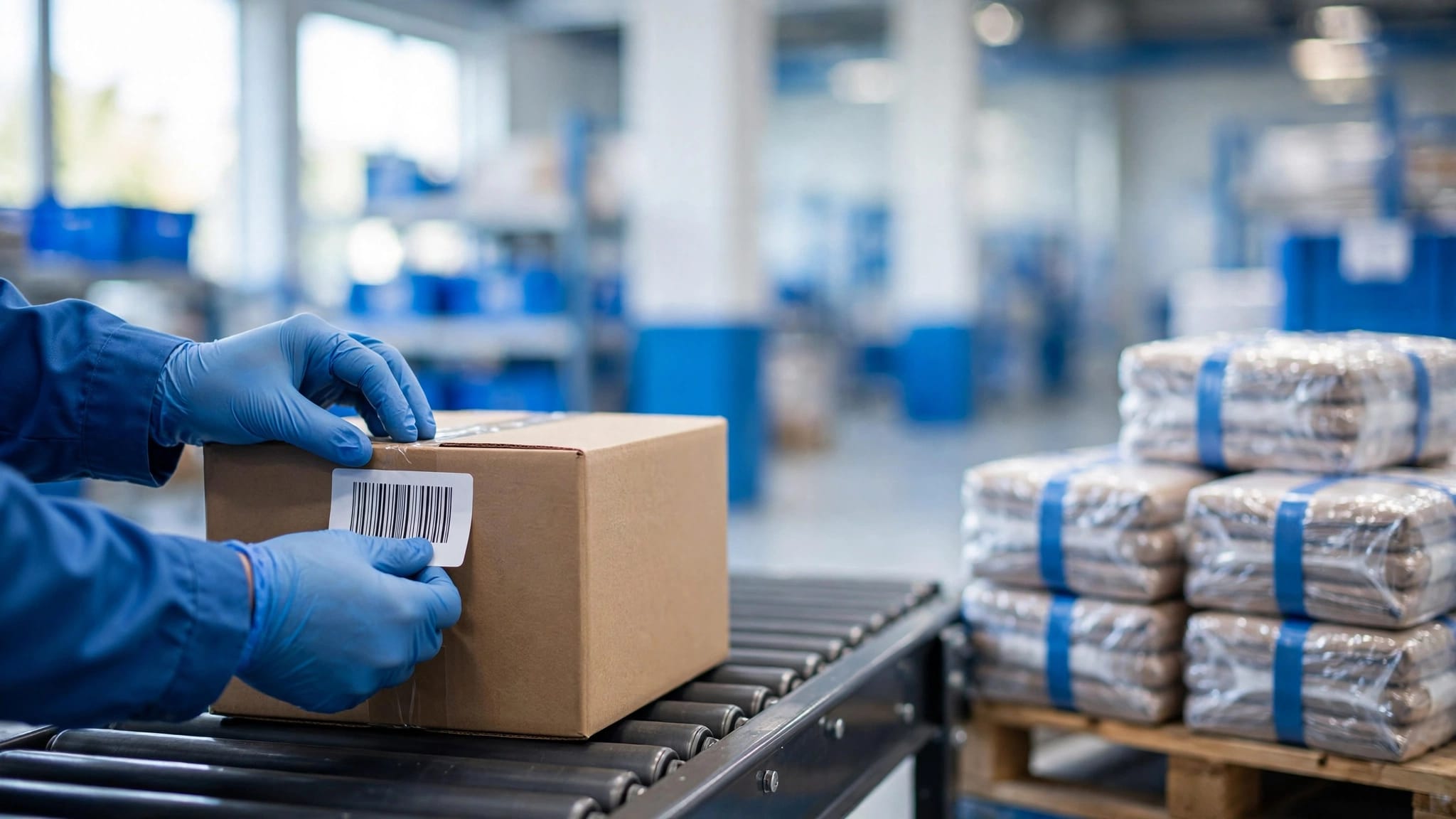
Apply the correct FNSKU or other required barcode to each sellable unit. Place it on a flat, visible surface, and cover conflicting barcodes when the prep instructions require it. Then scan a finished unit to confirm the label matches the SKU and remains readable through any bag or wrap.
When Amazon requires polybagging, the bag must fully enclose the product and meet current specifications. Amazon’s guidance calls for bags at least 1.5 mil thick, with a visible suffocation warning for openings measuring 5 inches or more when laid flat. Check the current Amazon FBA product preparation guidance before setting work instructions, since requirements depend on the item and can change.
Liquids may need added containment to reduce leak risk, while fragile products need packaging that limits movement and absorbs impact. The right materials depend on the container and product. We handle Amazon FBA poly bagging as part of prep, with specifications matched to the units being packed.
Bundles, kits, cartons, and shipment records
A kit or bundle should stay together and scan as the intended sellable unit. Secure its components, apply the correct label to the finished unit, and check a sample before the full run. That simple check can catch a missing item or label mismatch before it affects an entire shipment.
Next, reconcile the packed quantity against the shipment plan. Keep carton contents and configurations consistent where possible, apply the right carton labels, and confirm the shipment records match what is physically packed. Accurate counts and documentation give teams a clear way to investigate discrepancies and help reduce receiving delays or rework. When SKUs have different requirements, keep their approved pack-out instructions separate.
How One Partner Can Manage Prep From Receiving to Shipment
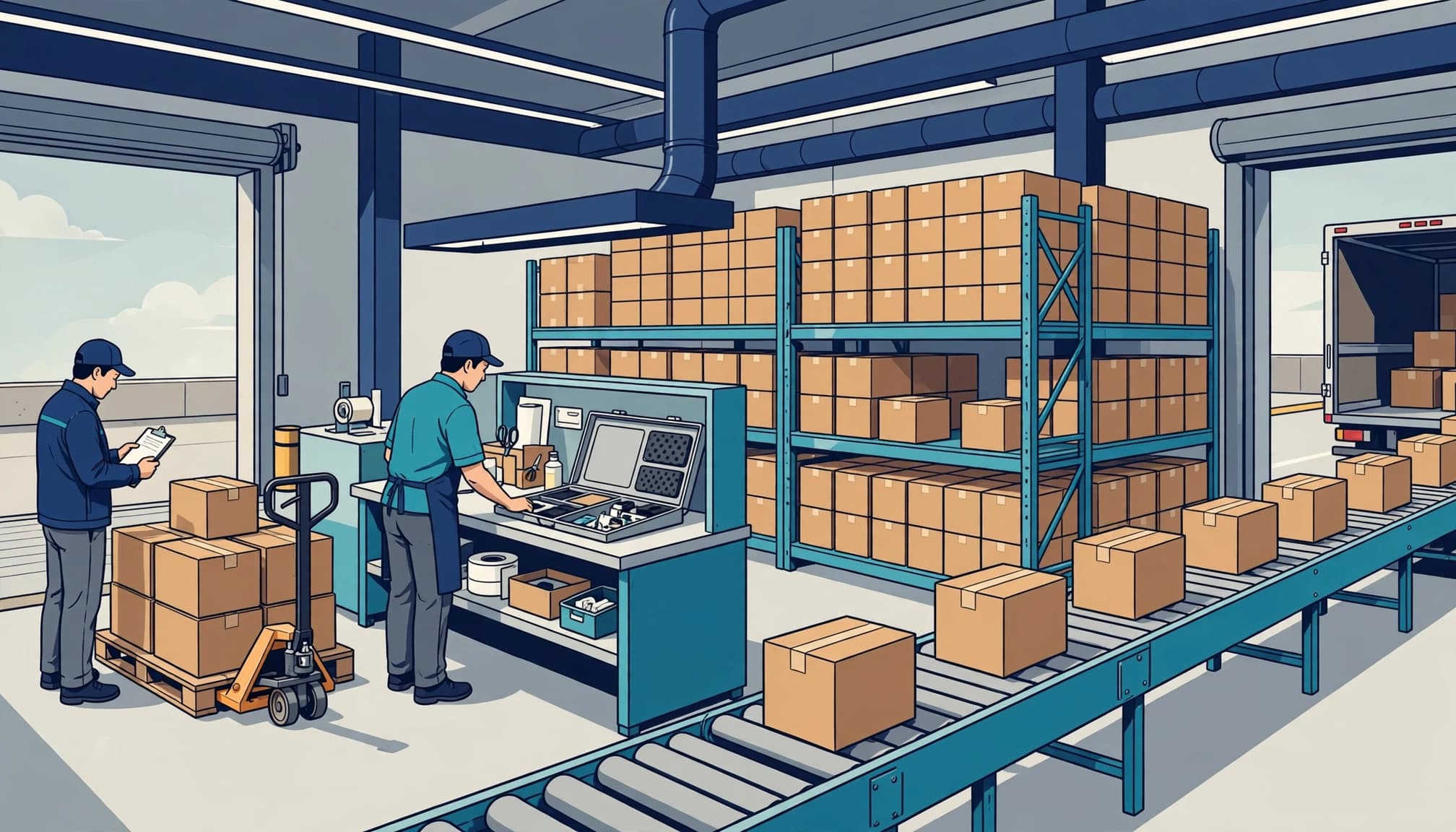
A connected workflow gives each stage the same product and pack-out instructions. At MSL COPACK + ECOMM, our contract packaging, kitting, warehousing, fulfillment, and transportation services can support inventory as it moves through preparation and shipment.
Set specifications before work begins
Start with the information a team needs to handle each SKU correctly: product lists, packaging examples, approved label files, expected unit counts, handling requirements, and approval rules. Note which items need protective packaging, which components belong in a kit, and how finished cartons should be packed for each sales channel.
Before a full run, review a first-article pack-out. This sample lets your team check the assembled unit, label placement, component count, and outer packaging against the approved instructions. If something is wrong, update the specification before the same issue affects the full batch. Clear approvals also help separate Amazon requirements from wholesale or direct-to-consumer pack-outs. See our contract packaging for ecommerce brands for more on combining packaging work with fulfillment.
Use inventory records and quality checks throughout
The process starts at receiving, where teams compare delivered stock with the packing list, record quantities by SKU, and flag damage or count differences for review. After inspection and sample approval, units can move into labeling, protective packaging, kitting, or other contract packaging work. For kits, verify every component before sealing the finished pack, and record any shortage or approved substitution before adding it to finished inventory.
Next, scan labels and check packed counts against the work order. A final inspection can catch unreadable barcodes, incorrect pack-outs, or damaged units before shipment. Amazon’s shipment preparation guidance helps sellers confirm shipment details; other channels may call for their own carton and labeling rules.
When inventory needs to wait, warehousing keeps finished goods available for a later shipment or order. Reporting should show what arrived, what was prepared, what remains in stock, and what shipped. If counts or pack-outs differ from expectations, documented rework procedures help teams identify affected units, correct the issue, and update records before shipping to Amazon or another channel.
When Outsourcing Amazon Prep Makes Sense, and What It Costs
Outsourcing Amazon prep can ease pressure on your team, but it doesn’t automatically lower costs. The right choice depends on product complexity, sales volume, available space, and the work required before inventory reaches FBA. Since Amazon ended US prep and item-labeling services on January 1, 2026, sellers need to handle those tasks themselves or hire a provider, as Amazon’s FBA Prep Service notice explains.

Products and growth stages that may need extra support
Fragile glass or ceramic goods often need careful cushioning and inspection. Leak-prone liquids may require secure seals or protective bagging, while multi-item bundles need accurate component counts and pack-out checks. These extra steps can make prep harder to manage when order volume rises.
Seasonal spikes create another challenge. A team that handles routine volume may not have enough staff or space for a holiday rush, product launch, or sudden promotion. Outsourcing can add capacity without hiring permanent seasonal labor. It may also help when a growing catalog outpaces available staff or storage.
However, simple products with stable, low volume may remain practical to prep in-house. Your team keeps direct control, avoids shipping inventory to another facility, and can change instructions quickly. Compare the options based on your product and operating needs, including Amazon FBA versus contract packaging.
Compare the full service and cost, not just the unit rate
In-house prep, supplier prep, a dedicated prep center, and a broader contract packaging partner each cover different needs. Supplier prep may reduce handling at origin. A prep center focuses on receiving, labeling, and forwarding Amazon inventory. A contract packaging partner may also support kitting, storage, and work for other sales channels.
Ask for an itemized quote covering labor, packaging materials, inbound receiving, storage, inspections, labeling, setup, rework, and freight. Then compare each option’s full cost per sellable unit, including internal wages, space, equipment, training, transportation, and the cost of delays or chargebacks. Minimum charges and small production runs can make outsourcing less economical.
Price matters, but so does execution. Compare provider capacity, inventory reporting, quality controls, turnaround expectations, and contingency plans for late arrivals or volume spikes. The best fit is the option that delivers compliant units reliably at a cost your business can sustain.
How to Start With MSL COPACK + ECOMM and Scale With Confidence
A focused pilot lets you test the process with real products before committing more inventory or expanding the scope. At MSL COPACK + ECOMM, we recommend starting with a limited 60- to 90-day run, then reviewing the results together before deciding what comes next.
Build a pilot around real products and clear measures
Choose one or two representative SKUs, including any that need special handling. Before work begins, agree on the pack-out instructions, materials, label placement, scan checks, reporting, and handoffs. Decide who approves the first sample and how the team will flag, pause, and correct work when something doesn’t match the specification.

During the pilot, assess whether the instructions produce consistent finished units. Check barcode readability, since packaging or label placement can affect scanning, as GS1’s barcode quality guidance explains. Also review prep time, inventory records, rework, and total cost per sellable unit. Those measures help you decide whether the process is ready to expand or needs adjustment.
To scope a useful first run, share one or two SKUs, expected monthly volume, target shipment timing, and any special needs, such as fragile items, liquids, or bundles. Our contract packaging project planning guide can help you prepare for that conversation.
Choose a partner that can support the next stage
Your pilot should match what you need now, while leaving room for likely next steps. For example, Amazon prep may be the immediate need, while future plans could include kitting, contract packaging, storage, fulfillment, or transportation. Discuss those possibilities early so the process can account for relevant inventory and handoffs.
However, don’t pay for services you don’t need yet. Start with a clear scope, then add capabilities when your volume or channel mix calls for them. Once the pilot results show reliable accuracy, timing, records, and cost, you can expand with greater confidence.
Frequently Asked Questions
Choosing a provider raises practical questions about Amazon’s prep rules, packaging work, and the details needed to plan a project. These answers cover common decisions brands face when managing prep and contract packaging.
Does Amazon still prepare or label US FBA inventory?
No. Amazon ended its US FBA prep and item-labeling services on January 1, 2026. Sellers must have inventory properly prepared before it reaches FBA, either by handling the work in-house or hiring a provider. See Amazon’s FBA Prep Service notice for the policy update.
Can one provider handle both Amazon prep and kitting?
Yes. Some contract packaging partners offer Amazon prep alongside kit assembly, labeling, and other packaging work. Before starting, confirm the provider can follow the exact bundle contents, label placement, packaging method, and quality checks required for each SKU. Our kitting services for product bundles can support projects with specific assembly instructions.
Which products often need specialized Amazon prep?
Fragile goods may need cushioning, while liquids can require leak protection. Multi-item bundles also need accurate component counts and packaging that keeps the set together as one sellable unit.

Packaging requirements depend on the product and Amazon’s current rules, so instructions should match each SKU.
Is a contract packaging partner the same as a prep center?
Not always. A prep-focused provider typically receives inventory, prepares and labels units, then sends them to Amazon. A broader contract packaging partner may also offer kitting, storage, fulfillment, or transportation. Choose a scope that fits the work you need, rather than paying for services your operation won’t use.
What information should I provide to get a prep quote?
Share your SKU count, expected unit volume, product dimensions, packaging requirements, label files, bundle instructions, storage needs, and shipment timing. Include special handling needs and any inspection or sample-approval steps. With those details, a provider can define the work and estimate labor, materials, and timing more accurately.
Conclusion
When Amazon prep and contract packaging run through one partner, inventory preparation can be easier to coordinate, especially for products that need special handling or brands managing higher volumes. Fewer handoffs may improve accountability and reduce duplicate handling, provided specifications are clear and quality checks are consistent. Our Amazon FBA prep services can fit into a broader packaging workflow, with each SKU prepared to its approved requirements.
To discuss a quote or first-shipment plan, contact MSL COPACK + ECOMM with one or two SKUs, your monthly volume, and any problem items that need extra attention.
