

How In-Store Displays Support Omnichannel Retail Sales
Shoppers may browse online, compare prices on their phones, and still make their final choice in a store. An in-store display puts your product in that real shopping moment, helping people notice it, understand its value, and find it more easily.
That visibility can support a wider omnichannel campaign, but attention alone doesn’t guarantee a sale. Results depend on the display’s message, placement, product fit, and execution, so brands need to measure performance against a fair baseline. POS displays for big-box retail can play a useful role when those pieces work together.
Key Takeaways
- In-store displays connect omnichannel campaigns to the moment shoppers can see and choose a product, reinforcing messages they encountered online.
- Match placement to the product and shopping context. Endcaps can support discovery, while checkout displays work better for some categories than others.
- Clear offers and visible, easy-to-reach products help shoppers decide quickly. See our retail display solutions for design and execution guidance.
- Track assembly, delivery, placement, stock, and upkeep alongside sales, since execution affects whether shoppers actually see the display.
- Choose a few campaign measures, then compare display stores with a baseline or matched control stores to estimate incremental sales.
Why In-Store Displays Still Drive Sales in an Omnichannel World
Online and physical retail work together. A shopper may see a product in an ad, check it on a phone, then make a choice while standing in the store. Displays put a campaign in that final decision moment, where shoppers can see and handle the product. They can support sales, but results depend on the product, placement, offer, and execution.
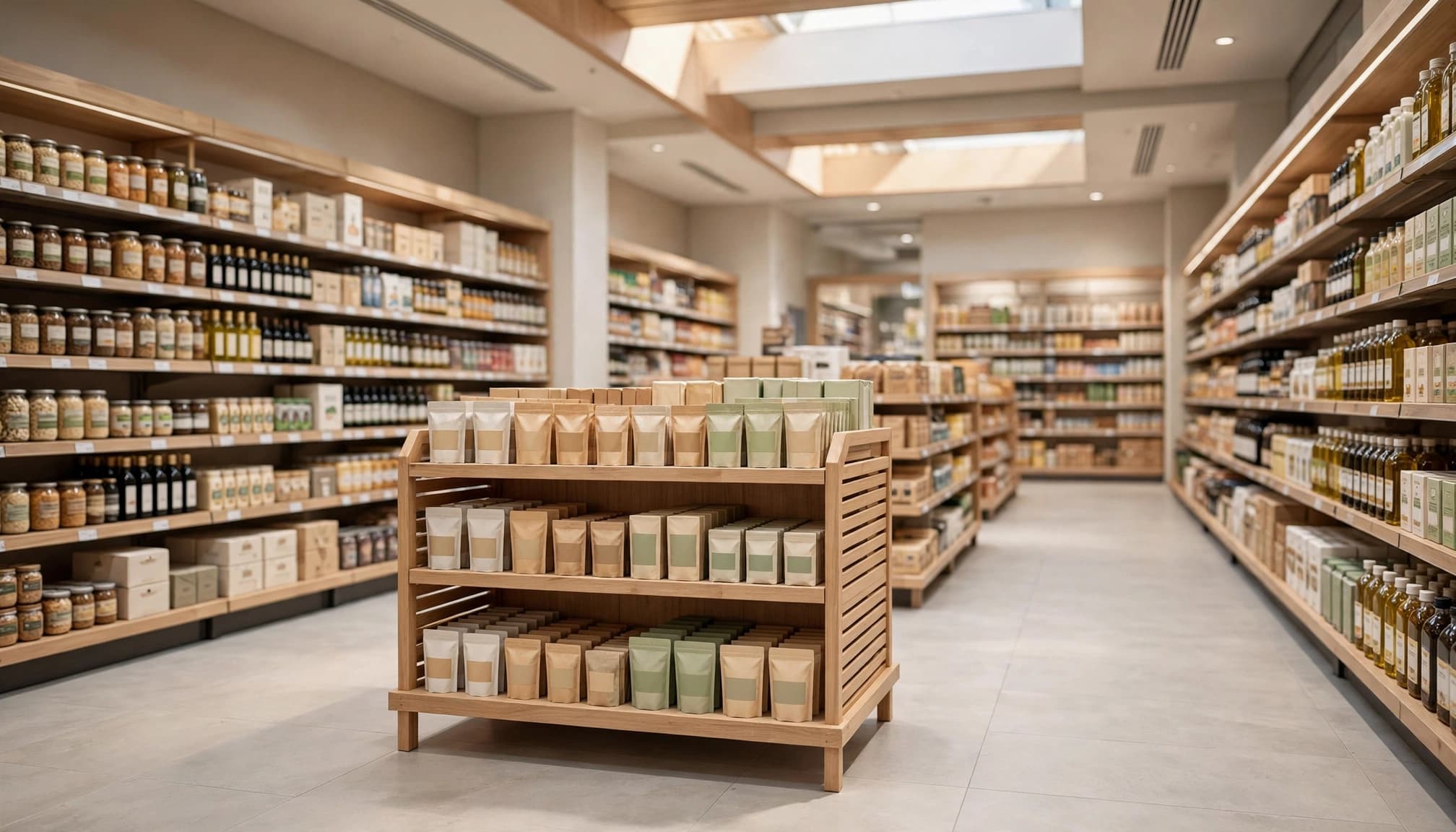
They meet shoppers at the moment of choice
Busy aisles ask shoppers to sort through many products quickly. A display in a relevant, visible location can help a product stand out, while a simple offer gives shoppers a reason to pause. Clear presentation matters: the product and main message should be easy to notice without competing with too many graphics or details.
That visibility may prompt an unplanned purchase, especially when the item is accessible and the offer makes sense. However, impulse buying varies by product and setting. A checkout fixture may suit a small snack, while a larger or planned purchase may need space for browsing and comparison. A display can influence the decision, but it cannot guarantee a sale.
They make products easier to discover and compare
A display can group related items or arrange options by size, flavor, or type. Shoppers can then compare choices without searching several shelves. Keep products visible and within reach, and make prices or offer terms easy to understand at a glance.
Visual appeal helps draw attention, but access and clear messaging help shoppers act on it. A well-organized fixture can also connect complementary products when the pairing fits the shopping occasion. For ideas on formats designed to simplify discovery, see our guide to floor-ready POS displays.
They build recognition beyond the store visit
When a display repeats the colors, logo, product imagery, and plain-language benefits shoppers saw online or on packaging, it reinforces a familiar campaign. That consistency can help shoppers recognize the brand across channels and feel more familiar with the product. It supports recognition, though it does not guarantee trust or a purchase.
Keep the visual identity consistent, but adapt the layout to the aisle, viewing distance, and available space. A clean display gives the product and key message room to stand out, so shoppers can connect the in-store presentation with the brand they encountered elsewhere.
How in-store displays connect the online and offline journey
A physical display can carry a campaign into the store, where shoppers can see the product, compare options, and decide whether to buy. The connection works in both directions: online discovery can lead to an in-store purchase, while an in-store display can prompt a shopper to place an order later.
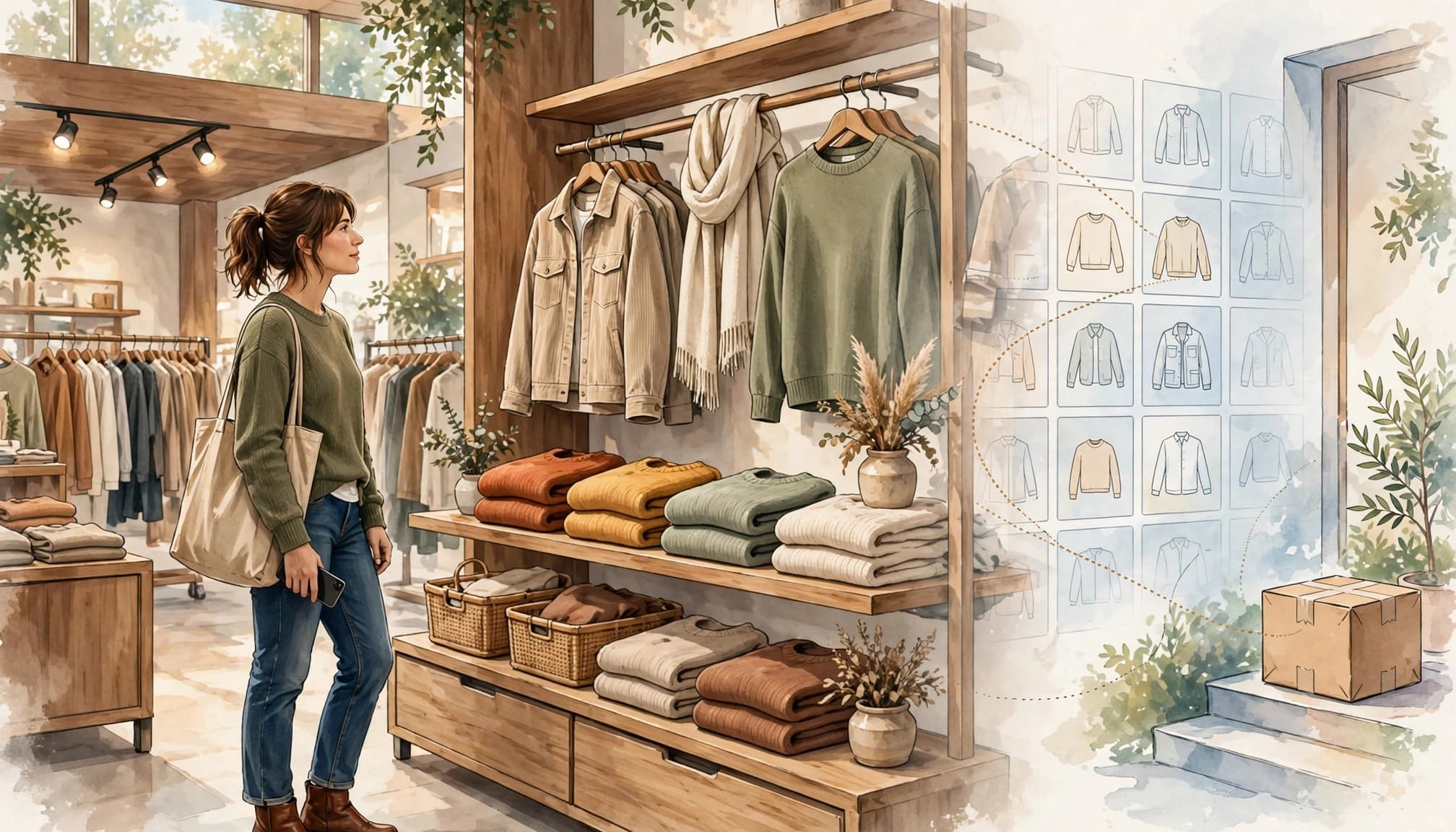
Keep campaign details consistent across channels
When a shopper sees an ad online, then encounters the product on a store display, familiar details make the connection easier. Use the same product name, imagery, brand colors, and core benefit across display signage, ecommerce pages, and digital ads. Keep prices, discount amounts, and offer terms aligned too.
If the display advertises a discount that the product page doesn’t show, shoppers may question which offer is accurate. That mismatch can cause confusion and weaken trust. Before launch, coordinate campaign updates across marketing and retail teams, and make sure store materials and online listings reflect the same approved details.
Use QR codes and digital features to add value
A QR code can give shoppers more information than a display can comfortably hold. It might open a product page, show a short demonstration, explain how to use an item, or help shoppers find a nearby store. For an in-store discovery, a direct link to an online listing can also support a later purchase.
Keep the printed display useful on its own. Shoppers should understand what the product is and what the offer includes without scanning or waiting for a screen. Add a digital feature only when it answers a real question quickly, and check that the link works on a phone. For more ideas, see these POS display design trends.
Choose display messages for the store and shopper
A campaign message that works in one location may not fit another. Store format, sight lines, traffic, lighting, and shopper needs all affect what people notice and whether they can interact with the display. A window display may suit a visually led apparel campaign, while a busy grocery aisle may call for a short offer message and easy product access.
Placement should also fit the category. Checkout units can work for small, convenient purchases, but they aren’t equally effective for every product. Consider where shoppers make decisions, how much time they have, and whether store staff can keep the unit stocked. A display that fits the setting helps the campaign feel relevant instead of interrupting the shopping trip.
What makes a retail display effective on the sales floor
An effective retail display earns attention, explains why the product matters, and makes it easy to shop. It also needs to fit the store and stay practical for staff to assemble, stock, and maintain. The right design balances shopper appeal with real sales-floor conditions.
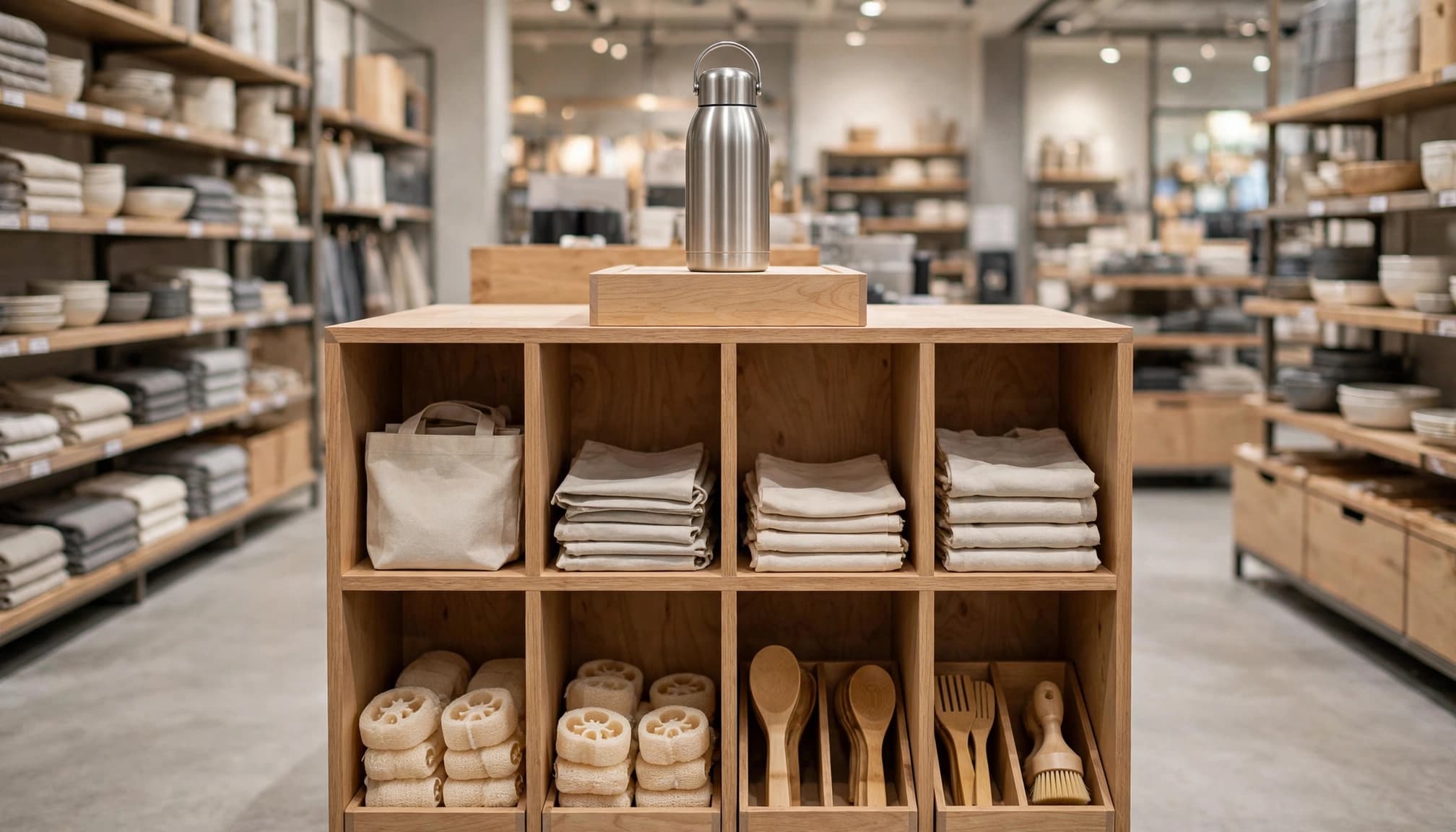
Make the product and offer clear at a glance
Give the display one clear product focus. A shopper passing by should quickly understand what’s featured, what benefit it offers, and whether there’s a promotion. Use readable wording, strong contrast, and visible product packaging. Keep offer terms simple, including any limits or purchase requirements, so shoppers don’t have to stop and decode the message.
Research in specific retail settings has linked displays and promotions with impulse-buying behavior. A survey of apparel shoppers at DLF Mall of India, for example, found an association between window displays, promotional offers, and impulse purchases. However, that local study doesn’t prove the same effect in every store or category. Treat a display as a way to support a decision, not a guarantee of sales.
Match the display to the space and product
Choose the format based on the item, retailer rules, sightlines, and how shoppers move through the store. Counter units can suit compact products near checkout, while floor stands give larger assortments a dedicated footprint. Endcaps can gain visibility at aisle intersections, and shelf displays can organize products where shoppers already compare options. Window displays may work well for visually led products, but they need to suit the store frontage and campaign.
No format wins in every setting. Check permitted dimensions, placement, and access before finalizing a design. A display that blocks traffic or hides nearby merchandise can frustrate shoppers and store teams. For more planning considerations, see our floor display formats and retail setup guide.
Make setup, stocking, and upkeep simple
A display should arrive complete, stable, and easy to open and fill. Clear assembly instructions help staff set it up correctly, while accurate product counts prevent incomplete units from reaching the floor. Keep branding visible after assembly, and place the display where it won’t obstruct aisles or create a safety issue.
Plan for the display to look orderly as inventory sells. Shelves, trays, or compartments should keep remaining products visible and accessible, and staff should be able to replenish them without taking the unit apart. A floor-ready layout saves time only when it stays manageable after the first stock is removed.
How to measure display performance and improve the next campaign
Sales during a display campaign show what happened while the display was present. They don’t show how many of those sales the display actually added. To estimate its contribution, compare results with a fair baseline and record how stores executed the plan.
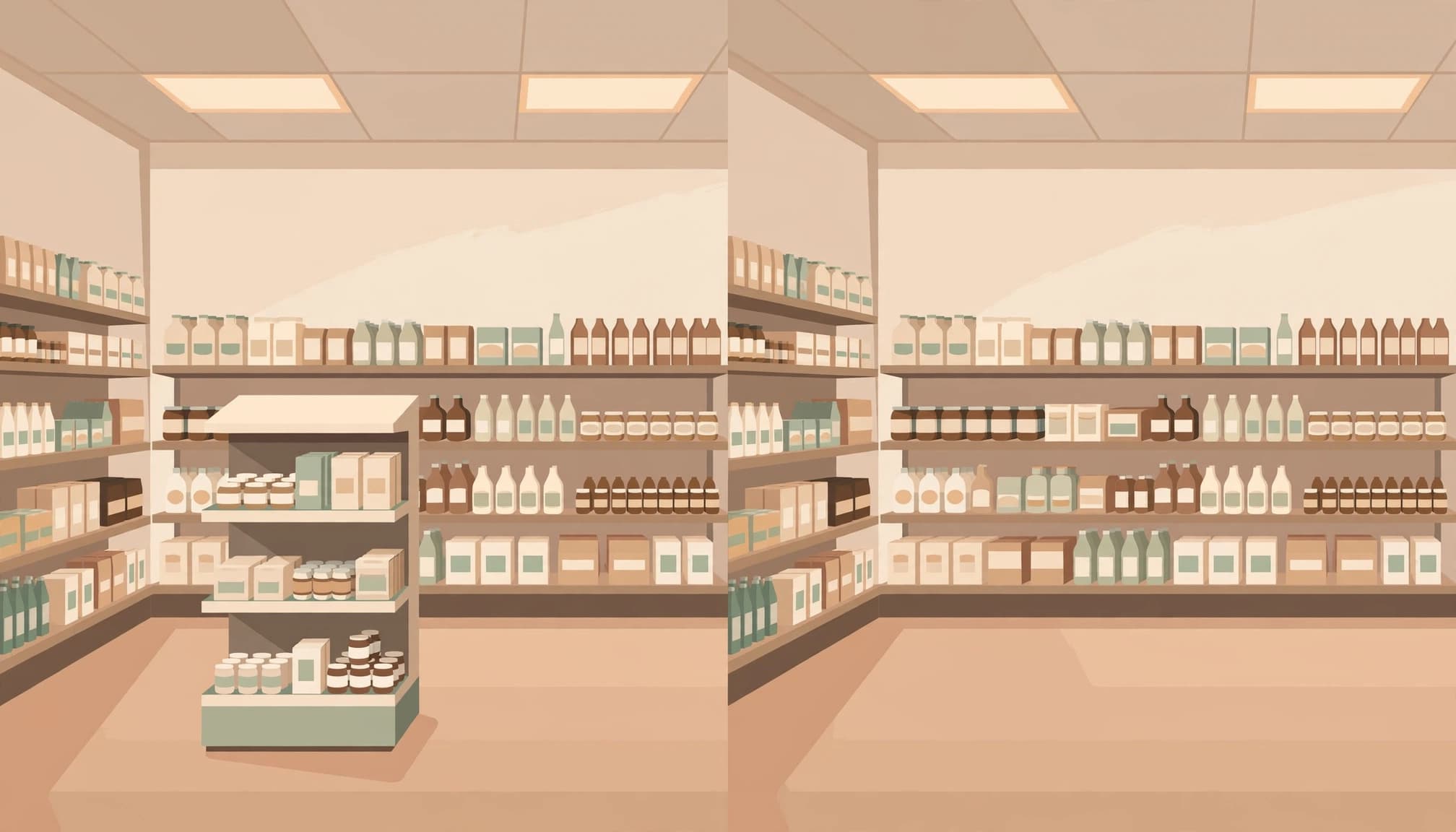
Compare results with a fair baseline
Where possible, compare similar stores or store-weeks, matching factors such as store format, past sales, and season. Keep price, promotion, product assortment, and timing as consistent as possible. If those conditions change, record when and where so the comparison has useful context.
Track units sold, gross margin, relevant category sales, and display compliance. A display might increase sales of the featured product while shifting purchases away from another item in the category, so category results can add perspective. A matched-store test can help estimate incremental lift, but it isn’t a guaranteed formula or proof that the display alone caused a change.
Shopper studies can offer useful clues about how presentation and promotions relate to buying behavior. However, many rely on surveys or observations, which show associations rather than proving cause and effect. Use those findings to shape a test, then judge your campaign with store-level evidence.
Track execution as well as sales
Sales figures need operational context. Record the store format, display location, campaign dates, stock availability, and whether each unit was set up as planned. Also note whether staff kept it filled, tidy, and easy to shop.
For a multi-store rollout, calculate the share of displays built and placed correctly and on time. Store photos taken at setup and during the campaign can help confirm placement, condition, and stock levels. If displays were missing, damaged, moved, or inconsistently maintained, sales differences become difficult to interpret.
Use results to refine design and operations
Review the numbers alongside store feedback and photos. If shoppers couldn’t see the display, test a different location. If the message was unclear, simplify the wording. Low stock may call for a different product mix or replenishment plan, while a unit that crowds the aisle may need a smaller footprint.
Setup problems also matter. Revise assembly instructions when staff struggle to build or fill the display. POS and POP assembly or retail-ready packaging can help units arrive ready for placement and reduce avoidable store work. Our POS and POP display assembly services support consistent preparation for retail rollout. Use each campaign’s evidence to decide what to repeat and what to change next time.
Frequently Asked Questions
In-store displays can support shoppers and campaign goals, but their value depends on the product, retailer, and execution. These answers address common questions that come up when planning a display program.
Are in-store displays still useful when most shoppers research online?
Yes. A display can help shoppers discover a product, evaluate its packaging or features in person, and find it easily when they’re ready to buy. It also brings a campaign into the store, where shoppers may compare options or make a final decision after researching online.
Do checkout displays increase impulse purchases for every product?
No. Results depend on the item, shopper, and store context, including whether the product suits a quick add-on purchase. For example, research with grocery shoppers in selected Karnataka cities found checkout impulse buying was limited and sporadic for most categories, so brands should test the format rather than assume it will work.
Which type of retail display should a brand choose?
Start with the product and campaign goal, then consider retailer rules, available space, and how shoppers move through the store. A compact counter unit may suit a small add-on item, while a floor display can give a larger assortment more room. For aisle-end placement, review end cap display design and planning before settling on a format.
How can a brand tell if a display caused more sales?
Compare display stores with a suitable baseline, such as similar stores without the display or the same stores during a comparable period. Track promotions, product assortment, stock, placement, and whether the display was installed and maintained as planned, since each can affect sales. A matched comparison can estimate lift, but it cannot prove the display alone caused a change; see our guide to measuring retail display campaign performance.
Can a display support both store sales and online shopping?
Yes. Consistent campaign messages help shoppers recognize the product across channels, while a useful QR code can link to details, instructions, or an online listing. Keep the display clear without a scan, and use the link only when it makes the shopper’s next step easier.
Conclusion
In-store displays still matter because they help shoppers notice and understand a product at the point of choice. They also carry campaign messages into the store, connecting physical shopping with the online discovery that may have come before it.
That value depends on more than visibility. Before launch, align the design and placement with the store, plan assembly and upkeep, and choose a measurement approach that separates observed sales from estimated lift. A well-planned display makes the omnichannel experience more useful where shoppers make their decisions.
