

How Long Does It Take to Onboard a Contract Packaging Partner?
How much time should you allow before a new contract packaging partner is ready for real orders? Plan for several weeks to several months. There’s no single standard timeline: the estimate depends on when the clock starts, how complex the work is, and whether your product details, packaging materials, and approvals are ready.
A project measured from an approved product and signed agreement may move faster than one that includes partner evaluation and contract negotiations. We’ll explain the timeline, the steps that shape it, and the delays you can help prevent. Start with our contract packaging partner checklist to prepare for the first conversations.
Key Takeaways
- Plan for several weeks to several months; no single timeline applies to every contract packaging project.
- The estimate changes with the start point: partner evaluation and contracting take longer than planning from a signed agreement and approved product.
- Clear specifications, approved artwork, quality requirements, and available materials help prevent avoidable delays.
- Trials and a limited pilot can reveal packaging or process issues before you commit to larger production volumes.
- Define the finish line, too. Trial completion, first production, quality release, and delivery are different milestones; our contract packaging partner onboarding guide offers additional planning context.
How Long Does It Take to Onboard a New Contract Packaging Partner?
Plan on about 4 to 12 weeks for qualification and onboarding when the product and materials are ready. If you include partner evaluation, contract negotiations, and the first commercial production run, the full journey can take roughly 4 to 9 months. These are planning estimates, not guarantees, because providers may count different milestones as the start and finish.
Know when the onboarding clock starts and stops
Initial outreach begins the partner search, but it doesn’t mean production onboarding has started. Evaluation, facility audits, capability checks, and contract negotiations can all happen before a project is ready for technical setup. An estimate that starts after a signed agreement or approved formula excludes that earlier work.
The timeline also depends on what counts as completion. Approved product and packaging specifications may allow the partner to order materials and plan a trial, but they don’t mean the product is ready to ship. A trial confirms the process under test conditions. First production is the first scheduled commercial run, while QA release means the finished goods have passed agreed checks. Delivery comes later, after shipment and receipt.
For a useful planning framework, review our contract packaging onboarding process. Set a clear start date and endpoint when comparing estimates, then assign owners and approval dates to the milestones in between.
Use a phase-by-phase timeline to set expectations
The phases below show where time may go. Several can run at the same time, so don’t add every estimate together to predict a launch date.
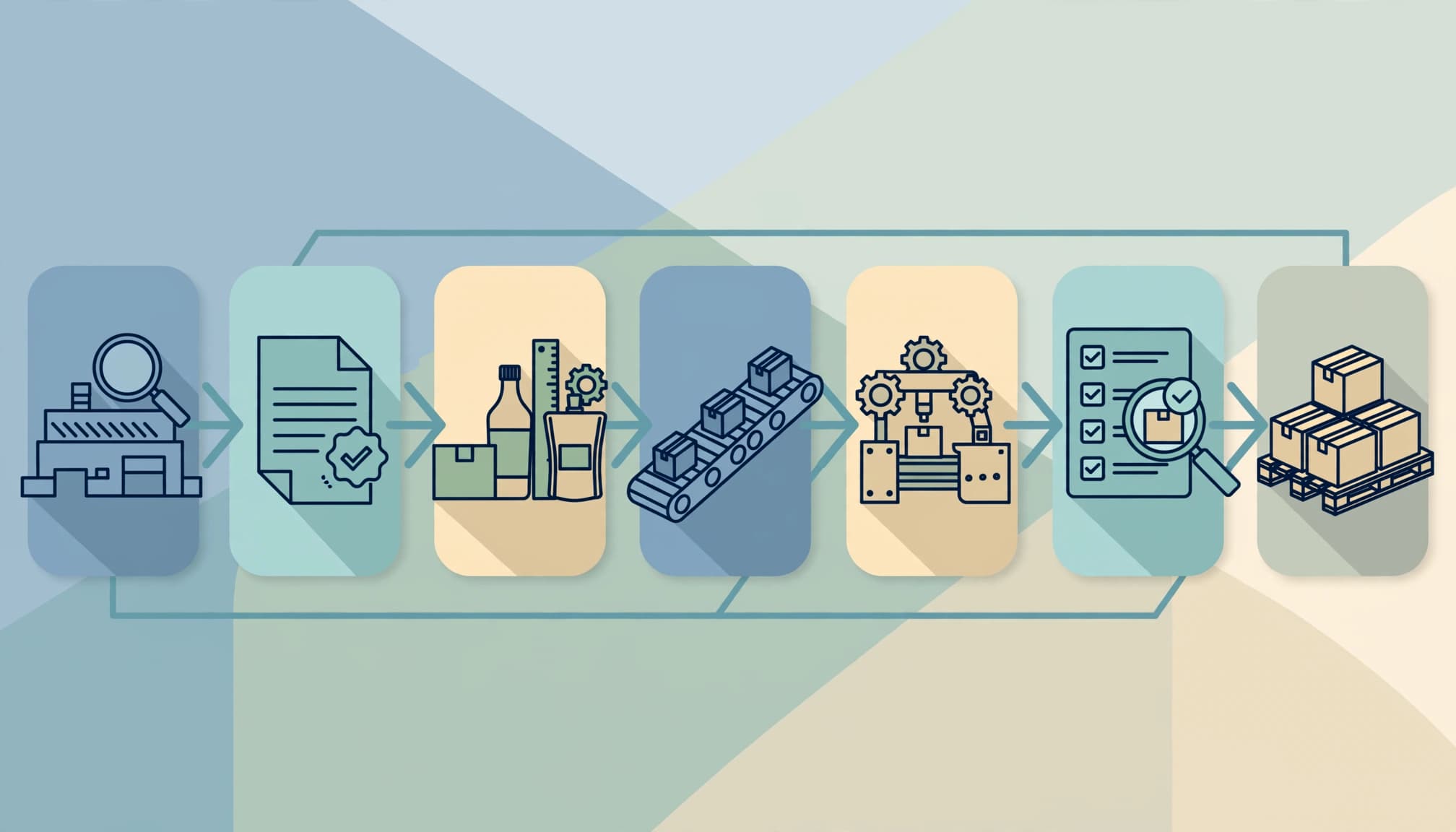
- Facility evaluation and audit: Allow about 4 to 6 weeks to assess capabilities, review quality systems, and resolve any audit findings.
- Contract negotiation: This can take 4 to 8 weeks, depending on how quickly both sides agree on scope, responsibilities, quality standards, and timing.
- Trials and specification alignment: Plan for 6 to 10 weeks to confirm product requirements, packaging details, samples, and line performance. Additional trial cycles may extend this phase.
- Materials procurement and line setup: Often allow 4 to 6 weeks. Artwork approvals, custom components, supplier lead times, and production scheduling affect the date.
- First-run QA verification: Set aside another 2 to 3 weeks for checks and release after the first commercial run.
Meanwhile, teams can negotiate the contract while the facility review proceeds, or order materials once artwork and specifications are approved. That overlap can shorten the calendar, but only when decisions happen on time and the work has no unresolved quality or supply issues. Agree on whether your target is trial completion, first production, QA release, or delivered goods before setting a launch date.
What Happens During Each Stage of Contract Packaging Onboarding?
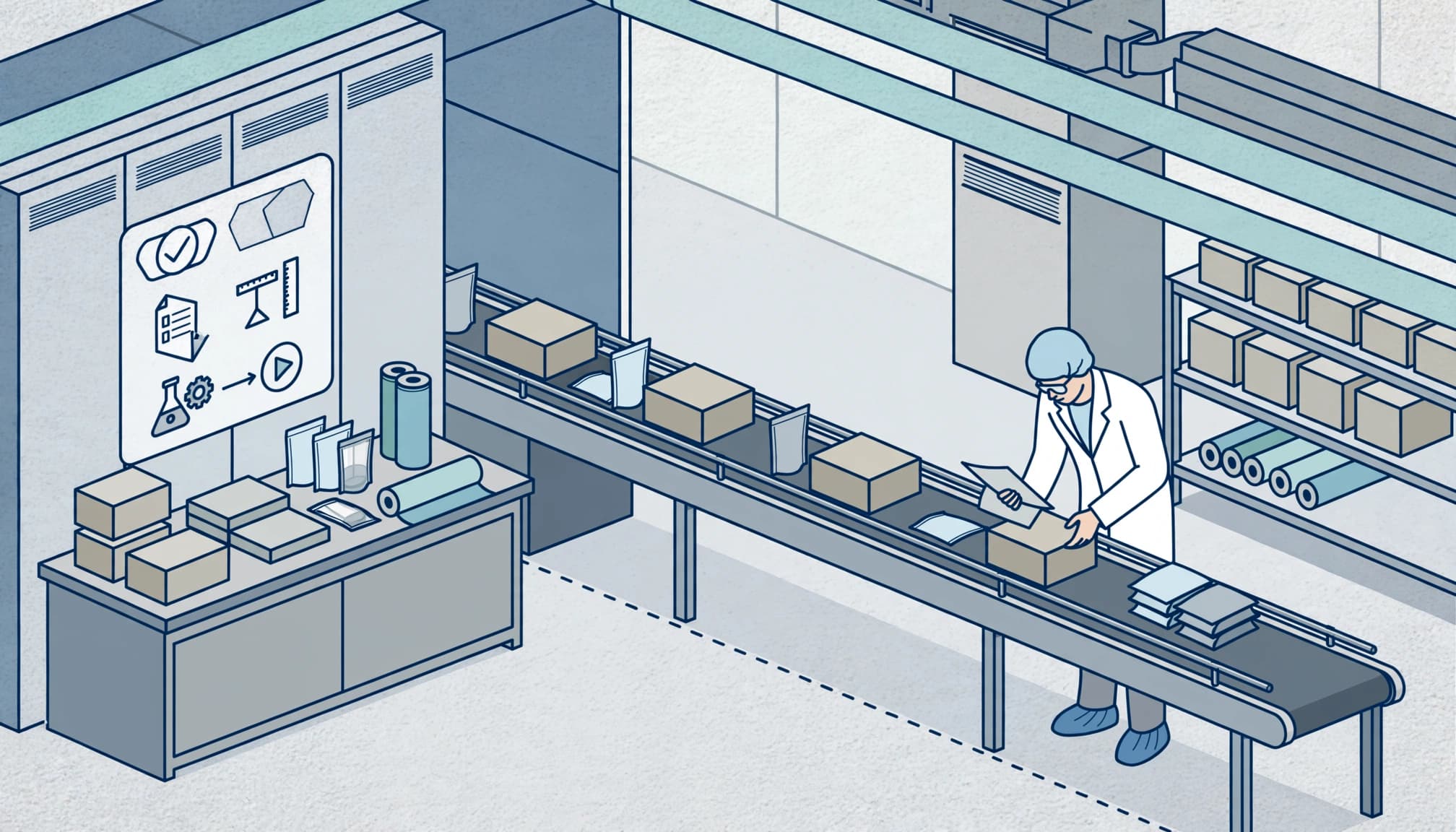
Contract packaging onboarding turns an initial conversation into a documented, repeatable production process. The brand and provider share responsibility: both need to clarify requirements, approve decisions, and keep work moving. Some steps can overlap, but production depends on key inputs such as approved specifications and available materials.
Start with product fit, facility review, and partner qualification
First, describe the product and the work involved. Share its format, expected volumes, packaging needs, handling requirements, and target dates. Then compare those needs with the provider’s equipment, capacity, minimum order quantities, lead times, and experience with similar products. A provider should also explain how it handles the intended sales channel, since retail cases and parcel shipments can have different requirements.
The provider reviews whether the facility, line, and quality systems fit the job. The brand may need to provide product details, forecasts, and quality requirements, while the provider may request records, references, or a facility audit. These checks take weeks rather than days, especially when teams need to schedule visits or resolve findings. For more guidance on evaluating a provider’s capabilities, see our contract packaging strategies for business growth.
Align specifications, quality records, and approvals
Once the basic fit is clear, both teams document how the product should be packed and inspected. Useful inputs include product and packaging specifications, acceptable tolerances, allergens or handling needs, inspection methods, batch records, finished-product standards, and required tests. Agree on who owns each approval and how updates will be controlled, so production teams don’t work from outdated instructions.
Packaging details can hold up the schedule if they remain open. Approve samples, artwork, labels, barcodes, case counts, and pallet patterns before ordering printed components or finalizing the production plan. Also confirm shipping requirements, such as carton configuration and pallet stability, so the completed goods can move to the next destination. Clear inspection expectations and traceability records help both sides respond consistently if a product falls outside spec. See our guidance on quality management for contract packaging.
Order materials, run trials, and confirm production readiness
After specifications and artwork are approved, the provider can order or stage materials. Ingredients, cartons, labels, inserts, and other components may take several weeks to arrive. Custom tooling or specialized packaging can take longer, so procurement should begin as soon as the required details are final. Meanwhile, teams can reserve a tentative production slot and prepare line instructions.
A trial checks whether the planned setup works in practice. The teams review line settings, package quality, counts, label placement, and product handling, then record adjustments. If the trial exposes a problem, another run may be needed. A successful trial is an important checkpoint, but it isn’t automatically formal validation or QA release. Complete any required validation and quality reviews, then approve the production run and its release criteria.
To reduce risk, some brands begin with one SKU family, promotion, or overflow program before expanding the scope. That pilot lets both teams test communication, reporting, and quality controls on a manageable scale. The trial, first commercial run, QA release, and delivery remain separate milestones, so agree on which one marks onboarding completion.
What Can Speed Up or Delay a New Packaging Partner Launch?
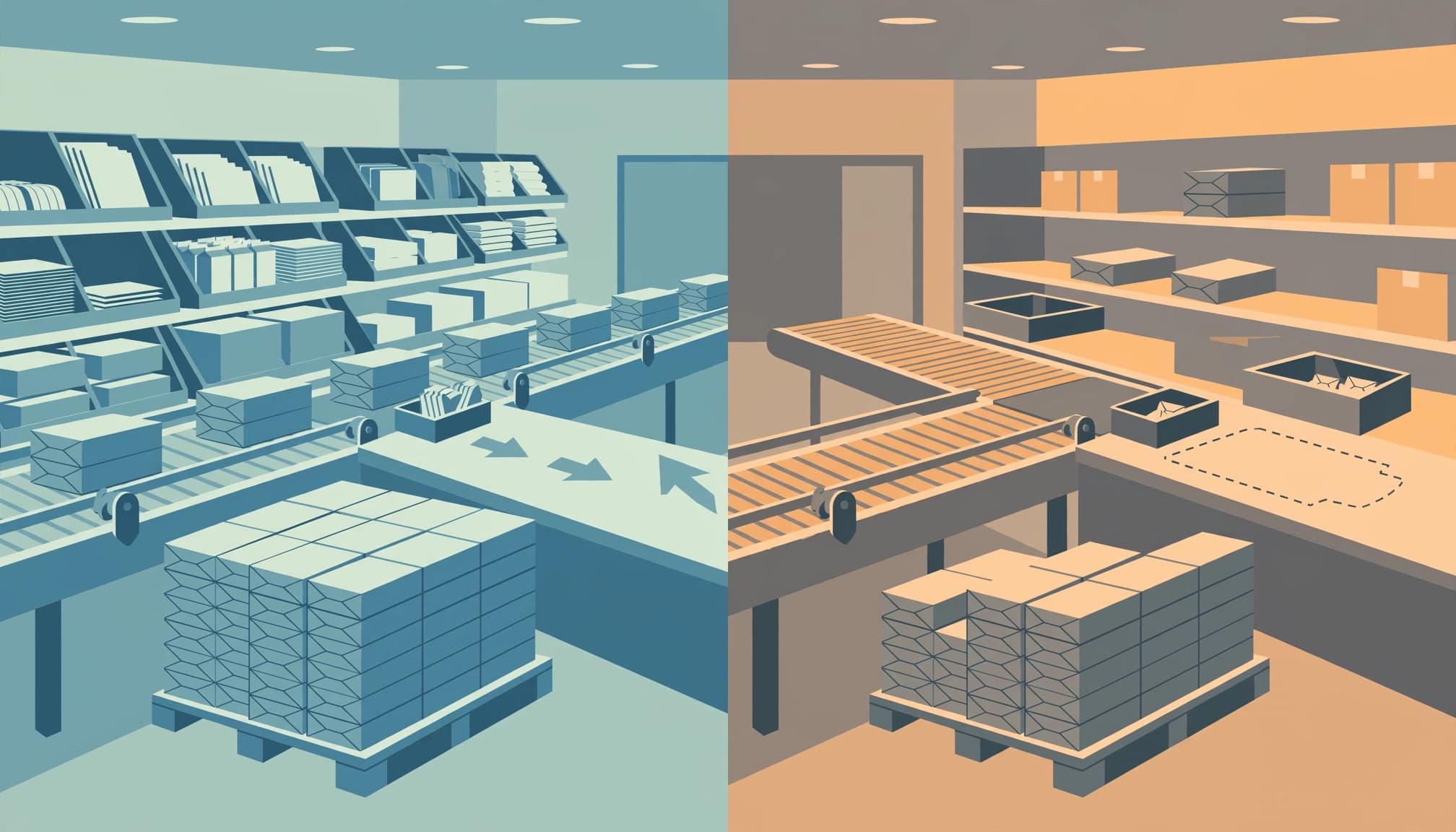
A launch moves faster when both teams can make decisions from complete, approved information. The biggest delays often come from open specifications, late approvals, unavailable materials, or production capacity that was never confirmed. Some of these risks are within your control; others depend on the provider or its suppliers.
Ready specifications and familiar packaging can shorten the timeline
An approved formula or product specification gives the provider a clear starting point. Include product dimensions, component materials, pack requirements, quality checks, and shipping needs so the team can assess labor, equipment, and line setup without repeated clarification. Complete compliance records also help the provider identify requirements before a trial or production date is set.
Packaging the partner already runs can save time, too. Familiar cartons, labels, films, or other components may avoid the need for new tooling or extra line testing. However, the provider still needs to assess product and equipment fit, review your requirements, and confirm that the project is ready to run.
Once artwork and proofs are approved, the team can place material orders sooner. Early purchasing matters when printed components or other supplies have long lead times. You can also ask the provider to hold a tentative production slot while approvals and materials progress. That creates a planning target, though the date still depends on readiness and confirmed capacity.
For a practical breakdown of the details that commonly hold work up, see our guide to preventing delays before packaging production begins. A complete brief and one clear approval path help keep outdated files and unresolved decisions from reaching the line.
Changes, custom materials, and peak demand add weeks
An incomplete specification can stall the project before materials are ordered. If dimensions, labels, case counts, or inspection requirements change after approval, the provider may need new proofs, revised components, or another trial. Slow feedback from marketing, quality, or legal teams can extend the wait even when the provider is ready to proceed.
Supply and capacity bring risks outside your direct control. A shortage of ingredients or printed packaging can push out delivery dates, while custom tooling or a specialized process may require added setup and testing. Audit findings can also delay approval until both teams close the gaps. And if a trial reveals problems with fit, labeling, or pack quality, another cycle may be necessary.
Peak-season demand can limit available line time, even when your specifications and materials are ready. Ask the provider when materials must arrive, how long a schedule hold lasts, and what happens if a component misses its cutoff. Confirm whether a late shipment means losing the slot, moving to the next opening, or paying for a revised schedule. These answers reveal which dates you control and which depend on suppliers or the provider’s calendar.
How Can You Keep Contract Packaging Onboarding on Schedule?
A reliable onboarding schedule depends on decisions arriving before they block the next step. Give your partner complete information, name the people who can approve changes, and check progress against agreed milestones. Then test the process at a manageable scale before assigning a large production volume.
Build a complete handoff packet before the kickoff
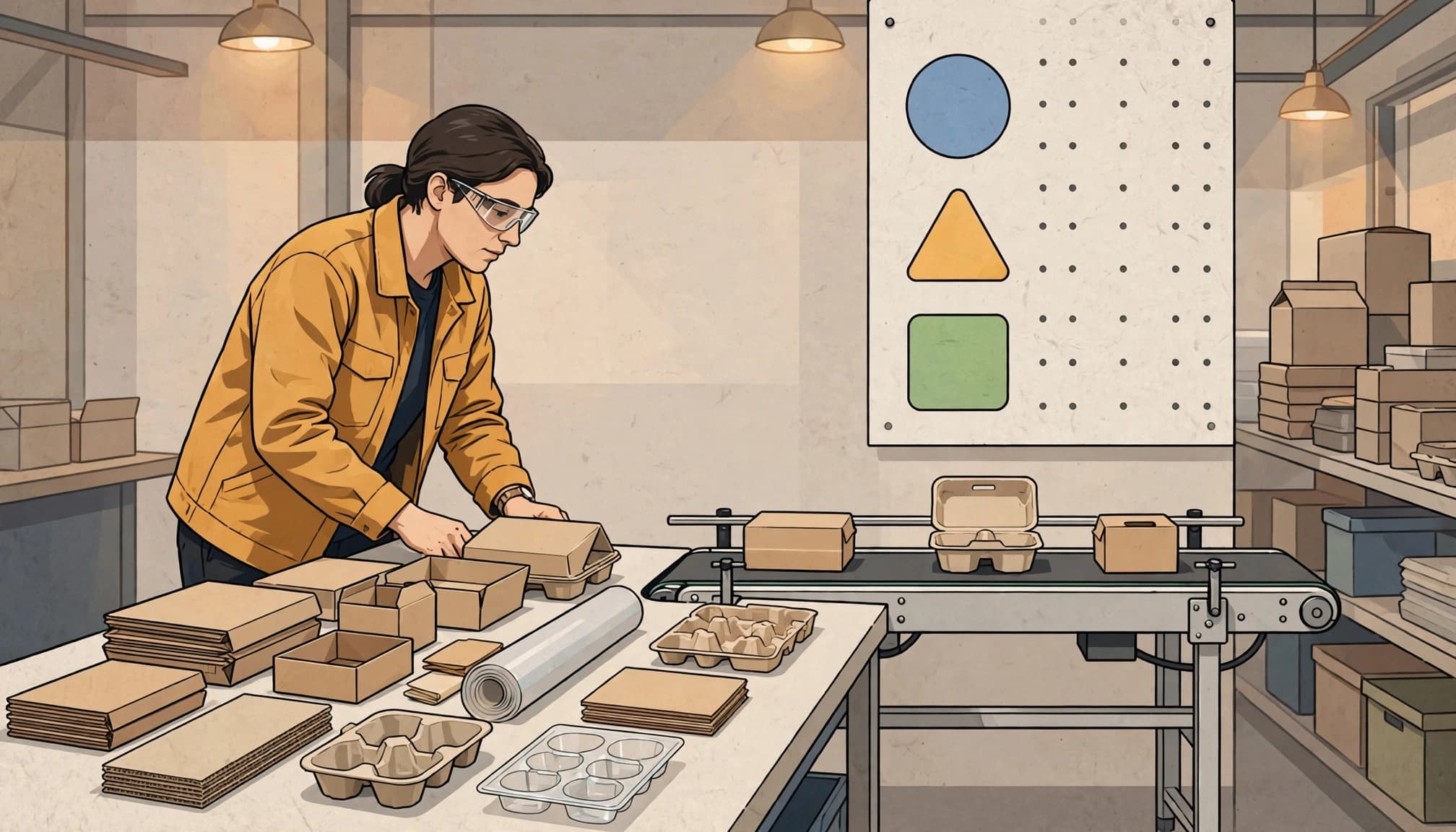
Send one organized packet so the packaging team can plan labor, materials, equipment, inspections, and shipping without chasing missing details. Include:
- SKU and product data, dimensions, weights, and handling or storage needs.
- Packaging specifications, dielines, current files, product photos, and approved physical samples.
- Quality checks, acceptance criteria, barcode requirements, case counts, and pallet details.
- Expected volumes by SKU, target ship dates, and any channel-specific shipping instructions.
Also assign one person on your team to own artwork and specification changes. That owner can gather feedback from marketing, quality, and operations, then send one approved version to the partner. Record each approval with its date and file version. This prevents a late comment from sending the team back to an outdated proof or triggering a new material order.
Agree on an exception process before work begins. Define how either team flags a missing component, failed inspection, damaged goods, or a spec that does not match the sample. Include who receives the alert, how quickly they should respond, and who can approve rework or a schedule change. For material timing, review packaging lead times and procurement planning before setting dates that depend on printed or custom components.
Use checkpoints, a pilot run, and a phased ramp
Set check-ins around decisions that affect the next stage, rather than relying on general status updates. Confirm qualification requirements, artwork approval, material availability, trial results, and production readiness. At each checkpoint, record what is complete, what remains open, who owns the next action, and the date it must be resolved.
Start with a representative SKU or a limited program that reflects normal work. Before the pilot, agree on what counts as acceptable performance. Afterward, review barcode scans, unit and case counts, damage, labor, turnaround time, and exception reporting. Document any changes to work instructions or packaging specs, then confirm the revised version before expanding the scope.
A 30- to 60-day onboarding plan can organize meetings, approvals, material staging, and a pilot. However, that calendar is a planning tool, not a promise that every project will reach full production readiness within that window. Custom materials, additional trial cycles, open quality requirements, or delayed decisions may extend the schedule. Once the pilot meets the agreed criteria, increase volume in stages and keep the same reporting and approval process in place.
How do you know the partner is ready for your first full run?
A partner is ready when the process, people, materials, and schedule are confirmed in writing, and a pilot has met agreed standards. Before inventory moves at scale, make sure both teams know what acceptable output looks like, how issues will be handled, and what the full service will cost.
Confirm quality controls, inventory rules, and escalation contacts
Set acceptance criteria before the first full run. Approve a first piece, then document the inspection and sampling plan, including the checks, sample frequency, and defect limits. For example, define acceptable label placement, readable codes, correct counts, and seal or package condition. Agree on what triggers a production stop, who can authorize a restart, and when a corrective action is required.
Traceability and inventory controls also need clear owners. Confirm how the partner records product and component lots, reports inventory counts, and handles damaged, short, or suspect materials. Define hold-and-release rules so inventory stays on hold until an authorized person approves release, rework, return, or disposal. Any substitution should require written approval before use.
Ask for a run summary that reports quantities produced, yields, defects, holds, and lot codes. Set the reporting cadence and name a primary contact and backup for urgent issues. For more detail on records that connect packaged units to component lots and shipments, see our guide to lot tracking for co-packers. We recommend agreeing on response times and escalation steps before production begins, not during a line stoppage.
Compare the full schedule and service plan, not just the quote
Ask the provider to confirm the planned production slot, the cutoff for receiving materials, and the target ship date. Also discuss peak-season capacity, minimum and maximum volumes, lead times, and how the team will report delays. A dependable plan identifies what happens if materials arrive late, damaged, or short, and whether the production slot can be held or must move.
Then review the complete cost and service terms. A low unit rate may leave setup, changeovers, materials, storage, freight, rush work, or rework outside the quote. Clarify who owns unused or excess materials, who pays for obsolete components after a spec change, and how approval works for added work or charges. Put volume commitments, acceptance standards, documentation, service-level targets, and change-order rules in the agreement. Our overview of co-packing costs, setup fees, and storage can help you compare quote details.
The partner is ready when the agreed standards are met in a representative pilot, responsibilities are clear, and the schedule and full service costs are understood.
Frequently Asked Questions
Even with a timeline and readiness plan, a few practical questions can affect how you set expectations. The answers below focus on what can change the schedule and what to confirm with your packaging partner.
Can onboarding be completed in four weeks?
A narrow project may be ready in four weeks if the product fits an existing line, specifications and artwork are approved, materials are available, and the partner has capacity. However, four weeks isn’t a safe promise for every product. Confirm feasibility against the actual product, required approvals, material lead times, and the provider’s production schedule.
Does the first production run count as a completed onboarding?
The first run is a milestone, but onboarding may continue afterward. Your team may still need to review QA results and production records, resolve issues, and confirm that the process can repeat reliably before increasing volume. Agree on whether completion means a successful run, QA release, or another defined checkpoint, and set acceptance criteria before production.
Can onboarding and material purchasing happen at the same time?
Yes, some work can overlap once specifications and supplier choices are stable. For example, the partner may prepare the line while approved materials are in procurement. Ordering too early can leave you with excess or obsolete inventory if artwork, dimensions, or packaging requirements change, so confirm which details must be final before issuing purchase orders.
How long should a pilot run take?
The timing depends on the product, production line, and what the test needs to prove. A focused trial may fit within a few weeks, but repeated adjustments, additional quality checks, or validation work can extend the schedule. Use the pilot to test real materials and pack-out requirements, then document results and needed changes before scaling.
What should a brand do if its launch date is fixed?
Share the deadline and a realistic volume forecast during the first discussion, then ask the provider about available capacity and long-lead materials. Identify a backup plan, such as an alternate production window or a phased launch, in case a supplier or trial causes a delay. Clear priorities help the partner assess what is feasible and what decisions need to happen first.
Conclusion
Onboarding a new contract packaging partner can take weeks or months, depending on when planning starts, product complexity, material availability, approvals, and production capacity. Set a realistic schedule, share complete specifications, and agree on quality and service expectations before work begins.
Then use a representative pilot to test the process and resolve issues before increasing volume. A clear plan and a successful pilot give both teams a practical foundation for a reliable production launch.
