
Custom Food Packaging: 2026 Trends, Costs, and Best Practices
Food packaging now has to do three jobs at once. It protects the product, helps sell it, and shapes how buyers see the brand. In 2026, that balance is harder to get right because brands face more pressure on shelf appeal, e-commerce durability, sustainability, and food safety at the same time.
That means custom food packaging can’t be judged on looks alone. A pack that pops on the shelf still has to survive shipping, support clear safety cues, and fit rising demands for recyclable or lower-waste materials. At the same time, stricter expectations around traceability, tamper resistance, and honest sustainability claims are raising the stakes.
Costs are moving too, because materials, print choices, run sizes, and compliance needs all affect the final price. So the best packaging decisions come from looking at total performance, not just unit cost. Brands that miss that often end up paying more in damage, rework, slow launches, or weak shelf impact.
This guide breaks down the trends shaping 2026, what drives packaging costs, and the best practices that help food brands stay competitive. It also touches on a common reality, many teams need outside help with packaging execution, retail-ready formats, and speed to market when demand starts to outgrow in-house capacity.
What custom food packaging includes, and why brands invest in it
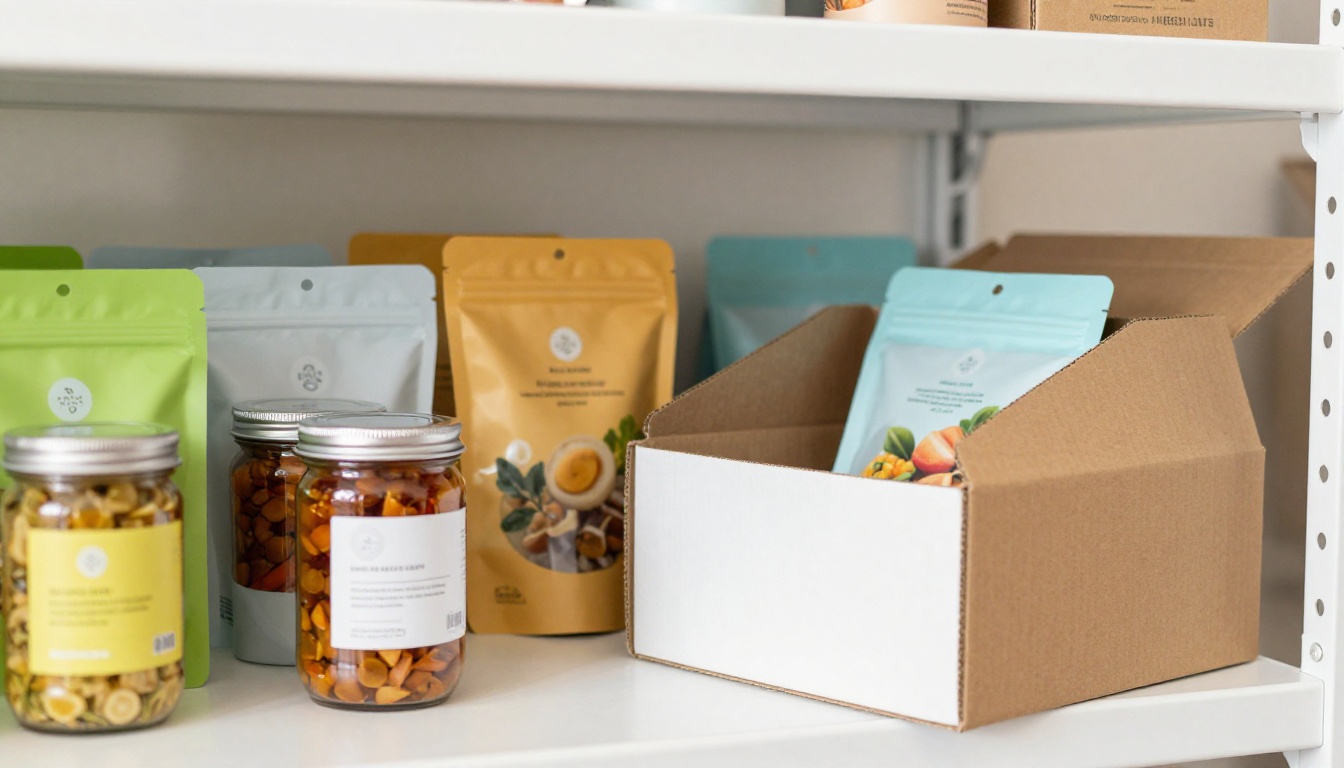
Custom food packaging is packaging made to fit a product, a sales channel, and a brand plan, not just a shelf slot. That can mean boxes, pouches, labels, sleeves, trays, shrink bundles, display-ready packs, club packs, or e-commerce shipping formats built around how the product is packed, moved, and sold.
For food brands, the goal usually goes beyond looks. Good custom packaging helps protect the product, improve how it ships, support easier distribution, and make the shopper experience feel more polished. In other words, the pack is doing real work, not just wearing a nicer outfit.
The difference between standard packaging and custom solutions
Standard, or stock, packaging is the quick-grab option. It is usually faster to source and cheaper at the start, which makes it a solid fit for test runs or simple items.
Custom packaging takes a different path. It is built around the product’s size, weight, fragility, shelf needs, handling requirements, and brand goals. That might mean a tray that keeps items from shifting, a pouch sized to reduce dead space, or a sleeve that helps a seasonal item stand out without changing the whole pack.
The bigger advantage often shows up after production starts. A better fit can improve pack-out efficiency, reduce filler, lower damage risk, and cut material waste. So while custom work may cost more upfront, it often supports smoother operations later.
When custom packaging makes the biggest impact
Custom packaging tends to matter most when the format itself affects sales or execution. That includes product launches, seasonal promotions, retail displays, subscription shipments, multi-pack bundles, and club store formats where presentation and durability have to work together.
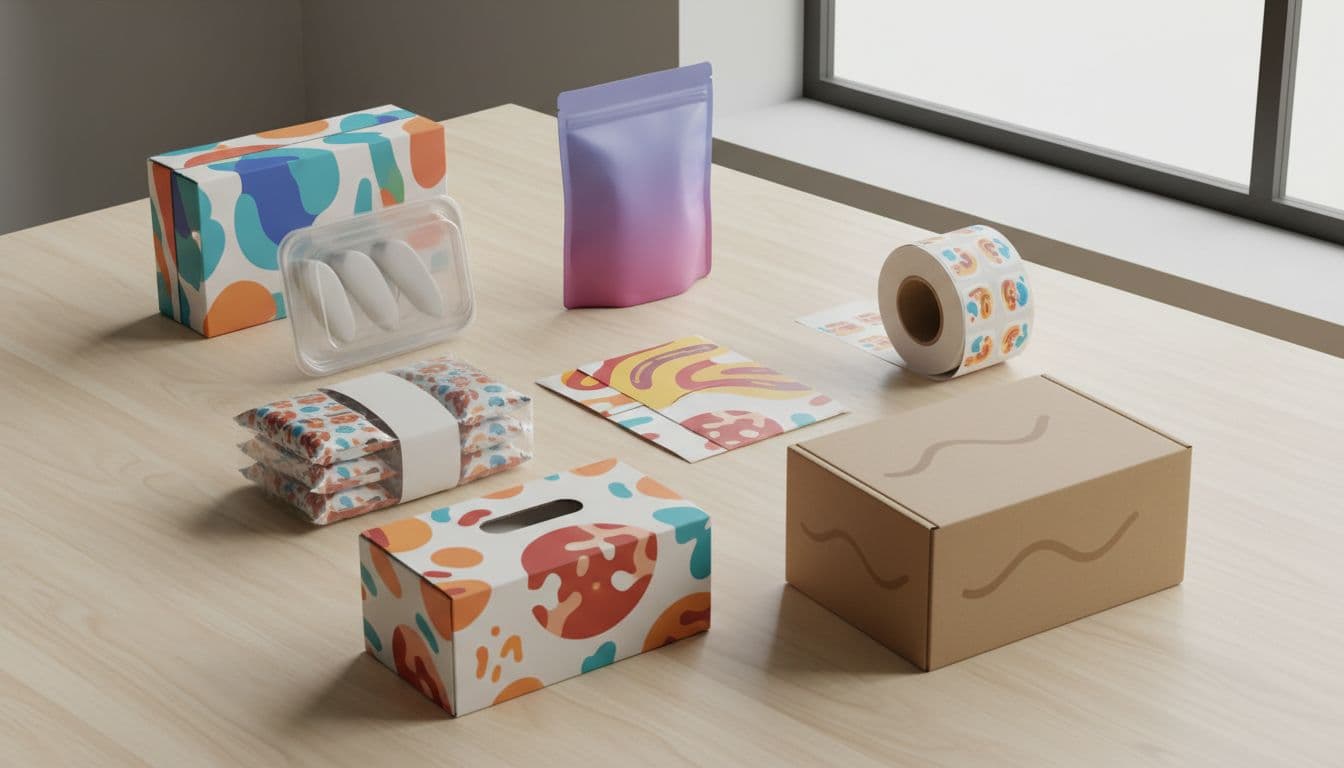
A launch pack needs shelf presence. A subscription box needs a clean unboxing and fewer breakage issues. A club pack has to survive heavier handling and still look organized on pallet or shelf. Those are not small details, because each one affects labor, freight, and customer perception.
For bundled products and retail programs, custom packaging also supports cleaner assembly and store execution. That is where kitting and assembly benefits can add value, especially for promotions, multi-SKU packs, and retail-ready formats.
When the package has to sell, protect, and move efficiently, custom design usually earns its keep.
Top custom food packaging trends shaping 2026
In 2026, the strongest packaging ideas are not about looks alone. Food brands need packs that balance appearance, protection, compliance, and cost at the same time. The trends below matter because they help products travel better, sell better, and earn more trust without adding waste or avoidable complexity.
Sustainable materials are moving from nice-to-have to expected
Sustainability has moved out of the marketing bucket and into everyday packaging decisions. Buyers, retailers, and regulators all expect more progress, so brands are moving toward recyclable paper formats, lighter structures, and simpler material choices that are easier to recover after use.
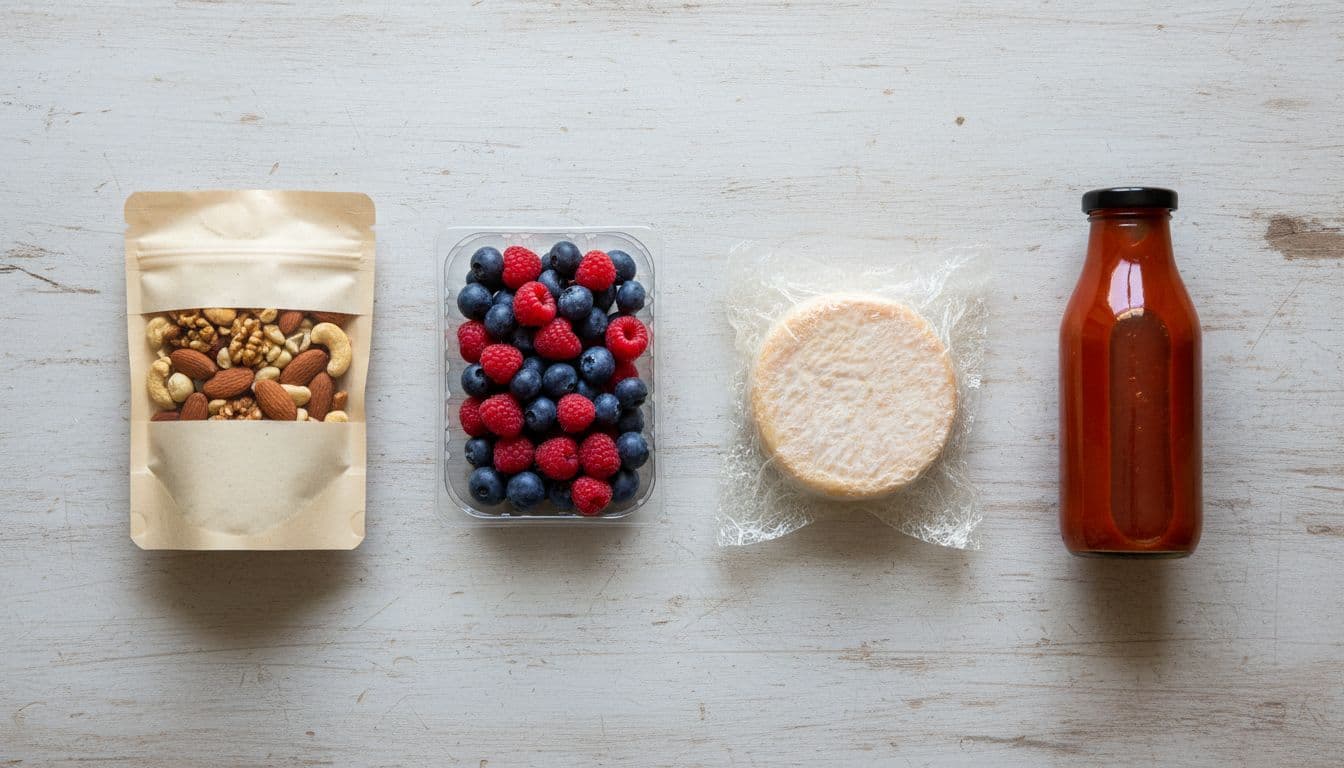
Paper-based packs are getting more attention, especially for dry foods, snacks, sleeves, and secondary wraps. At the same time, mono-material packaging is gaining ground because a pouch or tray made from one main material is often easier to recycle than a mixed structure with layers that are hard to separate.
Brands are also testing biodegradable options and adding PCR content where it fits the product and compliance rules. That can work well for some bottles, tubs, and non-direct-contact components. Still, the smart move is not to chase every green claim. If a more sustainable pack fails in transit, loses seal strength, or shortens shelf life, it creates waste fast.
A food package is only sustainable when it protects the product well enough to prevent spoilage, leaks, and damage.
That is why many teams are reducing hard-to-recycle mixed materials carefully, not blindly. The goal is better recovery and lower waste, without trading away food safety or product quality.
Smart packaging is building trust with buyers
Smart packaging is becoming more practical and less flashy. For most food brands, this starts with a simple QR code that links buyers to something useful, not gimmicky. That could be sourcing details, lot-level traceability, ingredient information, storage tips, or a product story page that explains what makes the item different.
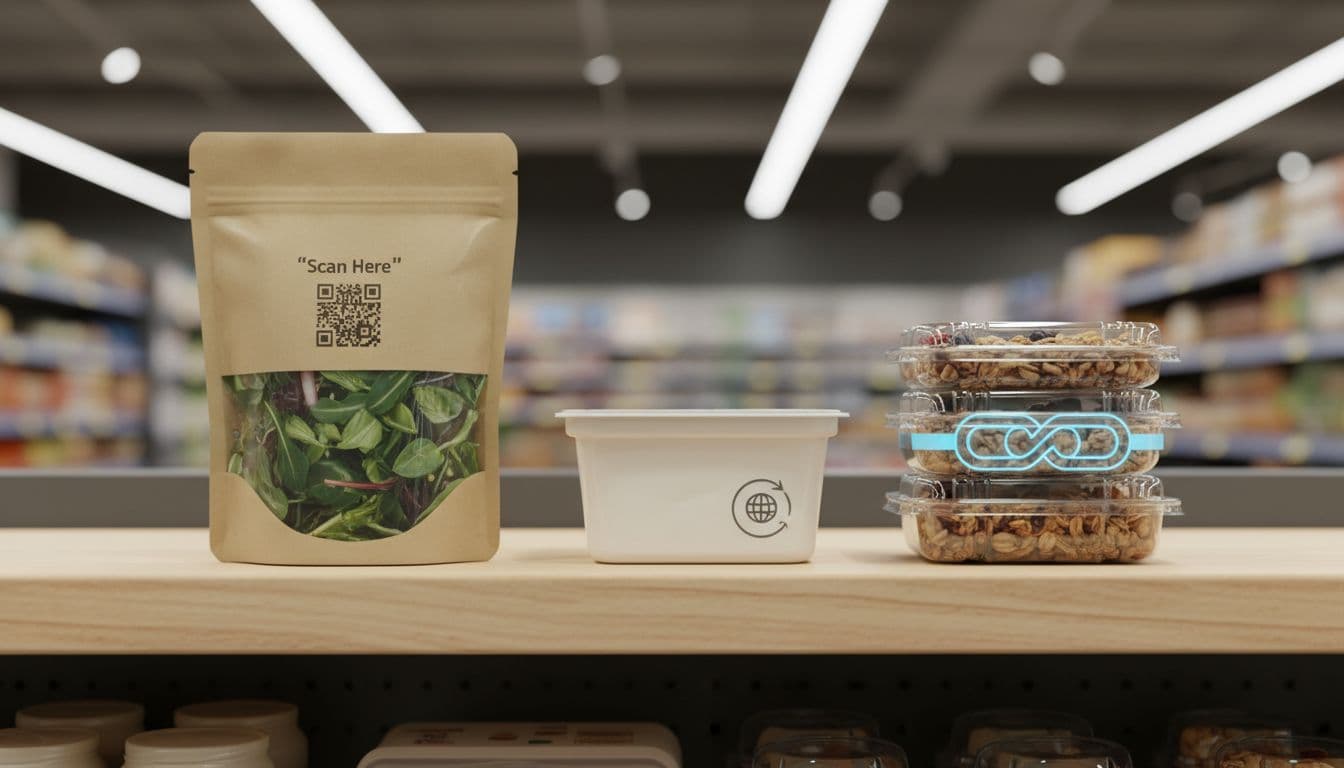
This matters because shoppers want proof, not vague promises. A connected pack can support freshness messaging, authenticity checks, and recall communication in a way that feels direct and easy to use. Scan, read, trust, move on, that is the appeal.
For brands, the value is clear. Better transparency can support trust, reduce confusion, and give customer service teams one clean source of product information. It also turns the package into a bridge between the shelf and the brand story.
Personalized design and limited runs are helping brands stand out
Food aisles are crowded, so cleaner design is winning. Many brands are stripping away clutter, using stronger color contrast, and letting key details breathe. That makes custom food packaging easier to scan and often more premium at the same time.
Personalization is growing too, especially for seasonal artwork, regional campaigns, and retailer-specific promos. Add in soft-touch coatings, metallic accents, or other premium finishes, and the pack starts to feel more giftable and more shareable. That stronger unboxing moment matters online, where the package often becomes part of the product experience.
Short-run flexibility is a big reason this trend has legs. Brands can test a launch, support a holiday push, or trial new messaging without betting everything on one massive print run. In other words, limited runs lower the risk of trying something new.
Packaging formats are being built for retail shelves and online orders at the same time
Food brands now have to think in two directions. The pack must look sharp on a shelf, but it also needs to hold up through parcel handling, warehouse touches, and doorstep delivery. If it crushes, scuffs, or leaks, the design work loses value fast.
That is pushing more brands toward formats that combine display appeal with shipping strength. Right-sized cartons, stronger seals, better inserts, and shelf-ready outer packs all help. So does planning packaging and logistics together, especially when brands rely on distribution and fulfillment services to move product across retail and direct channels.
The common thread is simple. The best custom food packaging in 2026 is not just attractive. It is built to perform in the real world, from production line to store shelf to front door.
How much custom food packaging costs, and what changes the price
Custom food packaging can cost anywhere from about $0.25 to $12 or more per unit, depending on the pack style, order volume, and food-safety needs. That spread is wide for a reason. A simple folding carton for a dry snack is one thing, while a premium rigid box or high-barrier pouch for sensitive food is another.
Food packaging also tends to cost more than general packaging. You are not just paying for shape and print. You are paying for food-safe materials, approved coatings, barrier performance, and tighter production controls that help protect the product and meet compliance needs.
The biggest cost drivers, from materials to minimum order size
Materials sit at the center of the price. Paperboard cartons, corrugated, flexible films, and rigid box components all carry different base costs. Then the price rises if the package needs grease resistance, moisture barriers, oxygen barriers, freezer-grade performance, or direct food-contact approval.
Printing choices matter just as much. A one-color outside print costs far less than full-color graphics inside and out. Add special finishes like soft-touch coating, foil, spot gloss, embossing, or matte lamination, and the unit cost climbs fast. Those extras can make a pack look sharper, but they also add another layer of time and setup.
Tooling and setup costs often surprise brands. A custom dieline, new cutting die, press setup, color matching, and production calibration all create fixed costs before the first sellable unit comes off the line. Because of that, small runs carry more setup cost per unit, while larger orders usually bring the unit price down.
Minimum order quantity, or MOQ, is where all of this comes together. If you order a few hundred units, you are spreading those startup costs across a small batch. If demand is stable and you can order more, pricing usually gets much better.
Sample 2026 price ranges by packaging type
For 2026, folding cartons remain one of the easier entry points for custom food packaging. In lower volumes, they often land around $0.60 to $1.50 each. In larger runs, that can drop to about $0.25 to $0.70 per unit, depending on size, board grade, and print.
Flexible bags and pouches can look affordable at scale, but short runs tell a different story. Smaller runs often sit around $0.56 to $0.75 each, while larger-volume orders can fall to roughly $0.08 to $0.18. If you need stronger barrier film, zippers, or premium finishes, the price moves up.
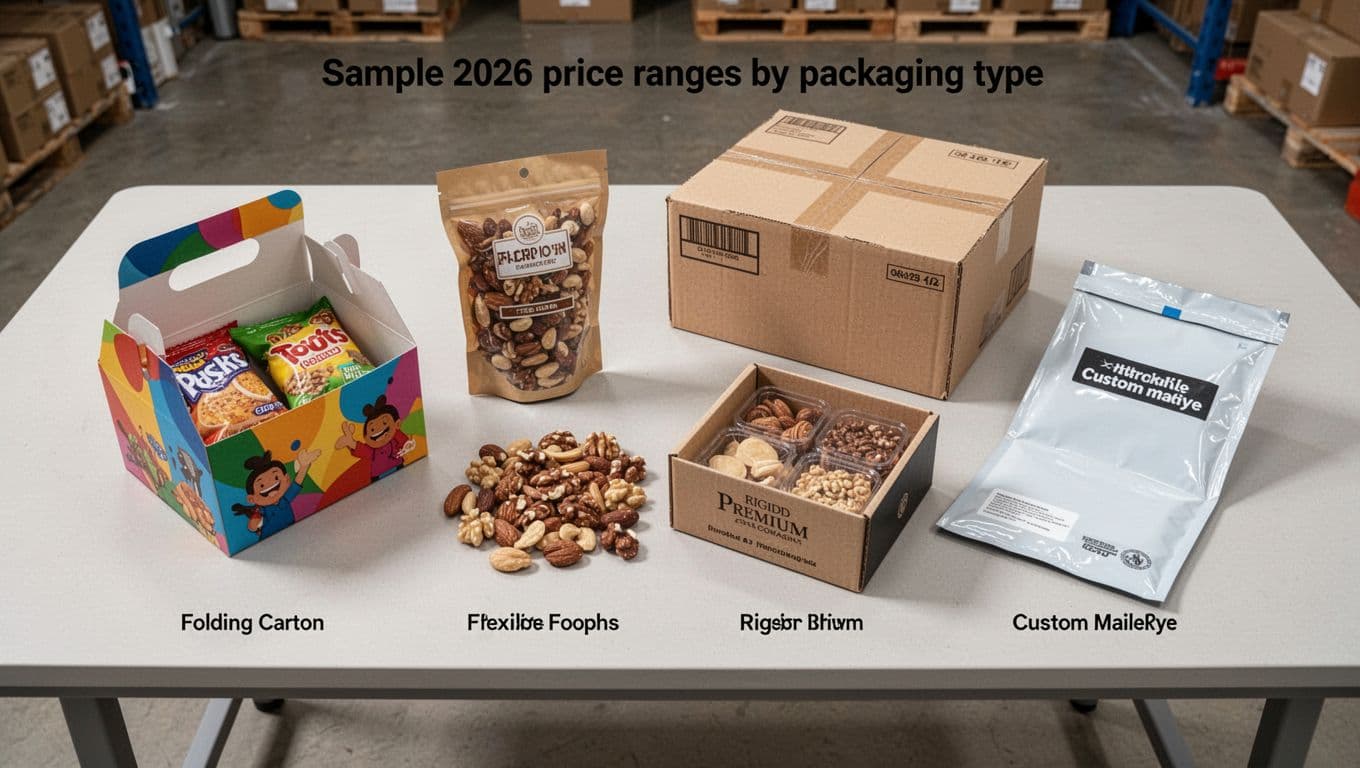
Corrugated boxes and mailers are practical comparisons because they often serve shipping and retail support roles. A custom corrugated box may run about $0.40 to $2.50, with heavier-duty or retail-ready versions costing more. Custom mailers often land around $0.50 to $5.00, based on structure and print coverage. Rigid boxes are the premium end of the range, and many projects fall between $3 and $12 or more per unit.
Smart ways to control costs without hurting quality
The best savings usually come from simplification, not corner-cutting. For example, brands can reduce costs by:
- Consolidating SKUs, so more items share the same box, pouch, or base structure
- Simplifying finishes, using strong graphics instead of expensive decorative add-ons
- Increasing order size when demand is predictable, which lowers setup cost per unit
- Reducing empty space, so you use less material and often pay less in freight
- Choosing lighter materials when they still protect the food properly
- Planning early, which helps avoid rush charges, split shipments, and costly rework
It also helps to work with one partner that can manage more of the process in one place. When packaging, rework, and shipment coordination stay connected, handoffs get cleaner and surprise costs are easier to control. If your team expects label changes, format updates, or retail compliance fixes, these retail-ready repackaging solutions can help prevent waste and keep inventory moving.
Best practices for choosing packaging that protects food and supports growth
The best food package does more than look good on a dieline. It has to protect the product, hold up in transit, support food safety, and still make sense as your brand grows. If you get those basics right early, you avoid a long list of problems later, from leaks and spoilage to late retail resets and costly rework.
Start with product needs, shelf life, and shipping conditions
Start with the food, not the format. A dry snack, a greasy baked item, a frozen meal, and a fragile confection all need different packaging because they face different risks.
Think through the product’s real stress points:
- Moisture can soften crisp foods or dry out baked goods.
- Grease can stain weak paper or break down poor coatings.
- Oxygen can shorten shelf life and hurt flavor.
- Breakage risk matters for brittle, layered, or delicate items.
- Temperature swings can affect seals, texture, and safety.
- Shipping distance changes how much abuse the pack must take.
That is why barrier choice matters. Some foods need a stronger oxygen or moisture barrier. Others need venting so heat and steam can escape without turning the product soggy. For sauces, soups, or ready-to-eat items, strong seals and leak resistance should be non-negotiable.
Tamper evidence also belongs in the early plan, not as an afterthought. If your product goes through retail, parcel shipping, or third-party handling, visible tamper features help protect both the food and the brand.
A package that fails in transit was never the right package, even if it looked perfect at launch.
Make compliance and food safety part of the plan from day one
Compliance should sit beside design from the start. That means checking every material that touches food, or sits close enough to matter, including inks, coatings, adhesives, liners, and labels.
Ask suppliers for clear documentation, especially Declarations of Compliance, migration data when relevant, and proof that materials are approved for the intended use. Traceability matters too. Lot codes, material records, and supplier change notices make recalls and audits far easier to manage.
State rules are also moving fast. In 2026, brands need to watch for PFAS bans, recycled content rules, and limits on some single-use items. For example, several states are restricting PFAS in food packaging, while Virginia is set to ban expanded polystyrene food containers for all vendors in mid-2026. California and other markets are also pushing harder on recycled content and recyclability claims. That is not legal advice, but it is a clear reason to review packaging by sales region, not just by product.
Prototype, test, and validate before a full production run
A packaging concept is only a theory until you test it. Before you commit to a large run, build mockups and run them through the same conditions your product will face.
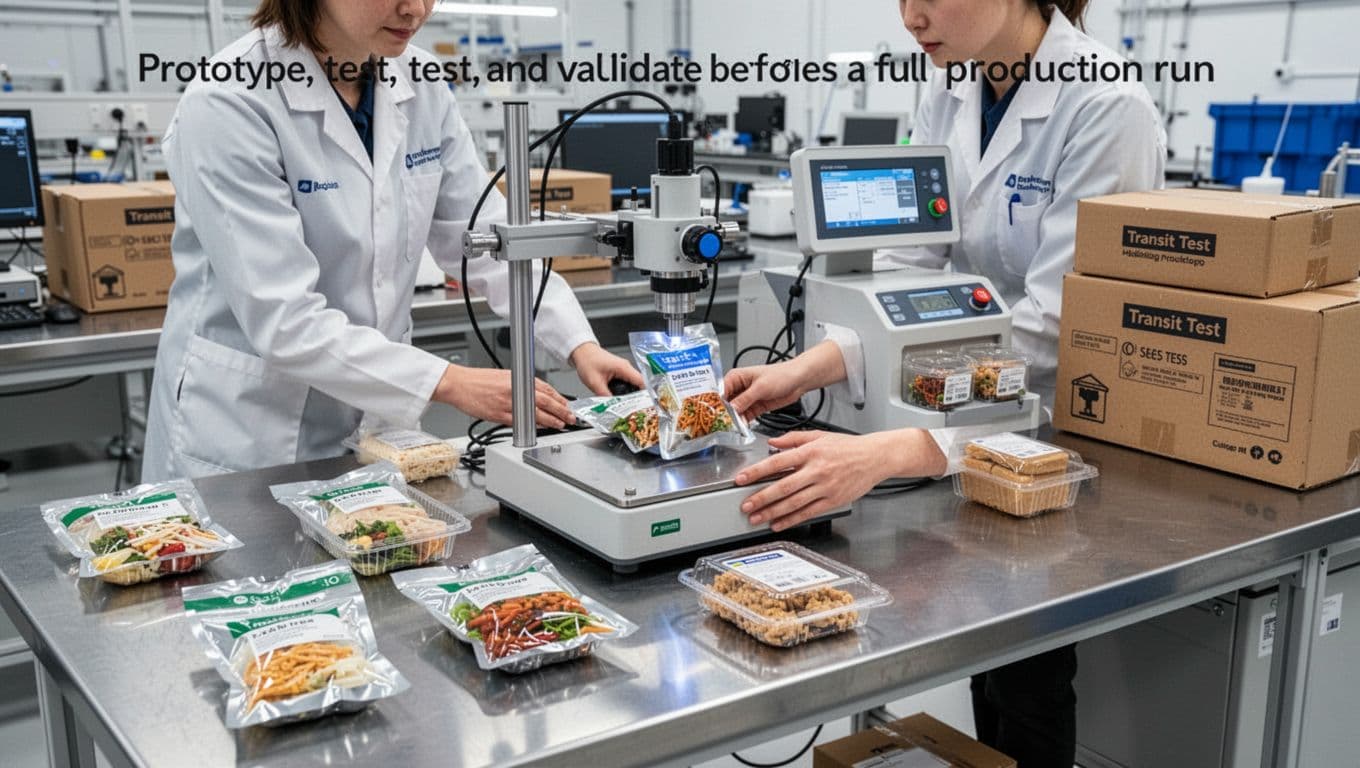
Focus on practical checks, such as seal strength, leak testing, drop and compression testing, and shelf-life validation. Then go one step further and watch how the pack performs in real handling. Does it scuff, crush, tear, or open too easily? Can retail staff stock it fast? Can customers open it without making a mess?
Early testing costs less than late fixes. It helps you catch weak seals, poor fit, bad stacking strength, and shelf-life misses before they spread across a full run.
Choose partners who can scale with your brand
The right packaging partner should help you grow without creating new friction. Look for strong quality systems, dependable lead times, clean inventory control, and the ability to flex when volumes jump or formats change.
It also helps when one partner can support more than the package itself. Retail launches often need display assembly, pack-out changes, and fulfillment support working together. If your brand is heading into stores, shelf-ready packaging for retail success can make stocking faster and presentation cleaner.
In simple terms, you want a partner that treats packaging like part of operations, not just a print order. That is how you protect food, hit deadlines, and grow without constant fire drills.
A simple framework for picking the right custom packaging for your food product
When you’re choosing custom food packaging, start with one simple rule: fit the pack to the job. The right choice depends on where the product sells, how it moves, and what your brand needs it to say. Think of packaging like a work boot, not a fashion accessory. It still needs to look good, but first it has to do the job well.
A practical way to decide is to move through this short checklist in order.
Match the packaging format to your sales channel and brand goals
First, map the format to the channel. A great retail pack can fail in e-commerce, and a strong shipper can look flat on shelf.
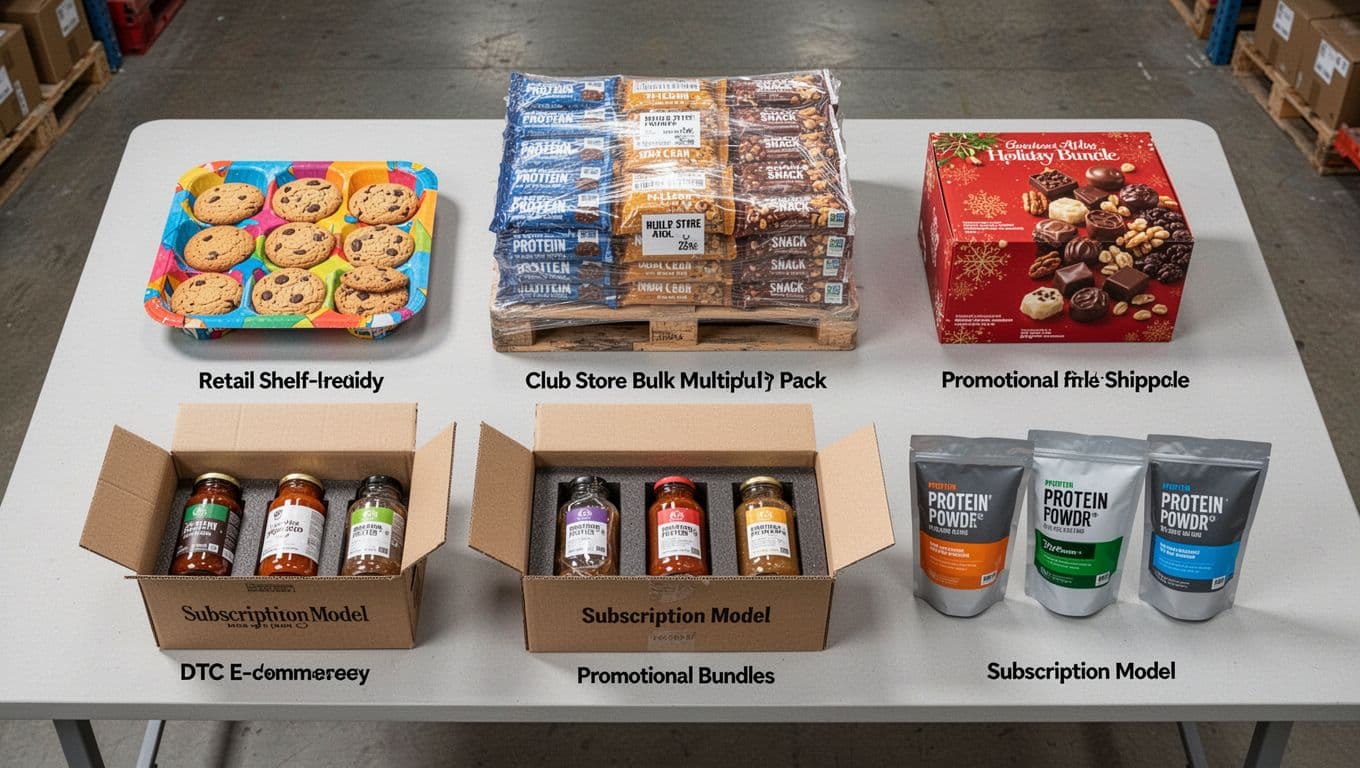
Use this quick check:
- Retail shelf sales: Pick formats that face well, stack cleanly, and communicate fast. Trays, cartons, and pouches work well when shelf impact matters.
- Club store packs: Go bigger, stronger, and value-focused. Multi-packs, shrink bundles, and pallet-friendly trays often make more sense. If this is your lane, this club store packaging guide can help.
- Promotional bundles: Choose formats that combine SKUs neatly and hold up during handling. The pack should feel intentional, not taped together.
- Direct-to-consumer shipping: Prioritize crush resistance, leak control, and right-sizing. Parcel carriers are rough, so your box has to act like a helmet.
- Subscription models: Focus on repeat use, easy opening, and a consistent unboxing experience.
Balance appearance, protection, sustainability, and budget
Next, rank your priorities. There is rarely one perfect option, only the best fit for your product and sales plan.
Start here:
- Protection and compliance first: If the food is damaged, stale, or non-compliant, nothing else matters.
- Design second: Once the pack performs, make it easy to spot and easy to trust.
- Sustainability third: Choose lower-waste materials where they still protect shelf life and product quality. For more on that, see these sustainable packaging best practices.
- Budget last: Don’t chase the cheapest unit cost if it creates spoilage, returns, or rework.
The best custom food packaging is not the one that wins every category. It’s the one that protects the product and supports how you actually sell it.
In short, protect first, then improve the rest. That’s the framework that holds up.
Conclusion
Strong custom food packaging comes down to balance. The best results happen when brands stay current on trends, plan costs with clear eyes, and stick to proven basics like food safety, fit, testing, and channel-specific performance.
That matters even more in 2026, because packaging has to do more than look good. It needs to protect shelf life, support shipping, back up sustainability claims, and still make financial sense. In other words, performance is what turns a good-looking package into a smart business decision.
Before you scale, audit your current packaging and look for weak spots in cost, damage rates, shelf impact, and compliance. Then test new formats in real conditions, not just on paper, and talk with an experienced partner who can help connect packaging, pack-out, and shipping. If your team needs that kind of support, these integrated packaging and fulfillment solutions are a practical place to start.
The brands that win won’t chase every trend. They’ll choose packaging that works harder, wastes less, and holds up when growth puts real pressure on the system.
