
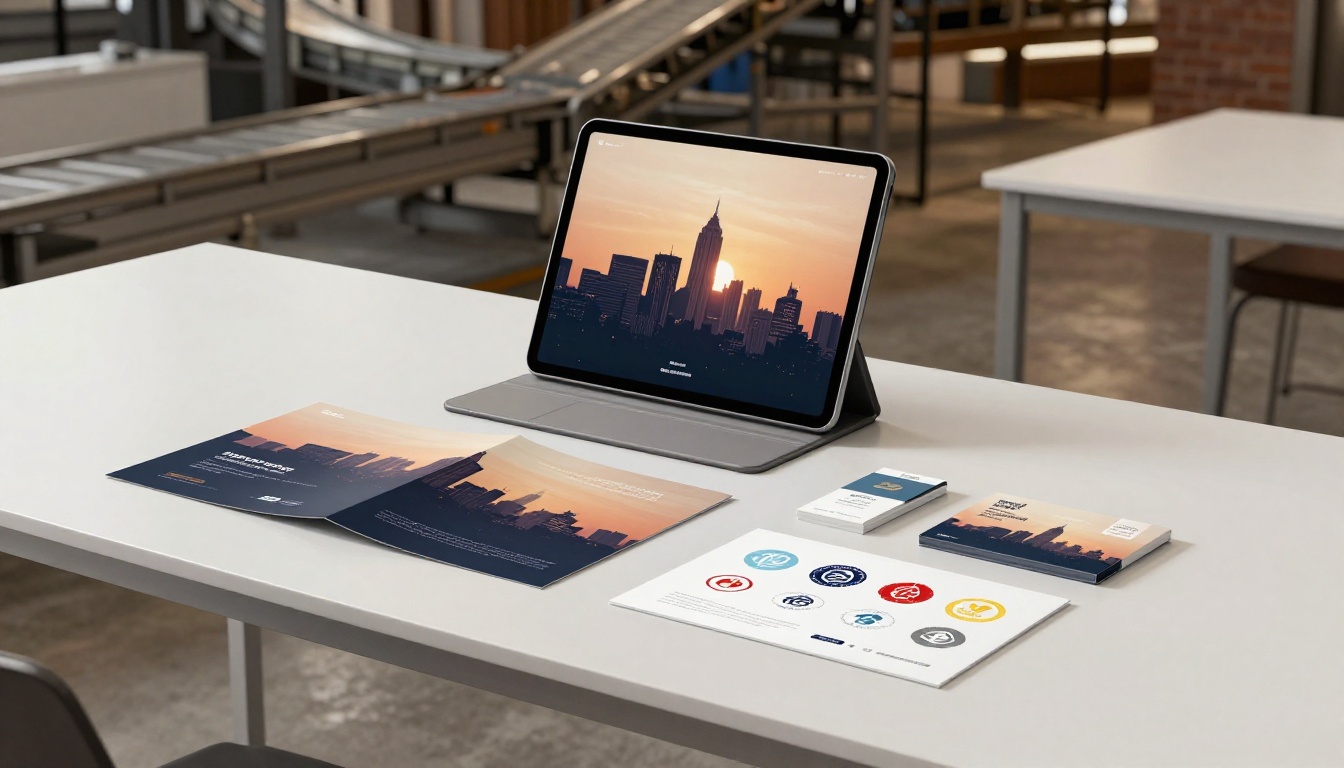
Promotional Kits: How MSL COPACK + ECOMM Builds Them Faster
Promotional kits are grouped branded items packed into one package, and businesses use them to support launches, events, retail promos, and customer outreach. When the kit needs to look polished and arrive on time, the packaging partner matters as much as the items inside.
That’s where professional kitting and fulfillment services come in. MSL COPACK + ECOMM, based in Indianapolis, helps companies build kits faster, scale them with less friction, and ship them with better consistency across each order.
Whether you’re sending welcome packs, event kits, or retail bundles, the process works best when packaging, kitting, fulfillment, and shipping all move together. The next section looks at how that setup saves time and cuts avoidable errors.
What promotional kits are and why they matter
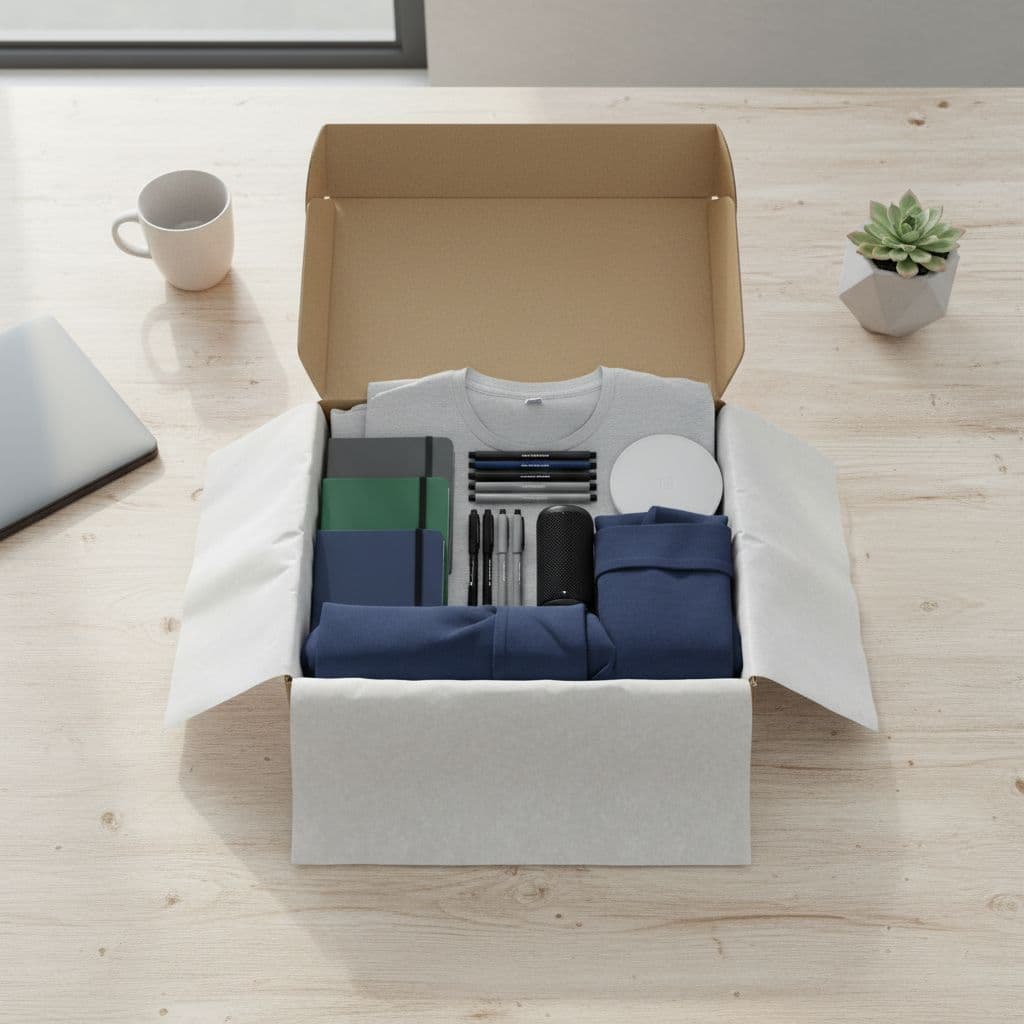
Promotional kits are bundled items packed together for a specific audience or campaign. They can be simple, like a few branded essentials, or more detailed, with samples, inserts, and product information.
The format matters because a kit does more than hand out merchandise. It shapes how people experience your brand, how clearly your message comes through, and how well the campaign stays organized. When the right items land in the right package, the whole promotion feels more intentional.
Common types of promotional kits businesses use
Different goals call for different kit builds. A welcome kit for a new customer might include a note, a sample, and a branded item that starts the relationship on the right foot. An employee onboarding kit usually feels more personal, with useful pieces that help people feel included right away.
Other campaigns need a more targeted mix:
- Sample packs work well when you want people to try products before they buy.
- Event kits often include swag, handouts, and small giveaways that support a live experience.
- Retail bundles combine products in a way that increases value at the shelf or in a promo display.
- Launch kits help create buzz around a new product, service, or seasonal push.
The kit format changes based on the audience and the goal. An influencer send may focus on presentation and shareability, while a trade show kit may prioritize portability and quick distribution. In other words, the items inside matter, but the package has to fit the job.
When businesses choose the right mix, the kit feels useful instead of random. That makes the campaign easier to understand and easier to remember.
The best promotional kits look simple on the surface, but every item inside has a purpose.
Why kits often outperform single-item promotions
A single giveaway can get noticed, but a well-built kit creates more impact. It gives people more to open, more to use, and more reasons to remember the brand. That extra depth often translates into a better customer experience.
Kits also feel more valuable. A notebook alone is just a notebook. Add a pen, a welcome card, and a sample or coupon, and the same package suddenly feels complete and thoughtful.
There is also a practical side. Kits can support a clearer message because the pieces work together. Instead of one item carrying the full burden, the bundle tells a fuller story and keeps the campaign focused.
For brands, that can mean:
- stronger brand recall
- better event engagement
- more useful follow-up after a launch
- a cleaner, more polished presentation
- fewer missed chances to connect with the audience
Promotional kits also make campaigns easier to organize across teams. Marketing knows what gets sent, sales knows what goes out, and customers get a more consistent experience. If the goal is to keep people interested and make the brand feel put together, kits usually do that job better than a lone item ever could.
For companies that want to pair branded materials with a tighter fulfillment process, professional kitting services can help keep the campaign moving without losing control of the details.
How MSL COPACK + ECOMM supports promotional kit programs
Promotional kit programs move faster when one partner handles the full flow. MSL COPACK + ECOMM helps brands bring loose parts together, pack them with care, store finished kits when needed, and ship them on schedule. That matters when a campaign has a hard launch date and no room for mix-ups.
The real value is control. Instead of splitting work across multiple vendors, you get one operation that can manage contract packaging, kitting and assembly, promotional kitting, warehousing, B2B fulfillment, D2C e-commerce fulfillment, and transportation support. That means fewer handoffs, fewer delays, and a cleaner path from planning to delivery.
From kit assembly to final shipment
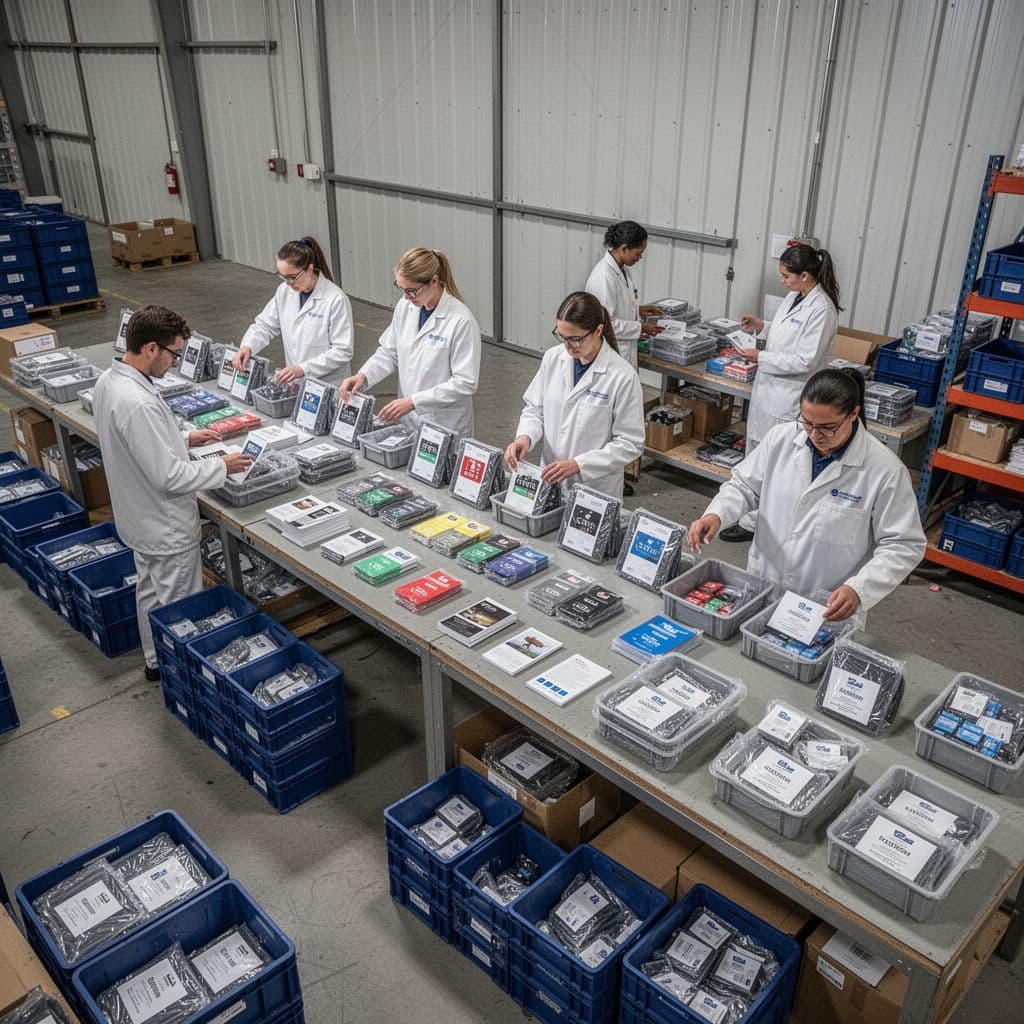
A promotional kit usually starts with incoming components, such as branded items, inserts, samples, and packaging materials. Those items need to be received, checked, sorted, assembled, packed, and then prepared for shipment. When one partner handles each step, the process stays tighter and easier to manage.
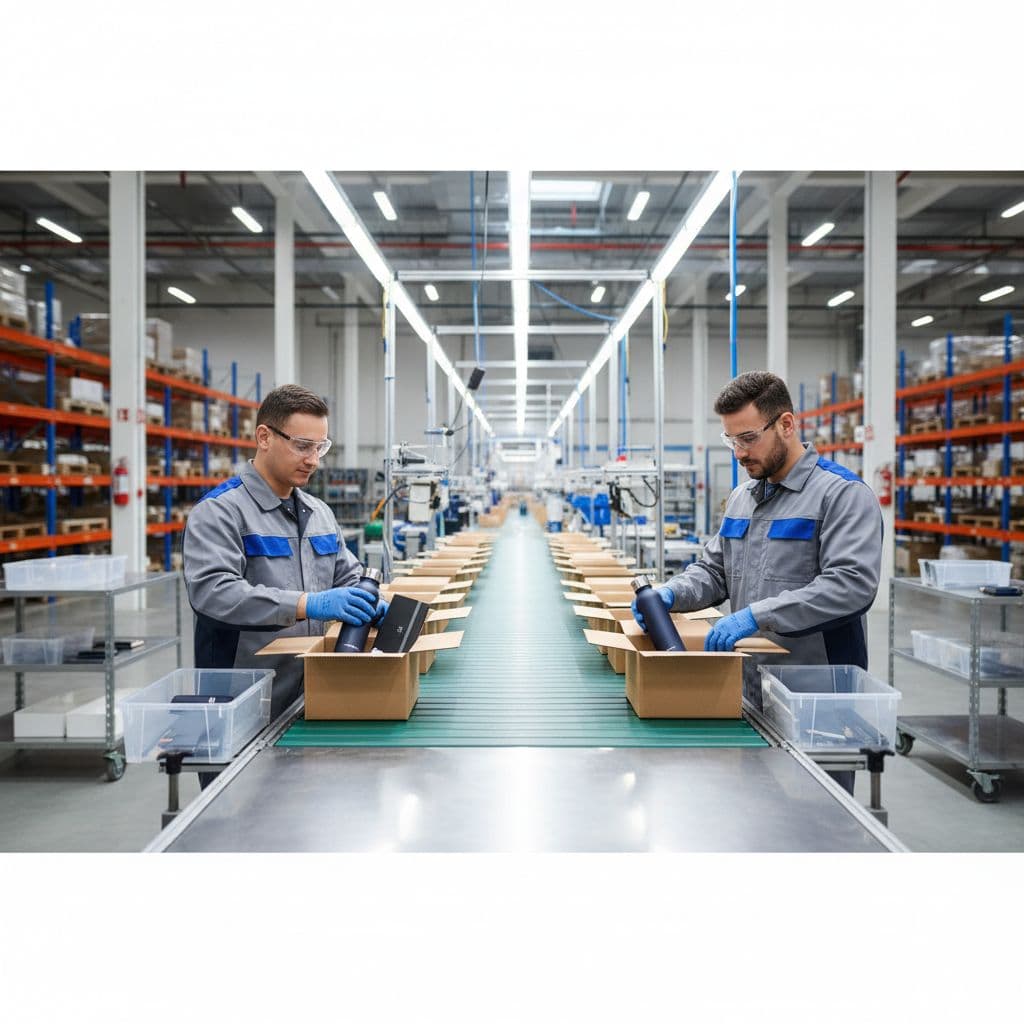
MSL COPACK + ECOMM manages that workflow in one place, which helps reduce the small errors that often slow down kit programs. A missing insert, a wrong count, or a poor pack order can hold up an entire launch. When the same team receives the materials and builds the kits, the checks happen along the way, not after the problem has already spread.
That structure also helps when you need to adjust the run size. If demand changes, the packaging and fulfillment partner can shift the pace without forcing your internal team to rebuild the process.
Where contract packaging adds real value
Contract packaging gives promotional kit programs more flexibility without adding stress to your staff. It saves time because the pack-out work happens in an operation that already has the space, people, and process in place. It also lowers labor costs, since you do not need to hire and train a short-term crew for every campaign.
It helps in busy periods, too. Seasonal promotions, trade shows, product launches, and holiday programs can create sudden spikes in demand. With a partner handling the packaging work, your team can keep focus on sales, planning, and creative work.
There are a few practical benefits that matter right away:
- Better presentation because the same packing method is repeated across every kit
- Less storage pressure because components and finished kits can move through one operation
- More consistent output because each kit follows the same build order
- Easier scaling when order volume rises or drops
professional contract packaging services also help keep promo programs flexible when the mix of products changes. A welcome kit, for example, may need a different pack pattern than a retail bundle or an event giveaway. The right setup lets the packaging team adjust without slowing the whole campaign.
Why location and timing matter for launch dates
Promotional kit programs live on deadlines. If the kits miss the ship window, the campaign loses momentum fast. That is why an organized packing and shipping operation matters as much as the kit design itself.
When assembly, storage, and fulfillment happen in one place, timing gets easier to control. Finished kits do not sit in one warehouse while shipping is arranged somewhere else. Instead, they move through a single workflow, which helps keep launch dates intact and orders accurate.
That matters for several common programs:
- Seasonal campaigns that need to go out during a narrow sales window
- Event launches where materials have to arrive before a show or conference
- Product rollouts that depend on coordinated release timing
- B2B sends where buyers expect the right quantity at the right location
- D2C promotions where customer orders need quick, reliable turnaround
MSL COPACK + ECOMM also adds transportation support, which helps connect the last step of the process. That gives brands a more direct path from packed kit to delivered order, with less back-and-forth between vendors.
When promotional kits miss timing, the problem is usually not the kit itself. It is the handoff between steps.
For brands that want a more controlled launch process, that kind of setup makes a difference. The kits are packed with care, stored without clutter, and shipped with the timing campaign teams need.
The steps that make a promotional kit program run smoothly
A smooth promotional kit program starts long before the first box gets packed. The best runs come from clear choices up front, tight inventory control, and simple assembly rules that everyone follows the same way.
That kind of planning keeps the work moving and cuts the kind of delays that show up at the worst time. It also helps your team avoid rushed fixes, which usually cost more than the original mistake.
Choose the right items for the goal
Every item in a kit should earn its place. If a piece does not support education, sampling, brand recall, or conversion, it probably does not belong there.
That sounds simple, but it is where many programs lose focus. A kit can get crowded fast, and extra pieces often create more noise than value. A clean, well-planned kit usually makes a stronger impression than a heavy one.
Start with the job the kit has to do. A launch kit may need product samples and a short insert that explains the offer. An event kit may need a useful giveaway, while a sales kit may need a coupon or call-to-action that pushes the next step.
A quick planning check helps keep the mix honest:
- Education items answer questions or explain the product.
- Sampling items let people try something before they commit.
- Brand recall items keep the logo, colors, or message in sight.
- Conversion items give the recipient a clear reason to act.
Less can do more when the contents work together. A kit with three useful pieces often performs better than one stuffed with filler.
Plan for inventory, storage, and replenishment
Good kit programs need steady inventory flow. Components should be organized, visible, and ready for assembly, so the team can build kits without stopping to hunt for missing parts.
That means tracking what you have, where it sits, and how fast it moves. It also means setting aside enough space for both loose components and finished kits. If everything is piled together, mistakes get easier to make.
Warehousing support helps a lot when kits go out in waves or ship over time. Instead of rushing to receive, stage, and rebuild the same materials again and again, a warehouse team can keep stock in order and release it as the campaign needs it. warehouse kitting services can also help brands keep pace when timing changes and the build schedule stretches across several shipments.
A simple replenishment plan should cover:
- What stock is on hand
- What quantities trigger a reorder
- Which components need to stay near the assembly area
- How finished kits are stored before shipping
When inventory stays visible and controlled, production stays calmer. That matters when a campaign scales faster than expected.
Build in quality checks before kits go out
Quality control protects the brand, and it saves money. A kit with the wrong count, a damaged insert, or a sloppy pack-out often has to be reopened, corrected, and repacked. That wastes time and creates avoidable labor costs.
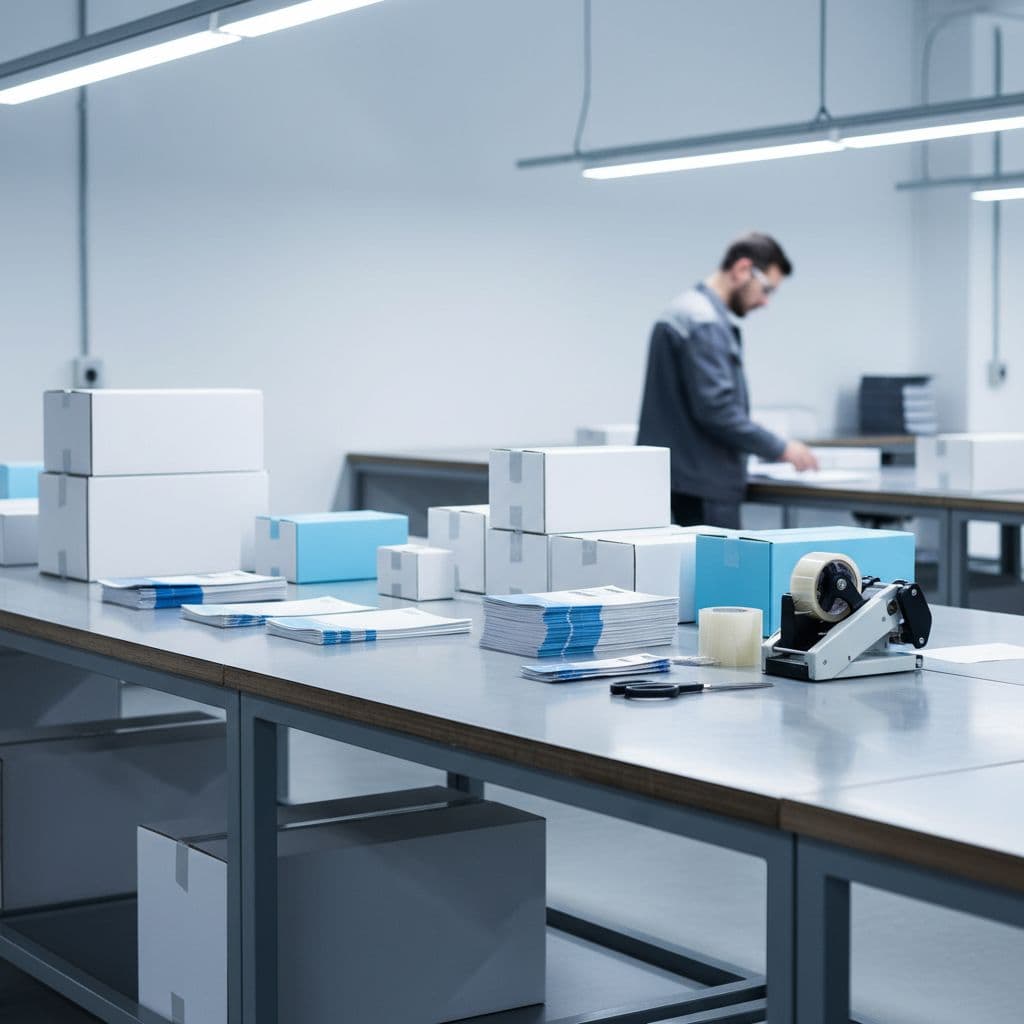
The best kit programs check quality before the boxes leave the floor. The team should confirm the count, the pack order, the label, and the overall look of each finished kit. Clean presentation matters because the recipient notices it right away.
Small details make a big difference here. A folded insert should sit straight. A sample should not rattle around in the box. Labels should match the ship-to information, and each kit should feel like it was built with the same care as the last one.
A good final check usually covers:
- correct item counts
- neat packing and box fill
- accurate labeling
- undamaged materials
- ready-to-ship appearance
A few extra seconds at the end can prevent a costly remake later.
When the checks are built into the process, the team catches errors before they spread. That keeps the campaign on schedule and gives the customer a better first impression.
The strongest promotional kit programs treat planning like part of production, not a separate step. Once the contents, inventory, and quality checks are locked in, the build runs faster and with fewer surprises.
How promotional kits help different industries reach buyers
Promotional kits work because they turn a message into something people can hold, open, and use. That matters across industries, but the exact mix changes with the buyer, the product, and the setting.
A food brand needs trial and shelf appeal. A beauty brand needs a polished first impression. Retail, publishing, and consumer goods companies often need kits that support outreach, store programs, and product awareness at the same time. The format stays flexible, which is why it fits so many campaigns.

When the kit is matched to the audience, it does more than deliver items. It gives buyers a reason to pay attention and a reason to keep the brand in mind. For companies that bundle products or build seasonal offers, custom packaging solutions can also help the kit look right at the shelf or in the mail.
Food and beverage promotions
Food and beverage brands often use promotional kits to drive trial. Sample packs let buyers taste a product before they commit, which is a strong move for new flavors, seasonal items, or limited releases. A small set of single-serve items can do more than a large ad spend when the goal is simple awareness.
Season launches also work well in kit form. A fall snack bundle, holiday drink sampler, or summer grilling pack gives the brand a timely story and makes the offer feel current. Retail bundles help too, because they group products in a way that feels useful and easy to buy.
These kits often support:
- Product sampling for first-time buyers
- Seasonal launches tied to holidays or weather changes
- Retail bundles that raise basket value
- Influencer or press sends that create early buzz
The key is freshness, presentation, and timing. If the package arrives clean and the items are packed well, the brand feels more credible right away. For food and beverage buyers, that first experience often shapes the next purchase.
Health and beauty campaigns
Health and beauty kits depend on neat presentation. People notice the box before they notice the product, so the outside has to look clean and the inside has to feel organized. A messy kit can make even a strong product feel less premium.
Product protection matters just as much. Bottles, tubes, jars, and small cartons need careful packing so they do not shift, leak, or crush during transit. That is especially important for beauty launches, salon programs, and personal care campaigns where the customer expects a polished result.
Strong kits in this category usually include:
- Sample sizes that are easy to try
- Usage cards that explain the product clearly
- Gift-ready packaging for clean presentation
- Protective inserts that keep items secure
First impressions carry real weight here. A well-built beauty kit feels like a complete experience, not a box of loose items. That matters whether the recipient is a buyer, a retailer, or a media contact.
Retail, publishing, and consumer goods offers
Retail programs use promotional kits to support store displays, product pushes, and staff outreach. A kit for store teams might include signage, samples, coupons, and display pieces that help the promotion stay consistent across locations. That keeps the message clear and reduces confusion at the shelf.
Publishing teams often use kits for media sends, author outreach, and launch campaigns. A review copy, a note, and a branded insert can help a new title stand out in a crowded inbox. When the package feels thoughtful, it gives the book or magazine a better shot at attention.
Consumer goods brands use kits for product awareness and insert programs as well. A sample tucked into another shipment can introduce a new item without building a separate campaign around it. That kind of placement keeps the brand visible in a practical way.
These programs often work best when they balance speed and control. The kit needs to be easy to distribute, simple to understand, and strong enough to make the buyer notice. When that happens, the package becomes part of the sales effort, not just a delivery box.
Questions to ask before you choose a packaging partner
Before you commit to a packaging partner, get clear on how they work when the project gets busy. Promotional kits move faster when the team handling them can manage the full job, not just the box at the end.
A good partner should make planning easier, not add new layers of risk. That means asking direct questions about workflow, scale, presentation, and accuracy before the first component arrives.
Can they handle your full kit workflow?
Promotional kits run smoother when one partner can manage the whole path, from kitting and storage to packing, fulfillment, and shipping. If those steps get split across vendors, the handoffs create more chances for delays, missing parts, and unclear ownership.
That matters most when deadlines are tight. A single team can spot issues sooner, keep inventory in sync, and move the kit through the process without waiting on another warehouse or pack-out crew. For brands that need professional kitting and fulfillment services, that kind of coordination often saves time and cuts back on avoidable mistakes.
Ask how they handle each step in the chain:
- Kitting and assembly so the right items go into each package
- Storage for both loose components and finished kits
- Packing that keeps the presentation consistent
- Fulfillment for accurate order handling
- Shipping that gets kits out on schedule
When one partner owns the full workflow, the process feels more controlled. You get fewer surprises, and your team spends less time chasing updates from multiple vendors.
Do they offer flexibility for different campaign sizes?
Kit programs rarely stay the same size for long. One month you may need a small test run, and the next you may need a large launch order or a seasonal refill. Your partner should be able to adjust without making the process harder on your team.
Small runs matter when you want to test a new idea before rolling it out. Large campaigns matter when you need to hit a deadline across many locations or recipients. Seasonal spikes matter too, because promotional work often comes in waves and demand can change fast.
A flexible partner should be able to support:
- Test runs for new kit concepts or limited promotions
- Large launches that need consistent output at volume
- Seasonal surges when orders rise quickly
- Repeat programs that need the same build done again and again
Scalability is a practical issue, not just a nice-to-have. If a partner can only handle one volume range, your campaign plans will keep bumping into the limits of their operation. That creates delays, and delays can weaken the whole promotion.
Will the presentation match your brand standard?
A promotional kit is part product, part presentation. If the print quality looks rough, the box feels inconsistent, or the packing order changes from one kit to the next, the brand impression drops fast.
That is why you should ask about quality checks, packaging options, and repeatability. A polished kit should look like it came from the same brand every time, no matter how many units go out. For custom packaging solutions, consistency matters just as much as the materials themselves.
Pay attention to these details:
- Print quality should match your brand colors, logos, and message.
- Packaging consistency should keep each kit looking the same.
- Protection and fit should keep items secure during transit.
- Final presentation should feel clean, neat, and ready to open.
If the kit looks rushed on the outside, people usually assume the same about the product inside.
The best partners treat presentation as part of the job, not an afterthought. That gives your campaign a more polished finish and helps every shipment reinforce the same brand standard.
Conclusion
Promotional kits work best when every part has a clear purpose and the process stays under control. When planning, packaging, assembly, warehousing, and shipping all stay in one flow, the kit is easier to build and easier to trust.
That matters for brands that need consistent presentation and on-time delivery. For retail and consumer products, a partner that can handle retail consumer goods packaging solutions helps keep the work accurate while your team stays focused on growth.
MSL COPACK + ECOMM helps businesses make promotional kits faster, cleaner, and more dependable, without adding extra strain to internal teams.
