
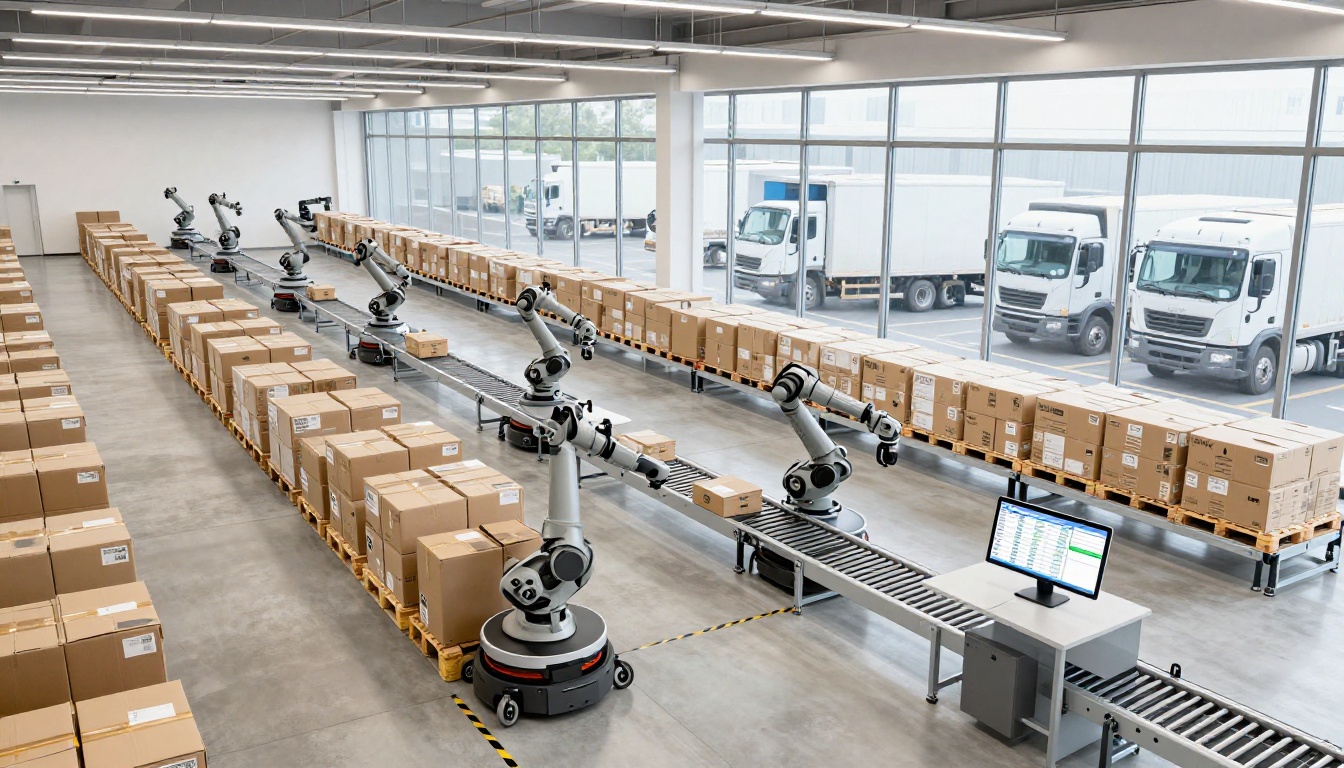
What Is 3PL Fulfillment and How Does It Work?
3PL fulfillment means outsourcing order fulfillment to a third party. 3PL stands for third-party logistics, and a 3PL provider stores your inventory, picks orders, packs them, ships them, and may also handle returns. In plain English, it’s a way to let another company run the warehouse and shipping side of your business.
That matters because many brands hit a point where packing boxes in-house stops making sense. Orders grow, space gets tight, mistakes cost more, and your team spends too much time on shipping instead of sales, product, or customer service. So, the real question is often simple: should you keep fulfillment in-house or outsource it?
For many e-commerce brands, 3PL is popular because it can lower operating costs, speed up shipping, and free up time. It can also make it easier to handle busy seasons, new sales channels, and returns without building your own warehouse operation from scratch.
In most setups, inventory is sent to the 3PL, checked in, stored, and tracked in a warehouse system. When a customer places an order, the 3PL processes it and sends tracking back to your store. Depending on the provider, end-to-end fulfillment services can also include returns, retail prep, and other support beyond basic pick, pack, and ship.
What is 3PL fulfillment, exactly?
At its core, 3PL fulfillment means hiring an outside company to handle key logistics work for your business. That usually includes storing inventory, managing stock, picking and packing orders, shipping them out, and often processing returns. In other words, you sell the product, while the 3PL handles the physical movement behind the sale.
That last part matters because fulfillment is bigger than shipping. Shipping is just the handoff to the carrier. Fulfillment starts earlier, when inventory is received and stored, and it continues through order processing, packing, tracking, and returns. For many e-commerce brands, retail suppliers, subscription box companies, and businesses with sharp seasonal spikes, that support can take a lot off your plate.
What services are usually included in 3PL fulfillment
Most 3PL providers cover the same core jobs, even though the exact setup can vary by business. The goal is simple, get products in, keep them organized, and get orders out accurately.
Here are the services you’ll usually see:
- Receiving inventory: Your products arrive at the warehouse, get counted, checked, and entered into the system.
- Warehouse storage: Inventory is stored in organized locations so it can be found quickly and safely.
- Inventory tracking: Stock levels are monitored in real time, which helps reduce overselling and stockouts.
- Pick and pack: When an order comes in, the 3PL pulls the right items and packs them for shipment.
- Shipping: The provider prints labels, routes orders through carriers, and sends tracking back to your store or customer.
- Returns processing: Returned items are inspected, restocked, quarantined, or disposed of based on your rules.
- Reporting: Most providers offer dashboards or reports for orders, inventory levels, accuracy, and shipping activity.
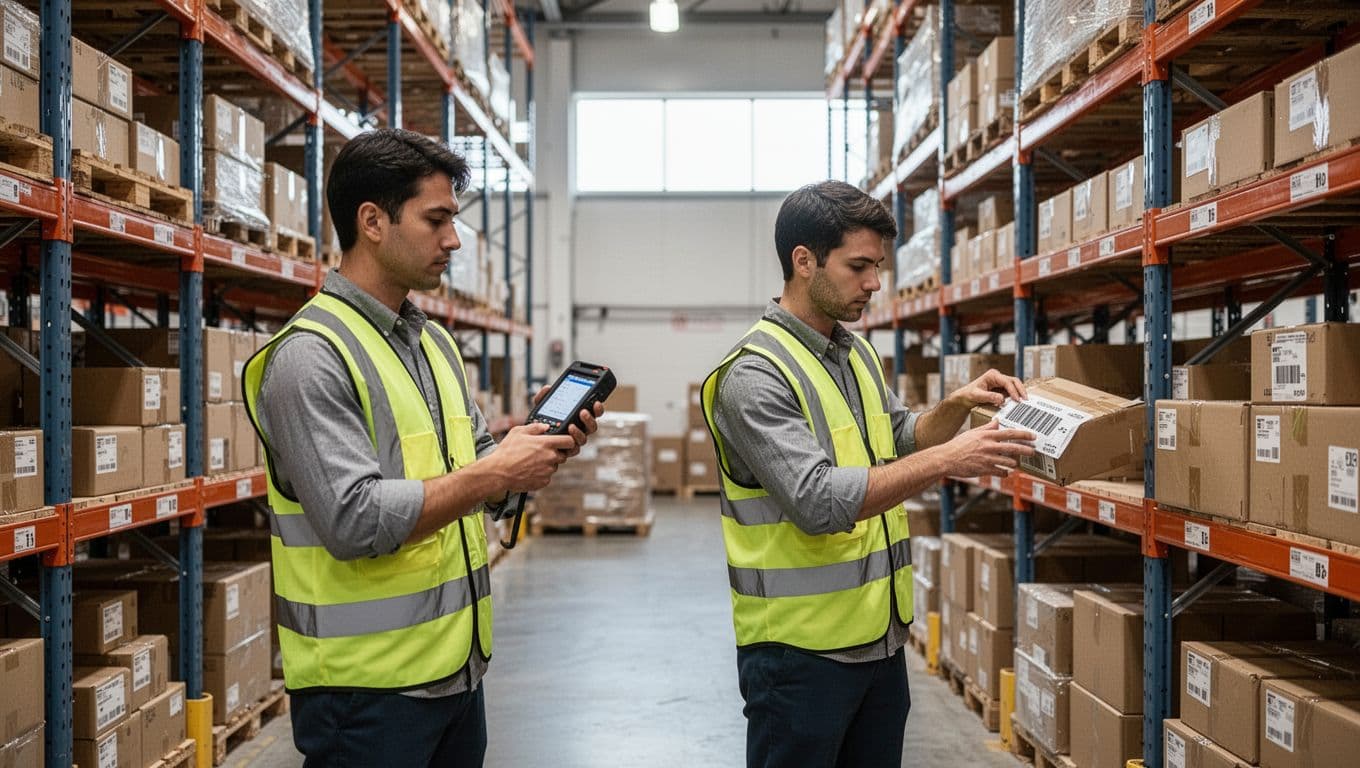
Some 3PLs also go beyond the basics. For example, they may handle product bundling, retail prep, promo builds, or custom pack-outs through MSL kitting services. Others offer broader value-added 3PL services for special handling, retail compliance, or more complex order flows.
A good 3PL does more than ship boxes. It helps keep inventory accurate, orders on time, and your team focused on growth.
How 3PL fulfillment works from inventory receipt to final delivery
Once your 3PL is set up, the process runs like a relay race. Each handoff matters, and one weak step can slow the whole thing down. From inbound inventory to the final doorstep scan, a good 3PL uses clear rules, barcode checks, and connected software to keep orders moving.
If you want the big picture, think of 3PL fulfillment as four linked jobs: receive it, route it, ship it, track it. Here’s what that looks like behind the scenes.
Step 1, sending inventory to the 3PL warehouse
It starts with an inbound shipment. You send products from your manufacturer, supplier, or your own location to the 3PL warehouse, usually with an advance shipment notice or receiving plan so the warehouse knows what’s coming.
When the freight arrives, the receiving team checks counts, looks for damage, and compares what showed up against the expected SKU list. They scan barcodes, confirm item numbers, and flag any mismatch right away. If 500 units were expected but 472 arrived, that gap gets caught now, not after customers start ordering.
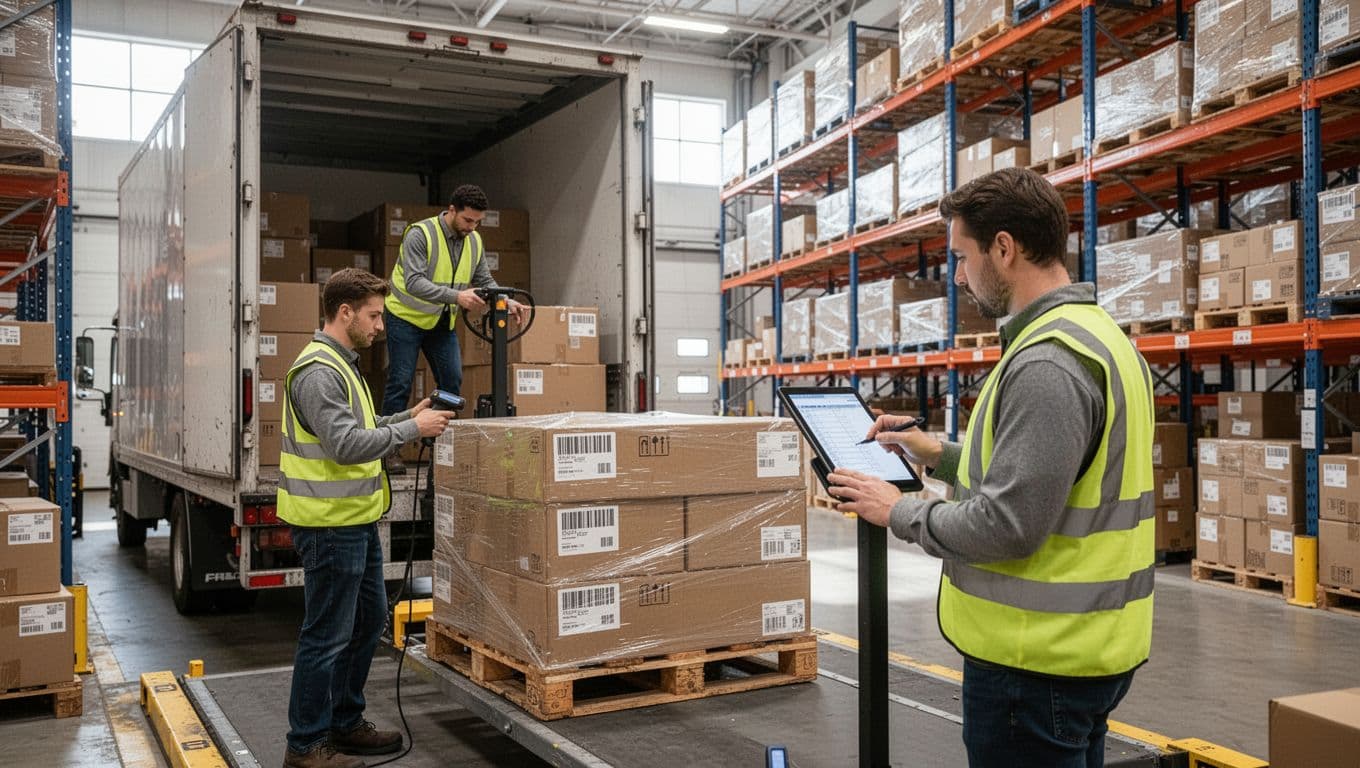
After that, products are stored in assigned locations such as pallet racks, shelf bins, or pick faces. The goal is simple, put each item where the system says it belongs so it can be found fast later. A solid warehouse receiving inventory steps process sets the tone for everything that follows.
Accurate receiving is the foundation of accurate fulfillment. If inventory is wrong on day one, stock issues tend to snowball.
Step 2, connecting your store or sales channels to the 3PL
Next, your sales channels connect to the 3PL’s system. In simple terms, this is the digital bridge between where orders are placed and where they get fulfilled. When a customer buys on Shopify, a marketplace, or through a retail order feed, that order flows into the warehouse system automatically.
That matters because manual entry creates drag. It also creates mistakes, like wrong SKUs, bad addresses, or missed orders. Good integrations reduce those risks and speed up order release.
Common order flow usually looks like this:
- An order is placed on your store, marketplace, or retail portal.
- The order data passes into the 3PL system.
- The warehouse queues the order based on rules, cutoff times, and shipping method.
- Inventory availability updates across channels as orders are allocated.
For brands selling into retail, EDI often plays a big role. If you ship to retailers with strict document and routing rules, retail EDI support helps keep those orders compliant and moving.
Step 3, picking, packing, and shipping each order
Once an order drops in, the 3PL routes it for fulfillment. The warehouse system tells staff what to pick, where to find it, and how the order should ship. Pickers scan the right items, which helps catch errors before they reach the packing station.
From there, the order gets packed for the product and the channel. A fragile skincare item won’t ship like a T-shirt bundle, and a retail order may need different labeling or carton rules than a direct-to-consumer order. Some providers also support special pack-outs, inserts, bundles, and rework through contract packaging capabilities.
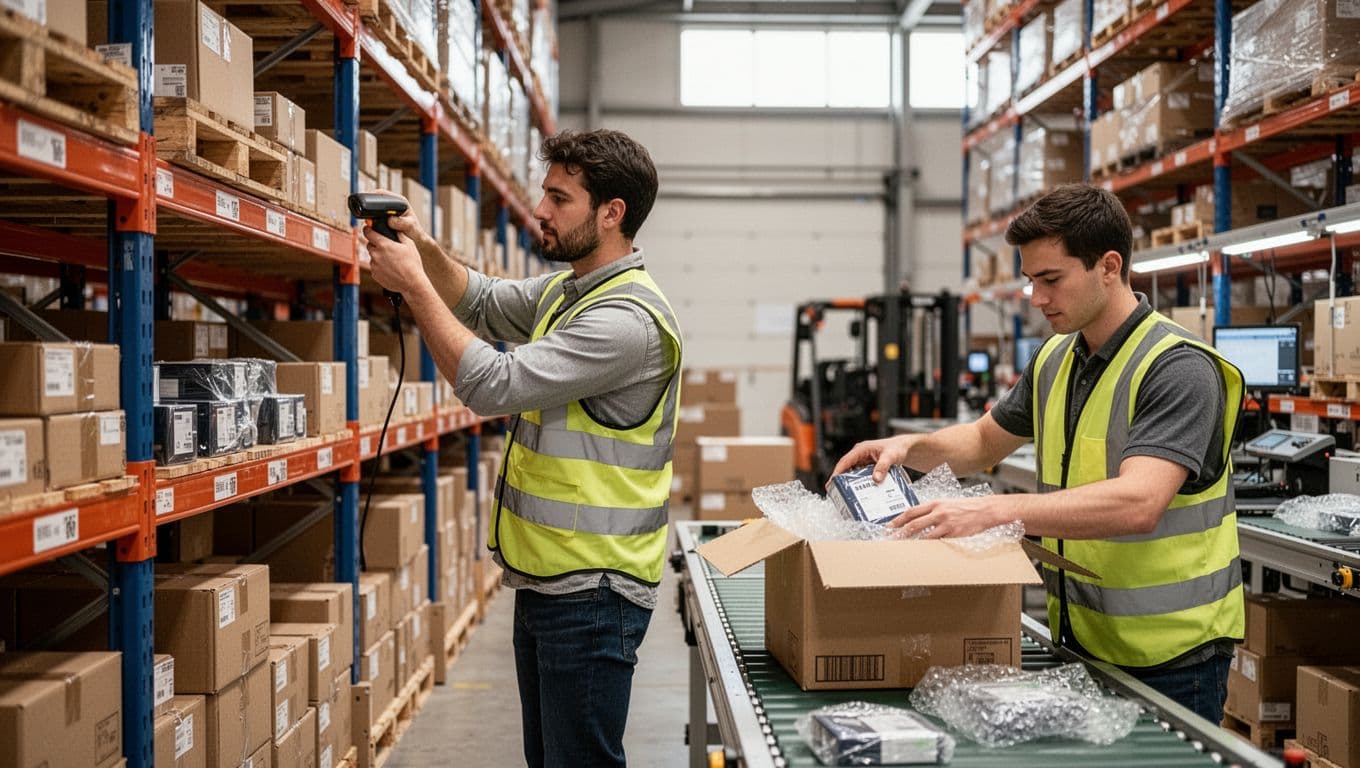
Then labels print, cartons are sealed, and packages move to the outbound dock for carrier pickup. At that point, the order has left the warehouse, but the job still isn’t over.
Step 4, tracking, returns, and inventory updates
After shipment, tracking numbers sync back to your store or channel so customers can get updates. That visibility cuts down on “where is my order?” emails and gives your team a clear record of what shipped and when.
Returns follow a similar logic. The item comes back, the warehouse inspects it, and the 3PL applies your rules. If it’s unopened and resellable, it may go back into stock. If it’s damaged, expired, or incomplete, it may be quarantined, discarded, or sent for rework.
Strong return workflows protect two things at once: customer satisfaction and clean inventory records. If returned goods are handled loosely, stock counts drift, usable product gets lost, and support issues pile up. Good 3PLs keep inventory visible in real time, so you always know what is available, allocated, returned, or back in sellable stock.
Why businesses use a 3PL instead of handling fulfillment in-house
For a lot of brands, in-house fulfillment works, until it doesn’t. What starts as a few shelves, a label printer, and a small team can turn into missed orders, crowded space, and long afternoons spent chasing boxes instead of building the business.
That shift is one reason 3PL adoption keeps growing. Recent industry data shows that more companies are expanding their use of 3PL partners, while demand for faster shipping and stronger software integrations keeps rising. In simple terms, businesses use a 3PL because it can take logistics from a daily scramble to a repeatable system.
Lower costs, less complexity, and more time for growth
Running fulfillment in-house means carrying a lot of fixed costs. You need space, equipment, warehouse labor, packing materials, shipping workflows, and someone to manage it all. Even a small operation can feel like running a second business.
A 3PL can reduce that burden because you’re not building every piece yourself. Instead of paying for your own warehouse lease, extra staff, and shipping setup year-round, you tap into existing storage, labor, and carrier networks. For a brand that has outgrown its garage or back room, that can be a practical next step.
The biggest gain is often time. When your team stops picking orders at 9 p.m., it can focus on work that actually grows revenue, like:
- Sales and marketing: Bringing in new customers instead of printing more labels
- Product development: Improving the offer instead of counting cartons
- Customer service: Solving issues faster because staff isn’t buried in packing work
Still, cost savings are not automatic. A 3PL is not cheaper in every case. The math depends on your provider, order volume, SKU count, packaging needs, and business model. A low-volume brand with simple orders may not save much right away, while a growing multi-channel business often sees more value.
A 3PL can lower overhead, but the right question is broader: does it help your business run better at its current size and next stage?
That matters because fulfillment costs are only part of the picture. Delays, order mistakes, and owner burnout carry a price too. If your team is stuck doing warehouse work all week, growth tends to stall. Brands facing that tipping point often start with a guide on outsourcing warehousing to a 3PL.
Faster shipping and a better customer experience
Customers don’t separate your product from your delivery experience. If the order shows up late, arrives wrong, or has poor tracking, your brand takes the hit.
A solid 3PL can improve speed and accuracy because fulfillment is its core job. The warehouse is set up for movement, not makeshift storage. Orders follow defined pick paths. Staff use barcode scans and system checks. Carriers are built into the daily flow. That kind of structure helps cut the small errors that create big headaches.
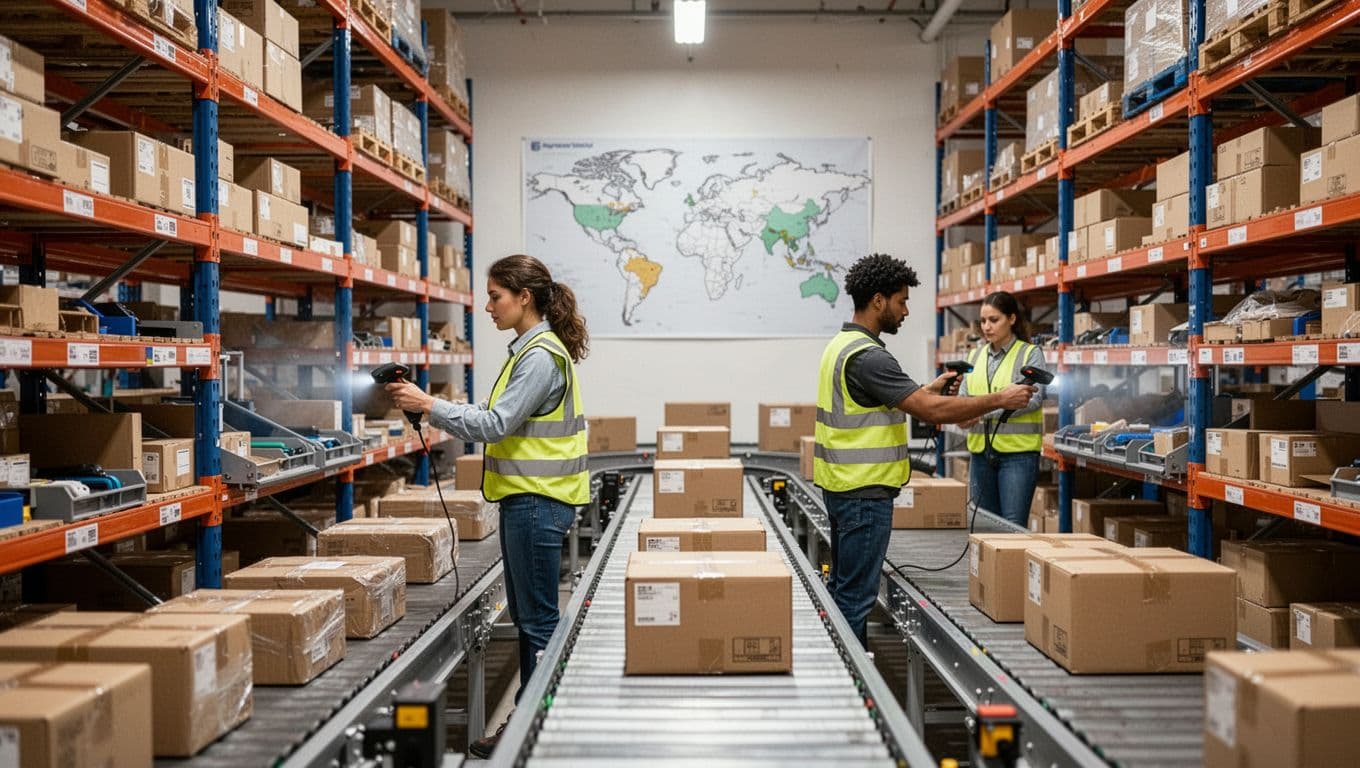
Location also matters. A 3PL with warehouses closer to your customers can shorten transit time and reduce shipping zones. In many cases, that means faster ground delivery without paying for premium shipping on every order. Add in established carrier relationships, and businesses often get better routing, more pickup consistency, and clearer tracking updates.
That shows up in the customer experience in a few simple ways:
- Orders go out faster, especially when same-day or next-day cutoffs matter
- Tracking is clearer, so customers know what to expect
- Accuracy improves, which means fewer wrong-item shipments and fewer support tickets
This is especially important now because shipping expectations keep rising. Shoppers are used to quick delivery and real-time visibility, even from smaller brands. At the same time, 3PL software integrations have improved, so orders, inventory updates, and tracking data move more smoothly between stores and warehouses. If speed is part of your brand promise, logistics can’t be an afterthought.
Flexibility for busy seasons, retail programs, and new channels
Growth rarely happens in a straight line. One month is steady, then holiday demand hits, a product goes viral, or a retail buyer asks for a big program on a tight timeline. In-house teams often struggle here because space, labor, and processes were built for the average week, not the surge.
That’s where a 3PL can help. Instead of scrambling to hire temporary staff or stack pallets wherever they fit, you gain access to a warehouse operation designed to flex. That matters during holiday peaks, subscription box runs, limited-time bundles, club store packs, and product launches that need fast turnarounds.
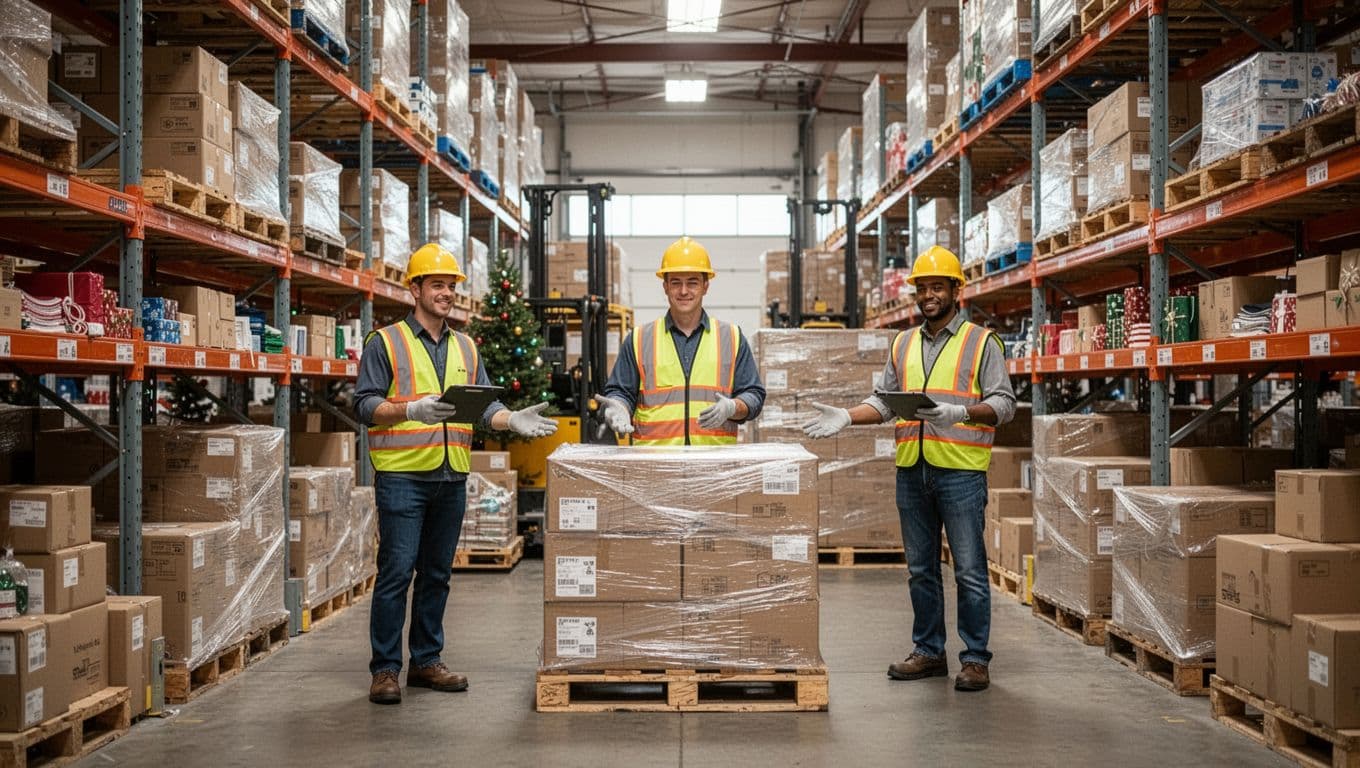
A 3PL also makes channel expansion easier. If you’re moving from direct-to-consumer into wholesale, or adding retail alongside e-commerce, fulfillment gets more complex fast. Retail orders may need different labels, case packs, compliance rules, or EDI workflows than parcel orders. A capable partner helps manage those moving parts without forcing you to build a full warehouse operation from scratch.
Packaging support can matter before fulfillment even begins. For example, if a brand needs bundles, relabeling, retail-ready packs, or promo builds, it may need a packaging partner before inventory is ready to ship. In that case, it helps to review when to use a co-packer, especially if fulfillment starts after assembly, kitting, or retail prep.
In short, businesses use a 3PL because it gives them room to grow without making every growth step a warehouse problem. That’s often the difference between reacting to demand and being ready for it.
How to tell if your business is ready for 3PL fulfillment
Outsourcing fulfillment makes sense when your current setup starts acting like a bottleneck, not a strength. The goal is not to wait for chaos. It’s to spot the signs early, so you can switch before slow shipping, stock issues, and packed workdays start hurting growth.
Common signs you may have outgrown in-house fulfillment
A simple test helps here: if fulfillment is taking over your day, you’ve likely hit the edge of what your space and team can handle. What once felt scrappy and efficient can turn into a daily traffic jam.
Common warning signs include:
- You keep running out of storage space, and inventory spills into offices, hallways, or your garage.
- Packing orders eats up too much time, which pulls you away from sales, product work, and customer support.
- Shipping delays are showing up more often, especially after promos or busy weekends.
- Order errors are rising, like wrong items, missing units, or bad counts.
- Inventory is harder to trust, so you spend too much time double-checking stock.
- Seasonal spikes hit like a wave, and your team scrambles just to stay afloat.
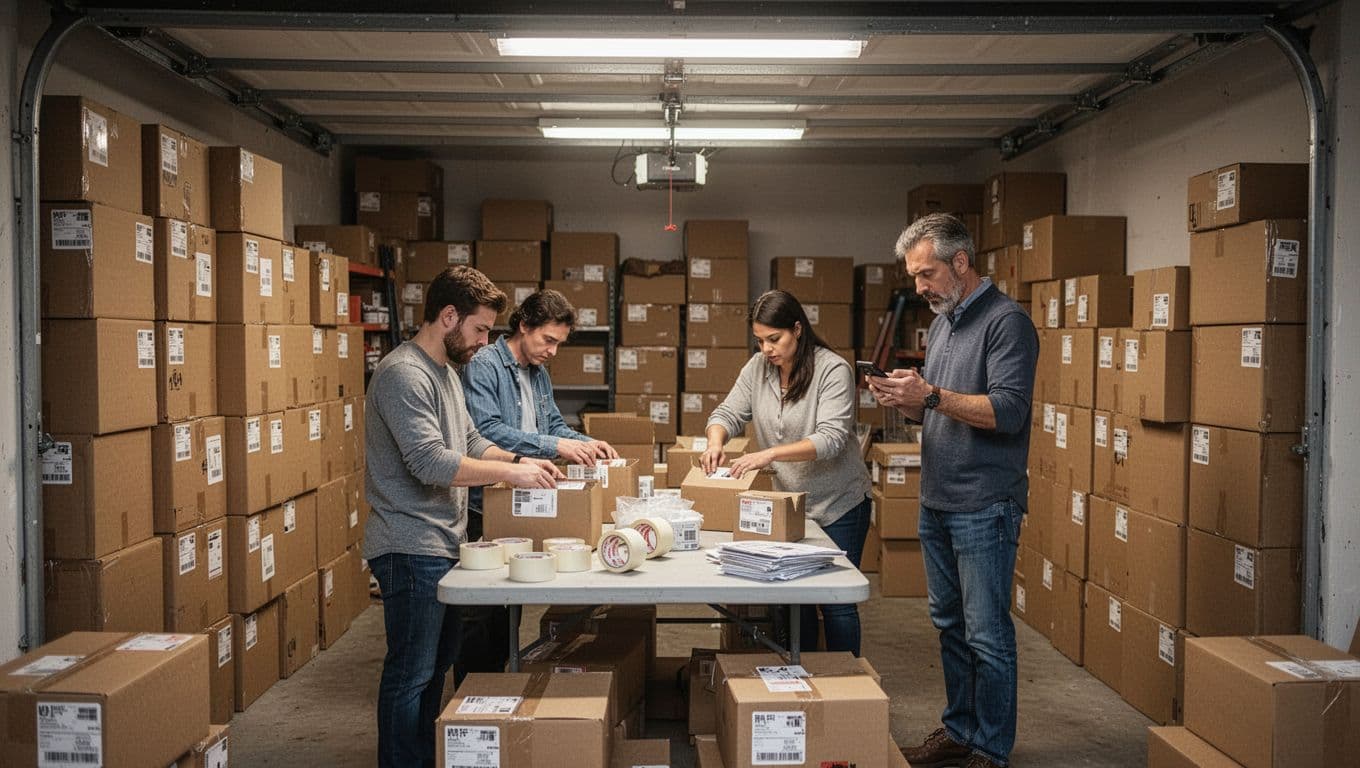
As a rule of thumb, accuracy should stay near 99%, and on-time shipping should stay consistently high. If you’re slipping below that, the problem is usually not effort. It’s capacity. If you want help preparing for the move, this readiness checklist for 3PL outsourcing gives a practical next step.
When fulfillment starts stealing time from growth, it’s usually time to rethink who should own the warehouse work.
When 3PL may not be the right fit yet
A 3PL is not the right answer for every business, at least not yet. If you’re shipping only a small number of orders each week, paying outside fees may cost more than handling it yourself.
The same goes for products with very unusual handling needs. For example, if your items need highly specialized storage, custom inspection, or one-off packing steps, a standard 3PL setup may not fit. Also, if your sales are still inconsistent, it may be smarter to stabilize demand first and switch later.
In those cases, staying in-house a bit longer can be the better move. The key is being honest about where your operation stands today.
Questions to ask before making the switch
Before talking to providers, get your own numbers straight. That will make vendor calls faster and much more useful.
Start with these questions:
- How many orders do you ship each week or month?
- How many SKUs do you carry, and how often do they change?
- Are your products large, fragile, heavy, or hard to pack?
- Which sales channels need to connect, such as Shopify, Amazon, or wholesale?
- What does your return rate look like?
- What ship times do customers expect from you?
- What budget can you support without hurting margins?
Those answers shape everything, from storage needs to packing rules to carrier options. Think of it as making a blueprint before building the house.
How to choose the right 3PL partner for your business
Choosing a 3PL is less like buying software and more like hiring an operating partner. The right fit helps you ship faster, stay accurate, and scale without daily friction. The wrong one can create late orders, stock problems, and support headaches that follow your brand everywhere.
So, compare providers on capability, cost, and consistency. You want a partner that can handle your current order flow, adapt as you grow, and communicate clearly when something goes wrong.
The features and capabilities that matter most
Start with technology. A 3PL should connect cleanly to your store, marketplace, ERP, or EDI workflows. If orders still move by spreadsheet or manual upload, that’s a red flag. In 2026, real-time inventory visibility, automatic order flow, and clear dashboards are baseline expectations, not nice extras.
Next, look hard at accuracy and reporting. Ask for real numbers, not vague claims. Strong providers should be comfortable sharing order accuracy, on-time shipping, receiving turnaround, and inventory variance rates. As a rule, you want to see performance close to 99%+ order accuracy and 98%+ on-time shipping. If they dodge the numbers, pay attention.
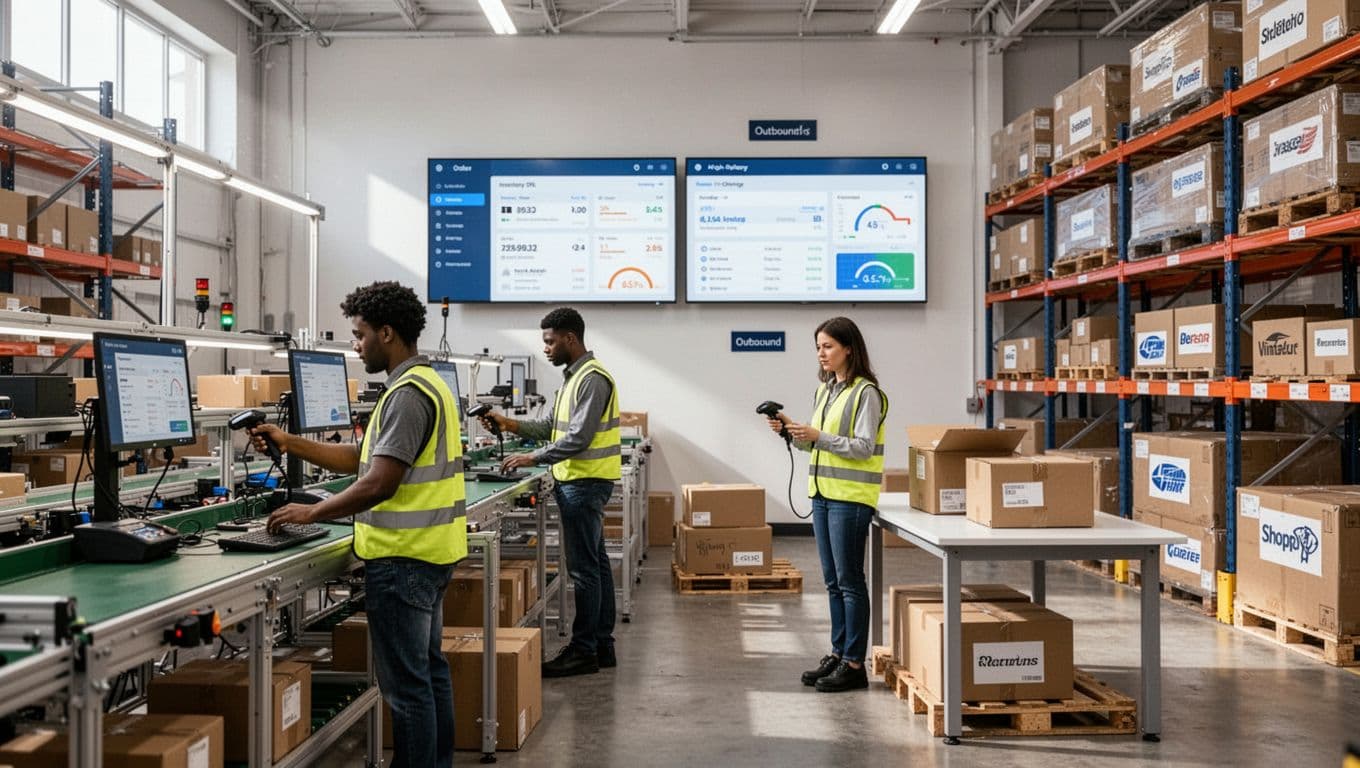
Location matters too, because warehouse placement affects both transit time and shipping cost. A provider near your customer base can help you reach more buyers with ground service instead of paying for upgrades. If you sell across channels, also check shipping options, carrier mix, cutoff times, and how they handle exceptions.
Returns support often gets overlooked until it hurts. A good 3PL should have a defined returns process for inspection, restock, quarantine, disposal, and reporting. Otherwise, returns turn into a black hole where product and margin disappear.
Service matters just as much as systems. Fast replies, clear ownership, and a responsive account team can save you hours every week. You can learn a lot during the sales process. If communication is already slow, imagine peak season.
Finally, match the provider to your business model. If you sell fragile goods, subscription boxes, retail orders, or multi-SKU kits, ask for examples from similar programs. And if store placement is part of your growth plan, support for retail prep can be a major plus, especially when you need distribution and fulfillment services tied to packaging or shelf-ready programs.
A 3PL should fit your operation as it is today, but it also needs room for the business you’re trying to build next.
How pricing usually works, and what hidden fees to watch for
Most 3PL pricing looks simple at first, then gets crowded fast. The common fee buckets are easy to spot:
- Receiving: Charges for unloading, counting, and checking inbound shipments.
- Storage: Usually billed by pallet, bin, shelf, or cubic footage.
- Pick and pack: A base fee per order, plus added fees per item or per extra pick.
- Packaging materials: Boxes, mailers, dunnage, labels, tape, and custom inserts.
- Shipping: Carrier charges, often plus accessorials or pass-through costs.
- Account management: Monthly support or platform fees.
- Returns: Fees for receiving, inspecting, restocking, or disposing of returned items.
That rate card is only the start. The real work is finding the fees hiding between the lines. Ask about monthly minimums, storage minimums, fuel surcharges, carton fees, pallet in and out fees, relabeling, inventory counts, and peak season pricing. Some providers look affordable until holiday surcharges or low-volume minimums show up.
The takeaway is simple: don’t compare quoted totals alone. Compare how the quote is built. If your orders vary by SKU count, size, or channel, ask the 3PL to price a few real order samples. That’s where surprises usually show up.
If your product needs rework, bundling, or special prep before it ships, packaging charges can matter as much as fulfillment charges. In those cases, it’s smart to review broader contract packaging solutions along with standard 3PL fees.
A short checklist of smart questions to ask any 3PL
Once you’ve narrowed the field, keep your questions direct. You’re not looking for polished talk. You’re looking for proof.
Use this short list in calls or proposal reviews:
- What are your order accuracy and on-time shipping rates?
- Which systems do you integrate with, and how long does setup usually take?
- What does onboarding look like, and who owns each step?
- How will I see inventory levels, order status, and returns in real time?
- How fast does your team respond to support issues?
- Do you offer service-level agreements, and what happens if you miss them?
- Can you handle sudden volume spikes, product launches, or holiday surges?
- What experience do you have with products like mine?
- What fees tend to surprise new clients?
- Can you share references from brands with a similar sales channel mix?
As you compare answers, watch for warning signs:
- Vague performance claims with no numbers behind them
- Slow or inconsistent communication during the sales process
- Limited visibility into inventory or order status
- Confusing pricing that changes when you ask follow-up questions
- No clear plan for onboarding, returns, or peak season volume
- Little experience with your product type or sales channels
A good final step is to score each provider against the same factors, such as tech, cost clarity, location, support, and fit for your product. That keeps the choice grounded in facts, not just the best sales pitch.
Conclusion
3PL fulfillment is simple at its core: you hand off storage, picking, packing, shipping, and often returns to a specialist. That setup works best when your team needs more speed, better order accuracy, room to scale, or help managing day-to-day warehouse work without building it all in-house.
For growing brands, the value is not just lower stress. It’s tighter operations, more reliable delivery, and more time to focus on sales, products, and customer experience. If fulfillment is slowing you down, start by listing your biggest pain points, then compare providers based on service levels, technology, reporting, and fit for your products. A practical next step is reviewing how to start with a 3PL partner so you can make the switch with clear expectations and fewer surprises.
The right 3PL should make fulfillment feel predictable, not chaotic. When that happens, logistics stops being a drag on growth and starts supporting it.
