
How Outsourced Packaging Reduces Operational Costs for Manufacturers
Packaging shouldn’t feel like a second factory inside your factory, but it often does. Labor creeps up, equipment sits idle, and one label mistake can trigger a chain of rework, holds, and late shipments. Then there’s the hidden stuff: downtime during changeovers, floor space you can’t use for production, scrap you pay for twice, and compliance updates that show up as surprise spending.
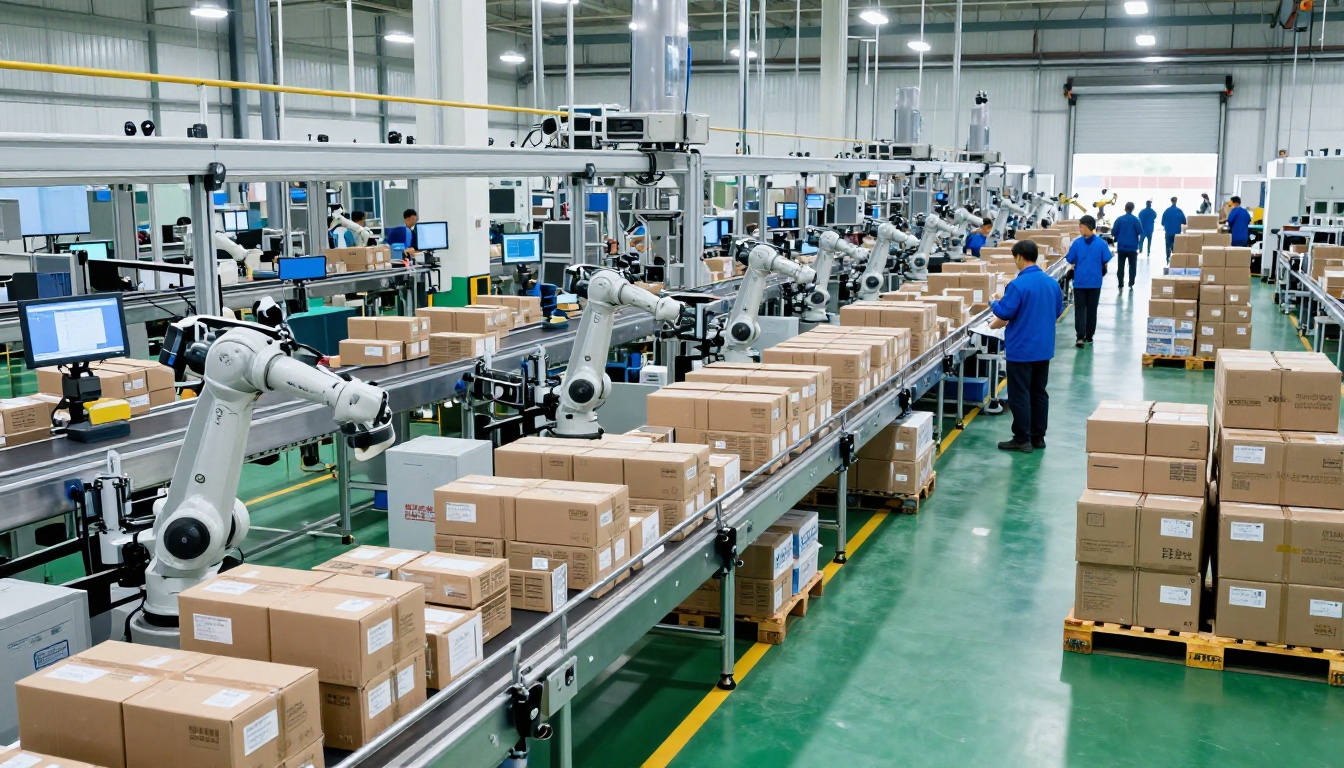
Outsourced Packaging is a simple idea. A specialized partner packs, labels, kits, and prepares your products for shipment, using their people, equipment, and processes. You still own the product and the brand, they run the packaging operation as a service.
This guide explains where savings really come from, what to measure, and how to decide if it fits your operation. As a reference point, 2025 to 2026 industry reports commonly cite 15% to 25% cost savings when manufacturers move from older in-house setups to more automated, 24/7 contract packaging facilities, when the product and process are a good match.
Where in-house packaging quietly drains money
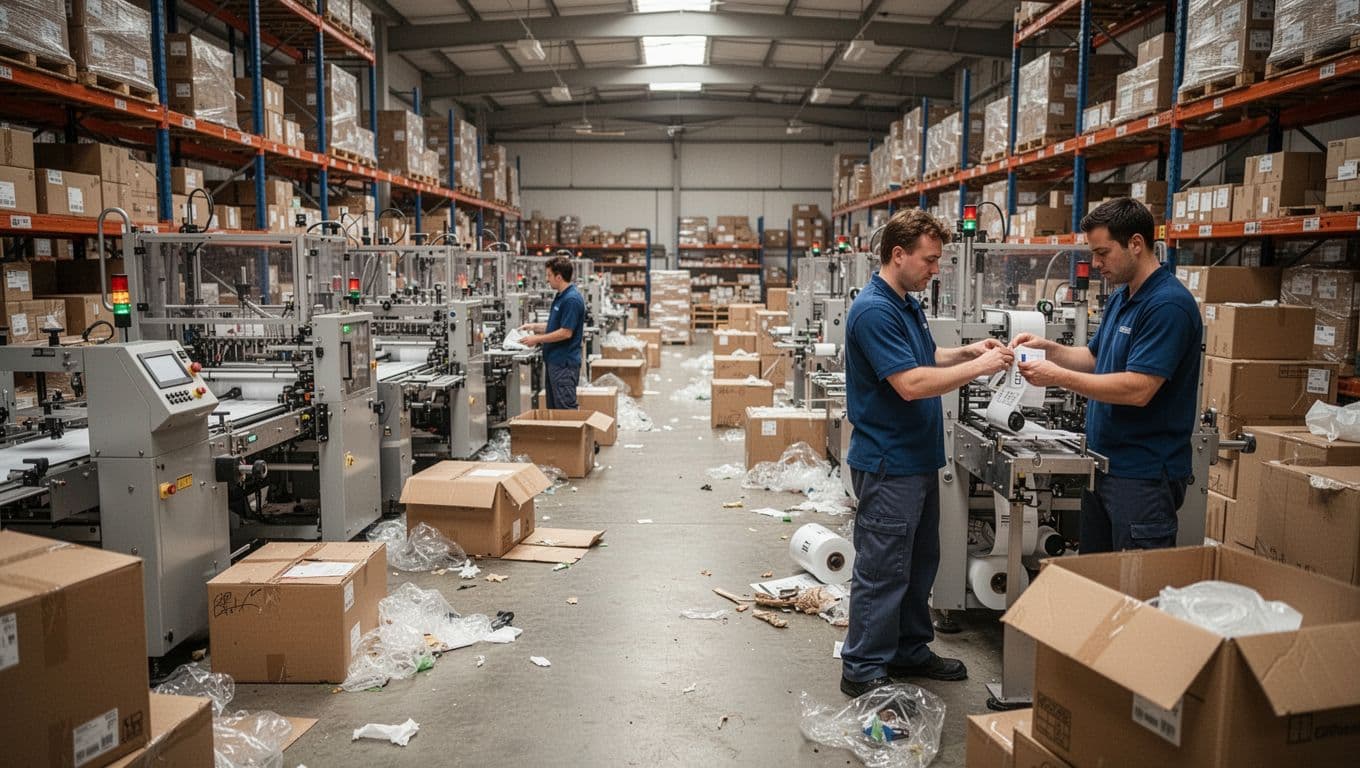
Most manufacturers can quote a “cost per unit” for packaging fast. The problem is that number usually comes from the obvious costs only. Wages, boxes, labels, and tape are easy to see. The quiet drains live in the gaps between runs, in the supervision layer, and in the time spent fixing small problems.
Think of packaging like a leaky bucket. You might not notice the drip on a single shift. Over a month, it becomes real money. Over a year, it can block investment in product or capacity.
Here are common line items leaders often forget to include in a true cost per sellable unit:
- Supervision and indirect labor (line leads, trainers, materials handlers)
- Overtime and shift premiums during spikes
- Training and cross-training for turnover and coverage
- Changeovers and sanitation time (including startup scrap)
- QA holds and investigations that pause shipping
- Utilities (compressed air, heat sealers, dust collection, lighting)
- Waste and scrap from film, corrugate, labels, and mispacks
Once those items land in the model, the “cheap in-house line” can look very different.
Fixed costs, underused machines, and the space you cannot get back
Packaging equipment creates a fixed-cost base that doesn’t care about your forecast. Case erectors, baggers, cartoners, labelers, printers, checkweighers, and conveyors all depreciate whether they run or not. Maintenance contracts and spare parts are the same story. Even a well-run line needs planned downtime, plus unplanned breakdowns.
Space is another fixed cost, and it’s usually priced too low in internal calculations. A packaging cell can swallow prime floor area near shipping, staging, and docks. Once you build around it, you can’t easily reclaim that footprint. If your plant is tight, that space could be a new production line, finished goods staging, or a safer aisle layout.
Volume swings make fixed costs hurt more. When demand drops 20%, your unit cost can jump because you’re spreading the same overhead across fewer sellable units. On the other hand, when demand spikes, you often can’t add capacity quickly without overtime, temp labor, or rushed equipment changes.
In addition, many in-house teams can’t justify major upgrades for one product family. Automation, vision inspection, serialization add-ons, or clean-room buildouts can be smart, but only if you can keep them busy. If the line runs two days a week, the payback math gets ugly.
Labor, errors, rework, and compliance risks that show up late
Labor is the most visible cost, and it’s also the most unpredictable. Packaging roles often see higher turnover than core production roles. As a result, supervisors spend time hiring, training, and filling gaps. Cross-training helps, but it takes time away from output.
Errors are where costs hide. A wrong label roll, missing insert, or incorrect count can slip past a tired operator. Then the downstream costs hit: customer returns, retailer chargebacks, emergency rework weekends, or even a line stoppage if product can’t ship. The costs don’t show up on the packaging line’s labor report, so they get blamed on “operations” as a whole.
Compliance adds another layer. Food and pharma teams deal with stricter labeling, lot traceability, allergen controls, tamper evidence, and documentation. Retailers also change requirements, sometimes with short notice. When rules shift, in-house teams may need new inspection steps, new printers, new SOPs, and more QA time. That spending often appears late, after a failure or audit finding.
If you’re weighing outsourcing, it helps to compare your situation to common use cases such as benefits of secondary packaging outsourcing, especially if your bottleneck sits between production and shipping.
How outsourced packaging lowers operational costs in real terms
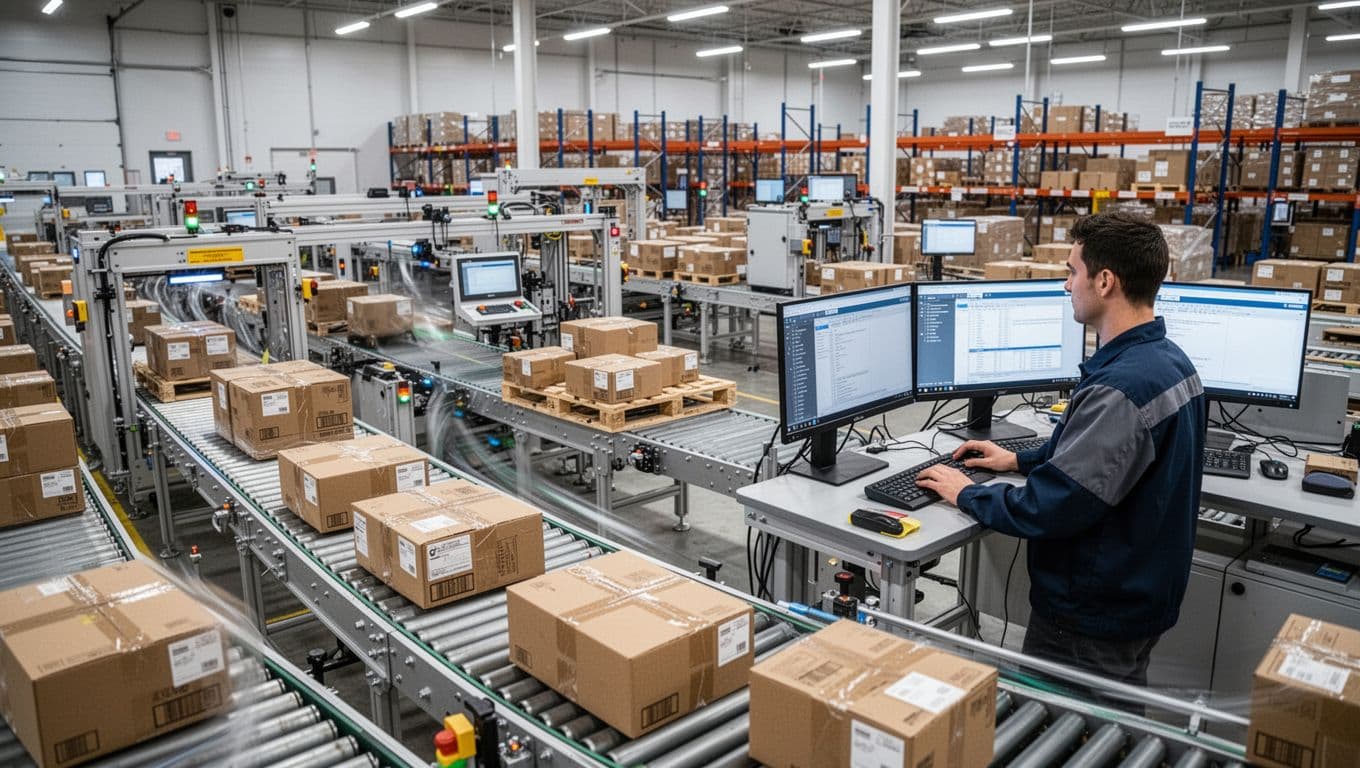
Outsourcing doesn’t save money by magic. It saves money when it changes how costs behave, and when the partner’s operation fits your packaging needs. In practice, the best savings come from four mechanisms: cost structure, scale, quality control, and supply chain planning.
2026 trend notes matter here. More manufacturers are using contract packaging to control overhead and handle SKU growth. At the same time, more facilities are adopting AI-assisted inspection and monitoring to catch labeling and packing errors earlier. Sustainability pressure also keeps rising, so many partners now help source recycled content, recyclable structures, and lower-waste formats, when product requirements allow.
Outsourcing works best when the packaging process is repeatable, the specs are stable, and the handoffs are clear. If your job changes hourly, you’ll pay for that chaos.
You replace big fixed costs with variable costs that track demand
The biggest operational change is financial. Instead of owning every asset and staffing level, you pay for packed units or agreed runs. That turns many fixed costs into variable costs.
Day to day, several items move off your plate:
- Equipment maintenance labor and scheduling
- Spare parts and emergency repairs
- Overtime driven by backlogs or late changeovers
- Some indirect overhead tied to managing a packaging department
This matters most when forecasts are uncertain. If you run a seasonal business, a promotion-heavy schedule, or frequent new SKUs, variable pricing can keep you from overbuilding capacity that sits idle in slow months.
For teams planning an outsourcing move, a practical reference is a step-by-step guide to outsourcing contract packaging projects so the scope, responsibilities, and timing don’t get fuzzy.
Scale and automation cut cost per unit, especially on high-volume runs
Specialists spread equipment costs across many customers. As a result, they can justify faster lines, better inspection tools, and deeper bench strength. They also tend to schedule longer runs, which reduces the percentage of time lost to setup and changeovers.
That’s why many manufacturers see the often-cited 15% to 25% savings when shifting from older in-house lines to more automated partner operations, assuming a good fit and stable specs. A partner running 24/7 can also reduce “rush premiums.” When capacity is always available, fewer jobs require overtime heroics.
Consider a simple example. You have a seasonal surge from August to October. In-house, you either carry extra headcount year-round or you hire temps and accept slower output and more errors. With outsourced packaging, you can book additional runs during the surge, then scale back after the season ends. The cost follows the calendar.
Fewer defects and faster changeovers reduce scrap and delays
Quality savings often beat labor savings, but they’re harder to see until you measure them. Contract packagers live and die by repeatability. They build standardized work, documented checks, and tight line clearance because mistakes cost them too.
In-line inspection is a big driver. Many facilities use vision systems for label verification, barcode checks, and presence detection (for inserts, caps, or seal features). In 2026, more operations also use AI-assisted monitoring to flag patterns that lead to mislabels or jams, then correct issues before they snowball.
Fewer defects means less scrap, less rework, and fewer QA holds. It also reduces customer service workload and reverse logistics costs. Returns don’t just cost freight. They consume time, warehouse space, and reputation.
If you want a clearer view of how quotes handle these quality steps, it helps to read a co-packing pricing guide and hidden fees. The “true unit cost” usually depends on what’s included for inspection, documentation, and rework responsibility.
Procurement leverage and freight planning can reduce total landed cost
Packaging cost isn’t only labor and machine time. Materials and freight can swing the final number.
A packaging partner may source corrugate, film, labels, and pallets at better rates because they buy at higher volumes. They can also manage packaging component inventory to reduce expedites. That’s not guaranteed, but it’s common when the partner runs a strong purchasing program and your specs align with widely used components.
Freight planning is another lever. If your pack-out happens closer to a major customer or distribution node, you can shorten delivery zones and reduce transit time. In other cases, consolidating inbound components to the partner’s site reduces the number of partial shipments you manage. The real impact depends on your network, customer locations, and order patterns, so you should model it rather than assume it.
How to decide if outsourced packaging will save you money, and how to make it work
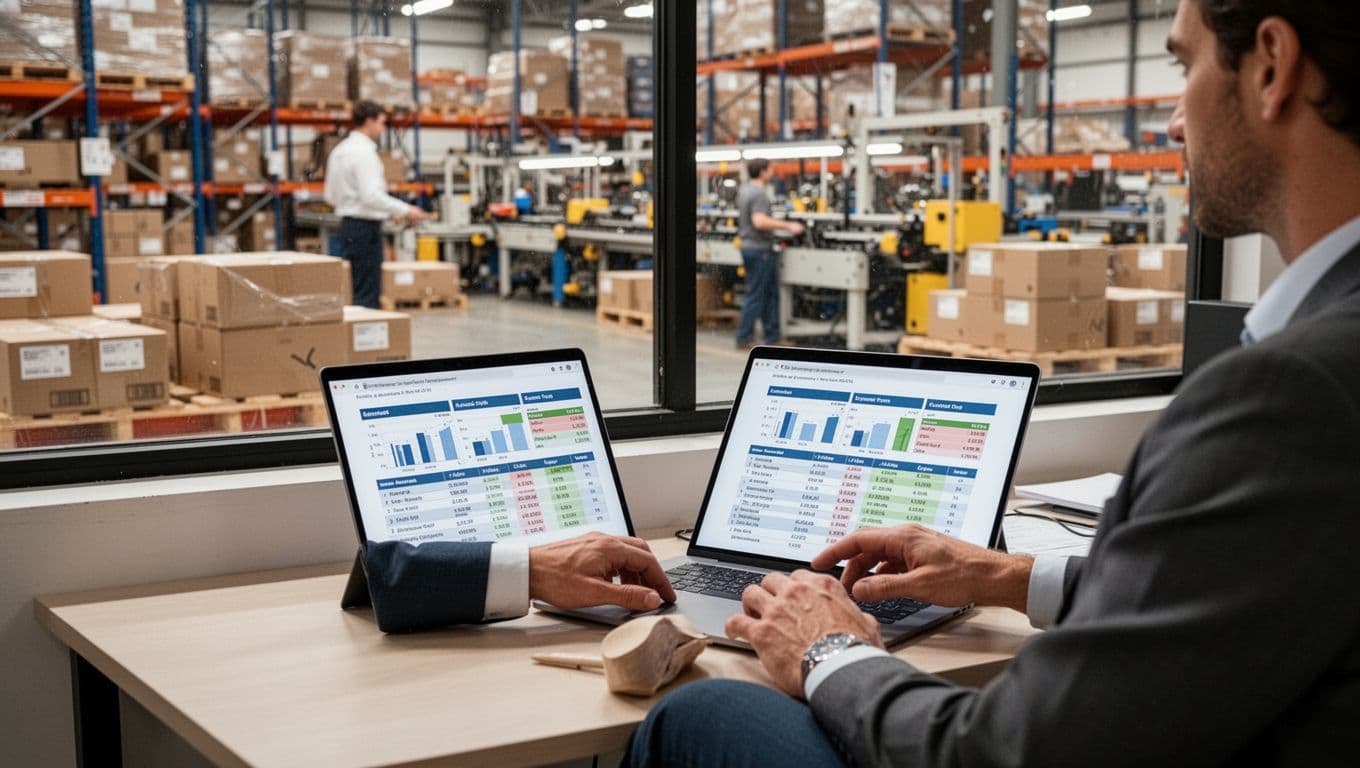
The decision comes down to one thing: will you lower cost per sellable unit without raising risk? To answer that, you need an apples-to-apples comparison, plus a plan to keep the partnership predictable.
Start by picking one product line with stable demand or a known pain point. For example, a variety pack that ties up labor, or a high-volume SKU with frequent label changes.
A simple cost checklist to compare in-house vs outsourced packaging
Before you request quotes, gather inputs that reflect reality, not best-case days. Then compare cost per sellable unit, because scrap and holds don’t pay the bills.
Key inputs to collect:
- Loaded labor rate (wages, taxes, benefits, premiums)
- OEE or uptime for the packaging line, plus downtime causes
- Scrap rate for materials and finished units
- Rework hours per month (and who performs them)
- Average changeover time by SKU type
- Maintenance costs (parts, contractors, internal labor)
- Floor space cost (allocation for packaging footprint and staging)
- Inventory carrying cost for packaging components and finished goods
- Compliance paperwork time (QA checks, records, audits, retailer forms)
If the unit can’t ship, it doesn’t count. Always calculate cost per sellable unit, not cost per unit produced.
Once you have the baseline, compare it to a partner quote that includes packaging, receiving, storage assumptions, QA steps, and outbound handling. If you skip those details, the comparison won’t hold up.
Avoid the most common outsourcing mistakes
Savings disappear when the handoff is sloppy. Most problems come from unclear specs and last-minute changes that force rework or downtime.
Watch for these pitfalls:
Unclear packaging specs: If case pack, label placement, torque, seal settings, or sampling rules aren’t written, you’ll see variation and disputes.
Too many late changes: A “quick” label update can trigger material scrap, line resets, and schedule reshuffling.
Weak forecasting handoffs: Partners need a real signal to staff and stage materials. Even a simple 8 to 12-week outlook helps.
Missing quality agreements: Many brands use contract packaging, but fewer formalize expectations. That’s risky because it leaves rework responsibility and acceptance criteria open to debate.
A pilot run solves a lot. Set up a 60 to 90-day test with one or two SKUs, then lock in a written SLA covering throughput, defect limits, documentation, and lead times. For contract structure ideas, review the essential elements of a contract packaging agreement. Clear terms protect both sides, and they keep cost savings from drifting.
Conclusion
In-house packaging often costs more than it looks, because fixed overhead, downtime, errors, and compliance work pile up quietly. Outsourced Packaging can reduce operational costs by turning big fixed costs into variable costs, using partner scale and automation to lower unit cost, cutting defects and rework, and improving sourcing and freight planning when the network fits.
A practical next step is simple: pick one product line, gather the cost checklist, and request a 60 to 90-day pilot quote. Make your quality and timing requirements clear in writing, then measure cost per sellable unit before and after. When the numbers are real, the decision gets much easier.
