
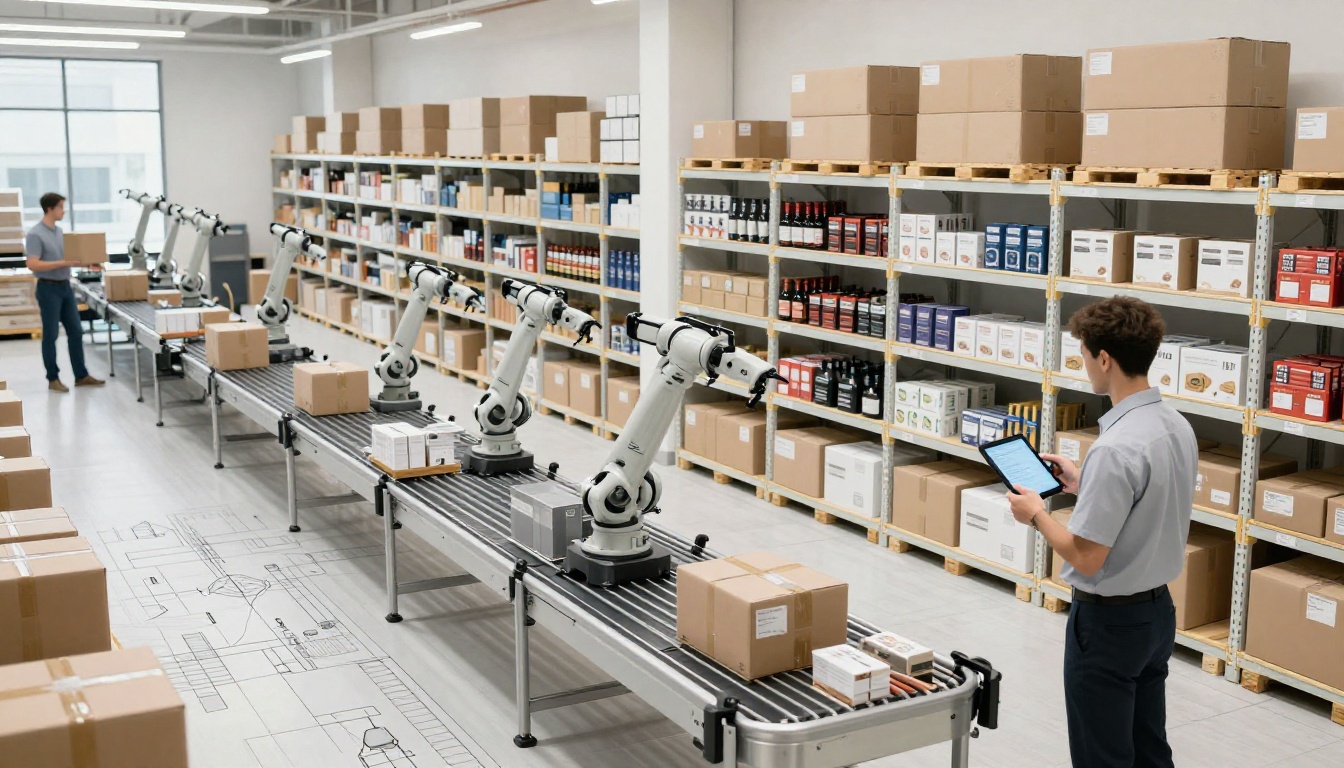
The Role of 3PL in Modern Packaging and Fulfillment
In February 2026, shipping feels less like a perk and more like the product. Customers expect fast delivery, low shipping costs, fewer damages, and easy returns. If any one of those breaks, they blame the brand, not the warehouse.
That’s where a 3PL comes in. A third-party logistics provider stores your inventory, packs orders, ships them, and often handles returns. But here’s the part many growing brands miss: packaging isn’t “just boxes.” Packaging choices can raise shipping costs, slow down packing, and trigger avoidable returns.
Picture a small ecommerce brand that started in a garage. Orders climb, then promos hit, then a marketplace account takes off. Suddenly, packaging turns into late nights, messy stock counts, and a pile of “where’s my order?” emails. This guide breaks down where a 3PL helps most, which packaging services matter, what to ask before choosing a partner, and the common mistakes that cost money.
What a 3PL really does in modern packaging and fulfillment
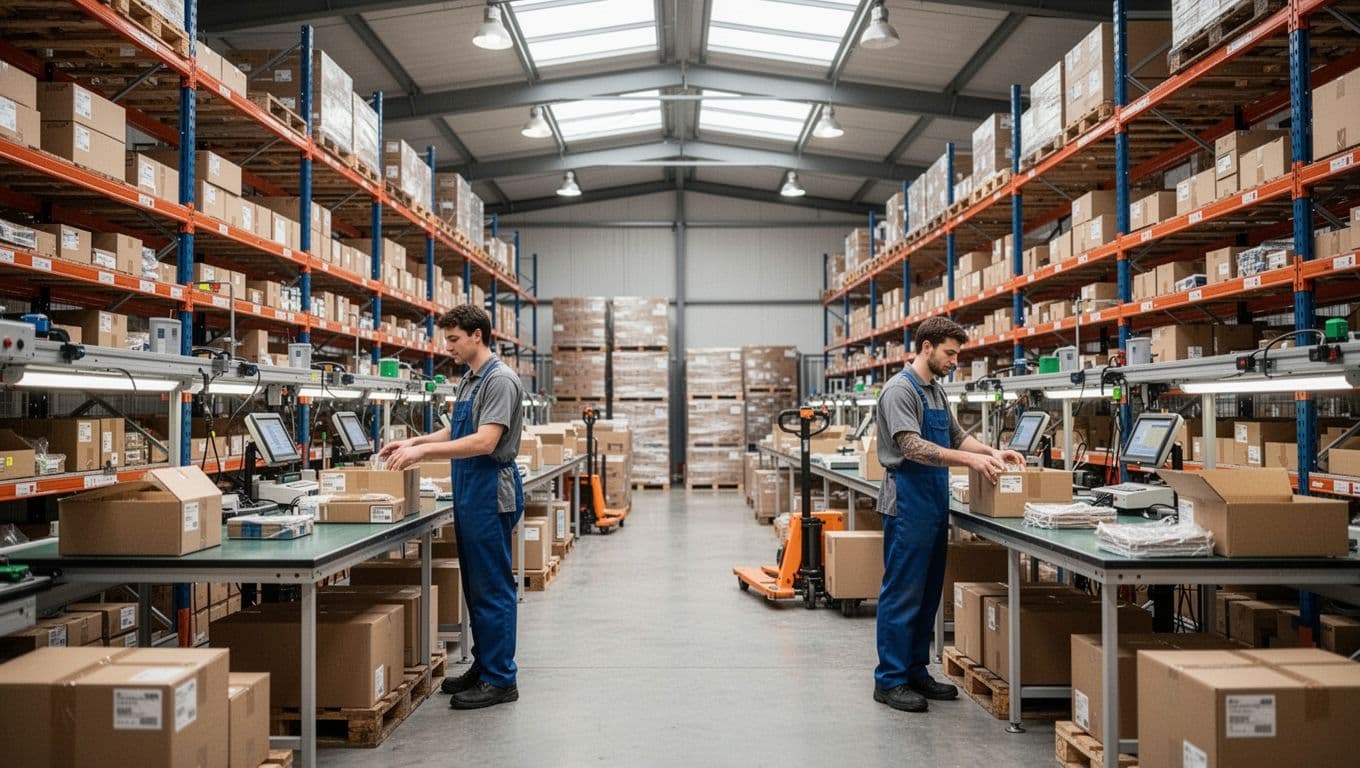
A modern 3PL runs the full order flow, start to finish. The work begins before a customer ever clicks “buy.” Inventory arrives by truck or parcel, the team checks counts and condition, and they scan items into the warehouse system. Next comes putaway, meaning products move into bins, shelves, or pallet locations that match how fast they sell and how they ship.
Once orders come in, the 3PL picks items from storage, brings them to packing stations, and makes packaging choices that match your rules. Then they label shipments, hand them off to carriers, send tracking back to your store, and keep records for support and finance.
Returns matter just as much. A good 3PL receives returns quickly, inspects items, restocks what’s sellable, and flags what isn’t. That speed affects refund times and repeat purchases.
Many brands also sell through multiple channels, like DTC, Amazon or other marketplaces, and wholesale. Each channel changes packaging and labeling needs. Marketplaces may require certain barcodes or prep. Wholesale may require carton labels, pack lists, pallet patterns, and strict delivery windows. If you want a plain-English refresher on the moving parts, this guide on understanding 3PL operations helps set the foundation.
Here’s a quick way to think about channel differences. One shipment can look “right” for DTC and “wrong” for a retailer.
| Sales channel | What packaging often needs | What happens if it’s wrong |
|---|---|---|
| DTC (your store) | Protection, right-size boxes, inserts, easy returns | Higher damage, higher shipping cost, poor reviews |
| Marketplace | Prep rules, label placement, scannable barcodes | Listing issues, inbound delays, extra fees |
| Wholesale | Carton labeling, pallet builds, compliance | Chargebacks, refused deliveries, lost shelf time |
Recent industry estimates put global 3PL spend around $1.4 trillion in 2026. That growth tracks with what shippers feel daily: fulfillment has become harder to run well in-house. Packaging is a big reason why.
From receiving to shipping, where packaging decisions happen
Packaging decisions pop up all over the warehouse, not only at the last step. Receiving is the first touchpoint. If cartons arrive crushed, a 3PL needs rules for quarantining product, documenting damage, and re-packing before it becomes “available.”
At packing, the obvious choices happen: the carton or mailer gets selected, void fill gets added, and inserts go in. Still, the “hidden” packaging touches often matter more. Labels must print cleanly, stick well, and scan on the first try. If your products need lot codes, expiration dates, or suffocation warnings, those details must appear in the right place every time.
Wholesale adds another layer. Pallets must be stacked in stable patterns, wrapped correctly, and labeled for the dock. A weak pallet build can become a domino line in a trailer, then turn into a damage claim and a retailer dispute.
Packaging is like a seatbelt. It’s there for safety, yet it also affects comfort. Right packaging protects product, but it also improves speed, reduces dim weight charges, and shapes the unboxing moment.
The tech behind the scenes that keeps orders accurate
Most fulfillment mistakes don’t start with a “bad worker.” They start with weak systems. That’s why 3PL tech matters, even if you never see it.
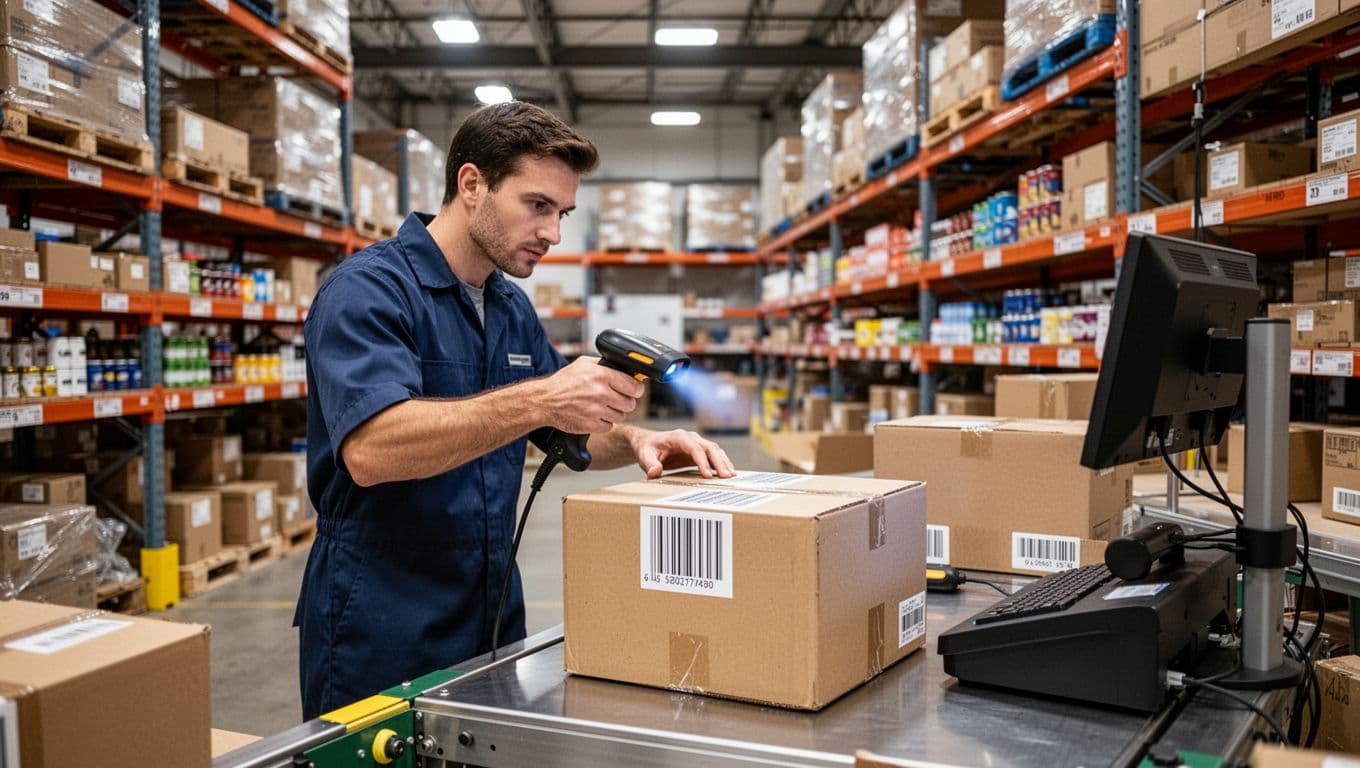
Barcode scanning checks products at key steps, receiving, picking, packing, and shipping. A warehouse management system tracks where every unit sits and what’s reserved for open orders. Shipping software prints labels, rate-shops across carriers, and returns tracking to your store. When those tools work together, the warehouse catches errors before they leave the building.
In 2026, visibility expectations are higher. Brands want near real-time inventory, status updates, and fewer “mystery” delays. Many shippers also say they’d switch providers for better AI-driven tools, because better forecasting helps avoid stockouts and overtime.
The day-to-day benefit is simple: fewer wrong items, faster packing, and clearer tracking for your support team.
How 3PL packaging support protects your margin and your brand
Packaging is one of the few parts of fulfillment that hits cost and brand at the same time. It’s why two companies shipping the same product can see very different profit.
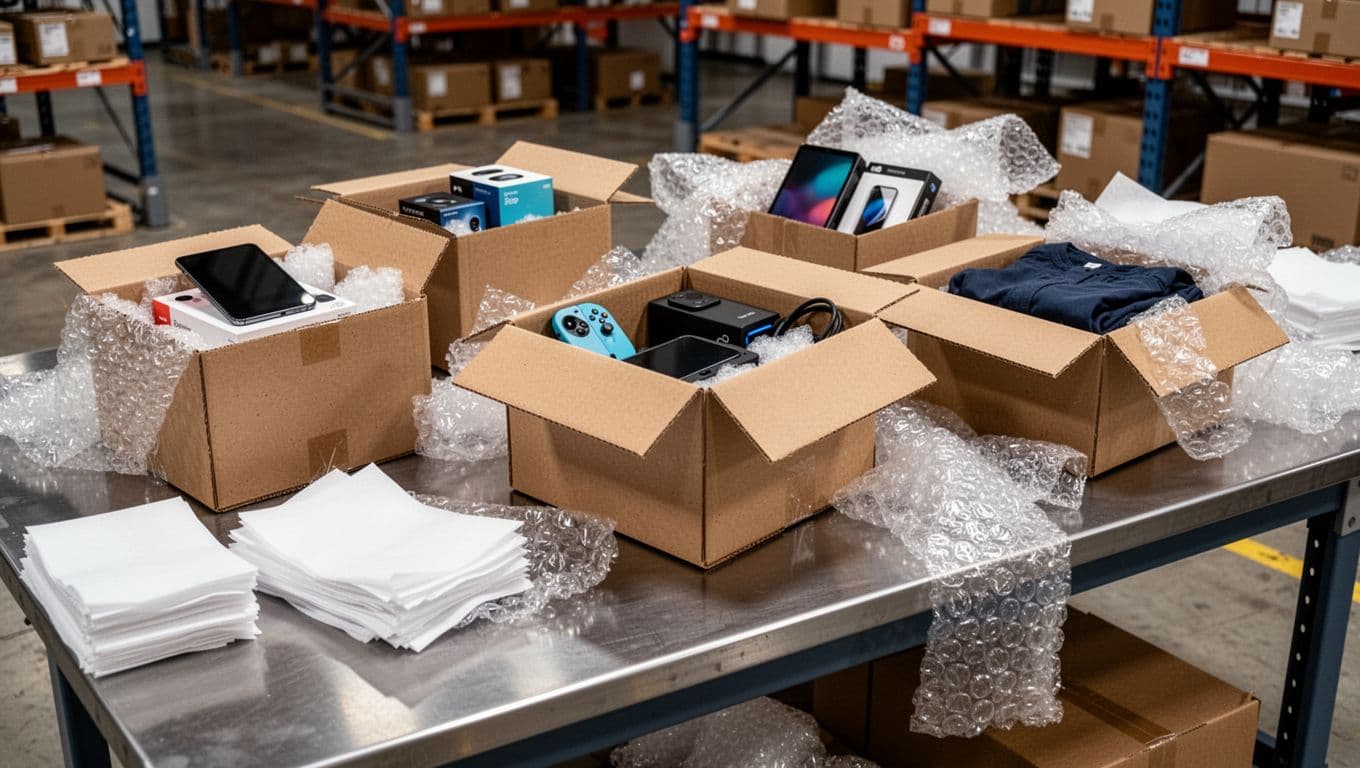
First, packaging affects total shipping cost. Carriers don’t only charge for weight. They also charge for size. Oversized boxes can push shipments into higher tiers, even when the product is light. Next, packaging affects damage rates. Damage drives replacements, refunds, and support labor, then it shows up as reviews that warn future buyers.
Speed matters too. A 3PL that builds clear pack rules and keeps materials stocked can pack faster with fewer pauses. That means more same-day shipments and fewer “label created” stalls.
Finally, packaging creates the customer’s first physical impression. A consistent unboxing experience helps a brand feel reliable. It doesn’t have to be expensive. A clean box, a simple insert, and a product that arrives perfect often beats fancy packaging that arrives crushed.
This is also where value-added services come in. Many 3PLs support brand needs beyond basic pick and pack, including kitting, labeling, and custom packaging help. For examples of what that can look like, see kitting, labeling, and custom packaging help.
If your packaging isn’t written down as a repeatable standard, it’s not a process. It’s a guess that changes with every shift.
Right-size packaging, less damage, and fewer surprise shipping fees
Dimensional weight sounds technical, but the idea is easy. A bigger box takes up more space on a truck or plane. So carriers often price based on size, not only scale weight. As a result, shipping a small item in a large box can cost more than it should.
A 3PL can reduce those costs by right-sizing packaging. That might mean using a smaller carton, switching to a poly mailer for non-fragile items, or choosing a tighter corrugate footprint for multi-item orders. Less empty space also means less void fill, which lowers material spend and reduces packing time.
Protection matters just as much. The goal isn’t “pack it like a tank.” It’s “pack it like it’s going through real shipping.” That mindset leads to basic pack tests, simple drop-test thinking, and clear pack guides. When a 3PL follows a standard (like where to place dunnage or how to wrap glass), damages drop. Fewer damages mean fewer replacements and fewer support tickets, which protects margin in a quiet, steady way.
Cold chain can fit here too. If you ship items that can’t overheat or freeze, packaging and carrier choice must work together. Insulated liners, gel packs, and ship-day rules matter, because a late delivery can ruin the product.
Kitting and assembly make launches and promos easier
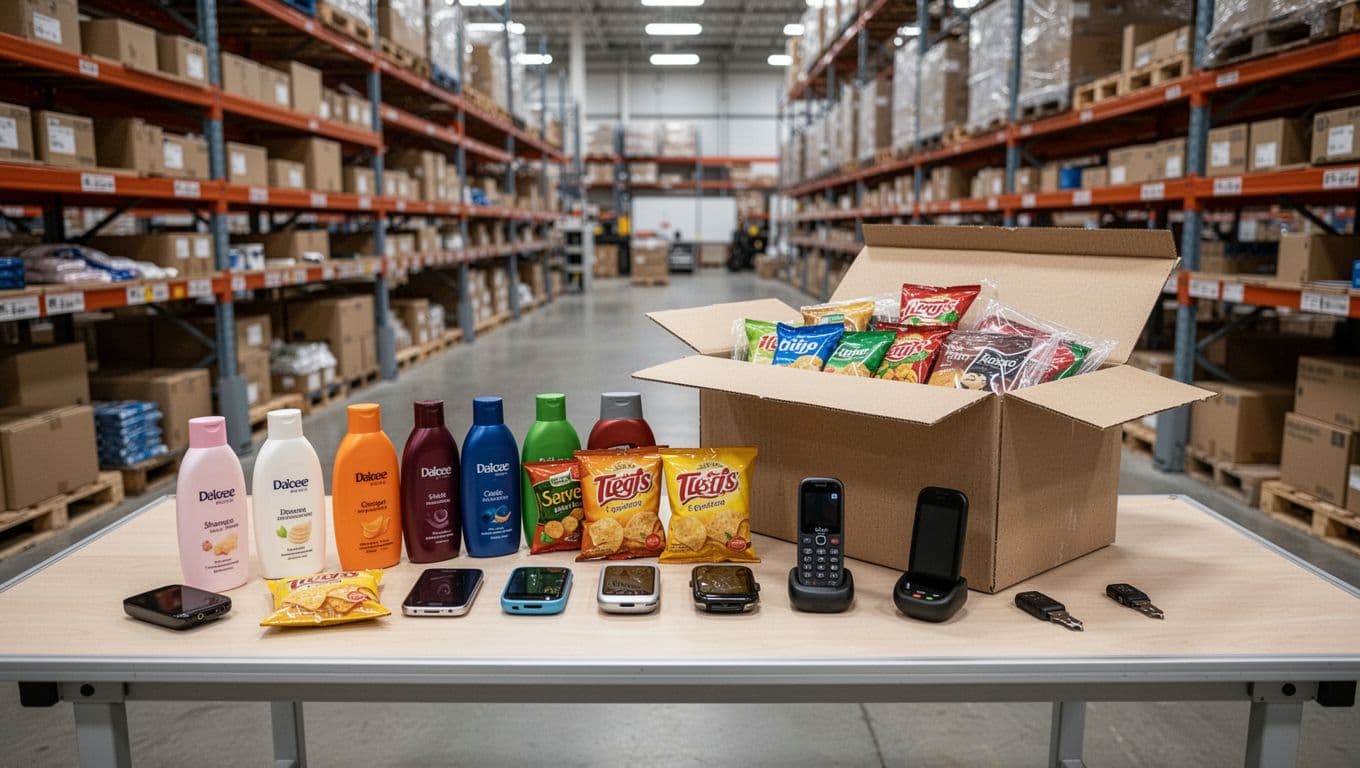
Kitting is bundling multiple items into one ready-to-ship package. Think of it like setting the table before guests arrive. If you wait until the doorbell rings, dinner feels chaotic.
Kitting helps when you run promotions, launches, or subscription programs. Instead of picking five separate items for every order, the 3PL can build a single kit ahead of time and store it as its own SKU. That cuts pick steps and reduces mistakes during peak volume.
Common kit examples include subscription boxes, influencer mailers, retail-ready bundles, multi-packs, and seasonal promos. Kits can also include inserts, samples, or “gift with purchase” items that marketing wants included for a limited run.
The biggest win shows up during spikes. When volume surges, kitted inventory helps the warehouse keep pace without turning packing into a scramble. It also keeps the customer experience consistent, because every bundle includes the same items in the same order.
Choosing the right 3PL partner for packaging and fulfillment
Selecting a 3PL is not only about warehouse space. It’s about whether they can run your packaging rules every day, at speed, without constant follow-up.
Start with packaging options and sourcing. Ask what standard boxes, mailers, and protective materials they stock. Then ask if they can source custom sizes or eco-friendly options. Some brands want recycled content or paper-based dunnage, while others need heavy-duty corrugate for fragile goods. Either way, you need clarity on cost, lead times, and minimums.
Next, talk about branding. Can you supply your own boxes and inserts? Will they store them safely? How do they prevent the wrong insert from landing in the wrong order?
Service levels matter too. Ask about cut-off times, same-day shipping rules, and how they plan labor for peak season. A great 3PL will tell you what they need from you (forecasting, promo calendars, SKU changes) so they can staff correctly.
Carrier mix affects cost and performance. Find out which parcel and freight options they support, how they rate-shop, and what happens when a carrier misses pickups. Returns should be part of the conversation from day one. If returns sit unprocessed, your cash flow and customer trust take a hit.
Finally, ask about reporting. You should get regular visibility into order accuracy, damage rates, and packaging-related issues. If you want to see what “full service” can include, review these distribution and fulfillment capabilities.
Questions to ask about packaging materials, branding, and pack rules
A useful question set sounds almost boring, because it focuses on repeatable details.
Ask if you can use your own boxes, tape, and inserts, and whether storage fees apply. Clarify if they offer plain, branded, or eco-friendly packaging options, and how often they can change packaging as your product line grows.
Pack accuracy deserves direct attention. How do they confirm SKU and quantity at pack-out? Do they scan each item? Do they weigh cartons or use other checks for certain orders? Also ask how they handle special rules: fragile markings, liquids, hazmat limits (if relevant), suffocation warnings, lot codes, and expiration dates.
Then talk about standard versus custom pack-outs. A standard pack-out means a defined box, defined dunnage, and defined insert rules. Custom pack-outs might include gift notes, tissue wrap, or special bundling. Both are fine, but you need to know what changes cost, how requests get approved, and how fast they can roll out a new pack guide.
Red flags that turn into delays, chargebacks, or bad reviews
Vague answers on packaging and pricing don’t stay vague for long. They show up later as surprises on invoices and angry customers.
A few red flags tend to repeat across brands. One is unclear pricing for materials and labor. If a quote doesn’t separate box costs, dunnage, kitting labor, and special handling, you can’t predict your real cost per order.
Another is the lack of documented pack standards. If the 3PL can’t show a written pack guide, packaging will vary by person and shift. Weak inventory accuracy is also a warning sign, because miscounts lead to oversells and split shipments.
Limited carrier choices can trap you in higher rates or slower service, especially for certain zones. Poor communication during peak season is another common issue. When volume spikes, you need quick updates, not silence.
Returns can quietly wreck performance. Slow returns processing delays refunds, hurts reviews, and clogs sellable inventory. For wholesale brands, compliance problems can cost even more. Missing carton labels, late ASNs, or missed delivery windows can trigger retailer chargebacks and refused shipments.
Conclusion
A 3PL doesn’t just “ship boxes.” It supports the full packaging and fulfillment chain, receiving to returns, and that support shapes cost, speed, and customer trust. When packaging rules are clear and repeatable, you get fewer damages, fewer surprises on shipping fees, and a more consistent unboxing experience.
Start by mapping your current pain points: damage, shipping cost, packing speed, branding consistency, and returns. Then evaluate 3PL partners based on packaging capability and day-to-day operating fit, not only square footage.
The simplest next step is also the most useful: write down your top five packaging rules, then use the questions in this article to compare partners side by side.
