
Custom Packaging Solutions for Growing Brands in 2026
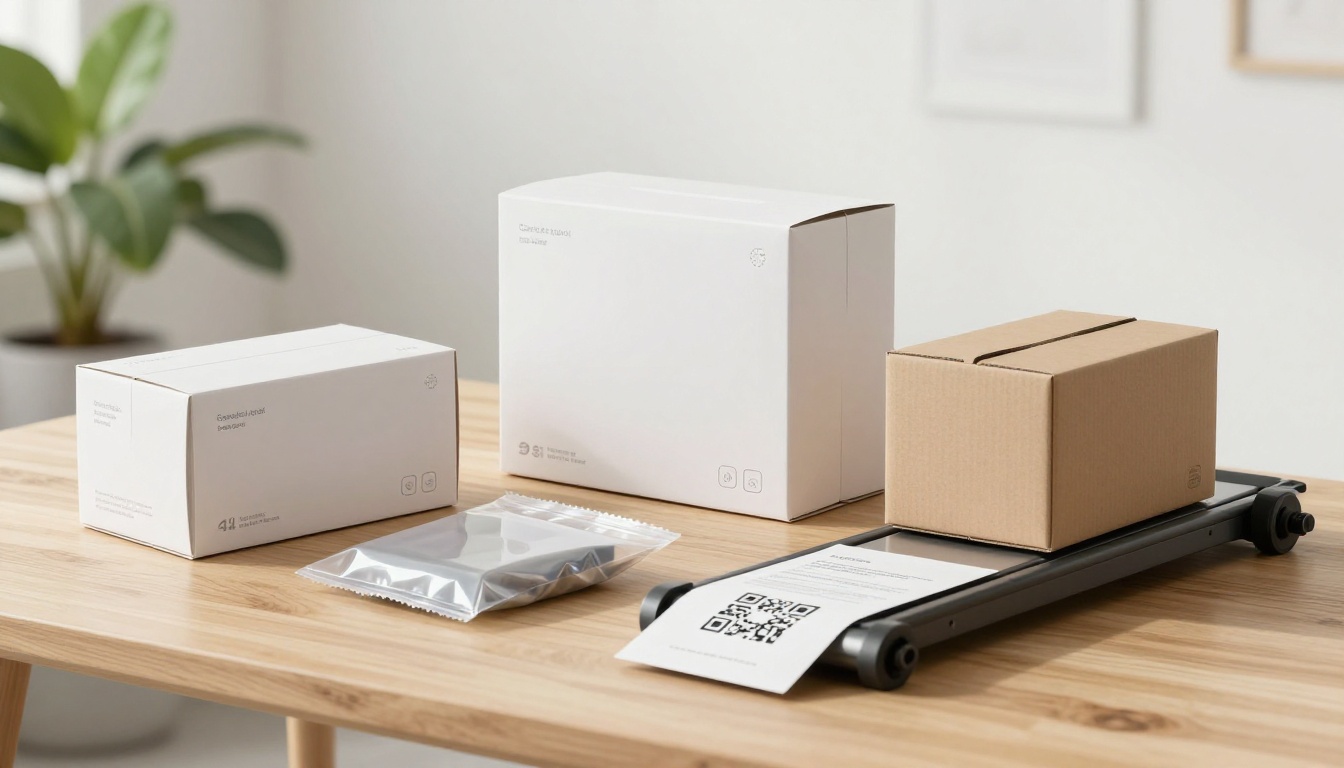
Packaging isn’t just a box or label anymore. In 2026, it’s part of the product experience, your brand story, and your shipping plan. For growing brands, custom packaging solutions have to do more than look good. They need to protect the product, support retail and e-commerce, and stay within budget.
That balance is getting harder. Buyers expect polished packaging on the shelf, but they also expect orders to arrive intact at the door. At the same time, brands are weighing sustainable materials, QR codes and other smart features, and short-run digital printing that makes it easier to test new designs without committing to huge runs.
Consumer and market signals back that up. Recent data shows more than 65% of global consumers prefer eco-friendly packaging, and 73% of manufacturers are prioritizing lightweight, damage-resistant formats that work across channels. In other words, packaging now affects cost, sales, shipping performance, and how people judge your brand.
This article keeps the focus practical. It covers what growing brands should look for, where packaging choices can save or drain money, and how integrated packaging and fulfillment solutions can help when retail demands and direct-to-consumer growth start pulling in different directions.
What growing brands need from custom packaging now
As brands grow, packaging has to do more jobs without creating more problems. It needs to protect the product, look sharp online and on shelves, support a better unboxing experience, and still fit the way your team ships and fulfills orders. In 2026, that mix matters even more because buyers expect polished presentation, while rising freight costs punish waste and poor pack-outs.
Packaging has to sell, protect, and ship well at the same time
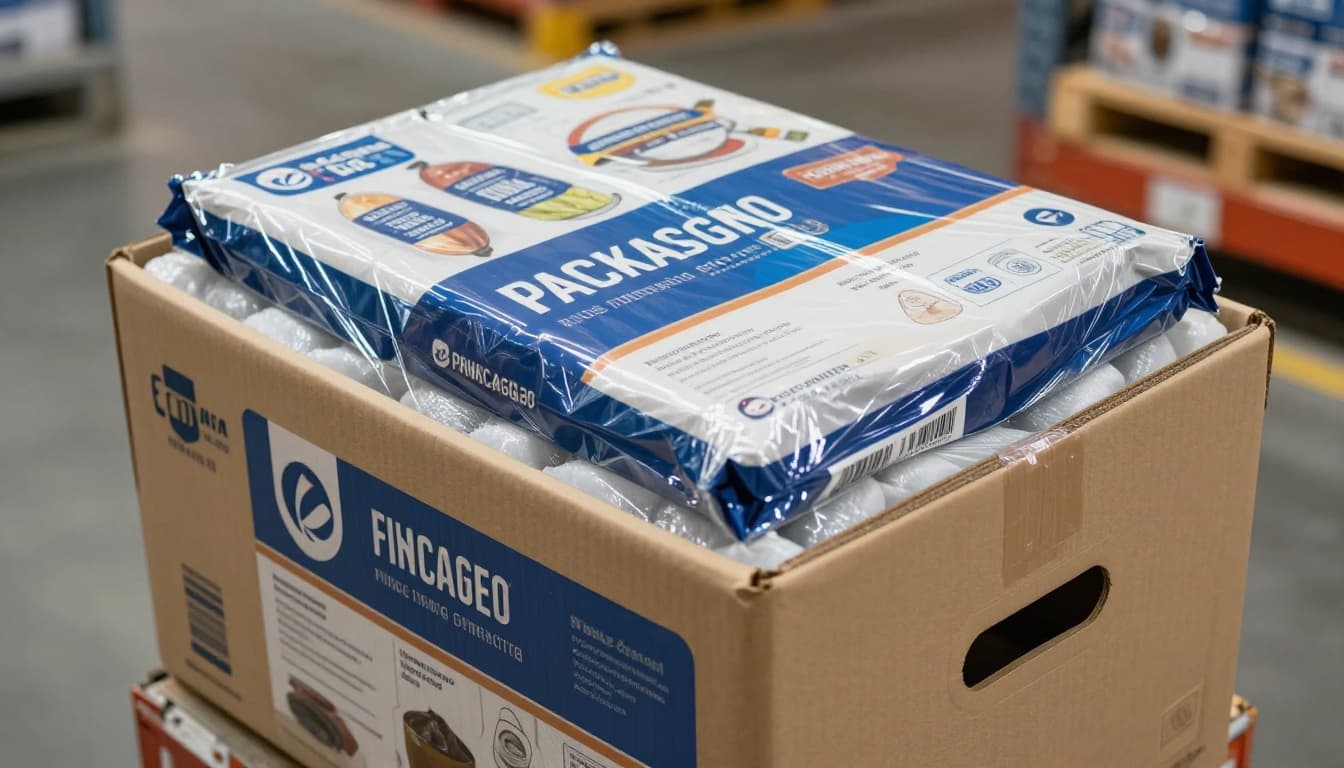
A great package isn’t just attractive. It has to survive handling, stack well in storage, and move through parcel networks without falling apart. If one part fails, the whole system feels weak.
Common pain points show up fast:
- Damaged goods, which drive returns and hurt reviews
- Oversized boxes, which raise shipping costs and waste fill
- Poor shelf presence, which makes the product easy to ignore
Think of custom packaging as a three-part test. It has to win attention in stores, protect inventory in warehouses, and arrive intact at the customer’s door. If it only looks good, it’s not doing the full job.
Flexibility matters when product lines and order volume keep changing
Growth rarely follows a neat pattern. New SKUs appear, seasonal promos pop up, and retail partners ask for different pack sizes or display formats. If your packaging program resets every time, costs climb and launches slow down.
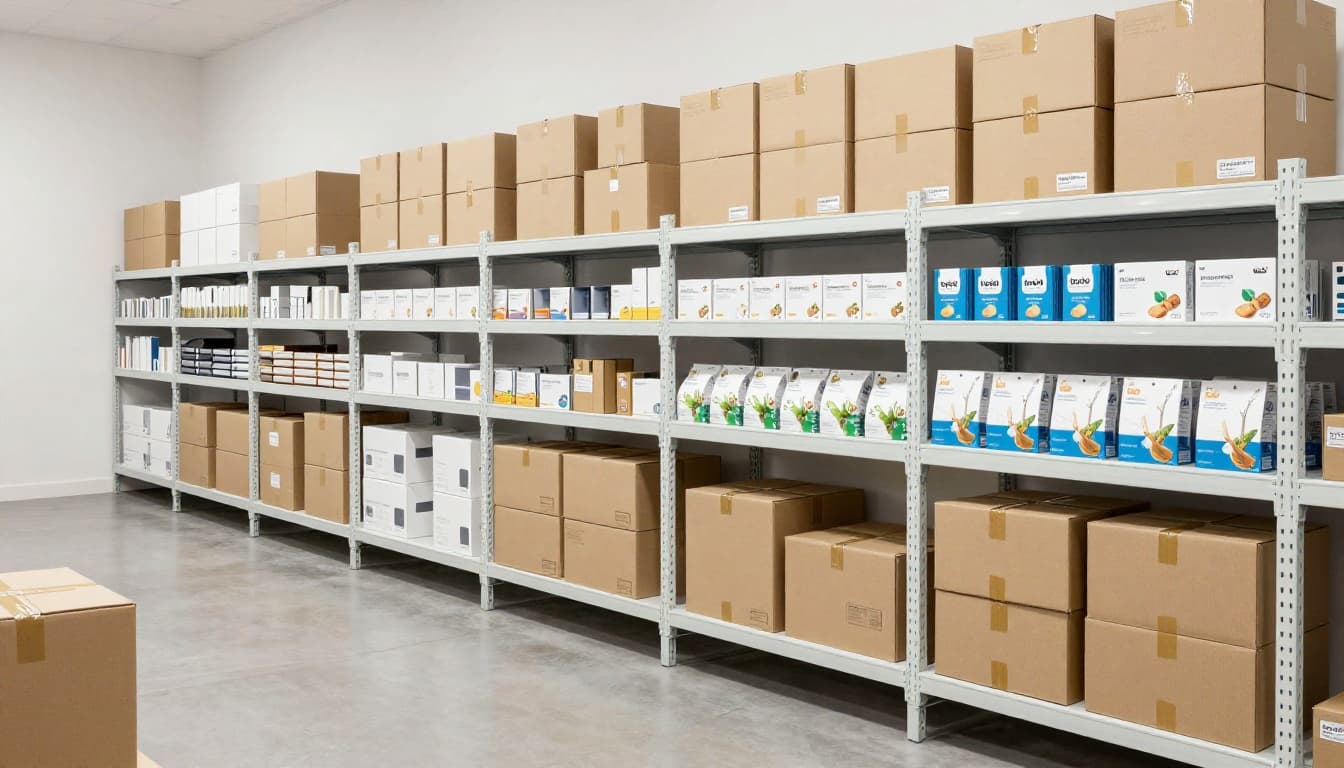
That’s why scalable systems matter. Shorter runs, digital print options, and modular packaging formats let you test, adjust, and expand without tossing old inventory or ordering far more than you need.
The best packaging program leaves room for change, because growing brands change fast.
The best packaging solutions support operations, not just design
Packaging decisions should start earlier than artwork review. Labeling, kitting, assembly, repackaging, and fulfillment all shape what will actually work day to day. A beautiful package that slows line speed or complicates pick-and-pack can become an expensive headache.
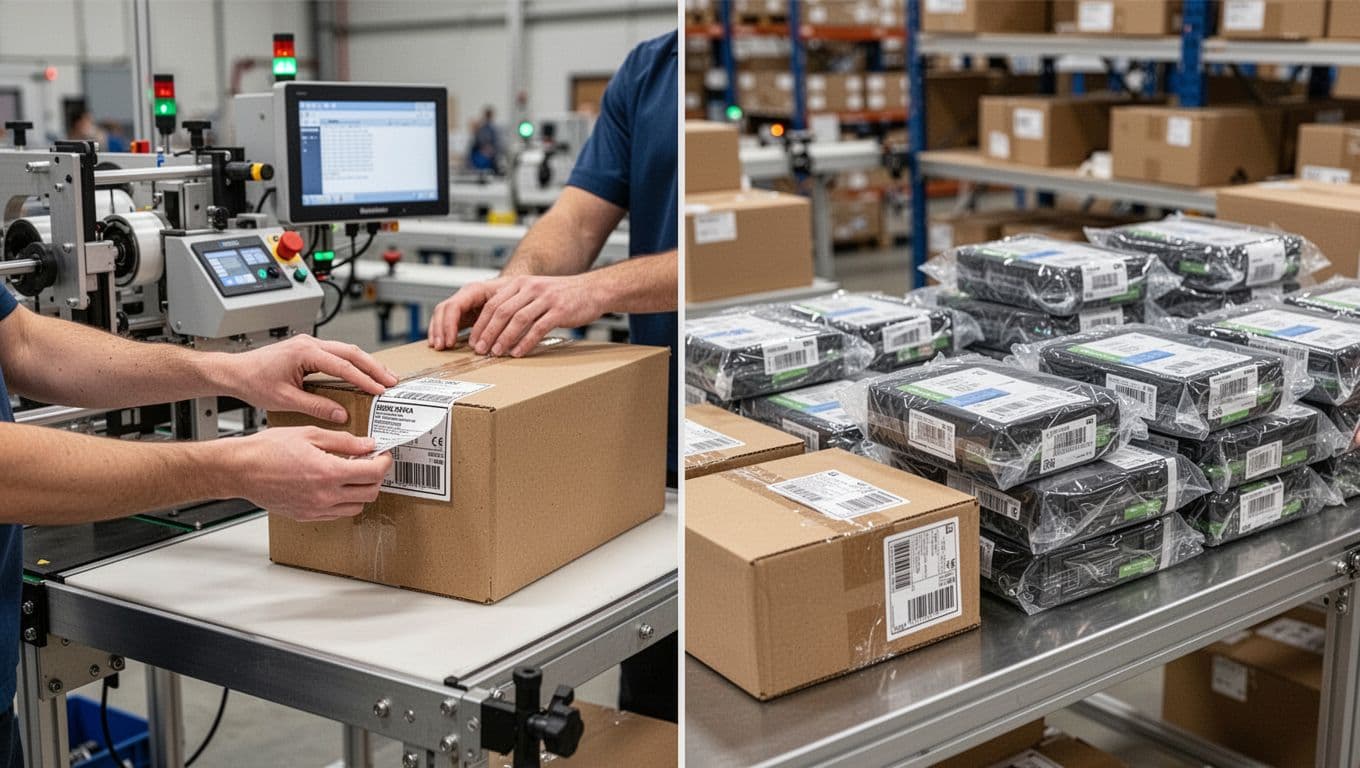
For many brands, that’s where contract packaging services add real value. They help align packaging with how products are labeled, bundled, packed, and shipped at scale. In other words, the right custom packaging should make operations easier, not give your team more work.
The top custom packaging trends shaping 2026
A few packaging trends matter more than the rest in 2026, especially for growing brands. The winners are practical, not flashy. They help you cut waste, build trust, protect margins, and test new ideas without getting stuck with old inventory.
Sustainable packaging is becoming the baseline, not a bonus
More brands are moving to recycled paper, recyclable paperboard, and lighter pack structures that use less material from the start. In some cases, biodegradable options also make sense, especially when the product and disposal method line up. Refill-friendly formats are gaining ground, too, because they reduce repeat packaging and give customers a reason to come back.
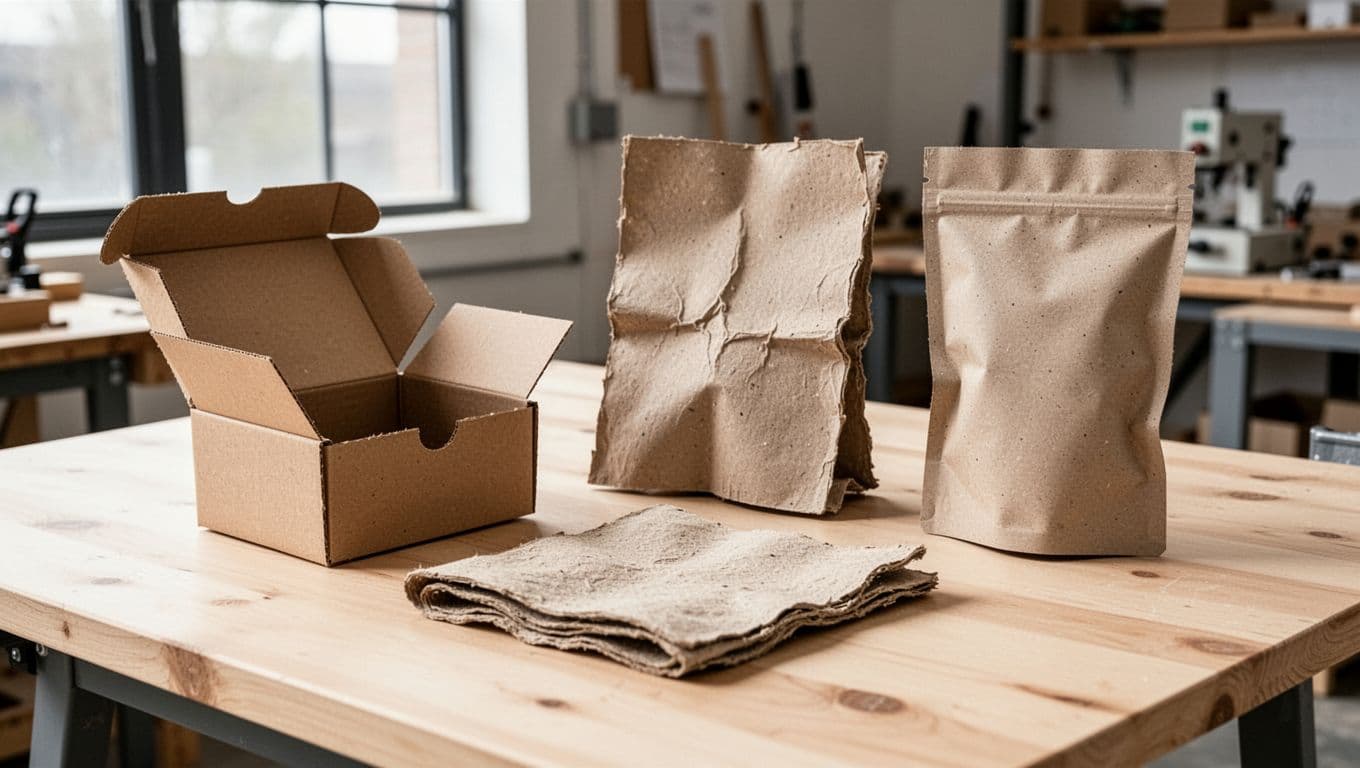
Still, the big shift is this: buyers want proof. If a pack is recyclable, compostable, or made with recycled content, say how and where. Vague terms like “eco-friendly” can hurt trust faster than they help. For a closer look at what clear claims should include, MSL’s Sustainable Packaging Best Practices for 2026 is a useful reference.
Good sustainable packaging also supports cost control. Right-sized cartons, fewer inserts, and simpler materials can lower shipping weight, reduce void fill, and cut damage from loose pack-outs. In other words, less packaging often does more.
A greener package only helps if it works in real life and the claim holds up.
Smart packaging turns the box into a customer touchpoint
Smart packaging doesn’t have to mean expensive tech. In many cases, a simple QR code does the job. It can link to product instructions, ingredient details, how-to videos, refill info, or batch-level traceability. That turns the package into a small but useful brand channel.
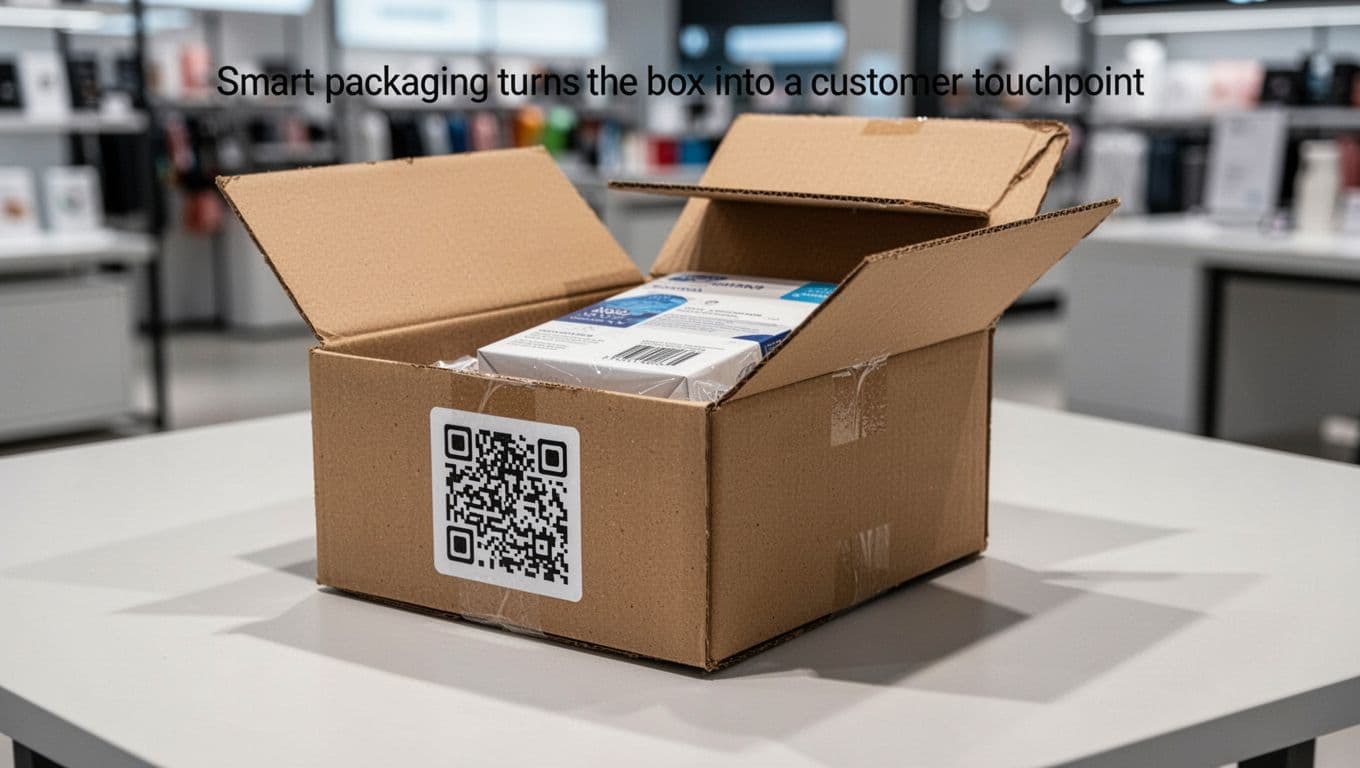
For newer brands, this matters because trust is still being built. A scan that shows sourcing, usage tips, or authenticity checks can answer questions before support tickets pile up. It also creates a light interactive moment, like a package that keeps talking after it’s opened.
There is a second benefit, too. Scans can show which products spark interest, which regions engage more, and which messages actually get used. That’s helpful feedback when you’re still learning what your customers care about.
E-commerce packaging has to survive delivery and still feel on-brand
Direct-to-consumer growth changes the job packaging has to do. A retail box only has to win on shelf and survive store handling. An e-commerce box has to handle drops, compression, weather changes, and doorstep photos. It needs to protect the product and still look like your brand when it arrives.
That pushes brands toward right-sized packaging, smarter protective formats, and fewer wasted layers. Too much filler feels sloppy. Too little protection leads to damage and returns. The best packs strike a clean middle ground: snug fit, solid structure, easy opening, and a look customers want to share.
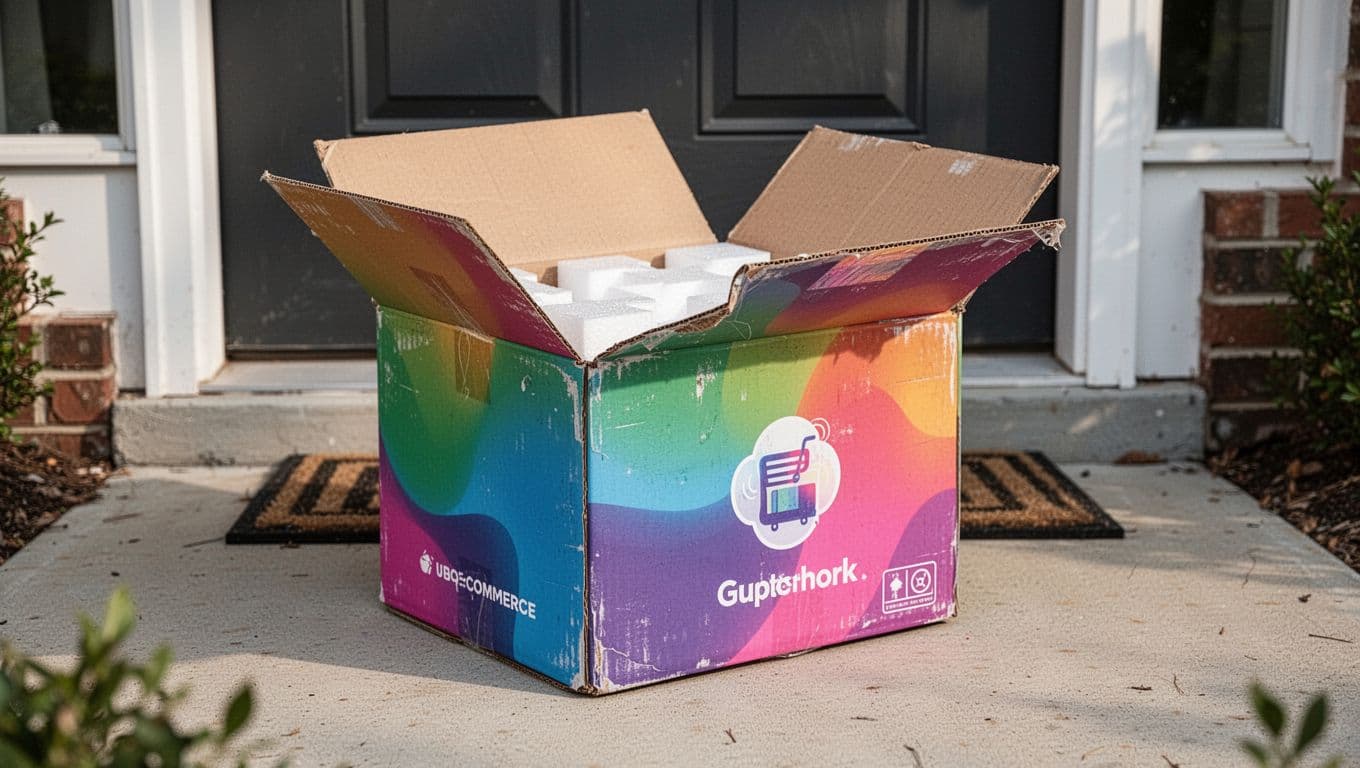
Short-run digital printing makes this easier to test. You can update graphics, try a seasonal shipper, or refine an unboxing experience without committing to huge volumes. MSL’s E-Commerce Packaging Growth Guide shows how these decisions affect scaling and shipping performance.
Personalization is getting easier for small and mid-sized brands
Personalized packaging used to feel out of reach. Now, variable printing and short digital runs make it much more realistic. Brands can test regional artwork, seasonal sleeves, limited-edition packs, or campaign-specific inserts without carrying mountains of stock.
That flexibility matters because it lowers risk. Instead of ordering one giant run and hoping it works, you can test in smaller waves. A local version for one market, a holiday pack for one month, or a limited drop tied to a product launch can all happen with less waste.
When personalization feels thoughtful, customers notice. It can make a growing brand feel more established, more relevant, and more worth buying again. Small changes, used well, often create the strongest loyalty.
How to choose the right custom packaging solution for your products
Picking the right package starts with one simple idea: fit the pack to the real job. That means the product, the sales channel, the handling risk, and the next stage of growth all need to line up.
A package can look great and still fail. If it cracks in transit, misses a retail rule, or slows fulfillment, it costs you twice. The better approach is to make each packaging choice answer a practical question: What does this product need to survive, sell, and scale?
Start with the product, its risks, and where it will be sold
Your product should make the first call. A fragile glass item needs cushioning, tight pack-out, and stronger outer protection because parcel networks are rough. Recent shipping data still points to overall package damage rates around 3% to 4%, so breakable products need more than a pretty carton.
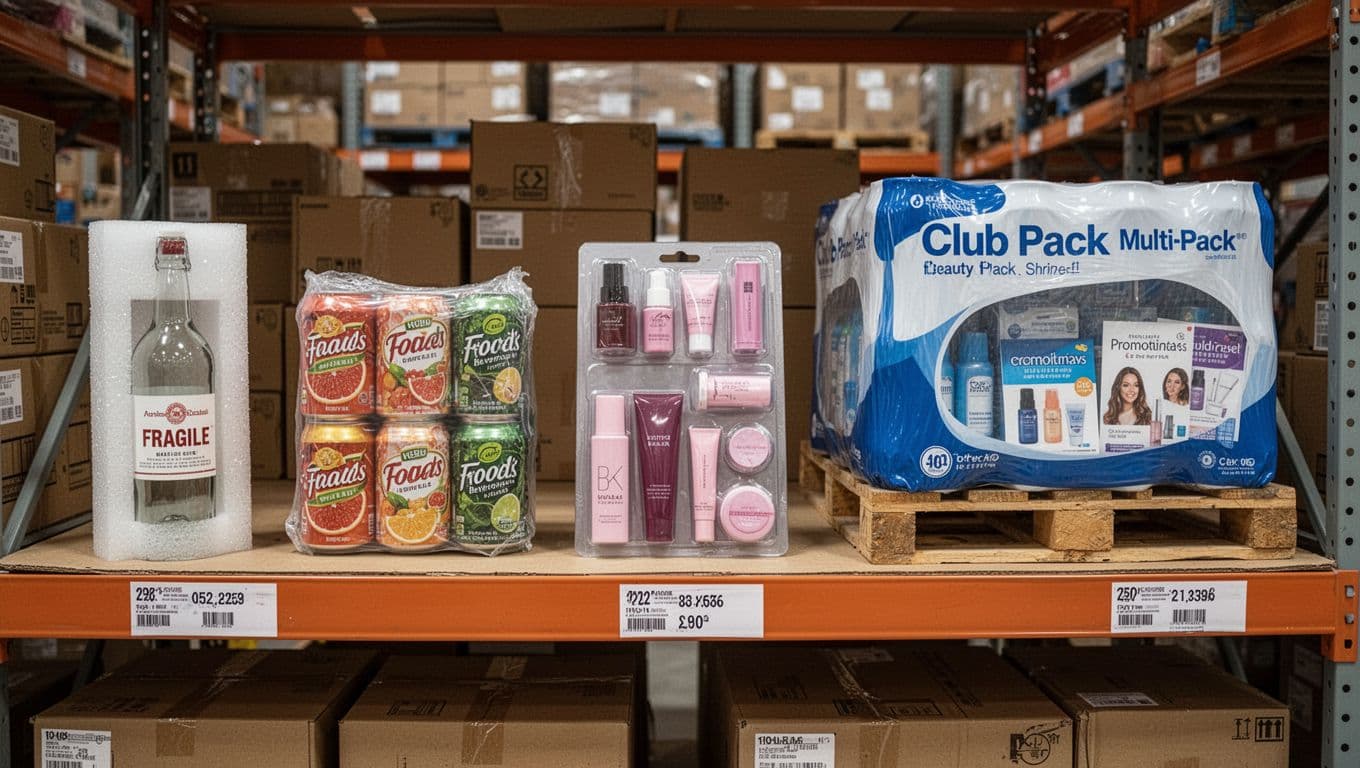
Food and beverage products bring a different set of needs. You may need tamper evidence, lot coding, shelf-life controls, and pack formats that hold up in cold, dry, or mixed retail environments. Beauty products often need a cleaner presentation, better leak control, and packaging that protects both appearance and product integrity.
Club packs and promo kits shift the goal again. A club pack has to stack well, move in bulk, and hold its shape on a pallet. A promotional kit has to keep several parts together, present them cleanly, and stay organized through shipping and store handling.
Before you approve anything, check these three pressure points:
- Shelf display needs: Will it stand out, face forward, and restock easily?
- Shipping risk: Can it handle drops, compression, and case movement?
- Handling requirements: Will warehouse teams, retailers, and carriers move it without damage?
Match the package format to the job it needs to do
Once you know the risks, choose the format that solves them. Shrink packaging works well for bundled bottles, cans, and promotional multi-packs because it holds units tightly and keeps the pack clean. Blister packaging fits small retail items that need visibility, theft resistance, or tamper evidence.
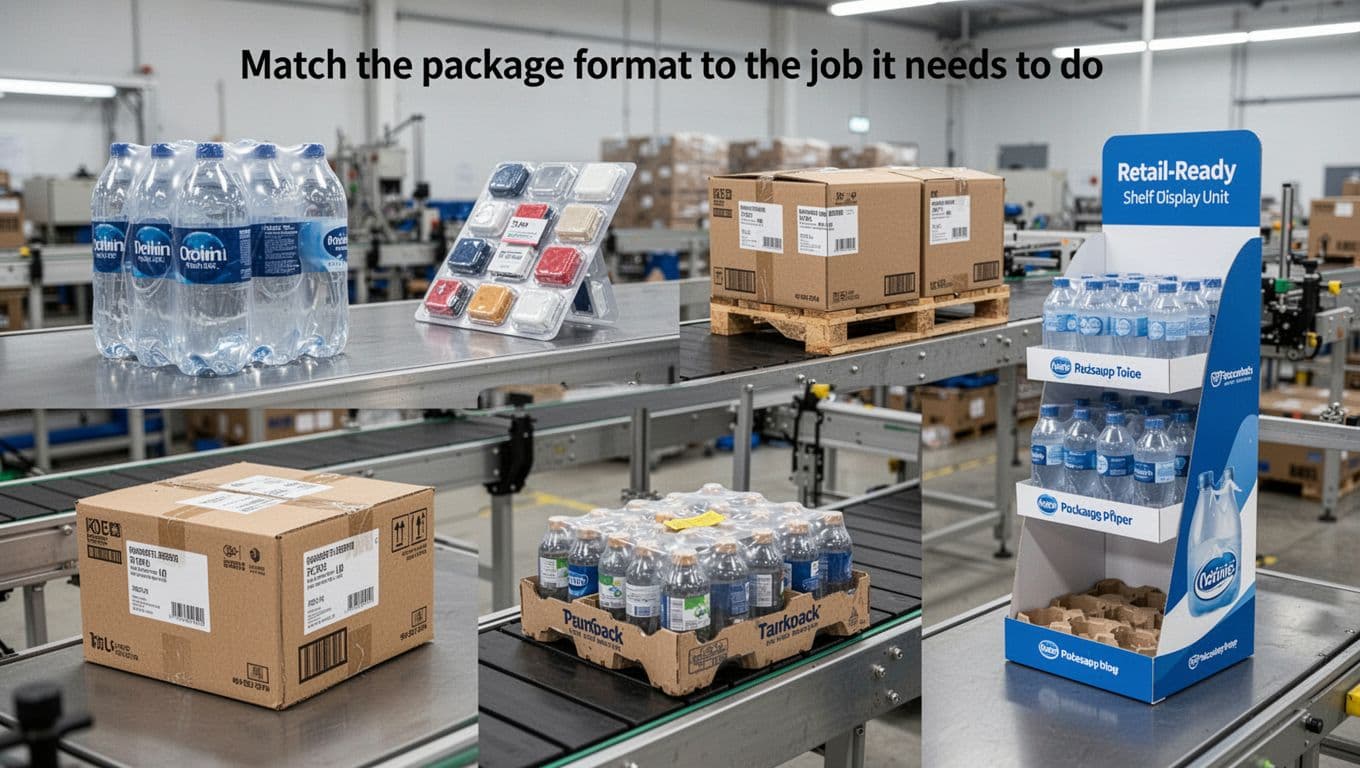
Sometimes the right move is simpler. Labels and over-labeling help when you need retail-specific barcodes, updated claims, or short-run market changes without replacing all packaging. Multi-pack configurations make sense when shoppers buy in sets, or when retailers want a certain count for shelf or club-store sale.
For in-store execution, retail-ready packaging and display assembly matter. Packs that open cleanly, stock fast, and present well can save labor and improve shelf impact. If that’s part of your plan, MSL’s shelf-ready packaging solutions give a useful view of what strong retail execution looks like.
Think about fulfillment and transportation before you approve the design
A smart design can still create shipping waste if the case pack is wrong. That’s why pallet efficiency, carton size, and unit counts should be part of packaging planning from the start.
Small changes add up fast. Better case dimensions can improve trailer use. Cleaner case pack counts can speed picking and reduce mistakes. In addition, packaging that works for both retail and direct-to-consumer orders can help you avoid duplicate inventory setups.
Retail compliance matters here too. If a retailer needs a certain label placement, pallet pattern, or barcode setup, fix that before production. The same goes for DTC fulfillment, where easy scanning, right-sized cartons, and protective inserts can cut costs and complaints. Brands managing both channels often benefit from integrated distribution and fulfillment services because packaging and shipping work best when they are planned together.
Choose a packaging partner that can scale with you
The right partner should make growth easier, not harder. Start with the basics: quality control, on-time delivery, and inventory accuracy. If those slip, everything else feels shaky.
Then look at how the operation runs day to day. Technology-backed tracking, clear work instructions, and solid reporting help reduce surprises. Flexible production also matters because growth rarely shows up in a straight line. You may need a short-run promo this month, a retail reset next month, and a big seasonal push after that.
Finally, check range. A strong partner should handle routine production and support special projects like kitting, relabeling, or repackaging without turning each request into a fire drill. That kind of flexibility gives you room to grow with less friction and fewer costly resets.
Affordable ways to upgrade packaging without overbuilding too soon
Custom packaging doesn’t have to be a big, one-time leap. For growing brands, the smarter move is usually a series of small upgrades that improve the look, fit, and function of the pack without locking you into high costs too early. Think of it like tuning an engine, not replacing the whole car.
Use short runs and pilot programs to test before you scale
Short runs give you room to learn before you spend big. You can test a new material, swap in updated messaging, try a different pack size, or launch a seasonal version without ordering months of inventory that may not work.
That matters because early packaging decisions often carry hidden risk. A sleeve that looks great in mockups may slow packing. A larger format may look premium but raise freight costs. A pilot lets you catch those issues with real orders, real handling, and real buyer feedback.
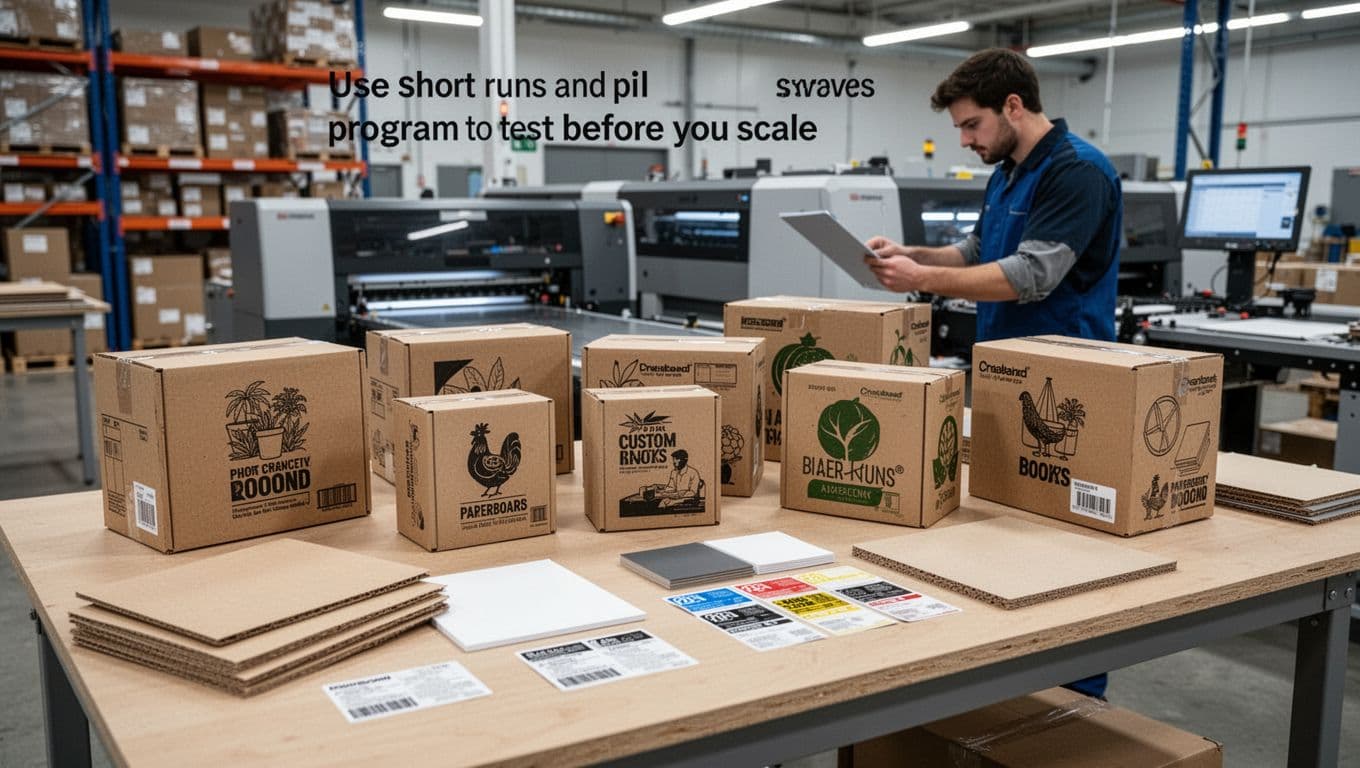
A simple pilot can help you measure:
- Damage rates across shipping or retail handling
- Sell-through by design, size, or message
- Packing speed and labor impact
- Customer response to limited-edition or promo formats
If you’re weighing a trial before committing, this guide on packaging pilot program costs is a useful next step.
Add impact with sleeves, labels, inserts, and kitting
You don’t need a brand-new box to make packaging feel more custom. Often, the lowest-cost upgrades are the most flexible. Printed sleeves, upgraded labels, product inserts, and simple bundle builds can change how the pack feels without changing the base structure.
That approach works well for gift sets, sample packs, promotional bundles, and multi-SKU kits. A plain carton with a sharp sleeve and a thoughtful insert can feel polished fast. In the same way, a standard shipper can become a seasonal offer with a label change and a bundled add-on.
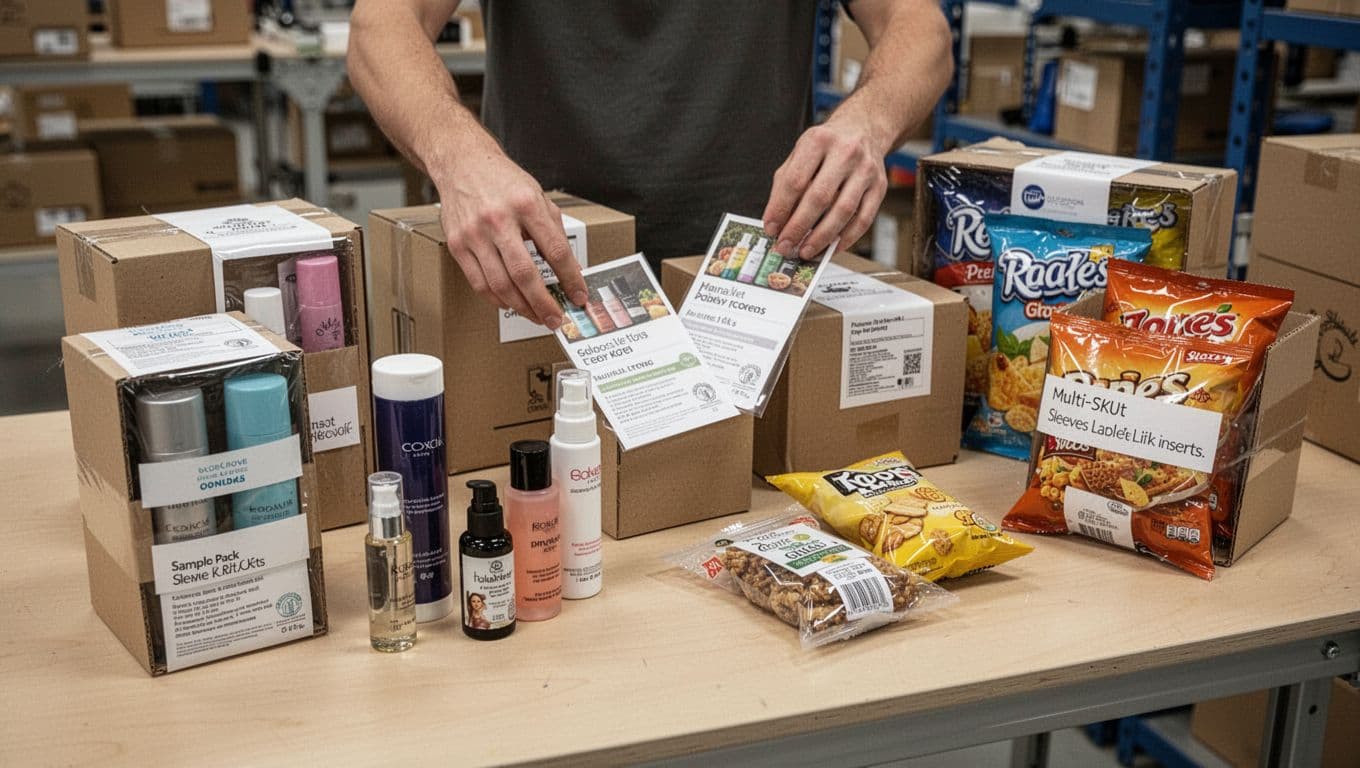
Small add-ons can make a standard package feel planned, branded, and ready for shelf or shipment.
Reduce hidden costs by simplifying materials and pack sizes
More components usually mean more cost. Extra inserts, too many box sizes, and oversized packs all add friction. They raise material spend, slow packing, increase storage needs, and can chip away at margin one order at a time.
Standardizing where you can helps keep packaging under control. That may mean using one carton for multiple SKUs, trimming unneeded layers, or right-sizing packs so they protect the product without shipping air.
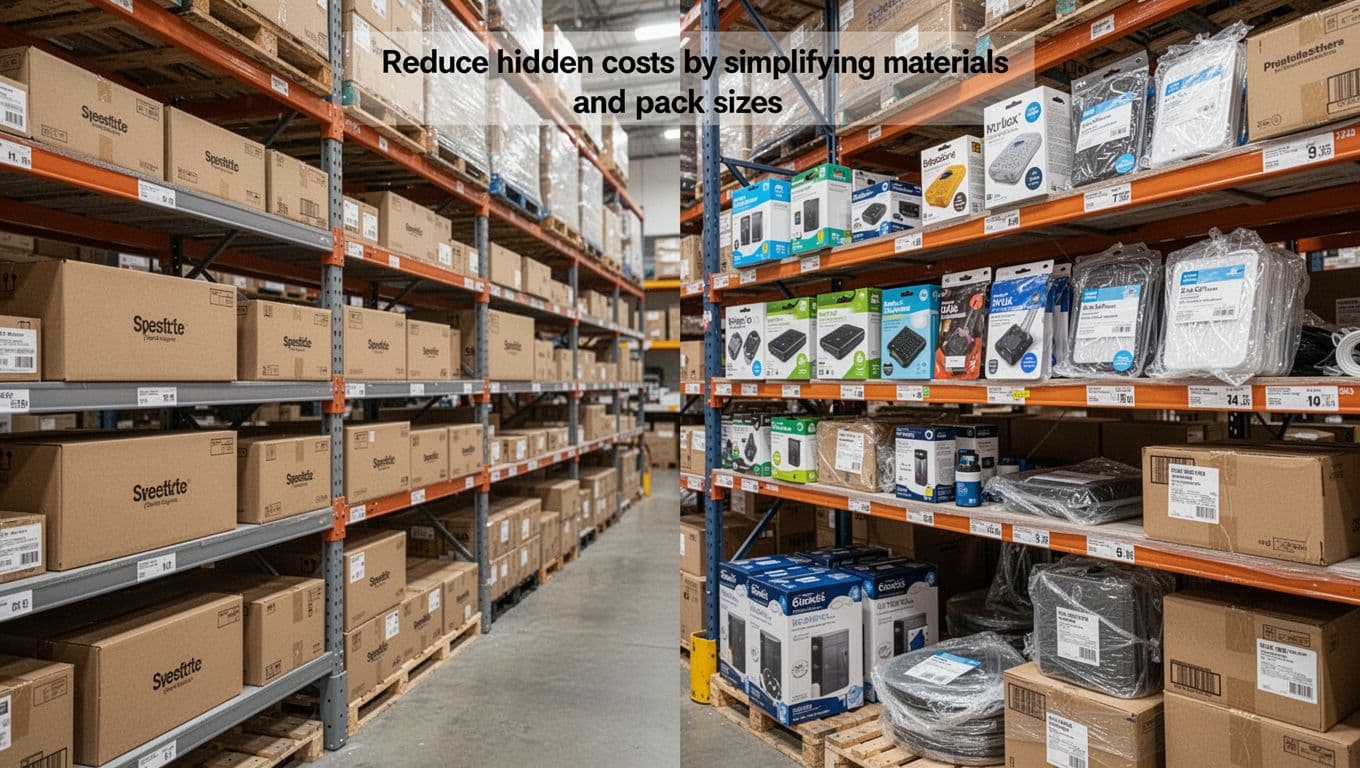
The goal isn’t bland packaging. It’s a cleaner system with fewer moving parts, lower waste, and a branded look that still scales.
What a strong packaging plan looks like for the next stage of growth
A strong packaging plan should make growth easier, not more fragile. As your brand adds SKUs, sales channels, and retailer requirements, packaging has to keep pace without turning every change into a reset. The best approach balances brand consistency, shipping performance, cost control, compliance, and room to adapt.
Build a packaging system, not just a one-time design
Treat packaging like a toolkit, not a single finished piece. Your core structure, materials, print specs, and labeling rules should work across product launches, seasonal promos, retail updates, and direct-to-consumer orders. That way, you keep the brand recognizable while still giving your team room to adjust.
Think in layers. Keep the base pack stable, then swap what needs to change, such as sleeves, inserts, over-labels, or bundled configurations. This helps you move faster, protect margins, and avoid piles of outdated stock. It also supports cleaner handoffs between design, operations, and fulfillment.
For brands that bundle products or run promo packs, a flexible system pairs well with kitting for operational efficiency, because it turns packaging into a repeatable process instead of a custom scramble each time.
The goal is simple: keep the look consistent, keep the pack practical, and leave space for change.
Track the metrics that show whether packaging is working
Good packaging should prove itself in the numbers. If you are not measuring results, you’re guessing.
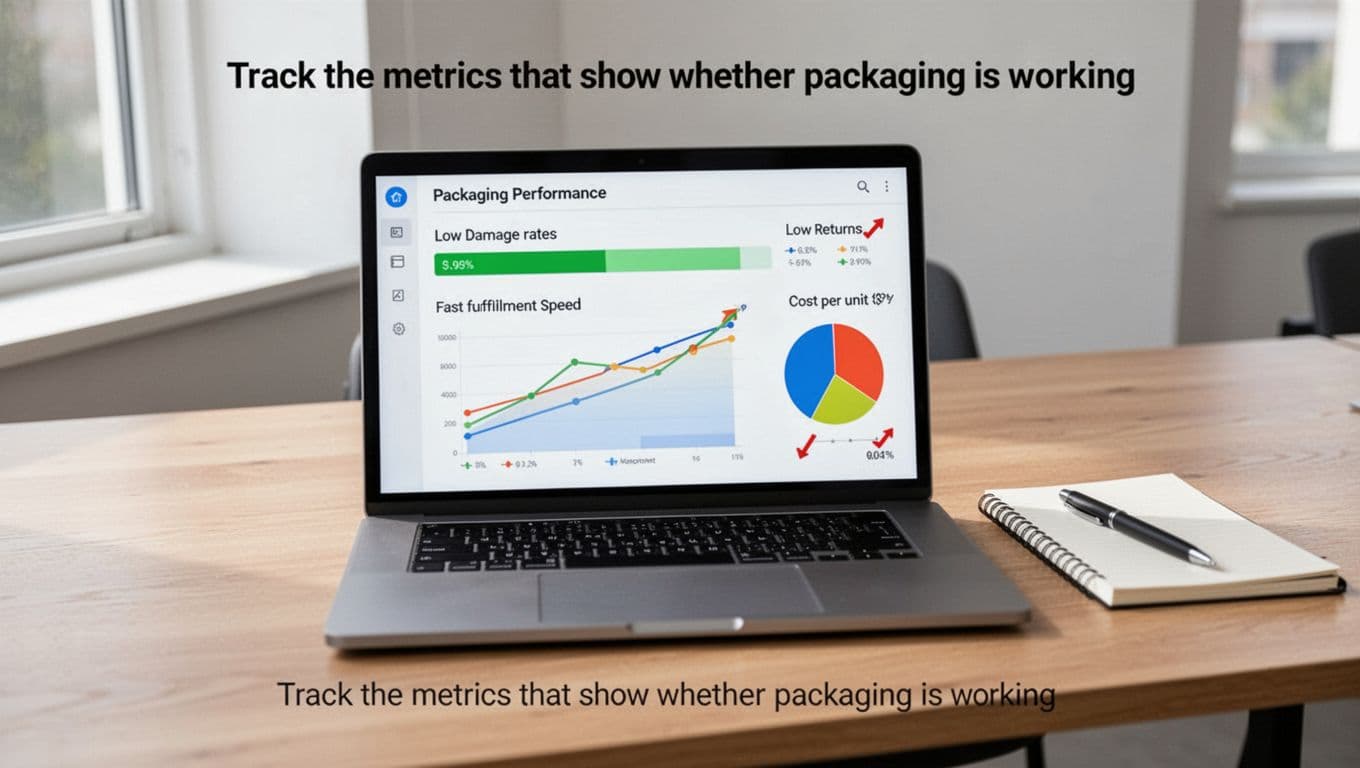
Start with a short list of practical metrics:
- Damage rate: Are orders arriving intact?
- Fulfillment speed: Does the pack slow down pick-and-pack?
- Return rate: Are packaging issues driving product returns?
- Customer feedback: Do reviews mention ease, mess, or poor presentation?
- Shelf impact: Does the product stand out and stay neat in store?
- Repeat purchase signals: Do refill packs, bundles, or premium upgrades help bring buyers back?
- Packaging cost per unit: Is the pack still profitable as volume changes?
In short, strong packaging should look good, work hard, and get better with data.
Conclusion
Custom packaging in 2026 needs to be smart, scalable, and built around the customer. For growing brands, the best solution isn’t the most complex one. It’s the one that fits the product, supports the sales channel, and makes sense for the next stage of growth.
That usually means right-sized materials, flexible print runs, better protection, and a system your team can actually manage. It also means using packaging to support brand trust, shipping performance, and repeat sales at the same time.
If you’re refining your next move, the benefits of custom packaging for growing retailers show why thoughtful upgrades often beat expensive overhauls.
Start with practical improvements, test what works, and build from there. The brands that win won’t be the ones with the flashiest box. They’ll be the ones with packaging that works harder at every step.
