
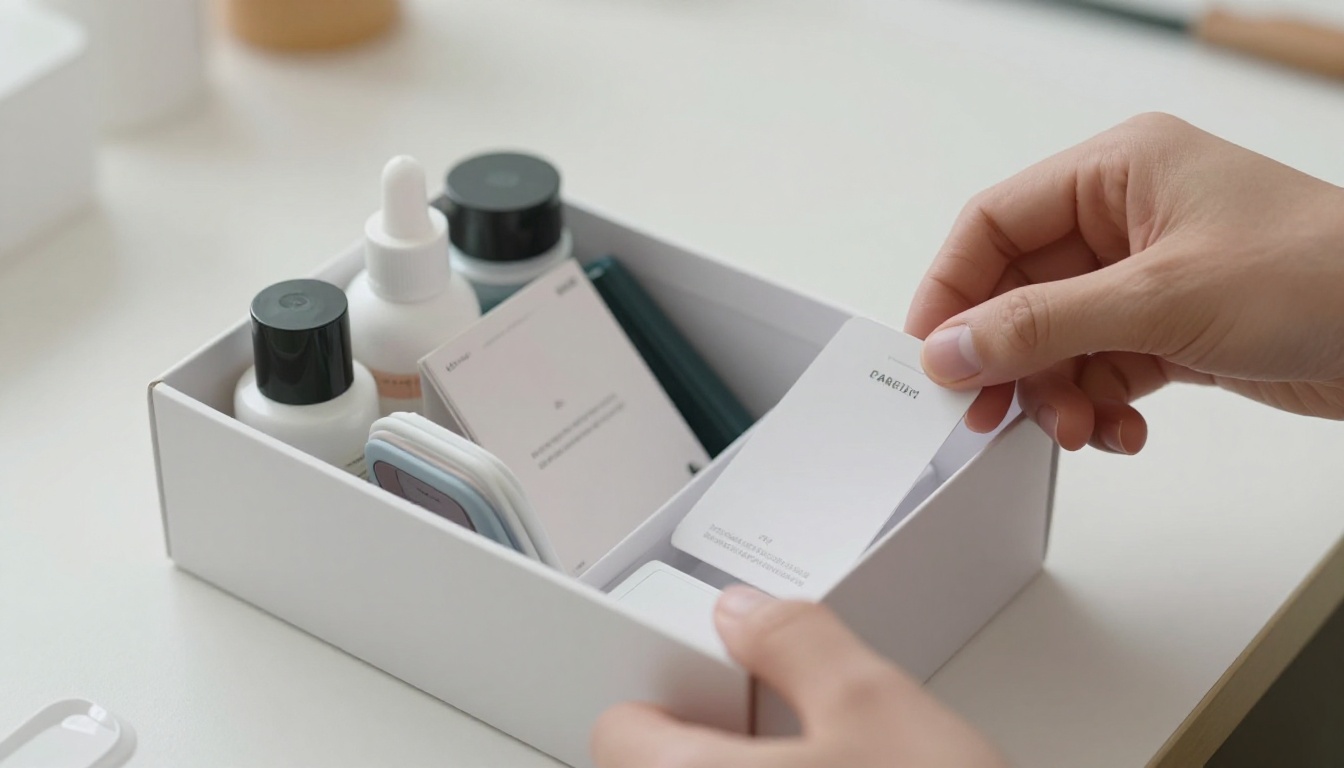
Hand Assembly Services for Custom Kits and Packaging
Hand Assembly Services give your products the careful, manual handling machines can’t always match. When accuracy matters, or when your packaging calls for mixed items, inserts, or special presentation, hand assembly helps you get the job done right the first time.
That matters for gift sets, sample packs, subscription boxes, inserts, and multi-item orders, where one missed piece can create delays or extra cost. It also matters when you need custom packaging, small-batch runs, or delicate products that need a steady hand and close attention. For brands that want dependable prep before shipping, professional contract packaging services can take a lot of pressure off your team.
MSL COPACK + ECOMM helps businesses handle assembly, kitting, and shipping prep with the kind of accuracy that keeps orders moving and customers happy. If you’re looking for a practical way to prepare products without adding more labor or equipment to your operation, hand assembly can be a smart fit.
What hand assembly services actually include
Hand assembly services cover the manual work that happens before products go out the door. People sort parts, build kits, add extras, and package items with care, which keeps orders accurate and presentation-ready.
This work fits inside fulfillment when products need more than a simple pick and pack step. It also fills the gap when automated equipment is too rigid for mixed items, small runs, or changing order details.
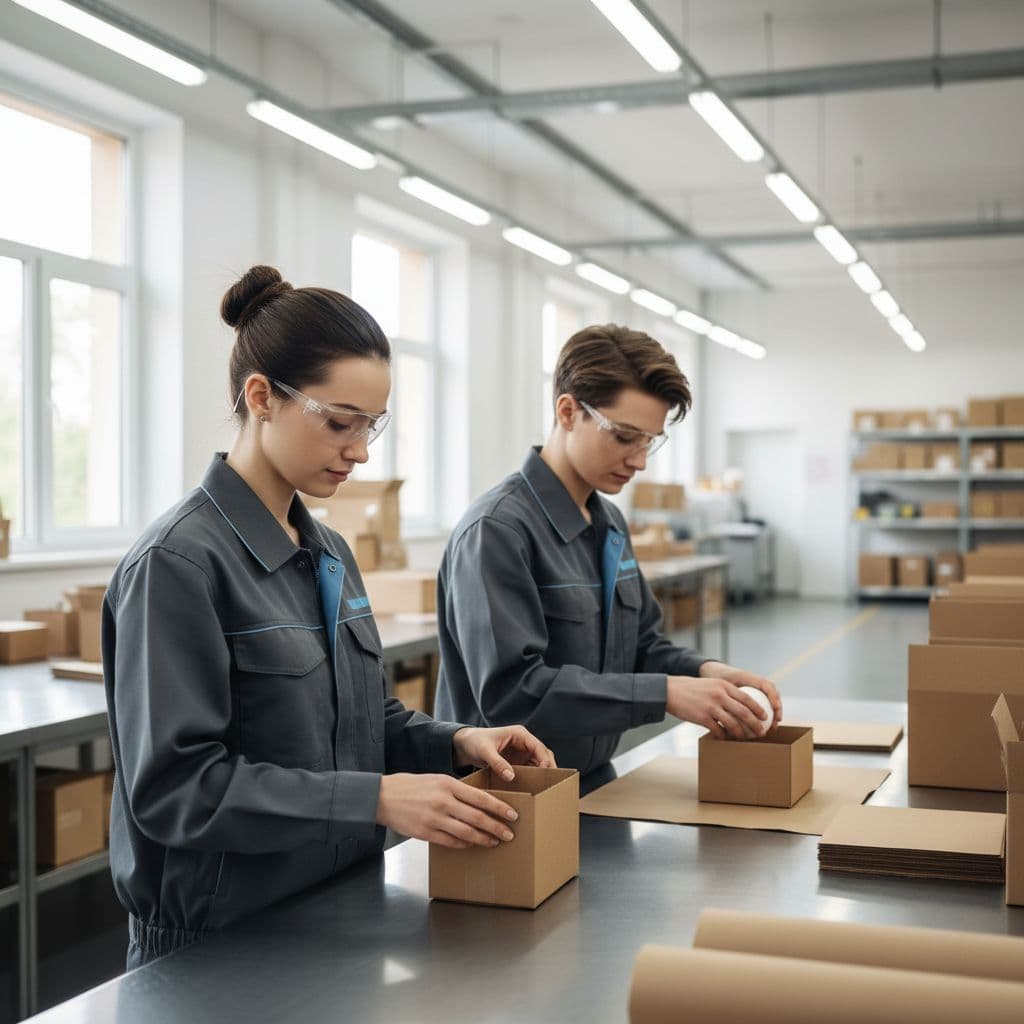
Common assembly jobs brands outsource
Brands often hand off the jobs that need a steady pace and close attention. That includes collating inserts, building starter kits, adding coupons or promo items, wrapping gift sets, bagging loose parts, and assembling multi-piece products.
These tasks matter because they affect both speed and presentation. A neatly built kit moves faster through fulfillment, looks better when it arrives, and lowers the chance of missing items.
Some of the most common hand assembly tasks include:
- Collating inserts: putting manuals, cards, or flyers in the right order
- Building kits: grouping related products into one complete package
- Adding promotional items: placing samples, coupons, or bonus gifts into orders
- Wrapping gift sets: making products look polished and ready to give
- Bagging parts: keeping small pieces together and easy to count
- Assembling multi-piece products: combining parts before boxing or shipping
For brands that need a tighter fit between packaging and fulfillment, kitting and assembly services can handle these steps without slowing the rest of the operation.
When hand assembly makes more sense than automation
Manual assembly is the better choice when the job changes often or the product needs careful handling. Fragile items, custom orders, and small batches can be hard for machines to manage without waste or errors.
It also works well when promotions change often. If this month’s kit includes a sample bottle and next month’s includes a postcard, people can adjust quickly without retooling equipment.
Hand assembly makes sense when:
- The product breaks easily or scratches easily.
- The order mix changes by customer, channel, or season.
- The batch size is too small to justify automation.
- The package has many parts that need careful placement.
- The presentation matters as much as the contents.
Flexibility is the big advantage here. Manual work can adapt fast when the product, order, or promotion changes.
In many cases, hand assembly is the practical choice because it keeps the process controlled. For a closer look at how this fits into broader packaging work, manual assembly in contract packaging shows how these tasks support custom fulfillment.
Why businesses use hand assembly in their fulfillment process
Businesses turn to hand assembly when the job needs more care, more flexibility, or a better fit with custom packaging. It also helps when the workload changes often and setting up extra in-house capacity would create more cost than value.
The real appeal is practical. You can keep orders moving, protect product quality, and avoid building a larger team or buying equipment you may not use all year. For many brands, that balance matters more than speed alone.
Lower costs without adding labor and space
Outsourcing hand assembly helps companies avoid the fixed costs that come with expanding an internal operation. Hiring more staff, training them, buying tools, and clearing floor space all add up fast, especially when the need is tied to a launch or seasonal run.
Instead of building that capacity inside the business, teams can hand off the work when volume rises. That keeps the core staff focused on higher-value tasks, while the assembly work gets handled in a space built for it.
This is useful when the process involves repetitive prep work, like putting together kits or adding inserts. A partner that already handles warehouse kitting services can absorb that load without forcing you to expand storage or rework your layout.
Better accuracy and a cleaner customer experience
Manual assembly gives teams a chance to catch small problems before they leave the building. Missing parts, damaged pieces, wrong inserts, and uneven packaging are easier to spot when a person is checking each kit by hand.
That matters because the package is part of the product experience. A neat, consistent kit feels more polished, and that builds trust the moment the box is opened.
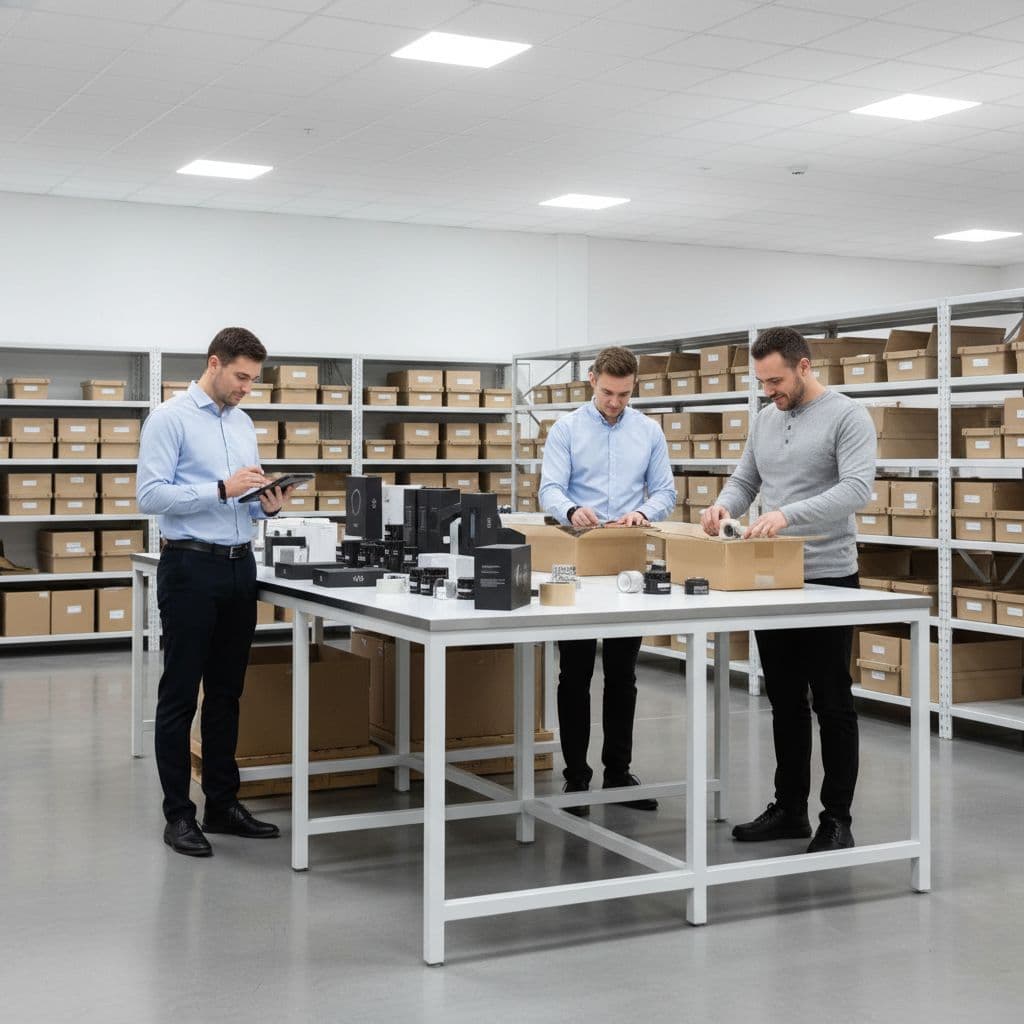
Careful assembly also cuts down on rework. When items are assembled correctly the first time, teams spend less time fixing errors, reprinting labels, or replacing missing components later.
A few ways this shows up in daily operations:
- Fewer packing mistakes because each kit is checked during assembly
- Cleaner presentation because inserts, samples, and parts are placed with care
- Less rework because errors are caught before shipment
- Stronger customer trust because the order arrives complete and well put together
A good-looking package does more than look nice. It helps customers feel confident that the brand pays attention to details.
More flexibility during growth or seasonal spikes
Hand assembly is also a smart fit when demand changes quickly. Holiday orders, product launches, and promo campaigns can create short bursts of volume that do not justify year-round staffing or equipment changes.
With outsourced support, a business can scale up for those peaks and scale back when the rush ends. That keeps the operation lean without putting pressure on internal teams to carry extra labor that sits idle later.
It also gives brands room to test new ideas. If a promotion needs a different insert, a new sample, or a custom gift set, manual assembly can adapt faster than a fixed process.
For businesses that need to adjust order flow without overbuilding their own operation, cost-effective product assembly strategies can support both control and speed.
How MSL COPACK + ECOMM handles assembly work from start to finish
Assembly works best when every step has a purpose. MSL COPACK + ECOMM keeps that process organized, starting with incoming materials and ending with finished kits that are ready for fulfillment or shipping. That kind of structure matters when your orders have multiple parts, tight timelines, or no room for mistakes.
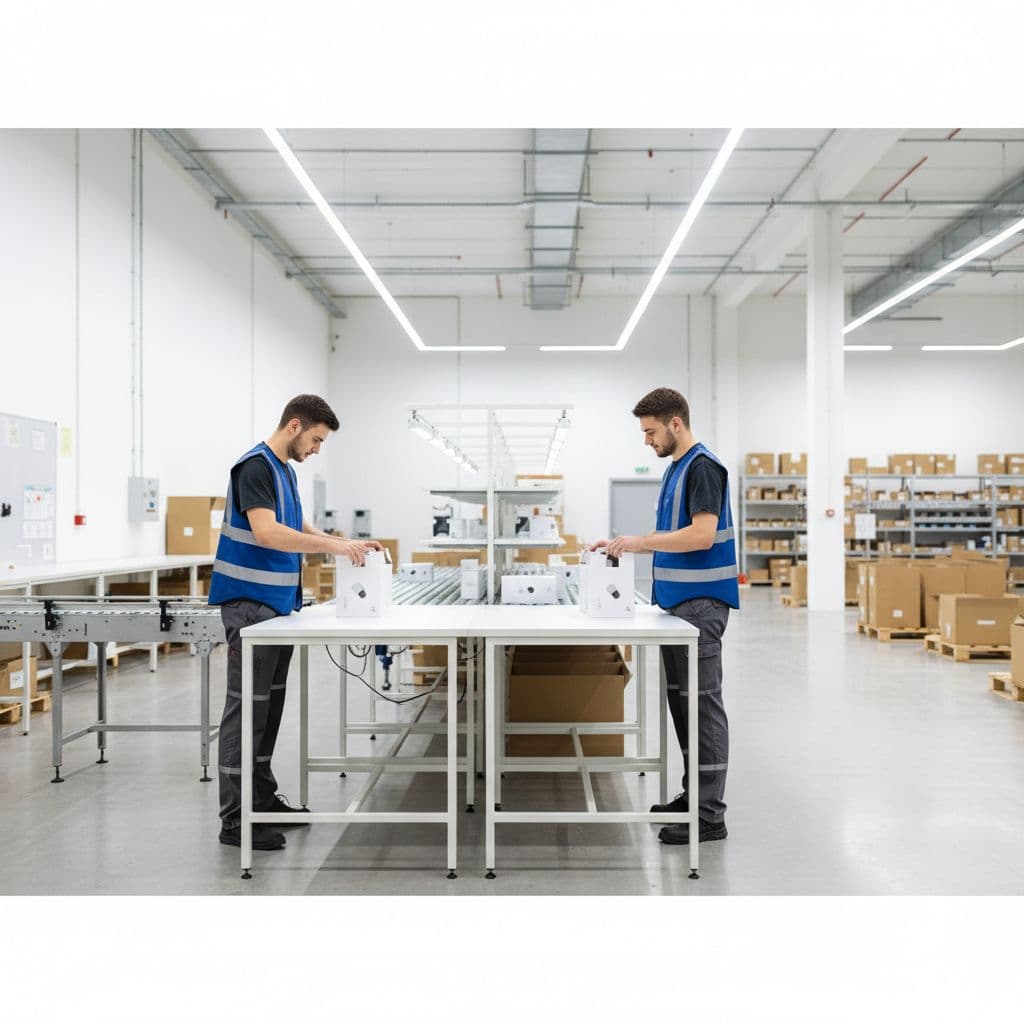
From receiving materials to final packout
The process starts when materials arrive at the facility. Each component is checked for the right count, the right condition, and the right contents before work begins. That first step matters because a missing insert or damaged item can slow everything down later.
After receiving, the team sorts and stages the materials by job. Workstations are set up with the items, labels, and instructions needed for that specific run. Then the assembly begins, whether that means building kits, placing inserts, bagging parts, or putting items into retail-ready packaging.
Once the work is complete, the finished pieces go through a final count and packout. The team confirms that each unit matches the order details, then prepares it for the next step in the chain. In short, the goal is simple, the right items go into the right package, in the right quantity, every time.
Quality checks that help prevent costly mistakes
Good assembly work depends on control at each stage. Accurate counts, clear instructions, and organized stations help reduce mix-ups before they turn into customer problems. When a team follows the same process every time, it becomes easier to spot a missing piece or a wrong insert right away.
That matters most for brands that cannot afford shortages or order errors. A single mixed-up kit can lead to returns, replacements, and extra labor. It can also hurt customer trust, which is often harder to fix than the shipment itself.
A strong assembly process usually includes:
- Incoming checks to confirm materials match the job
- In-process reviews to catch errors during assembly
- Final verification before packout and shipment
- Clear workstation setup so each part stays in the right place
The best quality control is simple and consistent. It catches small problems before they become expensive ones.
How assembly fits with fulfillment and shipping
Assembly does not sit on its own. It works best when it connects cleanly with warehousing, pick and pack, and outbound shipping. Once kits are built, they need to move into storage, staging, or direct shipment without extra handling.
That connection is important because it keeps the whole operation moving in the same direction. If assembly, inventory, and shipping are coordinated, there is less rework and fewer delays. For a broader look at that side of the operation, distribution and fulfillment services help show how assembly fits into the full supply chain.
When assembly and fulfillment work together, the handoff is smoother. Products are packed, labeled, and shipped with less backtracking, which helps brands stay on schedule and keep orders accurate.
Industries and product types that benefit most from hand assembly
Some products are a natural fit for hand assembly because they need care, variety, or a polished finish. Others need flexible handling because the contents change often, the parts are small, or the package needs to look right on a shelf or in a customer’s hands.
That makes hand assembly a strong fit for businesses that sell mixed-item kits, promotional packs, or products that cannot be tossed through a machine without risk. If your operation depends on neat presentation, complete orders, and easy changes during busy seasons, manual assembly may fit better than a rigid process.
Food, beverage, health and beauty, and retail products
These categories often need clean, careful assembly because the final package is part of the product experience. A sampler kit, skincare set, drink promo pack, or retail-ready bundle has to look organized and arrive complete. One missing insert or loose item can make the whole package feel unfinished.
Food and beverage brands often use hand assembly for variety packs, club-store bundles, and sample kits. Health and beauty brands use it for gift sets, travel-size collections, and promotional mailers. Retail products also benefit when the packaging needs to look tidy on a shelf or in a display case.

These jobs tend to reward attention to detail because presentation matters as much as protection. For brands that need support with product packing and mixed-item assembly, what is co-packing gives useful context on how these services fit together.
When a package is part of the sale, the assembly has to look intentional, not improvised.
Subscription boxes, launch kits, and promotional bundles
Subscription boxes and launch kits are a strong match for hand assembly because they depend on repeatable results. Every box needs to look consistent, even when it contains many small parts. That can include product samples, cards, inserts, tissue, coupons, and bonus items that all have to land in the right place.
These projects also change often. One month may call for a new sample, a new flyer, or a different insert mix, so manual work gives teams the flexibility to adjust without slowing the whole line. Promotional bundles work the same way, especially when a campaign needs limited runs or quick turnarounds.
Careful sorting matters here. Small pieces can get mixed up fast, and that creates missing items, rework, and delays. Brands that ship recurring kits may also benefit from subscription box fulfillment services, especially when assembly and outbound shipping need to stay in sync.
Products that need special handling or a custom presentation
Some products do not fit neatly into automated packaging steps. Fragile items, odd-shaped goods, and pieces with extra inserts often need a person at the table, not a machine on a line. That includes glass jars, delicate accessories, sample assortments, and products that need to stay upright or cushioned.
Hand assembly also helps when the package needs branded materials or helpful extras. A coupon card, instruction sheet, warranty insert, or promo flyer can be added during assembly so nothing gets left out. That matters for launches, retail promotions, and direct-to-consumer orders where the unboxing moment counts.
This is where manual work earns its place. It gives you room to build a better presentation, check the contents, and handle awkward shapes without forcing the product into a one-size-fits-all process. For businesses with changing bundles or careful presentation needs, hand assembly keeps the final package aligned with the brand instead of the box size.
How to tell if outsourced hand assembly is the right fit
Choosing outside help gets easier when you look at the work honestly. If assembly keeps pulling time away from your team, slowing shipments, or creating avoidable mistakes, it may be time to hand it off. The right partner can take pressure off your staff while keeping your products accurate and ready to ship.
Questions to ask about volume, accuracy, and timing
Start with the basics. How many units do you need assembled each week or each month? If your demand spikes during launches or seasonal runs, outsourced hand assembly can give you room to grow without hiring extra staff.
Then look at accuracy. Are errors showing up in kits, inserts, or final packout? A few mistakes may seem small, but they add up fast when every wrong piece means rework, delays, or customer complaints.
Timing matters too. If your team is always racing the clock, ask whether current labor can keep up without overtime. You should also ask how often the job changes, because frequent changes in parts, inserts, or packaging usually favor a flexible outside partner.
A few practical questions help you sort it out:
- What is the normal order size?
- How often do kit contents change?
- Can we meet turnaround times in-house?
- Are errors happening often enough to affect cost or customer satisfaction?
- Does the work require more hands than we can spare?
If the answer to several of those points is yes, outside support is worth a serious look. For broader packaging help, contract packaging and copacking services can cover more of the process around the assembly work.
What a strong partner should be able to handle
A good provider brings order to a process that can get messy fast. Look for organized workstations, clear instructions, and a team that handles parts carefully from start to finish. Those details matter because hand assembly is only useful when it stays consistent.
Communication is just as important. You want a partner that confirms counts, flags problems early, and keeps you updated when timelines or materials change. If you have to chase answers, the handoff will create more stress instead of less.
A strong partner should also adjust when your needs change. Maybe one month calls for a simple insert job, while the next requires a full kit build with custom packaging. The right team should handle that shift without making you rebuild the process from scratch.
Good hand assembly support feels organized, not chaotic. You should see control in the process before the first box is packed.
Why a local logistics partner can simplify the work
Working with a nearby partner can remove a lot of friction. When assembly, packaging, fulfillment, and shipping coordination happen in the same area, there are fewer handoffs and fewer chances for items to get delayed or lost in transit.
A local team also gives you better visibility. It’s easier to check on progress, review changes, and respond when a shipment or kit needs to move faster. That matters when timelines are tight and products change often.
Just as important, a nearby logistics partner already understands how packaging and shipping fit together. That means less back-and-forth between vendors, fewer surprises, and a cleaner path from raw components to finished kits.
If your in-house team is stretched thin, your products need careful handling, or your orders change too often for a fixed process, outsourced hand assembly is probably a good fit. The best sign is simple, the work feels heavier than it should, and the right partner can take that load off your plate.
Conclusion
Hand assembly services give brands a practical way to save time, improve accuracy, and keep packaging looking clean and consistent. They also help teams handle custom kits, mixed parts, and special presentation work without adding more in-house labor or equipment.
For brands that need careful assembly and reliable fulfillment support, the right partner makes the process easier to manage. MSL COPACK + ECOMM brings custom assembly, packaging, and shipping support together in one place, which helps keep orders moving and products ready for customers.
When the details matter, a steady manual process can make the difference between a rushed box and a package that feels complete.
