
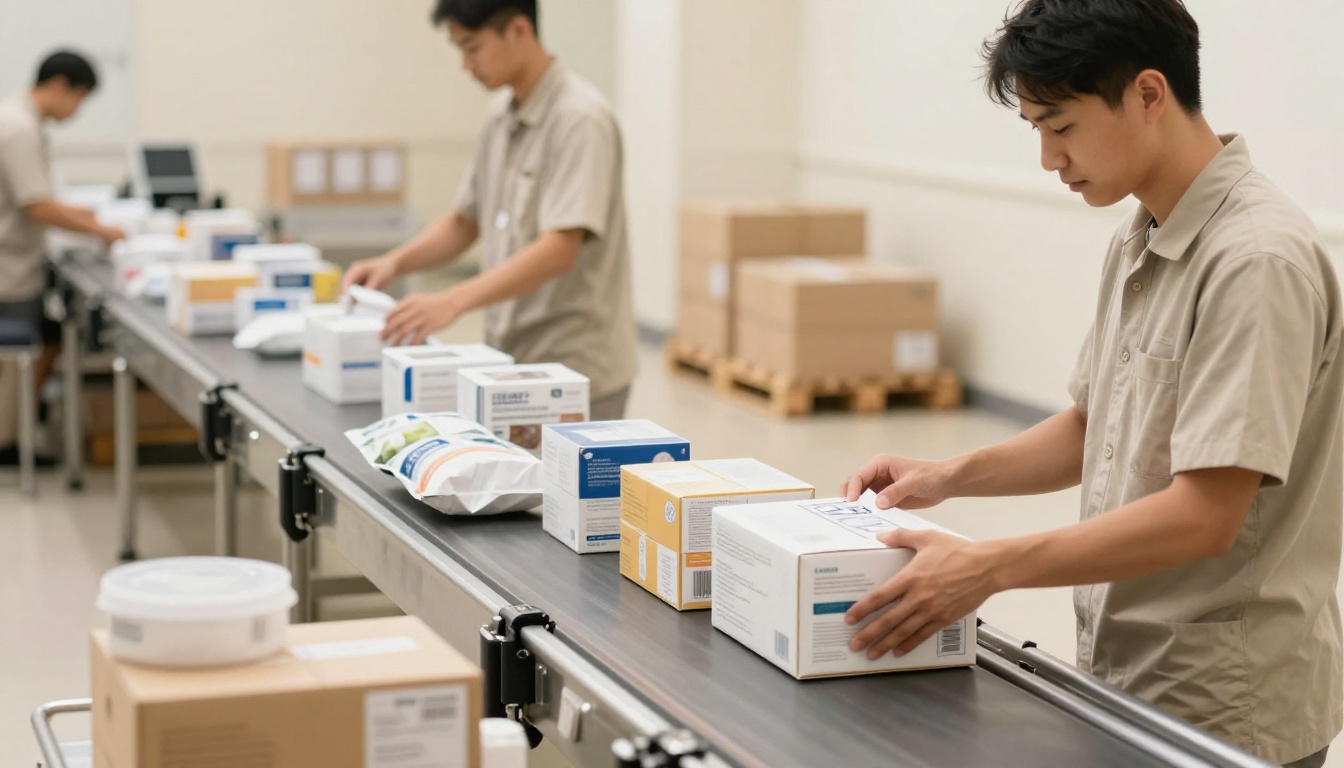
Co-Packing Services Explained: A Complete Guide for Brands
Co-packing is when a brand hires a third party to package, label, assemble, and prepare products for sale, instead of building and running that operation in-house. It matters because growth gets expensive fast. When order volume rises, retail demands get stricter, or promotions add complexity, co-packing can help brands scale without taking on more space, labor, and equipment.
Depending on the provider, co-packing can include packaging, labeling, kitting, display assembly, repackaging, and sometimes warehousing or shipping support. That scope is different from co-manufacturing. In simple terms, a co-packer usually works with a product that already exists, while a co-manufacturer also makes the product itself, such as blending, cooking, or producing it before it ever reaches the packaging line.
That distinction matters more than most brands think, especially when comparing partners, timelines, and costs. The co-packing market keeps growing, with industry estimates projecting major expansion through 2025 and beyond, because brands want more flexible ways to move faster without heavy capital spending.
In this guide, you’ll learn how co-packing works, when it makes sense, which services are most common, how to choose the right partner, and which mistakes can cost time and money. If pricing is part of your decision, this co-packing pricing breakdown can help you understand what quotes often include.
How co-packing services work from product handoff to finished shipment
Once you know what co-packing is, the next step is seeing how the work actually moves. In most cases, the process starts with a clear handoff from the brand and ends with finished goods leaving the dock, retailer-ready, e-commerce-ready, or headed to a warehouse.
The exact path depends on what you send. Some brands ship finished product and packaging components. Others send only the product and ask the co-packer to source or manage some materials. Either way, the job runs best when specs are tight, timelines are realistic, and both sides know who owns each step.
What a co-packer does, and what stays on the brand side
A co-packer is your operations partner for the agreed packaging work. That often includes receiving materials, setting up the line, labeling, assembling packs, case packing, palletizing, and preparing shipments. Depending on the provider, the scope can also extend into warehousing, transportation, and order fulfillment support.
The brand usually keeps control of the parts that define the product itself. That often includes:
- Formula or finished product
- Product specs and pack-out rules
- Packaging design and artwork
- Forecasting and demand planning
- Final approvals on labels and packaging
In simple terms, the brand decides what the product should be and how it should look. The co-packer handles how the physical packaging work gets done, based on that plan.
That split matters because confusion at the handoff stage creates expensive mistakes later. If your case count, label placement, lot code format, or pallet pattern is vague, the line can slow down fast. A good partner will push for clean documentation up front, not guess on the floor. If you’re comparing capabilities, this guide to co-packing services and packaging options gives a practical look at the types of work providers may handle.
The fastest co-packing projects usually start with clear specs, approved materials, and one owner for every decision.
Some co-packers stay narrowly focused on packaging only. Others act more like an extension of your supply chain. In those cases, they may store components, coordinate inbound freight, stage finished goods, and help move shipments to retailers, distributors, or direct-to-consumer channels. That’s helpful when your brand needs one team to manage more than just the line run.
A simple look at the typical co-packing workflow
Most co-packing jobs follow the same basic rhythm. Think of it like a relay race. If one handoff is sloppy, the next runner loses speed.
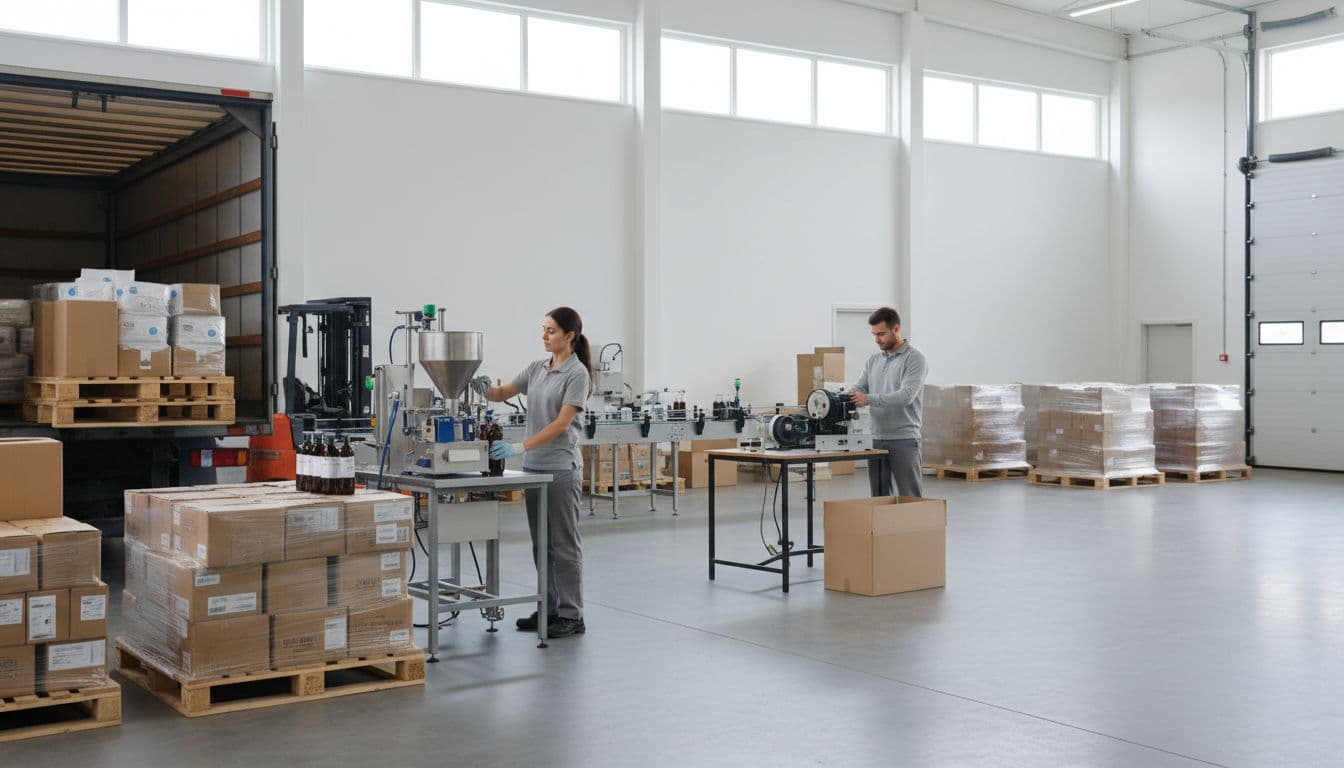
In plain English, the workflow usually looks like this:
- Receiving materials
The co-packer receives what the job needs, such as finished product, bottles, cartons, labels, inserts, trays, or corrugate. Teams check counts, inspect condition, and log inventory so the run starts with the right materials on hand. - Planning and scheduling
Next, the job gets slotted into production. This step accounts for labor, line availability, material readiness, and any special handling needs. If one component is late, the whole schedule can shift. - Line setup and changeover
Before the run starts, the team sets the equipment for your pack format. That can include labelers, fillers, sealers, shrink tunnels, or case pack stations. If the line just ran another SKU, a changeover is needed, and that time affects both speed and cost. - Production run
Once setup is approved, the line starts. Product gets filled, packed, bundled, labeled, or assembled based on the work order. This is where a co-packer turns parts and product into sellable units. - In-process inspections
Checks happen throughout the run, not just at the end. Teams may inspect fill levels, seal strength, barcode readability, label placement, count accuracy, date codes, and package appearance. Catching an issue early is a lot cheaper than reworking pallets later. - Case packing and palletizing
Finished units go into shipping cases, then onto pallets in the required pattern. If the order is for retail, club, or e-commerce, the pallet build may need to follow very specific rules. - Finished goods handling and shipping
After final review, finished pallets are staged for pickup, moved into storage, or shipped to the next stop. That could be your warehouse, a retailer’s DC, Amazon, or a fulfillment center.
This process sounds simple on paper, but a few factors can change the pace quickly. Minimum run sizes affect whether a job is cost-effective to schedule. Timelines depend on material readiness and line capacity. Changeovers can add labor and downtime, especially if you’re switching formats, labels, or case packs often.
For first-time brands, the biggest surprise is usually how much material coordination matters. If the brand sends finished product but not all packaging components, the co-packer can’t run. If the co-packer is sourcing some components, lead times need to be built into the plan. In other words, the line only moves as fast as the slowest missing piece.
Co-packing vs. co-manufacturing, the difference brands should know
These terms get mixed up all the time, but they are not the same.
Co-packing usually means the product already exists when it arrives. The partner’s job is to package it, label it, assemble it into the right format, and prepare it for sale or shipment.
Co-manufacturing usually means the partner also makes the product itself. That may include blending, batching, cooking, filling, or other production steps before packaging begins.
This difference matters because it changes the scope of the job. A co-packing quote may focus on labor, line time, packaging materials, inspections, and shipment prep. A co-manufacturing quote often adds ingredient handling, processing controls, batch records, food safety or production requirements, and more complex quality checks.
It also affects how you vet vendors. If your product is already made and stable, you may not need a partner with full manufacturing capability. You need one with the right packaging lines, changeover discipline, and shipment accuracy. On the other hand, if the partner must produce the product too, you need a deeper review of equipment, process controls, certifications, and formulation handling.
Budgeting gets clearer when you define the scope correctly. Brands often think they need co-manufacturing when they really need packaging support, or they ask for co-packing when the vendor would also need to produce the item. Those are different jobs, different risks, and usually different costs.
In short, co-packing is about getting a finished product packed and out the door the right way. Co-manufacturing adds the step of making the product before that packaging work begins. When brands understand that difference early, vendor talks get simpler, quotes get cleaner, and projects start with fewer surprises.
The main types of co-packing services brands can use
Co-packing is not a single service with a single outcome. It is a mix of packaging formats, production tasks, and operating models that help brands get products ready for the right channel. That could mean a bottle for store shelves, a bundled promo for a holiday push, or a club pack built to land on the floor fast.
The key is matching the service to the goal. If you are launching a new SKU, testing a seasonal offer, or adapting for a retailer, the right co-packing setup can save time and avoid a lot of rework.
Primary packaging, secondary packaging, and retail-ready packaging
The easiest way to understand co-packing types is to start with the packaging level. Each one plays a different role, and brands often need more than one on the same project.
Primary packaging is the package that directly holds or touches the product. Think of a bottle of shampoo, a pouch of gummies, a jar of cream, or a sachet of powder. This is the first layer the shopper uses, and it affects product safety, shelf life, and how the item feels in hand.
Secondary packaging groups primary units together. That might be a carton around several pouches, a shrink-wrapped 2-pack, or a shelf pack sent to a retailer. In simple terms, it turns single items into sellable bundles, easier-to-stock packs, or more efficient shipping units.
Retail-ready packaging goes one step further. It is built for direct store placement with little or no extra labor. That can mean tray packs, display-ready cartons, endcap units, or club-store formats that arrive ready to stock or shop. If your product needs to move fast from pallet to floor, retail-ready formats matter a lot, especially for club store packaging services.
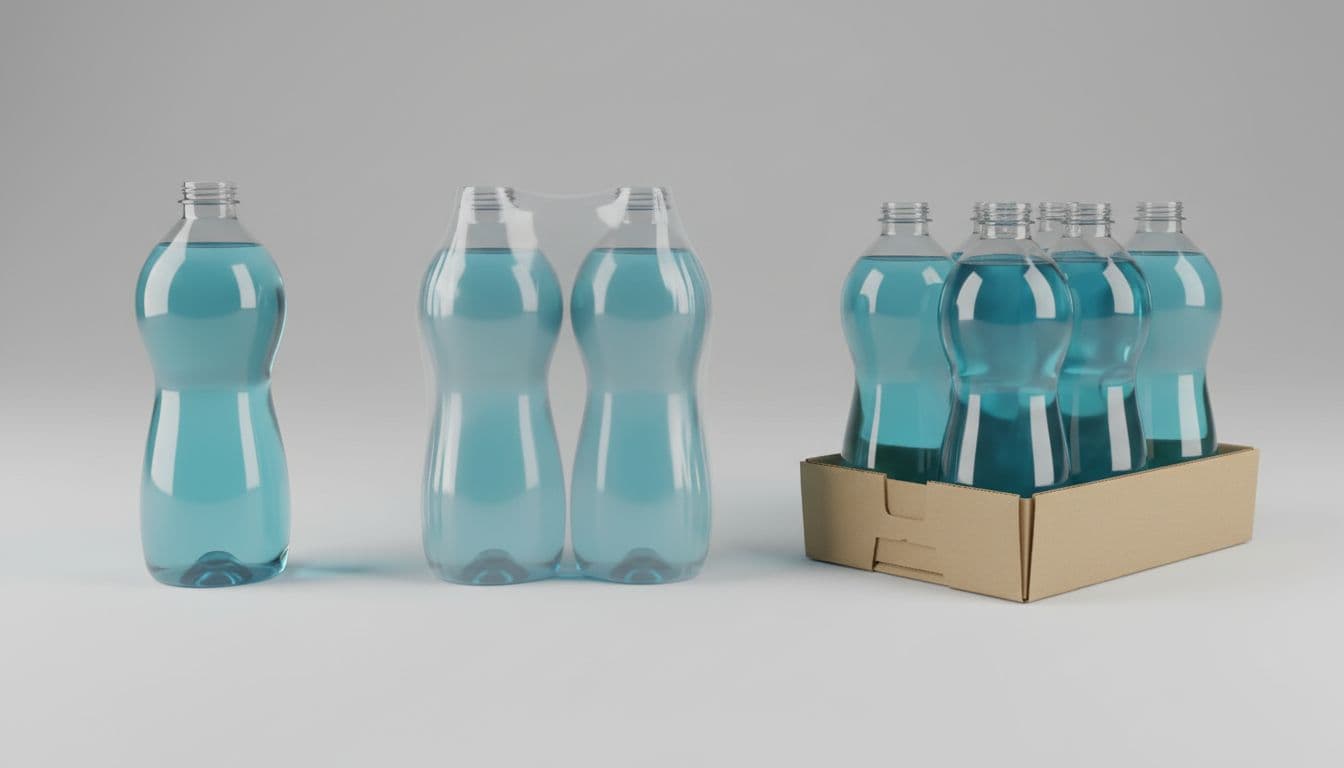
A simple way to picture it is this:
- Primary: the product’s own jacket
- Secondary: the set or bundle
- Retail-ready: the finished stage setup
That distinction helps brands make better decisions. A wellness brand may only need primary packaging for e-commerce. A snack brand headed into mass retail may need primary, secondary, and shelf-ready trays all in one run. Different channels ask for different packaging behavior, so co-packing has to flex with that reality.
The best co-packing format is the one that fits the shelf, the shipment, and the shopper at the same time.
Popular co-packing jobs, labeling, shrink bundling, repacking, and kitting
Many brands do not outsource because the product itself is hard. They outsource because the packaging work gets messy, repetitive, or channel-specific. That is where common co-packing jobs come in.
Labeling is one of the most frequent requests. This can include over-labeling old inventory, relabeling for retailer compliance, adding promotional stickers, or updating language, ingredients, or barcodes. It is a fast fix when a product is good but the pack needs a fresh face.
Shrink bundling groups products into a tight multi-pack using film. It is common for variety packs, buy-more-save-more offers, and club formats. Food, beauty, and household brands all use it because it holds items together cleanly and gives them a new sellable format. If that is part of your mix, these shrink packaging services show how bundling can support multi-packs and promotional runs.
Repacking means taking products in one format and rebuilding them in another. For example, a brand may split bulk cases into smaller retail packs, swap damaged cartons, or rework packaging for a new sales channel. This often happens when inventory was packed for one purpose but needs to serve another.
Kitting brings multiple items together into one set. That could be a gift box, a starter pack, a sample bundle, or a subscription box. Unlike automated line work, kits often need a human touch because the contents vary and the presentation matters.
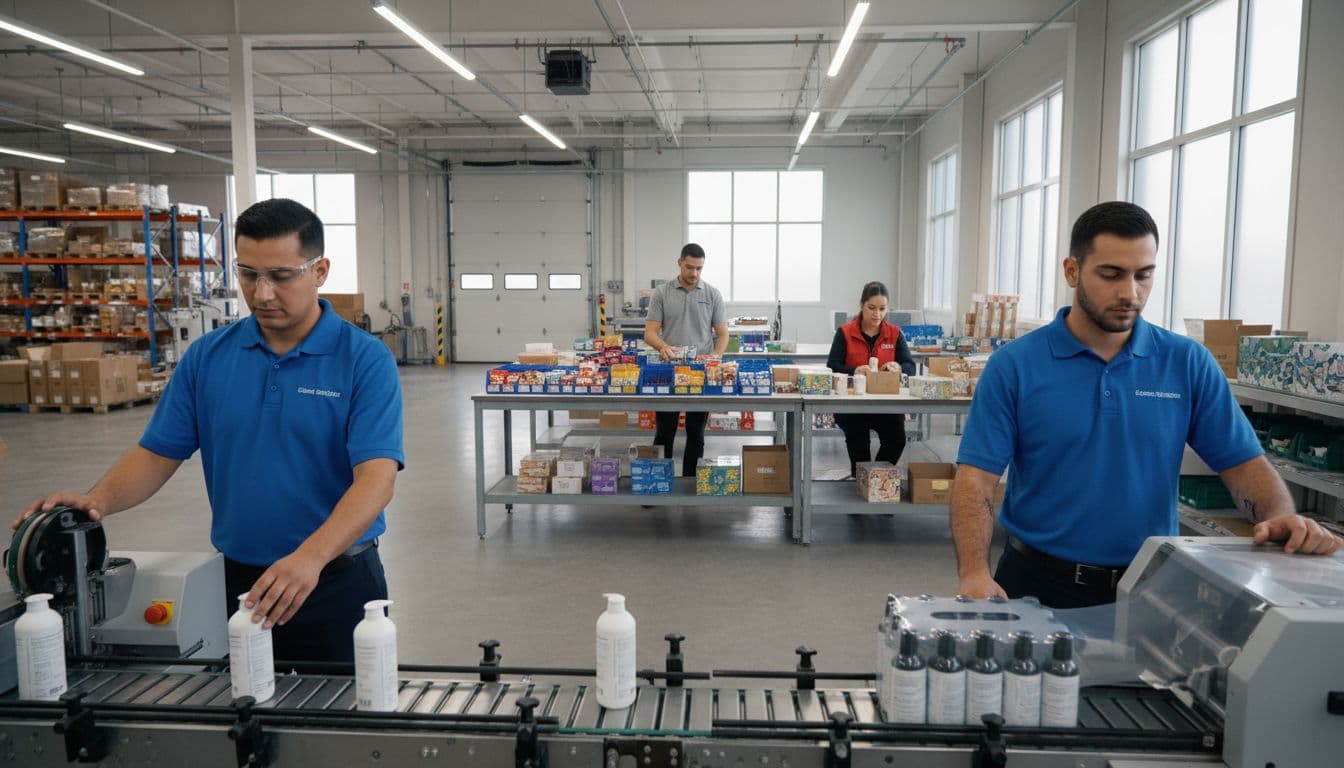
These jobs show up across industries in familiar ways:
- Seasonal promos: holiday gift sets, limited-time bundles, bonus packs
- Variety packs: mixed flavors, mixed shades, trial-size assortments
- Subscription boxes: hand-assembled monthly kits with inserts or samples
- Retailer-specific projects: new case counts, barcode updates, shelf-pack changes
In practice, this is where co-packing becomes a problem-solver. A beauty brand may need a last-minute relabel for a major chain. A food brand may want a 3-pack for warehouse clubs. A wellness company may need hand-packed welcome kits for online subscribers. Same product category? Not always. Same need for flexible packaging labor? Absolutely.
When turnkey, tolling, or custom programs make the most sense
Once you know the packaging type and the job, the next question is how much of the process you want the co-packer to own. Most programs fall into three broad models.
Turnkey means the partner handles more of the process from start to finish. Depending on the setup, that can include sourcing packaging materials, scheduling production, packaging the product, and preparing finished goods for shipment. This model works well when speed matters and your internal team does not want to manage every moving part.
Tolling is more hands-on from the brand side. You supply the product or materials, and the co-packer provides the labor, equipment, and line execution. This makes sense when you want tighter control over components, already have approved materials, or need a partner mainly for throughput.
Custom programs are built around a special need. Maybe a retailer wants a one-off display, a seasonal launch needs mixed-SKU bundles, or a product has unusual handling rules. In those cases, a standard line run may not fit. A custom program gives you a packaging plan shaped around the project, not the other way around.
Here is the simple tradeoff:
| Model | Best for | Main advantage | Main tradeoff | | | | | | | Turnkey | Fast launches, lean teams, broader outsourcing | Less coordination for the brand | Less day-to-day control | | Tolling | Brands with materials and specs already in hand | More control over inputs | More planning responsibility | | Custom | Retail-specific, promo-heavy, or unusual packaging needs | Built around the exact goal | More complexity to scope and manage |
If you want a rough rule, use turnkey when you need convenience, tolling when you need control, and custom when the job does not fit a standard mold. None is automatically better. The right choice depends on your timeline, your internal bandwidth, and how many exceptions the project carries.
For many brands, the smartest move is not picking the biggest service package. It is picking the one that matches the launch, the retailer, and the level of complexity you actually have.
Why brands use co-packers instead of building everything in-house
For many brands, the choice comes down to a simple business question: Where should your money and time go first? Building an in-house packaging operation gives you control, but it also brings heavy overhead, slower setup, and more risk if demand shifts.
That is why so many companies use co-packers. They can get products packed, labeled, and shipped without first building a mini factory of their own. In practical terms, co-packing often means lower upfront costs, faster market entry, and less stress on your internal team.
Lower capital costs and less operational strain
Running packaging in-house sounds straightforward until you price it out. Equipment alone can eat through a budget fast. Fillers, labelers, sealers, conveyors, case packers, pallet wrappers, coding systems, and inspection tools all cost real money, and that is before installation, setup, and change parts for different SKUs.
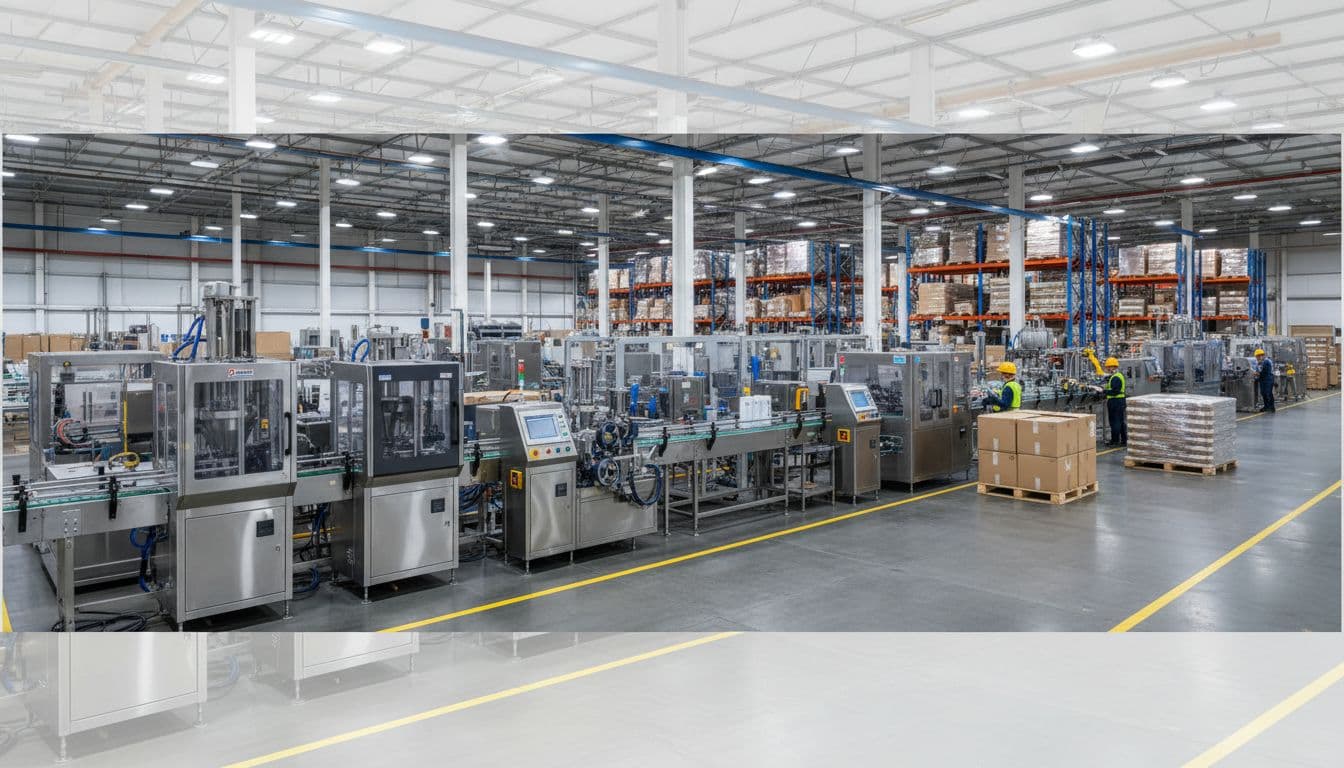
Then come the costs that keep showing up every month. You need trained labor, floor space, utilities, supervisors, maintenance support, spare parts, and quality systems that hold up under customer and retailer demands. Even a modest line can feel like owning a race car, because buying it is only the start, keeping it running is the expensive part.
Co-packers help shift much of that burden away from fixed overhead and toward paying for output. That matters when demand is still uncertain. Instead of buying equipment before the product proves itself, a brand can test the market, build volume, and learn what pack format actually works.
This approach also reduces strain on internal teams. Your staff does not have to manage machine downtime, staffing gaps, line balancing, or daily pack-out issues. As a result, they can spend more time on sales, product development, retailer relationships, and inventory planning.
If demand is not stable yet, owning a full packaging line can lock you into costs long before it creates value.
More flexibility during launches, promotions, and growth spikes
Volume rarely grows in a straight line. One month is steady, then a new product launch hits, a retail reset lands, or a holiday promotion doubles demand. That kind of swing is hard to handle with a fixed in-house setup, especially if your line, labor, or floor space was sized for average volume instead of peak volume.
A co-packer can make those shifts easier to absorb. Many brands rely on outside packaging support when they need to:
- Launch a new SKU without building a dedicated line first
- Handle club store or retail program orders with special pack formats
- Support seasonal promotions that create short-term demand spikes
- Scale after a sales win without rushing into equipment purchases
That flexibility is one of the strongest reasons brands outsource. If the forecast jumps, the right partner may already have the labor, equipment, and packaging flow to take on more work. If volume cools off, the brand is not left carrying the full cost of idle machines and unused space.
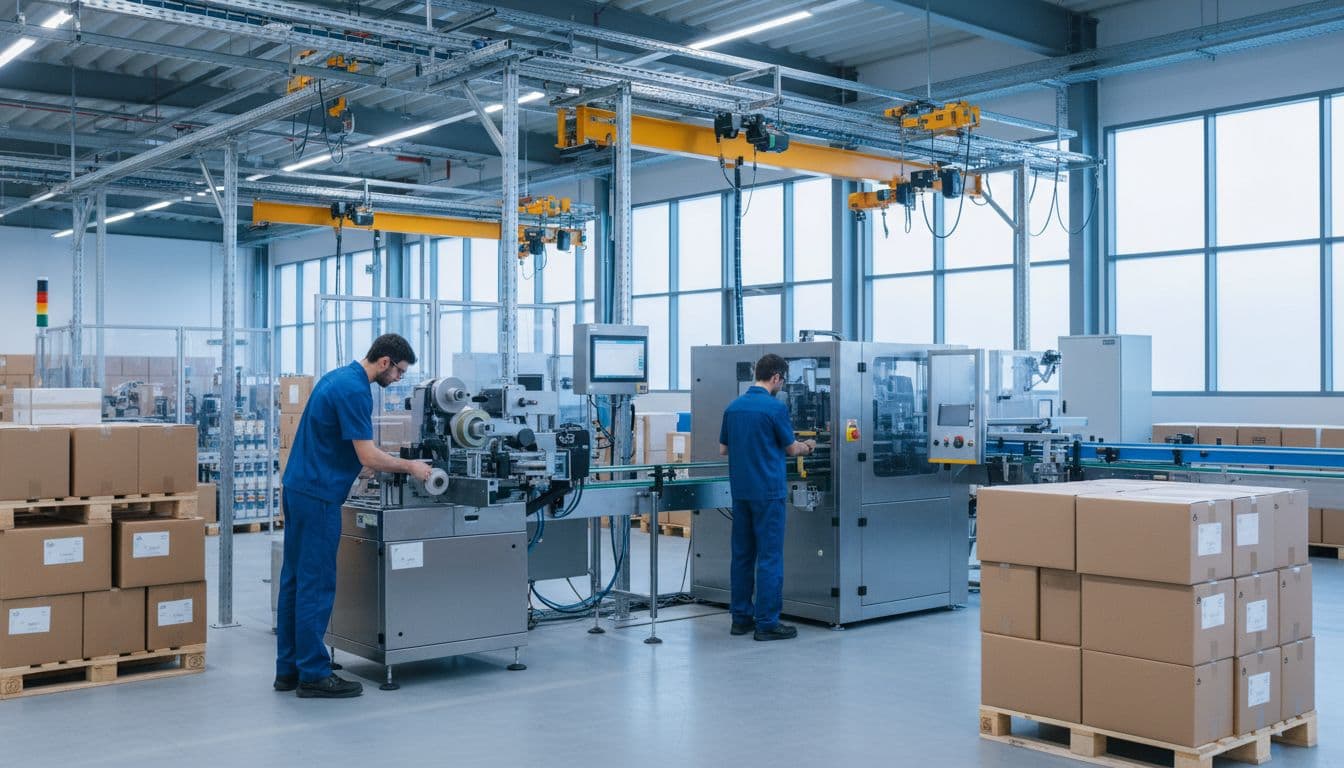
Still, flexibility is not magic. It depends on available capacity, lead times, material readiness, and good forecasting. A co-packer can help you move faster, but they cannot package components that have not arrived or create open production time out of thin air. So while outsourcing can improve speed to market, brands still need clean forecasts, clear specs, and realistic planning.
In other words, co-packing gives you a bigger shock absorber, but you still have to drive carefully.
Better support for retail rules, distribution, and fulfillment
Packaging is not only about putting product in a box. It is also about getting that product into the right format for the next stop. Retailers, distributors, and e-commerce channels all have rules, and small misses can create big headaches.
The right co-packer helps brands meet those requirements before freight ever leaves the dock. That can include accurate labels, correct barcode placement, approved case packs, lot coding, retailer-specific displays, and pallet builds that match the channel. Those details may sound small, but they affect whether shipments move cleanly or get flagged, delayed, or charged back.
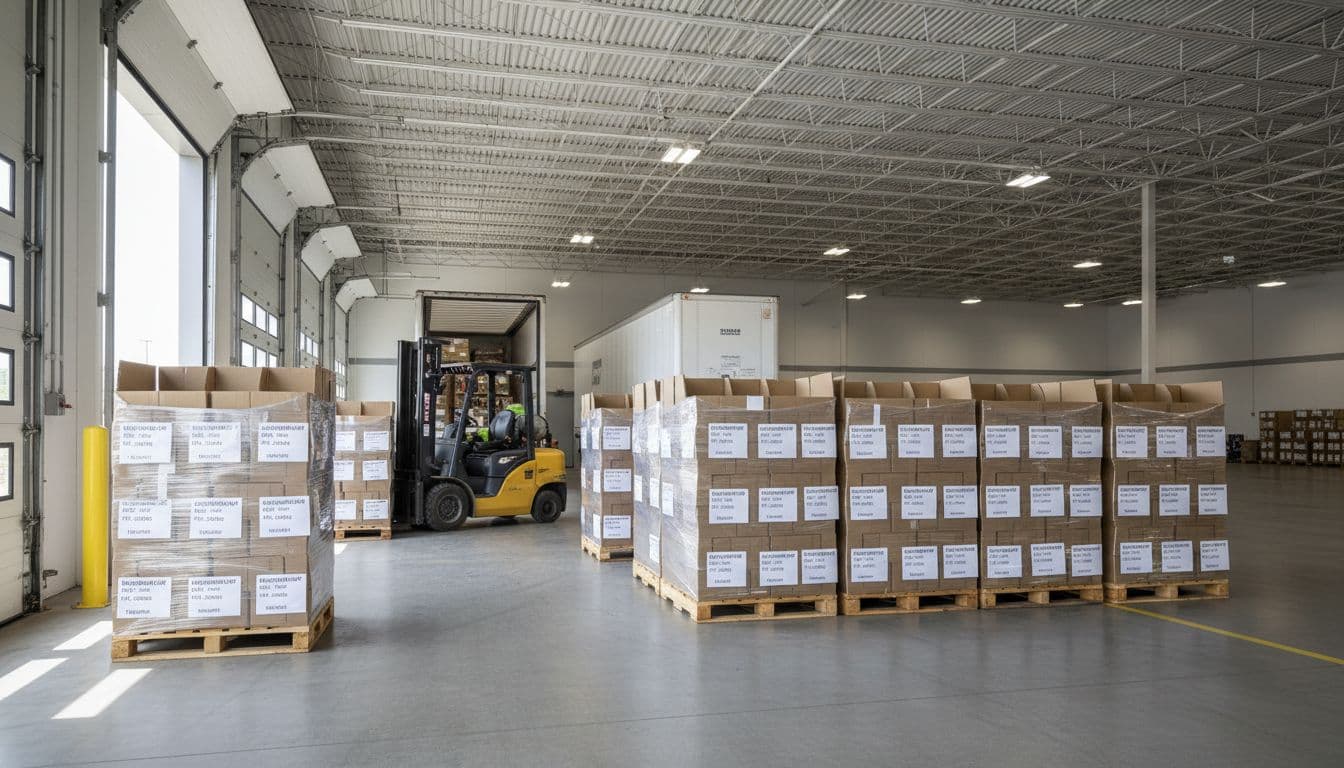
This is where co-packing and outbound operations start to overlap. A strong provider does more than pack units. They can also support display builds, prep finished goods for the right destination, and coordinate shipping so products leave in a retailer-ready or order-ready state. If your business needs packaging tied closely to shipping execution, this guide to end-to-end fulfillment services shows how that broader workflow can work.
The business case is clear. When packaging, compliance, and outbound coordination connect well, brands reduce rework, avoid avoidable shipping issues, and spend less time fixing preventable errors. That is often the difference between a pack-out that looks complete on paper and one that actually arrives ready to sell.
How to choose the right co-packing partner for your brand
Choosing a co-packing partner is less like buying a commodity and more like hiring an extension of your team. Price matters, but fit matters more. The right partner matches your product, your channel, your pace, and your standards, so you spend less time fixing problems later.
A smart comparison starts with a simple rule: don’t ask only, “What will this cost?” Also ask, “What will this partner help us avoid?” Delays, rework, bad counts, late shipments, and retailer chargebacks can wipe out the savings from a low quote fast.

Questions to ask before you request a quote
Before you send out an RFQ, get clear on your own needs. A vague brief gets a vague quote. In contrast, a tight scope helps you compare providers on the things that actually drive results.
Start with service fit. Ask whether the provider already handles products like yours, in formats like yours, for channels like yours. If they mostly run simple relabel jobs and you need multi-SKU club packs with retailer rules, that gap matters. Ask for examples of similar projects, how they were run, and what problems came up.
Then move into capability and controls. These questions usually tell you more than the sales pitch:
- Equipment capability: Can their lines handle your pack size, materials, bundle style, label placement, and case pack?
- Certifications: If your category needs them, do they hold relevant standards such as GMP, HACCP, or other customer-required controls?
- Production capacity: Can they support your current volume and your busy season without pushing your job around?
- Turnaround times: What are normal lead times, and what changes during peak periods?
- Minimum runs: Do their minimums fit your forecast, or will you be forced into wasteful builds?
Keep going. Ask how they manage quality checks, inventory receipts, component reconciliation, and lot traceability. If materials arrive short or damaged, what happens next? Also ask who owns communication, how often updates are shared, and whether you get one point of contact plus a backup. When specs change, because they often do, you need to know the process before the fire starts.
A good quote should come with clear assumptions, not guesswork.
Red flags that can lead to delays, waste, or chargebacks
The biggest warning signs often show up early. If pricing feels fuzzy, timelines are soft, or answers drift, pay attention. Those small cracks usually get wider once production starts.
One common problem is vague pricing. If a quote doesn’t spell out setup fees, changeover charges, rework costs, freight assumptions, or overage rules, the final invoice may look very different. A low quote can become expensive fast when errors trigger extra labor, late shipments, or retailer penalties.
Poor communication is another red flag. If you have to chase basic answers during the sales process, expect more of the same during production. That matters because co-packing projects move through constant handoffs, and weak communication turns simple updates into missed deadlines.
Other signs deserve a hard look:
- No clear process control: They can’t explain SOPs, line clearance, training, or how they hold repeat jobs consistent.
- No defined quality checks: They talk about quality in broad terms, but offer no in-process checks, sampling plan, or run reporting.
- Weak forecasting support: They don’t ask about seasonality, launch timing, or raw material readiness.
- Little channel experience: They lack a track record with your retailer, club, e-commerce, or distributor requirements.
In plain terms, the cheapest partner can become the most expensive one if they create waste you have to clean up. Rework burns labor. Late shipments burn trust. Chargebacks burn margin.
Why location, logistics, and system visibility matter more than many brands expect
A co-packer’s address affects more than transit maps. Geography shapes freight cost, lead time, and flexibility. If your provider sits closer to suppliers, retailers, or major shipping lanes, you often gain faster turns and lower transportation spend. You also get a better chance of recovering when plans change at the last minute.
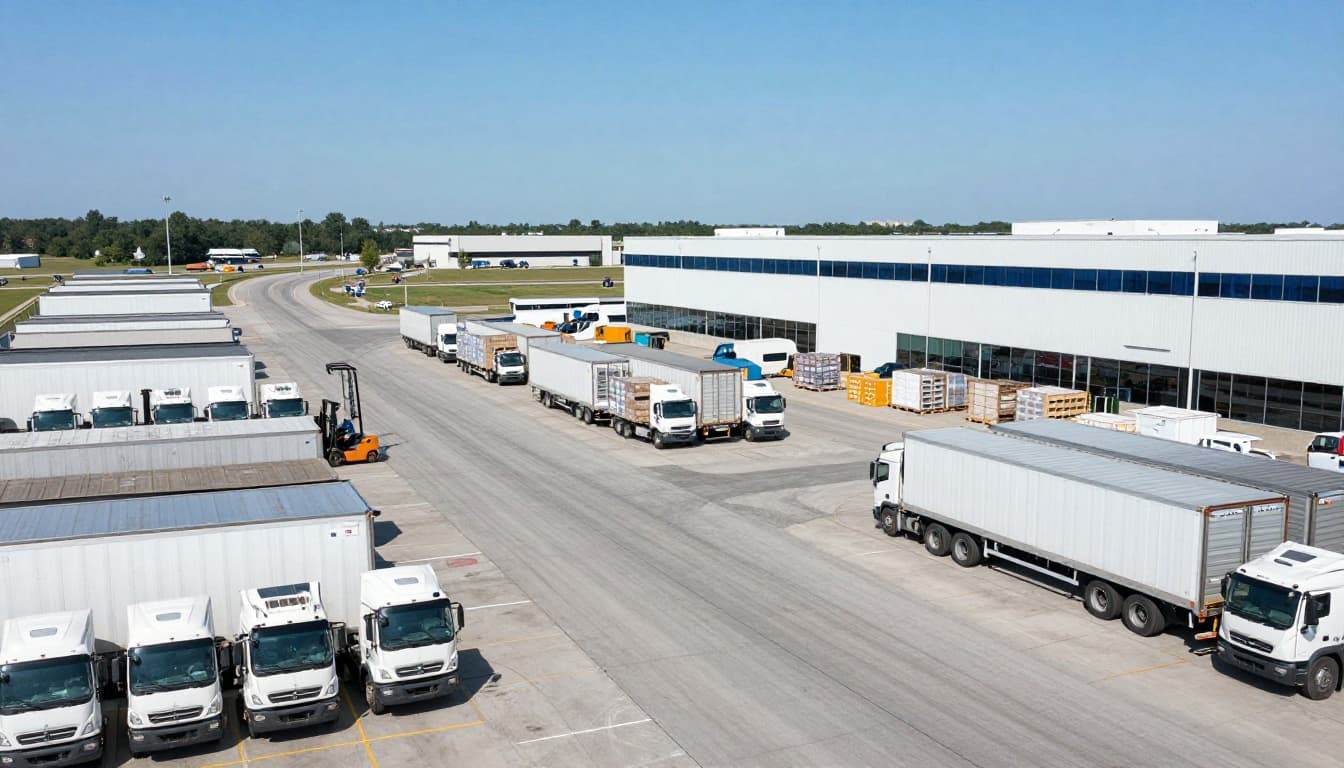
Logistics strength also shows up inside the building. Ask how they track inventory, confirm receipts, and report finished goods. If counts are off, your schedule slips. If orders disappear into a black box, your team spends its day chasing updates instead of planning the next run.
For retail programs, system visibility gets even more important. Ask about:
- Inventory accuracy and scan-based tracking
- Order status visibility and shipment updates
- EDI support for retail compliance
- Reporting cadence for consumption, yields, and exceptions
- Outbound coordination with warehousing or fulfillment
If your co-packer also supports distribution and fulfillment services, that can reduce handoff risk between packaging and shipment. Fewer gaps usually mean fewer surprises.
Think of it this way: a co-packer without visibility is like driving with fogged-up windows. You may still move, but you won’t like what happens when traffic changes. Brands that choose partners with strong logistics systems usually spot issues earlier, respond faster, and protect margin more consistently.
Common co-packing challenges, and how smart brands avoid them
Co-packing can save time, add capacity, and help a brand grow without building everything in-house. Still, the work only stays smooth when planning, specs, and communication stay tight. Most problems do not start on the line. They start earlier, with missing details, late decisions, or a handoff that leaves too much open to guesswork.
The good news is that most common co-packing issues are preventable. Smart brands do not wait for a missed ship date or a quality hold to fix the process. They build simple controls early, then stick to them.
Forecasting mistakes and last-minute changes
A co-packing schedule is a lot like air traffic control. One late plane can affect the whole runway. When forecasts swing hard, packaging arrives late, or artwork changes show up days before a run, the schedule gets crowded fast.
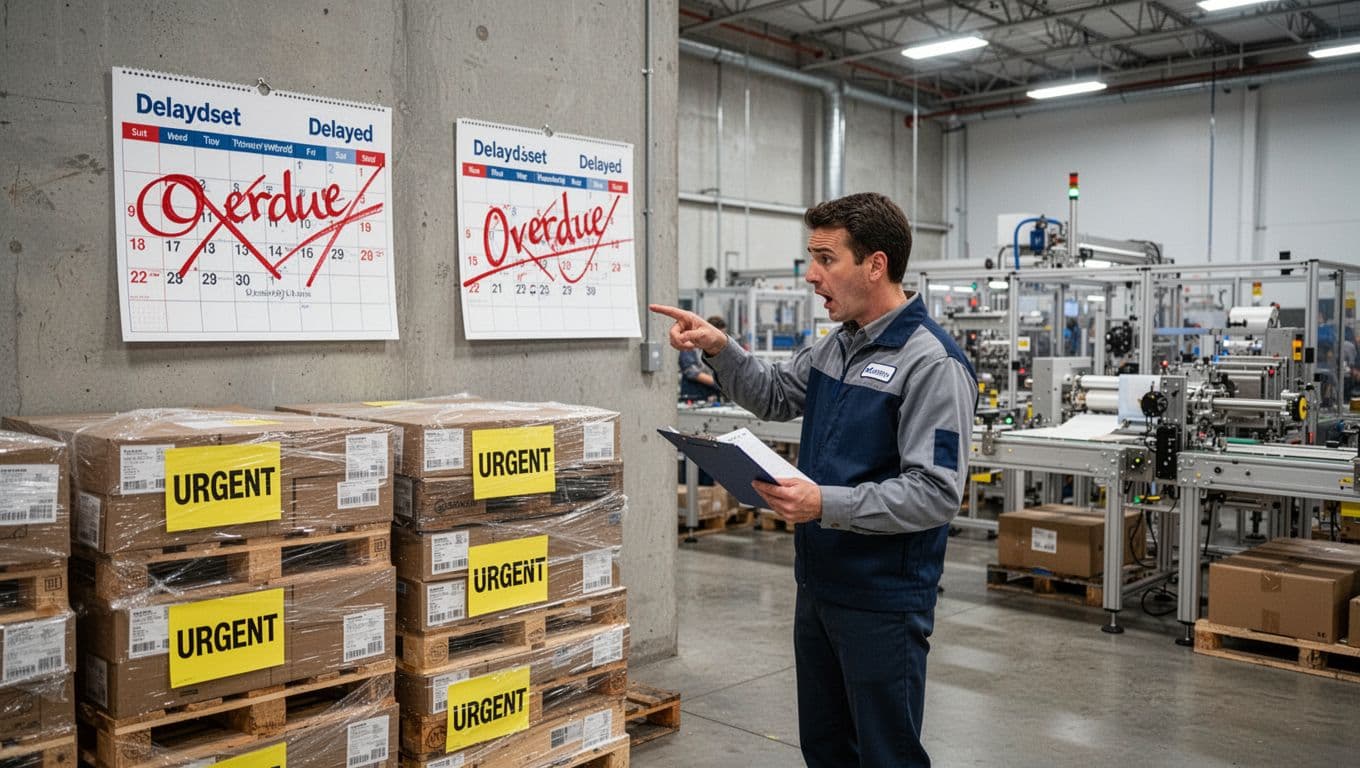
Poor forecasting does more than create stress. It can leave labor booked for the wrong job, lines waiting on missing components, and finished product sitting idle. Then, when a carton shipment slips or someone changes approved artwork at the last minute, the co-packer has to reshuffle labor, materials, and line time. That often means extra cost, slower output, or both.
A few prevention habits make a big difference:
- Set clear production timelines: Lock key dates for materials, approvals, and run windows before scheduling the job.
- Use approval checkpoints: Do not move from artwork to print, or from print to production, without a defined sign-off.
- Keep safety stock where it makes sense: For high-volume SKUs or hard-to-source components, a buffer can protect the run.
- Hold regular planning calls: A short weekly call often catches issues before they become line stoppages.
This is where simple discipline beats heroics. If your team keeps files, due dates, and owners clear, you cut a lot of avoidable rework. For a broader look at preventing these breakdowns, MSL’s guide to top packaging challenges and quick fixes covers many of the same pressure points brands face as schedules tighten.
Most co-packing delays are not caused by one big failure. They come from small misses that pile up.
Brands that perform well here usually do one thing better than the rest. They make decisions earlier. They do not treat packaging approvals like a moving target, and they do not wait until product is ready to ask whether all components are actually in place.
Quality issues that start with unclear specs
Quality problems often look like line issues, but many begin on paper. If pack-out details are vague, labeling rules are incomplete, or materials change without notice, the line team is left to fill in the blanks. That is where mistakes start.
Think about how many details can go wrong on one SKU. Label placement, lot code format, case count, pallet pattern, insert order, barcode position, seal strength, bottle orientation, or component substitutions. If those details are not written down, “close enough” starts to creep in. In co-packing, close enough is where waste lives.
Strong brands reduce that risk with a few basics:
- Written SOPs that define how the product should be packed, checked, and released.
- Approved samples that show exactly what “good” looks like.
- Line checks during the run, not only after the run.
- Traceability that ties finished goods back to lots, materials, and production records.
Approved samples matter more than many teams expect. A photo in an email helps, but a physical gold standard is better. It gives operators and quality teams something concrete to compare against. That is especially helpful when you have several SKUs that look similar but have different retailer or compliance rules.
Traceability also builds protection into the process. If a defect appears later, you want to know what lot ran, what materials were used, and where the product shipped. Without that record, a small issue can turn into a larger hold or a messy investigation.
If you are vetting vendors on this front, a contract packaging partner checklist can help you compare process control, documentation, and quality discipline before work starts.
In short, quality gets expensive when teams rely on memory. It gets stronger when specs are written, approved, and checked in real time.
What brands should expect from a strong long-term co-packing relationship
A good co-packer can run a project. A strong long-term partner helps your operation get better over time. That difference matters because growth usually adds more SKUs, more channels, and more chances for things to go sideways.
Healthy co-packing relationships have a few signs in common. First, communication stays steady. You are not chasing updates or guessing who owns the next step. Second, both sides track shared KPIs, such as on-time delivery, inventory accuracy, defect rates, and order fill performance. Third, problems lead to process fixes, not repeated fire drills.
The strongest partnerships usually include:
- Regular operating reviews to spot trends before they become disruptions
- Shared performance goals so both teams work from the same scorecard
- Clear change control for specs, materials, artwork, and timing
- Continuous improvement that reduces waste, rework, and repeat issues
- Support for new formats as your brand adds bundles, club packs, promos, or DTC needs
That last point matters more as brands grow. A partner that only fits today’s format can become a bottleneck tomorrow. You want a co-packer that can adapt when you add seasonal kits, retail-ready displays, relabel work, or broader distribution and fulfillment services. Packaging no longer lives in a silo. It connects to warehousing, order flow, retailer compliance, and outbound execution.
Looking toward 2026, the direction is pretty clear. Brands want more from fewer partners. That means tighter links between packaging, fulfillment, and supply chain support. It also means stronger demand for speed, accuracy, and flexibility, especially as more operations add smart tracking, tighter inventory visibility, and faster changeovers.
A strong co-packing relationship should feel stable, not fragile. You should see honest communication, practical problem-solving, and a shared interest in doing the work better next time. That is how co-packing creates real value, not just extra capacity. When the partnership is managed well, it becomes a growth tool, not a source of surprises.
Conclusion
Co-packing makes the most sense for brands that are growing fast, adding retail or e-commerce channels, managing seasonal promos, or hitting limits with labor, space, and packaging capacity. The biggest wins are usually lower strain, faster execution, and stronger quality control, but only when the fit is right. That means weighing cost, speed, project complexity, long-term growth plans, and whether a partner can handle your product, pack format, and channel requirements without creating new problems.
The best co-packing partner does more than add output. They help protect consistency, reduce rework, and support scale with less operational pressure. If you’re still deciding whether outsourcing is the right move, this guide on when packaging support makes sense for your brand is a helpful next step.
Before you compare providers, define your packaging needs in detail, including materials, volumes, timelines, quality checks, and shipment requirements. Clear specs lead to better quotes, better conversations, and better results.
