
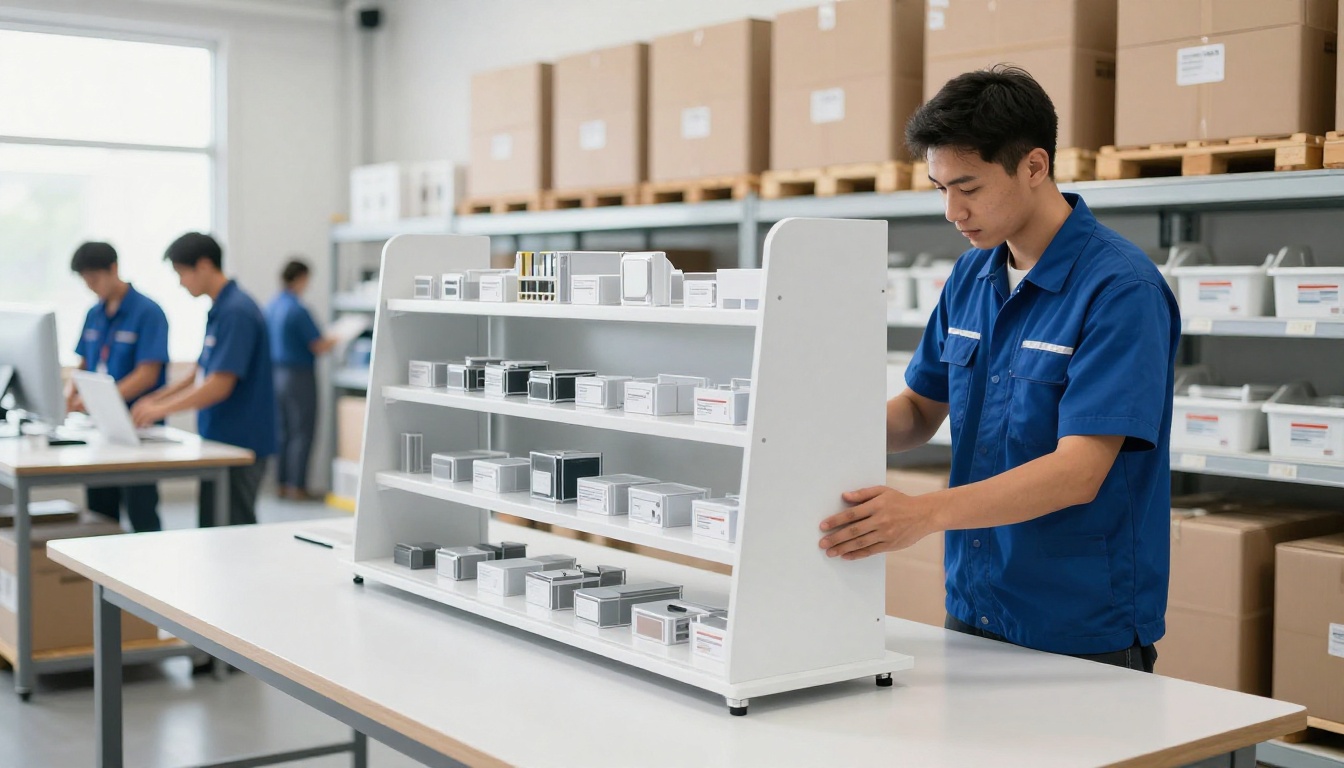
Display Assembly Services with MSL COPACK + ECOMM
Display assembly is the work that turns loose parts into a store-ready presentation, and it matters because retail brands only get one shot at a first impression. When the display looks clean, lands on time, and matches the plan, shoppers notice the product, not the problems behind it.
That can be harder than it sounds. Brands and suppliers have to manage parts, counts, packaging, timing, and retailer requirements, and a small miss can lead to delays or a display that never gets set up right. MSL COPACK + ECOMM helps take that pressure off with support for professional assembly for retail displays, plus packing and shipping that keep each unit organized and ready for the store floor.
For retail teams, that means fewer mistakes, better presentation, and less time spent fixing issues after the shipment leaves the warehouse. It also means the display is built with accuracy in mind, so the final result arrives the way it was meant to look. From there, the rest of the process becomes much easier to manage.
What display assembly includes and why it matters
Display assembly is the step that turns parts, packaging, and product into a finished retail setup. It sounds simple, but the details matter. When the work is done right, the display is easier to ship, faster to place, and better at selling product once it reaches the store.
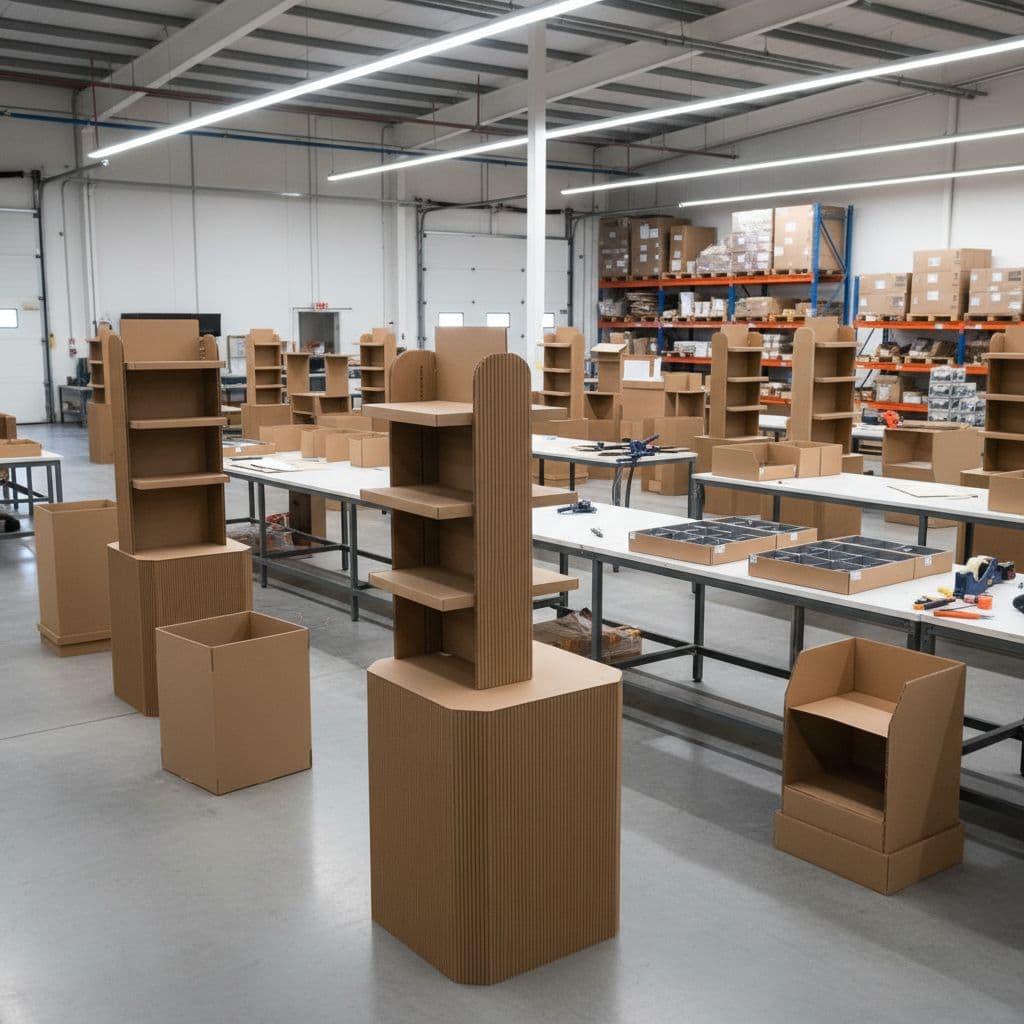
In retail, the display has to do more than hold items. It needs to protect the product, match the brand, and fit the store’s plan. That is why display assembly is a business function, not just a packing task.
The kinds of displays MSL builds for retail use
Retail displays come in several formats, and each one has its own job. A countertop display sits near checkout or on service counters, where it can catch quick, impulse buys. A floor display stands on the sales floor and draws attention in open areas, often for launches or seasonal promos.
Pallet displays are built for heavier loads and high-volume retail, especially in club stores and grocery settings. They need a sturdier build because stores often move them with a pallet jack and place them with less handling. Shelf-shipper displays arrive ready to go on a shelf, which makes them useful when stores need a fast setup with minimal labor.
Different formats call for different assembly methods because the structure, weight, and store handling all change. A small countertop unit might need tight folding, clean glue points, and neat product placement. A pallet display may need stronger reinforcement, careful stacking, and secure wrap so it stays intact in transit.
For brands that use POP materials, retail in-store display assembly helps match the build to the selling environment. That fit matters, because a display that looks right in a warehouse can fail once it hits the store floor.
How display assembly protects product presentation
Good assembly keeps the display looking polished instead of pieced together. Products sit in the right position, graphics line up, and packaging arrives without crushed corners or shifting parts. That attention to detail helps the display look intentional, not rushed.
It also protects the product itself. If items move around during shipping, the display can arrive damaged or messy, which hurts both the sale and the brand image. Careful assembly limits that risk by keeping every component secure and organized.
A display is part packaging and part presentation. If either side is weak, the store result suffers.
This is where display work supports in-store performance. A clean, well-built display is easier for store teams to place, easier for shoppers to understand, and more likely to hold up through real retail traffic. For brands in retail consumer goods packaging, that consistency helps every location tell the same story.
Why retailers and brands outsource this step
Display assembly takes time, labor, and steady quality control. In-house teams often get pulled in too many directions, especially when multiple promotions launch at once. Outsourcing that work gives brands room to focus on sales, planning, and store execution instead of hand-building displays one by one.
It also reduces errors. A specialist follows the same build process each time, which helps prevent missing parts, wrong counts, uneven placement, and shipment issues. That consistency matters when the display has to reach dozens or hundreds of stores in the same condition.
There is another benefit too, less internal strain. When a partner handles the assembly, your team spends less time managing cartons, instructions, and rework. The result is a cleaner operation and a display program that is easier to scale without adding chaos.
How MSL COPACK + ECOMM handles the assembly process
MSL COPACK + ECOMM handles display assembly in a clear, organized flow that keeps each job moving without confusion. The process starts with the product and display components, then moves through building, packing, checking, and shipping so the final result is ready for the store floor.
That matters because retail displays have a short path from warehouse to shelf, and there’s little room for mistakes. When each step is handled with care, the display arrives complete, accurate, and ready to launch.
Packing products into the right display format
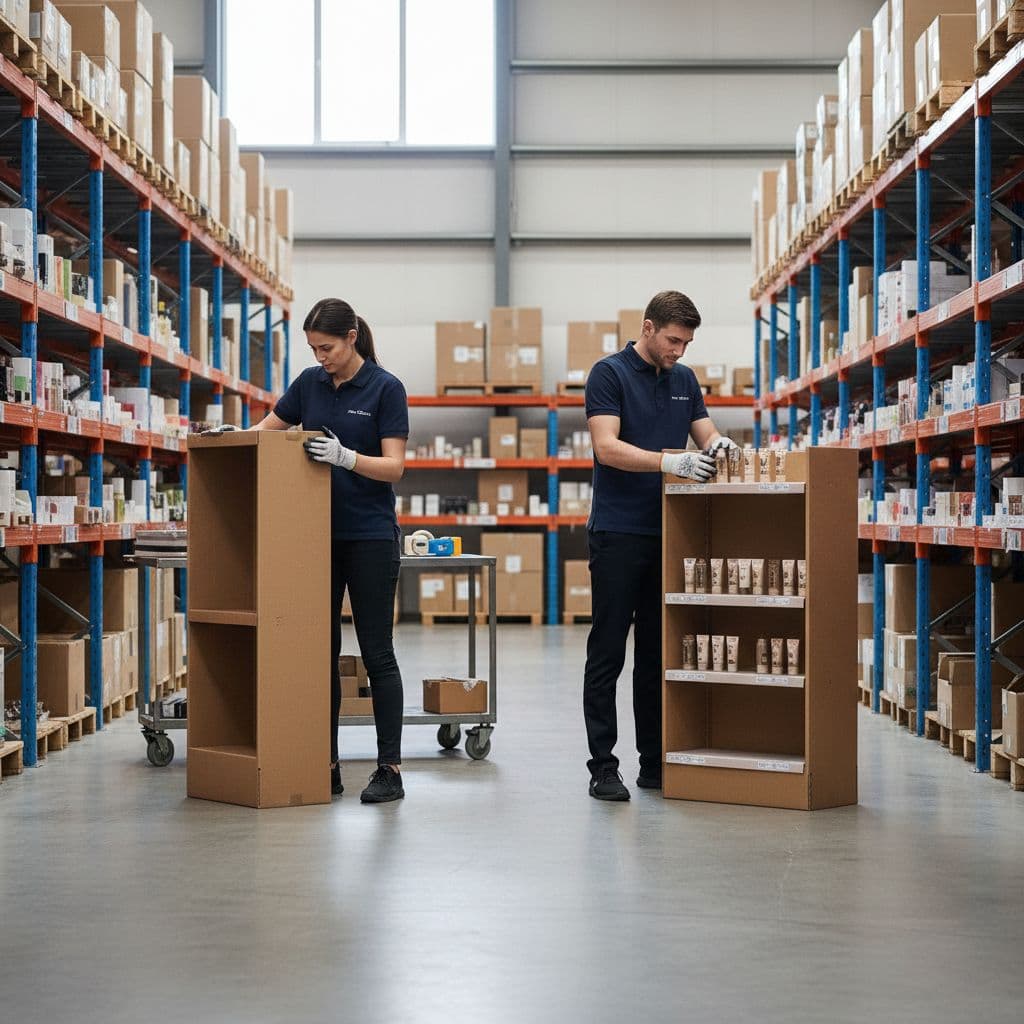
The process begins with the product mix and the display plan. MSL places items into the right format based on the store setup, the display design, and how the product needs to be presented. That could mean a countertop unit with a few select items, a pallet display with heavier inventory, or a shipper that needs everything packed in a very specific order.
This stage is about more than filling space. The team follows the structure you provide so the display matches the store plan and looks right when it lands. Product placement stays neat, counts stay accurate, and each unit is packed for a clean, retail-ready finish.
When the display relies on mixed products or multiple components, order matters even more. The right item has to go in the right spot, at the right time, so the finished piece looks intentional instead of crowded or uneven. That kind of control helps protect the brand presentation before the display ever leaves the building.
Quality checks that reduce damage and mistakes
Once the display is built and packed, MSL checks for missing pieces, wrong counts, and packing errors. Those checks catch problems before they turn into store-level issues. A missing insert, a damaged panel, or the wrong product count can throw off the whole launch, so the goal is to catch it early.
Consistency matters here. Every display should meet the same standard, especially when a program goes to multiple locations. Careful checks also help protect the launch timeline, because fewer errors mean fewer reworks, fewer delays, and less scrambling before delivery.
A display that passes quality checks in the warehouse is far more likely to land cleanly in stores.
The team also looks for signs of damage during handling and packing. That extra attention helps keep products protected in transit and reduces the chance of a shipment arriving in pieces. For brands with tight go-live dates, that kind of control keeps the rollout on track.
Building to client specs or handling full project support
MSL can follow client-designed display specs or take on more of the assembly work when a project needs broader support. If you already have the build instructions, the team can assemble to those requirements. If the project needs more hands-on help, MSL can step in with a fuller process that covers the build and pack-out details.
That flexibility matters because not every display is simple. Some jobs are basic cardboard builds with straightforward folding and packing. Others involve special materials, mixed components, or electronics that need extra care during assembly.
For teams looking to connect display work with broader packaging support, integrated kitting and assembly can make the handoff cleaner. And when a project needs both parts and presentation handled together, MSL can support professional kitting and assembly services that keep the work moving in one place.
The result is a display process that feels steady and predictable. Product comes in, the build gets completed, checks confirm the details, and the finished display leaves ready for retail.
Where display assembly fits into a stronger supply chain
Display assembly works best when it’s treated as part of the full logistics flow, not a separate step at the end. The display needs the right parts, the right timing, and the right shipping plan, so every piece has to line up with packaging and fulfillment.
When those pieces connect, brands spend less time fixing avoidable issues. Orders move with fewer handoffs, finished displays stay organized, and store launches are easier to control.
The link between assembly, fulfillment, and shipping timing
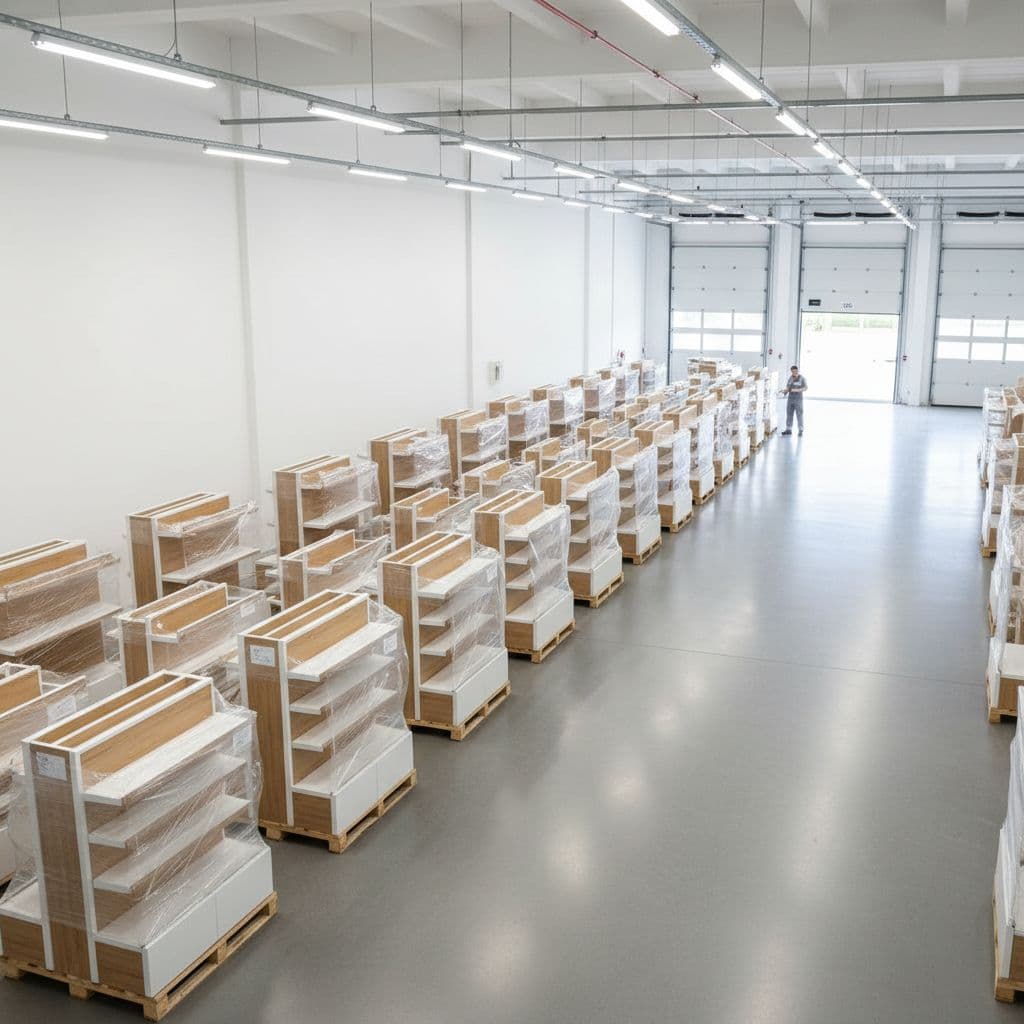
Timing is one of the biggest reasons display assembly matters in supply chain planning. If a display is built too early, it can sit in storage and create space and handling costs. If it’s built too late, stores or distribution points can miss launch dates and scramble to recover.
Coordinated handling keeps that from happening. The assembly team, fulfillment team, and shipping plan all need the same schedule, so the display moves out when the product is ready and the destination can receive it.
That coordination also cuts down on last-minute surprises. For example, a delayed component, a missed carton count, or a shipping mismatch can stall the entire rollout. When the work is managed together, those problems are easier to catch before they hit the road.
How inventory control supports accurate display builds
Inventory control is what keeps display assembly accurate. The right product parts, inserts, and display materials need to be visible and available before the build starts. Without that, even a simple retail display can turn into a delay.
Organized fulfillment helps by keeping each item accounted for and packed in the correct sequence. That makes the build process smoother and reduces the chance of missing pieces or wrong product mixes.
A few basics make a big difference here:
- Clear counts help the team build the right number of displays.
- Proper labeling keeps products and parts matched correctly.
- Orderly staging makes it easier to pull the right materials at the right time.
- Ongoing visibility helps catch shortages before they affect the shipment.
When inventory is controlled well, the build stays accurate and the finished display matches the plan. That matters even more when a program includes multiple display types or multiple store destinations. It’s one reason brands often look at value-added services provided by 3PLs as part of a larger support strategy.
Why Indianapolis matters for regional distribution
Location shapes speed, cost, and reach. Indianapolis gives brands a strong Midwest position, which helps product move efficiently across the country. That central spot can shorten transit times to many retail markets and make regional distribution easier to manage.
For brands sending displays through the Midwest, that matters in a practical way. A central hub can support faster shipping to stores, better access to major highway routes, and simpler reach into both eastern and western markets. It also helps when one shipment needs to serve several regions without adding extra handoffs.
MSL’s Indianapolis-based support fits that model well. When display assembly happens near a regional distribution center, the finished units can move into shipping faster and with less extra handling. That can help brands keep launches on schedule and keep freight movement under control.
A central location also supports better planning. If inventory, assembly, and outbound shipping all sit in the same flow, it’s easier to see where delays might happen and adjust before they grow. That kind of control is what makes display programs feel manageable instead of reactive.
Which industries can benefit most from display assembly services
Display assembly helps brands that move product through retail, launch promotions often, or need every location to look the same. The strongest fit is usually a business with real volume and real pressure, where a sloppy display can hurt both sales and brand trust.
That makes this service a good match for categories with seasonal offers, fast turnarounds, or products that depend on presentation. The industries below tend to get the most value because their displays have to do more than hold inventory, they have to sell the story at a glance.
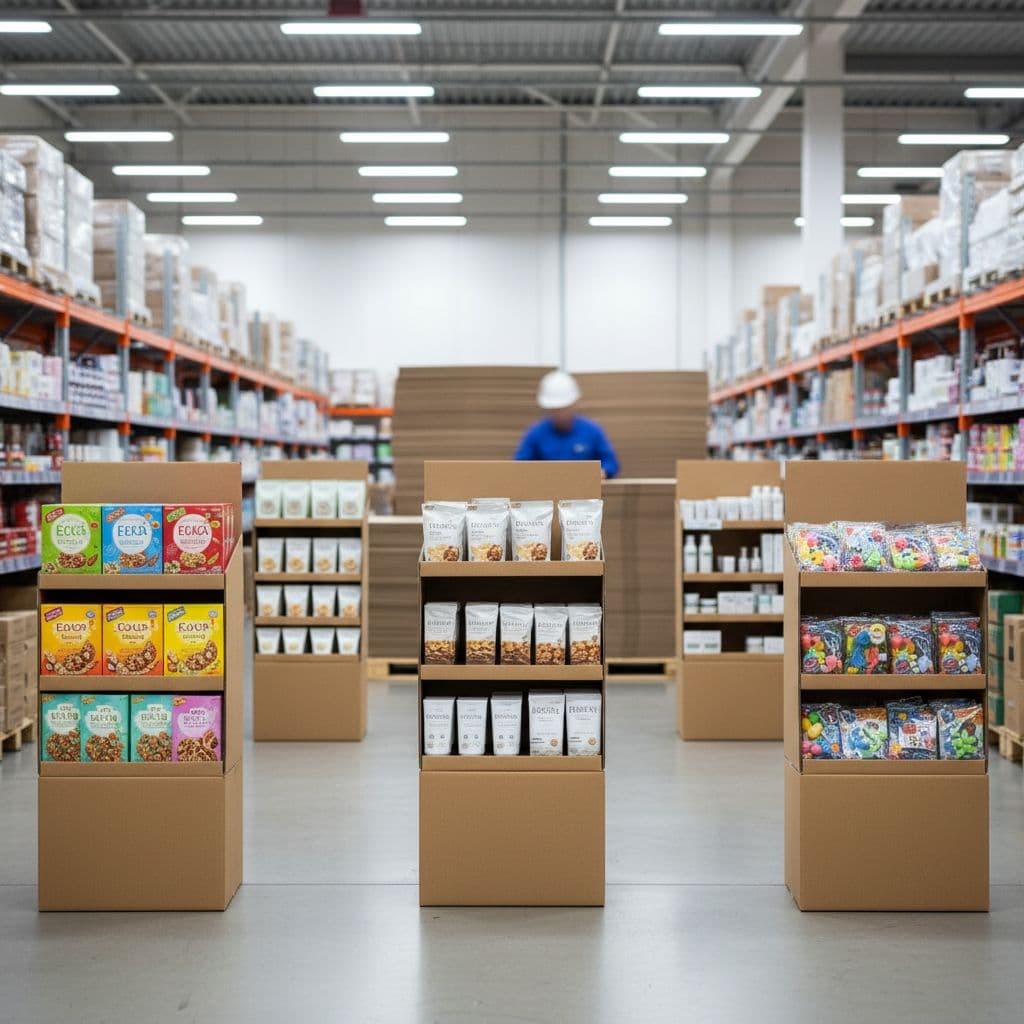
Food and beverage brands that need shelf-ready displays
Food and beverage companies use display assembly to move products fast and keep promotions neat. A seasonal snack launch, a holiday drink run, or a limited-time bundle all need displays that are ready for store placement right away.
That matters because store teams don’t have time to sort parts, count items, or rebuild damaged pieces. When the display arrives already organized, it can go straight to the floor or shelf with less handling and fewer delays.
These brands also deal with changing lot codes, mixed SKUs, and promotional packs. For that reason, accuracy matters just as much as appearance. A clean build helps the product look fresh, supports the campaign, and keeps retail execution simple.
If you’re in this space, food and beverage packaging solutions often need to connect product protection with store-ready presentation.
Health and beauty products that depend on neat presentation
Health and beauty products rely on order. Shoppers notice when bottles, boxes, and kits line up cleanly, and they also notice when a display looks rushed or uneven.
That is why display assembly is such a strong fit for cosmetics, skincare, hair care, and personal care lines. These products often have small package sizes, many variants, and strict visual standards, so placement has to be exact.
Careful assembly also helps when item count matters. A display with the wrong number of units can look empty, crowded, or off-balance, and that hurts the shelf appeal. When the layout is consistent, the product feels easier to shop and easier to trust.
Brands that want support across this category often look for industries served by MSL, especially when presentation and pack accuracy both matter.
In beauty, the display is part of the product experience. If it looks messy, the brand feels less premium.
Retail and publishing teams that ship in volume
Retail consumer goods and publishing both depend on consistent displays across many locations. The product may change, but the challenge stays the same, get the right unit built, packed, and shipped on time.
For retail goods, that often means coordinating promotions across stores without creating extra work for the retailer. For books, magazines, and similar items, it can mean high-volume programs with tight launch dates and very specific display requirements. In both cases, display assembly helps keep the rollout controlled.
These teams benefit most when every unit looks the same. A campaign can fall flat if one store gets a clean display and another gets a damaged or incomplete one. That is why volume work needs repeatable assembly, careful checks, and packing that protects the finished unit.
The common thread is simple, these industries sell through the shelf, so the display has to arrive ready to perform. When the build is right, the campaign moves faster and the brand looks more consistent in every store.
What to look for in a display assembly partner
Choosing the right display assembly partner affects more than the final look of the display. It shapes how smoothly your launch runs, how much rework your team faces, and how well the finished unit holds up in stores. The best partner brings practical experience, tight quality checks, and a process that fits your volume without creating extra work on your side.
Experience with different display types and materials
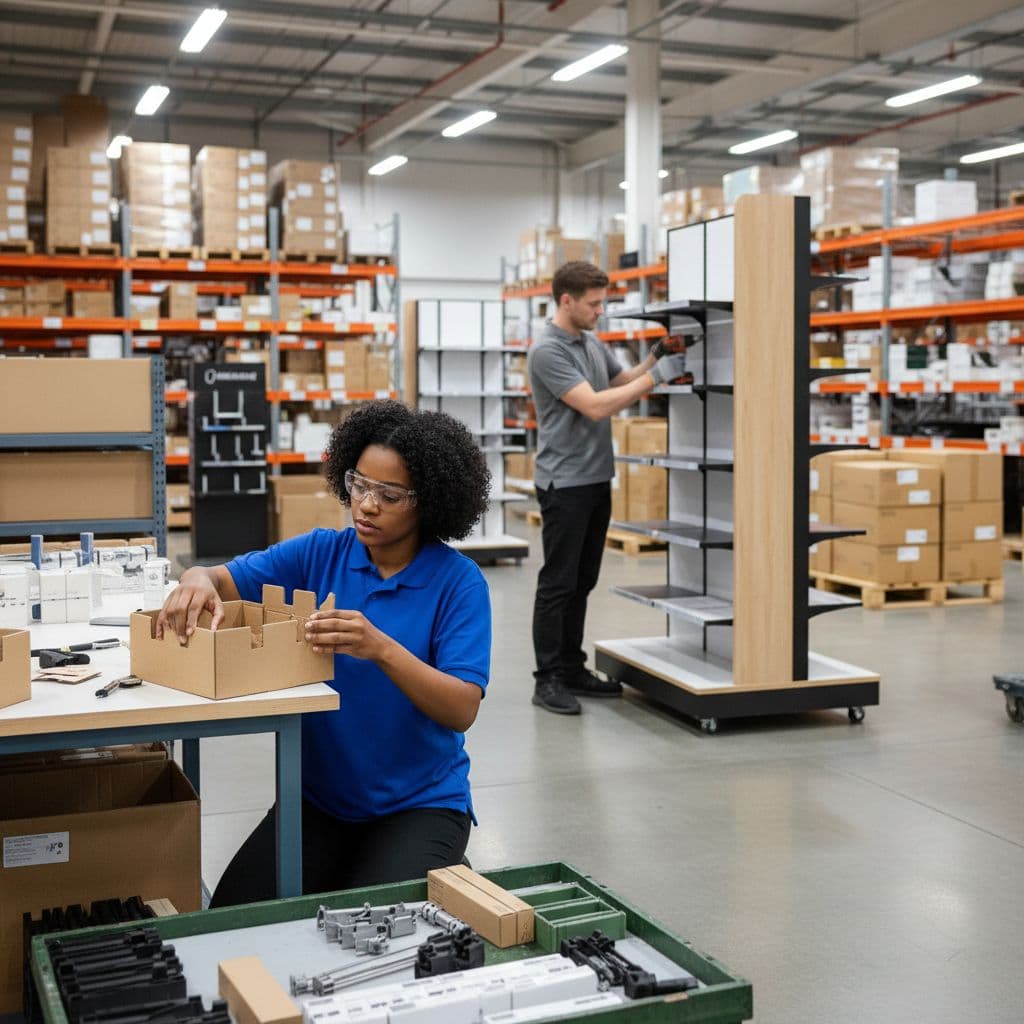
Start with range. A strong partner should handle simple cardboard builds, but also more complex displays that use mixed materials, inserts, or heavier structures. That matters because one display program may look easy on paper, then turn into a problem when the build includes wood, plastic, wire, or specialty components.
Versatility gives you room to grow. If a provider only knows one format, you may need a new vendor every time your campaign changes. A partner with broader experience can keep the same standards across countertop units, floor displays, pallet builds, and shipper programs, which saves time and reduces handoff mistakes.
It also helps when your program includes different product sizes or packaging styles. For example, custom retail display assembly services can support projects that need more than a basic fold-and-fill approach. That kind of flexibility keeps the display aligned with your launch, rather than forcing the launch to fit the vendor’s limits.
Accuracy, speed, and clear communication
Accuracy is the first test of a good partner. Missing inserts, wrong counts, or sloppy placement can turn into damaged displays and store delays, so the provider needs a process that catches errors before shipment. A clean build should look the same at the first store and the last one.
Speed matters too, but only when it comes with control. You want a team that keeps projects moving on schedule without rushing past the details that protect the final result. That balance is what cuts down on rework and last-minute fixes.
Clear communication holds the whole job together. Your partner should confirm specs, flag issues early, and keep you updated when timing changes or materials need attention. When communication is weak, small problems grow fast and can throw off the entire rollout.
A few signs point to a reliable operation:
- Consistent updates that keep your team informed without chasing answers.
- Tight check points that catch errors before packing or shipping.
- Fast response times when specs change or questions come up.
- Fewer surprises at the end of the job, because the process stayed clear from the start.
A partner should reduce pressure, not add more of it.
A process that scales with your launch volume
Your needs may shift from one small run to a large national rollout, so the process has to scale without losing consistency. A partner that handles only low-volume work can struggle when orders increase, while a provider built for high volume may not give smaller programs the attention they need.
Look for a team that can support repeat programs, seasonal launches, and multi-location shipments with the same care. The best setup keeps each display built to the same standard, whether you need 50 units or 5,000. That consistency protects the brand and helps stores receive displays that are ready to go.
Scalability also shows up in the details. Can the partner handle rush changes, reorders, and staggered launches without scrambling? Can they keep inventory organized across multiple waves? If the answer is yes, your display program has room to grow without adding unnecessary complexity.
When you need broader support across build, pack, and ship, it helps to work with a provider that also understands point-of-purchase display packaging solutions. The right process keeps your launch steady at every stage, which is exactly what a retail display program needs.
Conclusion
Display assembly is more than putting pieces together. It is the step that turns product, packaging, and timing into a display that is ready for retail.
When MSL COPACK + ECOMM handles the build, packing, quality checks, and outbound prep, brands spend less time fixing mistakes and more time moving programs forward. That kind of support keeps the work organized, protects presentation, and helps each shipment arrive in the right condition.
The real value is simple, better timing, better accuracy, and better store execution. For brands that need displays to look right and launch on schedule, that difference matters every time a shipment leaves the dock.
