
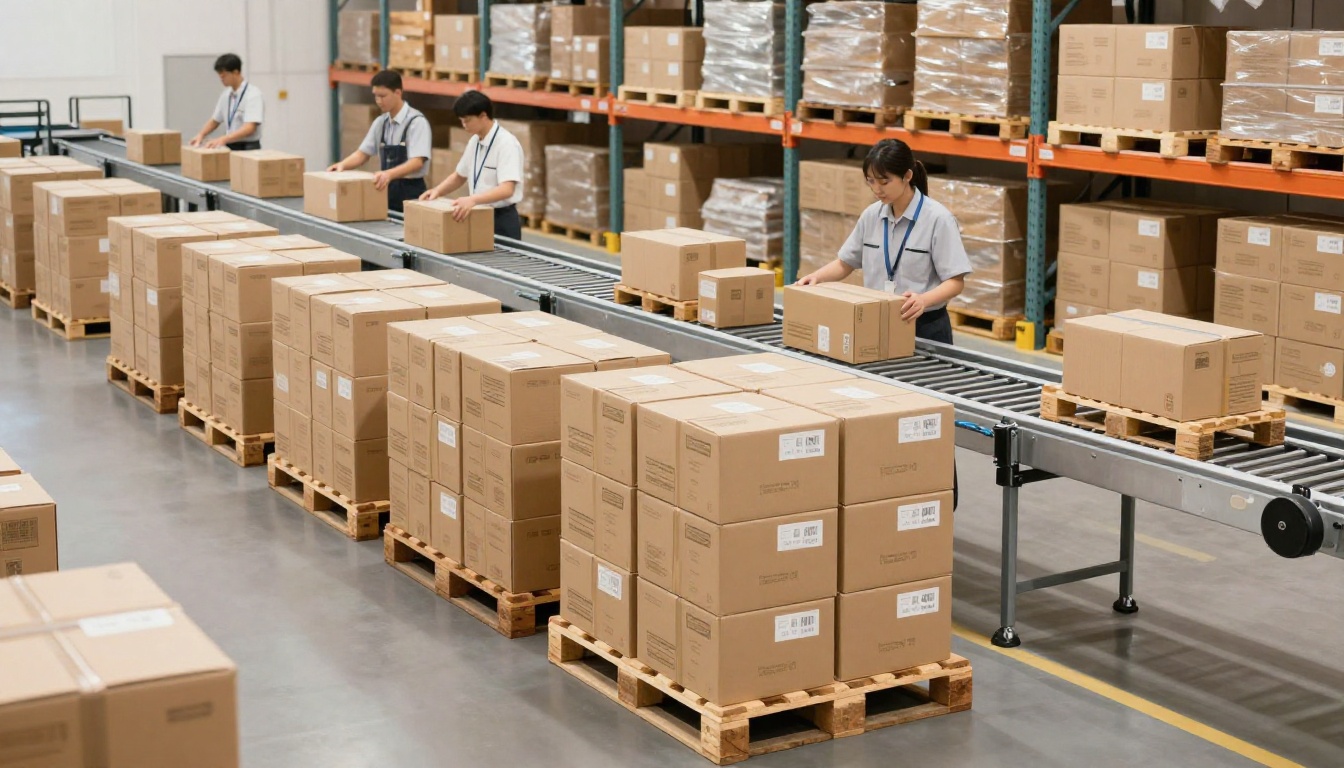
Retail Packaging Services for Shelf-Ready Products and Faster Fulfillment
Retail packaging does a lot more than hold a product. It shapes shelf appeal, protects items in transit, and affects how customers feel the moment they open the box.
When you’re balancing brand standards, assembly, and shipping deadlines, it’s easy for packaging to become a bottleneck. That’s why many companies turn to outside help for packaging and fulfillment services, especially when they need retail-ready prep without adding more strain to their own team.
MSL COPACK + ECOMM is an Indianapolis partner that helps brands handle packaging, assembly, fulfillment, and retail packaging work with more control and consistency. The details matter here, and the right setup can save time while keeping your products ready for store shelves and customer orders alike.
What retail packaging services actually do for your product
Retail packaging does more than wrap a product in a neat box or bag. It helps the item survive shipping, look ready for the shelf, and present your brand in a way buyers trust. When the packaging work is handled well, your product arrives in better shape, moves through retail channels faster, and feels more polished at first glance.
Protecting products through storage, transit, and handling
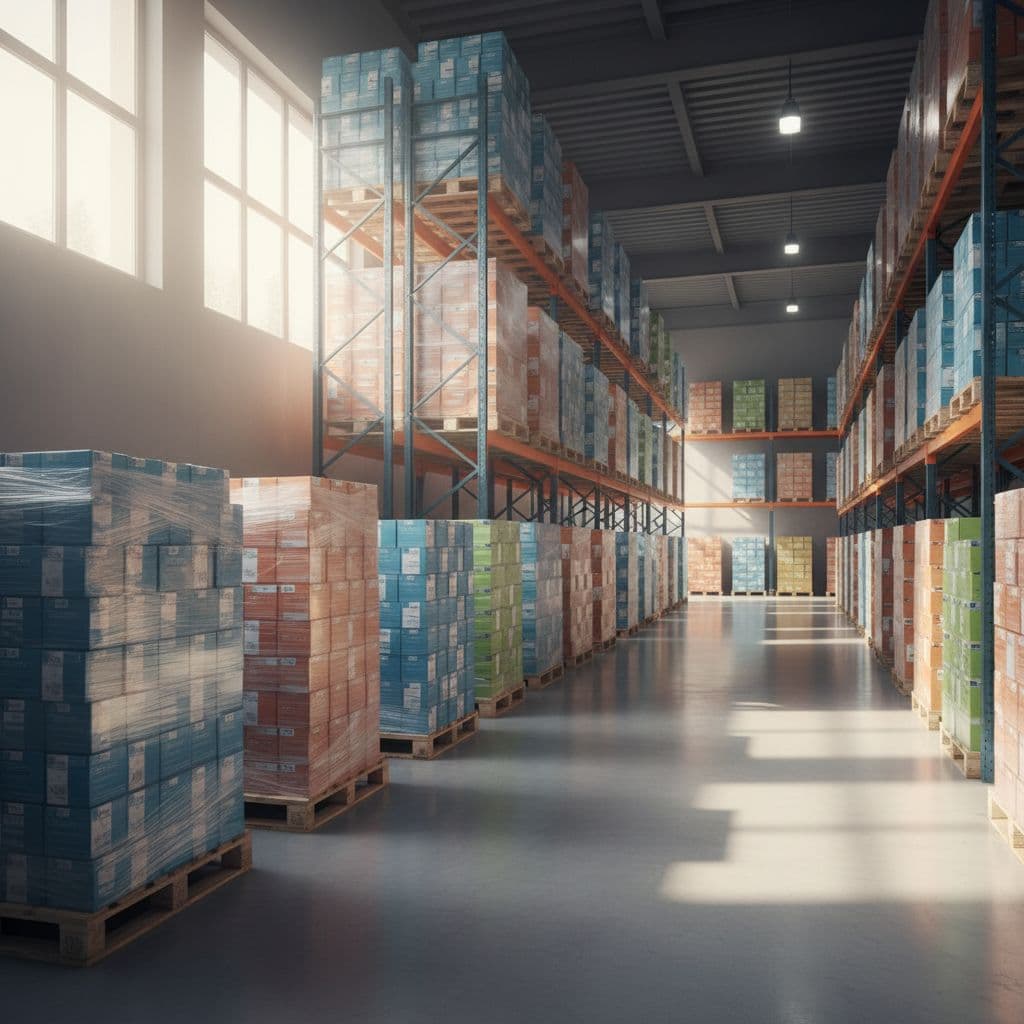
Good packaging starts with protection. Proper materials, careful assembly, and the right secondary packaging help reduce the damage that happens during storage, transport, and repeated handling. That matters whether you’re shipping cases to a retailer, moving inventory through a warehouse, or sending items to customers through distribution and fulfillment services.
Clean, consistent packing also lowers the risk of returns. Fragile items need cushioning and tight fit. Heavy products need stronger corrugated materials and secure sealing. Multi-piece items need organized grouping so nothing shifts, cracks, or goes missing.
A few small details make a big difference:
- Right-sized packaging keeps products from sliding around.
- Secure closures help prevent opening or tampering in transit.
- Secondary packaging adds another layer of defense for retail and shipping.
- Consistent assembly reduces weak points and uneven presentation.
That consistency matters just as much as strength. A neatly packed case looks professional, moves faster through handling points, and gives retail teams fewer problems at receiving. For brands with fragile, heavy, or multi-piece items, packaging is part protection and part quality control.
Making products easier to shop and stock
Retail-ready packaging helps products do their job once they reach the store. It gives shoppers a cleaner first look and helps staff place items quickly without extra sorting. If packaging is easy to identify, easy to open, and easy to display, it supports the full retail process.
Shelf-ready packaging is built for real store conditions. It keeps products lined up neatly, shows important details clearly, and makes replenishment simpler for store teams. When a clerk can stock a case without fixing loose pieces or re-labeling items, your product gets on the shelf faster and with less handling.
That can include:
- Display readiness that lets cases go straight to shelf or peg.
- Clear labeling so teams can find product codes, counts, and placement details fast.
- Neat presentation that keeps the display looking clean after shipping.
Retail buyers and store managers notice that. A tidy package suggests the product will be easier to manage, and that makes it more likely to earn space and stay in place. In other words, packaging does part of the selling before anyone picks up the item.
Packaging that slows down store staff can hurt a product’s chances, even when the item itself is strong.
Supporting brand look and customer trust
Packaging is often the first physical touchpoint a buyer has with your brand. Because of that, it needs to reflect your colors, logo, and product quality with care. A strong retail packaging setup keeps branding consistent across cases, displays, and individual units, so the product looks like it belongs on the shelf.
When packaging matches the brand well, it sends a clear message. Buyers see order, care, and quality before they even open the box. That first impression matters because people often connect the look of the package with the value of what is inside.
This is where retail packaging supports trust:
- It keeps brand colors accurate and consistent.
- It places logos and product details where shoppers can see them.
- It avoids wrinkles, dents, and uneven finishes that make products look rushed.
- It gives the item a more polished feel, which helps buyers feel confident.
Poor packaging can send the wrong signal fast. A crushed carton, messy label, or off-brand display can make a product look cheaper than it is. Retail packaging services help prevent that, so the package supports the sale instead of distracting from it.
When packaging works well, it does three jobs at once. It protects the product, helps store teams handle it, and gives buyers a reason to trust what they see.
Why MSL COPACK + ECOMM is built for retail packaging support
Retail packaging works best when it fits into the rest of your operation, not when it creates another layer of work. That is where MSL COPACK + ECOMM fits in. The team handles packaging with the bigger picture in mind, so your product, inventory, and shipment flow stay aligned.
For brands that need consistent output without adding more in-house labor, that matters. You get a partner that understands how packaging decisions affect storage, order speed, and delivery timing. In practice, that means fewer bottlenecks and less backtracking.
A packaging partner in Indianapolis with logistics know-how
Working with a partner in Indianapolis gives you a clear operational edge. The city is well placed for regional distribution, which helps brands move product faster across the Midwest and into larger national routes. That location matters when speed to market is part of the job.
MSL COPACK + ECOMM brings packaging and supply chain thinking together, which helps keep projects practical. Instead of treating retail packaging as a separate task, the team connects it to receiving, inventory movement, and outbound shipping. That kind of coordination helps reduce wasted time and missed details.
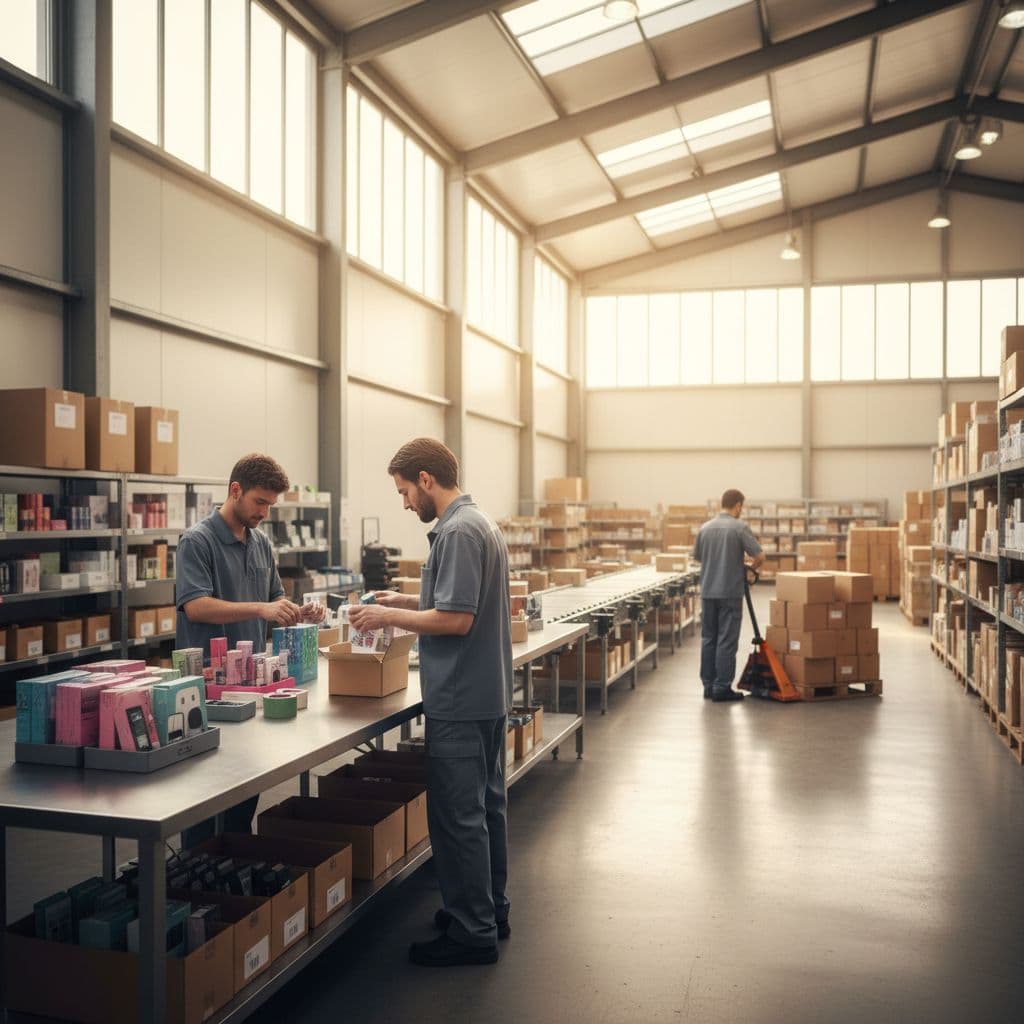
The benefit is simple. When the same partner understands packaging and logistics, you spend less time translating between vendors. You also get a setup that is easier to scale when demand changes.
If your products need assembly support too, professional contract packaging services can keep that work under one roof. That helps brands stay organized while moving product toward shelf or shipment.
More than packing, support across the full order flow
Retail packaging is only one part of the process. Once product arrives, it still has to be stored, picked, packed, checked, and shipped in the right order. MSL COPACK + ECOMM supports those steps together, which helps reduce handoffs and keeps the work moving.
That kind of support matters because handoffs create risk. Each time a product moves to a new team, details can get lost. Labels can change, counts can drift, and timing can slip. A partner that manages packaging, warehousing, fulfillment, and shipping coordination helps keep that chain tight.
A more connected order flow also helps with day-to-day control. You can see how inventory moves, where product sits, and what needs attention next. That makes it easier to respond when a retailer changes a ship date or an ecommerce order spike hits.
In other words, the work stays organized because the same team is helping guide it.
- Warehousing keeps product stored in an ordered system.
- Fulfillment keeps picks, packs, and outbound orders moving.
- Shipping coordination helps reduce delays and mixed instructions.
- Packaging support keeps the product presentation consistent before it leaves.
The fewer times a product gets handed off, the easier it is to keep accuracy and timing under control.
Built for retail, ecommerce, and B2B needs
Many brands sell through more than one channel, and retail packaging has to work across all of them. A store order may need shelf-ready presentation. An online order may need protective packing. A wholesale shipment may need case consistency and reliable counts. One partner can keep all of that aligned.
That is one reason outsourcing makes sense. A single packaging team can help you keep your product look and pack style consistent, even when the destination changes. That helps buyers, store staff, and warehouse teams all work from the same standard.
It also reduces the strain of managing separate workflows for each channel. When retail, ecommerce, and B2B orders run through different systems, packaging often gets patched together. A partner like MSL COPACK + ECOMM helps avoid that split by keeping the process under one operating approach.
For brands that need wider support across the supply chain, distribution and fulfillment services can pair with packaging work to keep orders moving cleanly. That gives you a better handle on volume swings, launch periods, and retailer demands.
The result is a more stable setup for multi-channel growth. Your products stay packaged with the same care, whether they are headed to a store shelf, a customer porch, or a wholesale dock.
Common retail packaging services brands can use
Retail packaging work covers more than one task, and that matters for brands with different sales channels. Some products need to be packed into sets. Others need updated labels, shelf-ready displays, or protective cartons that still look good in front of buyers.
The right mix of services helps your product move through retail faster and look consistent when it gets there. It also keeps your team from spending hours on repetitive manual work that slows launches and eats into labor.
Kitting, assembly, and multi-item packs
Kitting brings separate items together into one ready-to-sell set. That can support promotions, subscription boxes, club packs, seasonal bundles, or special retail sets that need to ship as one unit. Instead of handling each item one by one, the team groups, checks, and packs them in a repeatable way.
That saves time right away. It also cuts down on manual labor, which matters when you have large orders or tight launch dates. For brands with changing promotions, a dependable kitting process keeps the work moving without turning your staff into an assembly line.
A strong kitting setup can handle:
- Promotional bundles that combine products for a limited-time offer
- Subscription packs that need the same items packed the same way every cycle
- Club or gift sets that rely on a neat, uniform presentation
- Multi-item retail kits that have to stay organized through shipping and handling
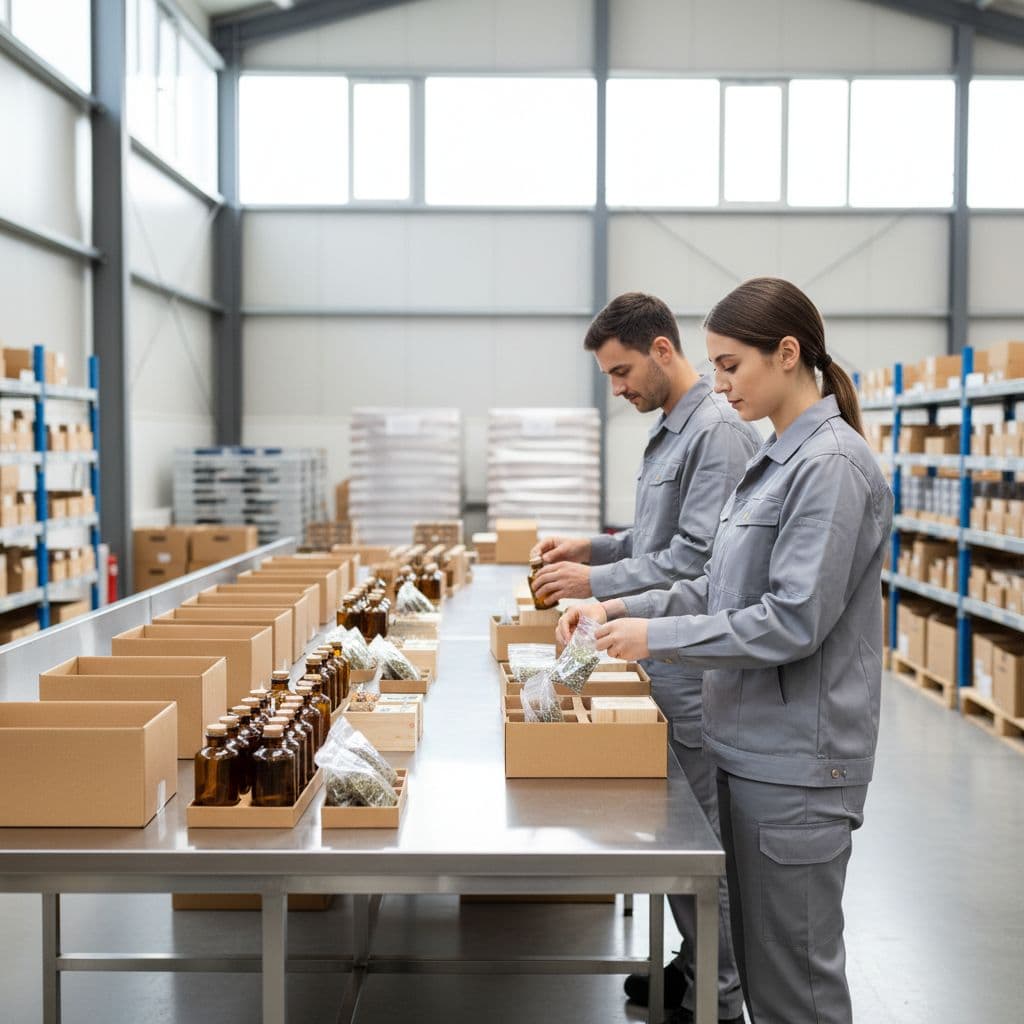
When kitting is done well, it also reduces errors. Missing inserts, uneven counts, and mixed-up items create delays later. A clean assembly process helps you avoid those problems before product leaves the building.
Labeling, over-labeling, and repackaging
Labeling work helps products meet retail rules and fit the right sales channel. That may mean adding barcode labels, updating ingredients or warnings, covering old packaging details, or applying new stickers for a specific retailer. It can also mean repackaging a product when the original format does not match the next channel.
Over-labeling is useful when product information changes but the base package stays the same. Repackaging helps when a product needs a new look for a new store, market, or promotion. In both cases, accuracy matters. One wrong label can slow receiving, cause chargebacks, or create confusion on the shelf.
That is why consistency counts so much. Every unit needs the same placement, the same text, and the same finish. When that happens, the product looks organized and retail-ready instead of patched together.
This type of work is often paired with labeling and product packaging services when brands need clear, repeatable packaging support. It helps keep the message on the pack aligned with the product inside.
Display assembly and custom retail presentation
Retail display work helps products arrive ready for the shelf, the endcap, or the checkout area. That includes POS display assembly, POP builds, and retail-ready packaging that makes setup easier for store staff. When a retailer opens the carton, they should find a display that is easy to place and simple to fill.
That kind of support saves time for the retailer and improves the look of the store. A clean display is easier to stock, easier to shop, and more likely to stay neat after the first few customers touch it. For brands, that creates a stronger first impression without adding work at the store level.
Retail display projects often need a partner that can handle both assembly and presentation. MSL COPACK + ECOMM offers POS and POP assembly services that help products arrive ready for placement, not just delivery.
A display that is easy to open and easy to stock gives your product a better chance to stand out.
When the presentation is done right, the shelf does some of the selling for you. That matters in crowded aisles where buyers move fast and store teams have little time to fix packaging problems.
Blister packaging, corrugate, and primary filling
Different products need different packaging formats, and a good retail packaging partner should be able to handle several of them. Blister packaging works well for small items that need visibility and protection. Corrugate is a strong choice for shipping, bundling, and shelf-ready protection. Primary filling supports products that need to be packed into their main container before they move into the next stage.
These formats solve different problems. Blister packs help keep items secure and visible. Corrugated packaging protects during transit and stacking. Primary filling supports products that must be handled cleanly and consistently before final retail packing.
That flexibility matters when your lineup includes more than one product type. A brand may need a protective pack for one item and a branded presentation for another. With the right setup, those jobs stay under the same process, which keeps production more controlled and easier to manage.
Retail packaging works best when it matches the product, the channel, and the amount of handling the item will face. When that fit is right, the package does its job without slowing the rest of the flow.
How the right packaging setup can improve operations and sales
A strong packaging setup does more than make products look polished. It helps your team work faster, keeps orders accurate, and makes retail-ready items easier to stock and sell. When the process is built well, packaging supports both the back end and the buying experience.
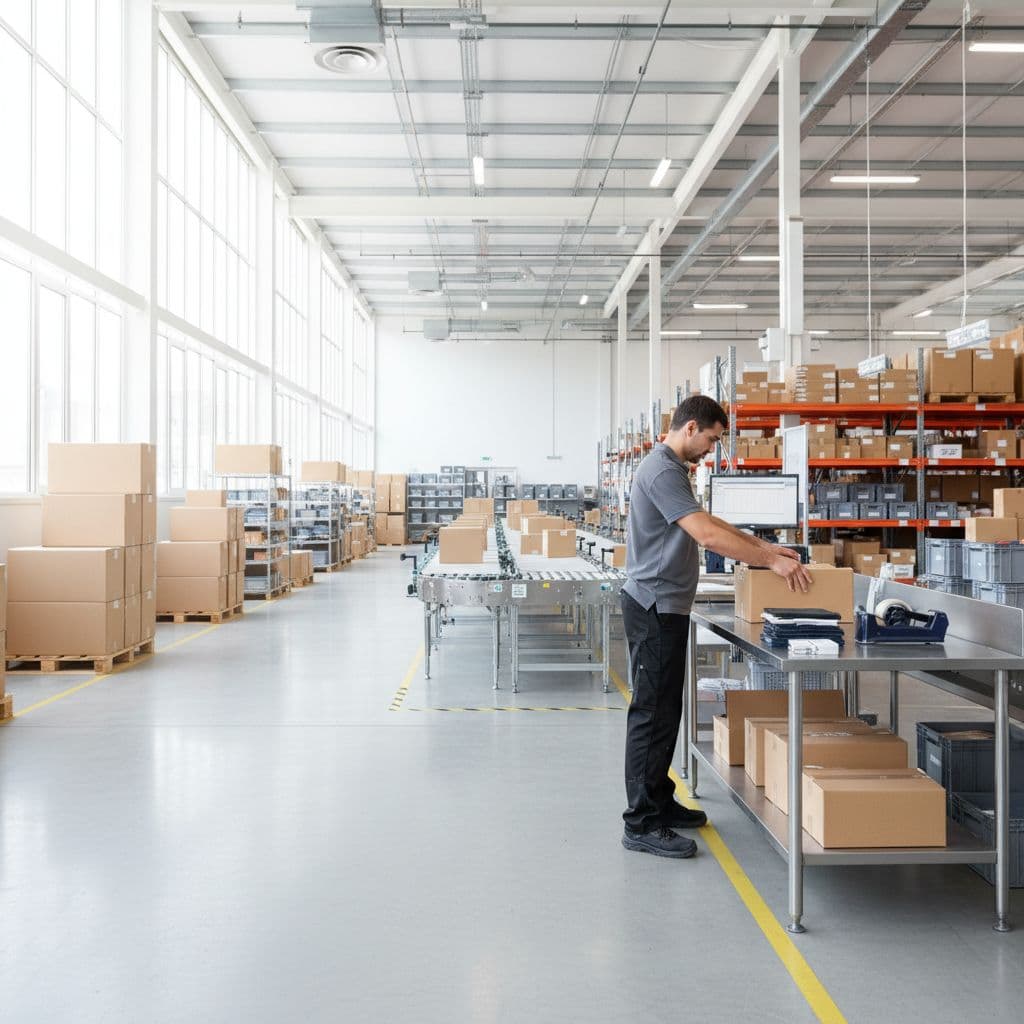
The business value shows up in everyday ways. Staff spend less time fixing problems, retailers get products that are easier to handle, and customers see a cleaner, more professional product on the shelf. That mix of efficiency and presentation can make packaging a direct part of revenue, not just a cost line.
Reducing wasted time and manual work
When packaging and assembly happen in-house without the right setup, small delays pile up fast. People stop to sort parts, recheck counts, and fix packaging issues that should have been prevented earlier. Outsourcing that work frees internal staff to focus on higher-value tasks and shortens production timelines.
It also smooths out the flow of work. Instead of one team getting stuck behind another, packaging moves through a repeatable process with fewer bottlenecks. That means fewer handoffs, less waiting, and a better pace across the whole operation.
For many brands, this is where integrated packaging and fulfillment makes a real difference. When packaging fits into the rest of the order flow, the entire process feels easier to manage.
A better setup can help you:
- keep labor focused on work that needs in-house attention
- reduce delays caused by manual assembly
- move products through packaging and shipment more quickly
- keep the workflow steady during busy periods
In short, the right packaging system helps teams spend less time recovering from problems and more time moving product.
Lowering errors and avoiding rework
Trained packaging teams help prevent the mistakes that cost time and money. Mixed-up items, missing parts, and uneven presentation are more than small annoyances. They lead to rework, waste, and a product that reaches the customer in worse shape than it should.
Accuracy matters most when products include multiple pieces or retail-facing components. A clean process keeps counts right, parts together, and labels in the right place. That lowers the chance of returns, restarts, and wasted materials.
Just as important, a consistent packing method creates a more uniform result. Every unit looks the same, which helps buyers trust what they see and helps retail teams receive stock without extra sorting. If your operation needs help reducing packaging mistakes and damage, packaging efficiency solutions can support that goal.
Fewer errors at the pack table usually mean less waste across the rest of the chain.
That matters because waste adds up in more than one place. It uses labor, slows output, and can hurt shelf-ready presentation before the product ever reaches the store.
Creating a better buying experience
Retail packaging also shapes how customers feel about your product. A clean, easy-to-open package gives a better first impression, and a well-presented item feels more reliable on the shelf. Shoppers notice that right away, even if they never say it out loud.
Clear packaging helps products stand out fast. It makes the item easier to identify, easier to understand, and easier to pick up. That simple clarity can support impulse buys, repeat purchases, and stronger brand trust.
The unboxing moment matters too. If the package opens neatly and the product arrives in good shape, the customer starts with a positive experience. That small win can influence how they view the brand long after the sale.
Good retail packaging supports the full customer journey by:
- catching attention at first glance
- making the product easy to recognize
- protecting the item during handling
- leaving a cleaner impression at unboxing
When packaging works this way, it does more than protect inventory. It helps the product sell better, look better, and feel better in the customer’s hands.
What to look for when choosing a retail packaging partner
Choosing a retail packaging partner is about more than price and turnaround. You need a team that understands shelf-ready products, can keep up with demand swings, and communicates clearly when timing gets tight. The right fit should make your operation easier, not add another layer of guesswork.
Look for a provider that can handle your product mix, support multiple channels, and keep quality steady across every run. If they can do that, they’re more likely to protect your brand and your schedule at the same time.

Can they handle your product type and order volume?
Fit matters because retail packaging is rarely one-size-fits-all. A partner that works well for standard cartons may not be the right choice for fragile goods, mixed SKUs, or products that need special handling. If your orders spike during holidays or promotions, you also need a team that can scale without dropping the ball.
Ask how they handle volume changes, short runs, and repeat programs. A good partner should be flexible enough to support a product launch, then ramp up again when demand rises. That matters just as much as the packaging itself.
It also helps to know whether they can manage different pack styles within the same account. For example, one product may need kitting, while another needs over-labeling or shelf-ready case packing. When one provider can handle those shifts, your team spends less time coordinating across vendors.
A quick way to compare providers is to look at:
- Product fit for fragile, heavy, multi-piece, or odd-shaped items
- Volume range for small runs, steady replenishment, and seasonal spikes
- Flexibility when orders change or retailer requirements shift
- Scalability as your product line grows
The best partner is the one that can keep pace when your demand changes, not just when things are stable.
Do they support retail and ecommerce at the same time?
Many brands sell through stores and online channels at once, so packaging needs to work in both places. A partner that understands POP and POS retail display packaging can help keep retail presentation consistent while still supporting the demands of ecommerce fulfillment. That makes life easier for your team and cleaner for your brand.
One team across multiple sales paths means fewer handoffs, fewer version changes, and fewer chances for packaging drift. Your retail cartons, shipping materials, and product presentation stay aligned instead of looking like they came from different systems. That consistency matters when buyers see the same product in a store, then again in a box at home.
It also simplifies planning. When the same partner handles both channels, you can build around one process instead of juggling separate vendors for store orders and direct-to-consumer shipments. That usually saves time, cuts confusion, and helps your operations stay organized as sales patterns shift.
Are quality checks and communication strong enough?
Strong output starts with clear process control. You want a partner that checks counts, verifies labels, and reviews finished packs before they leave the line. If quality slips, delays and rework show up fast, and retail deadlines are rarely forgiving.
Communication matters just as much. The provider should answer questions quickly, flag problems early, and explain what they need from you before production starts. If you have to chase updates, that’s a warning sign.
A reliable partner should be able to talk through:
- Packaging specs and approval steps before work begins
- Retail compliance needs so the product meets the right requirements
- Lead times and what happens if timing changes
- Issue reporting when something needs attention
This is where practical experience shows. A strong team won’t wait until the end to raise a problem, and they won’t leave you guessing about status. Instead, they keep the work moving and give you a clear view of what’s happening.
If your packaging partner can prove they understand your product, handle your volume, and stay responsive, you’re in much better shape. That kind of support keeps retail packaging steady, protects your deadlines, and gives your products a better shot at arriving shelf-ready the first time.
Conclusion
Retail packaging does its best work when it protects the product, supports the shelf, and keeps the order flow moving. When the pack is right, the product arrives ready to sell and easier to trust.
MSL COPACK + ECOMM gives brands one Indianapolis partner for packaging, kitting, fulfillment, and retail-ready support. That kind of setup keeps the process more efficient while helping products look polished and shelf-ready.
For brands that need fewer handoffs and more control, that combination matters. It keeps the work organized, the presentation consistent, and the product ready for the next step.
