
Custom Boxes for E-Commerce: Fit, Protection, and Speed to Ship
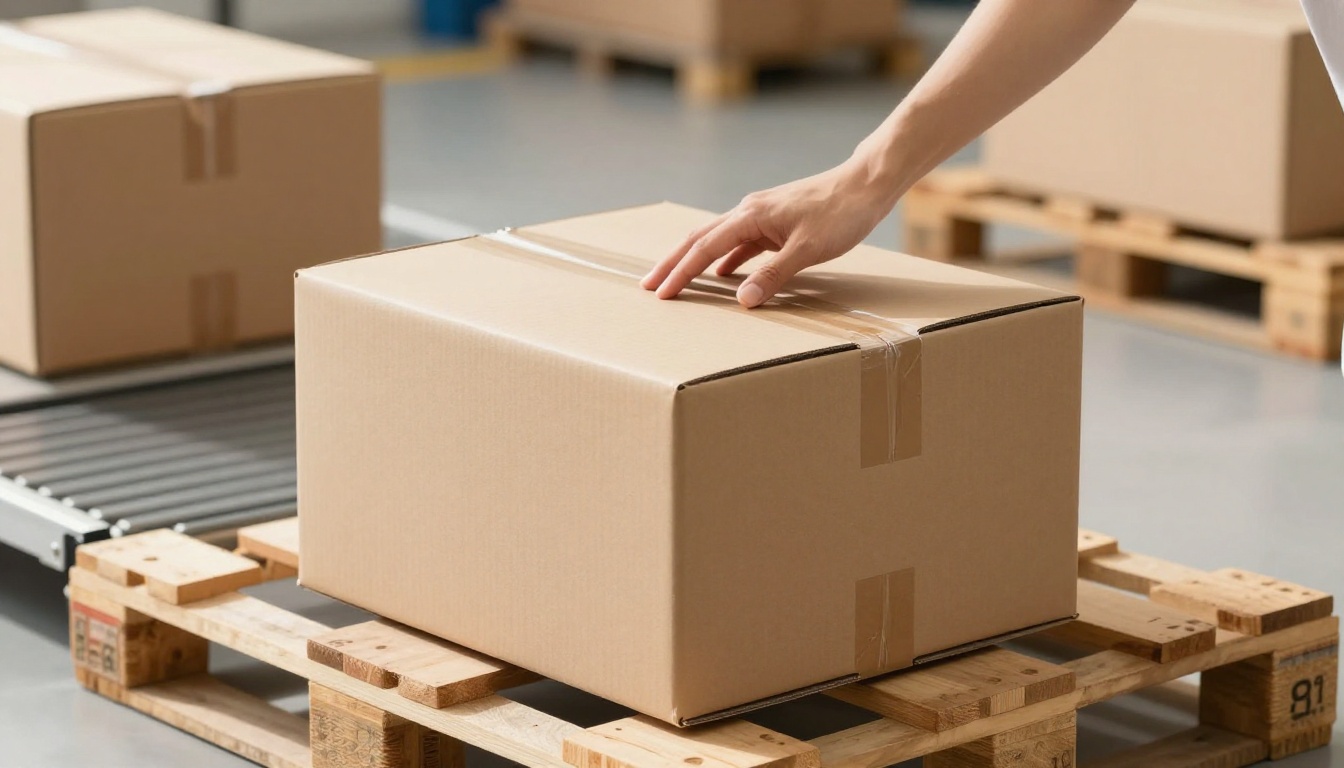
Custom boxes do more than hold a product, they shape how well it ships, how it looks on arrival, and how much time your team spends packing orders. When a box fits the product, you cut down on damage, wasted material, and awkward packing steps that slow everything else down.
That matters even more when your brand has to balance protection, presentation, and speed to market. MSL COPACK + ECOMM helps companies design and build packaging that fits the product and the shipping process, so the box works for both your warehouse and your customer. If you’re weighing packaging options, custom packaging solutions can be a practical place to start.
In the sections ahead, you’ll see when custom boxes make sense, what goes into the process, and how the right packaging can support better protection, stronger presentation, and faster shipping.
What custom boxes do for your product and your brand
Custom boxes do more than hold a product on the way to the customer. They shape how well the item fits, how safely it travels, and how the buyer feels when it arrives.
That matters because packaging pulls double duty. It has to protect the product in transit and present the brand clearly at first touch. When those two jobs line up, the order feels more polished, and the whole buying experience gets stronger.

Why a better box fit reduces damage and waste
A box that fits well keeps the product in place during storage, handling, and shipping. That means less shifting, less crushing, and fewer chances for breakage when boxes move through a warehouse or truck.
Oversized packaging creates extra empty space, so products can bounce around and need more filler to stay protected. A right-sized box does the job with less paper, less plastic, and less wasted carton material. If you want a packaging approach built around the product itself, professional contract packaging services can help match the structure to the item, not the other way around.
A better fit also helps with cost control. You use less material, pack faster, and lower the risk of returns tied to shipping damage. That is a practical win for both operations and customer satisfaction.
How custom packaging helps customers remember your brand
Standard packaging gets the product there, but custom packaging helps people remember who sent it. Color, print, logo placement, and box shape all create a first impression before the product is even opened.
A clean, branded box can make a small business feel more established and a larger brand feel more consistent. Even simple design choices, like a sharp logo on the lid or a bold brand color on the outside, make the package easier to spot and easier to recall later.
You do not need heavy graphics to make an impact. Often, the best design is clear and intentional:
- Consistent colors make the box feel tied to the brand.
- Visible logo placement helps customers recognize the package right away.
- Clean print quality makes the product look more professional.
- Simple structure keeps the presentation neat instead of cluttered.
When the package looks considered, the product inside feels more valuable too. That can influence how customers talk about it and whether they come back for another order.
Why the unboxing moment matters for e-commerce
The unboxing moment is part of the product experience, not just the shipping process. A package that opens cleanly and looks good inside can turn a routine delivery into something customers remember.
That matters because people share experiences they enjoy. A well-designed box can lead to social posts, photos, and word-of-mouth that you did not have to buy. Just as important, it can make the customer feel like the order was handled with care.
For e-commerce brands, that feeling can support repeat sales. When packaging is easy to open, protects the item, and looks good on arrival, the whole purchase feels more complete. Customers may not name the packaging directly, but they remember the experience it creates.
In short, custom boxes help your product arrive safely and help your brand leave a stronger impression. When the box fits the item, looks on-brand, and makes opening the order feel intentional, it supports both protection and loyalty.
When MSL COPACK + ECOMM is the right partner for custom boxes
Custom boxes make the most sense when packaging starts creating more work than it solves. If your team is juggling growth, new launches, or tighter shipping demands, outside help can make the process easier to manage.
That is where a partner like MSL COPACK + ECOMM fits in. With packaging, co-packing, warehousing, and shipping coordination under one roof, the right team can help you plan the box, produce it consistently, and move it through fulfillment without extra handoffs.
Signs your team has outgrown standard packaging
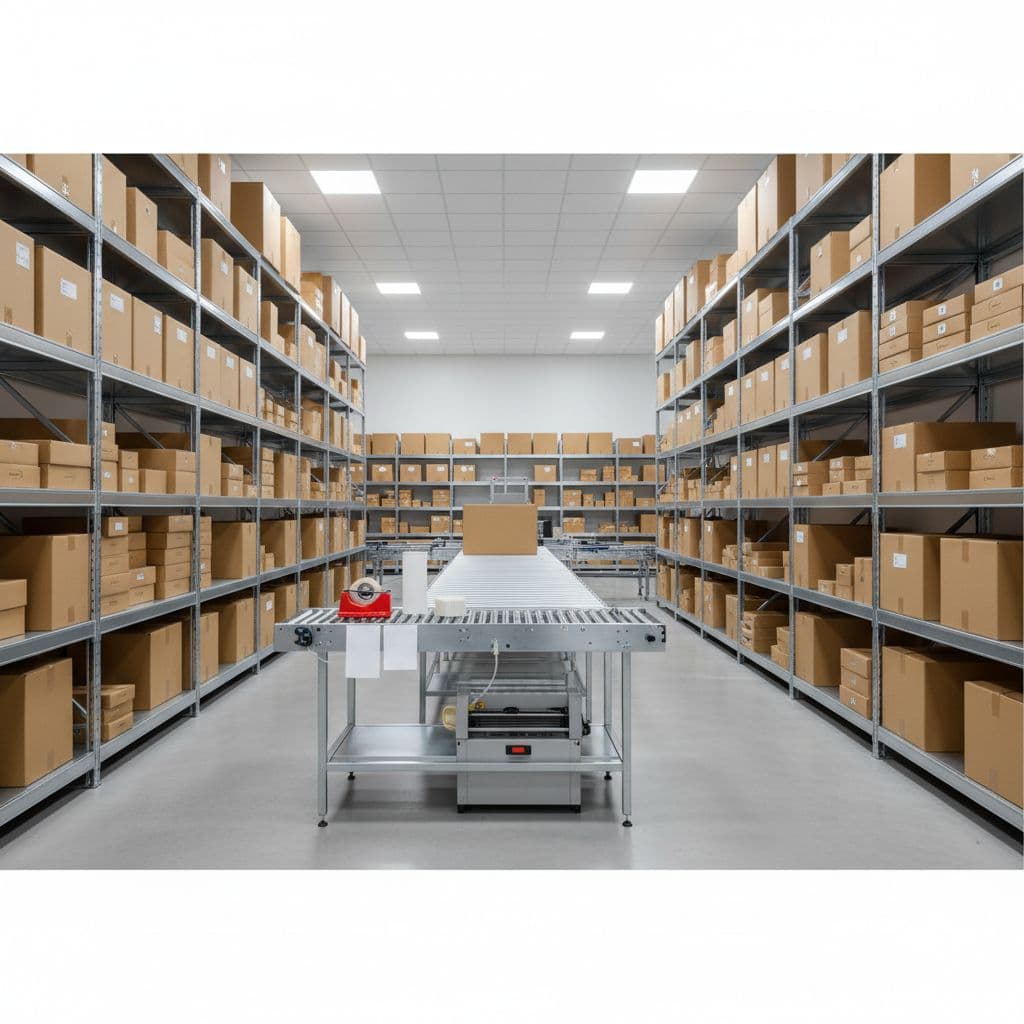
Standard packaging works until it starts slowing down the rest of the operation. You may notice some orders are packed one way, while others get handled differently, which creates uneven results and more room for error.
Damage is another clear warning sign. When products arrive dented, crushed, or loose in the box, the packaging no longer matches the item, and returns start eating into margin.
Other signs are harder to ignore:
- Packing times keep rising because the box never seems to fit quite right.
- Material waste keeps climbing because you need extra filler to make up for poor fit.
- The brand feels off because the box looks generic, outdated, or inconsistent with the product.
- Seasonal volume causes stress because your current setup cannot keep up.
Once those problems show up together, custom boxes are usually a smart next step. They help the packaging match the product, the brand, and the pace of your business.
How co-packing support can speed up production
Custom packaging gets easier when a co-packer handles part of the load. Instead of buying more in-house equipment or adding more labor, you can tap into a team that already knows how to pack, assemble, and prepare orders at scale.
That matters during product launches. You can move faster because the packaging process is already set up, tested, and ready for repeat runs. It also helps when demand shifts, since a co-packing partner can adjust output without forcing you to expand your own facility.
A steady partner also protects quality. When the same process runs the same way each time, boxes stay consistent, which means fewer mistakes and better presentation. If you want a closer look at that kind of support, distribution and fulfillment services can connect packaging work with storage, picking, and shipping.
That combination gives you room to grow without building a larger operation around packaging alone.
Why location and logistics matter for Indianapolis businesses
Local support matters when packaging and shipping need to stay in sync. For Indianapolis businesses, working with a nearby partner makes it easier to coordinate warehousing, order flow, and box production without long delays or constant back-and-forth.
It also improves visibility. When the same team helps manage packaging and fulfillment, you get a clearer view of inventory, output, and shipping timing. That helps Midwest-based brands react faster when demand changes or a launch date moves.
Communication is easier too. You can solve problems sooner, confirm details faster, and keep package changes aligned with shipping plans. For brands that sell across the region, that kind of coordination can save time at every step.
When the goal is to ship faster without losing control, a local partner gives you practical support, not just boxes.
The steps involved in building custom boxes the right way
Building custom boxes works best when you treat it like a process, not a guess. The box has to fit the product, protect it in transit, and still move through packing fast enough for real orders.
That starts with clear input. Before anyone draws a box or prints a sample, you need to know what the item is, how it ships, and what problem the packaging has to solve.
Start with the product details and shipping needs
The first step is simple, but it matters most. You need a full picture of the product before the box gets designed.
Size, shape, weight, and fragility all affect the structure. A small but heavy item needs different support than a light, bulky one. A fragile product may need inserts, while a stackable item may need a tighter carton and less filler.
Storage conditions matter too. If the product sits in a humid warehouse, the box material and coating need to hold up. If it ships across multiple climates, the packaging should stay strong during storage, handling, and transit.
The best custom box matches how the item is packed, stored, and shipped, not just how it looks on a desk.
This step also helps you define the packaging goal. Are you trying to cut damage, speed up packing, improve shelf appeal, or lower shipping cost? Once that answer is clear, the rest of the decisions get easier.
A good brief usually includes:
- Product dimensions and weight
- Any fragile or sharp edges
- How the item is packed inside the box
- Storage or moisture concerns
- Shipping method and destination type
- Branding needs for the outside and inside of the box
That information keeps the box from being too large, too weak, or too complicated for your team to use.
Choose materials, structure, and finishing options
Once you know the product, you can choose the right box style and build. This is where durability, look, and cost have to work together.
Corrugated strength is one of the biggest decisions. Lightweight items may do fine with a simple mailer or lighter board, while heavier or breakable items need stronger corrugated material. The goal is to use enough strength to protect the item without overspending on unnecessary material.
The structure matters just as much. Some products work better in a tuck-top mailer, while others need a fold-up shipping box or a design with inserts. If the item moves around, the box should stop that motion before it becomes damage.
Finishing options help shape the customer experience. Coatings can add moisture resistance or improve the feel of the box. Print style can stay minimal and clean, or it can carry more brand color and detail. Inserts can hold the product in place and make packing faster.
A good choice here balances three things:
| Decision area | What to consider | Why it matters |
|---|---|---|
| Material strength | Product weight, fragility, transit length | Prevents crushing and breakage |
| Structure | Box style, inserts, fold pattern | Affects packing speed and product fit |
| Finishing | Coating, print, branding | Shapes look, protection, and cost |
You do not need the fanciest option. You need the version that protects the product, fits the workflow, and still makes sense on the cost sheet.
Test the box before a full run
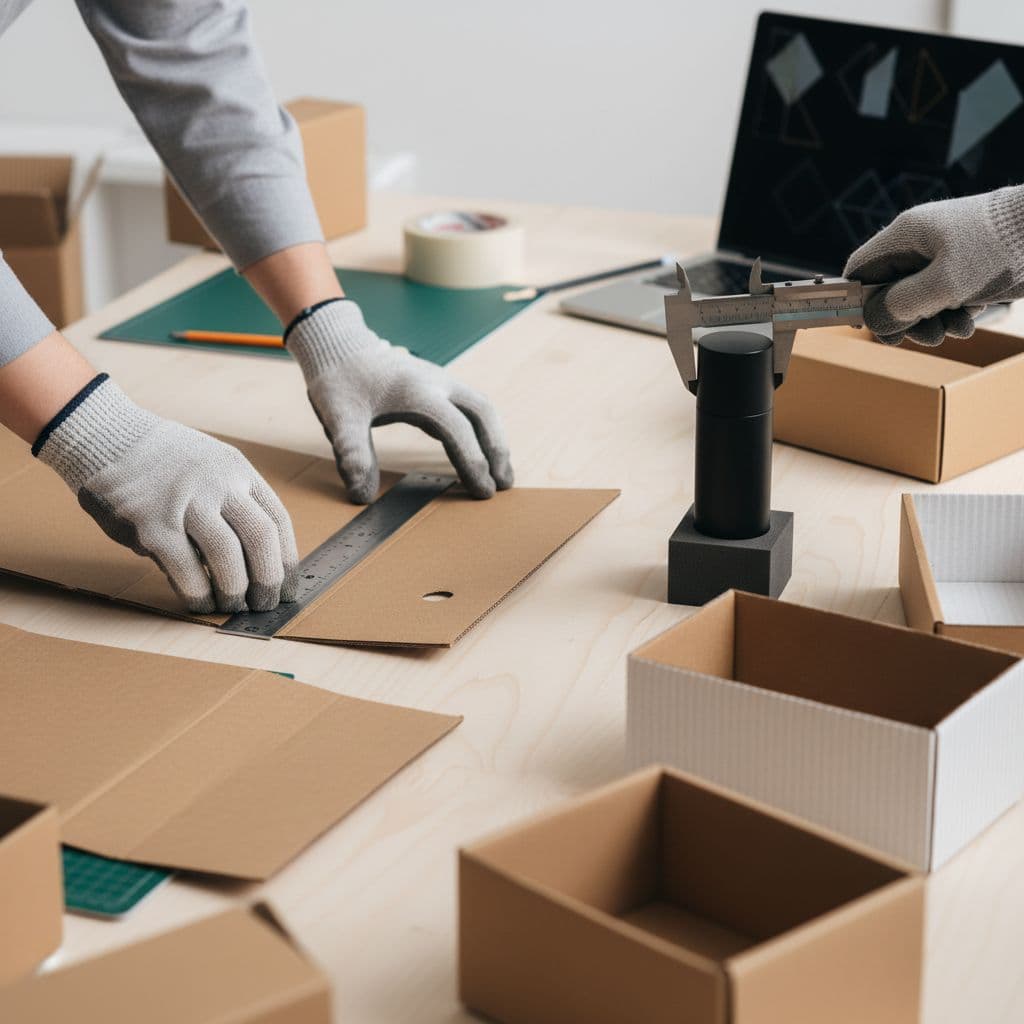
A small test run can save a lot of money later. Before you order a large production batch, build samples and put them through real use.
Start with fit checks. The product should slide in without force, but it should not rattle around either. If the box takes too much effort to pack, your team will feel it on every order.
Next, test protection. Drop tests, corner checks, and simple handling tests can show weak points before the box ships to customers. Even a short test run can reveal if an insert shifts, a flap opens too easily, or a corner collapses under pressure.
Packing speed matters too. A box that protects well but slows down the line can still cause problems. Watch how long it takes to assemble, fill, close, and seal the package. If the process feels awkward, the design needs another round of adjustment.
Small tests help you catch issues early:
- The product may fit too tightly or too loosely
- The box may use more filler than expected
- The closure may slow down packing
- The print or finish may show flaws in real use
When the sample works, you can approve the final version with more confidence. That last step matters because it gives your team a clear standard before the full run begins. A well-tested box is easier to produce, easier to pack, and far less likely to create avoidable returns.
How custom boxes fit into packing, fulfillment, and shipping
Custom boxes do more than protect the product. They affect how orders move through the warehouse, how fast teams can pack them, and how cleanly they reach the customer.
When the box fits the workflow, every step gets easier. Kitting takes less effort, pick-and-pack feels more organized, and shipping looks more predictable because the package already matches the item inside. That kind of fit matters when your operation handles mixed orders, bundles, or repeat fulfillment runs.
Making boxes work with kitting and assembly
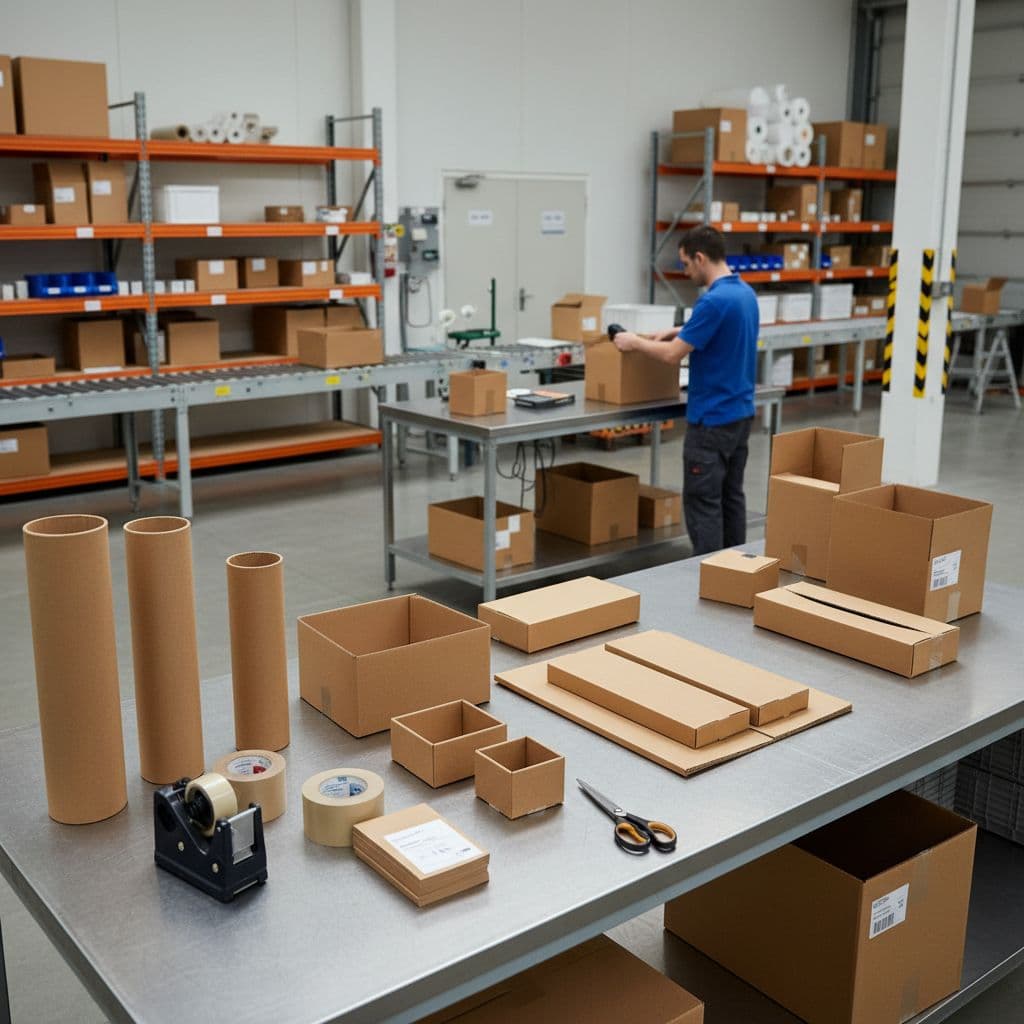
Custom packaging is especially useful when you sell bundles, starter kits, promotional packs, or multi-SKU orders. Instead of forcing different parts into a one-size-fits-all carton, you can build a box around the way the product is sold and packed.
That makes kitting smoother. A team can place related items into a box with the right inserts, dividers, or compartments, then close it without extra rearranging. It also helps with assembly because the same box structure can be used again and again, which keeps the process consistent across shifts and order types.
The payoff shows up quickly with products like:
- Product bundles that need to stay grouped together
- Starter kits with several small items that must arrive in one clean set
- Promotional packs that need a neat, branded presentation
- Multi-SKU orders where parts need to be separated but still ship together
When the packaging is easy to assemble, your team spends less time fighting the box and more time moving orders. That consistency also lowers the chance of missing a piece or packing a kit the wrong way. If kitting is part of your operation, warehouse kitting services can help connect the packaging design to the way orders are built.
Keeping fulfillment fast without losing quality
Speed matters in fulfillment, but speed alone is not enough. The right packaging setup helps workers pack faster while still protecting the product and keeping the presentation clean.
A box that opens easily, folds in the same way every time, and needs less filler saves seconds on every order. Those seconds add up fast when your team is handling dozens or hundreds of shipments a day. At the same time, a snug fit keeps the item stable, which means fewer dents, fewer loose returns, and fewer customer complaints.
A good setup also supports cleaner packing stations. When the box size is right, staff do not have to hunt for oversized cartons or overfill empty space with extra material. The result is a more orderly workflow and a better-looking package.
A good packing flow usually depends on a few simple things:
- The box is easy to identify at a glance.
- The product fits without extra rearranging.
- Inserts or padding are already matched to the item.
- The box closes cleanly and stays secure in transit.
The faster your team can pack without reworking each order, the more reliable your fulfillment becomes.
That matters across the whole process, not just at the packing table. Better packing flow helps shipping keep pace, which keeps delivery promises on track.
Using inventory space more efficiently
Custom boxes also help you use warehouse space better. When box sizes match the products you ship, you reduce storage clutter and make inventory easier to organize.
Oversized cartons take up room, and mixed box sizes can create mess fast. A tighter packaging plan gives you clearer storage zones, cleaner shelves, and less time spent sorting through stacks of unused materials. It also makes inventory counts simpler because your team knows what box goes with which product or kit.
That kind of order helps pick-and-pack too. Workers can pull the right box faster when packaging is grouped by item type or order type. As a result, the whole warehouse runs with less friction and fewer mistakes.
For operations that manage frequent stock movement, a clear packaging system can look like this:
| Packaging choice | Operational benefit |
|---|---|
| Right-sized cartons | Less wasted shelf space |
| Dedicated kit boxes | Faster assembly and easier counting |
| Standardized inserts | Simpler replenishment and less confusion |
| Clear box sizes by SKU | Faster picking and fewer packing errors |
This kind of planning keeps packaging from becoming a loose pile of supplies. It becomes part of the inventory system itself, which supports packaging and fulfillment services and makes daily shipping easier to manage.
When custom boxes are built into the fulfillment plan, the operation works as one chain instead of separate steps. The box supports assembly, the warehouse stays organized, and shipping moves out with less waste and less delay.
What to look for in a custom box partner
A strong custom box partner does more than quote materials and print artwork. The right company understands your product, your packing process, and the pressure that comes with getting orders out on time. That matters because the box is only one piece of the job. If the partner can’t support the full workflow, small mistakes can turn into damaged products, late shipments, and extra labor.
Look for a team that asks practical questions, gives clear answers, and knows how packaging fits into fulfillment. That mix is what keeps the box useful after the sample looks good on a desk.
Look for experience across packaging and fulfillment
A partner with experience in both packaging and fulfillment sees the full path an order takes. They know how a box design affects kitting, packing speed, storage space, and shipping prep. That wider view helps them solve problems before they show up in the warehouse.
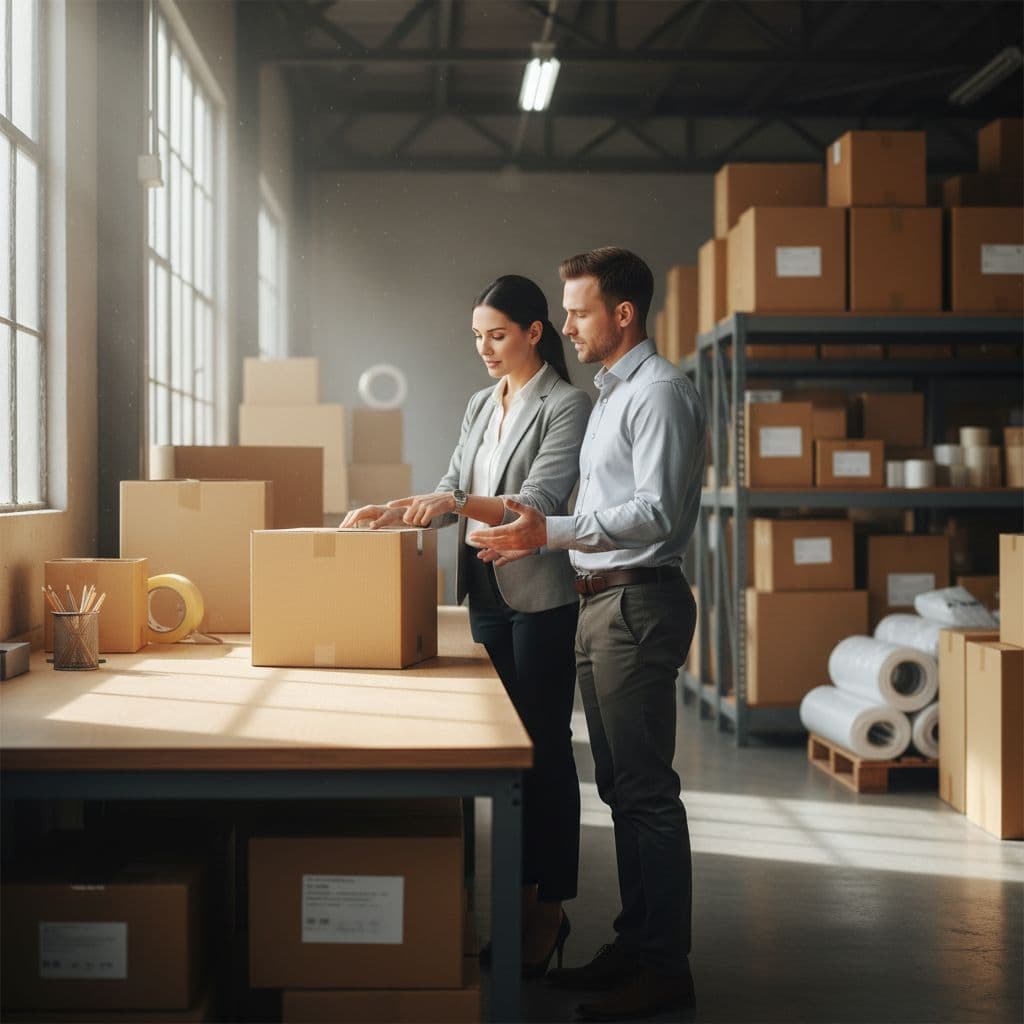
This matters because box design and order handling are tied together. A great-looking box that slows packing is still a problem. A partner who understands both sides can reduce handoff errors, cut rework, and keep the process moving.
Ask whether they understand tasks like:
- Kitting and assembly for multi-item orders
- Packing line flow and how box design affects speed
- Warehousing needs for storing cartons and inserts
- Shipping coordination when order volume changes
That kind of knowledge is hard to fake. A partner who has lived inside the process can spot weak points faster and recommend packaging that fits real operations. If you want a model for that connected approach, integrated packaging and fulfillment solutions are worth reviewing.
Ask how they handle quality control and timing
Consistency matters just as much as design. Your custom boxes should arrive the same way every time, with the same fit, print quality, and material strength. If one run looks right and the next run doesn’t, your team pays for it in delays and extra checks.
Timing is a business issue, not just an operations detail. Late packaging can hold up launches, create stock gaps, and force your team to rush orders that should have been predictable. A good partner sets clear production checks and gives realistic timelines, then sticks to them.
Reliable packaging partners don’t just promise quick turnaround. They build a process that keeps each run on schedule and on spec.
Ask how they check for problems during production and before shipping. You want to hear about sample approval, measurement checks, print review, and final inspection. Those steps protect your order flow and keep surprises out of the warehouse.
A dependable partner should also be transparent when a delay happens. Clear communication lets you adjust inventory, reschedule a launch, or plan a better shipping window. Without that, timing problems spread fast.
Choose a partner that can grow with your brand
The right packaging company should fit where your brand is now and where it may go next. Maybe you’re starting with a small launch and only need a limited box run. Later, that same product may need larger quantities, new inserts, or seasonal packaging changes.
Flexibility matters because ecommerce rarely stays still. Holiday spikes, new product lines, and bundle changes can all affect what your packaging needs to do. A partner that can adjust with you keeps you from rebuilding the whole process every time demand shifts.
Look for signs they can support growth:
- They can handle smaller test runs without treating you like a low-priority account.
- They can scale production when order volume rises.
- They can adapt packaging for new products, inserts, or shipping methods.
- They understand how packaging changes affect fulfillment and storage.
A good partner also thinks ahead about inventory and replenishment. That helps you avoid running short during busy periods or overbuying boxes that no longer fit the business. In other words, the best fit is a partner who supports both today’s launch and next quarter’s growth.
Conclusion
Custom boxes do more than ship a product. They help protect it, shape the first impression, and keep fulfillment moving without extra friction. When the fit is right, the brand looks sharper, the package holds up better, and the packing process stays cleaner.
That matters for growing e-commerce brands that need consistency as much as presentation. A well-built box supports the product, and it also supports the team behind every order. For brands that want packaging tied to the full order flow, end-to-end fulfillment services can make that work easier to manage.
The best next step is simple: choose a packaging partner that understands both the box and the operation behind it. MSL COPACK + ECOMM helps brands build custom boxes that support growth, speed, and consistency where it counts.
