
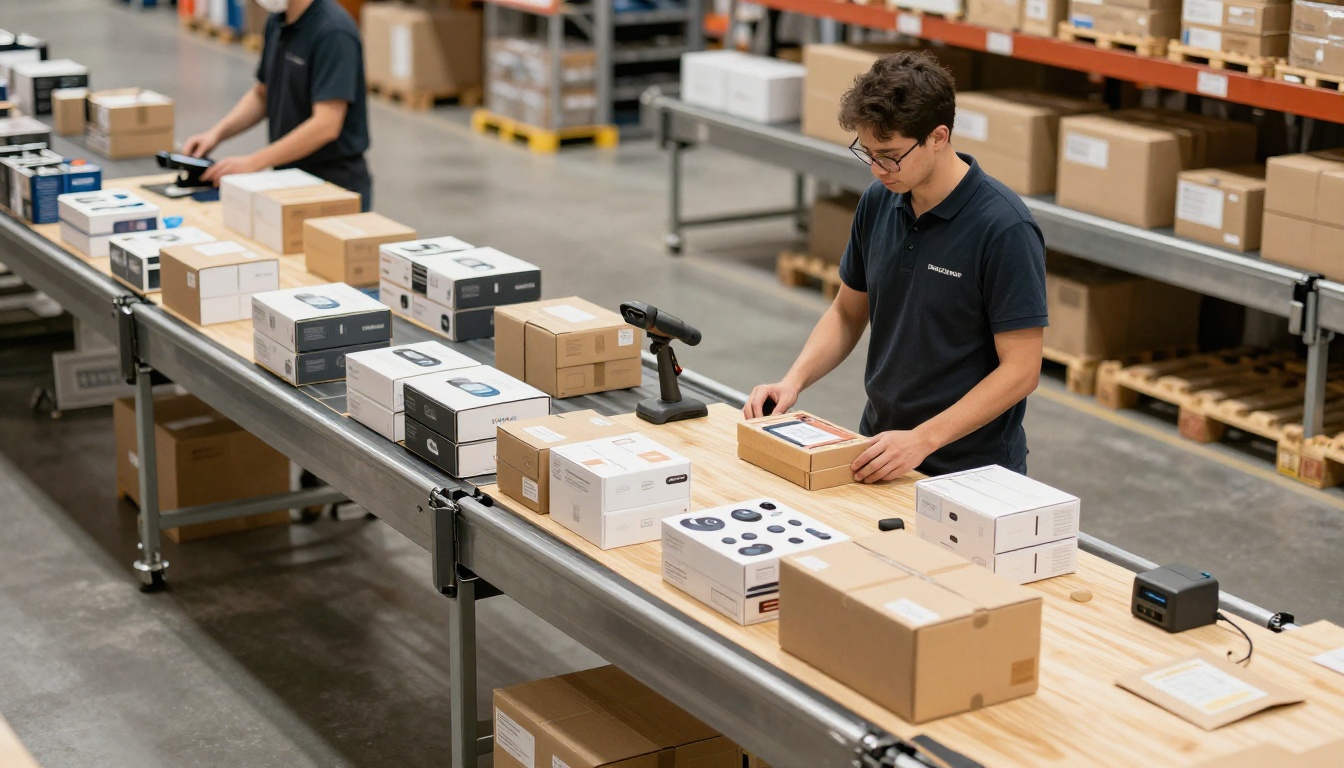
Kitting Services from MSL COPACK + ECOMM for Faster Fulfillment
Kitting services put separate items together into one ready-to-ship kit, and that can make a big difference when your team is juggling speed, accuracy, and tight order flow. Instead of picking the same components over and over, you can send out pre-built kits that move through fulfillment faster and with fewer mistakes.
That matters even more when orders spike, your product mix grows, or customers expect clean, organized packages. Kitting Services can help you cut packing time, reduce picking errors, and keep your operation easier to manage, especially when you need more consistency across every shipment. MSL COPACK + ECOMM helps businesses turn loose products into ready-to-ship kits that fit real warehouse and ecommerce demands.
If you’re looking for a practical way to improve fulfillment without adding unnecessary steps, professional kitting services are a smart place to start. The next step is understanding how the process works, and where it can save you the most time.
What kitting services actually do for your supply chain
Kitting changes how products move through your operation. Instead of treating every item as a separate pick, your team groups related pieces into one ready-to-ship unit. That can mean anything from a simple promo pack to a subscription box, retail bundle, or launch kit with multiple components.
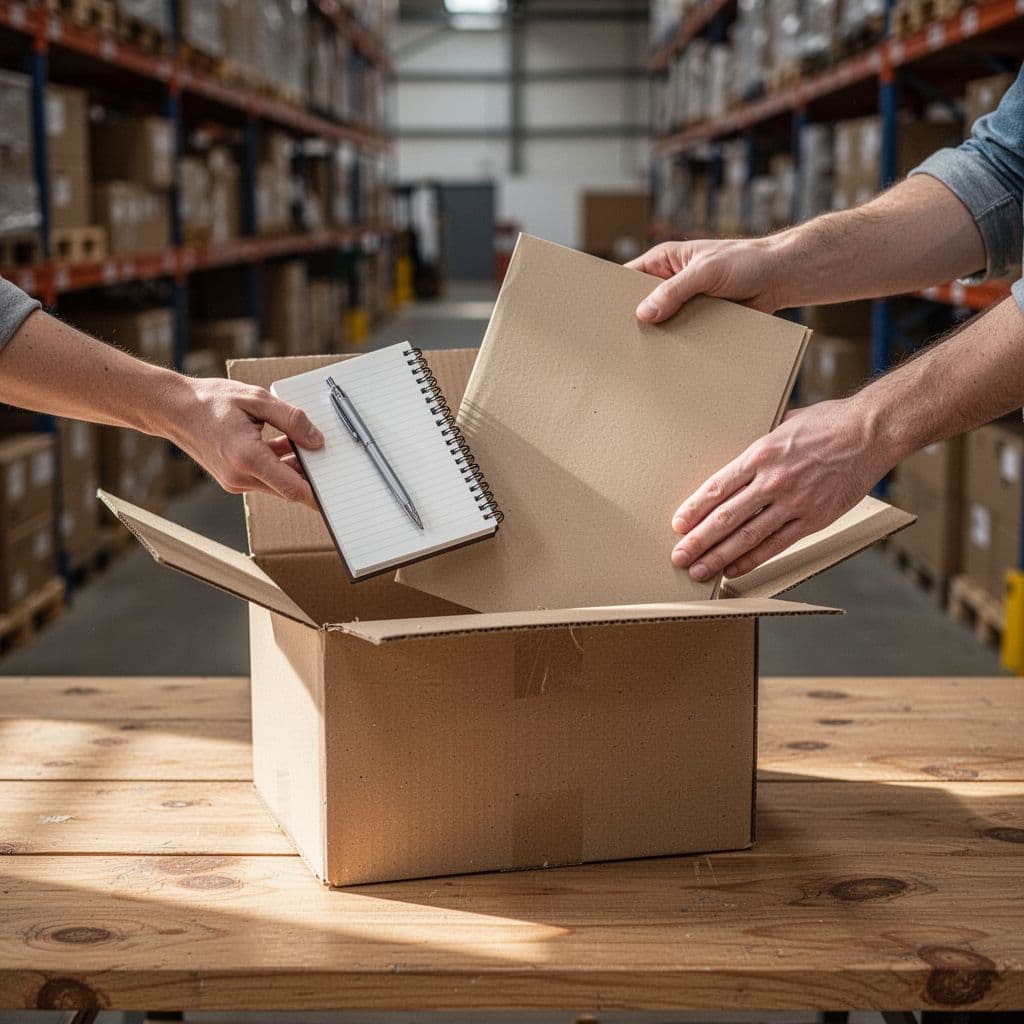
The real value is simple, kitting reduces the work that happens at the packing station. Items are gathered, assembled, labeled if needed, and staged so the order can move out faster. That gives your warehouse a cleaner process and helps your team handle more volume without constant stop-and-start work.
How kitting saves time during order fulfillment
With normal pick-and-pack fulfillment, workers pull each item when the order comes in. That works fine for simple orders, but it slows down fast when the same components repeat across dozens or hundreds of shipments. Kitting cuts out that repetition by pre-building the package ahead of time.
Once kits are ready, pickers and packers spend less time searching, sorting, and matching parts. As a result, labor shifts from one-off assembly to repeatable work that runs faster and with less strain. If your team is managing seasonal spikes or recurring orders, that time savings adds up quickly.
Kitting also helps reduce fatigue. When workers do the same assembly steps over and over, mistakes creep in. Pre-built kits keep the process more controlled, which supports faster throughput and steadier accuracy. Kitting and assembly services can be a practical fit when you need that kind of consistency.
Where kitting fits in the wider fulfillment process
Kitting is part of a larger flow, not a separate job sitting on the side. It connects directly with warehousing, inventory control, packaging, and shipping, so the whole operation runs with less friction.
A kit might start as stored inventory, move into assembly, get labeled or packed, then go straight into outbound fulfillment. In that setup, the warehouse team can track components and finished kits more clearly, which helps keep counts accurate and prevents delays. It also supports ecommerce fulfillment services when online orders need to move out on a tight schedule.
Because kitting fits into the same order path as the rest of fulfillment, it can support ecommerce, retail, subscriptions, and product launches without forcing your team to rebuild the process each time.
Why businesses outsource kitting instead of doing it in-house
Outsourcing kitting gives companies a cleaner way to handle assembly work without piling more pressure on the warehouse team. It keeps the process tighter, more predictable, and easier to scale when demand shifts.
That matters when the work starts eating into labor hours, floor space, or order accuracy. A good partner can turn a messy, manual step into a controlled part of fulfillment, which helps the whole operation run with less friction.
Lower labor pressure and fewer packing mistakes
When kitting stays in-house, your team has to pull parts, match them, check counts, and pack them correctly. That sounds simple until volume rises. Then the work becomes repetitive, and small mistakes start slipping through.
Outsourcing takes that pressure off your staff. Trained kitting teams focus on assembly every day, so they can keep kits consistent and catch problems before they reach the customer. That reduces missed items, wrong parts, and uneven packaging that can trigger returns or complaints.
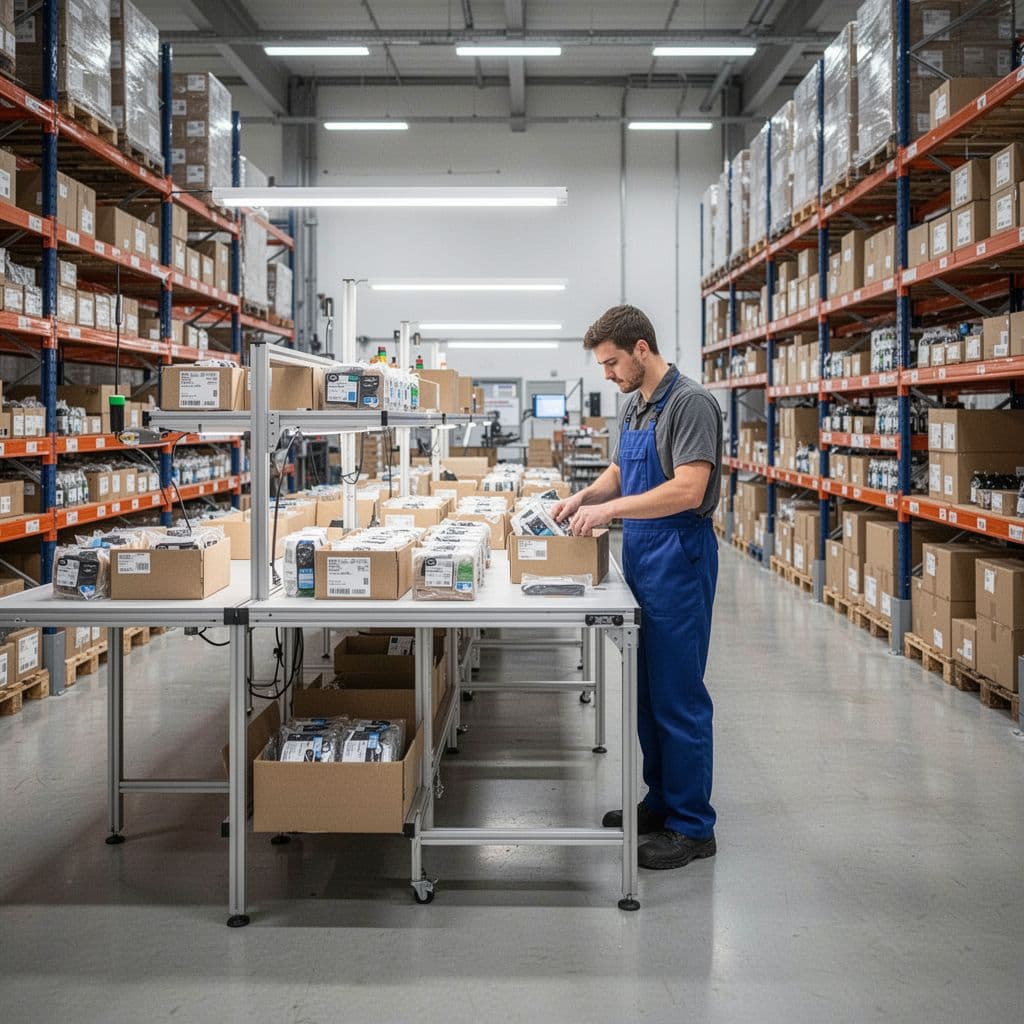
It also gives your internal team room to focus on higher-value work. Instead of spending hours on repetitive assembly, they can handle production, sales, or customer service. If your operation needs support with outsourced packaging and kitting strategies, that shift can make a real difference in daily output.
Less warehouse clutter and better use of space
Kitting can take up more room than many companies expect. Loose components, partially built kits, and staging areas all compete for the same space. Before long, the warehouse feels crowded, and simple tasks take longer than they should.
Outsourcing helps solve that problem. A partner can pre-build kits and send them back ready for storage, picking, or shipping. That lets your team use warehouse space for what matters most, whether that is raw inventory, finished goods, or faster order flow.
For lean operations, this is a practical win. You do not need to expand the building or add more clutter to keep up. Instead, you get better organization and a smoother path from inventory to shipment. In other words, kitting becomes part of a more efficient layout, not another pile of work on the floor.
A smarter way to scale during busy seasons
Promotions, product launches, and holiday demand can strain even a solid in-house team. Hiring and training temporary workers takes time, and rush work often creates errors. That is where an outside kitting partner helps most.
An experienced team can absorb bigger volumes without forcing you to rebuild staffing plans each season. The process stays steadier because the partner already has the space, systems, and labor in place to handle spikes. That gives your business more room to react without scrambling.
This is one of the main reasons companies turn to Kitting Services, especially when demand changes fast. The right setup lets you stay ready for peak periods while keeping costs and mistakes under control.
How MSL COPACK + ECOMM supports kitting projects from start to finish
MSL COPACK + ECOMM helps businesses handle kitting as a complete process, not just a packing task. Based in Indianapolis, the team supports assembly, fulfillment, and shipping with a focus on accuracy, timing, and efficiency. That matters when you need every kit built the same way and shipped on schedule.
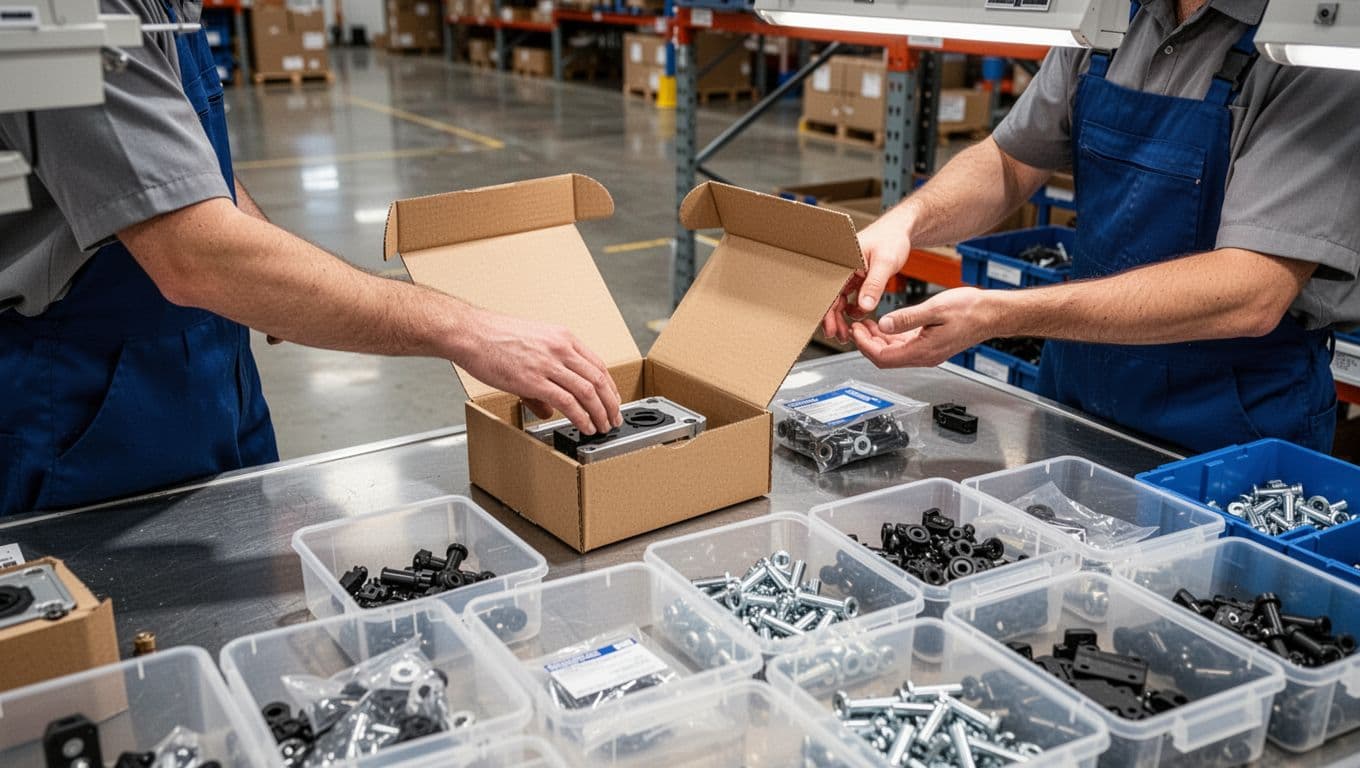
From the first component count to the final outbound carton, the goal is to keep the work organized and repeatable. That gives you a smoother handoff between inventory, labor, and shipping, which is where many kitting projects break down.
The kinds of kits businesses often need
Kitting work changes based on the product and the customer experience you want to create. Some projects are simple bundles, while others need inserts, accessories, or special packing order.
Common examples include:
- Retail bundles that group related products into one shelf-ready package
- Starter packs that help new customers get everything they need in one box
- Promo kits built for events, launches, or trade show giveaways
- Subscription kits that need the same items packed the same way every cycle
- Product sets with inserts or accessories, such as manuals, chargers, samples, or care cards
These kits are easy to picture because they solve familiar problems. A beauty starter pack keeps small items together. A seasonal promo kit arrives ready to hand out. A subscription box needs every item packed in the right order so the presentation feels polished.
MSL COPACK + ECOMM can support these projects through contract packaging and copacking and broader distribution and fulfillment support, which helps keep the whole workflow connected.
How a good partner helps keep quality consistent
Good kitting depends on repeatable steps. A strong partner uses the same build process every time, so each kit looks right, fits right, and includes the correct parts.
That usually means trained staff, clear assembly instructions, and checks at key points. Workers know what belongs in the kit, how it should be packed, and when to stop if something looks off. As a result, you get fewer missed items, fewer damaged components, and fewer customer complaints.
Consistency also helps when you need to restock or rebuild the same kit later. The process does not have to change every time. It already has a rhythm.
When every kit follows the same build plan, quality becomes easier to control and easier to scale.
Why accurate inventory tracking matters in kitting
Inventory visibility keeps kitting projects moving. If one item runs short, the whole build can stall, and that delay can spread into shipping deadlines.
Clear tracking helps you spot low stock early, plan replenishment better, and avoid missing components before they reach the packing table. It also gives your team a cleaner view of what is available for the next run, which makes scheduling easier.
In practice, that means fewer surprises. You can build kits with more confidence, keep orders moving, and avoid last-minute substitutions that weaken the final product.
Industries that get the most value from kitting services
Some industries get more out of kitting than others because their orders already rely on bundles, repeated parts, or carefully packed sets. When products move as a group, kitting cuts handling time and keeps each shipment more consistent.
That makes it a strong fit for brands that ship promotions, sample packs, starter sets, and multi-item orders. It also helps when presentation matters, because the final package needs to look organized, not thrown together at the last minute.
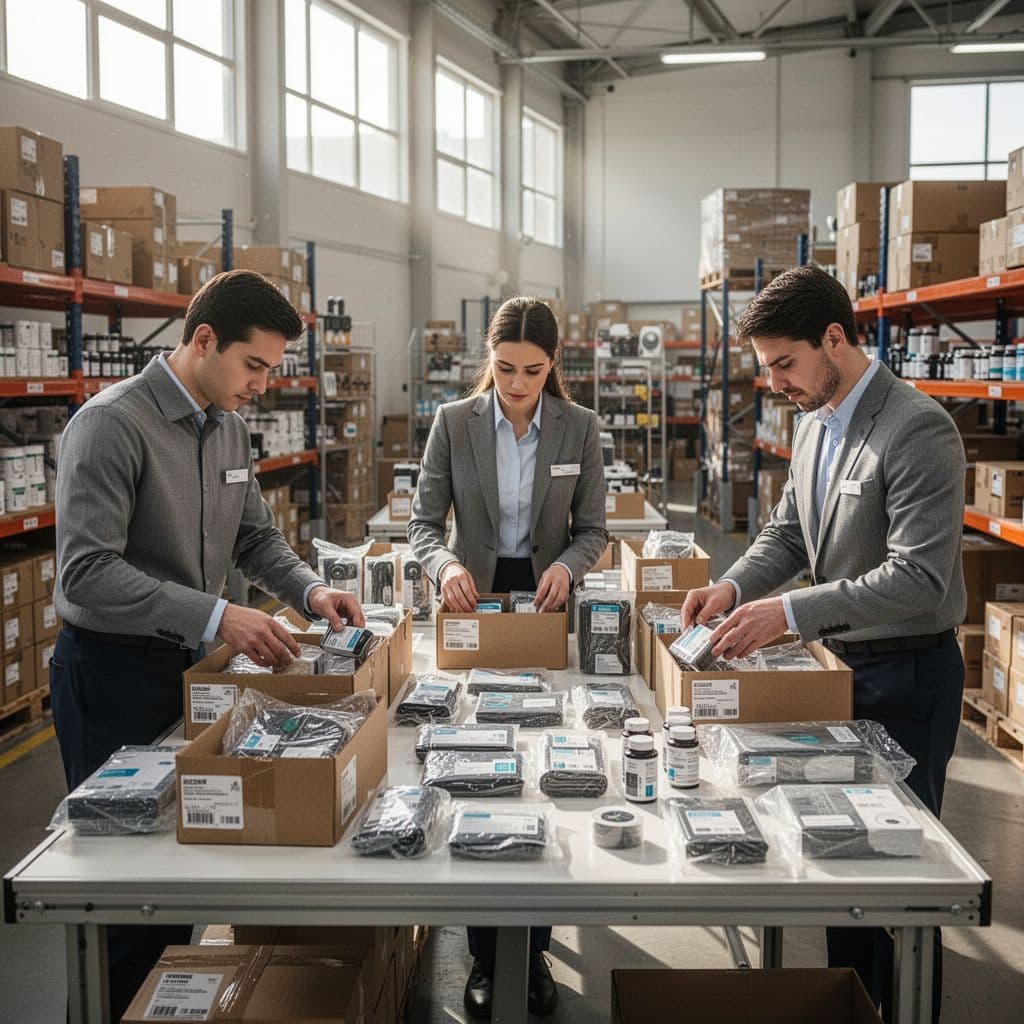
Retail and consumer goods
Retail brands use kitting to group items that belong together on the shelf or in a customer order. That can include holiday bundles, buy-one-get-one promotions, seasonal gift sets, and display-ready product groups for store launches.
These kits help retailers move faster during peak sales periods. Instead of packing each item separately, teams can build one clean unit that is ready for ecommerce shipping or retail distribution. That is especially useful for products like accessories, household goods, and mixed-item promo packs.
Retailers also rely on kitting to keep campaigns consistent. If every box needs the same mix of items, the assembly work has to stay tight. Contract packaging support can help keep those runs organized and on schedule.
Health and beauty
Skincare, cosmetics, and personal care brands often ship products in sets that depend on presentation. Gift boxes, trial kits, welcome packs, and sample assortments all need careful assembly so they feel polished when the customer opens them.
Small items create extra work here. Lipsticks, creams, serums, and sachets can be easy to misplace if the process is loose. Kitting keeps those pieces together and makes it easier to fill recurring orders without slowing the line.
This category also sees lots of subscription and gift-driven orders, which makes repeatable assembly even more valuable. Brands that need dependable monthly builds often look at subscription order fulfillment services to keep each pack complete and on time.
Food and beverage
Food-related kits often include packaged items, inserts, recipe cards, coupons, or other promotional materials that need careful handling. Timing matters here, because perishable or date-sensitive products cannot sit around waiting for a delayed build.
Meal kits, sampler packs, and limited-time bundles all benefit from organized assembly. The work has to be accurate, but it also has to move fast enough to protect freshness and launch dates.
Publishing and subscription programs
Books, media kits, and subscription boxes depend on order and completeness. One missing insert or one wrong title can turn a good shipment into a customer service issue.
Kitting helps keep each package organized, whether it includes books, magazines, branded inserts, or small accessories. It also makes repeat shipments easier to manage, since the same build can be recreated without starting over each cycle.
What to look for in a kitting partner before you commit
Choosing a kitting partner is less about a sales pitch and more about daily performance. You want a team that can build kits the same way every time, keep orders moving, and handle changes without creating new problems.
A good provider should make your workflow simpler, not add more follow-up calls and correction work. Before you commit, look at how they handle quality, volume shifts, communication, and the kind of products you ship.
Process control and quality checks
Ask how the partner prevents mistakes at each step. Strong process control usually includes written build instructions, trained staff, count checks, and a clear way to catch errors before shipment.
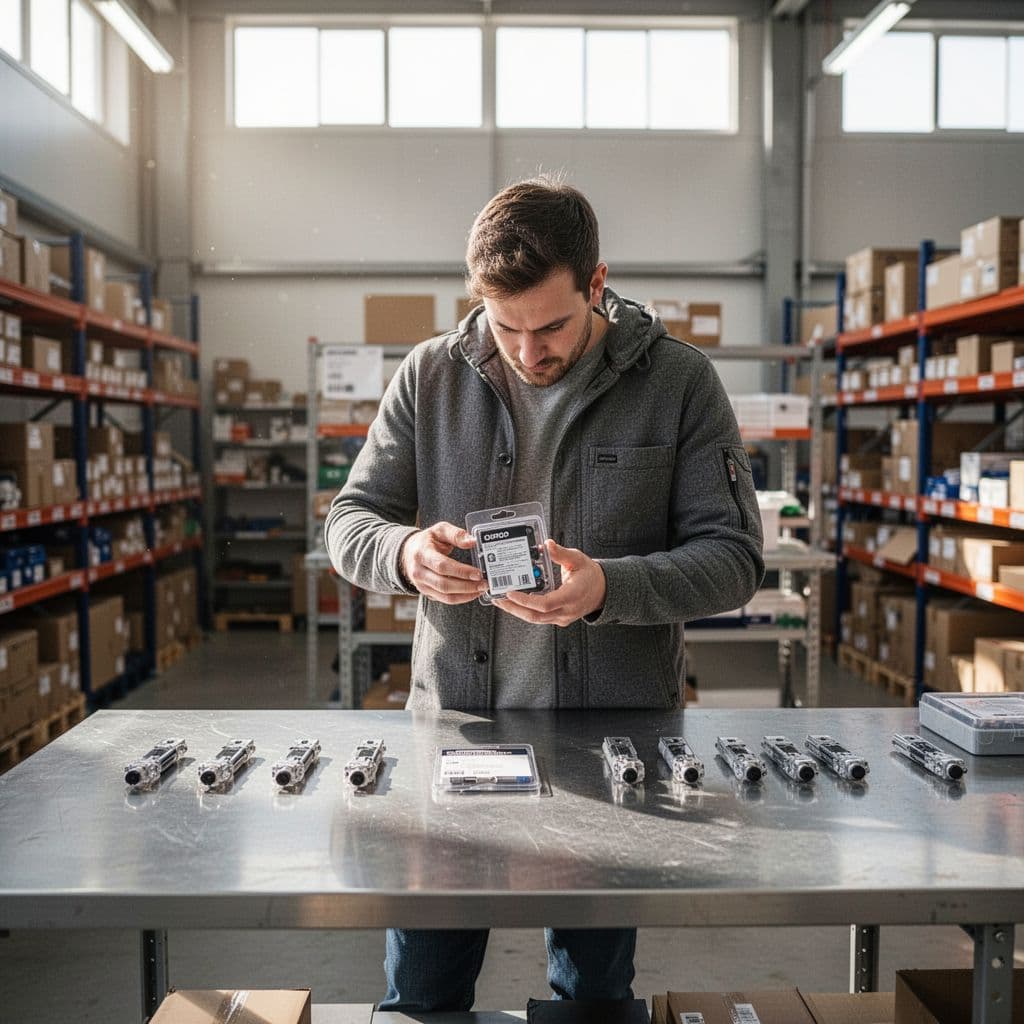
You want to know how they keep every kit consistent, especially when the job repeats week after week. If one missing insert can trigger a return or complaint, the partner needs a real quality routine, not just a quick glance at the box.
A solid question to ask is simple: What happens when something is off? The right answer should include hold points, corrections, and sign-off steps that keep bad kits from leaving the dock.
Flexibility for custom jobs and changing volumes
The best kitting services can handle special builds, short runs, and larger recurring projects without slowing down. That matters because your needs will change. One month may bring a small promo pack, while the next brings a bigger launch or seasonal spike.
Look for a team that can adjust labor and space without losing speed. If they only work well at one volume, you may outgrow them fast.
Ask whether they have handled:
- Short-run custom kits
- Ongoing recurring builds
- Multi-component product sets
- Faster ramp-ups during peak periods
A good partner should stay steady even when the order mix changes. That kind of flexibility keeps your supply chain moving instead of forcing you to rebuild the process every time demand shifts.
Clear communication and dependable turnaround times
Communication problems create delays just as fast as labor problems. If the partner misses details, responds late, or gives vague timelines, your deadlines are at risk.
You need clear answers on build schedules, order changes, and shipping cutoffs. In practice, that means one point of contact, honest updates, and turnaround times they can actually meet.
Dependable kitting support feels predictable. When the partner keeps you informed, you can plan inventory, launch dates, and customer commitments with more confidence.
Conclusion
Kitting services give businesses a practical way to move faster without adding chaos to the packing line. When items are pre-built into ready-to-ship kits, orders move out with fewer errors, cleaner handling, and better control over inventory.
That matters most when volume climbs, product mixes change, or your team needs more room to scale. Warehouse kitting services can take repetitive assembly work off your staff and keep fulfillment more organized from start to finish.
For companies that want faster shipping and more consistent results, the real value is simple. MSL COPACK + ECOMM helps turn complex packaging work into a smoother process, so your operation can stay accurate, efficient, and ready for the next order wave.
