
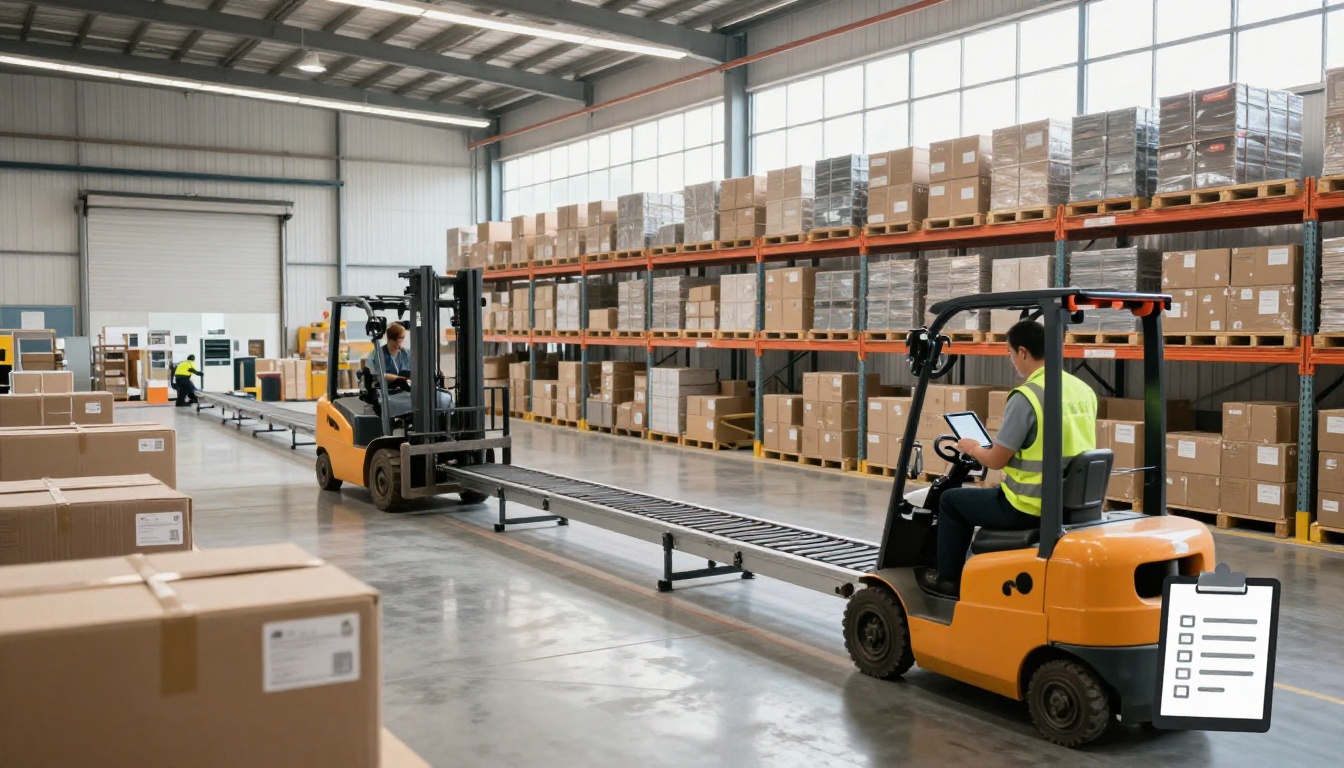
3PL Provider Checklist: 10 Things to Look For
Missed deadlines, messy inventory, and slow shipping can turn a promising order into a customer complaint fast. If your current setup can’t keep up, the problem may be your 3PL provider.
A third-party logistics partner handles storage, picking, packing, shipping, and often returns, so your team can stay focused on sales and product growth. The right fit can also support packaging needs, kitting, and seasonal volume without creating new headaches. If you’re sorting through options, it helps to start with the basics of how 3PL services work before you compare providers.
The wrong partner can leave you guessing about inventory, chasing updates, and fixing avoidable errors. The right one gives you clear communication, accurate counts, and a process that holds up when orders spike.
That’s where this checklist comes in, because the details matter more than the sales pitch.
What a 3PL provider should actually do for your business
A good 3PL provider does more than hold inventory until orders come in. It keeps product moving, reduces mistakes, and gives your team room to focus on sales, product lines, and customer care. If the partner only offers empty shelf space, you still end up carrying the stress.
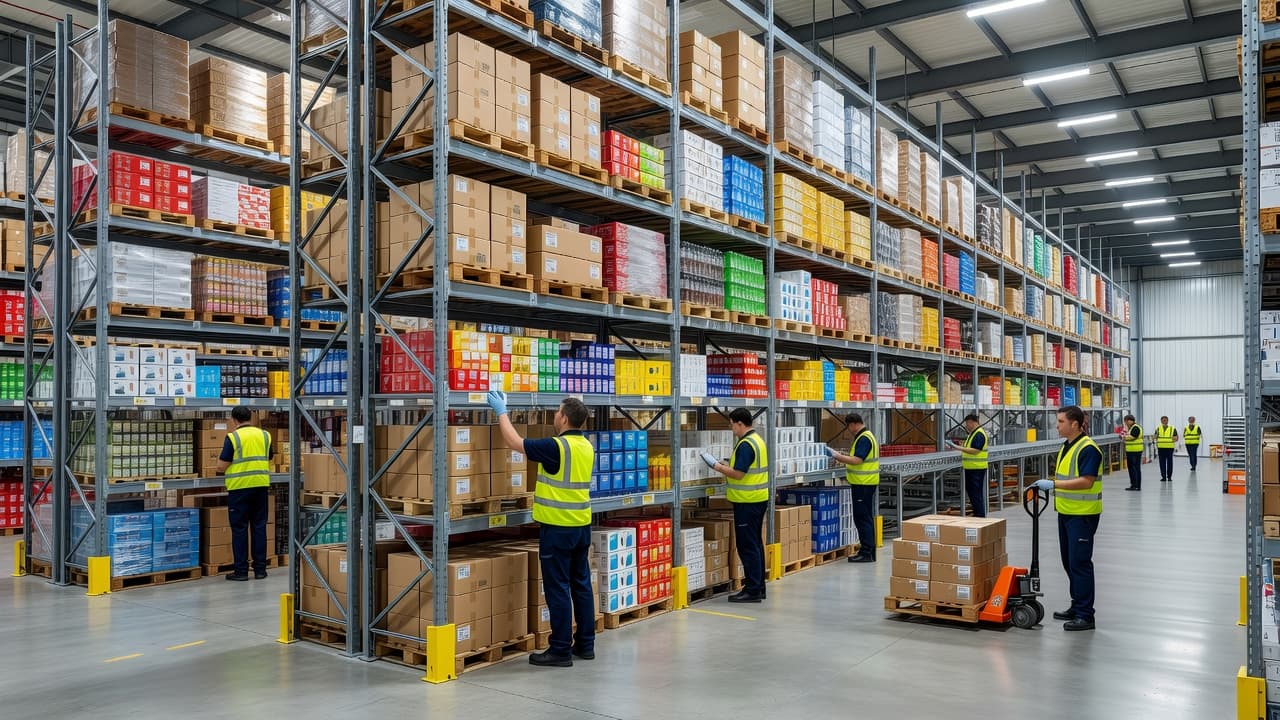
The best fulfillment partners handle the whole flow, not just one piece of it. They receive freight, store product correctly, pick and pack orders, build kits, manage packaging, ship on time, and deal with returns in a way that keeps customers informed.
A 3PL is more than storage space
Warehouse space matters, but it is only one part of the job. A true full-service order fulfillment management partner helps turn inventory into delivered orders, and that includes the work in between.
That usually means:
- Receiving and warehousing product with accurate counts and organized placement
- Pick and pack work that gets the right item into the right box
- Kitting and assembly for bundles, promos, or multi-SKU orders
- Packaging and labeling that protects products and matches retail or eCommerce needs
- Shipping and returns that keep orders moving and customer issues under control
A basic warehouse stores product. A real 3PL keeps your operation running. That difference matters when orders rise, product changes, or your business starts selling through more channels.
Why the right fit affects speed, cost, and customer experience
The right partner shapes how fast orders leave the dock and how often they arrive correctly. Better accuracy means fewer reships, fewer service tickets, and less time spent fixing avoidable problems. In short, the operation gets lighter for your team and smoother for your buyers.
A solid 3PL should also help control costs without cutting corners. Faster shipping, fewer packing errors, and cleaner inventory records all add up. When the process works, customers notice the difference in delivery speed, order quality, and the experience after checkout. That kind of consistency builds trust, and trust keeps people coming back.
A reliable pick and pack service can make that day-to-day difference clear, especially when order volume starts to climb.
The 10 things to look for in a 3PL provider
Choosing a 3PL provider is easier when you treat it like a checklist, not a sales pitch. The right partner should fit your products, your volume, and your service goals without creating new problems for your team.
Use the points below to compare providers side by side. A polished warehouse tour matters less than the systems, habits, and standards that support your orders every day.
### Strong industry experience with products like yours
A 3PL provider gets up to speed faster when it already handles products similar to yours. Category knowledge matters because food, beauty, health, retail, and consumer goods all come with different handling rules, storage needs, and packing risks.
That experience also cuts down on surprises during onboarding. A team that knows your type of product is less likely to miss special packaging, shelf-life concerns, fragility, or retail compliance details. In many cases, that means fewer delays and fewer fix-it calls after launch.
If you sell products that need more than basic pallet storage, ask direct questions about similar accounts. A provider that understands your category will speak plainly about what it can handle and where extra care is needed.
Accurate inventory management you can trust
Inventory accuracy should be near the top of any buyer checklist. If counts are off, you get stockouts, overselling, late shipments, and customer service headaches that spread fast.
Look for real-time visibility, regular cycle counts, and clear shrink control. A dependable system should show what came in, what shipped out, and what is left without forcing your team to chase answers.
One mistake in inventory can ripple across your whole operation. A missing case can cause a backorder, while an overstated count can lead to a sale you cannot fill.
If a 3PL cannot explain how it checks inventory, it’s a warning sign.
A good partner should be able to show how it catches errors before they become lost sales. That level of accuracy protects both your cash flow and your customer trust. You can also review 3PL services with real-time inventory tracking to see how visibility supports cleaner operations.
Fast, dependable order fulfillment
Speed matters, but consistency matters more. A strong 3PL provider should process orders on time, hit shipping cutoffs, and keep pick-and-pack work moving without extra hand-holding.
Ask how orders are handled during a normal day, then ask what happens when volume spikes. Busy seasons expose weak fulfillment systems fast, especially when customers expect quick delivery and accurate tracking.
Deadlines also shape the customer experience. If an order leaves late, the buyer does not care whether the delay came from staffing, packing, or shipping cutoffs. They only see the missed promise.
A good provider should be able to talk about on-time performance in plain terms. You want a team that treats your ship date like a hard promise, not a soft target.
Packaging and assembly capabilities that match your needs
Some brands need more than pick, pack, and ship. If you sell bundles, promotions, club packs, or retail-ready goods, the 3PL has to handle assembly work with care.
Look for services such as kitting, label application, custom pack-outs, display assembly, and retail packaging. These jobs may sound small, but they can save a lot of time when they are done correctly at the warehouse level.
For example, a product launch may need multi-SKU kits, inserts, or special wrap. A basic fulfillment-only provider may force your team to do that work elsewhere, which adds cost and slows the launch.
A partner with broader packaging support is often easier to work with as your product line grows. It gives you more room to manage promotions, channel-specific needs, and store or wholesale requirements in one place.
Technology that gives you visibility
Good 3PL technology should make your job easier, not harder. You should be able to see order status, inventory levels, and key reports without waiting on email chains or manual exports.
Ask how the system handles integrations with your sales channels, ERP, or shopping cart tools. Easy data flow reduces errors, saves time, and helps your team act on current information instead of yesterday’s numbers.
Just as important, the platform should be practical. Clear dashboards, clean reports, and simple access to order and stock data matter more than fancy features you never use.
If the technology feels hard to understand during the sales process, it will probably feel worse after launch. A good system should give you control, not create another place to get stuck.
Communication that feels proactive, not reactive
A strong account team makes a big difference when orders, inventory, or packaging plans change. You want people who respond quickly, explain issues clearly, and keep you informed before small problems turn into big ones.
Ask who your main contact will be and how escalation works. That answer tells you a lot about how the provider handles pressure, especially when a shipment is at risk or a special project is behind schedule.
Regular updates also matter. You should not have to ask three times for the same answer, and you should never feel blind to what is happening with your own product.
Good communication is part of operational control. When the team shares clear updates, you can make faster decisions and keep your own customers informed.
Flexible operations that can grow with demand
Your shipping needs will change. Seasonal spikes, promotions, new product launches, and channel expansion all put stress on a 3PL provider, so flexibility matters.
Ask how the team handles volume swings and special projects. A provider that runs well at steady volume may still struggle when orders double or when a retail event needs extra labor and tighter timelines.
You also want room to grow into new channels without rebuilding your fulfillment setup. If you add wholesale, eCommerce, or club store business later, the warehouse should adapt without losing control.
A flexible partner gives you more breathing room. That matters when your business is growing, because growth often creates more complexity before it creates more ease.
Quality control that protects your brand
Quality control is where many providers separate themselves. Strong process checks, packing standards, and damage prevention steps keep mistakes from reaching your customer.
Ask how the team verifies picks, checks packaging, and reviews completed orders. Small controls, like scan checks or pack-out reviews, can prevent the kind of error that creates returns and complaints.
Damaged goods also hurt more than one order. They affect customer trust, increase replacement costs, and make your brand look careless even when the product itself is fine.
A quality-focused 3PL treats accuracy like a habit, not a final inspection after the fact. That approach pays off in fewer returns, better reviews, and less time spent fixing avoidable problems.
Location and shipping reach that support delivery goals
Warehouse location affects transit times, freight costs, and how well you serve different regions. If your customers are spread across the country, the right location can help shorten delivery times and reduce shipping pressure.
For brands that sell into multiple markets, ask where the facility sits relative to your main customer base. A centrally located warehouse often helps balance speed and cost, especially when you ship to both coasts and everything in between.
Shipping reach matters too. The provider should understand carrier options, service levels, and the trade-offs between cost and speed. That gives you more control over what customers see at checkout.
Location is not just about a map pin. It is about how well the warehouse supports your delivery promise day after day.
Clear pricing with no surprises
Price matters, but the lowest quote can hide the highest total cost. A trustworthy 3PL provider should explain storage fees, pick fees, packaging charges, and accessorial costs in plain language.
Ask what is included and what costs extra. Things like special handling, relabeling, freight receiving, and long-term storage can change the real price of a contract very fast.
Transparency matters because surprise charges are hard to manage after the fact. If a quote looks too simple, it may leave out the services your operation actually needs.
The best pricing conversations are specific. You should know what you are paying for, why it costs that much, and how the bill changes when volume changes.
A real partnership mindset, not just a vendor relationship
The best 3PL provider acts like part of your team. It does not just process orders, it helps solve problems, improve workflows, and keep your operation steady when conditions change.
That mindset shows up in how the team handles mistakes, new projects, and process changes. A real partner owns issues with you, then helps find a better way forward instead of pointing fingers.
You should also look for accountability. If something goes wrong, the provider should explain what happened, what gets fixed, and how it will be prevented next time.
A vendor fills a need. A partner helps protect your business. When you find a 3PL that treats your goals like its own, the rest of the relationship gets a lot easier to manage.
Questions to ask before you sign with a 3PL
Before you sign, get past the pitch and look at the daily work. A strong 3PL provider should answer direct questions about how orders move, how problems get fixed, and how well the team handles growth when your volume jumps.
Use this part of your review to compare real fit, not polish. The goal is to spot weak systems, slow response times, hidden fees, and support gaps before they turn into contract problems.
Questions about service, systems, and reporting
Start with the basics of how the provider runs its operation. Ask who handles your account, how orders flow through the warehouse, and what happens when something goes wrong. You want answers that are clear and practical, not polished sales talk.
A few smart questions to ask include:
- How long does onboarding take, and what does the setup process look like?
- Which systems do you use for orders, inventory, and shipping?
- How do your systems connect with our sales channels or ERP?
- What reports do we get, and how often are they sent?
- How do you track errors, damages, and missed deadlines?
- What is the process for resolving issues when inventory or orders do not match?

You should also ask how they share visibility into performance. If you need inventory tracking and fulfillment support, the provider should explain exactly how you see counts, order status, and exceptions without chasing updates. That kind of reporting keeps your team out of the dark.
If a provider cannot explain its error process in plain language, keep looking.
Pay attention to how fast they answer. Slow replies during sales often mean slower support after launch.
Questions about growth, support, and contract terms
Once the service model makes sense, shift to growth and risk. A 3PL provider may look like a fit today, but the contract and support structure can lock you into a bad match later. Ask about volume limits, service levels, and what happens if your needs change.
Use questions like these to test the long-term fit:
- How do you handle seasonal spikes or sudden growth?
- What volume minimums do you require each month?
- How does pricing change if order count, storage, or labor needs increase?
- Who is our day-to-day contact, and how fast do they respond?
- What happens if we need to change packaging, product mix, or shipping rules?
- What are the exit terms if we decide to leave?
The contract should also cover the handoff clearly. Ask how inventory is transferred, how long it takes to exit, and whether there are fees tied to move-out or remaining stock. That matters more than most buyers expect, especially if the relationship ends faster than planned.
If you sell through a model like drop shipping with a 3PL partner, these questions matter even more. Growth can come quickly, and the wrong terms can slow everything down just when you need speed.
How to spot red flags during the selection process
A polished sales deck can hide a lot. During the selection process, pay close attention to what a 3PL provider does not say as much as what it promises. Vague answers, fuzzy pricing, and weak facility standards often show up before the contract is signed, when it’s still easy to walk away.

### When promises sound good but the details are missing
Be careful when a provider keeps talking in broad terms but avoids specifics. If it says it can hit high accuracy, tight timelines, and competitive pricing, it should be able to explain how those results happen. If the answers stay fuzzy, the risk is usually hiding in the process.
Watch for signs like these:
- Vague service claims with no clear explanation of pick, pack, ship, or receiving steps
- Soft answers on accuracy, especially when you ask about error rates, checks, or damage control
- Unclear timelines for onboarding, order cutoffs, or issue resolution
- Pricing that skips details, such as storage, labor, relabeling, or special handling fees
A strong 3PL provider should answer direct questions without circling them. If the team cannot explain daily workflows in plain language, that usually means the operation is not as controlled as it sounds.
If a provider avoids numbers, examples, or written terms, treat that as a warning.
When the operation feels too small or too chaotic for your needs
A facility can look busy and still be a poor fit. Too few people on the floor can cause missed picks, slow dock times, and rushed pack-outs. On the other hand, a site that feels disorganized often points to weak systems and poor oversight.
You can spot trouble fast if the warehouse has blocked aisles, mixed product storage, messy staging areas, or staff who seem unsure about basic questions. That kind of setup creates risk for growing brands, especially when orders rise or products need special handling.
Ask yourself whether the team looks ready for your volume. If the operation already feels strained during a quiet visit, it will likely struggle under pressure. For brands that need packaging, assembly, or specialized handling, a better benchmark is a partner with clear processes and proven signs of a good co-packing fit.
Poor responsiveness is another red flag. Slow follow-up during sales often turns into slow support later. If the provider cannot return calls, share references, or explain its systems cleanly, keep looking before you hand over inventory.
Conclusion
The strongest takeaway from this checklist is simple, a good 3PL provider has to fit your product, your order volume, and your goals. Price matters, but it should never outrank accuracy, communication, technology, flexibility, and quality control.
Those are the details that keep orders moving and customers happy. When a provider can show real inventory accuracy, clean reporting, responsive support, and a process that holds up under pressure, you get a partner that helps your business run better day after day. If you need a broader look at what a strong partner can handle, distribution and fulfillment services are a good place to compare capabilities.
Use the ten-point list as your filter, then compare a few providers side by side. The best choice is the one that matches how you ship now and how you plan to grow next.
