
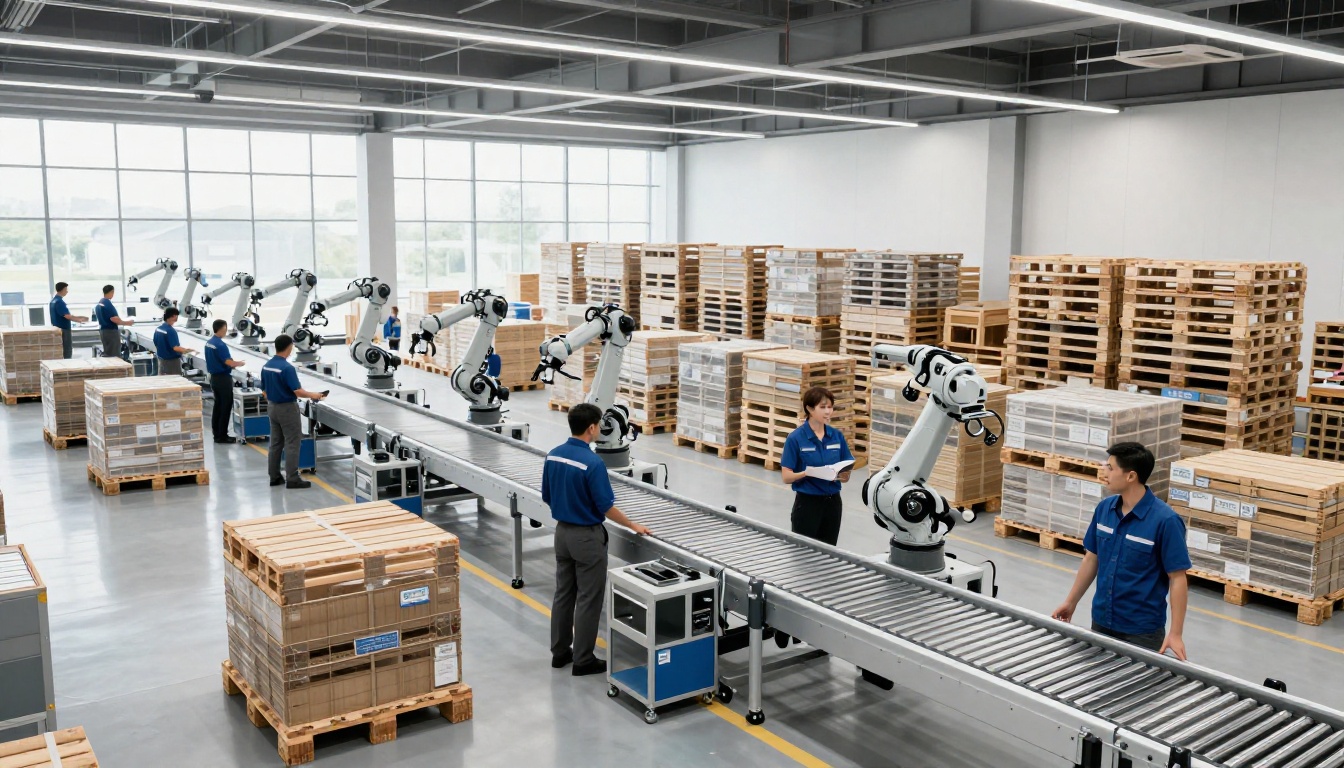
3PL Tips: 9 Reasons to Outsource Warehousing & Distribution
3PL Tips: 9 Reasons to Outsource Warehousing & Distribution
Storage gets tight, shipping slows down, labor gets stretched, and order volume can move faster than your team can keep up. That’s where Outsource Warehousing & Distribution starts to make sense, because it can ease pressure without forcing you to build everything in-house.
For smaller teams, outsourcing isn’t about handing off control, it’s about saving time, cutting stress, and keeping orders moving when demand picks up. For growing brands, it can also support better accuracy and more room to scale with less day-to-day chaos. If you’re weighing the move, the nine reasons below show why businesses turn to distribution and fulfillment services when in-house operations start to slow them down.
What outsourcing warehouse work really means for your business
Outsourcing warehouse work means handing day-to-day storage and order handling to a 3PL partner instead of managing it all inside your own building. Your team still owns the product and the brand, but another company takes care of the physical work that keeps orders moving.
That often includes receiving freight, putting inventory away, tracking stock, picking items for orders, packing shipments, sending parcels, and handling returns. In other words, you keep selling while someone else manages the boxes, shelves, and shipping labels.
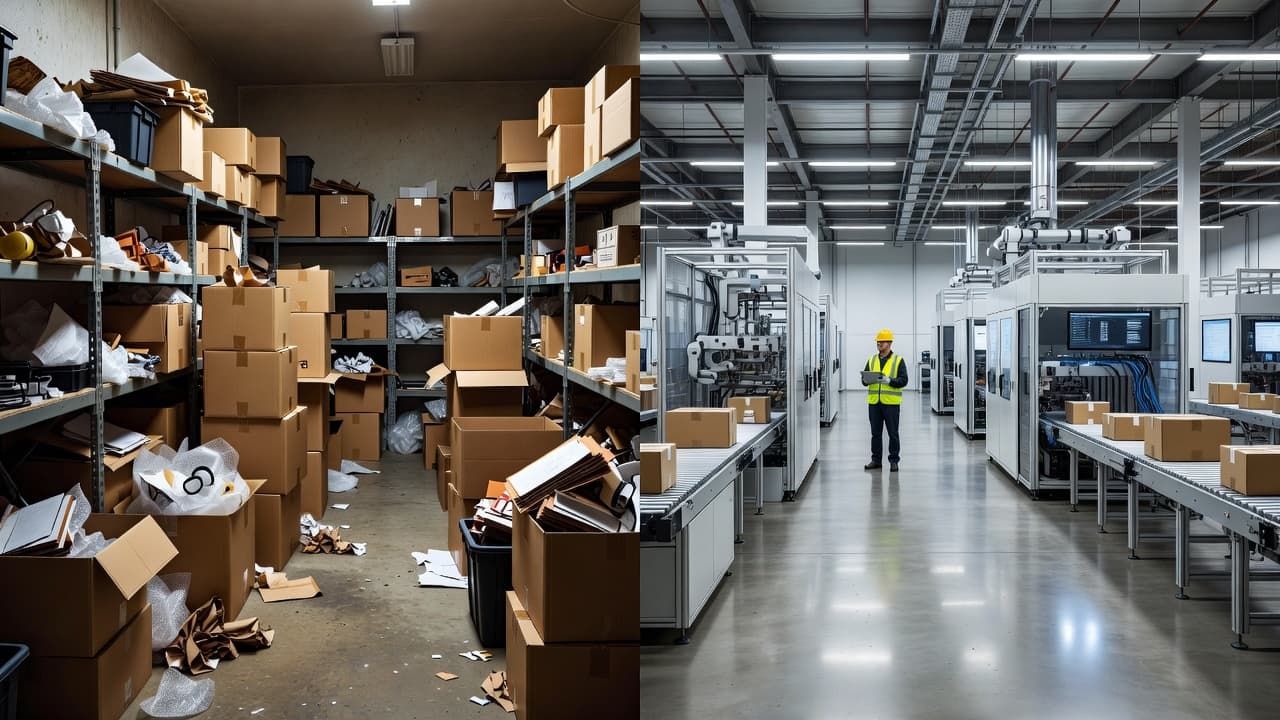
### In house fulfillment vs. 3PL support
In-house fulfillment gives you direct control. You can walk the floor, make quick changes, and keep every step close to your team. That works well when order volume is steady and your operation is still small enough to fit in one space.
3PL support changes the setup. A partner handles the labor, systems, and warehouse space, while you focus on sales, product planning, and customer needs. For many businesses, that becomes a better fit when orders grow faster than the team can hire, train, and manage.
Here’s the difference in plain terms:
| Area | In-house fulfillment | 3PL support |
|---|---|---|
| Control | Direct oversight of every task | Shared process, less hands-on control |
| Speed | Can be fast when volume is low | Often faster as volume grows |
| Staffing | You hire, train, and manage workers | The 3PL manages labor |
| Space | You need room for storage and packing | You avoid filling your own facility |
| Cost | Lower at first, then can rise quickly | More predictable as needs expand |
A 3PL starts to make sense when warehouse tasks begin pulling too much time, space, and cash away from the rest of the business. If your team spends more time packing orders than growing the company, the balance has already started to shift.
Where warehousing and distribution fit in the supply chain
Warehousing and distribution sit in the middle of the product journey. Goods arrive from the supplier, get stored in the warehouse, then move out to customers or retail locations.
A simple example helps. A health and beauty brand might receive cartons from a manufacturer, store them on warehouse shelves, pick individual units for online orders, and ship them the same day. A retail supplier might do the same work, then send bulk orders to stores or distribution points.
That middle step matters because it protects both order accuracy and delivery speed. If inventory is hard to find or stock counts are off, delays pile up fast. A well-run warehouse keeps products organized, updates counts as items move, and sends the right order to the right place on time.
For businesses comparing options, distribution and fulfillment services in Indianapolis can show how storage, picking, packing, and shipping work together in one place. When that part of the supply chain runs well, the rest of the business feels it almost immediately.
Reason one, lower fixed costs and turn overhead into flexible spending
Outsourcing warehousing and distribution helps you stop paying for space and labor you do not use. Instead of carrying big fixed costs every month, you can shift more of that spend into variable costs that rise and fall with demand. That gives you more room to plan, because your logistics bill tracks activity instead of sitting there like a heavy monthly anchor.
How 3PL pricing can be easier to scale
With in-house fulfillment, you pay for a warehouse lease, utilities, equipment, and staff even when orders slow down. A 3PL changes that equation. You pay for the space, labor, and services you actually use, which makes it easier to manage cash flow during busy seasons and slower periods.
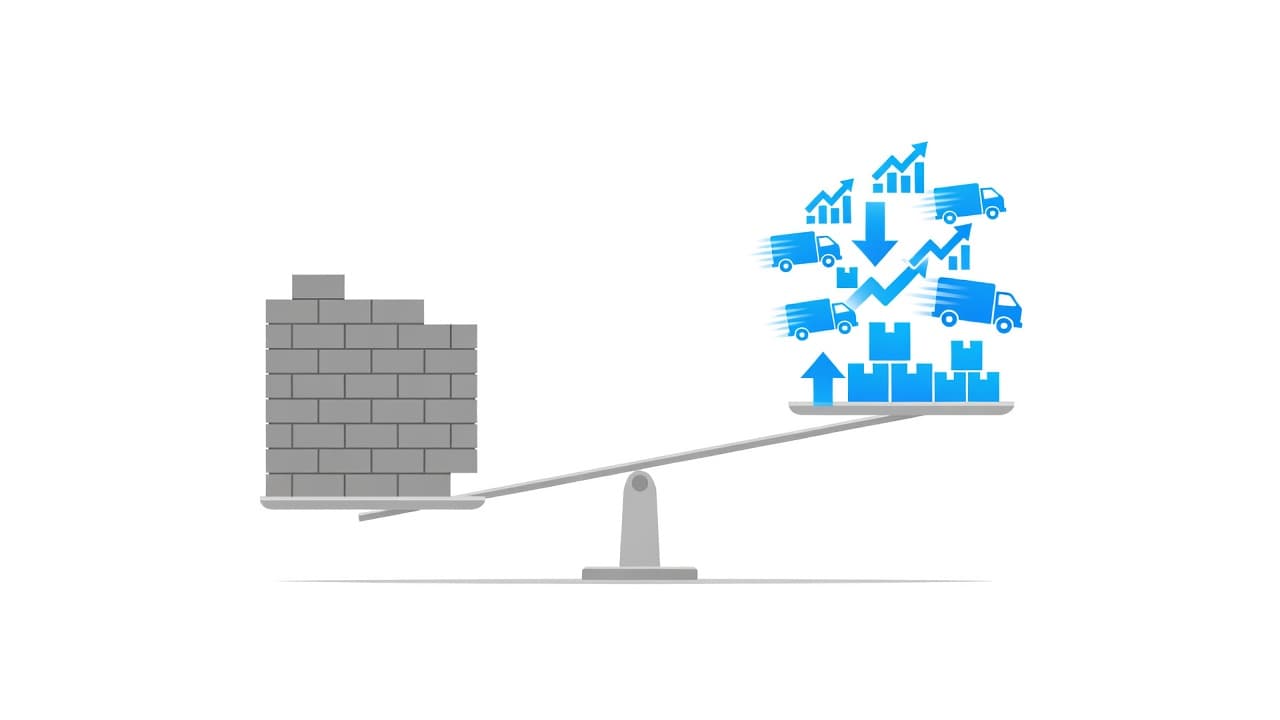
That matters when demand swings. A holiday rush, product launch, or promo push can fill your shelves fast, but a quiet month can leave you paying for empty pallets and idle labor. With outsourcing your warehousing operations, the cost structure usually flexes with the workload, so you are not stuck footing the bill for unused capacity.
For example, a brand that ships 500 orders one month and 5,000 the next does not need to carry the same fixed footprint all year. A 3PL lets that business scale up for spikes and pull back when volume softens, without renegotiating leases or adding permanent overhead.
Hidden costs businesses often miss
The obvious costs are only part of the picture. In-house fulfillment also brings overtime, turnover, training time, shrinkage, damaged goods, and equipment repairs.
Those expenses add up fast because they hit in small pieces, then pile on each other:
- Overtime when orders surge and the team runs long shifts
- Turnover when warehouse work becomes hard to staff
- Training for new hires who need time before they are fully productive
- Shrinkage from lost, misplaced, or untracked inventory
- Damaged goods from handling errors or poor storage
- Repairs for forklifts, scanners, docks, and other equipment
If you want to compare the cost side more closely, this 3PL pricing guide breaks down what affects storage and service rates. When those hidden costs stay inside your building, they can eat into margins long before you notice the full impact.
Reason two, free up time so your team can focus on growth
When warehouse work sits inside your own team, it eats hours in small pieces. One late truck, one packing error, or one stock mismatch can pull your best people away from work that actually drives sales.
Outsourcing daily fulfillment gives that time back. Your staff can stop spending the day on boxes, labels, and shipping fixes, and start focusing on the parts of the business that move revenue forward.
Why operations slow down internal teams
Order picking, packing, and shipment problems do more than create delays. They break up the workday, drag managers into problem-solving, and keep people tied to tasks that do not grow the business. A missed item or a delayed carrier pickup can turn into an hour of checking inventory, answering emails, and putting out fires.

Before outsourcing, a small team may spend the morning picking orders, the afternoon fixing shipment issues, and the evening catching up on missed planning. After outsourcing warehousing and distribution, those same hours can shift back to sales calls, product planning, and customer follow-up. That time savings is where growth starts.
If your team is still handling fulfillment in-house, distribution and fulfillment services can take those repetitive jobs off the plate. The result is less day-to-day distraction and more room to focus on the work that keeps the company moving.
What your staff can do instead
Once warehouse tasks move off their desk, your team can spend more time on work that has a clear business return. That usually means:
- Launching new products and getting them ready for market faster
- Improving the website so shoppers can find products and check out with less friction
- Serving customers with quicker answers and better follow-up
- Building new accounts through outreach, pricing talks, and account management
- Reviewing sales data to spot what is selling and where demand is growing
That shift matters because growth work needs focus. A sales rep cannot build relationships while chasing packing issues, and a marketer cannot plan the next launch while fixing shipping labels. When your team gets out of the warehouse, they get back to the work that adds value every day.
Reason three, get more space without moving into a bigger building
When inventory starts pressing against every wall, the answer is not always a larger building. Sometimes the smarter move is to outsource warehousing and distribution so your stock has room to breathe without the expense of a move, lease change, or expansion project. That gives you space for growth while keeping your current facility focused on what it does best.
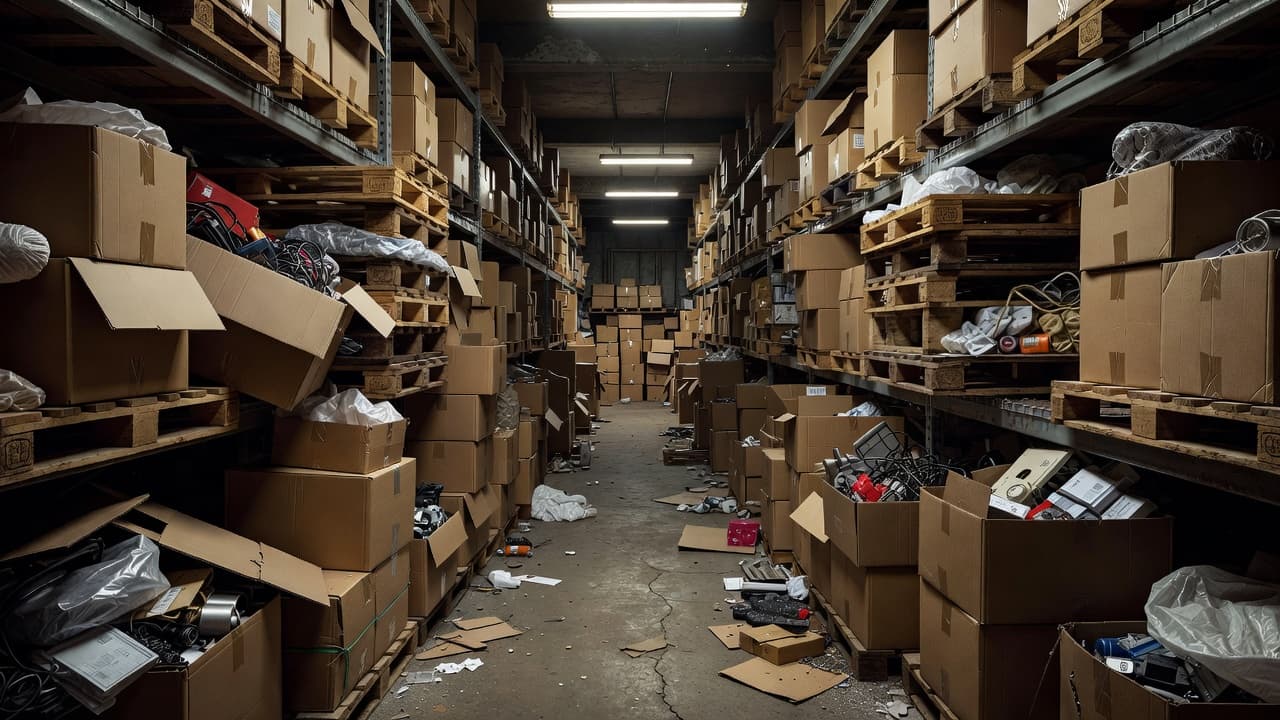
### When warehouse space becomes the bottleneck
The warning signs usually show up in plain sight. Aisles get tighter, pallets creep into walkways, and products end up parked wherever they fit. Picking slows down because workers spend more time searching than moving.
You may also notice stock stored in the wrong places. Fast-moving items get buried behind slower ones, seasonal product sits in the way year-round, and kitted items or display materials take over space meant for core inventory. Once that happens, your warehouse starts working against you.
Common signs include:
- Crowded aisles that slow traffic and raise safety risks
- Longer pick times because items are harder to reach
- Misplaced inventory stored wherever there is open floor space
- Seasonal stock buildup that swallows room before peak periods
- Kits, displays, and promo packs taking over valuable space
If that sounds familiar, your operation may be outgrowing its footprint before it outgrows demand. Improving warehouse efficiency can help, but there comes a point when the layout itself becomes the limit.
Why off site storage can improve flow
Moving overflow inventory to a 3PL clears the floor and restores order. Your team can separate active stock from slower items, keep pick faces clean, and place high-turn products where they are easy to grab.
That extra breathing room improves safety and accuracy at the same time. Workers move faster when walkways stay open, and orders ship quicker when items sit in logical locations. It also gives you a cleaner setup for display builds, kitting, and seasonal pushes, without forcing everything into one crowded room.
In other words, off-site storage helps the warehouse act like a work area again, not a storage closet. With the right setup, you keep growing inventory moving without paying for a bigger building.
Reason four, improve accuracy and cut down on shipping mistakes
Accuracy touches every part of fulfillment. When the inventory count is right, the pick list is right, the pack-out is right, and the shipment gets to the right customer on time. That is why many businesses choose to outsource warehousing and distribution when errors start costing more than they should.
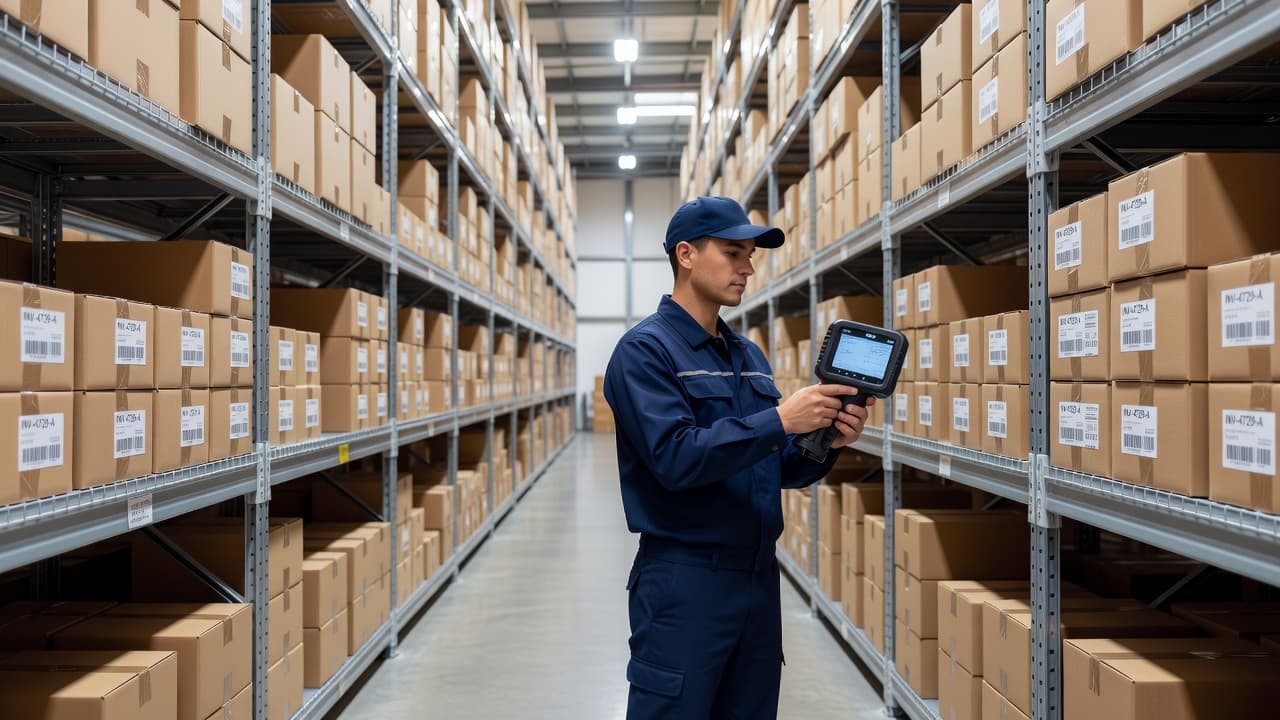
A trained warehouse team works with clear systems, scan checks, and consistent stock control. That lowers the chance of oversells, wrong items, and missing pieces, which keeps orders moving and customers happy.
### How better inventory control prevents stockouts and overstock
Knowing what is on hand matters because every order depends on it. If your counts are off, you can oversell a product that is already gone, then scramble to cancel or delay the order. That creates frustration fast, especially when the customer already paid and expected a quick ship.
Strong inventory control also keeps dead stock from sitting too long. Slow movers take up shelf space, tie up cash, and hide the items that actually need to ship. A 3PL with tight tracking can spot those gaps early, so you see what is moving, what is not, and what needs attention before problems build up.
When stock data stays current, your team can make better buying and replenishment decisions. That means fewer backorders, fewer rushed replacements, and less money trapped in product that does not move.
Small inventory errors rarely stay small. One missed count can turn into lost sales, a delayed shipment, and a repeat customer who does not come back.
If you want a deeper look at this issue, fulfillment accuracy checklist is a helpful place to start.
Why packing standards matter for customer experience
Packing standards keep the process steady, even when order volume changes. When a warehouse uses the same pack method every time, workers know what goes in the box, how it should be secured, and what label belongs on it. That cuts down on damage during transit and lowers the odds of a wrong shipment leaving the dock.
Clear order checks matter just as much. A second scan, a final weight check, or a simple verify step can catch mistakes before they become returns. In addition, trained teams spot issues faster, like a missing unit, a damaged carton, or a mislabeled order that would have gone out unnoticed.
The result is simple. Customers get the right product, in good condition, and on time. Your team spends less time fixing mistakes, and your returns stay lower because fewer orders need to be resent or corrected.
Reason five, handle seasonal spikes without scrambling for labor
Peak seasons can turn a steady operation into a stress test fast. Holiday orders, promo runs, and product launches all create the same pressure point, you need more hands, more space, and faster turn times right away. When you outsource warehousing and distribution, you get a setup that can absorb that pressure without forcing your team to build a temporary workforce from scratch.
The real value is speed. A 3PL can help you respond when demand jumps instead of waiting for new hires to get up to pace. That keeps orders moving and helps you avoid the sloppy rush that usually shows up when labor gets stretched thin.
### The challenge of hiring for short-term volume
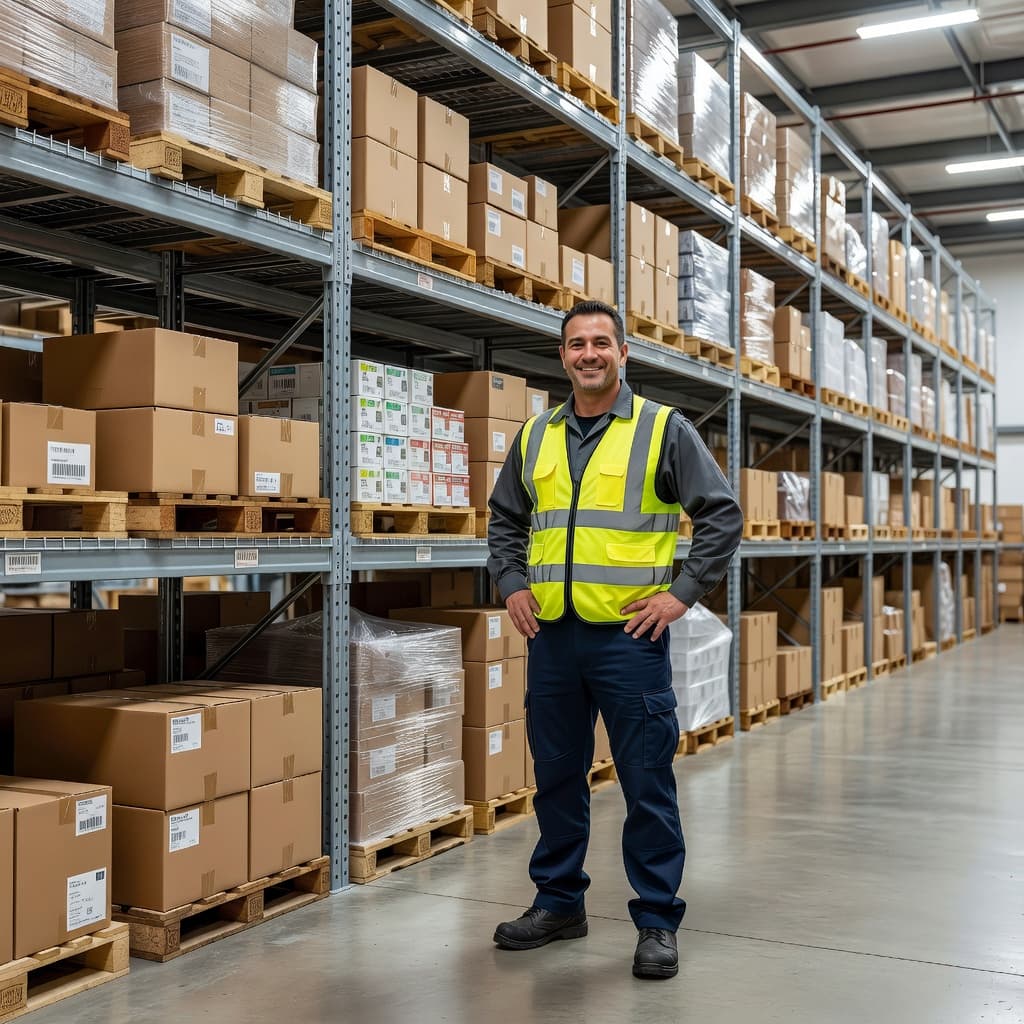
Hiring for a short burst of volume is rarely simple. You have to recruit, screen, train, and supervise workers who may only stay for a few weeks or months. That takes time you usually do not have when orders are already backing up.
Even when temp workers show up quickly, they still need to learn your products, packing rules, and shipping flow. Until they do, mistakes rise. Orders get mislabeled, items get packed wrong, and productivity starts slow, right when you need it most.
A few common pain points show up every peak season:
- Training takes time, and the clock is already ticking
- New workers make more errors because they are still learning the process
- Managers lose focus because they spend more time coaching than planning
- Turnover stays high, so you may train the same roles again and again
Short-term labor often solves one problem and creates three more, especially when peak demand hits all at once.
That is why seasonal volume can feel like a moving target. The work pile grows faster than your staffing can catch up.
How a 3PL helps you stay ready for peak periods
A strong 3PL gives you a ready-made labor pool, plus the systems that keep work moving when volume climbs. Instead of scrambling to post jobs and train a temporary crew, you tap into a team that already knows warehouse flow, picking, packing, and shipping.
That experience matters during busy seasons. A 3PL can add labor where needed, shift staff between tasks, and keep service levels steady even when order counts jump. If your business sees predictable peaks, 3PL support for seasonal inventory can make those spikes easier to absorb without the usual staffing headache.
A 3PL also brings process discipline. Scanners, inventory controls, and tested pack-out steps help keep mistakes low while volume climbs. In other words, your orders keep moving because the operation is built for surges, not just normal days.
For a business that runs holiday promos, flash sales, or launch campaigns, that flexibility is a major advantage. You stay ready for the rush, and your customers feel the difference in every on-time shipment.
Reason six, ship faster and keep customers happier
Speed matters because customers judge the whole buying experience by how fast their order leaves the warehouse. When shipping moves quickly and tracking stays accurate, people feel confident that your brand is organized and dependable. That confidence leads to repeat orders, fewer service calls, and less friction after the sale.
### Why faster order turnaround matters
Most buyers expect quick confirmation, fast processing, and a delivery date they can trust. If an order sits too long before it ships, customers start checking their inbox, then their tracking page, then your support team. That extra wait creates doubt, even when the product is still on the way.
Fast turnaround also supports repeat business. A shopper who gets the right item on time is more likely to buy again because the process felt easy. For a closer look at how speed and accuracy work together, balancing fulfillment speed and order accuracy explains why both matter in daily operations.
When orders move quickly, support tickets drop too. Fewer people need updates, fewer people ask about late shipments, and your team spends less time fixing avoidable problems. That gives everyone more room to focus on growth instead of damage control.
How strong logistics support protects your brand
Late shipments and wrong orders leave a mark. Customers remember them, and reviews often reflect that memory in plain language. One missed deadline can turn into a bad rating, a refund request, or a lost repeat sale.
Strong logistics support helps prevent that. Accurate picking, clear packing checks, and reliable dispatch timing keep orders consistent, even when volume rises. In addition, professional order fulfillment services can give your business the process control needed to protect on-time performance and customer trust.
A steady fulfillment operation does more than move boxes. It keeps promises. And when your brand delivers on time, customers are far more likely to come back.
Reason seven, add better technology without buying everything yourself
A good 3PL gives you access to warehouse tools that many smaller teams would rather not purchase, install, and manage on their own. That includes systems that keep orders organized, inventory visible, and shipping data easy to review. For a business trying to stay lean, that matters a lot.
### What warehouse technology can track for you
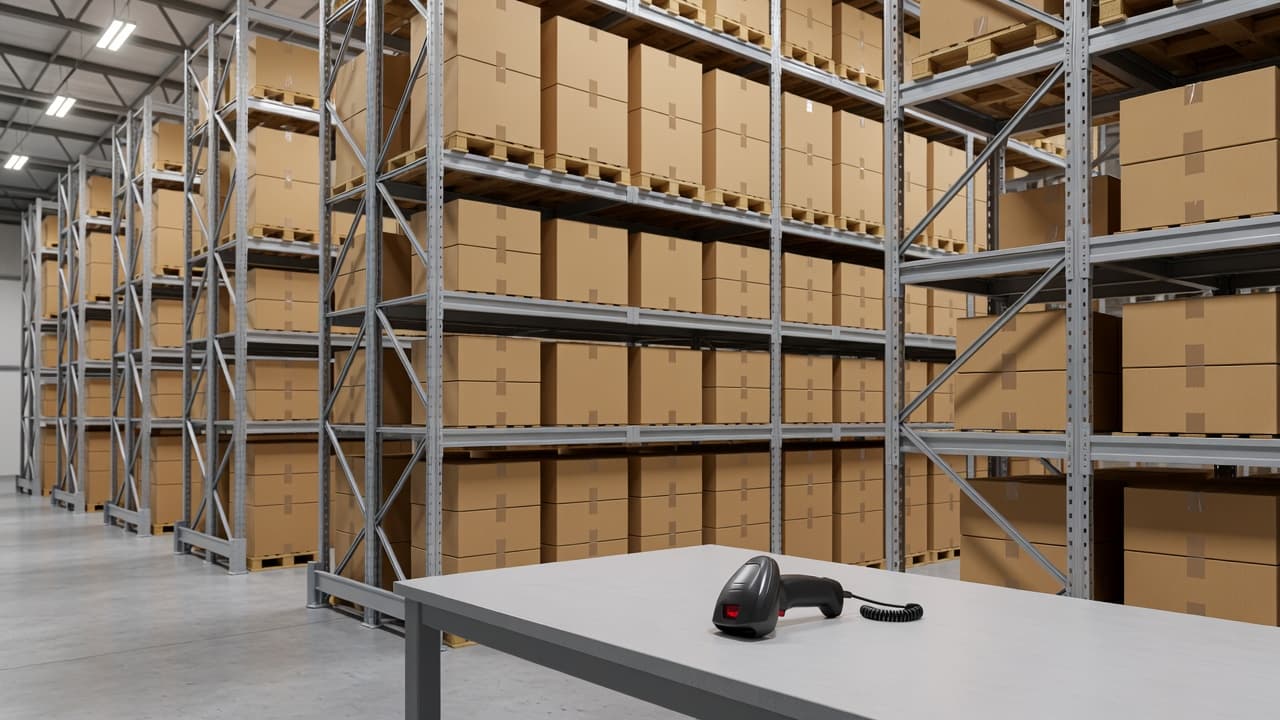
Most modern 3PLs use a warehouse management system, barcode scanning, and reporting tools to keep daily work tight. That means they can track inventory levels, lot or batch data when needed, order status, and shipment tracking in one connected flow.
If you sell products with expiry dates, regulated lots, or batch control, that visibility matters even more. You can trace what came in, where it sits, and where it shipped without sorting through manual spreadsheets.
The practical benefit is simple. Fewer blind spots mean fewer surprises. You know what is on the shelf, what is allocated, and what left the dock.
Some of the biggest gains include:
- Live stock counts that reduce oversells and stockouts
- Barcode scans that cut down on pick errors
- Shipment updates that help customer service answer faster
- Lot tracking that supports recall readiness and traceability
Why data helps teams make smarter moves
Clear data makes purchasing and planning less of a guessing game. If one item keeps running low, buying can adjust before orders stall. If another product moves slowly, you can hold back instead of filling shelves with more dead stock.
That kind of visibility also helps forecasting. Instead of relying on gut feel, your team can look at real movement patterns, peak periods, and order mix. In short, better reporting helps you order smarter, plan labor better, and reduce waste.
If you want a closer look at how tech fits into fulfillment, warehouse automation basics show how systems like these support day-to-day operations without forcing you to build the stack yourself.
Reason eight, reduce risk in storage, shipping, and compliance
Risk in fulfillment usually hides in the small stuff. A box gets crushed, a label gets swapped, stock expires on the shelf, or a product ships under the wrong condition. When those mistakes stack up, you feel it in returns, chargebacks, delays, and customer complaints.
Outsourcing this work can lower that pressure because a 3PL builds controls around the parts that go wrong most often. That matters even more for products that need extra care, like food, health and beauty items, or anything with lot tracking, date codes, or special handling rules.
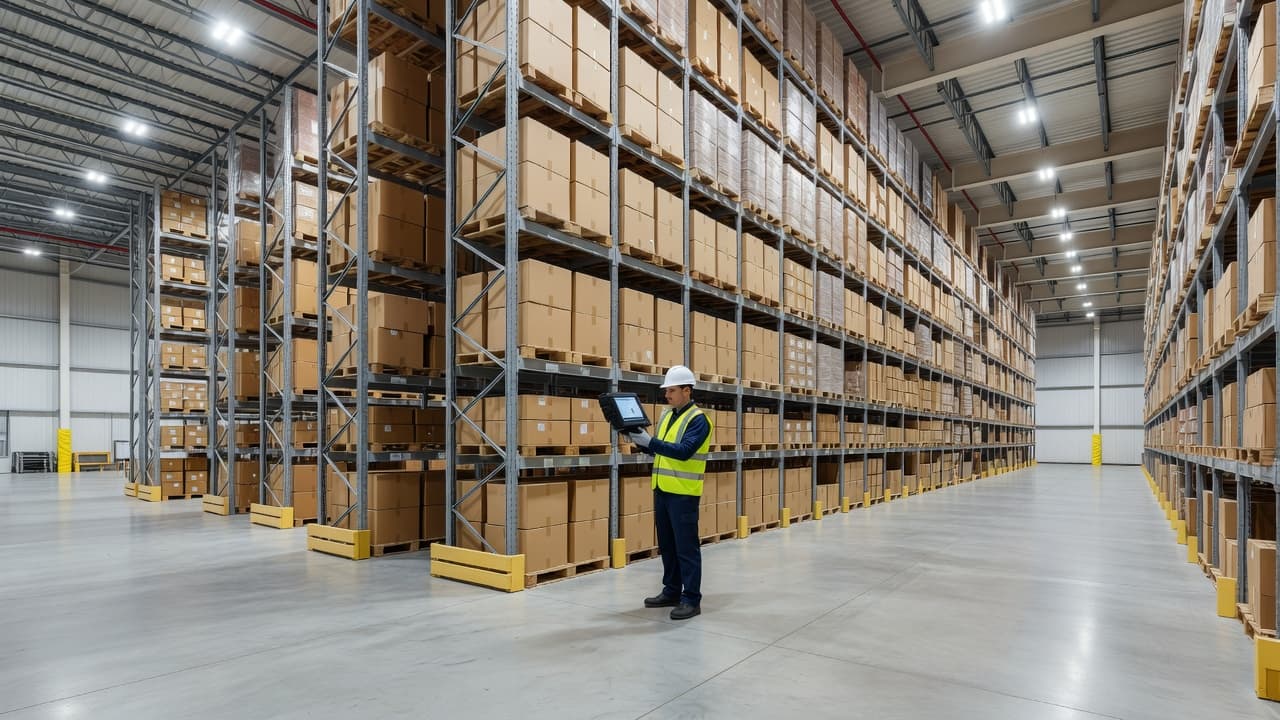
### The cost of errors in the warehouse
A warehouse mistake rarely stays in the warehouse. A wrong item can trigger a return, extra shipping, and another round of customer service work. A damaged carton can lead to a refund or a replacement shipment, which cuts into margin fast.
Mislabels create their own mess. If a product goes out with the wrong barcode, SKU, or address, the order may bounce, sit in transit, or get charged back by a retail partner. Expired stock is worse, because it can become unsellable inventory that still takes up space.
Those problems also waste time. Someone has to trace the error, fix the order, update counts, and answer the customer. One small slip can turn into a long afternoon.
How experienced 3PL partners help lower risk
Experienced 3PL teams use trained staff, repeatable processes, and quality checks to catch issues early. Barcode scans, packing verification, and lot or date control all help reduce avoidable problems before they leave the dock.
A good partner also keeps the process steady when volume changes. That consistency lowers the chance of skipped steps, mixed pallets, and other simple mistakes that snowball later. For a broader look at this side of logistics, risk management strategies for 3PL providers shows how stronger systems protect the flow of goods.
In short, the right 3PL does more than move product. It helps protect inventory, reduce waste, and keep your operation in line with the rules that matter.
Reason nine, support growth without rebuilding your operations
Growth should not force you to rip up your warehouse layout, add more shifts, or rebuild the process from scratch. The right 3PL lets you add volume, new products, and new sales channels without turning operations into a construction project.
That matters when your business starts changing faster than your current setup can handle. A partner can absorb more work, keep inventory organized, and help you stay steady while the business expands.
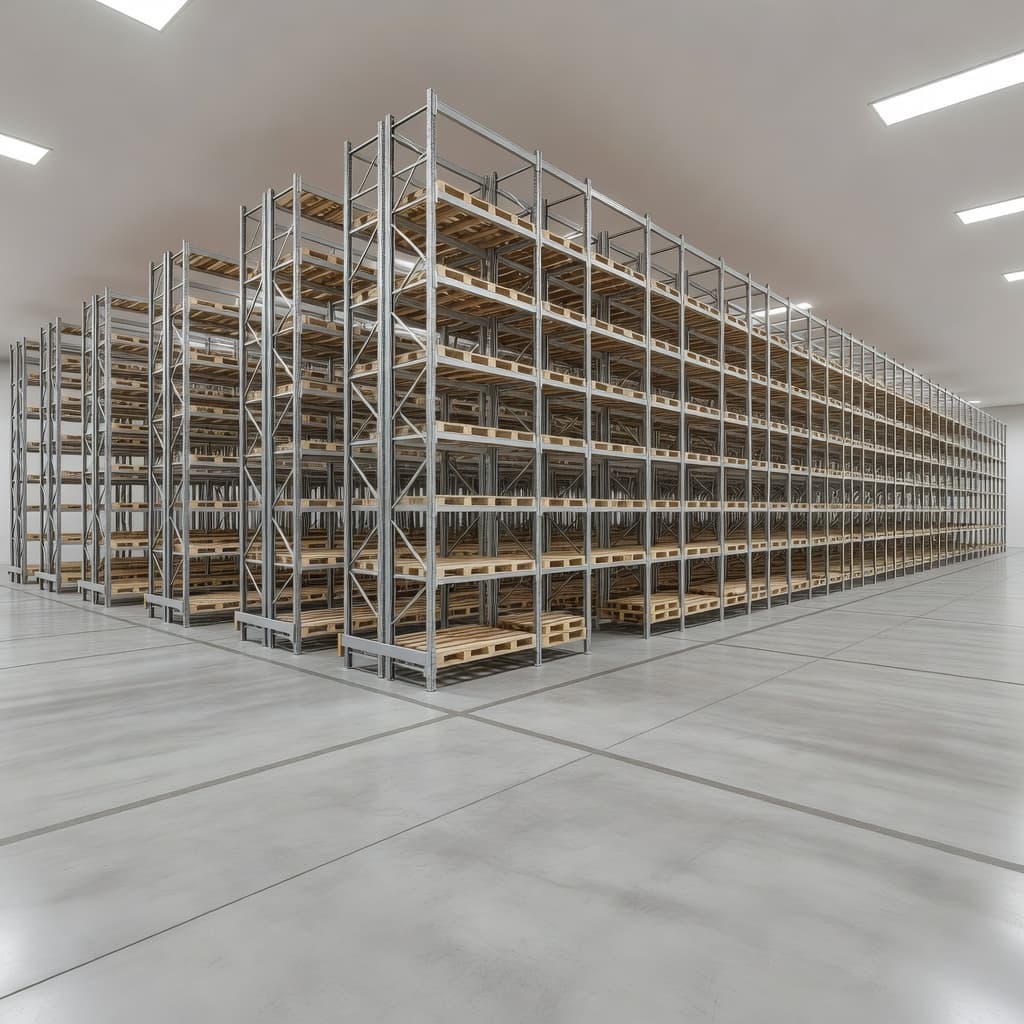
### Why growth can outpace in house fulfillment
More orders sound great until they hit the dock all at once. A small internal team can handle a steady flow, but volume spikes change the math fast. Packing tables fill up, labels pile higher, and the same people who manage shipping also end up answering customer questions.
New SKUs make it harder too. One product line is manageable, but ten or twenty items with different pack sizes, bundles, or refill options can crowd the process. Inventory gets harder to sort, pick paths get longer, and mistakes become more likely.
New customers add another layer. A local business that starts shipping nationwide, or moves from one marketplace to several, needs more inventory control and more room for error. A warehouse that once felt fine can start acting like a hallway with boxes in it.
That pressure grows quickly when you try to expand on your own. You may need more space, more labor, more systems, and more time all at once. For many brands, the better move is to scale your e-commerce fulfillment operations before the existing setup starts slowing sales.
How a 3PL partner can grow with you
A strong 3PL gives you room to expand without forcing a full reset. You can add inventory, launch seasonal items, test new product lines, and open new channels without redesigning your whole back end. That flexibility helps your operation stay calm even when demand picks up. For practical guidance on running an efficient warehouse, see these warehouse and distribution center best practices.
It also brings process support. As your order mix changes, the 3PL already has systems for receiving, storage, picking, packing, and reporting. In other words, the workflow grows with you instead of breaking under pressure. If you need a broader setup, comprehensive end-to-end fulfillment services can keep the whole order cycle under one roof.
Growth should feel like adding lanes to the highway, not tearing up the road every time traffic increases.
Just as important, a 3PL gives you stability. You can expand into new markets or channels with less stress on your staff, fewer surprises in the warehouse, and more confidence that orders will keep moving. That makes growth easier to manage, and it keeps your team focused on the business instead of the rebuild.
How to know if outsourcing warehousing is the right move
Outsourcing warehousing makes sense when your current setup starts costing more time, money, and control than it saves. The clearest signs usually show up in the numbers and in the daily grind, such as rising labor costs, more shipping mistakes, tight space, missed delivery goals, or too much leadership time spent putting out fires.

The right choice depends on where your business is today. A smaller company with steady volume may still manage in-house, while a growing brand with more SKUs, more orders, or seasonal spikes may need outside support sooner. If your team is spending more time on warehouse tasks than on sales, planning, or customer service, that is a strong signal that the operation is pulling focus from the business itself.
Questions to ask before you choose a 3PL
Before you commit, ask direct questions about the basics. Does the provider handle the full service range you need, including storage, picking, packing, shipping, and returns? Can they prove order accuracy, share clear reporting, and scale with your volume when demand rises?
Communication matters just as much. You want a partner that answers quickly, gives you clean data, and keeps you informed when something changes. Industry fit matters too, because a 3PL that understands your product type will usually handle the details better.
A few questions worth asking are:
- Can you support our current order volume and future growth?
- What accuracy rates do you track, and how do you report them?
- How often will we get inventory and shipment updates?
- Who do we contact when an issue comes up?
- Have you worked with businesses in our industry before?
What a strong partner should be able to prove
A solid 3PL should not just talk about capability, it should show it. Look for experience, clear processes, quality control, and dependable communication. If a provider also handles packaging, fulfillment, and distribution under one roof, that can simplify the workflow and reduce handoffs.
You should also expect proof of consistency. Ask how they train staff, check orders, manage inventory, and handle peak periods. If the answers are vague, the fit probably is too.
Conclusion
The nine reasons point to the same answer. When warehousing and distribution start taking too much time, space, and attention, a 3PL can lower costs, improve accuracy, and keep orders moving without dragging your team down. If you want a clearer picture of how that model works, understanding 3PL logistics operations is a useful next step.
The biggest takeaway is simple. Outsourcing before the bottleneck hits gives you more control, not less. It helps you stay focused on sales, service, and planning while a capable partner handles the warehouse side with more consistency than a stressed internal team often can.
That shift matters most when growth starts to outpace your current setup. The right time to consider a 3PL is often before shipping slows down, space runs out, or mistakes start piling up.
