

ECommerce Fulfillment: 5 Strategic Steps for Growth
When orders ship late or arrive wrong, sales slip, support tickets rise, and trust takes a hit. Strong eCommerce Fulfillment protects all three, because it shapes speed, accuracy, cost control, and the experience your customers remember.
That’s why a solid fulfillment plan has to do more than move boxes. It needs the right process, the right inventory flow, the right packing standards, and the right partner, whether you handle it in-house or work with professional contract packaging services. This five-point guide breaks down the practical steps that help you keep orders moving and margins in check.
Start with the customer promise, not the warehouse
Strong ECommerce Fulfillment starts with a clear promise to the customer. Do you want orders at the door fast, packed with care, easy to return, or boxed in a premium way? That choice should shape every later decision, because storage, picking, packing, shipping, and service rules all need to support the same experience.
A brand that sells luxury products may care more about presentation and low error rates than the lowest shipping cost. A value-focused brand may promise solid delivery at a lower price point, with simpler packaging and fewer extras. B2B sellers often need different rules altogether, since order accuracy, carton labels, and delivery windows can matter more than speed alone.
That promise also sets the bar for your fulfillment setup. If you want a strong customer experience, the process has to back it up, whether you handle end-to-end fulfillment services or keep parts of the work in-house.
Define the service level that fits your brand
Service level is where the promise becomes real. Shipping speed, order accuracy, order cut-off times, packaging expectations, and return handling all need clear targets. If your site says “fast shipping,” but orders miss the cutoff every afternoon, the promise falls apart.
Different brands need different service levels, and that’s normal. Premium brands may need branded inserts, clean presentation, and tight error control. Budget brands may focus on basic, dependable delivery at the best possible cost. B2B sellers may need case packs, pallet rules, and delivery appointments more than gift-ready packaging.
A few service choices should be set early:
- Speed: Same-day, next-day, or standard delivery
- Accuracy: Tighter pick and pack controls for higher-value orders
- Cut-off time: The latest time an order can ship same day
- Packaging: Simple, branded, protective, or retail-ready
- Returns: Easy customer returns or stricter B2B handling
Once those standards are clear, every downstream step gets easier. Your team knows what “good” looks like, and your customer gets the experience they were promised.
Match the fulfillment model to order volume and product type
The right model depends on how many orders you ship and what you sell. In-house fulfillment gives you direct control, which works well for lower volume or very specific packing needs. A 3PL adds space, labor, and shipping support, which helps when orders grow or processes get too slow to manage alone.
Hybrid setups split the work. You might keep some kitting, special packaging, or account-based orders in-house, then send standard orders to a 3PL. That mix works well when your business has both routine orders and special cases.
Product type matters just as much as volume. Bulky items need more space and stronger handling. Fragile goods need better protection. Seasonal products need room to flex up and down. Multi-SKU orders need a process that keeps picks accurate without slowing everything down.
The right setup is the one that matches the order profile you actually have, not the one that only looks simple on paper.
Plan for growth before the bottlenecks show up
Growth puts pressure on weak fulfillment systems fast. A sharp order spike can overwhelm labor schedules, slow shipping, and raise picking errors. New product launches can clog storage and create confusion if SKU setup is messy. Channel expansion, like adding retail, marketplaces, or wholesale, can break a process that only worked for one sales path.
Planning ahead means building a model that can handle more volume without losing speed or accuracy. That usually means cleaner inventory rules, clear pack standards, and a process that can scale without constant fire drills. It also means watching for the point where a small delay turns into a customer complaint.
A strong fulfillment promise should still hold when demand jumps. If your operation can grow without slipping on accuracy, delivery times, or packaging quality, you have a system that supports the business instead of chasing it.
Design a fulfillment flow that keeps orders moving
A strong fulfillment flow keeps each order moving with little friction. The best systems are simple enough for teams to follow during a normal shift, yet sturdy enough to hold up when volume spikes. That means every handoff, from receiving to returns, needs a clear owner and a clear next step.

### Organize inventory so products are easy to find and count
Inventory control starts with slotting. Fast-moving items should sit in easy-to-reach locations, while slower SKUs can stay farther back. That cuts travel time and helps pickers stay focused.
Labeling matters just as much. Clear bin labels, SKU labels, and location codes reduce guesswork, especially when similar products look alike. With tight location control, every item has a home, and every move gets recorded right away.
A clean storage layout also saves time. Wide aisles, consistent bin sizes, and grouped product families make counts faster and picking errors less likely. If your team has to hunt for stock, the flow breaks down before the order even starts.
Make picking and packing fast without hurting accuracy
Picking works best when the process is repeatable. Batch picking can help teams pull multiple orders at once, especially when items overlap. That lowers walking time and keeps the pace steady.
Packing stations should also be set up with purpose. Keep tape, dunnage, labels, and documents within reach so workers do not waste steps. Then add a simple quality check before sealing each carton, since one quick review can prevent a costly reshipment.
Standard packing steps matter here. When everyone follows the same method, you get fewer mistakes and cleaner handoffs to shipping. That consistency is a big part of distribution and fulfillment support, especially when order volume swings up and down.
Build a simple returns process that protects margin
Returns should feel easy for the customer, but tightly managed on the back end. A clear returns flow keeps damaged or unsellable goods from slipping back into stock.
Every return should be inspected, then sorted into one of three paths:
- Restock if the item is in sellable condition
- Repack if it only needs minor correction
- Remove from inventory if it cannot be resold
That structure protects margin and keeps inventory counts honest. For a closer look at the back-end side of returns, reverse logistics strategies for e-commerce returns can help shape the process.
Use data and technology to stay ahead of errors
Good eCommerce Fulfillment runs on facts, not guesswork. When teams track the right data and use the right tools, they catch problems before customers do. That means fewer mispicks, fewer stockouts, and fewer late shipments that turn into support calls.
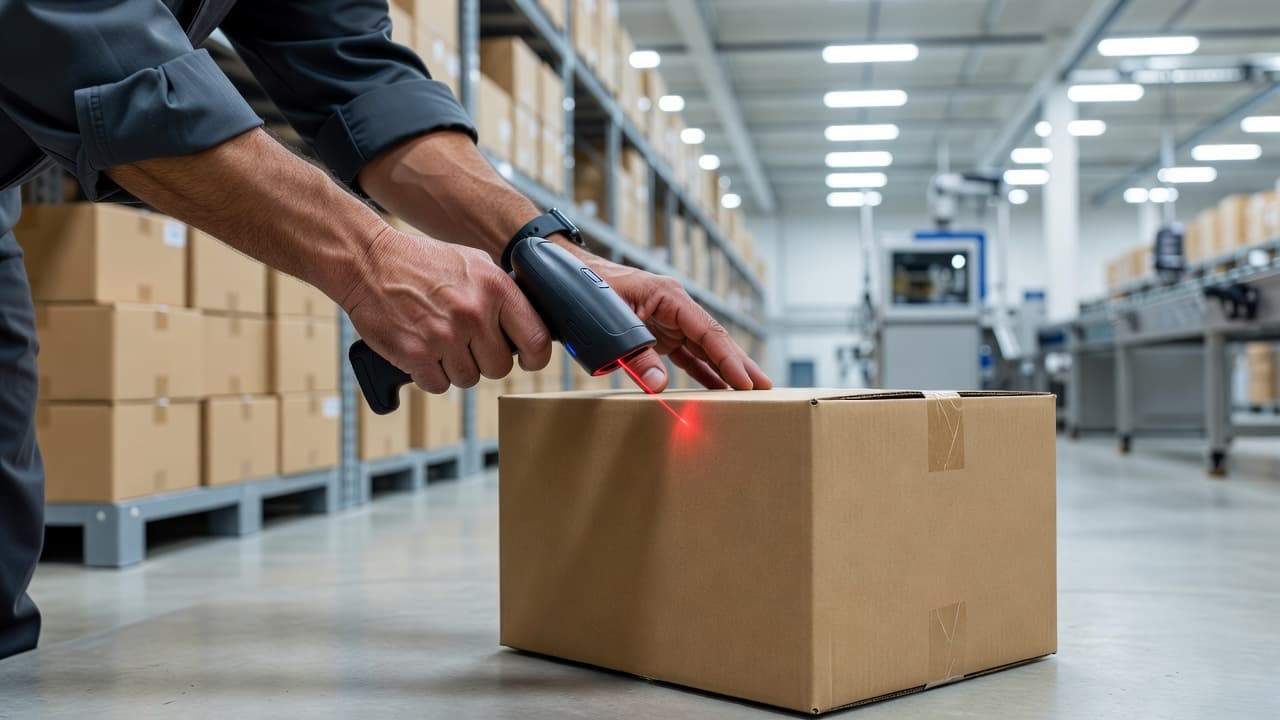
A strong system ties inventory, orders, scanning, and reporting together. Real-time data gives your team a live view of what’s on hand, what’s picked, what’s packed, and what still needs attention. It also helps leaders make faster calls when demand shifts or an item starts to run low.
### Track the metrics that actually affect customer experience
Keep the focus narrow. A few clear numbers tell you much more than a crowded dashboard ever will.
- Order accuracy shows how often customers get the right item, in the right quantity.
- Inventory accuracy tells you whether the system count matches what is physically on the shelf.
- Order cycle time measures how long it takes to move an order from receipt to shipment.
- On-time shipping shows whether orders leave when promised.
These metrics matter because they expose weak spots fast. If order accuracy dips, the issue may be picking or packing. If inventory accuracy slips, counts and receiving need attention. When cycle time rises, the team may be short on labor or dealing with a bottleneck.
Innovative technology for logistics and fulfillment helps turn those numbers into daily action, not just monthly reports.
Use real-time inventory visibility to prevent stockouts
Accurate counts keep sales flowing. When inventory updates in real time, your store avoids overselling, your team avoids backorders, and shipping avoids last-minute scrambles for substitutes.
Barcode scanning adds another layer of control. Every scan confirms a move, so receiving, picking, and packing all leave a clean record. That makes it easier to spot mismatches before they become a missed shipment.
Small count errors grow fast. One wrong number can affect orders, shipping plans, and customer trust.
Set up alerts before small issues become major delays
Alerts should flag damaged inventory, low stock, late orders, and error trends the moment they appear. Early warnings help teams fix problems while they are still small.
A good reporting system also shows patterns. If one SKU keeps arriving damaged, or one shift has more errors, the data points to the source. That gives your team a chance to correct the process instead of repeating the same mistake tomorrow.
With the right software and scanning habits, fulfillment stops reacting and starts anticipating.
Choose fulfillment partners that fit your operation
The right fulfillment partner should make your operation stronger, not more complicated. A good fit can improve speed, add capacity during busy periods, tighten quality control, and give you more room to adjust as your product mix changes.
That fit matters because not every 3PL or contract logistics provider is built for every brand. A company shipping food, beauty items, consumer goods, or retail packs may need different handling rules, packing materials, and compliance support. If your operation needs more than shipping alone, a partner with contract packaging and logistics support can cover assembly, packaging, and fulfillment under one roof.

### Look for industry experience that matches your product mix
Product type shapes the work. Food products may need careful lot control, packaging protection, and stricter handling rules. Beauty items often need clean presentation, secure sealing, and consistent labeling. Consumer goods and retail products may need kitting, display assembly, or retail-ready packaging.
That is why experience in your category matters. A provider that already handles similar items is more likely to understand the pacing, packaging, and compliance details your orders depend on. For many brands, professional contract packaging services are part of that match.
Check how the provider handles deadlines and quality control
Price matters, but it should not outrank on-time performance and pack accuracy. Late shipments create customer service work, and sloppy packing creates returns, damage claims, and rework.
Ask how they track deadlines, inspect finished orders, and prevent errors before cartons leave the dock. Strong providers use repeatable checks, clear pack standards, and a steady process that keeps quality from slipping when volume rises.
Ask how communication and reporting will work day to day
Daily communication can make or break the relationship. You should know who manages your account, how fast they respond, and how they share updates when orders, inventory, or timelines change.
Order visibility matters too. Good reporting helps you spot issues early, while fast issue resolution keeps small problems from turning into missed shipments. If a partner can answer questions quickly and clearly, your team spends less time chasing updates and more time moving the business forward.
Keep improving with audits, feedback, and smarter planning
Strong fulfillment systems do not stay strong by accident. They hold up because someone checks the numbers, listens to the team, and updates the process before small issues grow teeth.

### Review order data and customer feedback together
Order reports tell you what happened. Customer feedback tells you how it felt. When you put both side by side, patterns start to show, especially if complaints, returns, and repeat issues keep pointing to the same step.
A spike in damaged items may point to weak packaging or rough carrier handling. A rise in wrong-item returns may trace back to picking, labeling, or poor SKU setup. If the same complaint appears again and again, that is a process problem, not a one-off mistake.
Use those clues to tighten the weak spots. If you want a more detailed method, improve fulfillment accuracy with regular checks on receiving, inventory control, and pack-out steps.
Test packaging and shipping methods for cost and protection
Packaging should protect the product without wasting space or money. Test different box sizes, inserts, and void fill so you can reduce damage and cut dimensional weight at the same time.
Small changes often make a big difference. A tighter carton can lower shipping cost, while better inserts can stop movement inside the box. You can also compare carriers and service levels to find the best mix of price and reliability.
The goal is simple, protect the item, preserve the unboxing experience, and avoid paying for empty space.
Refresh the plan as your business changes
Fulfillment plans need regular updates when your business changes. Seasonality can shift order volume overnight, and new sales channels can change packing, labeling, and ship timing. New SKUs add more complexity, while expansion into larger markets can bring different carrier rules and delivery expectations.
Team training should change with the plan. So should packaging reviews, carrier checks, and cost audits. If your operation still runs on old assumptions, it will slow down just when growth starts to pick up.
Conclusion
A strong ECommerce Fulfillment plan works best when the customer promise, warehouse flow, data, partner support, and review process all pull in the same direction. That five-point framework keeps orders moving, keeps errors in check, and gives your team a clear standard to work from.
When fulfillment supports the business instead of slowing it down, growth gets easier to manage. If your operation needs tighter order handling, pick pack and ship services can help connect accuracy, speed, and consistency in one process.
The best systems stay simple, stay measurable, and stay ready for change. That kind of fulfillment protects revenue, builds trust, and gives the business room to scale with less friction.
