
Paper vs Plastic Packaging: Pros and Cons Compared
Is paper or plastic better for product protection, cost, sustainability, and customer experience? Neither material is always the right choice. Your decision depends on the product, package format, shipping distance, shelf-life requirements, recycling access, and risk of damage in transit.
Paper can offer easier recycling and a strong customer-facing sustainability message, while plastic often provides better moisture protection, lower weight, and lower shipping costs. However, life-cycle impacts vary, so manufacturers, retailers, and ecommerce brands need to weigh performance, environmental tradeoffs, logistics, and real-world use cases before selecting a format. If packaging production is part of the challenge, contract packaging services can help turn the right material choice into a dependable operation.
Paper vs Plastic Packaging: Pros and Cons at a Glance
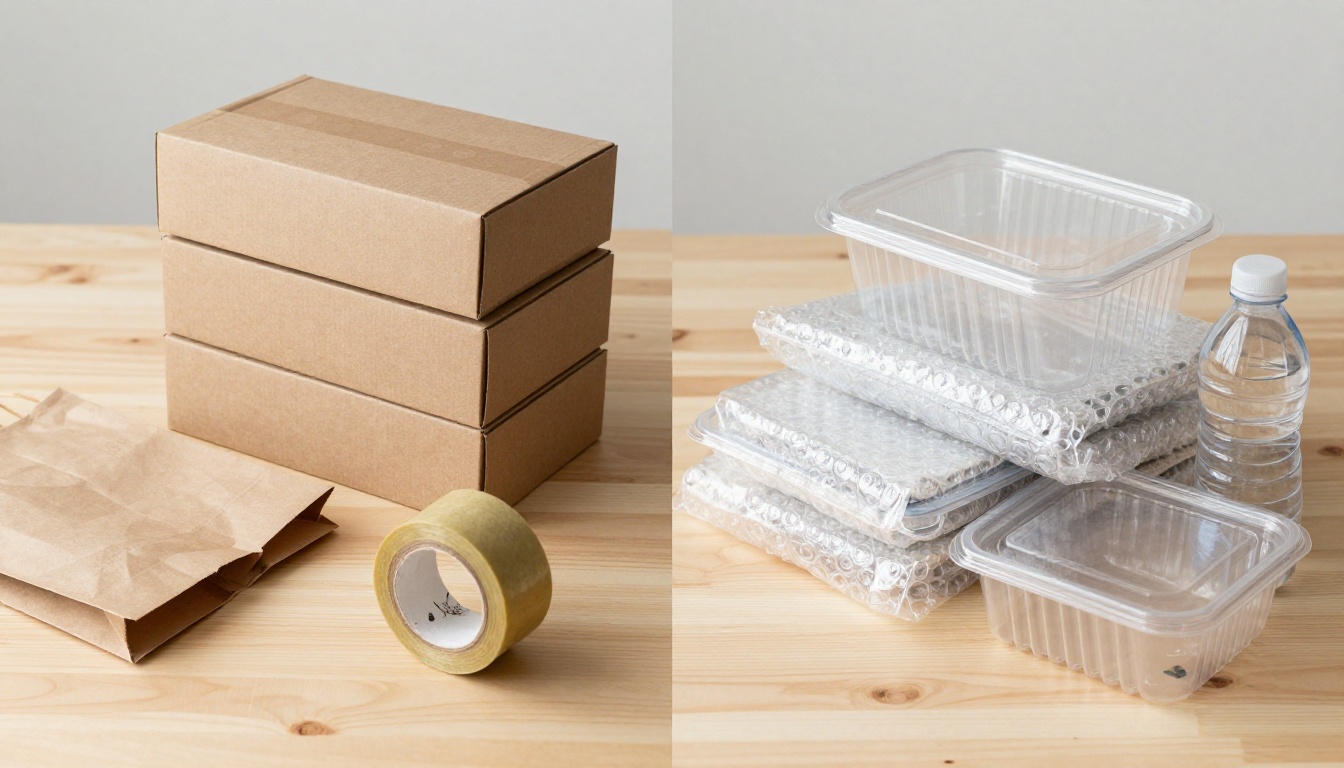
Paper and plastic packaging solve different problems. Paper often offers strong print quality, easy brand presentation, and good recyclability for clean, dry formats. Plastic usually wins on low weight, moisture resistance, durability, and efficient shipping.
| Factor | Paper packaging | Plastic packaging |
|---|---|---|
| Weight | Usually heavier and bulkier | Usually lightweight |
| Strength | Strong in boxes and board formats | Strong, flexible, or impact-resistant |
| Barrier protection | Limited unless coated or laminated | Often excellent against moisture, air, and grease |
| Printing | Sharp, high-quality graphics | Good printability, especially on films and labels |
| Shipping | Can increase freight weight | Often reduces shipping weight |
| Storage | May need protection from moisture | Usually handles damp storage better |
| Recyclability | Often recyclable when clean and fiber-based | Depends heavily on resin and local recovery systems |
| Typical applications | Mailers, cartons, boxes, bags, books, food sleeves | Pouches, poly bags, wraps, bottles, blister packs, cushioning |
The package must perform its full job, not simply look sustainable on a shelf. A paper package that causes more breakage, spoilage, or product waste may create a worse overall result than a well-designed plastic package. Product weight, shipping distance, storage conditions, reuse, and local recycling access all affect the decision.
For a practical comparison of tradeoffs, this packaging materials overview explains why neither material is automatically the better environmental choice.
### What counts as paper packaging?
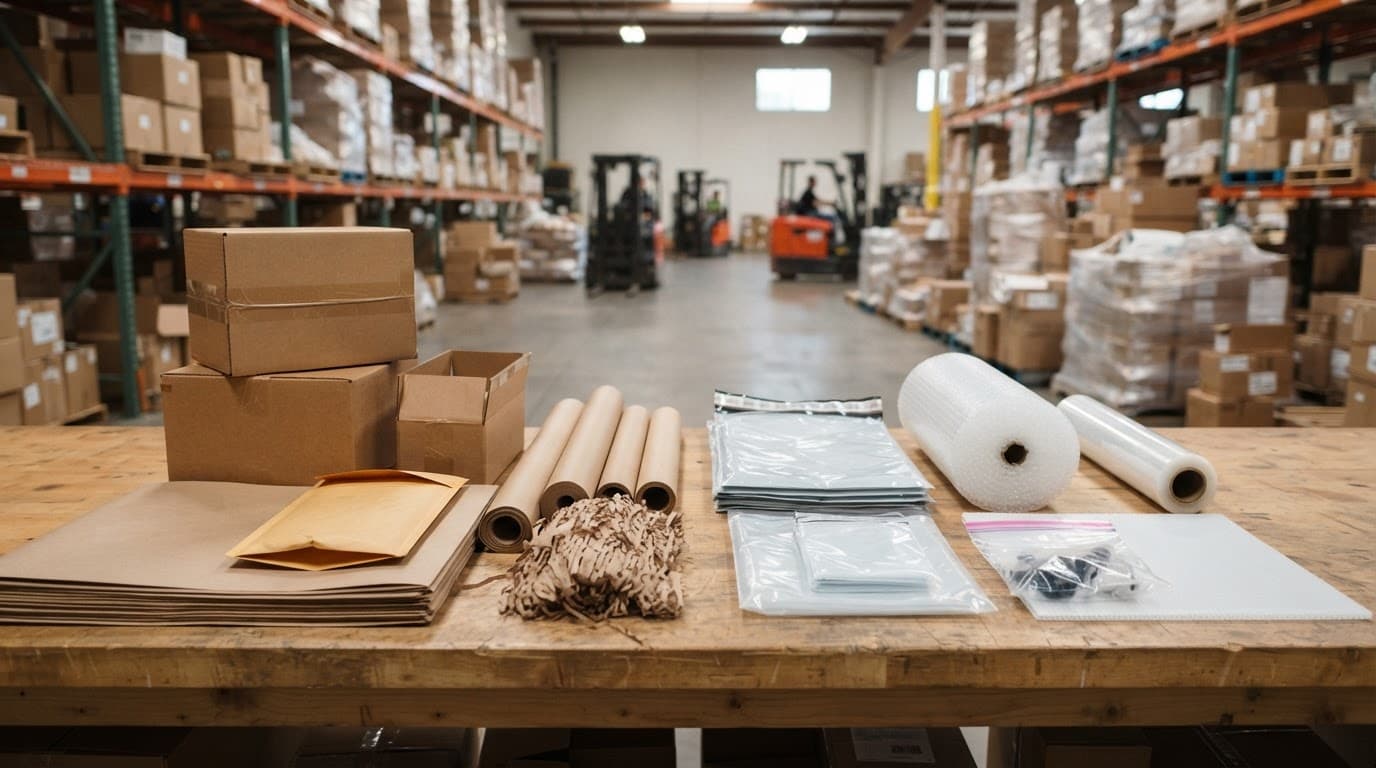
Paper packaging includes more than a basic shopping bag. Kraft mailers protect ecommerce orders with a lightweight paper exterior, while corrugated shipping boxes add fluted inner layers for stacking strength and cushioning. Retail products often use paperboard cartons or folding cartons for cereal, cosmetics, books, medicine, and other consumer goods.
Molded fiber packaging uses shaped paper pulp to hold products such as electronics, food items, and personal care bottles. Paper bags work well for retail purchases and dry goods, while paper cushioning fills empty space inside shipping boxes and helps prevent movement.
The package level also matters:
- Primary packaging touches the product, such as a paper food sleeve or a paperboard carton holding a sealed item.
- Secondary packaging groups or displays products, such as a carton holding several bottles.
- Tertiary packaging supports storage and transportation, including corrugated cases, pallet sheets, and protective layers.
Paper is not automatically easy to recycle. Wax coatings, plastic films, heavy inks, adhesives, foil laminates, and food residue can change how a package is handled after use. A paper cup, for example, may contain a thin plastic lining, while a shipping mailer may combine paper with a plastic bubble layer.
For brands managing multiple formats, contract packaging and fulfillment can help coordinate material selection, labeling, kitting, and packaging quality across production and distribution.
What counts as plastic packaging?
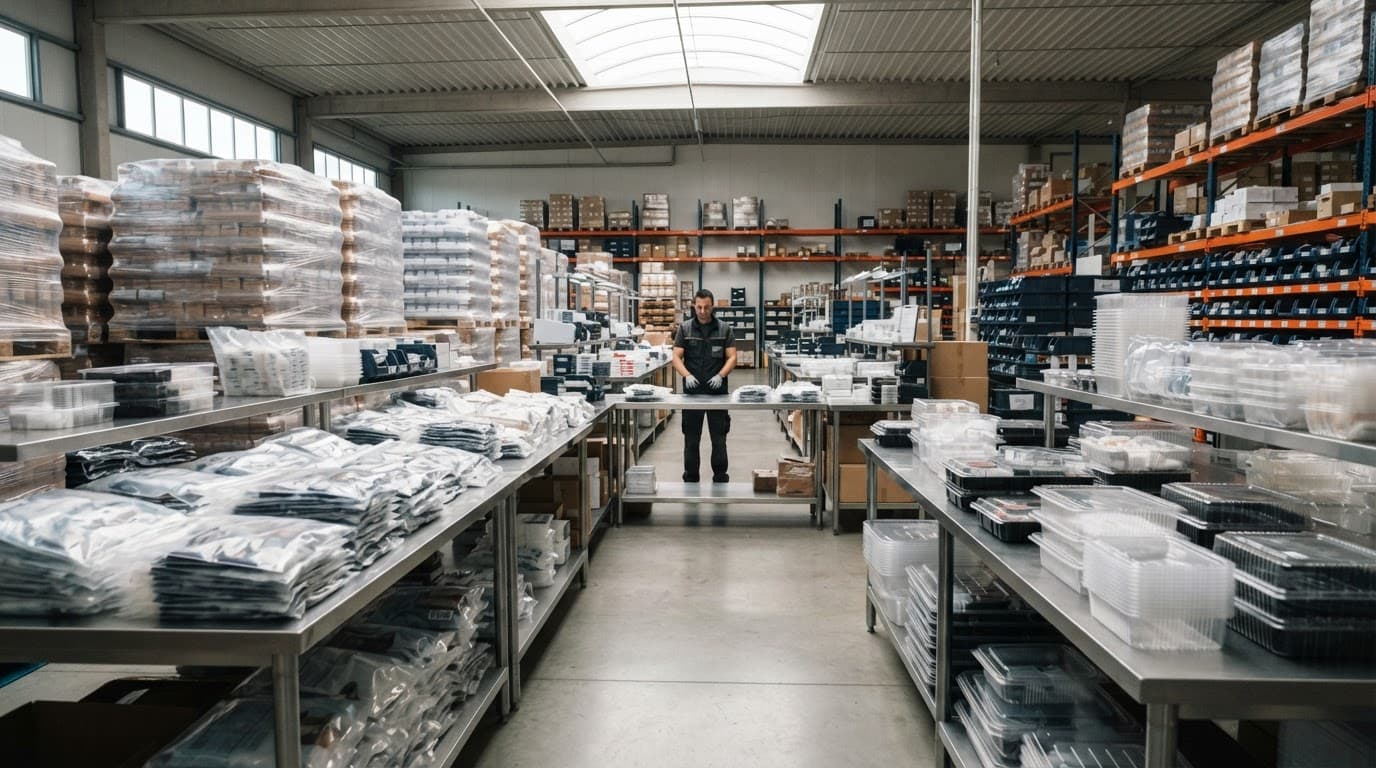
Plastic packaging includes both flexible and rigid formats. Flexible plastics include polyethylene mailers, poly bags, pouches, shrink film, stretch wrap, and plastic cushioning. These formats bend easily and often protect products with little added weight.
Rigid plastics include bottles, tubs, trays, blister packs, and clamshells. They provide shape, visibility, impact protection, and controlled product presentation. A blister pack can hold medication or small retail items, while a clamshell can protect a consumer product on a store peg.
Plastic is not one material. Different resins provide different levels of strength, clarity, heat resistance, and barrier protection. Polyethylene may work well for bags and films, while polypropylene, PET, and other resins suit containers, trays, or clear display packaging.
Recycling options vary by resin, package design, contamination, and local recovery systems. Flexible films often have fewer curbside recycling options than rigid containers, even when both are technically plastic. That difference matters when you compare the package’s entire life cycle.
The Main Advantages and Drawbacks of Paper Packaging
Paper packaging can strengthen a product’s appearance and support sustainability goals, but it has clear performance limits. The best results usually come when brands match paper with products that are dry, light, and unlikely to face harsh handling or extended exposure to moisture.
Why brands choose paper for visibility and sustainability goals
Paperboard cartons, corrugated boxes, kraft mailers, and retail displays give brands a large, printable surface. High-resolution graphics, product details, colors, and finishes can appear sharp on paper, helping packages stand out on a shelf or during unboxing. Paper also has a natural texture that many customers associate with simplicity, craftsmanship, and responsible sourcing.
That appearance can support sustainability-focused messaging, but brands should keep the claim accurate. Paper comes from a renewable fiber source, and clean, uncoated paper and board are often recyclable through established recovery systems. Uncoated paper can also break down more readily than plastic when it enters suitable natural or managed disposal conditions. A research review on consumer perceptions of paper-based packaging found that these traits influence how shoppers view paper as a packaging material.
However, paper is not automatically sustainable because it looks natural. Recovery depends on the package’s construction and the local recycling system. Clean fiber-based packaging is easier to sort and process than paper covered with plastic film, thick coatings, foil, or multiple bonded layers. Grease, food residue, and moisture can also reduce its value in the recycling stream.
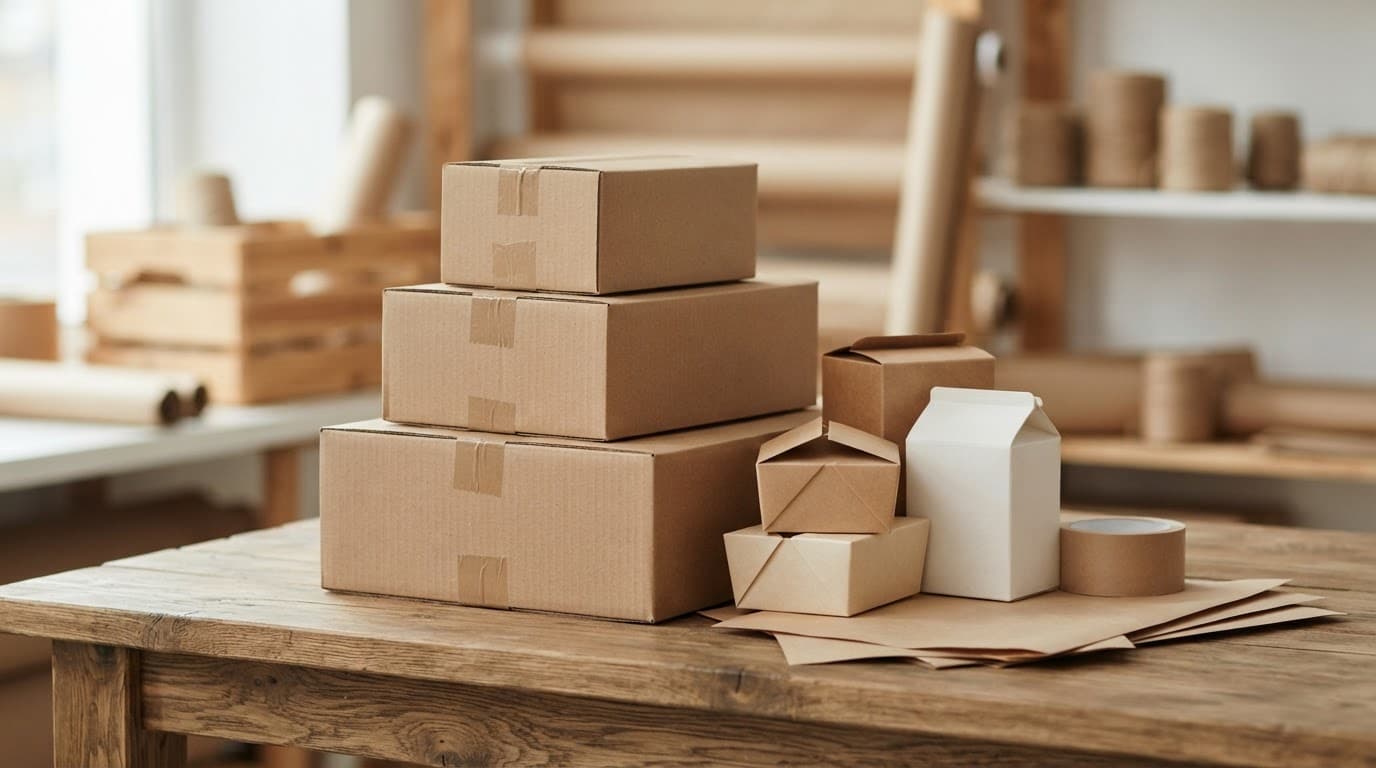
Paper also creates practical brand opportunities. A corrugated box can carry printed instructions or serve as a sturdy shipping container. A kraft mailer can provide a clean ecommerce presentation, while a folding carton can organize product information without requiring a separate display piece. Retail displays made from paperboard are easy to print, fold, store, and customize for promotions.
Paper creates the most value when its visual appeal and recoverability match the product’s actual protection needs.
Where paper packaging can fall short
Paper absorbs water and loses strength when exposed to rain, condensation, high humidity, or wet storage conditions. Grease and oils can soak into the fibers, while repeated handling may cause tearing, crushing, scuffing, or loss of shape. These problems matter for packages moving through warehouses, parcel networks, retail floors, and customer homes.
Coatings, waxes, plastic laminates, and barrier films can improve resistance to moisture, grease, oxygen, and aroma transfer. Yet those additions may make the package harder to recycle because they separate poorly from the fiber or create a mixed-material structure. A paper package with a plastic lining may perform well, but it shouldn’t be treated like plain paper in end-of-life planning.
Paper can also be a poor fit for products that need long shelf life or strong protection. Certain foods, liquids, pharmaceuticals, and personal care products may require reliable oxygen, moisture, light, or contamination barriers. Plastic often provides those barriers with less material and lower weight.
Finally, paper packaging can be heavier and bulkier than comparable plastic formats. That difference may increase pallet space, warehouse requirements, and freight costs. Before switching materials, test the package under actual shipping and storage conditions, then compare damage rates, protection, recovery options, and total logistics costs.
The Main Advantages and Drawbacks of Plastic Packaging
Plastic remains widely used because it solves practical packaging problems that paper cannot always handle. Its low weight, durability, flexibility, and barrier performance can protect products while reducing material use and shipping weight. At the same time, plastic formats differ greatly, so a durable recyclable container deserves a different assessment than a multilayer pouch or disposable film with no convenient recovery option.
Why plastic still leads for protection and efficiency
Plastic packaging combines strength with low weight. Poly bags protect apparel from dust and moisture without adding much bulk, while shrink film groups products and stabilizes cases on a pallet. These lighter formats can reduce freight weight and help companies fit more units into trucks, warehouses, and fulfillment areas.
Flexibility also helps plastic conform to a product instead of leaving large empty spaces. Pouches are useful for liquids, sauces, personal care products, and household goods because they can hold contents securely while using less material than many rigid containers. Heat sealing creates a tight closure, which limits leaks, tampering, and contamination.
Plastic can also provide barriers against water vapor, oxygen, grease, odors, and microorganisms. Those properties help protect product quality and extend shelf life, especially for food, cosmetics, medical supplies, and unit-dose products. Blister packs, for example, separate individual tablets while protecting them from handling and moisture. Clear trays, protective films, and clamshells preserve visibility while keeping dirt and contact away from the product.
Clarity is another practical advantage. A transparent film can let shoppers inspect an item before purchase, while a protective layer can reduce scratches on polished surfaces, printed goods, electronics, or finished components. When the package prevents damage or spoilage, it can reduce replacements, returns, and product waste.
Brands reviewing material choices can compare these performance factors with other packaging material options before selecting a format. The right choice depends on the product, shipping conditions, shelf-life target, and available recovery system.
### Where plastic creates environmental and customer concerns
Plastic’s main weakness appears after use. When it escapes collection systems, it can remain in the environment for decades or longer, contributing to litter and microplastic pollution. Customers also see visible plastic waste, so excessive packaging can weaken trust even when the package protected the product well.
Recycling access adds another complication. Many flexible films, multilayer pouches, small sachets, and lightweight wraps aren’t accepted in standard curbside programs. Their thin structure, mixed materials, food residue, or small size can make sorting and processing difficult. The Association of Plastic Recyclers’ packaging EPR information illustrates why collection and processing rules matter beyond a resin code.
A resin identification code helps identify the plastic type, but it doesn’t guarantee that local facilities accept or recycle the package. Brands should also reduce unnecessary material, design mono-material formats where practical, add verified recycled content, and assess reuse options. Recovery claims should match a real collection or take-back pathway.
Lightweight plastic may lower transportation emissions, yet that benefit doesn’t settle the decision. End-of-life performance depends on local collection, sorting, processing capacity, and consumer behavior. A package designed for recovery and used repeatedly can perform very differently from a disposable format that has no practical route beyond disposal.
Which Material Has the Lower Environmental Impact?
Neither paper nor plastic has the lowest environmental impact in every situation. A fair comparison considers raw materials, manufacturing energy, water use, package weight, transportation, product protection, customer behavior, and end-of-life recovery.
Paper may require more material and shipping space to provide the same strength or barrier protection. Plastic often uses less material and energy, but it can remain in the environment for a long time and may lack a practical recovery route. The better choice is usually the package that meets the product’s needs with minimal material and a realistic plan for what happens after use.

### Recycling, composting, and real-world recovery matter
A package can be technically recyclable without being widely collected or successfully recycled. A resin code or recyclable symbol only describes the material’s potential. It doesn’t prove that a customer’s curbside program accepts the format, that a sorting facility can separate it, or that a processor has a buyer for the recovered material.
Paper generally has more established fiber recovery streams, especially for clean corrugated boxes, paperboard, and uncoated paper. However, food residue, grease, moisture, plastic windows, foil, wax, and laminated coatings can lower recovery rates. A paper package that combines several bonded materials may require special handling or end up in the trash.
Compostable packaging has a similar limitation. It can break down under the right conditions, but many products need a commercial or industrial composting facility with controlled heat, moisture, and processing time. If that service isn’t available, the package may go to a landfill or contaminate a recycling stream. Customers also need clear instructions because “compostable” doesn’t necessarily mean suitable for a backyard compost pile.
Brands should confirm environmental claims against the waste systems available in their target markets. Clear disposal directions should appear on the package, product page, or shipping materials. Designers can also improve recovery by avoiding unnecessary mixed materials, minimizing coatings, and selecting formats that local facilities actually accept. A life cycle assessment of paper and plastic bags shows why results can change by package design and impact category rather than producing one universal winner.
Product waste can outweigh the packaging difference
Packaging protection belongs in every sustainability comparison because a damaged product creates a second environmental cost. Leaks, crushed goods, spoilage, returns, replacements, and expedited reships consume more materials, labor, energy, warehouse time, and transportation capacity.
For example, a paper package may use renewable fiber but fail when rain or condensation reaches the product. If the item arrives damaged, the original package and product may both become waste. On the other hand, a thin plastic barrier may protect food from oxygen or moisture long enough to prevent spoilage. Its recovery challenges still matter, but avoiding wasted food can change the overall result.
The same principle applies to ecommerce and retail fulfillment. A package that prevents breakage with the least material may outperform a visibly greener package that causes frequent claims and replacements. Brands should compare damage rates, shelf life, freight weight, recovery access, and disposal instructions together. When selecting cushioning or protective formats, review these protective packaging materials alongside the primary package.
The best package prevents avoidable product loss while using no more material than necessary.
How Paper and Plastic Affect Cost, Shipping, and Fulfillment
Packaging cost reaches far beyond the material invoice. Paper may cost more per unit and occupy more storage space, while plastic often costs less upfront and weighs less during shipping. Still, the cheaper package can become expensive if it slows packing, causes damage, or creates more returns.
Compare total landed cost, not just the package price
Start with the complete cost of getting one saleable unit packed and delivered. Your checklist should include:
- Material price by unit, including cartons, bags, inserts, labels, tape, and protective components.
- Packing labor, equipment needs, line speed, and changeover time between formats.
- Storage footprint for empty packaging, finished cases, and palletized inventory.
- Freight charges based on actual weight, dimensional weight, pallet density, and shipping distance.
- Damage rates, customer claims, replacement shipments, return handling, and inspection labor.
- Disposal fees, recycling requirements, compliance work, and customer service impacts.
Package dimensions can affect freight even when the item itself is light. Carriers may bill based on dimensional weight when a box takes up more space than its actual weight justifies. FedEx explains that dimensional weight uses the package’s length, width, and height, so dimensional-weight calculations should be part of every packaging comparison.
A larger paper box may raise storage and parcel costs because it reduces pallet density. Plastic mailers often use less space and weigh less, but they may require extra protection for sharp, fragile, or moisture-sensitive products. The correct comparison is your total cost per delivered order, not the price of paper or plastic alone.
A package that saves two cents in materials can lose that advantage after one damaged shipment or a slower pack-out.
Run a pilot with real products, real packers, and real shipping routes before making a large material change. Measure pack time, changeovers, damage claims, return reasons, freight bills, and disposal costs across enough orders to reveal normal variation.

### Packaging design can improve either material’s performance
Material switching alone rarely solves an inefficient package. Proven packaging design strategies such as right-sizing can reduce empty space, lower dimensional weight, and make cartons easier to stack. Better seals can prevent leaks, while targeted cushioning can protect the product without filling the package with unnecessary material.
Board grade and plastic thickness also need to match the job. A stronger paperboard may allow a smaller carton, while a thinner plastic film may work when the package needs a barrier rather than impact protection. However, reducing material too far can increase crushing, punctures, leaks, and customer complaints.
Test the design against its real risks. Depending on the product, testing may include compression, drop, vibration, leak, seal strength, moisture exposure, and simulated transit conditions. Better performance reduces damaged orders, rework, replacement shipments, and warehouse handling problems.
What fulfillment teams need to plan before launch
A new package must work across the entire order path. Before launch, confirm SKU forecasts, the bill of materials, approved dielines, label rules, case and pallet configurations, barcode requirements, lot controls, temperature needs, and order cutoffs.
The design also needs to fit receiving, storage, picking, packing, palletizing, transportation, retail handling, and returns. Check whether workers can scan it easily, stack it safely, identify lots, and process it without special instructions. Customer expectations matter too. A return policy should clearly explain eligibility, deadlines, refund options, and return steps. When customers understand the process, teams spend less time resolving avoidable confusion.
Brands that need outside support can coordinate contract packaging and fulfillment services so packaging execution, inventory handling, and distribution planning work together. That coordination helps prevent a package from succeeding on the packing line but failing in storage, shipping, or returns.
How to Choose Between Paper and Plastic Packaging
Choosing paper or plastic should follow a clear decision process, not a broad sustainability promise. Start with product protection, then test logistics, customer expectations, compliance, recovery options, and total cost.
Start with the product’s protection needs
Begin by listing what could damage the product. Does it need protection from moisture, oxygen, grease, light, crushing, punctures, static, contamination, or temperature changes? Define the required shelf life and acceptable damage rate before comparing materials.
Dry goods, books, apparel, printed materials, and many secondary packages may suit paper. Liquids, wet foods, pharmaceuticals, and products requiring strong moisture or oxygen barriers may need plastic. A coated paper format or paper-plastic hybrid can also provide a practical middle ground.
The package must protect the product through manufacturing, storage, transportation, retail handling, and customer use. Test samples for compression, drops, vibration, leaks, seal strength, and humidity when those risks apply. ISTA’s packaging test procedures can help teams select tests that match expected shipping hazards.
Match the package to the sales channel
The sales channel changes the package’s job. Retail-facing cartons and displays may favor paper because they offer broad print surfaces, strong shelf presentation, and easy product information. Club stores, wholesale cases, and promotional displays also require stable stacking, barcode visibility, pallet compatibility, and retailer routing-guide compliance.
Ecommerce creates different demands. Packages must survive parcel networks, repeated handling, rain exposure, and customer unboxing. A paper mailer may work for apparel, while fragile or moisture-sensitive products may need plastic protection, cushioning, or a hybrid design.
Subscription boxes need efficient packing and a consistent presentation. Direct-to-consumer brands should also consider returns, since damaged or incomplete packages create inspection, restocking, and customer service work. Reliable distribution and fulfillment services can help coordinate packaging requirements with picking, packing, shipping, and returns handling.
Use a scorecard instead of making a promise too early
Score two or three realistic package options against the factors that affect your operation:
- Product protection and expected damage rate
- Material, labor, freight, and storage cost
- Package weight, size, and pallet density
- Line speed, equipment, and changeover time
- Print quality and customer preference
- Regulatory requirements and labeling
- Recyclability and actual local recovery options
Weight the categories according to your priorities. Protection and regulatory compliance may act as pass-or-fail requirements, while cost, print quality, and recovery can receive different scores. A full switch may not be necessary. A downgauged plastic film, a smaller paper carton, or a hybrid package may perform better than either material used alone.
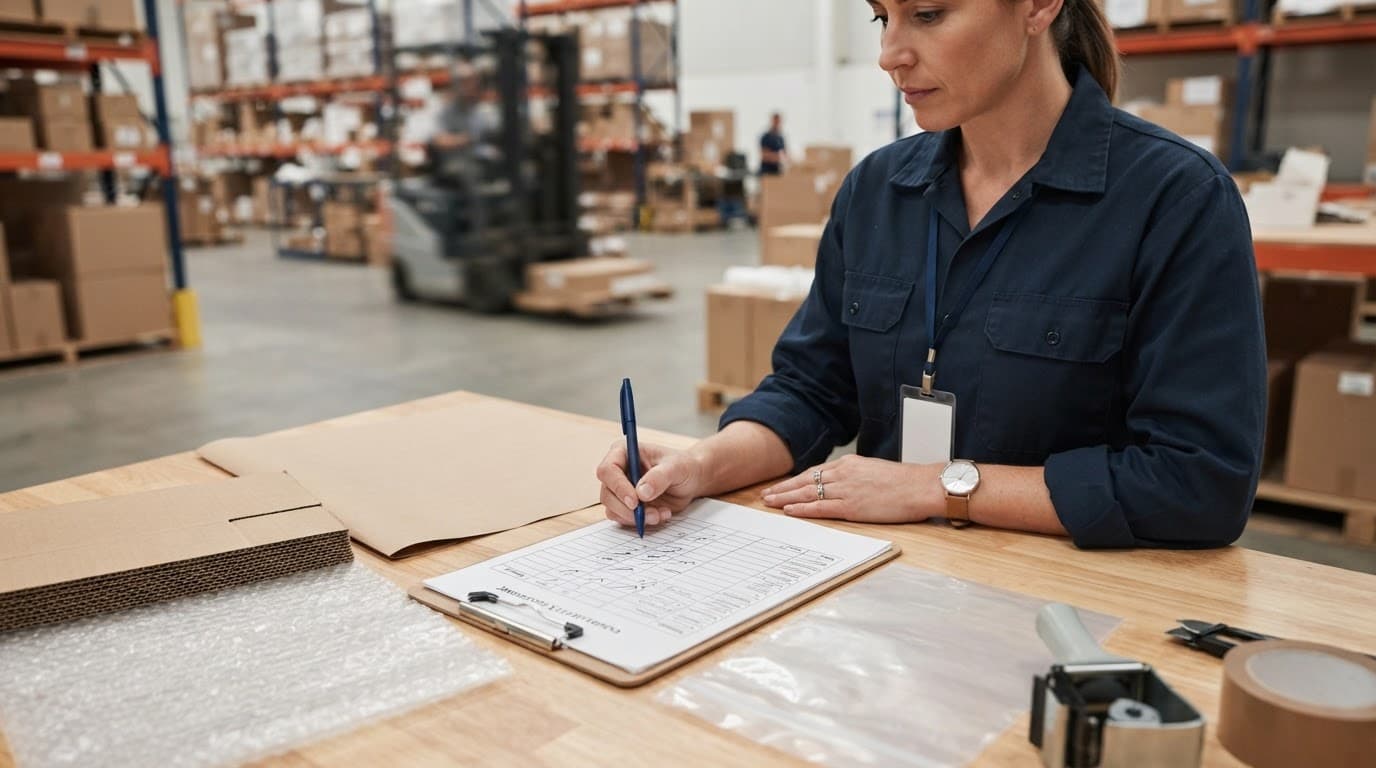
Finally, test the leading options with actual products, packers, shipping routes, and storage conditions. Supplier claims and recycling labels provide useful starting points, but measured damage, labor time, freight cost, and local recovery access should decide the package.
Common Mistakes When Switching Packaging Materials
Changing packaging materials affects more than appearance or unit price. It can alter equipment settings, labor requirements, inventory levels, labels, shipping costs, customer expectations, and waste handling. Before replacing paper with plastic, or plastic with paper, review the complete operating process and test the new format with real products.

### Assuming paper is always greener or plastic is always cheaper
Paper has clear benefits, especially when the format is clean, fiber-based, and accepted by local recycling programs. However, coatings, plastic laminates, wax, grease, heavy construction, and food contamination can reduce those benefits. A paper package that requires extra material for strength may also weigh more and take up more shipping space.
Plastic has its own tradeoffs, but its low weight and strong barrier protection can reduce transportation impacts and prevent product waste. A thin plastic film may protect an item from moisture or punctures with less material than a heavier paper alternative. When comparing formats, review flexible and rigid packaging costs alongside protection, storage, and shipping requirements.
Price creates another common blind spot. A cheap package can become expensive when it increases breakage, leaks, packing labor, returns, replacement shipments, or customer complaints. Compare the cost per delivered, undamaged unit, not just the price printed on a supplier quote. A life-cycle assessment can also help compare raw materials, production, transportation, use, and disposal instead of focusing on one stage. Packaging LCA guidance from Zacros America explains why the full life cycle matters.
Changing materials without testing the full shipping journey
A package can look strong on a warehouse shelf and still fail in transit. Truck vibration, parcel sorting equipment, rain, stacking pressure, temperature changes, and repeated handling expose weaknesses that a simple hand inspection won’t reveal.
Test filled packages, not empty samples. Track crushed corners, scuffs, seal failures, leaks, punctures, shifting contents, and missing labels. Then compare those results with customer returns and replacement requests after a controlled pilot.
Humidity deserves extra attention when paper, adhesives, labels, powders, or moisture-sensitive products are involved. Run trials in different climates and seasonal conditions, including humid summer storage and wet-weather transportation. Also confirm that the new package works with existing packing equipment, barcode scanners, pallet patterns, and worker routines. A material change that slows the line or requires frequent adjustments can erase expected savings.
Ignoring disposal instructions and local recycling rules
Sustainability claims must match where customers buy, use, and dispose of the product. Words such as “recyclable” and “compostable” need support from the actual package design and local waste infrastructure. Coatings, adhesives, labels, mixed materials, and package size can affect acceptance at sorting and processing facilities.
Avoid broad claims that leave customers guessing. If a package contains separate paper and plastic parts, provide simple instructions for removing and separating them. When composting requires a commercial facility, say so clearly rather than implying backyard composting is suitable.
Before launch, check the rules in your main sales markets and confirm whether the format is accepted through curbside collection, retail drop-off, or a specialized program. Clear disposal language reduces contamination, supports customer trust, and gives the package a realistic end-of-life plan.
Conclusion
Paper often fits dry goods, outer packaging, retail presentation, and fiber recovery goals. Plastic remains the stronger option when products need moisture protection, durability, low weight, or added damage prevention.
The best choice comes from comparing total cost, product protection, shipping performance, customer expectations, and real end-of-life options. Define the package requirements, test paper and plastic samples, measure damage and fulfillment results, then select the design that protects both the product and the business.
