
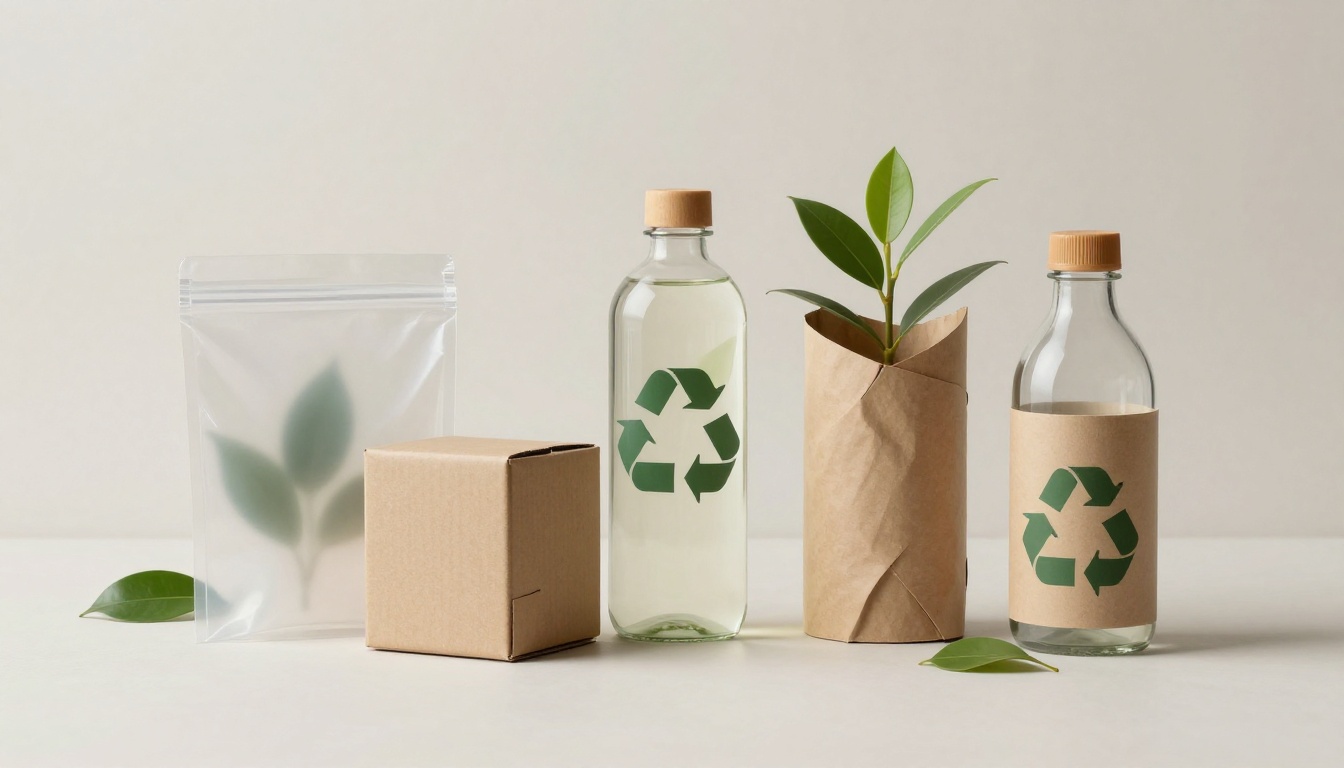
Sustainable Packaging in 2026: Key Trends and Best Practices That Work
Sustainable Packaging is packaging that protects the product while cutting waste and pollution across its full life cycle. That means using materials people can actually recycle or compost, designing packs that use less, and avoiding choices that just shift the problem somewhere else.
This matters more in 2026 because rules are getting tighter, shipping costs keep pressuring margins, and customers are tired of extra plastic and vague disposal labels. If your packaging can’t move through real recycling systems, it’s more likely to become expensive trash, even when it looks “green” on paper.
In this post, you’ll learn what’s trending now (like mono-material designs, lighter packs, fiber-based options, and clearer on-pack guidance) and what best practices hold up in day-to-day operations. We’ll focus on three practical ideas: pick materials that match the recycling and composting options your customers actually have, design packaging to do more with less, and back up sustainability claims with specifics to avoid greenwashing.
If you want a quick primer on sustainable packaging and shipping’s environmental impact, this article is a helpful starting point: sustainable packaging and shipping’s environmental impact.
What “sustainable” really means for packaging (and what it does not)
“Sustainable” sounds simple, but it only counts if the package performs in real life. In practice, Sustainable Packaging tries to hit three plain goals: lower carbon footprint, less material, and a higher chance the package gets reused or recycled (instead of landfilled).
It also means being honest about terms people mix up:
- Recyclable means it can be processed into new material, and people have access to a program that actually accepts it.
- Compostable means it breaks down into usable compost under specific conditions (often industrial), not just “it disappears someday.”
- Biodegradable is a vague term, it may break down slowly and not in a landfill.
- Reusable means it’s built and supported for repeat use (not just “sturdy”).
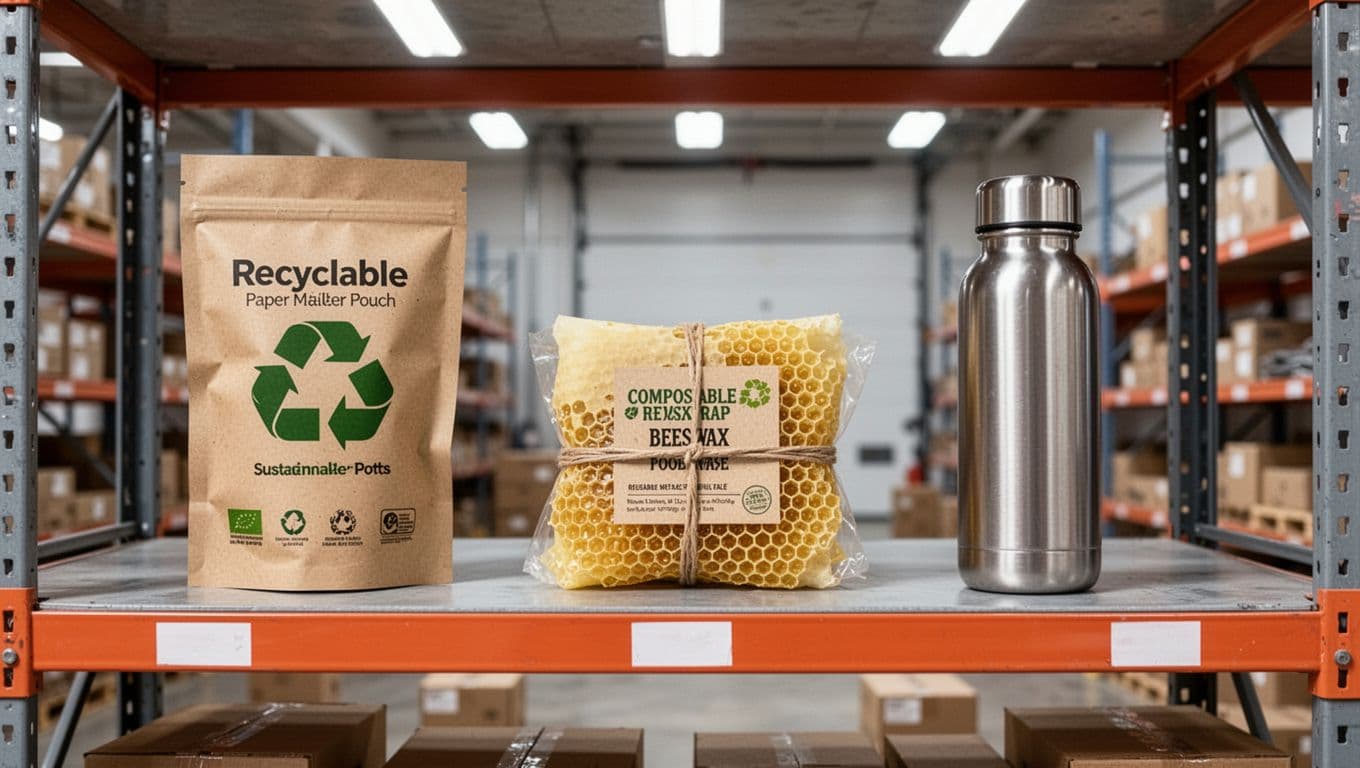
Recyclable, compostable, reusable: the quick decision guide
Start with where your customer will toss it. The “best” material on paper can turn into trash if the local system can’t handle it.
Use these questions to pick a path:
- Where will it be thrown away most of the time? At home, at work, at a stadium, or in a hotel?
- Is there curbside recycling for that material in most of your ship-to areas? If not, don’t assume it will be recycled.
- Is there industrial composting nearby (and do customers use it)? If access is rare, compostable may not pay off.
- Can you support reuse (take-back, refill, deposit, return shipping)? If you can’t, don’t sell “reusable” as the main story.
Here’s the quick match-up:
- Choose recyclable when most customers have curbside access and the format sorts well. Example: a recyclable paper mailer sized to the product, with simple disposal instructions.
- Choose compostable when the item will be contaminated with food, and compost access is realistic. Example: a compostable food wrap used for sandwiches in cafeterias that already collect organics.
- Choose reusable when you can drive repeat cycles and make returns easy. Example: a refillable bottle sold with local refill stations or a mail-back refill program.
If you can’t explain disposal in one sentence, the package will confuse people, and confusion turns into landfill.
The hidden tradeoffs: product protection, shelf life, and shipping damage
Packaging waste is visible, but wasted product often carries a bigger environmental cost. That’s especially true for food, beverages, and liquids, where spoilage or leaks can ruin the item, the box, and nearby shipments.
Protection needs are usually about barriers:
- Grease resistance for oily foods and lotions.
- Oxygen barrier to slow staleness and flavor loss.
- Moisture barrier to prevent soggy paper and label failure.
Liquids add another risk: small leaks become big messes fast. A “greener” cap or seal that fails can create more waste than a slightly heavier closure that holds.
Shipping adds its own reality check. Right-sizing helps because extra empty space invites damage. Stronger designs also matter, like reinforced corners, better closures, and materials that keep their shape when stacked.
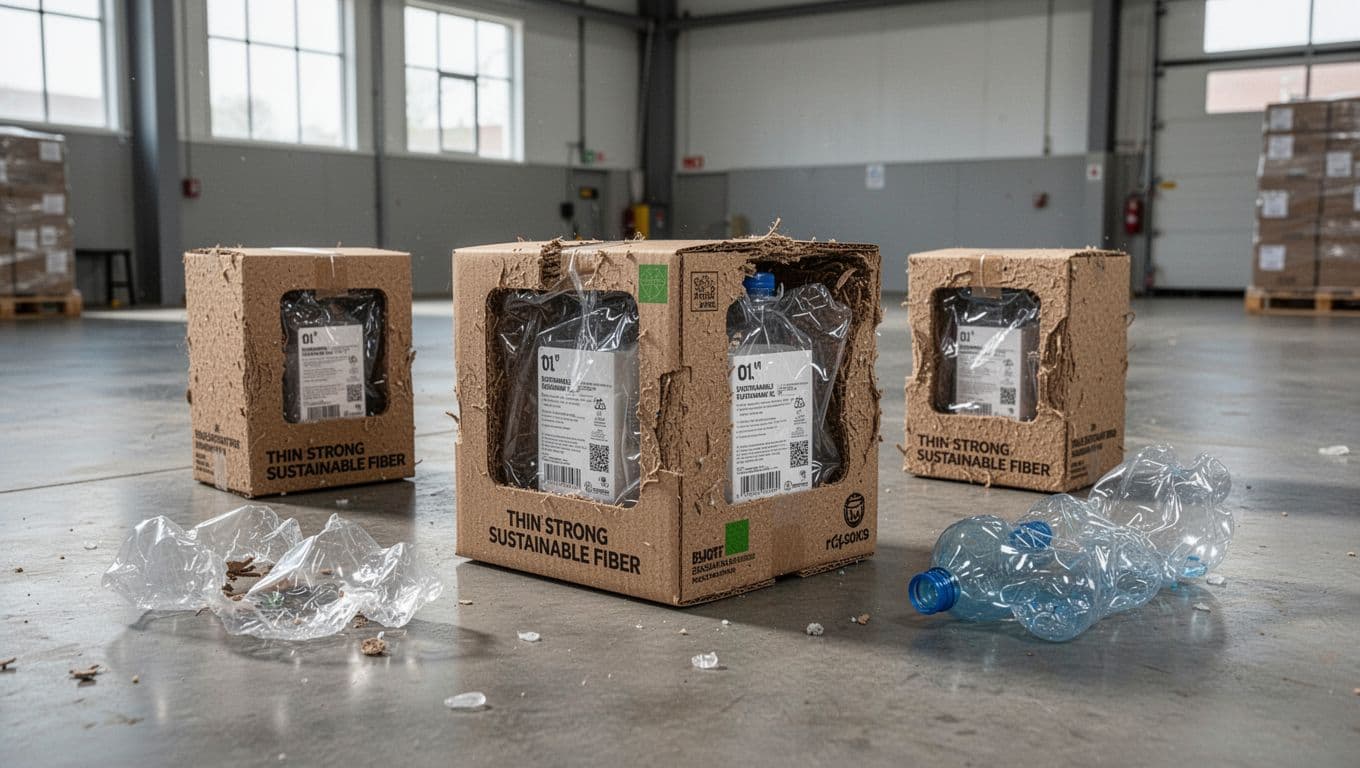
For e-commerce, a few basics protect both sustainability and margins:
- Void fill should prevent movement, not just “look full.”
- Drop tests catch weak points before customers do.
- Thin but strong often wins because it cuts material while reducing damage and returns.
How to spot greenwashing before it hurts trust
Shoppers can smell fuzzy claims. So can regulators. In 2026, stricter labeling and truth-in-advertising expectations make vague “green” language a real risk.
Watch for these red flags:
- Vague claims like “eco-friendly” or “planet safe” with no proof.
- Recycling symbols without clear steps (what goes where, and any prep needed).
- “Compostable” claims when most customers don’t have compost access.
- Tiny PCR content (post-consumer recycled) marketed like a major breakthrough.
Instead, make claims specific and measurable. Good examples include:
- Percent recycled content by component (bottle, cap, label).
- Recyclability by region, because acceptance varies by location.
- Expected reuse cycles, and what the brand does to make reuse happen (returns, deposits, refills).
Clear, verifiable statements protect trust. They also keep your Sustainable Packaging story aligned with what customers can actually do after unboxing.
Trends shaping Sustainable Packaging right now
In 2026, Sustainable Packaging is getting more practical and less “pretty on paper.” Brands are choosing materials that flow through real recycling systems, adding recycled content without breaking performance, and swapping foam and multi-layer plastics for fiber where it works. At the same time, reuse is growing in targeted lanes, and labeling is getting smarter so customers know what to do.
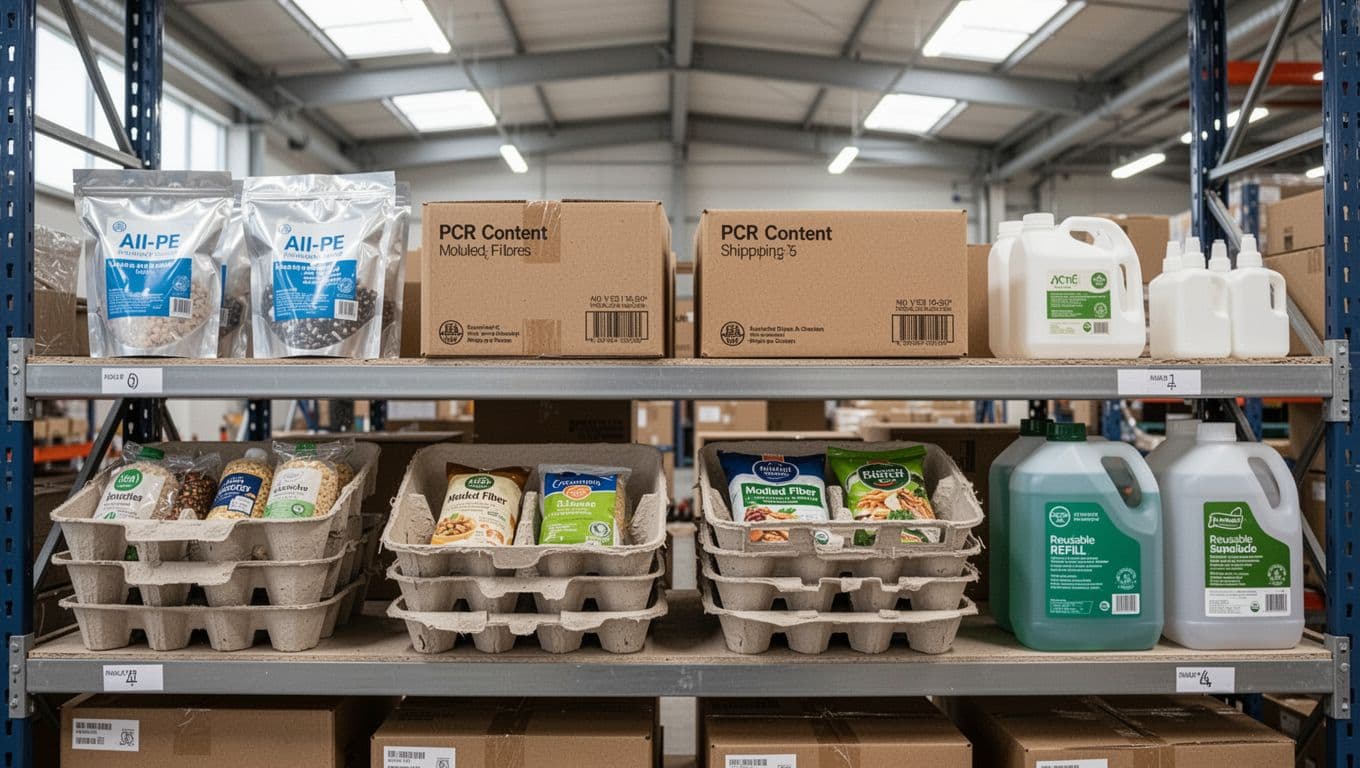
Mono-material packaging is winning because it is easier to recycle
Recycling works best when a package is “one language,” not a jumble of materials glued together. Mixed-material packs (like plastic film bonded to foil, or paper with a plastic liner) often confuse sorting equipment and recyclers. Even if a package looks recyclable, it can fail because the layers won’t separate cleanly, or because one small component contaminates the whole stream.
That’s why mono-material designs are spreading fast. You’ll see all-PE pouches instead of PET/foil/PE laminates, especially for non-food items like powders, refills, and some supplements. You’ll also see all-paper mailers replacing poly mailers when moisture and puncture needs are moderate. Another quiet win is simplifying the “small stuff,” like choosing single-material labels and closures where possible, because a great bottle can still be downgraded by the wrong label adhesive.
A few design moves raise the odds your package gets recycled instead of rejected:
- Avoid mixed laminates when the layers are hard to separate.
- Match components (cap, label, liner) to the main package material when you can.
- Use compatible inks and adhesives that don’t bleed, flake, or gum up wash lines.
- Simplify parts so customers can dispose of it without tools or guesswork.
If the pack needs a “how to disassemble” video, most people won’t do it.
More PCR content, and better quality recycled supply
PCR stands for post-consumer recycled content. In plain terms, it’s material made from items people already used and placed in recycling bins, then processed into new packaging resin or paper fiber.
Brands are adding PCR because it reduces demand for virgin material and helps meet retailer requirements and packaging rules. Still, PCR introduces real-world headaches. Color can shift from batch to batch, odor can show up (especially in some recycled plastics), and performance can vary (impact strength, clarity, seal quality). Those issues don’t mean “don’t use PCR,” they just mean “use it where it fits.”
For many teams, PCR is easiest to roll out in these spots:
- Shipping boxes and corrugated (high acceptance, forgiving appearance).
- Secondary packaging like cartons, sleeves, and inserts.
- Non-food items (household goods, health and beauty, hardware), where barrier demands are lower.
When you communicate PCR content, keep it simple and specific. State the percentage by component (for example, bottle vs cap vs label) and avoid vague claims like “made with recycled materials.” If you add a QR code, use it for proof and instructions, such as sourcing notes, test standards, and clear disposal guidance.
Fiber-based and molded fiber are expanding beyond “basic” uses
Fiber used to mean plain brown trays and egg cartons. Now it’s showing up as molded fiber trays, clamshells, and protective inserts that can take more abuse and handle more product types. The big driver is performance improvements, especially better moisture resistance and grease-resistant coatings that help fiber work for food, personal care, and shipping protection.
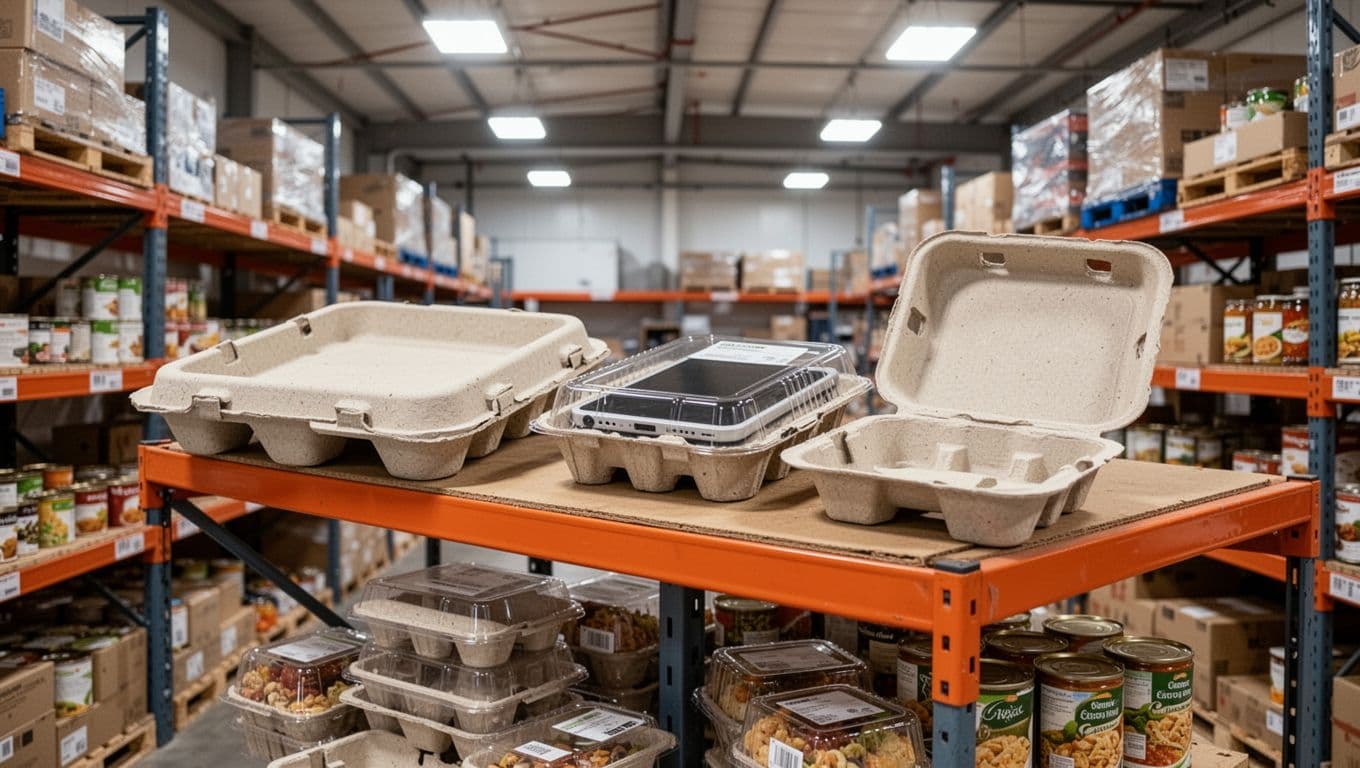
Where fiber shines today:
- Takeout and deli packaging (trays and clamshells that resist grease).
- Protective inserts that replace foam for small appliances or beauty sets.
- E-commerce dunnage and corner protection that reduces damage without plastic bubbles.
One caution matters: coatings decide the end-of-life story. If you claim recyclable, the coating and additives can’t block recycling. If you claim compostable, the whole structure must meet composting requirements, not just the fiber base. In other words, fiber plus the wrong barrier can be a dead end.
Refill and reuse models are growing, but only when the system is simple
Reusing packaging is not the same as recycling it. Recycling turns materials into new raw material. Reusable packaging keeps the same container in service across many cycles, which only works when the return and cleaning system is easy.
Reuse wins when it feels effortless. Customers need straightforward returns (drop-off, pick-up, or mail-back), a clear deposit or incentive, and packaging that survives repeated handling. On the operations side, you need defined cleaning standards, tracking, and enough reuse cycles to beat the impact of single-use.
Real examples that are growing:
- Refill cartridges for soap, shampoo, or cleaners, often in lightweight pouches that top off a durable bottle.
- Returnable container programs for food or local delivery, where pickups happen on a regular route.
Still, not every product fits reuse. Some categories have hygiene concerns, high shipping distances, or low repeat frequency. Treat reuse like a pilot, test it in one channel, measure returns, then expand only if the numbers work.
Best practices that make packaging more sustainable without raising costs too much
If you want Sustainable Packaging that actually pencils out, start with changes that reduce material and shipping spend first. Most teams find the quickest savings in right-sizing, simpler structures, and picking formats that recycling programs already accept. The goal is practical, cut waste, cut damage, and avoid materials that trigger higher fees or confusion at the curb.
Right-size first, then lightweight: the fastest wins
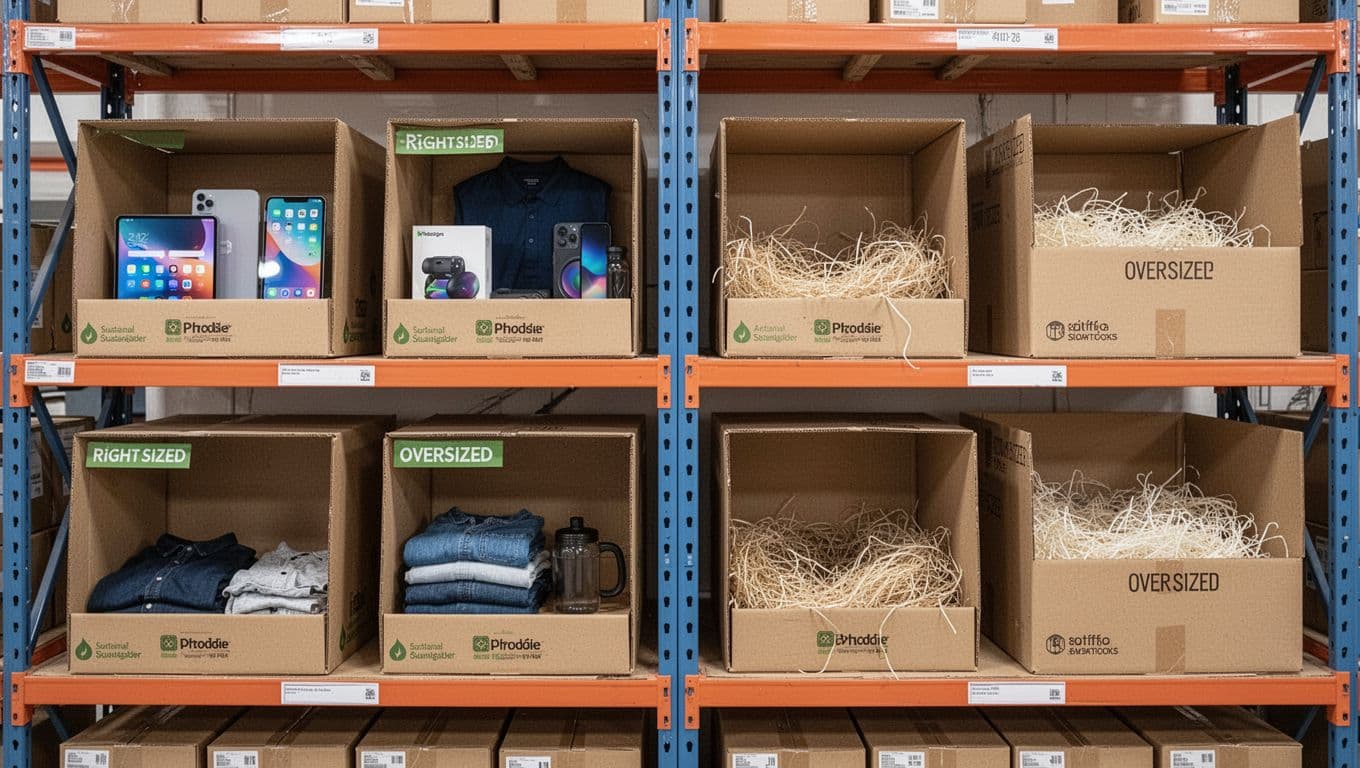
Right-sizing is the cleanest win because it cuts waste without asking customers to do anything new. When the box fits the product, you use less corrugate, less void fill, and less tape. Better yet, you often reduce dimensional weight charges, which can drop shipping costs fast.
Start by matching pack sizes to your real order mix, not a “close enough” carton set. Move fast with a small size library (for example, 6 to 10 SKUs) and then fill gaps with fit-to-product mailers like paper mailers or right-sized padded mailers for soft goods. Less empty space also reduces product movement, so you may see fewer damages and reships.
Here’s a simple do this, not that check:
- Do this: Use a snug mailer for apparel, cosmetics, or small boxed goods.
Not that: Ship a tiny item in a large box “because it’s on the line.” - Do this: Use paper-based cushioning only where movement needs control.
Not that: Add filler to make the unboxing look “full.”
After right-sizing, then lightweight. Swap to lower-basis-weight corrugate, thinner board, or lighter protective inserts, but only after you prove the pack still performs.
Thin can work, but only if you test it. Run basic drop and vibration tests on the lighter spec before you scale it.
Design for real recycling, not perfect-world recycling
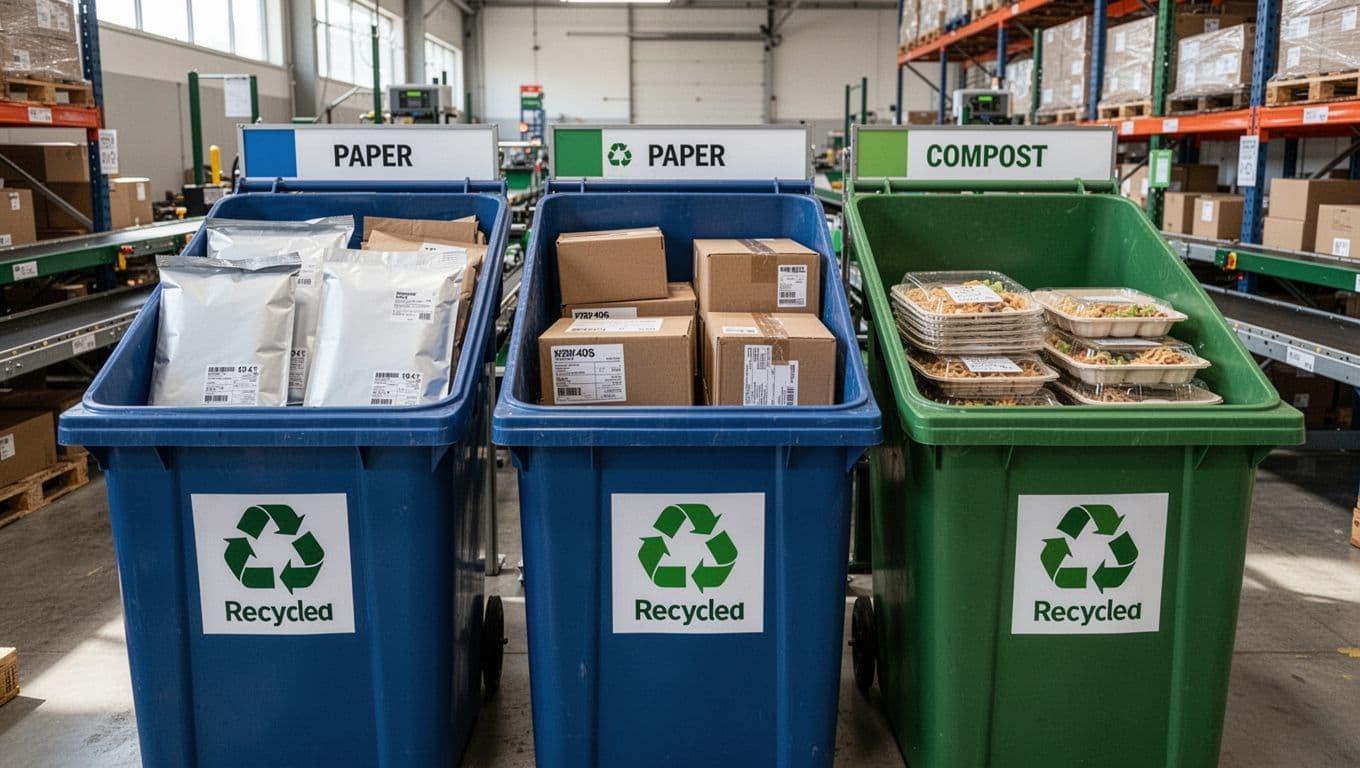
A package can be “technically recyclable” and still end up as trash. That happens when local programs don’t accept the format, or when sorting equipment can’t identify it. So, aim for packaging types accepted by the largest number of curbside programs, even if a niche option looks greener in a spec sheet.
In practice, that means fewer materials and fewer parts. Small components fall through screens at sorting facilities. Mixed materials often can’t be separated. Also, very dark dyes and heavy inks can cause sorting issues because optical scanners may struggle to read them.
A few low-cost design rules help a lot:
- Keep it mono-material when you can (paper with paper, plastic with plastic).
- Reduce or remove tiny parts (extra caps, tear strips, loose labels) that become litter or contamination.
- Choose closures and add-ons that match the main material when possible (for example, paper label on a paperboard carton).
- Avoid dark, carbon-black style coloring on plastics when it hurts detection in sorting.
If you’re updating packaging structure anyway, it’s worth using proven design guidance so you don’t create new headaches for production or pack-out. This resource is a solid reference for sustainable packaging design tips that still work on shelf and in fulfillment: https://msl-indy.com/packaging-design-success/
Use compostables only when they match the job and the local compost system
Compostables can be a smart choice, but only in the right lane. They perform best when recycling is unlikely, especially for food-soiled items that contaminate paper or plastic recycling. Think greasy wraps, sauce cups, or trays that come back with leftovers. In those cases, composting can keep organics and packaging together, which reduces landfill methane when the system exists.
On the other hand, compostables are often a poor fit for shipping materials that end up in curbside recycling bins. A compostable mailer tossed into paper recycling can become contamination. The same goes for compostable plastic look-alikes that get mistaken for conventional plastics.
Use a simple filter:
- Good fits: food wraps, deli sheets, stadium and event foodware, cafeteria items where organics collection is standard.
- Poor fits: most e-commerce mailers and protective packaging, where customers default to curbside recycling or trash.
If you do choose compostables, label them clearly and align the spec with what your customers can access. For a deeper look at where biodegradable and compostable claims hold up (and where they don’t), this guide is useful: https://msl-indy.com/biodegradable-packaging-guide/
Make disposal instructions easy with clear labels and QR codes
Even great packaging fails when people don’t know what to do with it. Clear instructions reduce contamination, which improves the odds the material gets processed instead of trashed. Keep on-pack directions short, and back them up with a QR code that can show location-based steps (since rules change by city and hauler).
Good on-pack language is plain and specific:
- “Recycle if clean and dry.” (common for paper and some rigid plastics)
- “Store drop-off.” (often used for eligible flexible films where programs exist)
- “Compost where accepted.” (only when compost access is realistic)
QR codes help when the disposal path depends on the customer’s area or the package has multiple pieces. Use the code to show: what goes in which bin, whether parts should be separated, and any prep steps like “remove liner” or “empty and rinse.” When instructions are easy, people follow them, and your Sustainable Packaging results improve in the real world.
How to build a Sustainable Packaging plan your team can actually follow
A Sustainable Packaging plan only works if it fits daily operations. Think of it like a route map, it should show what to change first, who owns each task, and how you’ll know it worked. Keep the process simple: audit, set goals, pick materials, prototype, test, launch, and measure. That sequence prevents expensive “do-overs” after you’ve already bought inventory.
Start with a packaging audit that shows where waste really happens
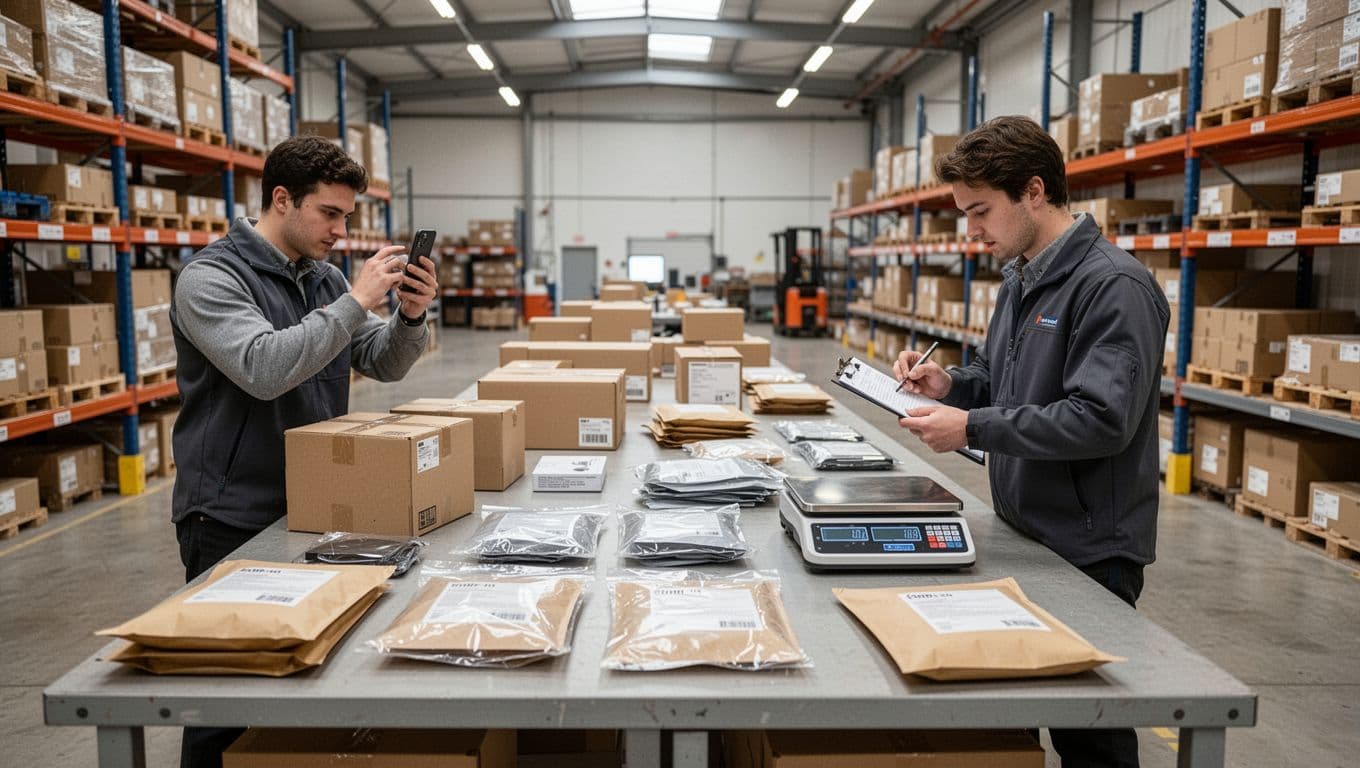
Start by capturing what you use today, not what you think you use. A quick audit often exposes easy wins, like an oversized box, too much void fill, or a mixed-material pouch no recycler wants.
Gather this information for your top-selling SKUs first (then expand):
- Packaging bill of materials (BOM) for each SKU, include every piece (primary pack, insert, tape, labels, sealants, void fill).
- Weights and sizes by component and by total ship-ready pack.
- Damage and return data, especially “arrived broken,” “leaked,” and “box crushed.”
- Supplier details, including material specs, recycled content claims, and lead times.
- Where products ship, by region and by channel (DTC, Amazon, retail replenishment).
Next, take photos of current packs laid out like an exploded view. Then map each component to an end-of-life path: recycle, landfill, compost, reuse. This step is where “recyclable” claims face reality. For example, a paper box is recyclable, but a plastic-lined insert might push the whole experience toward trash.
To keep it followable, create a one-page “pack profile” per SKU with three fields: total packaging grams, key failure risks (crush, leak, scuff), and end-of-life summary. When your team can see the full picture, picking better materials gets easier.
Set goals that balance planet, product safety, and budget

Goals keep Sustainable Packaging from turning into scattered projects. Set measurable, time-bound targets that your ops team and finance team can support. Also, tie them to customer experience, because frustrated customers don’t care that a mailer is greener if it arrives torn.
Here are examples that work for small and mid-size businesses:
- Reduce packaging weight by 15% by Q4 2026, starting with the top 20% of SKUs by volume.
- Increase PCR content to 50% in corrugated shippers within 6 months (low risk, fast win).
- Eliminate hard-to-recycle laminates (foil-plastic or plastic-paper bonds) in secondary packs by year-end.
- Cut damage rate from 2.0% to 1.2%, by improving fit and corner protection (less reshipping, less waste).
- Improve disposal instructions, for example, “recycle box, remove film,” then measure fewer “how do I recycle this?” tickets.
If a goal can’t be tracked in a spreadsheet each month, it won’t stick.
After goals are set, choose materials and formats that match them. Keep it practical: simplify structures, prefer mono-materials when you can, and only add new materials if your line can run them without slowdowns.
If you outsource any packaging steps, align your targets with partners early. This is where contract packaging strategies for sustainable growth can help you avoid surprises when you change materials or pack formats: https://msl-indy.com/contract-packaging-strategies/
Test and measure what matters after launch
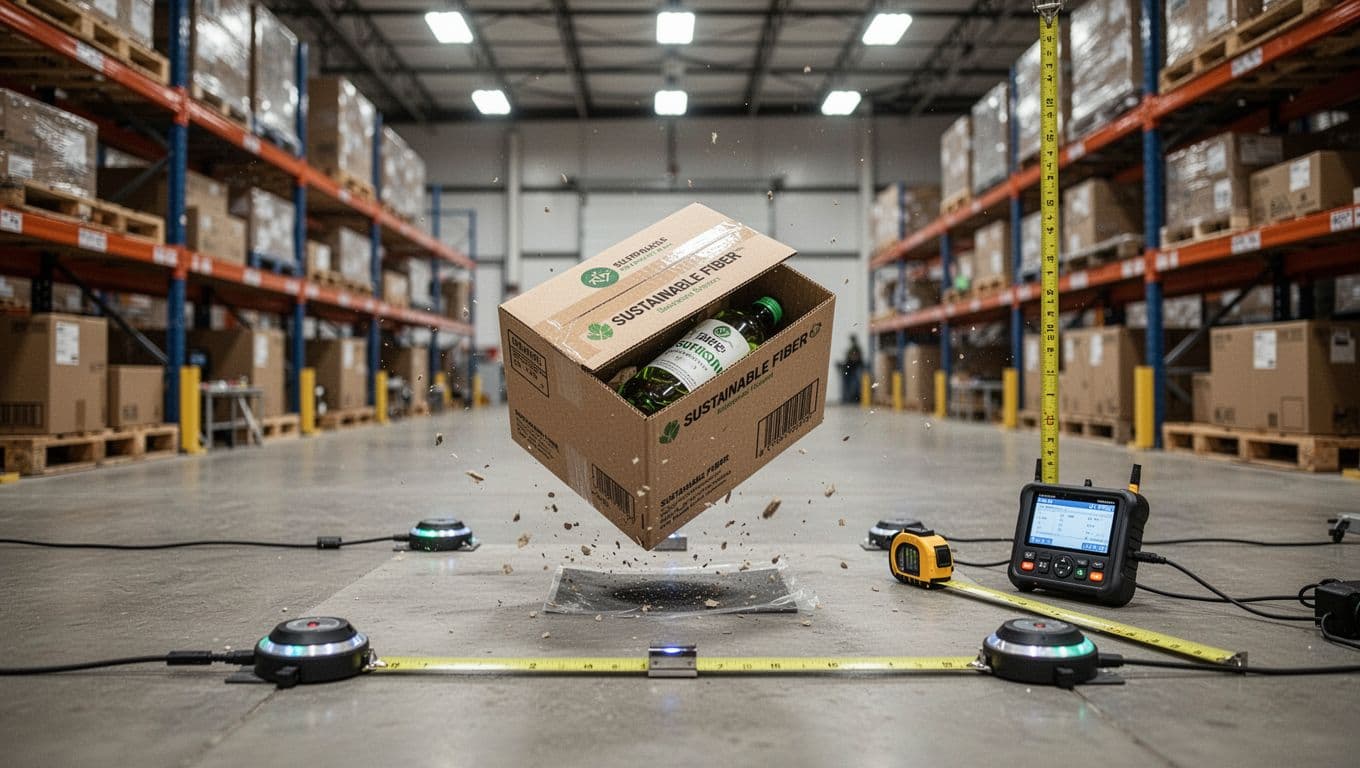
Prototype before you commit. Even a “small” switch, like lighter board or a new seal, can change damage rates fast. Run a pilot on one SKU, one region, or one channel, then scale after the data looks good.
Basic tests to run (match them to the product):
- Transit and drop testing to mimic real carrier handling.
- Moisture and grease checks for food, personal care, and anything oily.
- Seal integrity tests for pouches, liners, and closures (leaks kill trust).
- Shelf-life checks when barrier changes could affect freshness, scent, or texture.
After launch, track a tight set of metrics so you can act quickly:
- Material use: grams of packaging per shipped unit, plus total monthly material consumed.
- Recycled content: PCR percentage by component, not just “overall.”
- Damage and returns: damage rate, return reason codes, reship rate.
- Cost per shipped unit: packaging material cost, labor time, and dimensional weight changes.
- Customer feedback: complaints, reviews mentioning packaging, support tickets about disposal.
- Recycling contamination signals: fewer “can I recycle this?” questions, fewer mixed-material parts, clearer separation.
Small pilots protect your budget and your brand. Once the numbers hold steady for 4 to 8 weeks, lock the spec, train packers, and update your SOPs so the new Sustainable Packaging plan stays consistent.
Conclusion
Sustainable Packaging works best when it matches real systems, not wishful thinking. Design for recycling people can actually use, cut material through right-sizing and lightweighting, and choose structures that protect the product so you don’t trade waste for damage. Just as important, communicate clearly with simple labels and proof, because vague claims and confusing disposal steps send good material to the landfill.
Next, pick one change you can ship this quarter: right-size a top SKU, switch a mixed pack to mono-material, add higher PCR where performance allows, or tighten up on-pack directions and QR details. Then run a short pilot, track grams per shipment, damage rates, and cost per unit, and lock in what holds up.
Thanks for reading, if you’re making updates this year, commit to clarity and data, and the rest gets easier. Which package in your lineup would be the smartest place to start your first test?
