
How 3PL Services Help Meet Costco Supply Chain Requirements
Selling into Costco can drive major growth, but it also brings strict rules that can strain your operation fast. Tight delivery windows, labeling standards, pallet requirements, and chargeback risks leave little room for mistakes. Many brands have a strong product and real demand, yet they still run into trouble when retail compliance, shipment timing, and inventory control all have to work together.
That’s where 3PL services can make a real difference. A capable partner can help cut errors, move orders out faster, improve shipment visibility, and support the day-to-day work required to meet Costco’s expectations. For brands that need help with retail execution, managing Costco supply chain with 3PL becomes less about scrambling to fix issues and more about building a process that holds up under pressure.
This post looks at the core requirements Costco suppliers face, where brands often fall short, and how the right 3PL support can help keep packaging, fulfillment, and delivery on track. From compliance basics to shipment accuracy and risk reduction, the next sections break down what matters most.
What makes Costco’s supply chain requirements so demanding
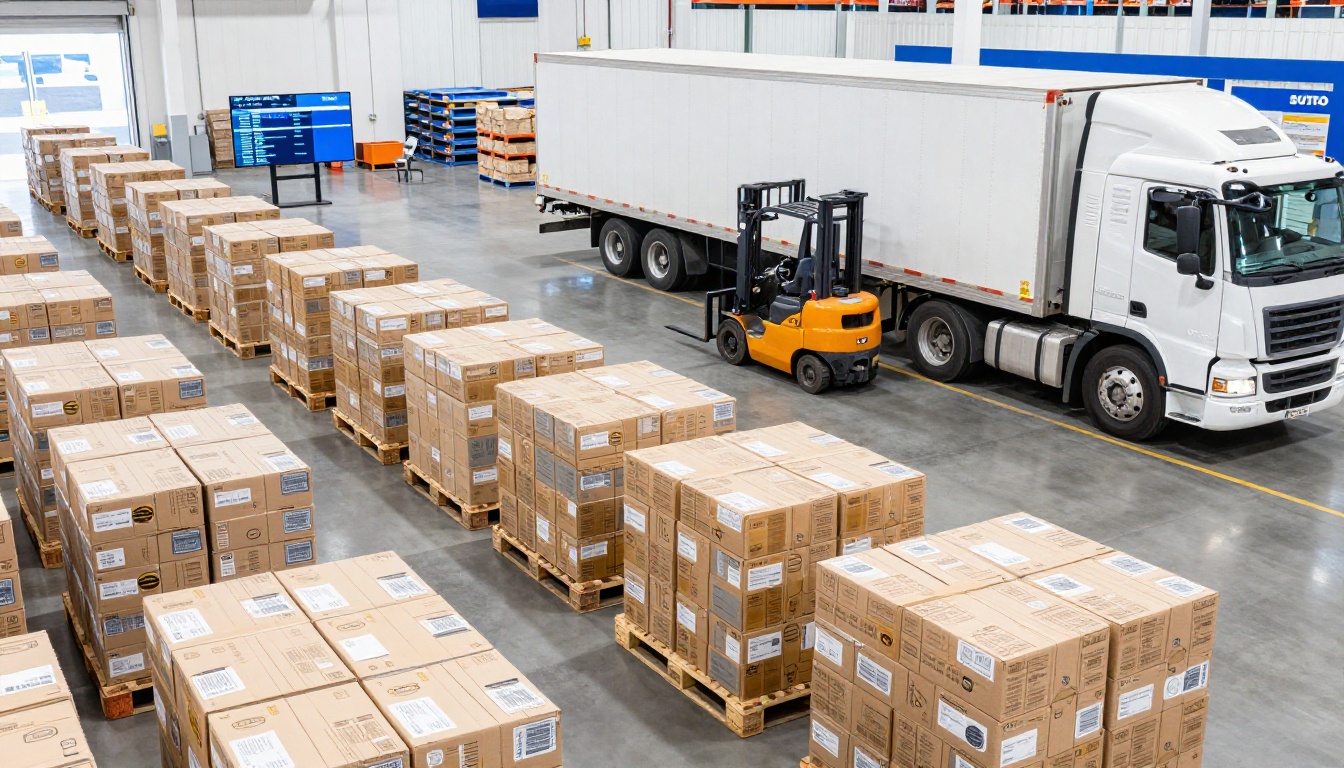
Costco is tougher than a small retailer or a basic e-commerce channel because the margin for error is so small. Orders move at scale, stores expect fast shelf-ready execution, and every shipment has to land exactly as planned. That means packaging, labeling, routing, inventory control, and delivery performance all have to line up at the same time.
For suppliers, compliance is not just a paperwork task. It affects whether product flows cleanly through the network, whether stores can receive it without delay, and whether the order stays profitable after fees and rework. If one part slips, the problem usually spreads to the next step.
Costco expects precision in packaging, labeling, and pallet setup
Costco wants freight that is ready to move, scan, and sell. That starts with the basics, correct case pack counts, clean barcode placement, stable pallet builds, and labels that match the order exactly. A shipment can look fine at a glance and still fail if the barcodes are hard to scan or the pallet pattern does not meet spec.
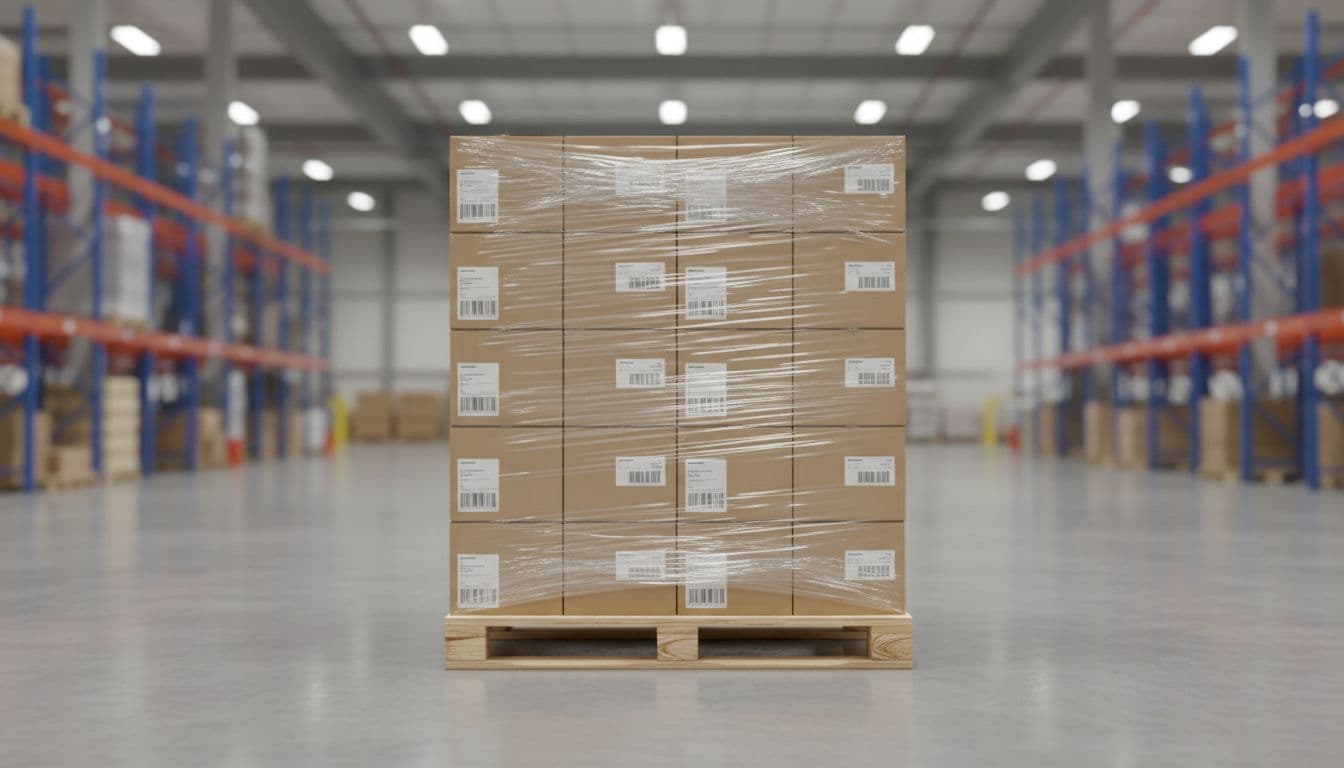
In practice, retailer-ready execution often includes:
- Exact case counts, so the purchase order and physical shipment match
- Barcode placement that scanners can read quickly at receiving
- Pallet configuration that fits Costco’s handling and storage needs
- Slip sheets or added support when the product or format calls for it
- Accurate labels on cases and pallets, with no mismatch in SKU or quantity
A small mistake can create a big bottleneck. One wrong label or unstable pallet can stop receiving, trigger manual checks, or lead to a rejection. That is why many brands rely on partners with Costco contract packaging expertise when retail requirements get more detailed.
Costco rewards repeatable execution, not last-minute fixes.
On-time, in-full performance affects both profit and trust
OTIF means “on time, in full.” In plain language, it means the order arrives when Costco expects it, and it arrives complete. No missed window, no missing cases, no damage that turns a full shipment into a partial one.
This matters because Costco plans labor, floor space, and inventory flow around those deliveries. If your truck shows up late, arrives short, or has damaged product, the retailer absorbs extra work. Then the supplier often absorbs the cost. Missed appointments can lead to chargebacks. Short shipments can mean lost sales. Damaged goods can hurt both margin and confidence in your operation.
A simple e-commerce order can often recover from a delay with a customer email. Costco is different. One weak shipment can affect a full promotion, disrupt store supply, and raise concerns about whether your team can scale. That is why strong systems for scheduling, inventory accuracy, and outbound checks matter so much. A solid packaging fulfillment process overview helps reduce those gaps before they turn into retail issues.
Chargebacks can turn a good order into a costly problem
Chargebacks are one of the biggest reasons Costco compliance feels demanding. You may book a healthy order, ship product, and still lose margin if the freight misses a requirement. The order looks good on paper, but the profit shrinks once fees, rework, and internal cleanup hit.
Common triggers are usually avoidable:
- Late deliveries that miss the assigned window
- Labeling errors that slow receiving or cause scan failures
- Routing mistakes, such as using the wrong carrier or ignoring instructions
- Noncompliant packaging that needs rework or cannot be received cleanly
Those costs add up fast. Besides the direct fee, your team may spend hours tracing the issue, fixing documents, repacking product, or managing disputes. That is operational waste on top of margin erosion. In some cases, repackaging for retail compliance can help correct inventory before it becomes a larger problem, but fixing errors late is still more expensive than getting them right the first time.
Where brands usually struggle before products reach Costco
Most brands do not hit trouble because demand is weak. They hit trouble because their operation still runs like a smaller business while the retailer expects big-box discipline. That gap shows up fast when a brand moves from DTC or a few wholesale accounts into Costco volume.
At that stage, the product may be ready, but the process often is not. What worked when the team packed orders by hand can start to crack under retailer timelines, packaging rules, and shipment accuracy demands.
Manual processes break down as order volume grows
In the early stage, manual work can feel manageable. A spreadsheet tracks inventory, someone builds pallets by hand, and shipping instructions live in email threads or a shared drive. That setup can work when orders are light and the same few people touch every shipment.

Then volume climbs, and those patchwork systems start acting like duct tape in a rainstorm. One team updates the spreadsheet late. Another pulls from an old version. A pallet gets built slightly differently on each shift. Shipping gets booked based on who is available, not on a fixed process.
That is where errors multiply. Counts drift, labels mismatch, and pallets leave the dock with small issues that become big problems at retailer receiving. Costco pressure exposes weak spots quickly because there is little room for rework once freight is moving.
A few warning signs tend to show up first:
- Inventory counts depend on manual updates, not scans.
- Pallet quality changes from one shipment to the next.
- Routing and paperwork live in inboxes, not a system.
- Teams fix mistakes with extra labor instead of fixing the root cause.
For growing brands, this is often the point where warehouse packaging decisions for 3PL start to matter more. Better process control is not about adding complexity. It is about removing guesswork before retailer pressure turns minor misses into chargebacks.
Retail-ready packaging often takes more labor than expected
Club-store packaging is rarely a simple “pack and ship” job. Products may need repacking, bundling, relabeling, display assembly, over-labeling, or multi-SKU kitting before they are ready to move. That extra prep catches many brands off guard, especially if their team is used to parcel orders or basic case shipping.
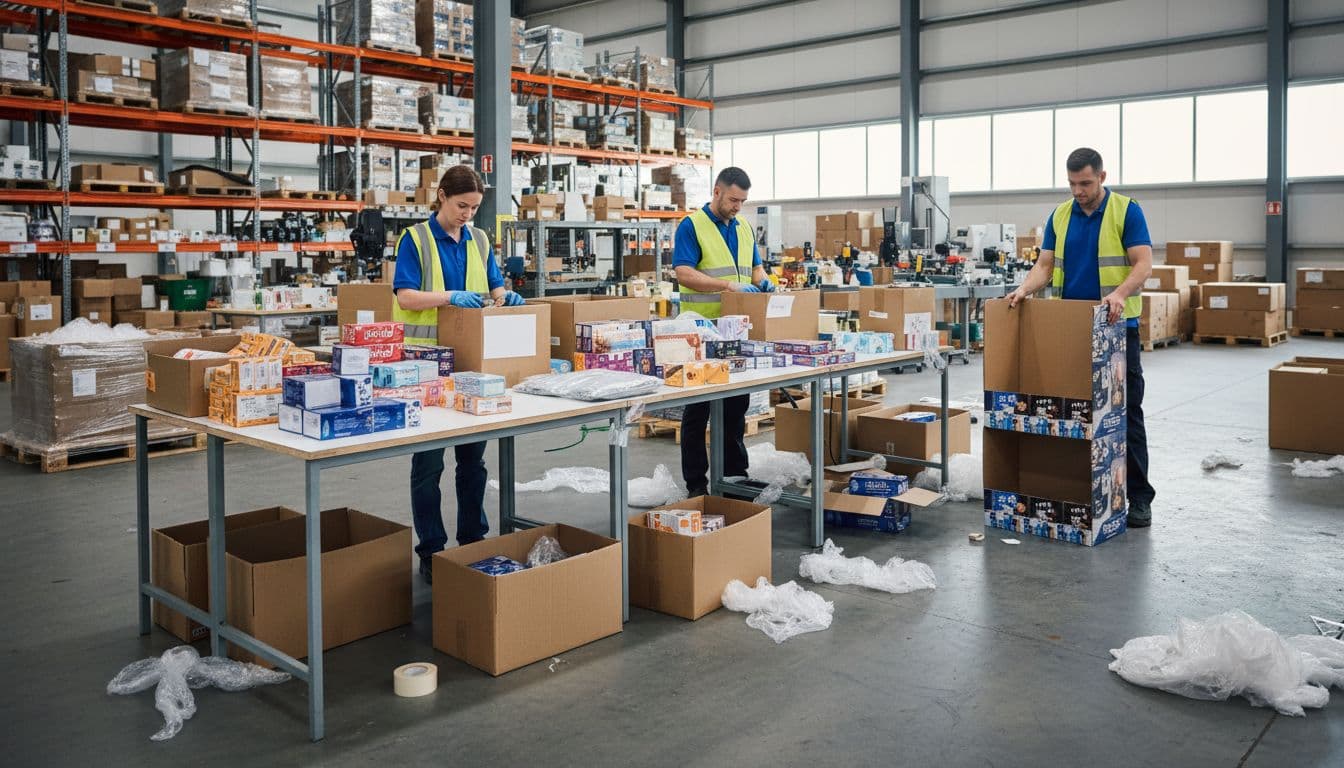
The work sounds small on paper, yet it eats time fast. A case that needs new labels, a bundle that needs shrink wrap, or a display that needs hand assembly can slow down the whole floor. Meanwhile, your warehouse space starts to fill with work-in-process inventory, empty cartons, components, and partially finished units.
That creates two problems at once. First, labor gets pulled away from core fulfillment. Second, the building starts working like a temporary packaging plant, even if it was never set up for that. Brands often reach a point where they need more structured 3PL packaging and kitting requirements just to keep orders moving without tying up their own team.
Retail-ready prep adds hidden labor long before the truck is loaded.
Limited warehouse visibility makes it hard to stay ahead
When inventory tracking is weak, every decision takes longer. Operations is asking what is packed, sales is asking what is available, and transportation is asking what can ship today. If each answer comes from a different file or person, the team stays in reaction mode.

This is common in growing brands that added channels faster than systems. Production may finish late, packaging may not know the latest priority, and freight planning may wait on updates that come too slowly. As a result, deadlines creep closer while the team spends its day chasing status.
The cost is more than frustration. Missed handoffs lead to missed ship windows. Unclear stock positions lead to rushed decisions. Slow communication leads to overtime, expediting, and avoidable mistakes. Brands that want a cleaner handoff into retail often need end-to-end fulfillment services because visibility is what lets planning turn into execution.
How 3PL services help suppliers meet Costco requirements with less risk
A strong 3PL does more than store product and book freight. It puts structure around the daily work that often causes Costco suppliers the most trouble, from receiving and labeling to pallet quality, order checks, and delivery timing. That structure lowers risk because your team is no longer relying on memory, inboxes, and last-minute fixes.
When the process is repeatable, compliance gets easier to manage. You get fewer surprises on the dock, fewer avoidable chargebacks, and a cleaner path from inbound inventory to retailer-ready outbound shipments.
A 3PL can build repeatable compliance workflows
Costco compliance gets harder when each shipment is handled a little differently. One shift labels cases one way, another stacks pallets another way, and outbound paperwork depends on who is working that day. A seasoned 3PL closes those gaps with standard operating procedures that define each step before the order even hits the floor.
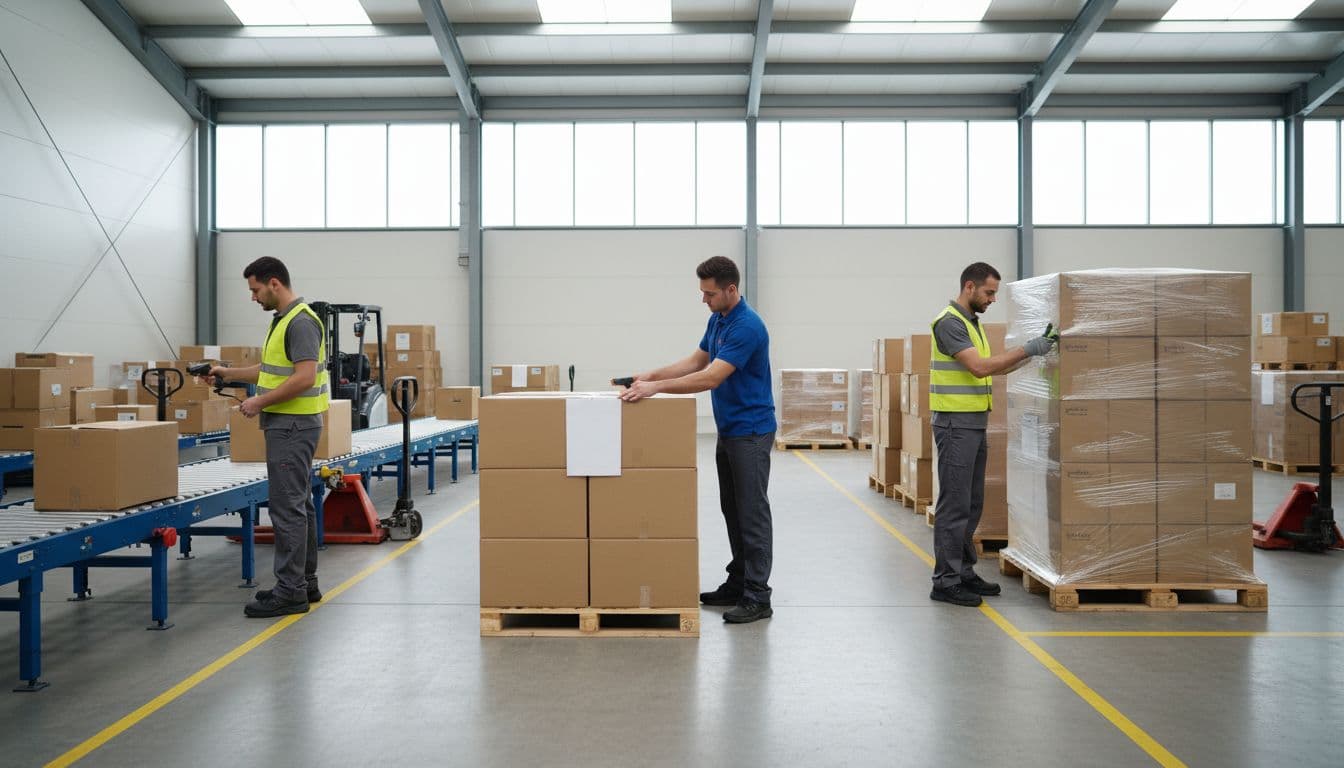
That usually includes clear workflows for:
- Receiving inventory and checking counts against expected SKUs
- Storing product in the right locations with clean lot control
- Applying labels in the right format and placement
- Building pallets to a consistent pattern and height
- Verifying order quantities before shipment
- Preparing shipping documents and outbound routing details
This matters because consistency is what keeps small misses from turning into big problems. If every pallet follows the same build rules and every case label gets the same check, your operation becomes more stable. The process starts to feel less like a scramble and more like a production line.
A capable 3PL also documents exceptions instead of working around them in silence. If inbound counts are short, labels are wrong, or packaging arrives damaged, the issue is flagged early and handled through a set response. That makes the next decision faster and a lot less risky.
The safest Costco shipment is usually the one built through the same proven process every time.
Value-added services can prepare products for club-store shelves
Many products are not ready for Costco straight from the factory. They may need a new pack count, a club-size bundle, a retail tray, or updated labels before they can ship. That extra work can eat up your warehouse labor fast, especially when your internal team already has enough on its plate.
This is where value-added services help. An experienced 3PL can take bulk or standard-pack inventory and convert it into a club-ready format through co-packing, kitting, relabeling, repackaging, display assembly, and shrink bundling. Instead of forcing your own team to act like a temporary packaging plant, you move that work to a partner built for it.
For Costco suppliers, those services often include:
- Repacking units into the correct club-store count
- Building multi-item kits or variety packs
- Applying retail labels or over-labels
- Assembling display trays or floor-ready units
- Shrink bundling promotional packs
- Completing final retail-ready prep before outbound release
That flexibility matters when product specs change, trial runs expand, or a retailer wants a different presentation than your standard case pack. A 3PL with club store packaging services can adapt the format without forcing you to add labor, equipment, and floor space in-house.
Just as important, value-added work stays tied to the rest of the logistics process. The same partner handling prep can also handle storage, inventory control, and shipping handoff. That reduces miscommunication and keeps the finished product moving.
Better inventory and order visibility supports faster decisions
Poor visibility creates slow decisions. Sales thinks inventory is available, operations is still waiting on packaging status, and transportation needs to know what can actually ship. By the time everyone compares notes, the ship window is already closing.
A good 3PL replaces that guesswork with system-driven visibility. Warehouse management systems, scan-based inventory control, and shipment status updates give suppliers a clearer view of what is on hand, what is allocated, what is in process, and what has left the dock. That is a big deal when one bad assumption can trigger a short shipment or a missed appointment.
With stronger visibility, you can catch problems earlier, such as:
- Inventory shortages before an order is released
- Wrong-SKU picks before cases are palletized
- Delays in packaging or assembly before routing is due
- Shipment holds or exceptions before they reach Costco
Better data also improves replenishment planning. If you know what is moving, what is reserved, and what is stuck in rework, you can make smarter calls on production timing and inbound replenishment. That helps you avoid both stockouts and panic shipments.
For brands that need a more connected view, real-time inventory tracking through 3PL services gives operations teams a faster read on inventory health and order status. In a Costco program, that kind of visibility is not a nice extra. It helps protect compliance.
Transportation coordination helps protect delivery performance
Even when the packaging and paperwork are right, a shipment can still fail if transportation falls apart. Delivery performance depends on routing compliance, carrier coordination, appointment scheduling, dock timing, and how quickly the team responds when something changes. In other words, logistics execution is a large part of retailer compliance.
A reliable 3PL manages those moving parts in one flow. The team confirms routing instructions, schedules the right appointment, aligns outbound timing with carrier pickup, and watches for exceptions before the load misses its window. If a carrier is late or a shipment needs to be rerouted, the issue gets handled quickly instead of sitting in someone’s inbox.
That coordination reduces common risks like:
- Missed retailer delivery appointments
- Using the wrong carrier or service level
- Freight sitting too long after it is staged
- Late notice when a shipment has a problem in transit
This is where process discipline pays off again. When transportation is tied to warehouse release and order verification, there is less room for handoff errors. The shipment leaves the building with the right paperwork, on the right timeline, with a clearer path to on-time delivery.
Suppliers often focus on packaging first, and they should. Still, the truck ride is part of compliance too. A 3PL with strong logistics technology for warehouse and transportation visibility helps keep that final step under control, which is often where margin and retailer trust are won or lost.
What to look for in a 3PL if Costco is part of your growth plan
If Costco is on your roadmap, choosing a 3PL is less about extra storage and more about operational fit. A large building can hold your product, but that alone won’t protect you from compliance misses, rework, or chargebacks. You need a partner that can handle retail rules with discipline, speed, and clear ownership.
The best providers make Costco work feel routine, not fragile. As you compare options, focus on how they manage retailer requirements day to day, how work moves across the floor, and how easy it is to trust the information you get back.
Retail compliance experience matters more than extra warehouse space
A provider can have plenty of square footage and still be the wrong fit for Costco. Space helps with overflow, but it doesn’t tell you whether the team knows club-store routing rules, pallet specs, label checks, or retailer-specific workflows. For Costco suppliers, experience often saves more money than a lower storage rate.

When you vet a 3PL, ask practical questions. Have they supported major retailers before? Do they handle club-store packaging and routing work in-house? What checks happen before a load leaves the dock? A good answer should sound specific, not polished.
You also want to hear how they prevent common mistakes. That includes label verification, pallet inspection, order audits, and exception handling when inbound product arrives short or damaged. Teams with real retail experience usually have these steps built into the workflow, because they know one small miss can eat up margin fast.
A useful sign is whether the provider can talk through value-added 3PL services in the context of compliance, not just as add-ons. If they treat retail prep, relabeling, kitting, and rework as normal parts of the job, that’s a better sign than hearing a long pitch about warehouse capacity.
If a 3PL mostly talks about racking, rates, and available space, keep digging. Costco programs usually break down at the process level.
Packaging and fulfillment under one roof can reduce handoff errors
Costco orders often need more than pick, pack, and ship. You may need co-packing, display assembly, relabeling, multi-pack builds, or special retail prep before the order is ready to move. When those steps happen across separate vendors or disconnected teams, mistakes creep in at each handoff.
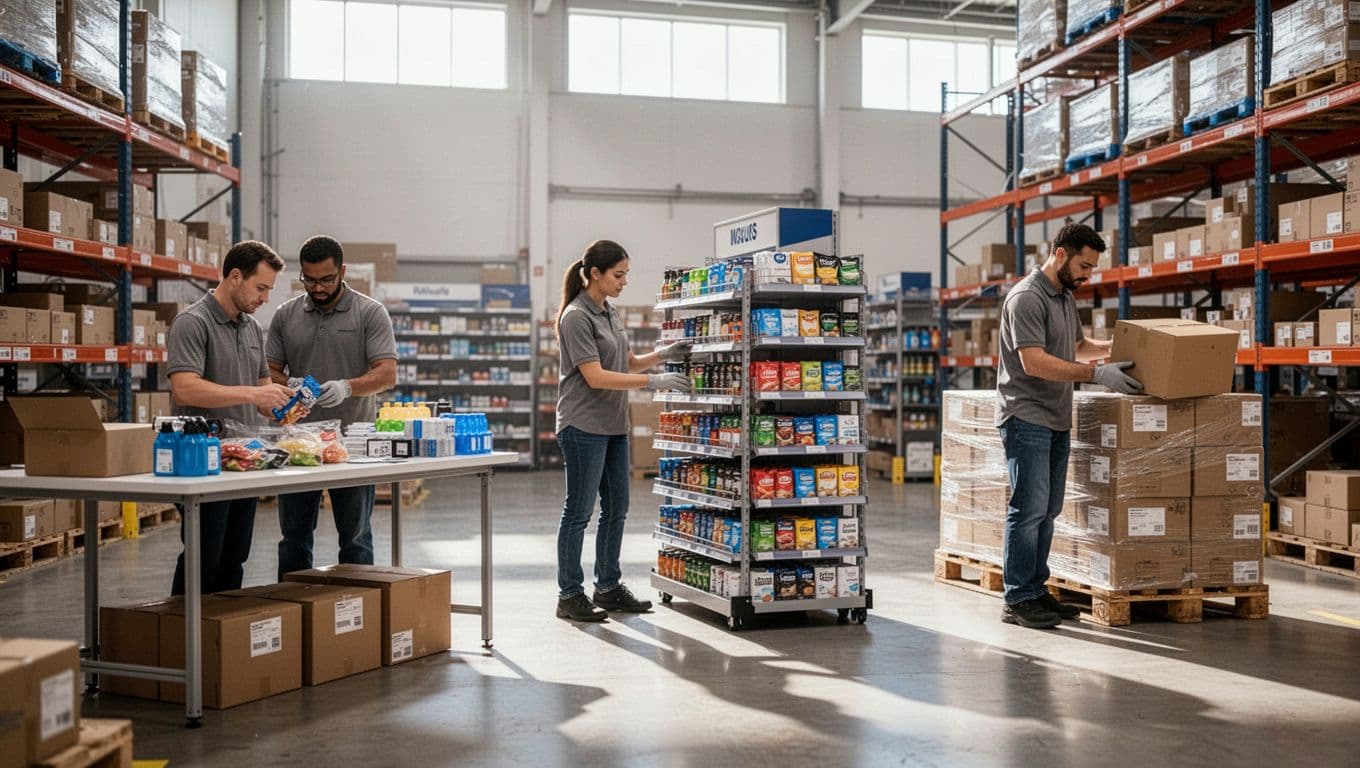
A connected operation cuts that risk. If the same provider handles co-packing, kitting, warehousing, and fulfillment, your product moves through fewer hands and fewer status updates. That usually means faster turnaround, less relabeling confusion, and a cleaner line of accountability when something needs attention.
This is where integrated packaging fulfillment solutions can make a real difference. Instead of bouncing inventory between locations, work stays in one flow. The team that builds the retail pack can also store it, release it, and ship it under the same standards.
As you compare providers, listen for signs of ownership. Can one team coordinate packaging changes and outbound timing together? Can they assemble displays, complete kitting, and move straight into fulfillment without extra transfers? For Costco growth, fewer touches often means fewer errors.
Technology, reporting, and communication should be easy to trust
Good reporting should lower stress, not create more questions. If you have to chase updates, cross-check inventory by email, or wait days for issue details, the provider is making your job harder. Costco programs move too fast for that.

Ask for clear proof of how the operation performs. You want facts you can trust, such as:
- Inventory accuracy rates
- Order accuracy metrics
- On-time shipment performance
- Exception alerts for shortages, damage, or delays
- Reporting cadence, including who sends what and when
- One clear point of contact for daily issues
A strong partner should also explain how their system supports the work. You don’t need a flashy demo. You need visibility into what is on hand, what is allocated, what is in process, and what has shipped. If you want a broader view of how 3PL fulfillment works, that framework can help you compare providers on substance instead of sales talk.
Communication matters just as much as software. When something goes wrong, who calls you? How fast do they escalate a problem? How are corrective actions tracked? The right 3PL should feel easy to trust because the numbers are clear, the updates are timely, and responsibility never gets blurry.
A simple process for getting Costco-ready with a 3PL partner
Getting Costco-ready works best when you treat it like a controlled build, not a last-minute scramble. A good 3PL helps you break the work into clear stages, fix weak spots early, and prove the process before larger orders hit the floor. That keeps small errors from turning into missed appointments, rejected freight, or chargebacks.
Start with a compliance audit of packaging, data, and shipping steps
The first step is a full review of how your product moves today, from pack-out to final delivery. You want to find friction before Costco does. That means checking the physical product, the data tied to it, and the handoffs between teams.
Look closely at the basics:
- case dimensions, pack counts, and barcode placement
- labels, lot codes, and master data accuracy
- pallet pattern, height, wrap, and stability
- order entry, pick flow, and outbound checks
- routing, appointment timing, and carrier handoff
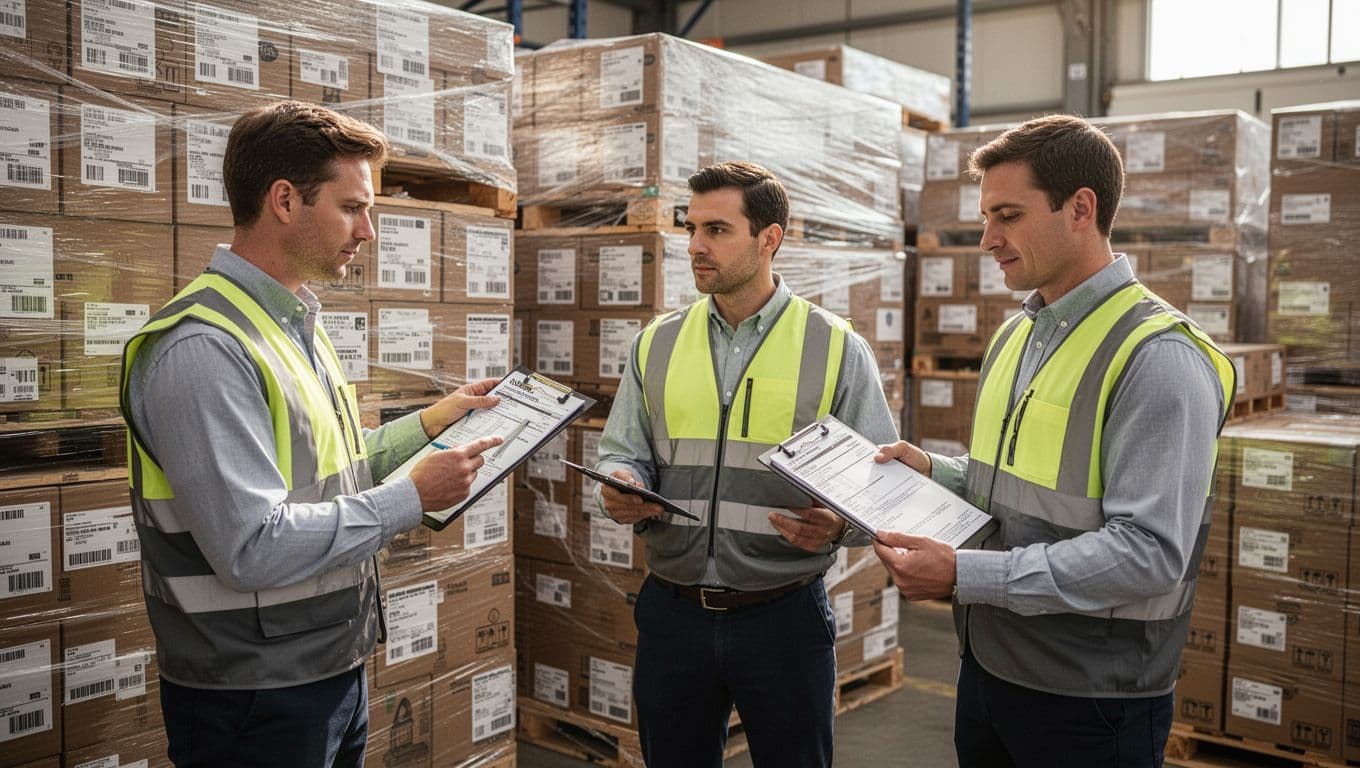
This audit should answer a simple question: where can a clean order break down? A label may scan fine in your warehouse but fail at receiving. A pallet may look stable but still miss retailer specs. In the same way, order data can be correct in one file and wrong in another, which is how avoidable mistakes sneak in.
A 3PL with experience in 3PL supply chain compliance strategies for 2026 can help map those gaps to a documented process. That matters because Costco compliance is often lost in the handoff, not in the plan.
The best time to fix a compliance problem is before the first full purchase order leaves the dock.
Test small runs before scaling full purchase orders
Once the audit is done, run a controlled test. Start with a pilot shipment, a short packaging run, or a limited batch that mirrors the real order as closely as possible. This gives your team and your 3PL a live rehearsal.
Small tests reveal the issues that paperwork misses. You may learn that a label shifts during shrink wrap, a pallet takes too long to build, or a carrier pickup window doesn’t line up with floor timing. Those details matter because they add delay and risk when volume increases.
Keep the pilot simple but documented. A solid test usually includes:
- a trial packaging run with final materials
- a sample pallet build and inspection
- a test shipment through the planned routing path
- recorded quality checks at each handoff
That process reduces guesswork. It also gives you a repeatable playbook for larger orders, especially if you need club store packaging and kitting services before freight is ready to move.
Track the metrics that show whether the process is working
After the first runs, use a short list of metrics to see if the process holds up. You do not need a giant dashboard. You need numbers that show whether orders leave accurately, arrive on time, and stay profitable.
Here are the most useful ones to watch:
| Metric | What it tells you | Why it matters |
|---|---|---|
| On-time shipment rate | Whether orders leave and arrive as scheduled | Late freight can trigger chargebacks and lost trust |
| Inventory accuracy | Whether system counts match physical stock | Bad counts lead to shorts, rush fixes, and missed POs |
| Pick accuracy | Whether the right SKU and quantity are selected | Wrong picks create relabeling, rework, or rejected orders |
| Damage rate | How often product or pallets get damaged | Damage turns full orders into partial or unsellable freight |
| Order cycle time | How long it takes to move from release to ship | Slow cycle times make tight retailer windows harder to hit |
| Chargeback trends | Where compliance costs keep showing up | Repeated fees point to a broken step that needs attention |
These numbers act like warning lights on a dashboard. If inventory accuracy slips or damage climbs, the process is telling you where to look. When a 3PL reviews those metrics with you on a regular basis, Costco readiness becomes much easier to manage and much less expensive to fix later.
Why a stronger 3PL strategy can improve margins, not just compliance
Meeting Costco requirements matters, but compliance is only part of the payoff. A stronger 3PL strategy also helps protect margin at the ground level, where profit is often lost through rework, overtime, damage, short shipments, and rushed fixes. When execution gets tighter, the same order becomes easier to ship and more profitable to repeat.
That shift matters for growth. A 3PL process built for retail discipline can help you use labor better, absorb volume swings, and support new channels without rebuilding your operation every few months.
Fewer errors and less rework can protect profit on every order
Margin erosion usually starts with small misses. A wrong label, a weak pallet, or a short pick can trigger a chain reaction of extra touches. Then your team stops moving forward and starts fixing yesterday’s problem.
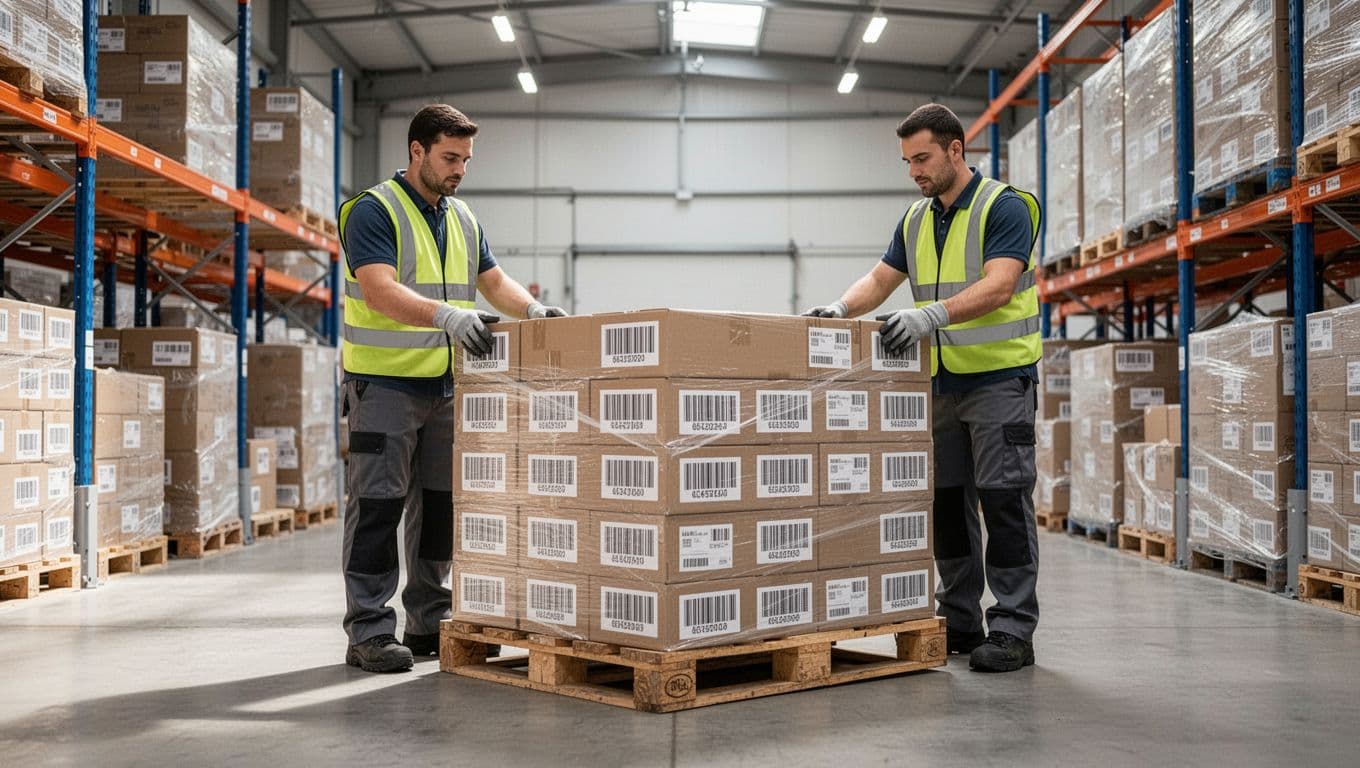
A well-run 3PL helps reduce those leaks because the work follows a repeatable path. Cases get checked before they move. Labels match the order. Pallets are built for transit, not just for appearance. As a result, your labor goes into shipping orders, not into relabeling, repacking, or chasing exceptions.
That has a direct effect on cost. Fewer errors mean:
- less overtime to recover missed deadlines
- fewer rush freight changes and last-minute corrections
- lower product damage in storage and transit
- fewer retailer deductions tied to avoidable mistakes
The savings are easy to miss because they often show up in small pieces. Still, those pieces add up fast across dozens or hundreds of orders. If your team keeps burning hours on preventable fixes, profit slips out through the side door. This is why preventing logistics errors that cut margins matters just as much as hitting a retailer checklist.
A stronger 3PL relationship also helps you spot patterns early. If one SKU keeps getting reworked, or one pallet style keeps arriving damaged, the process can be corrected before the issue spreads. Over time, that creates a healthier operation, one where compliance supports profit instead of competing with it.
The best-performing retail orders usually cost less to manage because they need fewer extra touches.
Scalable operations make it easier to grow into new retail channels
The systems that help you ship clean Costco orders can also support growth outside Costco. Once inventory control, packaging rules, outbound checks, and transportation handoffs are working well, it becomes much easier to add new retailers, promotional packs, or direct-to-consumer volume without creating a mess.
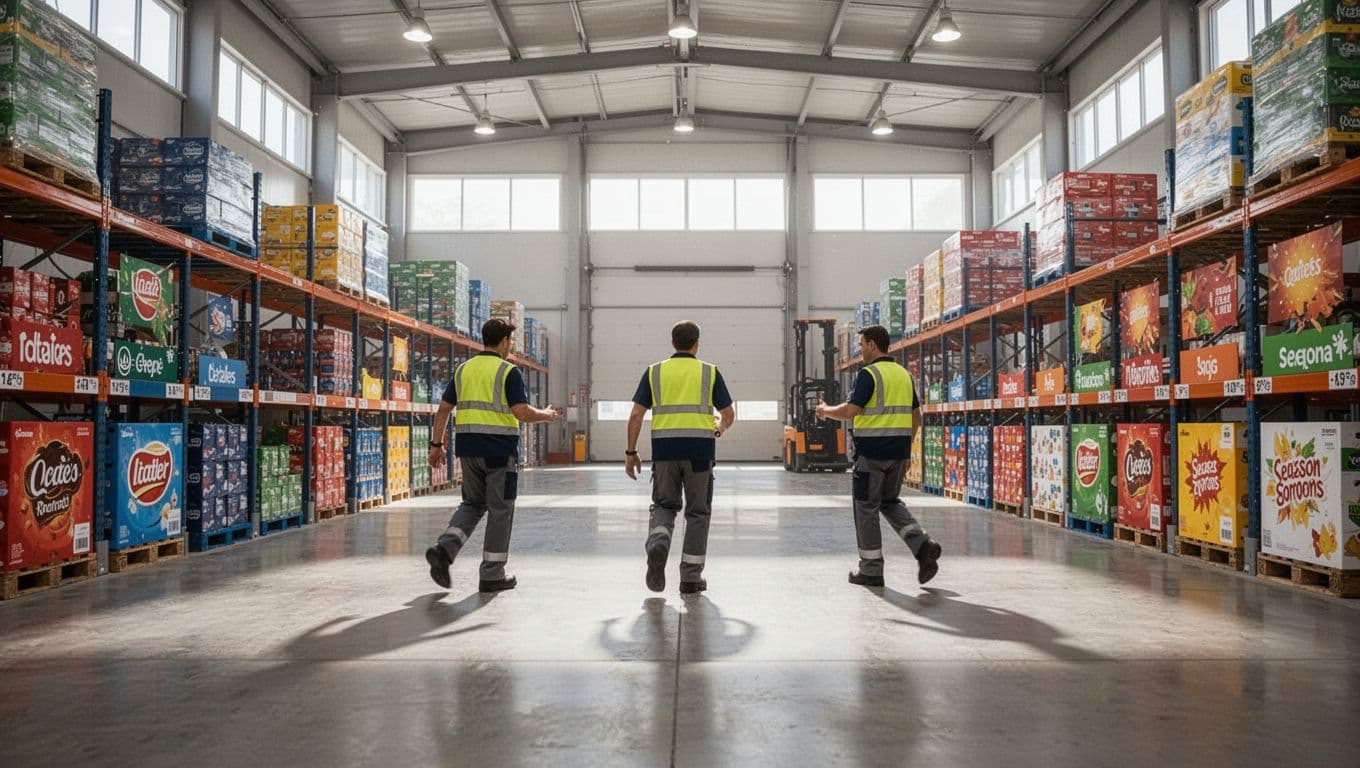
That is where margin improvement gets even more practical. You are not building a separate process for every channel. Instead, you are creating one strong operating base that can flex as demand changes. The same warehouse controls that support club-store shipments can often support display builds, seasonal bundles, retailer-specific labeling, and e-commerce fulfillment with far less friction.
This kind of setup helps in a few ways:
- You can absorb seasonal spikes without relying on panic hiring.
- You can launch retail promotions with less disruption to core orders.
- You can expand into other channels without adding the same level of internal overhead.
For brands selling across wholesale, retail, and e-commerce, that flexibility protects both service and cost. It also makes planning easier because your team can work from one operating model instead of juggling disconnected ones. If channel growth is part of the plan, understanding 3PL pricing models and cost factors can help you judge whether added capacity will really support margin.
Location also plays a role. A provider with the right footprint can reduce transit waste and support broader reach as volume grows. In that case, 3PL location impact on shipping costs becomes part of the margin story too.
In the end, a smart 3PL partnership gives you more than retailer compliance. It helps your labor go further, cuts repeat mistakes, supports channel expansion, and gives your supply chain more staying power when demand shifts. That is where stronger execution starts to pay back in real operating profit.
Conclusion
Costco rewards suppliers that can repeat the same strong process every time. That’s why the biggest advantage of the right 3PL partner is consistency, across compliance checks, inventory visibility, value-added packaging work, and transportation coordination.
When those pieces work together, orders move with fewer surprises. Labels are right, pallets are built to spec, stock is easier to track, and deliveries have a better shot at landing on time and in full. For teams that want a broader view of 3PL logistics fundamentals, the core idea stays the same: better process control helps protect both retailer relationships and margin.
If Costco is part of your growth plan, now is a good time to look closely at your current setup. Check whether your operation can handle retailer-level discipline without extra fire drills, rework, or missed windows. The brands that do well with Costco usually are not guessing their way through fulfillment. They have a supply chain built for high standards, and they know it can hold up when the pressure is on.
