

Subscription Box Kitting Services That Scale as You Grow
What works at 500 boxes a month often breaks at 5,000. As volume climbs, subscription box kitting services stop being a nice extra and start becoming the thing that protects your brand from late pack-outs, inventory mix-ups, damaged products, and a customer experience that slips when demand picks up.
Growth puts pressure on every part of the operation, especially when seasonal spikes hit and labor costs keep rising. That’s why many brands look for subscription order fulfillment support that can keep quality, speed, and pack accuracy steady as order counts grow.
A good partner doesn’t only pack boxes, it helps you scale without losing control, and this guide will help you choose one that can grow with your brand.
What scalable subscription box kitting services actually include
A scalable partner does a lot more than place products in cartons. The work usually starts with inbound inventory handling, then moves through storage, kit assembly, inserts, labeling, quality checks, and shipping support. When those steps connect in one process, monthly launches stay on time and your customer experience stays consistent.
Kitting, assembly, and pack-out are not the same thing
Kitting means grouping separate items into one planned unit. Assembly means building or adding parts, such as applying labels, folding cartons, or attaching components. Pack-out means placing finished items into the final shipper or retail box. Those terms sound close, but they are not interchangeable.
That difference matters when you compare providers. One vendor may offer kitting services but not manage storage, inserts, or final shipping prep. Another may only handle pack-out after someone else does the prep work. If your box needs multiple SKUs, custom inserts, labels, and final parcel support, you need a partner that owns the full handoff.
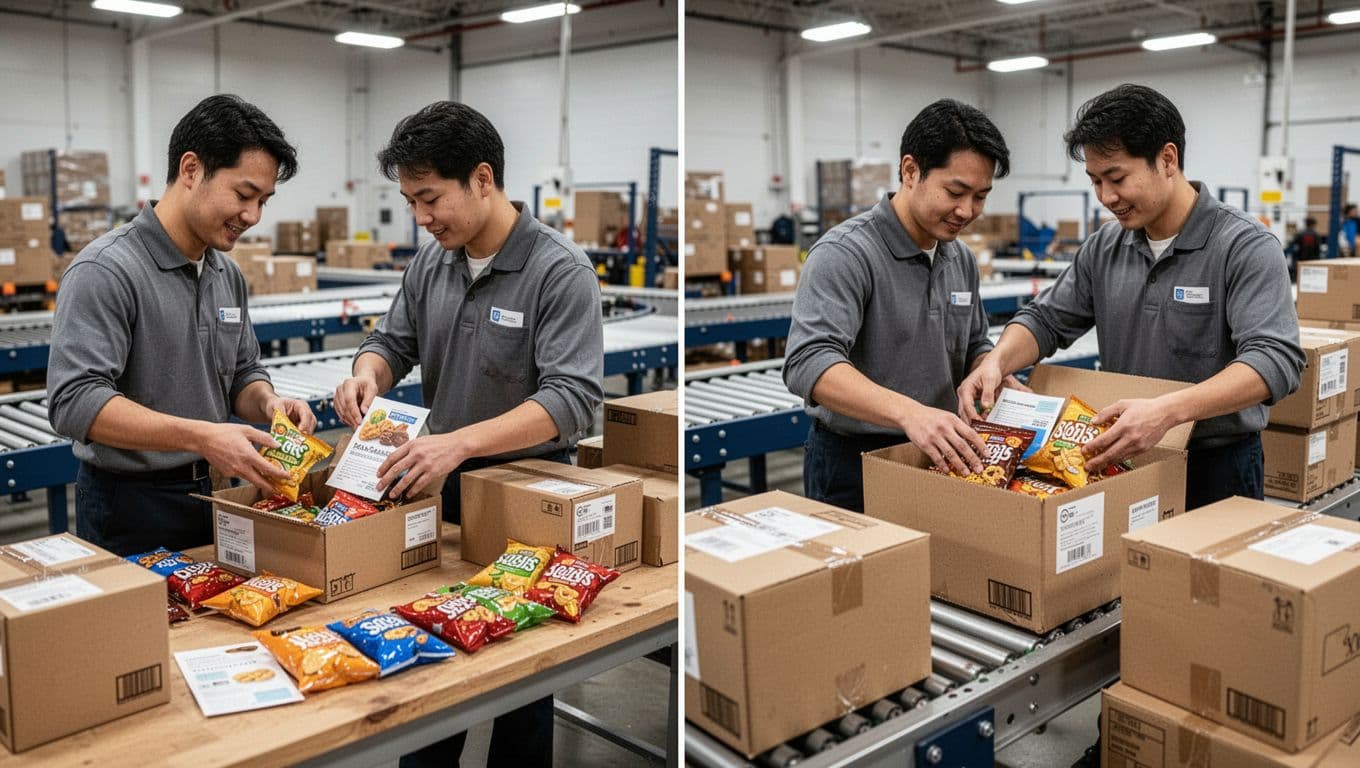
The hidden systems behind a smooth monthly box launch
Labor matters, but repeatable systems matter just as much. Strong providers track inbound inventory, store components in an organized way, and schedule production so every item is at the line when packing starts. That prevents the all-too-common scramble for missing parts.
For some products, lot control is also part of the job, especially when traceability matters. Barcode checks, count verification, and quality assurance catch mistakes before boxes leave the floor. In practice, a smooth launch depends on connected inventory control, production planning, and final shipment support.

Why custom packaging and inserts matter for retention
Presentation shapes how the box feels the moment it lands on a doorstep. Custom packaging, well-placed inserts, and thoughtful product arrangement make the box look retail-ready, not rushed. That small difference can raise perceived value fast.
Promotional cards, welcome notes, and cross-sell inserts also give each shipment a job beyond delivery. They can introduce new products, reinforce brand identity, and encourage social sharing. When the inside of the box feels intentional, customers are more likely to remember it, post it, and keep the subscription.
The clearest signs your brand needs a kitting partner that can scale
You do not need a revenue milestone to know you have outgrown in-house packing. The better test is operational strain. When box prep starts taking over the week, demand swings throw everything off, or accuracy slips under pressure, your current setup is already telling you something.
Your team spends more time packing boxes than growing the business
Early on, founders often do everything. That works for a while. Then packing days start eating the time you should spend on product sourcing, paid campaigns, retail outreach, and customer retention.

If your team is building boxes late at night, printing labels by hand, or clearing conference tables for pack-out, that is a capacity problem, not a hustle story. Growth stalls when skilled people spend their best hours on repetitive labor. A scalable partner gives that time back and supports scale e-commerce fulfillment quickly when volume rises.
Order spikes, promotions, and holiday runs create constant fire drills
A promotion can double orders overnight. Holiday runs can flood your space with cartons, inserts, and loose components. Suddenly, labor is short, materials run low, and shipping cutoffs get tight.
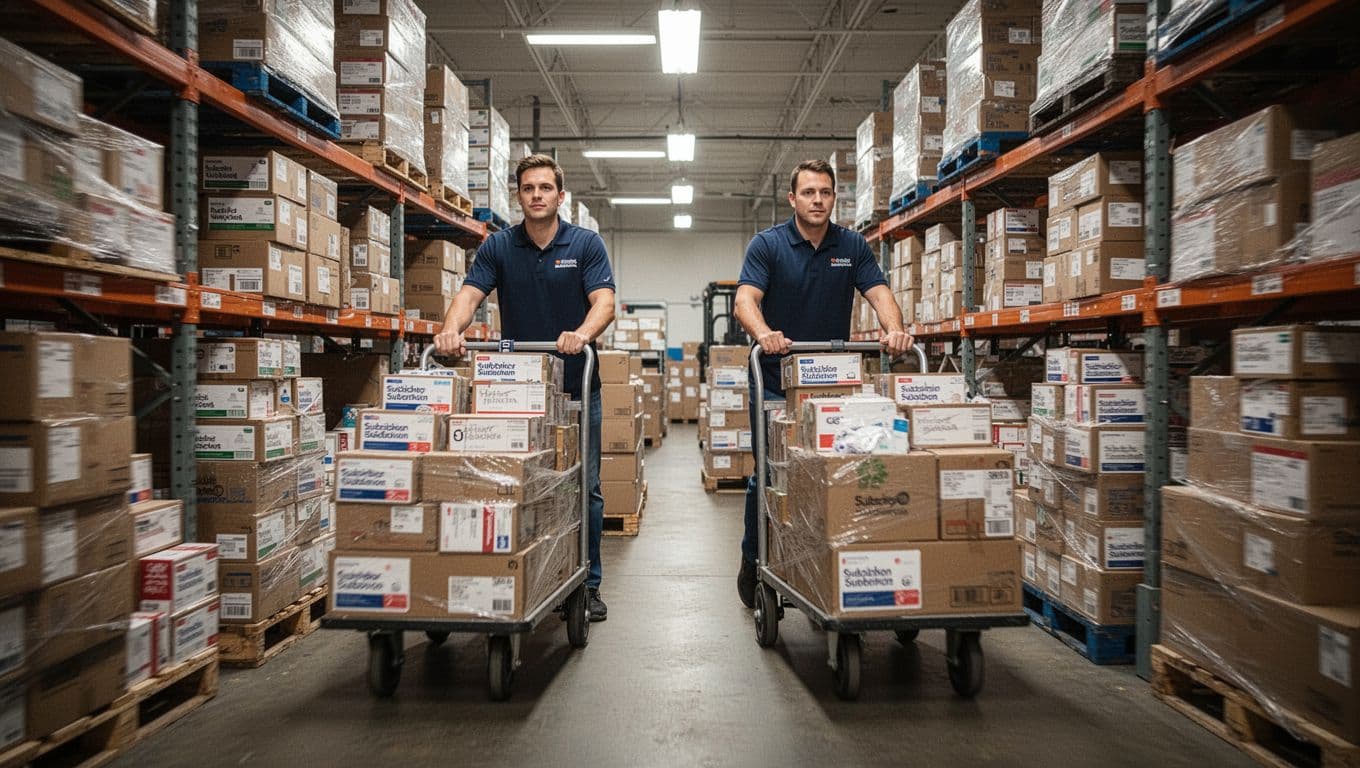
If every peak turns into overtime, rushed buying, and missed deadlines, your operation lacks flex. A provider built for scale subscription box kitting should absorb those surges without lower pack quality, sloppy presentation, or late shipments.
Demand should feel manageable, even when it jumps.
Packing errors are starting to hurt reviews and repeat orders
Customers notice the small stuff fast. A missing item, the wrong scent or shade, a crushed product, or messy presentation can turn one shipment into a refund request and a canceled subscription.
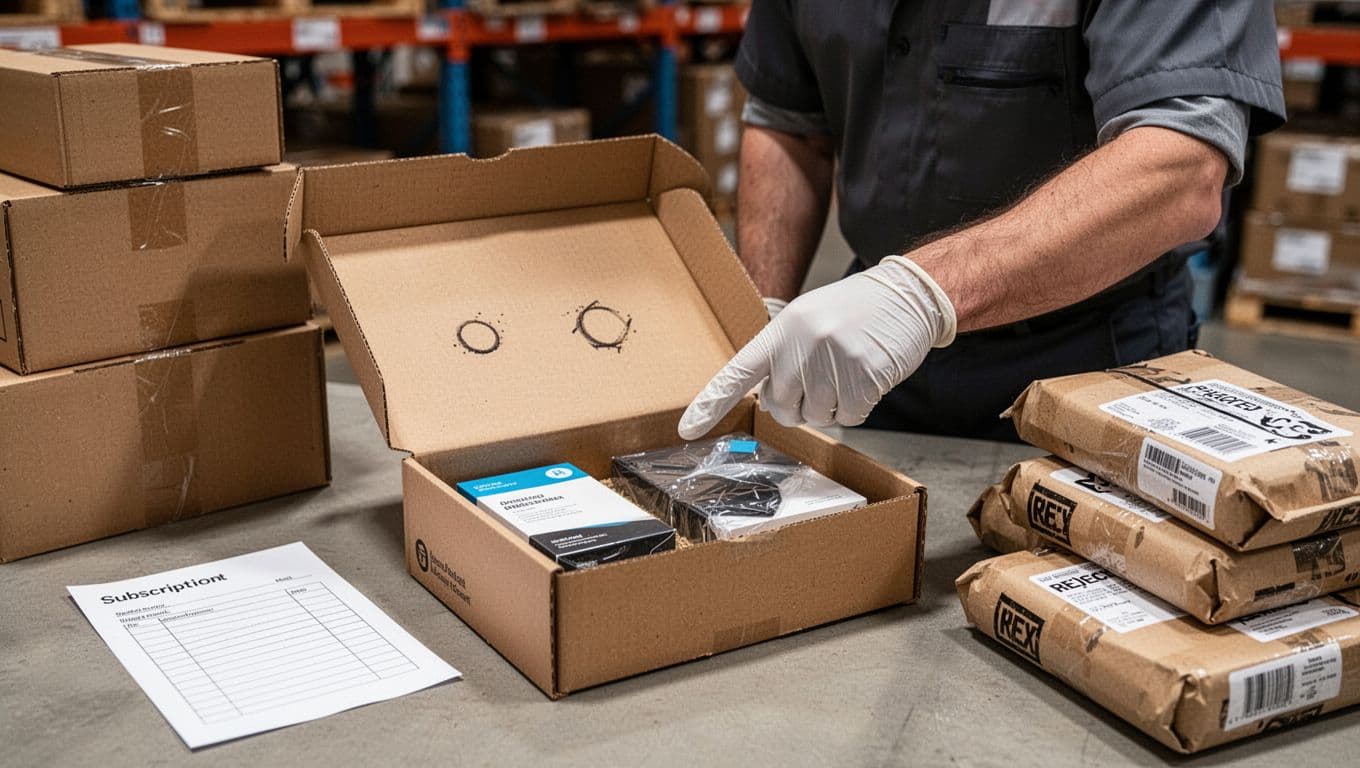
These are not minor warehouse issues. They chip away at trust. Over time, accuracy problems raise churn, lower repeat orders, and make marketing work harder to replace lost customers. If errors are becoming common, stronger process control and quality assurance in packaging usually matter more than adding another temporary pair of hands.
How the right kitting partner protects your brand as volume grows
As volume rises, the job is not just getting more boxes out the door. It’s keeping every shipment true to your brand. The right kitting partner adds capacity, but just as important, it protects the details your customers notice, remember, and judge you by.
Consistent quality matters more when every box is a brand touchpoint
A subscription box is not a one-time order. It is a recurring promise. If one month feels polished and the next feels rushed, customers notice right away.
That is why repeatable quality checks matter so much. A strong partner works from documented pack specs, clear product placement rules, and approved packing steps. Trained teams do not guess. They follow the same process every time, which keeps presentation, counts, and condition consistent as order volume climbs.
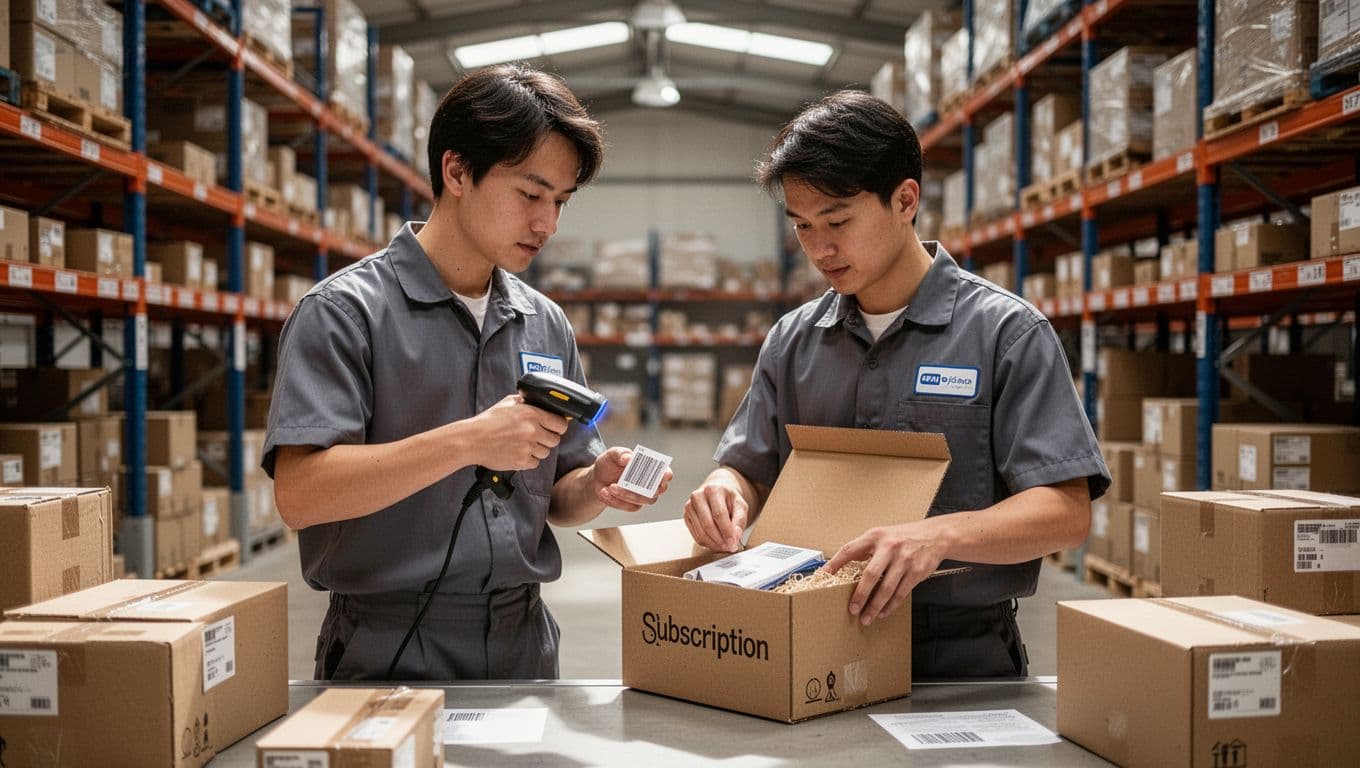
In practice, that means fewer missing inserts, fewer damaged items, and fewer off-brand substitutions. It also lowers risk when new staff join during peak periods, because the system carries the standard, not just a few experienced people.
As monthly shipments grow, consistency becomes part of brand trust.
Better inventory control helps prevent costly stockouts and overbuying
Good kitting depends on clean inventory visibility. If you cannot see component levels, finished kit counts, or incoming receipts clearly, purchasing turns into guesswork.
A capable partner gives you a better view of what is on hand and what is running low. That helps with launch planning, reorder timing, and promo scheduling. It also reduces those last-minute swaps that make a box feel patched together instead of planned.

This kind of control is one reason custom packaging for brands works better with an organized kitting operation behind it. You can buy with more confidence, hold less dead stock, and keep launches on schedule.
Faster fulfillment supports both subscriber boxes and one-off ecommerce orders
Many growing brands do not ship just one way. They have recurring subscription boxes, but they also need direct-to-consumer orders, influencer mailers, retail support packs, or limited-run promotions.
That mix is easier to manage when one partner can handle all of it from the same operation. Shared inventory, common quality standards, and one fulfillment flow reduce handoff errors and speed up response times.
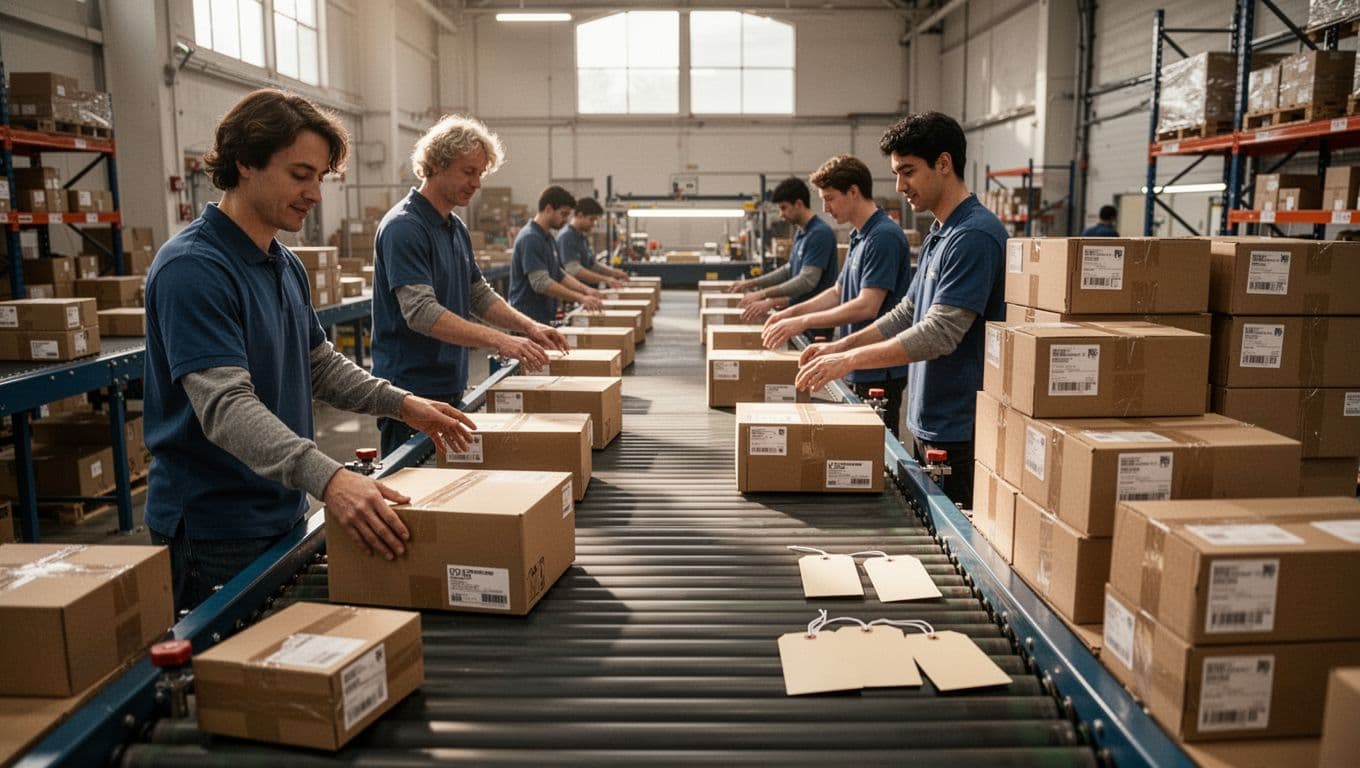
So, growth feels more controlled. Your monthly box program stays steady, while the rest of your sales channels keep moving without forcing your team to rebuild the process each time.
What to look for before choosing a subscription box kitting company
Before you sign with a provider, treat the sales call and facility tour like an audit. You are not only buying labor. You are choosing the team that will touch your product, your timeline, and your customer experience every month.
Ask about capacity, turnaround times, and peak season planning
Start with volume. Ask what monthly ranges they handle now, what your launch volume looks like to them, and how much room they have if demand jumps fast. A strong answer should sound specific, not vague.
On calls or tours, ask:
- What monthly box volume can you support today?
- How do you handle surges from promotions, holidays, or influencer campaigns?
- What are your normal production windows?
- How far ahead do you lock labor and line time?
- What is the backup plan if orders double or a shift falls short?
If the answer depends on “we’ll figure it out,” keep looking. Growth needs a real labor plan, overflow capacity, and a clear schedule.
Make sure their quality process is documented, not improvised
Good kitting runs on written steps. Ask to see how they document pack specs, approvals, and checks on the line. If the process lives in one supervisor’s head, mistakes will show up when volume rises.
Your checklist should include SOPs, sample approvals, in-line checks, final audits, photo proof, and issue logs. Ask how they report errors, who owns corrections, and how rework gets approved. If you want a deeper view of high-volume packaging quality assurance, focus on providers that build checks into the run, not only at the end.
A polished sample box means very little if they cannot repeat it at scale.
Look for technology that gives you clear inventory and order visibility
You should be able to see what is in stock, what is low, and what has shipped. Ask how they track SKUs, count inventory, and report shortages. Also ask how often you get updates and who contacts you when something is off.
Simple, timely reporting beats fancy software talk. If they cannot show clean inventory and order status, problems will stay hidden until they hit your launch.
Choose a partner that can support future channels, not just today’s box program
Your box program may be the first need, but it may not be the last. Ask whether they also handle retail displays, promo bundles, relabeling, repackaging, and broader fulfillment support.
That matters because growth rarely stays in one lane. A partner with wider capabilities can save you from switching vendors the moment your brand adds a new channel.
A simple framework for scaling without losing the unboxing experience
Growth gets messy when the process lives in Slack threads, memory, and last-minute fixes. A better approach is simple: lock the spec, test the run, then watch the numbers. That keeps volume moving without turning your box into a rushed, generic shipment.
Start with a clear pack spec and forecast
Before you onboard a kitting partner, write down exactly what the box is. That means core items, variants, packaging rules, inserts, placement, sealing method, and any do-not-miss details that affect presentation.
A solid pack spec should also cover timing. Include inbound deadlines, pack-out windows, ship dates, and the volume you expect by month or campaign. If promotions or seasonality can spike demand, say so early. Partners can plan labor and materials better when they know what is coming.
Keep it practical. Your spec should answer the questions a line lead will ask on day one, not just the ones a buyer asks in a meeting.
Test with a pilot run before a major launch
A pilot run gives you a safe place to catch friction before scale magnifies it. You can spot slow handoffs, awkward product placement, count issues, weak packaging, or inventory mistakes while the stakes are still low.
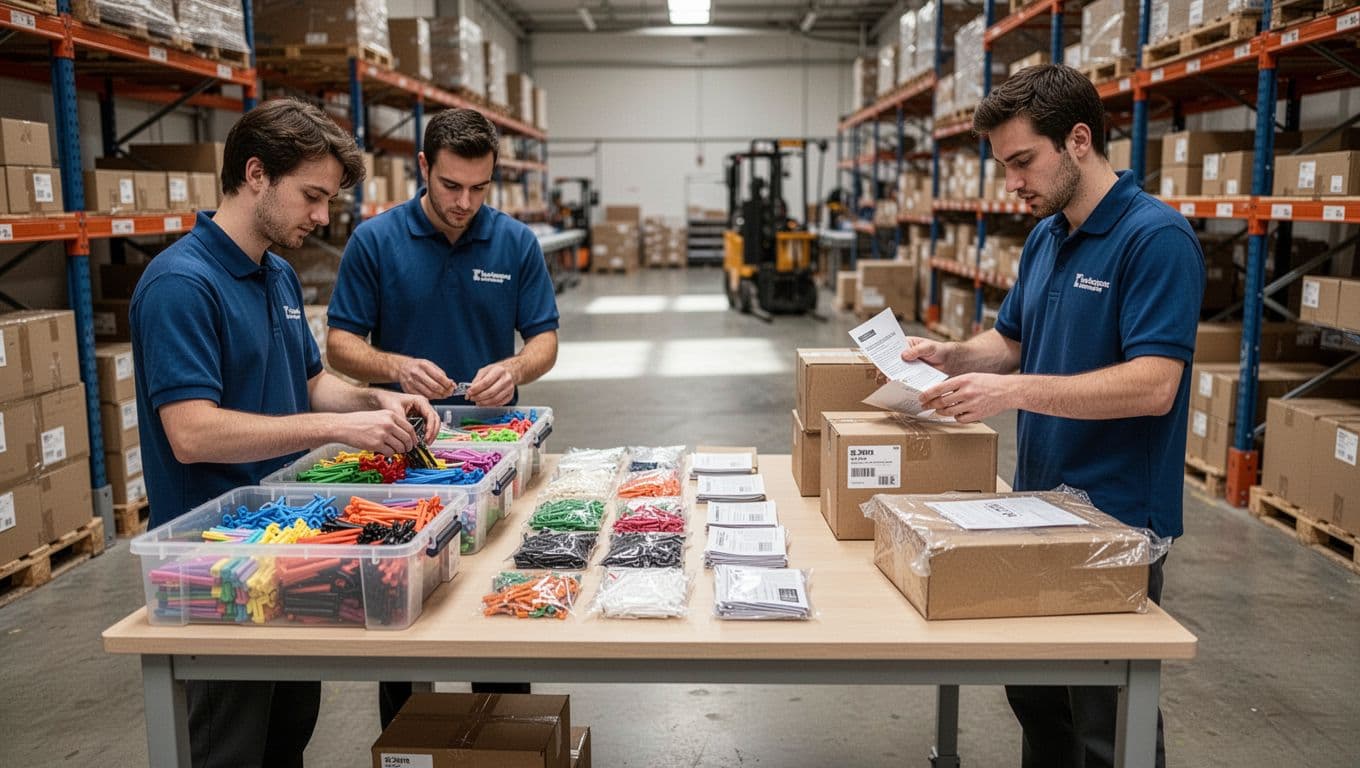
Even a small run can tell you a lot. You will see whether the box looks right when sealed, whether inserts shift in transit, and whether timing matches the launch plan. Then you can fix the process before orders pile up.
Review performance metrics that show whether the partnership can keep scaling
Once the program is live, track a short list of numbers that show whether the operation stays healthy:
- On-time shipment rate
- Order accuracy
- Damage rate
- Inventory accuracy
- Response time when issues come up

These metrics turn gut feel into clear decisions. If on-time performance slips, you can address scheduling. If damage climbs, the pack method may need work. If counts drift, inventory control needs attention. For brands comparing long-term fit, these are the same key checks for packaging partners that separate steady operators from costly headaches.
Use this framework as a working roadmap: document the box, run a pilot, then review the scorecard every cycle. That gives you a clear way to scale while keeping the box experience consistent for every customer.
Conclusion
Scaling a subscription box brand takes more than extra labor. It takes repeatable systems, clear inventory control, strong quality checks, and enough capacity to handle growth without turning every launch into a scramble. When those pieces are in place, your box keeps the same look, accuracy, and timing that helped win customers in the first place.
That is why the best partner is not always the lowest-cost option. A better fit is the team that can hold pack standards, manage peaks, and support the next stage of growth with integrated kitting for subscription boxes. Short-term savings lose value fast if errors, delays, and rework start to affect retention.
As your volume rises, keep the decision practical. Choose a kitting partner that can match your brand today and still support it when monthly demand, product mixes, and sales channels get more complex.
