
15 Warehouse and Distribution Center Best Practices for Supply Chains
15 Warehouse & Distribution Center Best Practices for Supply Chains
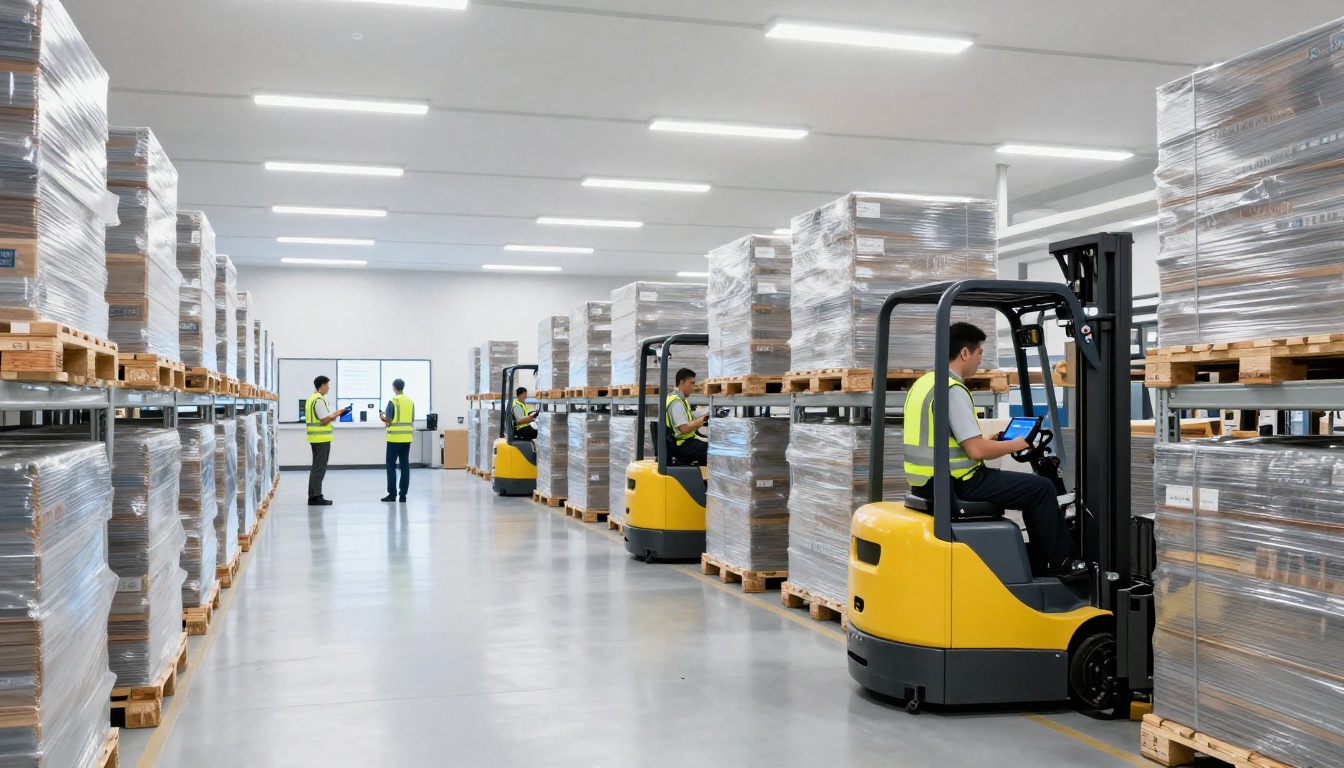
Fast, accurate warehouse work can make or break a supply chain. When layout is clumsy, inventory is off, or shipments move too slowly, costs rise and customers notice.
Small improvements in a Warehouse & Distribution Center can cut errors, speed up orders, and keep labor and freight costs under control. That matters whether you run a small operation or manage a large 3PL network.
The best practices below focus on practical changes you can use right away, from people and process to inventory control, technology, and shipping flow.
Start with a warehouse layout that makes work easier
A strong warehouse layout does more than fill space. It shapes how people move, how fast orders leave the dock, and how often mistakes happen. When the floor plan matches real work patterns, your team spends less time walking and more time getting shipments out the door.
Good layout planning also keeps traffic flowing. Forklifts, pickers, packers, and inbound crews all need room to work without crossing paths all day. That simple change can make a Warehouse & Distribution Center feel calmer, faster, and easier to run.
### Place fast-moving items closer to shipping
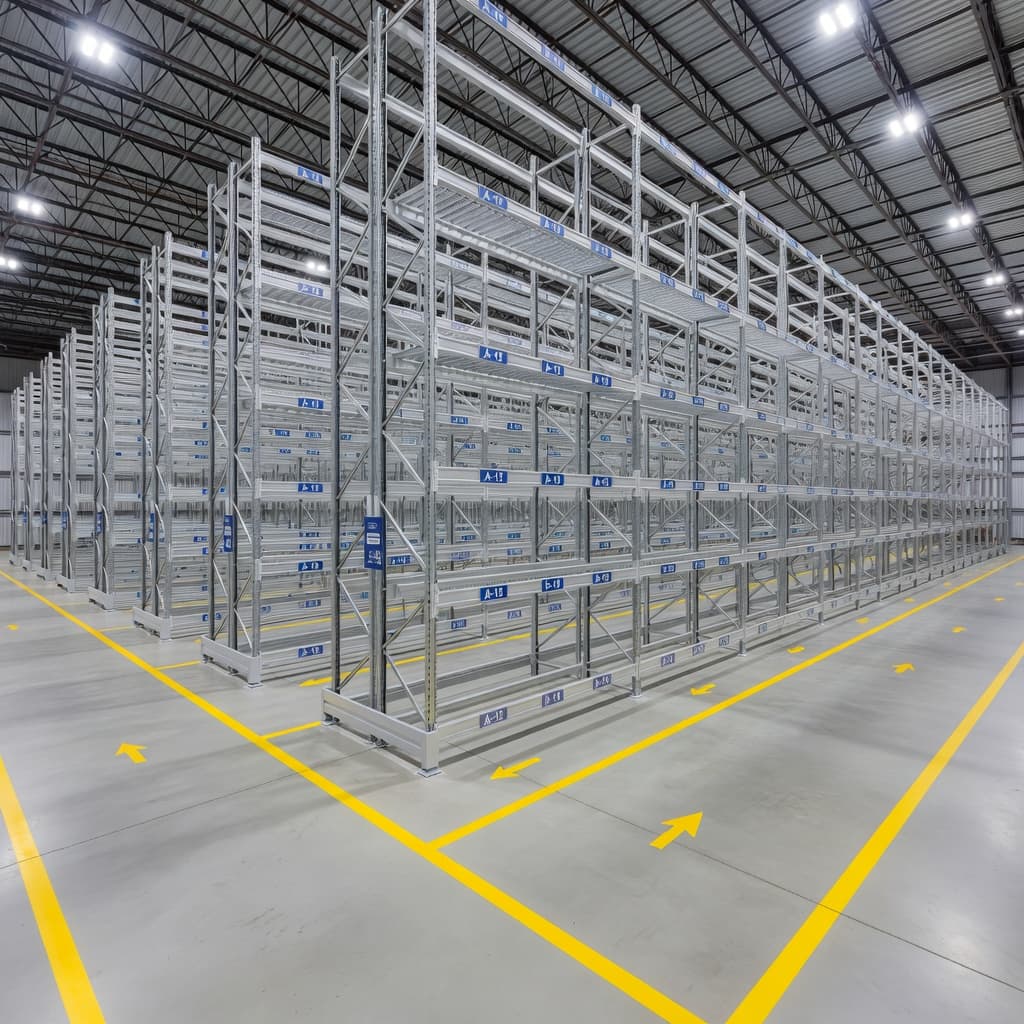
Slotting by velocity means putting your busiest SKUs where the work happens most. High-demand items should sit near packing stations and dock doors, so pickers cover less ground on every order. That cuts walking time, speeds up order completion, and helps the floor stay active without wasted motion.
Slow-moving items can live farther away without hurting output. They do not need premium space near the front if they are picked less often. In practice, the best locations go to products that move every day, while low-volume stock can sit deeper in storage where it still stays organized and easy to count.
The fastest path through the building should match the items you ship most often.
Separate receiving, storage, picking, and shipping zones
Clear zones keep the floor easy to read. Receiving needs room for inbound trucks, checks, and putaway. Storage needs stable locations for inventory. Picking needs open access. Shipping needs space for staging, packing, and outbound flow.
When those zones overlap too much, people get in each other’s way. Pallets stack up in the wrong place, carts block aisles, and the same product can move across the floor several times. A simple inbound-to-outbound path reduces confusion and helps each team focus on one job at a time.
Use aisles, labels, and signs that are easy to follow
A warehouse layout works best when people can read it at a glance. Clear floor markings, shelf labels, and location signs help workers find product fast, even on a busy shift. They also cut down on wrong picks and extra searching, which saves time all day long.
Good visual organization matters even more for new hires. When aisle numbers, bin codes, and zone names stay consistent, training moves faster and fewer questions slow the team down. You don’t want people guessing where to go. You want the building to guide them.
A simple system works well:
- Mark aisles clearly so traffic lanes stay open.
- Label every storage location in the same format.
- Use signs at eye level for zones, docks, and packing areas.
- Keep color-coding consistent across the floor.
Once the layout is easy to read, the whole operation feels smoother. People move with purpose, inventory stays easier to find, and picking and packing get faster without adding extra labor.
Keep inventory accurate from the moment product arrives
Inventory accuracy starts at the dock, not after putaway. If the receiving record is wrong on day one, every pick, count, and reorder after that gets harder to trust. Good inventory control begins when product enters the building and stays tight until it ships out.

That first check matters for customer service, too. If the system says stock is available when it isn’t, orders slip, backorders grow, and buyers lose confidence. It also affects labor planning and cash flow, because the wrong counts push people to chase problems instead of moving product.
Count and verify every inbound shipment
Every inbound load needs a real receiving check, not a quick glance at the pallet wrap. Match the shipment to the purchase order, count cases or units, and confirm the item numbers before anything moves deeper into the building. Barcode scans help here because they tie the physical product to the system record right away.
Damage reviews matter just as much. A crushed carton, broken seal, or wet case can turn a usable receipt into a short ship, a hold, or a claim. When your team catches that at receiving, the issue gets flagged before it creates bad stock data.
Early checks stop one mistake from spreading into picking, replenishment, and customer invoices.
The same rule applies to overages and shortages. If a pallet arrives with the wrong quantity and nobody catches it, the system will keep repeating that error. A few minutes at receiving can save hours of cleanup later.
Use real-time inventory tracking instead of guesswork
Busy warehouses move fast, so inventory records need to move at the same pace. When teams wait until the end of a shift to post receipts, transfers, or adjustments, the system drifts away from reality. Then pickers search for product that should be there, and planners build schedules around stale data.
Real-time tracking keeps the record current as items arrive, move, and leave. That means every receipt, putaway, pick, and ship transaction gets entered on time, with as little manual rework as possible. Handwritten notes and after-the-fact updates may feel faster in the moment, but they usually create more cleanup later.
A clean process usually looks like this:
- Scan the item when it arrives.
- Confirm the quantity and condition.
- Put it away in the correct location.
- Post the transaction before the next move.
When those steps happen in order, the inventory file stays believable. That helps the whole Warehouse & Distribution Center run with fewer surprises and fewer workarounds.
Set cycle counts by item value and movement speed
Annual wall-to-wall counts are hard on labor and hard on operations. Smaller cycle counts work better because they spread the work across the year and keep corrections close to the source of the error. You can focus on high-value items, fast movers, or products with frequent adjustments first.
That approach gives you better control where it matters most. Expensive items need tighter review because every miss carries more risk. Fast-moving SKUs need frequent checks because even a small posting error can snowball fast.
A simple cycle count plan might look like this:
- Count high-value items every week or month.
- Count fast-moving items more often than slow movers.
- Review locations with repeated shortages or adjustments.
- Save low-risk items for less frequent checks.
Frequent small counts are easier to manage than one huge inventory event. They also keep teams sharp, because count results get reviewed while the issue is still fresh. When you correct errors early, you protect inventory value, keep labor focused, and make the stock file more reliable for everyone who depends on it.
Build a stronger picking and packing process
Picking and packing shape how fast orders leave the building and how often they come back. When the process is clear, teams move with less confusion, fewer touches, and better accuracy. That matters in any Warehouse & Distribution Center, because speed only helps when the right item reaches the right box.
A stronger process starts with simple rules that people can follow on a busy floor. The goal is to keep picks clean, packs consistent, and checks built in before the shipment reaches the dock.

### Match the picking method to the order profile
The best picking method depends on what you ship most often. Discrete picking works well for smaller operations or simple orders, because one picker completes one order at a time. Batch picking helps when many orders share the same SKUs, since one trip can fill several orders at once. Zone picking fits larger facilities, where different workers handle separate areas and pass orders along.
Order size, SKU count, and daily volume should drive the choice. A warehouse with long, mixed orders needs a different setup than one shipping many short, repeat orders. If the wrong method is in place, workers spend more time walking and sorting than picking.
A quick way to compare the options:
| Picking method | Best for | Main advantage |
|---|---|---|
| Discrete picking | Low volume, simple orders | Easy to train and control |
| Batch picking | Repeated SKUs, higher order count | Reduces travel time |
| Zone picking | Large sites, high SKU count | Keeps work divided and organized |
The pick, pack, and ship services model is strongest when the picking method matches the order mix. That fit keeps labor efficient and reduces extra handling.
Use check steps that catch mistakes before shipment
Mistakes are cheaper to stop at the pack station than after a return. That is why scan checks, pack verification, and weight checks belong in the process, not on the back end. Each one catches a different problem before it turns into a customer issue.
Scan checks confirm that the item picked matches the order line. Pack verification confirms the right items went into the right carton. Weight checks add one more layer, because a box that is too light or too heavy can point to a missing item or a wrong carton build.
The earlier you catch an error, the less time it takes to fix it.
These checks also protect the customer experience. Fewer mispacks mean fewer service calls, fewer reships, and fewer credits. In a busy Warehouse & Distribution Center, that saves labor on both ends of the order.
Simple control points work best when everyone follows them the same way:
- Scan each item at pick or pack.
- Compare the packed order to the order record.
- Check the final weight against the expected range.
- Hold anything that looks off before it ships.
That last step matters. A shipment that leaves correctly the first time costs less than one that comes back.
Standardize packing materials and pack-out rules
Packing gets faster when workers don’t have to guess which carton, filler, or tape to use. Standard carton sizes cut decision time and help the team pack orders the same way every shift. They also protect the product better, because boxes fit the contents more tightly and shift less in transit.
Dunnage matters too. Too much filler wastes money and takes extra time. Too little leaves items loose and raises damage risk. The same goes for tape, inserts, and void fill, because loose rules create uneven results.
A standard pack-out guide should cover:
- Which carton size fits which order type
- How much dunnage goes into each pack
- When to use inserts, separators, or protective wrap
- How to seal, label, and stage the finished order
Clear standards help cost control as well. When teams use the same materials and the same steps, the operation buys smarter and wastes less. That supports both speed and margin, which is exactly where a well-run packaging and fulfillment process pays off.
Pack rules also make training easier. New staff can learn one way to work instead of inventing their own method at each station. Over time, that consistency keeps the line steady, the boxes cleaner, and the shipping flow easier to manage.
A strong pick-and-pack setup does not need to be complicated. It needs a method that fits the order profile, checks that stop errors early, and packing standards that keep every shipment moving the same way.
Train people well and make safety part of daily work
A warehouse runs better when people know more than their own task. They need to understand the process, the risks, and the reason each step matters. That kind of training improves speed, but it also protects quality and keeps good employees longer.
Safety has to live in the routine, not on a poster. When workers treat it as part of the job, a Warehouse & Distribution Center runs with fewer injuries, fewer delays, and less turnover. That starts with training that sticks and habits that repeat every shift.

### Train new hires on process, not just tasks
New hires should learn the full flow, not just the button to press or the cart to move. When people understand how receiving connects to putaway, and how picking affects shipping, they make better calls on the floor. That context also helps them spot problems early instead of waiting for a supervisor to catch them.
Good onboarding should include hands-on time, shadowing, and clear explanations. A worker who shadows a strong teammate sees the pace, the shortcuts to avoid, and the small checks that prevent mistakes. After that, refresher training keeps the lessons fresh, which matters when work gets busy and habits start to slip.
A strong program usually covers:
- What the task is and where it fits in the workflow
- Which errors cause rework, damage, or delays
- Who to ask when something looks off
- When refresher training or retraining is needed
People remember the “why” longer than the “how.”
That approach also supports stronger compliance habits. For teams that handle regulated goods or strict customer requirements, supply chain compliance training gives workers the background they need to stay consistent on the floor.
Make safety habits simple and consistent
Safety works best when it feels normal. Workers should know the basic checks by heart, like looking over equipment before use, keeping walkways clear, and staying alert around forklifts. If the routine is simple, people are more likely to follow it without cutting corners.
Proper lifting matters just as much. A quick reminder about bending knees, keeping loads close, and asking for help on heavy items can prevent injuries that slow down an entire shift. One strained back or dropped pallet can create a much bigger problem than the original task.
Consistency helps here too. The same rules should apply every day, on every shift, in every zone. When the standard changes from person to person, mistakes grow fast. Clear expectations keep the floor moving and help protect both people and product.
Give supervisors a clear way to coach performance
Supervisors need a simple way to see what is working and what needs attention. Floor walks, regular feedback, and short scorecards make that possible without turning coaching into a big event. A quick walk through the building can reveal blocked aisles, missed scans, or sloppy pack stations before they become repeat problems.
Simple scorecards help managers track accuracy, attendance, and safety observations. They don’t need to be complicated. A few clear measures are enough to spot trends, hold people accountable, and give praise when someone improves.
Coaching should build skill and morale at the same time. Workers respond better when feedback is direct, fair, and tied to real work. That kind of support helps people stay engaged, which protects performance and reduces the cost of losing trained staff.
When training stays practical and safety stays visible, the whole operation gets stronger. People work with more confidence, errors drop, and the warehouse becomes a place where good habits actually last.
Use technology to improve visibility and speed
The right systems make warehouse work easier to see and faster to move. When order data, inventory data, and shipment status all live in different places, teams waste time checking, rechecking, and fixing avoidable errors. A connected setup gives supervisors and operators the same picture, so they can act faster and keep work moving.
### Connect warehouse software to order and inventory data
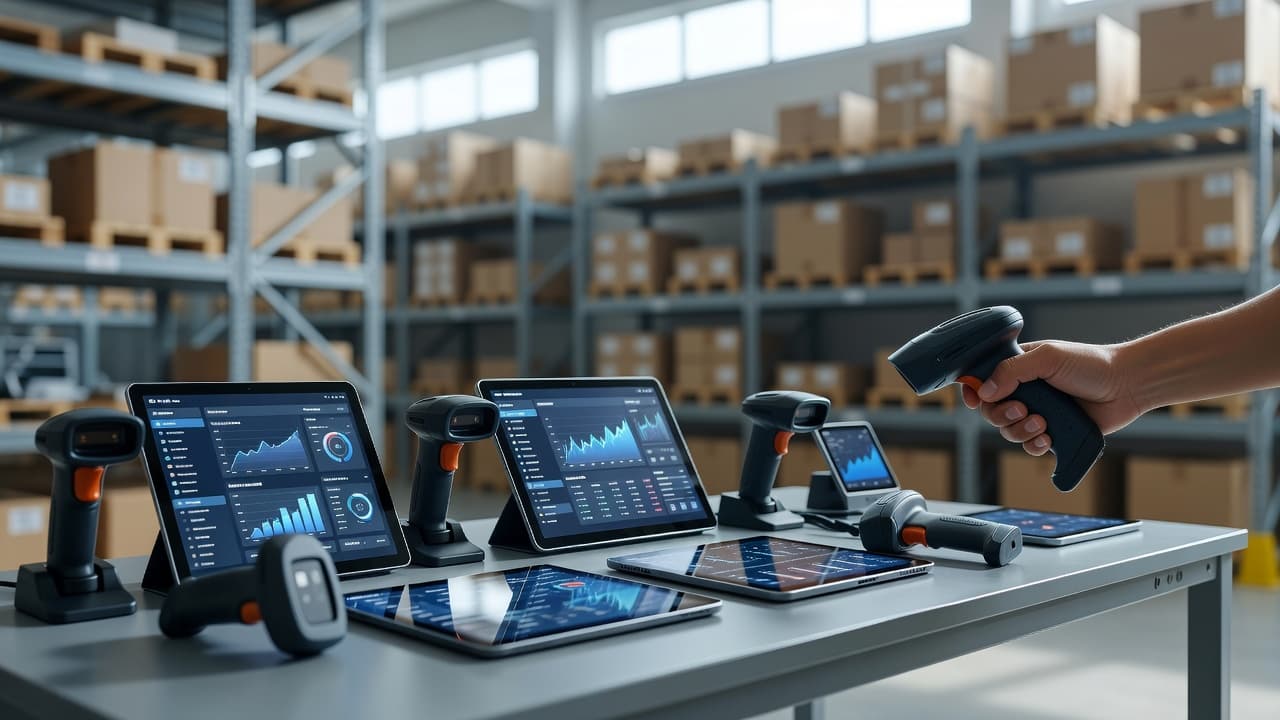
A single source of truth keeps orders, stock, and shipments aligned. When your warehouse software connects to the order system and inventory records, people stop chasing separate updates in emails, spreadsheets, and paper notes. That cuts confusion at receiving, picking, and shipping.
This kind of connection matters most when demand shifts. If orders spike, a connected system shows what is available, what is committed, and what still needs attention. Teams can reassign labor, adjust pick priorities, and avoid promising stock that is already gone. In other words, the warehouse reacts to real demand instead of yesterday’s numbers.
That is also why many operations build around warehouse management system tools for operations or a role of warehouse management systems in accuracy approach. The goal is simple, keep the record current enough that people can trust it during a busy shift.
When every team works from the same data, fewer decisions get delayed and fewer mistakes get repeated.
Automate simple tasks that waste time
Automation works best on repetitive tasks that follow the same rules every day. Barcode scanning, label printing, and shipment updates are good examples because they are time-sensitive and easy to standardize. Once those steps run through software, workers spend less time keying data and more time moving product.
Start with the work that causes the most friction. A missed scan or manual label entry may seem small, but those errors pile up fast in a busy Warehouse & Distribution Center. Automated prompts and scan-based checks reduce that risk and keep orders moving.
A few practical tasks are good automation targets:
- Barcode scanning for receipts, picks, transfers, and cycle counts
- Label printing tied to order data, carton type, or carrier rules
- Shipment status updates sent as soon as an order ships
- Inventory adjustments posted through approved scan events
These tools also help newer staff get up to speed faster. The system guides the step, so workers do not have to remember every manual handoff. That lowers training pressure and reduces the chance of skipped steps.
Use dashboards to spot problems early
Dashboards give managers a fast view of what is working and what is slipping. The best ones track a few core numbers, such as pick accuracy, dock-to-stock time, and on-time ship rate. Those metrics show where the operation is strong and where it needs attention.
Pick accuracy tells you whether orders are leaving correctly. Dock-to-stock time shows how quickly incoming product becomes usable inventory. On-time ship rate reveals whether the building is keeping up with the schedule. Together, they paint a clear picture of daily performance.
A clean dashboard can also flag trouble before it spreads. If dock-to-stock time jumps, receiving may be backed up. If pick accuracy drops, the issue may be slotting, labeling, or training. If on-time ship rate starts slipping, managers can shift labor or clear a bottleneck before customers feel it.
For operations that want tighter inventory control, increasing supply chain visibility via software is a smart next step. It gives leaders faster answers, which makes the whole facility easier to manage.
The best dashboards do not sit in a meeting deck. They live on the floor, in daily reviews, and in the habits of the people running the building. When the numbers are easy to see, the fixes come sooner.
Protect order quality from dock to delivery
Order quality can slip at the very end, even after a clean pick and pack process. The dock is where small misses turn into late deliveries, wrong routes, and damaged customer trust. If you want orders to arrive complete and on time, the final handoff needs the same discipline as the rest of the building.
### Create a clear shipping check before pallets leave
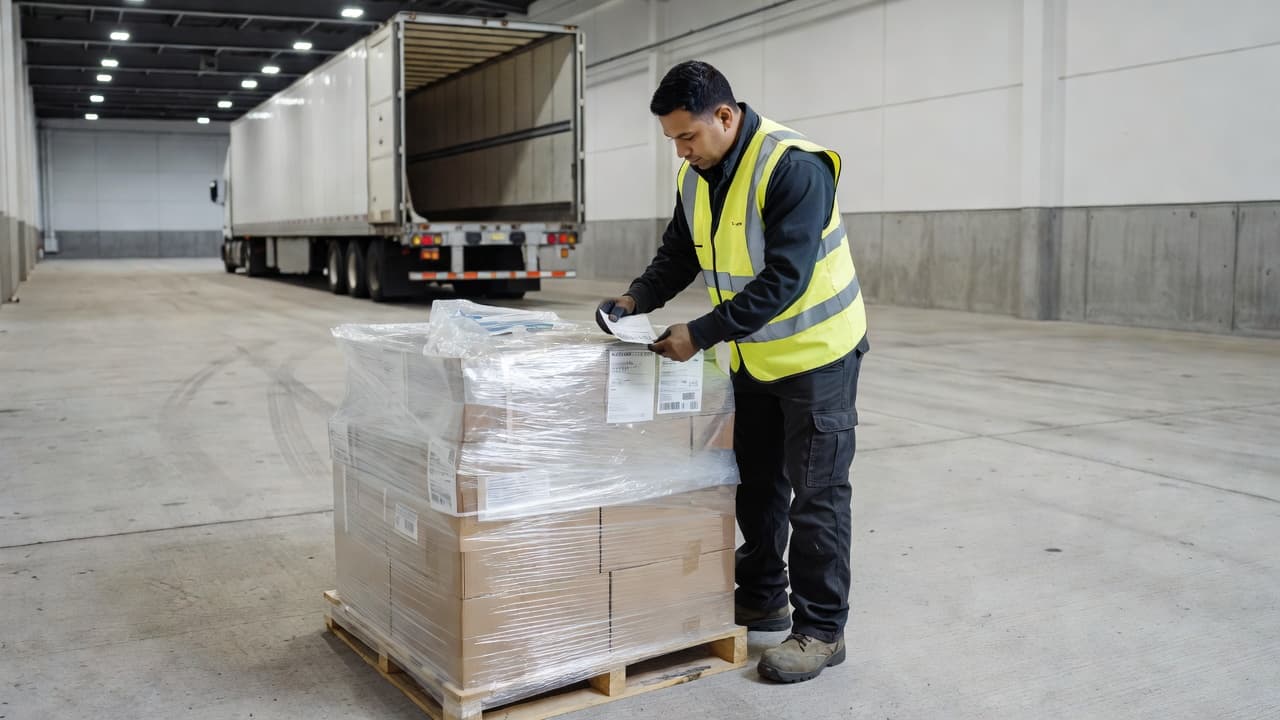
Before a pallet reaches the trailer, someone should verify the basics one last time. That means checking the shipping label, confirming carton counts, and matching the load to the right route or carrier. A few quiet seconds at the dock can prevent a loud customer complaint later.
That final check should be simple and repeatable. The team should confirm the order number, scan the pallet or carton label, and compare the shipment to the manifest. If the route is wrong, the pallet is delayed. If the carton count is off, the customer opens a box with missing items.
A strong dock check usually includes:
- Label verification against the order or bill of lading
- Carton count against the pack list
- Route or carrier match before loading
- Damage review for crushed corners, torn wrap, or loose tape
Small mistakes here get expensive fast. A pallet loaded on the wrong truck can miss a delivery window. A misread label can send the order to the wrong state. That kind of error costs more than freight, because it creates calls, credits, and rework.
Plan carrier pickup windows around real volume
Carrier schedules need to match the actual pace of the building. If pickups are set too early, packed orders pile up and the dock gets crowded. If they happen too late, finished orders sit around and miss service targets. Either way, the warehouse loses control of the day.
Good pickup timing starts with real volume data. Look at how many orders close by hour, when packing finishes, and how long staging takes. Then line up labor so the team can build, verify, and stage freight before the truck arrives. That rhythm keeps the floor moving and reduces panic at the end of the shift.
You can connect this with broader fulfillment planning through end-to-end fulfillment services, especially when shipping, packing, and inventory all need to move in sync. When the schedule fits the work, the dock stops acting like a bottleneck.
A good pickup window gives the team enough time to finish right, not just finish fast.
Track damage, returns, and service failures
Returns and damage reports tell you where the process is weak. If a product keeps arriving crushed, the issue may be packaging. If the same SKU comes back wrong, the problem may be picking or labeling. If a specific route generates more claims, the issue may be carrier handling or load build.
This data should not sit in a monthly file nobody opens. Review it often, compare it by SKU, and look for patterns by lane, shift, or customer type. The faster you spot a trend, the faster you can fix the root cause.
Use return data to ask practical questions:
- Is the product protected well enough for the trip?
- Are workers handling it the same way every time?
- Are labels, cartons, or inserts confusing the pack process?
- Do certain carriers or lanes show more service failures?
When you pair that review with strategies for accurate order processing, the warehouse gets better at catching weak spots before they reach the customer. That is where order quality becomes visible, not just in the building, but at the front door.
Review performance often and keep improving
Strong warehouse operations never stay perfect for long. Volume shifts, labor changes, and customer demands all push the process in new directions, so the best teams keep checking what works and what needs a reset. Regular review turns good habits into lasting habits, and it keeps small issues from growing into daily problems.

### Use a few clear metrics instead of too many
A short list of KPIs is easier to act on than a crowded dashboard. Pick the numbers that tell you whether the warehouse is working, such as order accuracy, dock-to-stock time, on-time ship rate, and labor productivity. Those metrics give you a clear view without burying the team in reports, and our 50 Warehouse KPIs to Measure Performance guide covers the full set in detail.
The goal is action, not reporting for its own sake. If a metric does not help you make a decision, it probably does not belong in the weekly review. For a practical benchmark, key metrics for warehouse performance can help focus attention on the numbers that move the business.
Look for root causes, not just symptoms
When the same error keeps showing up, the real issue is usually deeper than the mistake itself. A picking miss may point to weak training, a poor slotting choice, or a label that is hard to read. A late shipment may point to a dock bottleneck or a staffing gap.
Ask why the problem happened before changing the fix. If you only correct the surface issue, it comes back later in a new form. Root-cause review gives you better answers and keeps the work from repeating the same cycle.
Update best practices as volume and customers change
A process that worked last year may fall apart under today’s conditions. Seasonal demand can change labor needs, new product lines can change storage and picking patterns, and customer expectations can tighten without warning. The warehouse has to adjust with them.
Review the plan often and compare it to current reality. If order volume grows, if SKUs multiply, or if service rules shift, update the workflow before performance slips. That kind of steady adjustment is what keeps a Warehouse & Distribution Center efficient over time, because improvement is part of the job, not a one-time project.
Conclusion
Strong warehouse performance comes from a mix of smart layout, accurate inventory, trained people, useful technology, and steady review. When those pieces work together, a Warehouse & Distribution Center moves faster, makes fewer mistakes, and gives customers a better experience.
Even small changes can make a real difference. Better slotting, clearer labels, tighter receiving checks, and more consistent coaching all help the operation run with less waste and more control.
Take a fresh look at your current process, then choose a few improvements that fit your biggest pain points first. The best results usually come from simple changes applied well, not from trying to fix everything at once.
