
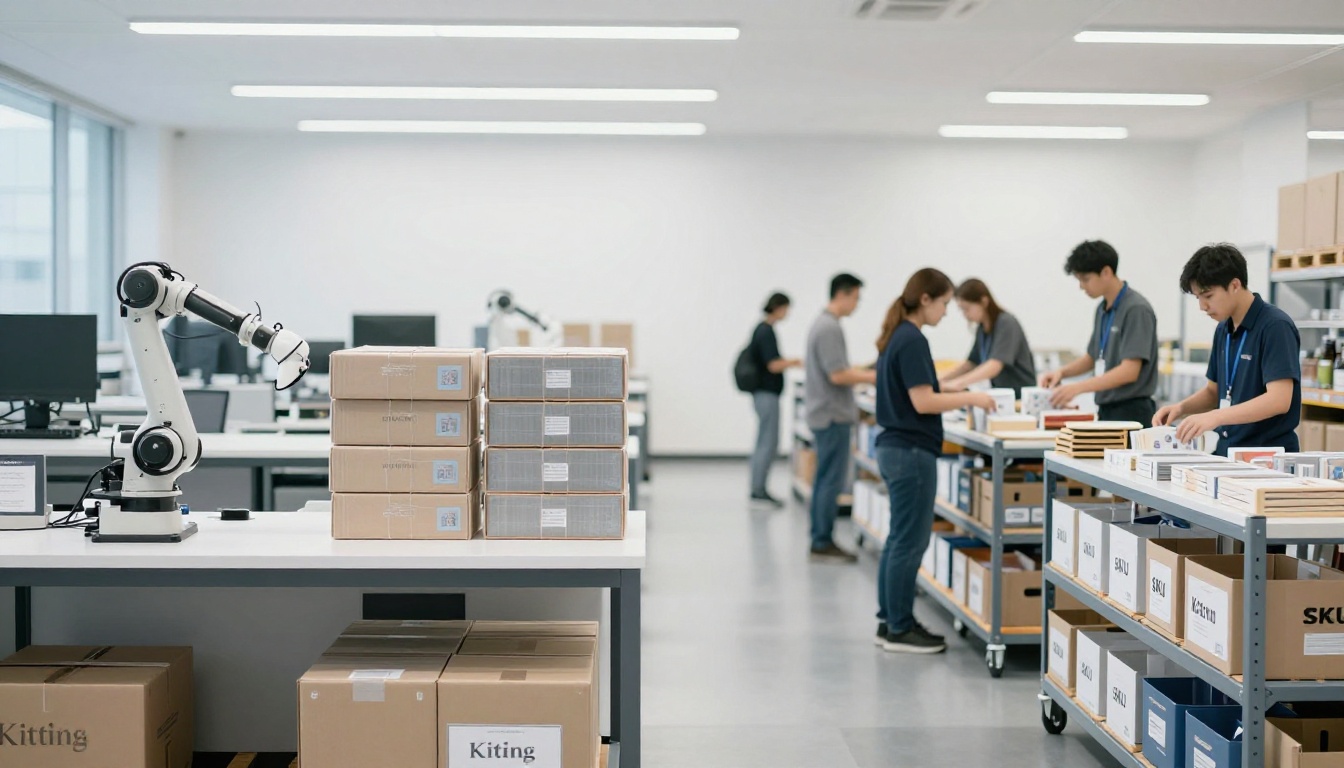
Kitting vs Pick and Pack, Which Lowers Fulfillment Costs?
The real question isn’t whether kitting or pick and pack is cheaper on paper. It’s which model lowers your total fulfillment cost for the way you sell. Both can save money, but they do it in different ways, based on order volume, product mix, labor steps, packaging needs, and what your customers expect when the box shows up.
With kitting, you combine items into one prepared unit before orders go out, which can cut repeated labor and speed up shipping for bundles, promos, and repeat sets. With pick and pack, teams pull each item when the order comes in, which often works better when orders vary and SKU combinations change often. If you’re weighing labor, storage, accuracy, and handling costs, this decision shapes more than fulfillment, it affects margin, speed, and customer experience. For teams comparing kit assembly with order fulfillment, pre-assembled kitting services show where the savings can start.
This guide will help operations, e-commerce, retail, and supply chain teams figure out which option is the lower-cost fit for their setup, and the practical cost breakdown comes next.
What kitting and pick and pack really mean in day-to-day fulfillment
To compare costs, you first need to see the work on the floor. In plain English, kitting means putting two or more items together into one unit before anyone places an order. Pick and pack means waiting for the order, then pulling each item and packing it at that moment.
That difference sounds small, but it changes labor timing, storage needs, and how many hands touch the product. Inside a warehouse or co-packing line, cost starts with the workflow.
How kitting works before the order is placed
With kitting, a team builds a finished unit ahead of demand. Workers pull the needed parts, check counts, assemble the set, and pack it as one ready-to-ship or ready-to-distribute item. After that, the kit goes into storage until an order or retail shipment calls for it.
Common examples are easy to spot:
- Promo bundles
- Subscription boxes
- Starter kits
- Retail displays
- Multi-SKU packs
- Seasonal offers
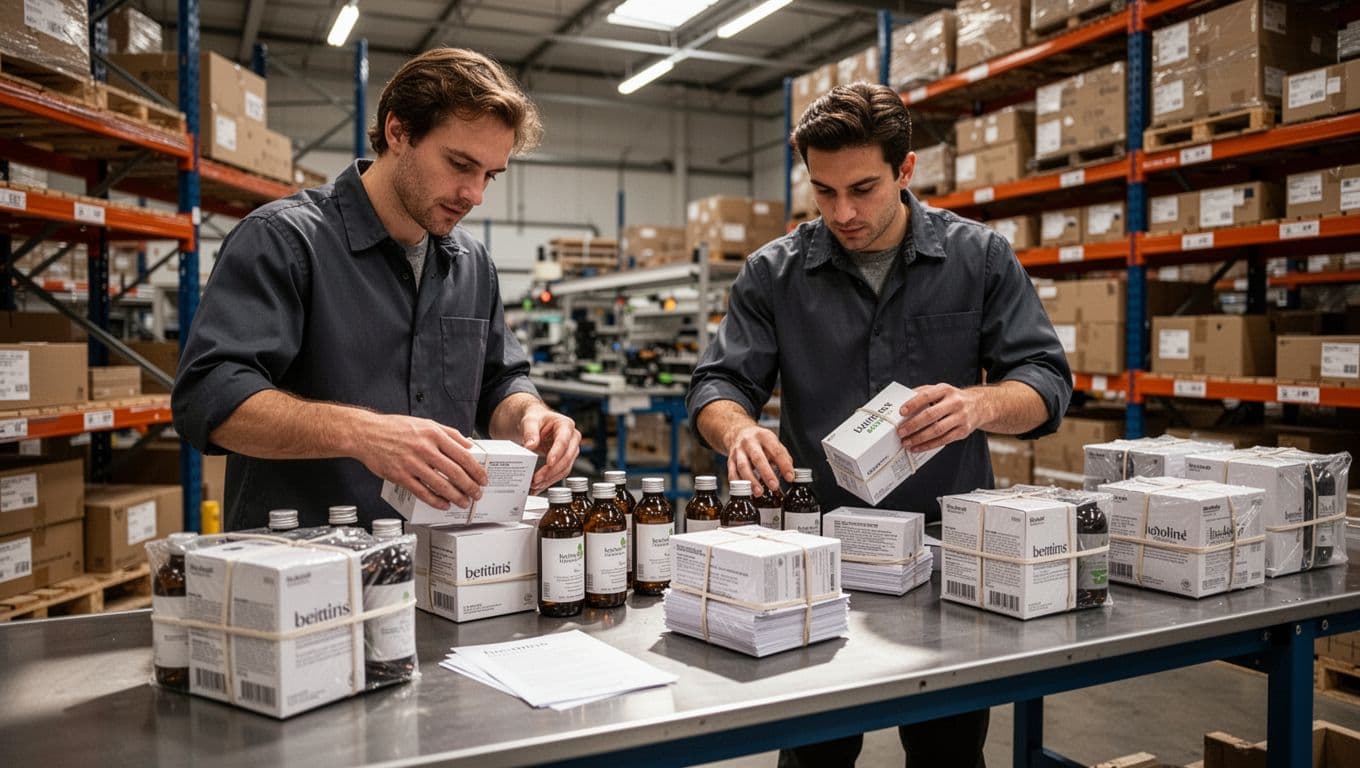
In practice, the warehouse work often looks like this: components arrive, staff stage them at an assembly table, then each kit gets built to the same spec. A co-packer may add inserts, shrink wrap, labels, trays, or display-ready packaging before the kit moves into inventory. If you want a deeper look at the setup, this guide to warehouse kitting services shows how pre-assembled units fit into fulfillment.
The big upside is simple. When a customer orders that bundle later, the team picks one kit instead of several separate SKUs. That can cut repeat picking, shorten pack time, and help accuracy. Still, kitting is not free money. You need good planning, assembly labor up front, and room to store finished kits that may sit before they ship.
Kitting moves labor earlier in the process. It can save time later, but only if the bundle sells often enough.
How pick and pack works when each order comes in
Pick and pack starts after the order lands. The warehouse system sends the order to the floor, a worker picks each SKU from storage, then the items move to packing, labeling, and shipping. In other words, the order gets built in real time.
That flow fits broad catalogs and changing order mixes because nothing gets pre-built. If one customer buys three skincare items, another buys a book and a bottle, and the next buys a single replacement part, the team can fill all of them without holding pre-made bundles. For many brands, that’s the practical choice. It matches one-off orders and keeps inventory in its original form until demand is clear.
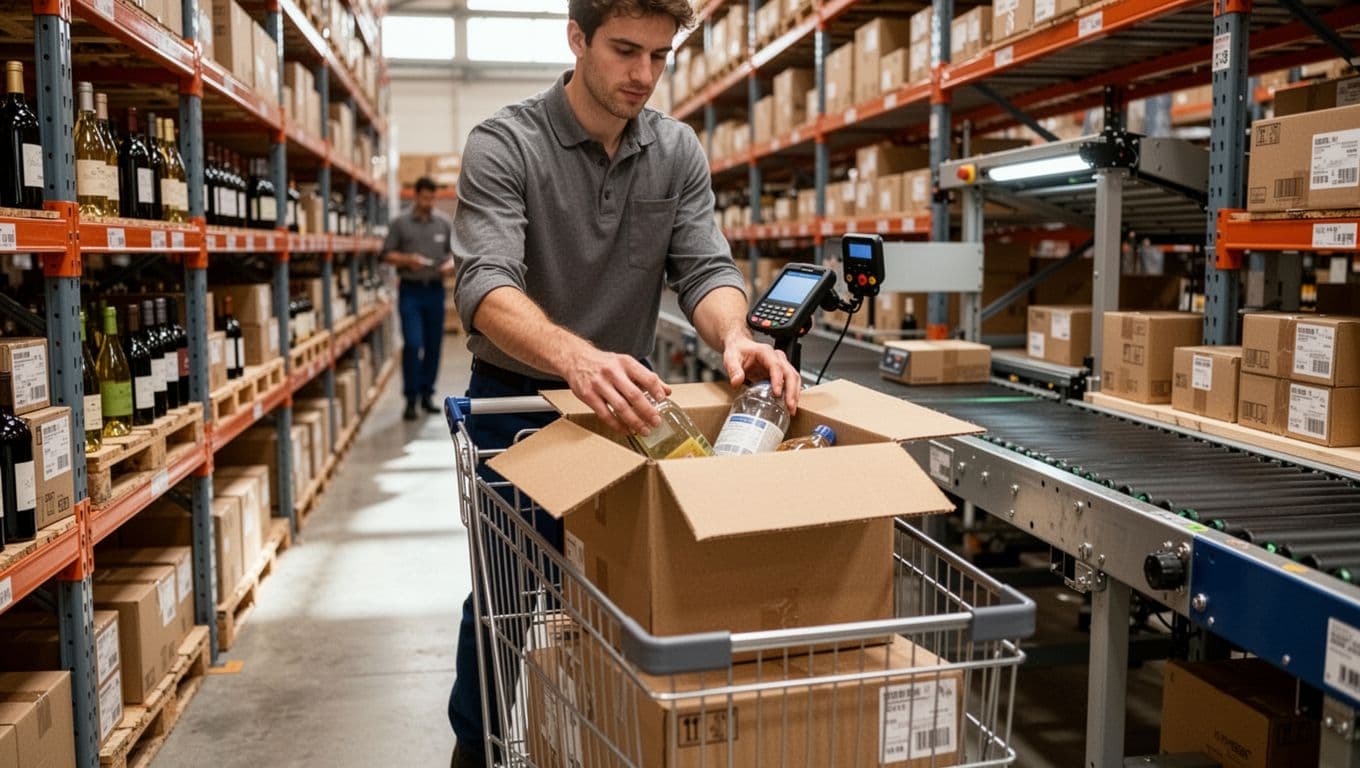
Inside the warehouse, each step adds labor. Someone has to travel to each pick location, scan or confirm each item, move the order to packing, choose the right box, add fill or inserts, seal it, and ship it. That is why pick, pack, and ship services work best when flexibility matters more than pre-assembly.
The tradeoff is labor pressure. A two-item order is quick. A ten-line order takes more walking, more checks, and more handling. As order volume rises, those extra touches can add up fast.
Why the process design matters more than the label
Most operations do not live at one extreme. They mix both models because real demand is messy. A company may pre-kit its top-selling bundle, holiday set, or retail display, then use pick and pack for custom orders and slower-moving SKUs.
That hybrid setup often makes the most sense. You save labor on repeat combinations, but you keep flexibility for everything else. The cheaper option, then, depends less on the buzzword and more on questions like these: How often do the same items sell together? How many line items are in a typical order? How much space do you have for built kits?
The answer is in the pattern, not the label. When the same bundle moves again and again, kitting can take a lot of friction out of fulfillment. When orders change every day, pick and pack usually keeps waste down. The rest of the cost comparison starts there.
Where the money goes, breaking down the real cost difference
Cost gaps usually come from how many times a product gets touched. Kitting can lower cost when the same item mix sells again and again, because you pay for assembly once and ship faster later. Pick and pack keeps options open, but every live order adds fresh labor, packaging decisions, and more chances for delay or error.
Labor costs, repeat picking versus upfront assembly
Labor is where the split gets real. With kitting, a team builds units in batches, so one round of picking and assembly can support many future orders. That pushes work upstream, but it often lowers the labor cost per shipped order when bundles repeat.
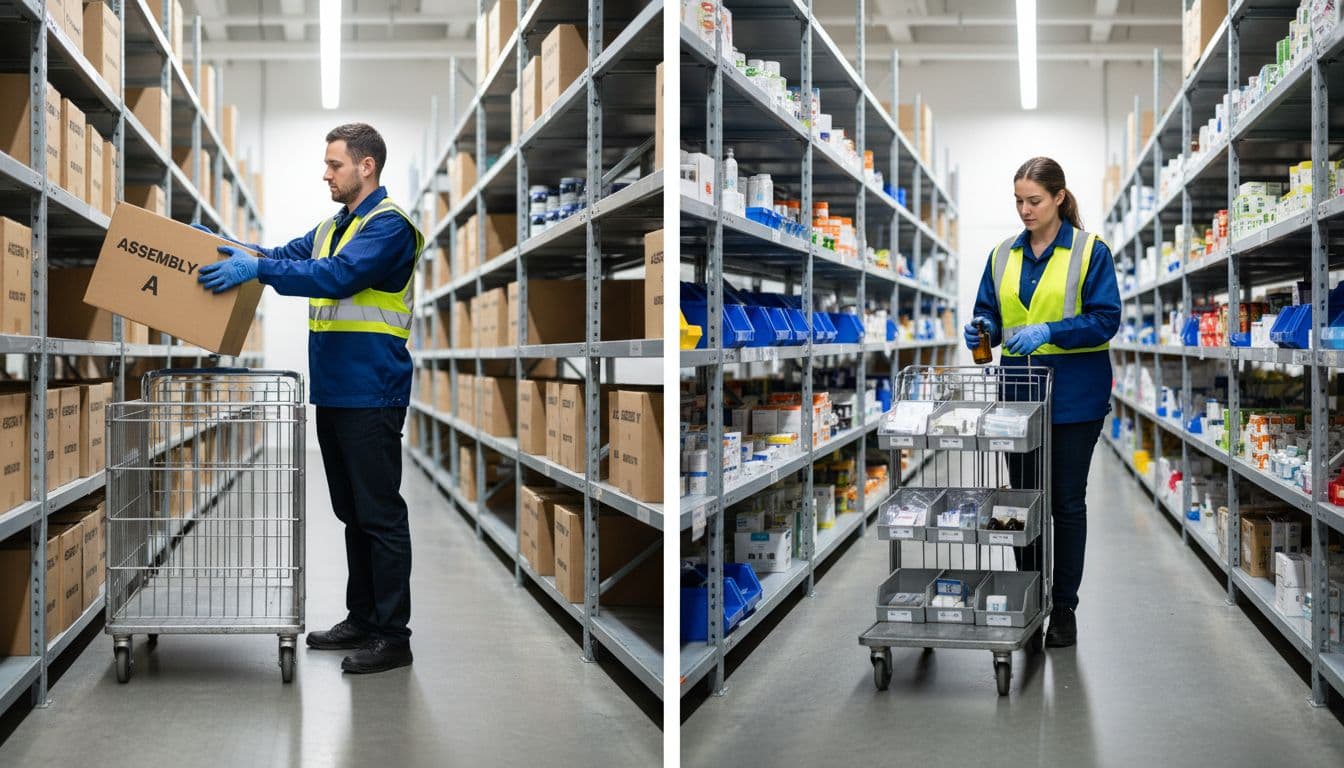
Pick and pack spreads that labor across every order. If your team keeps pulling the same three or four items all day, you’re paying for the same walking, scanning, and checking over and over. That also adds more supervision, more training time for new staff, and more error correction when picks go wrong. As a result, speed to ship often favors kitting for repeat sets, while pick and pack wins when order mixes change all the time.
Packaging and material costs for each model
Packaging costs don’t stop at the carton. Kitting can reduce repeat packaging touches because several items may share one final pack, one label, and one protective setup. That can trim dunnage, tape, and box use across high-volume bundles.
Still, kitting can add its own material bill. Custom inserts, shrink wrap, bundle sleeves, display-ready packs, and special labels all raise unit cost. Pick and pack usually avoids those prep costs, but it may burn through more cartons, void fill, and handling materials because each order gets built on the fly. If packaging design affects labor and damage rates, a strong 3PL packaging guide can help you spot where those costs hide.
Storage, inventory handling, and space usage
Kitting can turn several SKUs into one easy-to-pick unit, which simplifies slotting and shortens travel on the floor. That is a real savings when fast movers sell in fixed combinations.
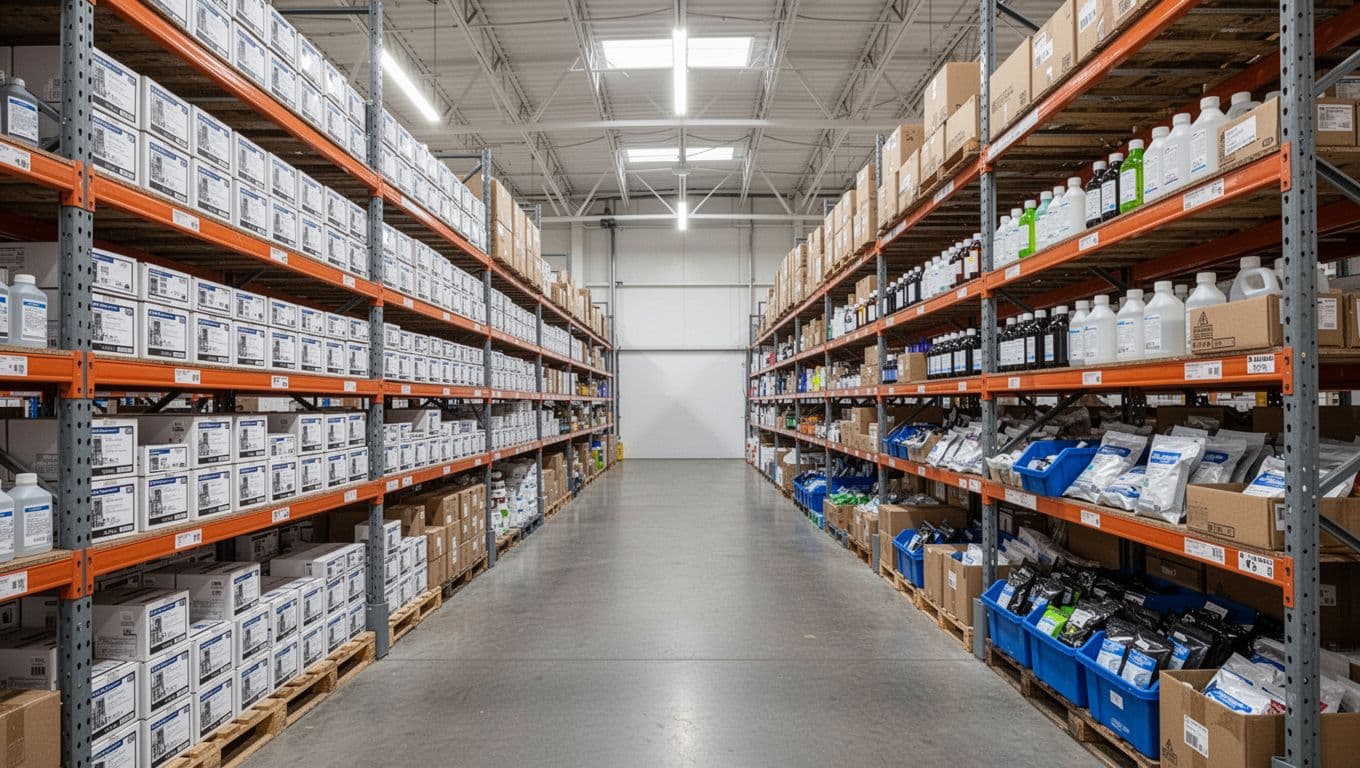
The tradeoff is space. Prebuilt kits need room, and they tie up inventory before the order arrives. Pick and pack keeps items flexible, which helps when demand shifts, but it usually creates more warehouse touches, more pick paths, and more slotting complexity.
Returns, damage, and order accuracy costs that are easy to miss
Hidden costs often show up after the shipment leaves. A well-built kit can improve consistency because every unit follows the same pack spec. However, if the kit is assembled wrong, that mistake can repeat across a full batch.
Pick and pack gives you order-level flexibility, but more manual touches raise the odds of wrong-item shipments, repacks, and uneven packaging that leads to damage in transit. Those costs add up fast through returns, customer service time, and reshipments. If accuracy is a pain point, this fulfillment accuracy checklist helps show where the extra cost starts.
When kitting usually saves more money
Kitting tends to win on cost when demand is repeatable, the pack-out is fixed, and speed matters. In those cases, you are not paying a team to rebuild the same order over and over. You are paying once to assemble a standard unit, then shipping that unit with fewer touches.
High-volume bundles make labor easier to control
When the same item mix sells again and again, batch kitting usually lowers labor cost per order. A team can pull components once, build in runs, and turn several SKUs into one ready unit. That cuts repeated walking, scanning, and checking later.
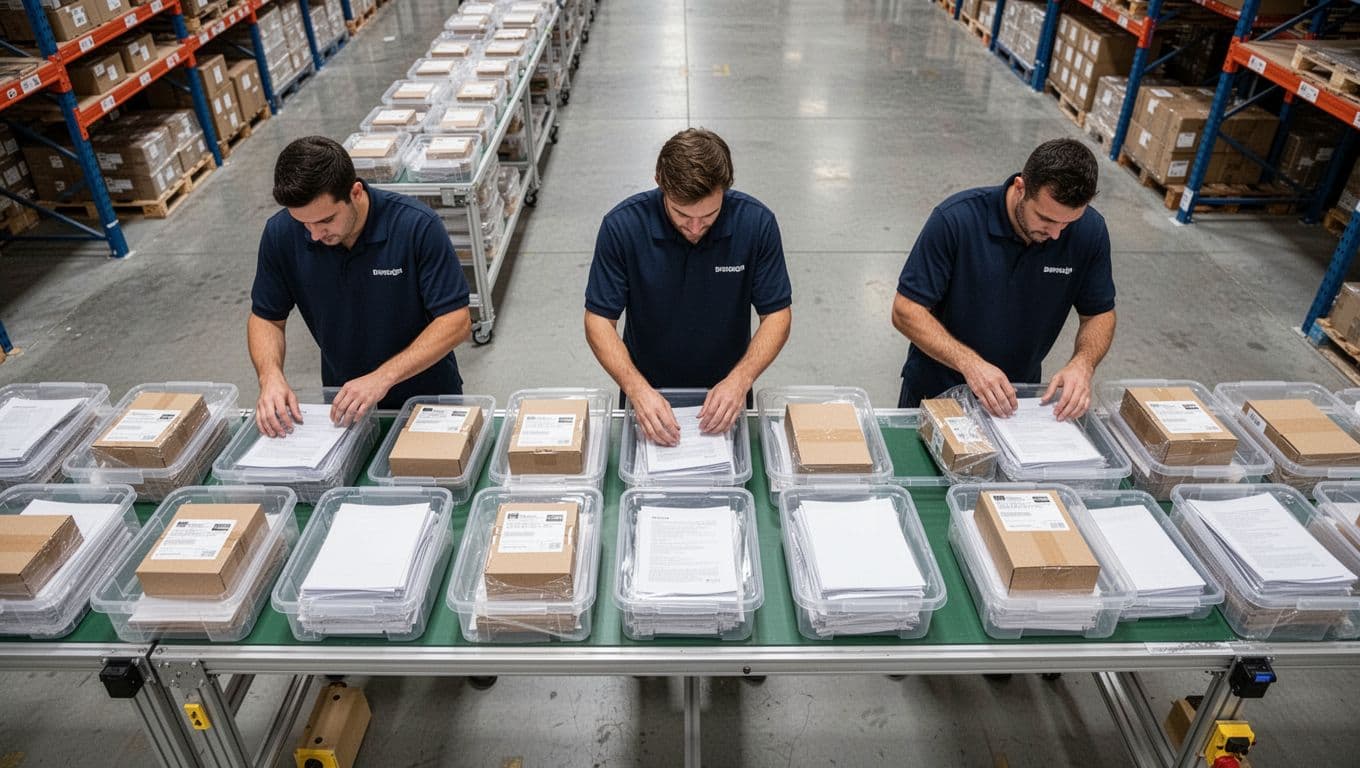
This shows up most often with subscription kits, gift sets, promotional bundles, trial packs, and retail programs with fixed contents. If 5,000 orders need the same four items, prebuilding those kits usually costs less than picking those four items 5,000 separate times. Labor gets easier to schedule, training gets simpler, and output is more predictable.
Retail displays and ready-to-sell packs can reduce downstream work
Kitting can also lower costs after the warehouse. If a product leaves the facility already built as a point-of-sale display, club pack, promo set, or shelf-ready bundle, store teams do less work. That means fewer labor minutes spent opening cartons, relabeling units, grouping items, or setting up displays by hand.

The savings are broader than warehouse payroll. You may also reduce handling damage, compliance issues, and delays at retail. For brands running fixed-format promotions, high-volume promo kitting often makes sense because the full supply chain carries less rework.
The cheapest fulfillment model is often the one that removes the most repeated handling, not the one with the lowest hourly task cost.
Shorter packing time can help during seasonal spikes
Peak season changes the math. When orders jump, prebuilt kits help teams pack faster because the hard part is already done. Workers pick one unit, box it, and move on. That can reduce overtime, ease pressure on temporary labor, and limit late-shipment costs.
Still, this only works when forecasts are solid. If demand is off, you can overbuild kits and tie up inventory in the wrong bundle. So kitting saves the most during seasonal spikes when the offer is fixed, volume is high, and the sales plan is clear enough to build with confidence.
When pick and pack is the smarter low-cost option
Pick and pack often wins when demand is mixed, offers change fast, or customers build their own orders. In those cases, pre-assembling kits can turn into guesswork. Keeping items separate gives you room to react, and that usually means lower waste, less rework, and better use of inventory.
Custom orders and large catalogs are hard to pre-kit
If you carry a wide catalog, fixed kits can become expensive fast. The more SKUs you manage, the harder it is to predict which mix will sell, and which bundle will sit.
A brand with buyer-specific orders, seasonal swaps, or channel-specific assortments can burn cash by building the wrong combinations too early. Those finished kits still take up space, tie up parts, and may need to be broken apart later. Pick and pack avoids that trap because inventory stays flexible until the order is real.
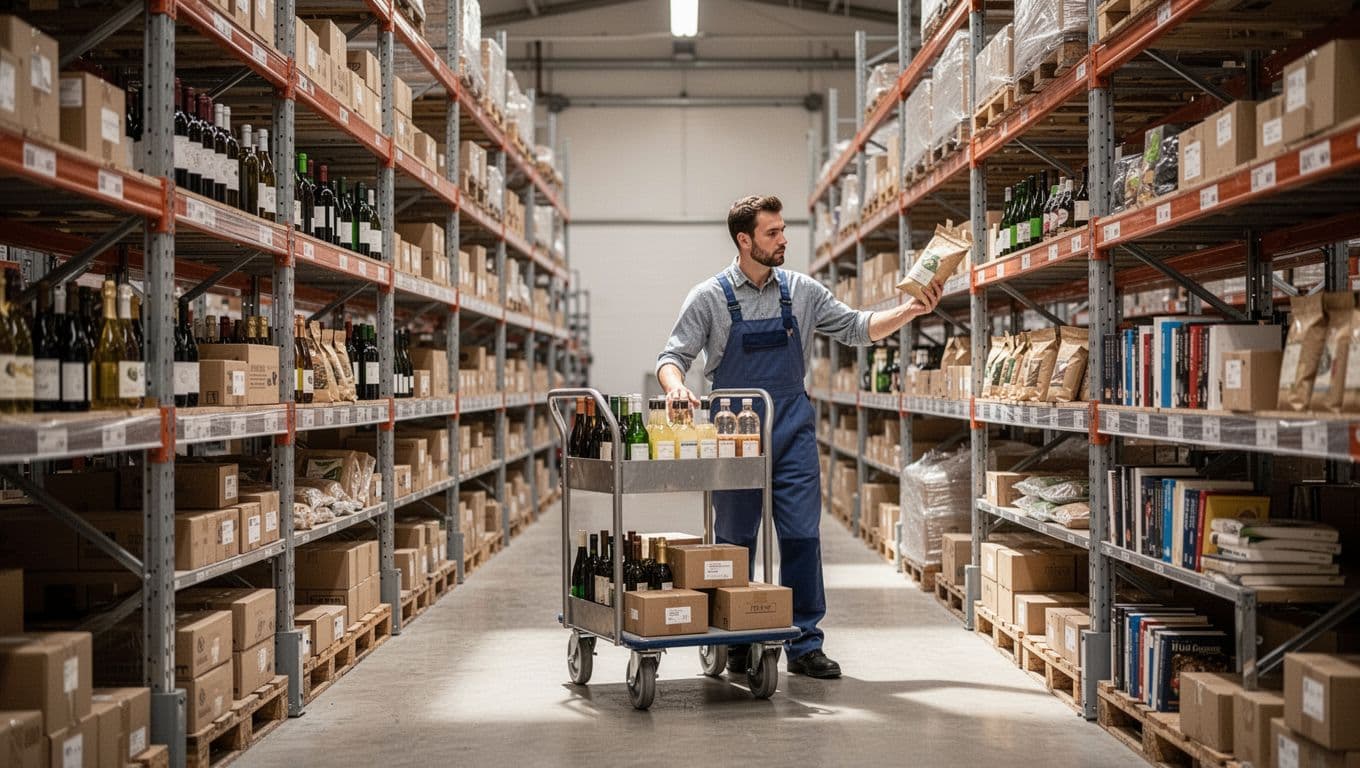
That matters even more when customers expect choice. Gift builds, replacement items, and mix-and-match orders don’t fit neatly into prebuilt bundles. For businesses in that spot, flexibility in fulfillment solutions is not a nice extra, it’s part of cost control.
Unpredictable demand can make prebuilt kits expensive
Forecast misses are where kitting can hurt. If a promotion changes, sales stall, or one item in the bundle falls out of favor, you may have labor and packaging costs locked into inventory that no longer matches demand.
Then the cleanup starts. Teams open old kits, sort components back into stock, replace sleeves or inserts, and scrap outdated packaging. That rework adds labor twice, once to build the bundle, then again to undo it.
Pick and pack reduces that risk because you only assemble what the order needs, when it ships. If demand swings week to week, that wait-until-ordered model often costs less than chasing the wrong forecast.
When order patterns are hard to read, flexibility usually beats pre-assembly on cost.
Product freshness, version changes, and compliance needs can favor flexibility
Some products simply should not sit in prebuilt kits for long. Date-sensitive goods, revised labels, promo inserts, and regulated packaging updates all raise the risk of obsolescence.
When items stay separate, it’s easier to rotate fresh stock, swap in a new version, or apply updated packaging rules without tearing apart finished bundles. That helps protect margin and lowers compliance headaches. If products change often, pick and pack keeps your inventory usable longer and your fulfillment process easier to adjust.
How to decide which model will save your company more money
If you’re choosing between kitting and pick and pack, don’t start with theory. Start with your own order pattern. The lower-cost model is the one that fits how your products move, how your team works, and where mistakes get expensive.
Start with these five cost questions
A simple review can tell you a lot before you build a spreadsheet.

- How often do the same items ship together? If the same bundle shows up again and again, kitting often cuts labor because your team builds it once and ships it many times.
- How many line items are in the average order? Orders with more items usually cost more to pick, check, and pack. As line count rises, pre-built kits can save real time.
- How stable is demand? Stable demand supports pre-assembly. If demand changes weekly, pick and pack usually protects you from overbuilding the wrong kit.
- How much space is available? Finished kits need room. If storage is tight, loose inventory may be cheaper even when kitting saves labor.
- What is the cost of an error or delay? A wrong promo set for retail, or a late subscription order, can cost more than extra pick time. When service failures are expensive, the most consistent process often wins.
Compare the total cost per order, not just one labor step
A lot of teams focus on one task, usually picking or assembly. That is too narrow. You need the full landed fulfillment cost per order.
That means looking at assembly labor, pick time, packing time, materials, storage, inventory carrying cost, returns, rework, and shipping impact. A kit may cost more to build upfront but lower downstream labor and parcel costs. On the other hand, a cheap-looking pick fee can hide higher handling, more packaging use, and more errors later. If you need a broader view of estimating order fulfillment expenses, use that structure to compare both models the same way.
The lowest task cost is not always the lowest order cost.
Why many brands save the most with a hybrid approach
For many businesses, the best answer is not all kitting or all pick and pack. It is both. Pre-kit your fast-moving bundles, fixed promos, or retail sets, then pick and pack the orders that change often.
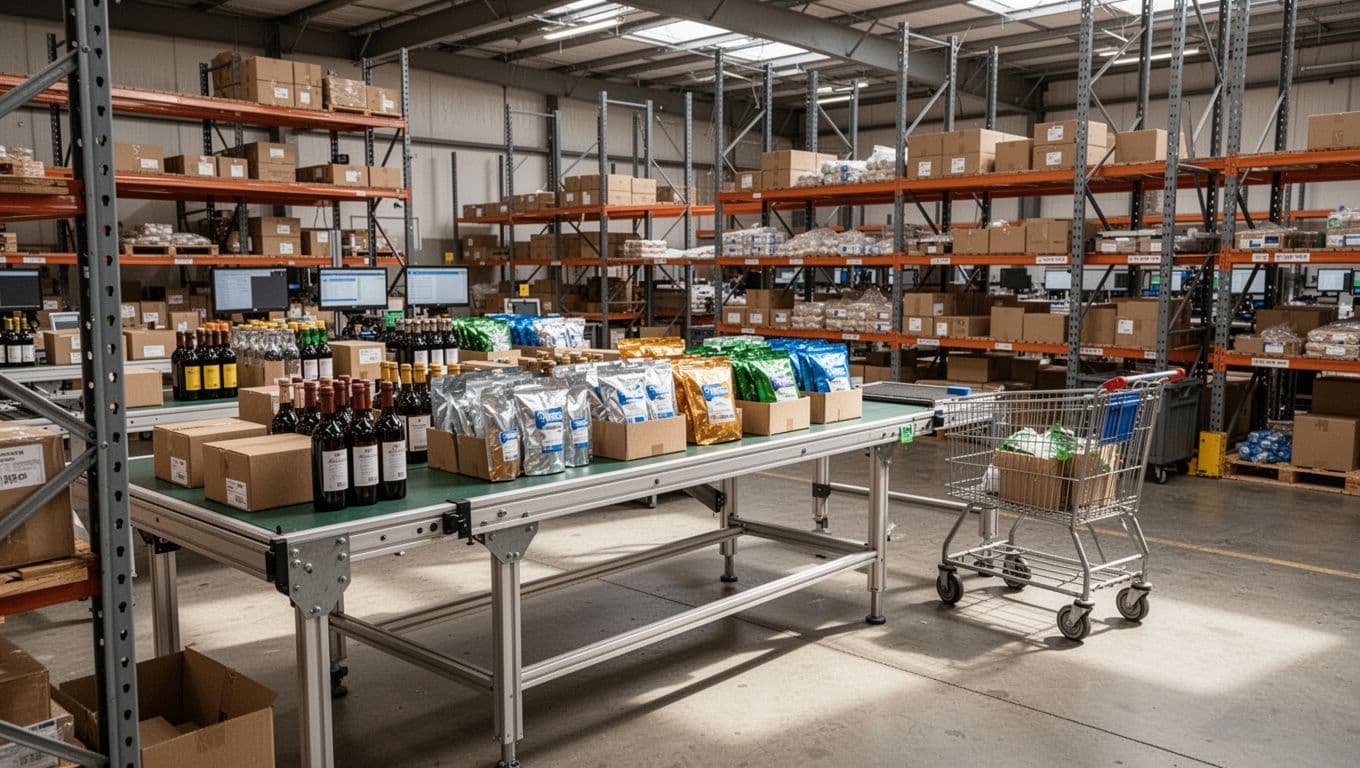
This approach keeps labor lower on repeat combinations while protecting flexibility for custom orders and slower movers. It also reduces risk because you are not locking all inventory into prebuilt units. If that sounds close to your operation, review the 3PL fulfillment cost details with both workflows in mind.
A practical next step is to test one product line first. Compare total cost, speed, and error rate for 30 to 60 days. The better model usually becomes clear once you measure the full order, not just the first touch.
Conclusion
The cost winner depends on your order pattern. If the same product mix ships again and again, kitting often saves more because it cuts repeat picking, speeds packing, and makes labor easier to control. If orders change often, pick and pack usually costs less because it keeps inventory flexible and lowers the risk of overbuilt bundles, extra storage, and rework.
That is why the smartest choice is usually based on total order cost, not one task on the warehouse floor. Labor, packaging, storage, error rates, and inventory risk all need to be measured together. If packaging is part of the cost problem, packaging for fulfillment efficiency is worth reviewing along with your fulfillment workflow.
A practical next step is to review your top-selling bundles and average order profiles. Then compare which orders repeat enough for kitting to pay off, and which ones need the flexibility of pick and pack.
