
Containerboard and Corrugated Linerboard: Types and Uses Explained
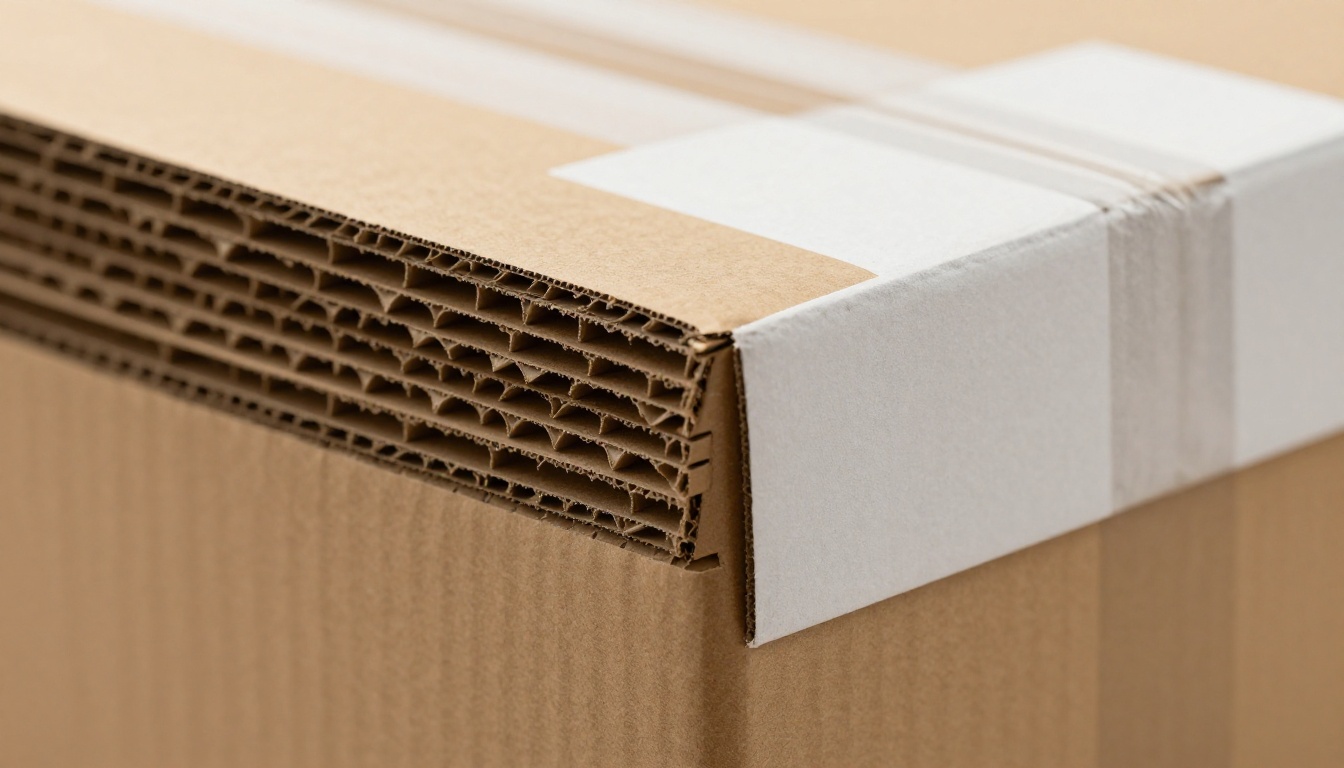
Containerboard grades affect a shipping box’s strength, appearance, cost, and performance in transit. The key distinction is that containerboard includes both the flat linerboard facing the box and the fluted corrugating medium between its liners.
Kraftliner, testliner, white-top grades, and different corrugating mediums each have properties suited to particular packaging needs, though grade names and ratings can vary. Knowing how they differ helps you match the board to your product, shipping conditions, and budget, then choose custom corrugated boxes for your products that fit the job.
Key Takeaways
- Containerboard includes the flat linerboard facings and the fluted corrugating medium that form corrugated packaging.
- Linerboard supports strength, durability, and print quality; the medium adds cushioning and helps the box resist stacking pressure.
- Kraftliner, testliner, and white-top linerboard differ in fiber content and surface appearance, so choose a grade based on the product and packaging needs.
- Match board strength and box structure to product weight, fragility, moisture exposure, and shipping conditions. Packaging and fulfillment services can help align packaging choices with packing and shipping requirements.
Containerboard and Corrugated Linerboard: How the Grades Fit Together
Containerboard is the paper used to make corrugated board. It includes the flat linerboard facings and the corrugating medium, which forms the wavy layer between them. Knowing which part is which makes it easier to compare paper grades with box construction.
Linerboard and corrugating medium have different jobs
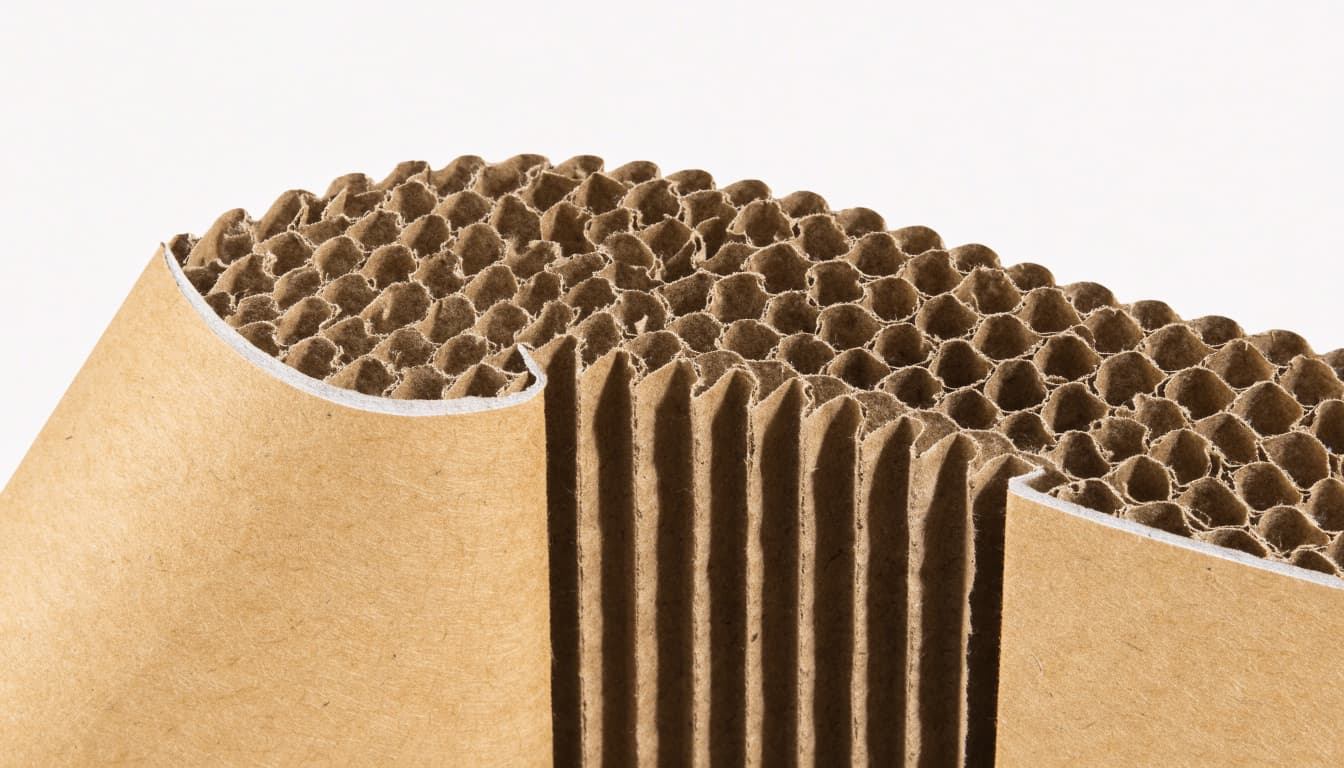
Linerboard creates the flat outer and inner faces of a corrugated sheet. It contributes to the board’s stiffness and surface quality, and it provides the surface for printing. Kraftliner commonly uses more virgin fiber, while testliner typically contains recycled fiber. White-top linerboard has a lighter-colored surface for packaging that needs a cleaner print appearance.
The corrugating medium is pressed into flutes and bonded between the liners. It helps the board resist compression and adds cushioning. Medium can use recycled or semi-chemical fiber, depending on the required performance.
A simple single-wall example looks like this:
Outer linerboard -> fluted corrugating medium -> inner linerboard
Together, those three layers make one sheet of single-wall corrugated board. Linerboard names describe the paper grades; they don’t tell you how many layers the finished board has.
Wall construction describes the number of layers
Single-wall board has two liners with one fluted medium between them. Double-wall board adds another medium and a third liner, which creates a five-layer structure. That additional layer can help a carton handle heavier loads or stacking pressure, though the right choice depends on the product, box size, and shipping conditions.
For example, a lightweight product may work in single-wall packaging, while a heavier or fragile item may need double-wall construction and internal support. Dividers or inserts can also keep products from contacting one another. See these protective packaging materials and best practices for examples of how cushioning and separation support a corrugated carton.
Flute profiles describe the medium’s shape
C, B, E, and F refer to flute profiles, not linerboard grades. Each profile has a different height and number of flutes, which affects board thickness, cushioning, print surface, and crush resistance. As a rough guide, C flute is about 4 mm high, B about 3 mm, E about 1.5 mm, and F about 1 mm. Exact specifications can vary by supplier.
A box may combine paper grades, wall construction, and flute profiles to meet its needs. For instance, a single-wall carton can use kraftliner facings with B-flute medium. When comparing specifications, check each element separately: paper grade, number of walls, and flute profile.
The Main Types of Corrugated Linerboard
Corrugated linerboard is commonly described by its fiber source and surface finish. These labels help narrow the options, but they don’t guarantee identical performance across suppliers. Basis weight, furnish, coatings, and manufacturing specs all affect the finished paper.
Kraftliner uses virgin fiber
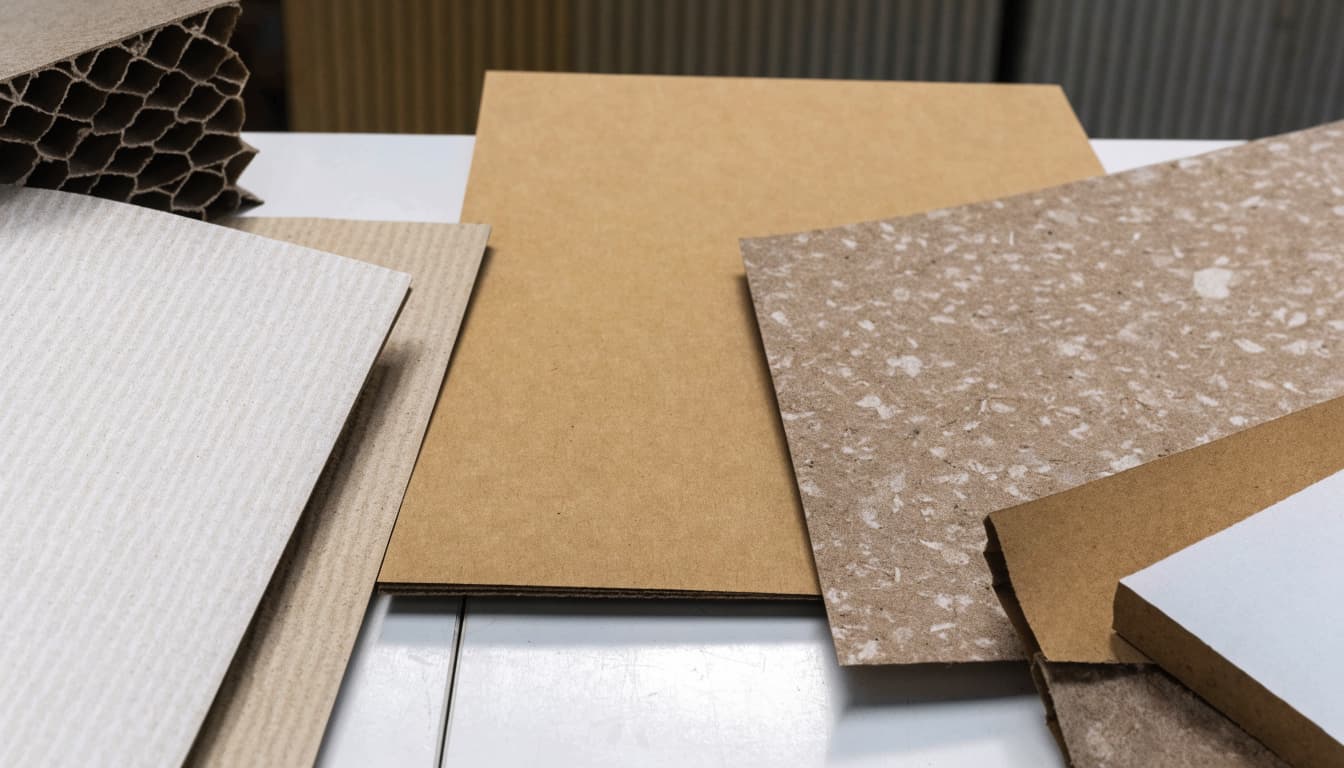
Kraftliner is made primarily from virgin kraft pulp. It typically offers strong burst and compression performance, making it a common choice for heavy loads, export cartons, and boxes that face demanding stacking or handling conditions. Some grades also provide better resistance to moisture than typical recycled liners.
That performance often comes with a higher price. Kraftliner can make sense when the carton needs added strength or a consistent outer appearance, but the grade alone doesn’t determine whether a box will protect its contents. Box size, flute profile, construction, and shipping conditions matter too.
Testliner uses recycled fiber
Testliner is made mainly from recovered paper fibers. It often costs less than kraftliner and can suit general-purpose cartons, domestic shipments, and e-commerce packaging with moderate performance needs. Recycled content also appeals to companies that want to include recovered fiber in their packaging.
However, testliner covers several grades, and their strength and surface quality can vary. A higher-grade testliner may perform differently from a lower-grade version, even when both use the same broad name. Compare supplier specifications, including basis weight and relevant strength ratings, rather than assuming every testliner behaves alike.
White-top is a surface option
White-top describes a white outer face, not a single fiber family. A white-top liner can use a kraftliner or testliner base, with an uncoated or coated surface depending on the product. The white face supports brighter, more consistent graphics for retail-ready cartons and branded shipping cases.
The print surface doesn’t automatically make the board stronger. Its mechanical performance depends largely on the underlying grade and construction, so check those details alongside print requirements. For packaging that needs both a white presentation and specific strength, confirm whether the quote is for white-top kraftliner or white-top testliner.
When comparing options, review fiber source, surface treatment, basis weight, and performance ratings together. Then test the selected board in the finished carton with the actual product and shipping conditions. The right packaging materials for your products depend on protection needs, print goals, cost, and how the package moves through fulfillment.
Corrugating Medium Adds Cushioning and Crush Resistance
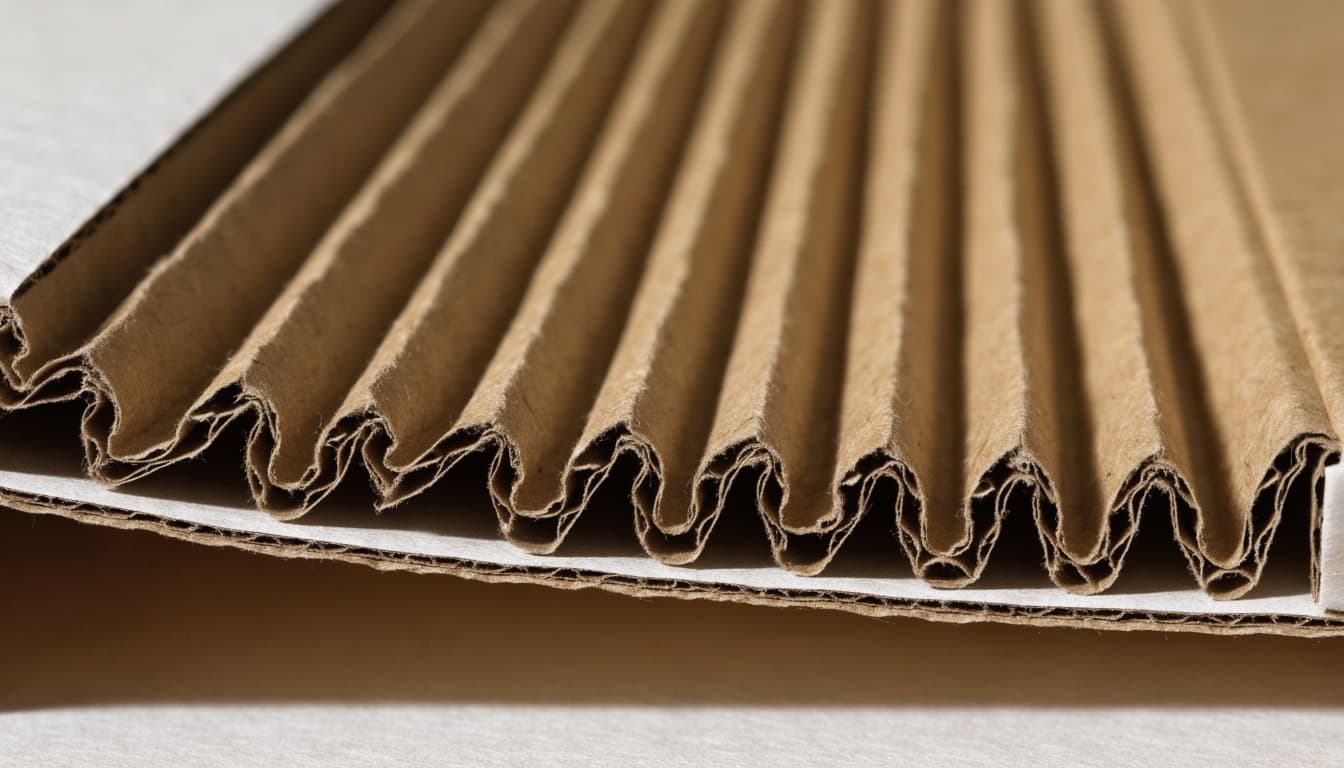
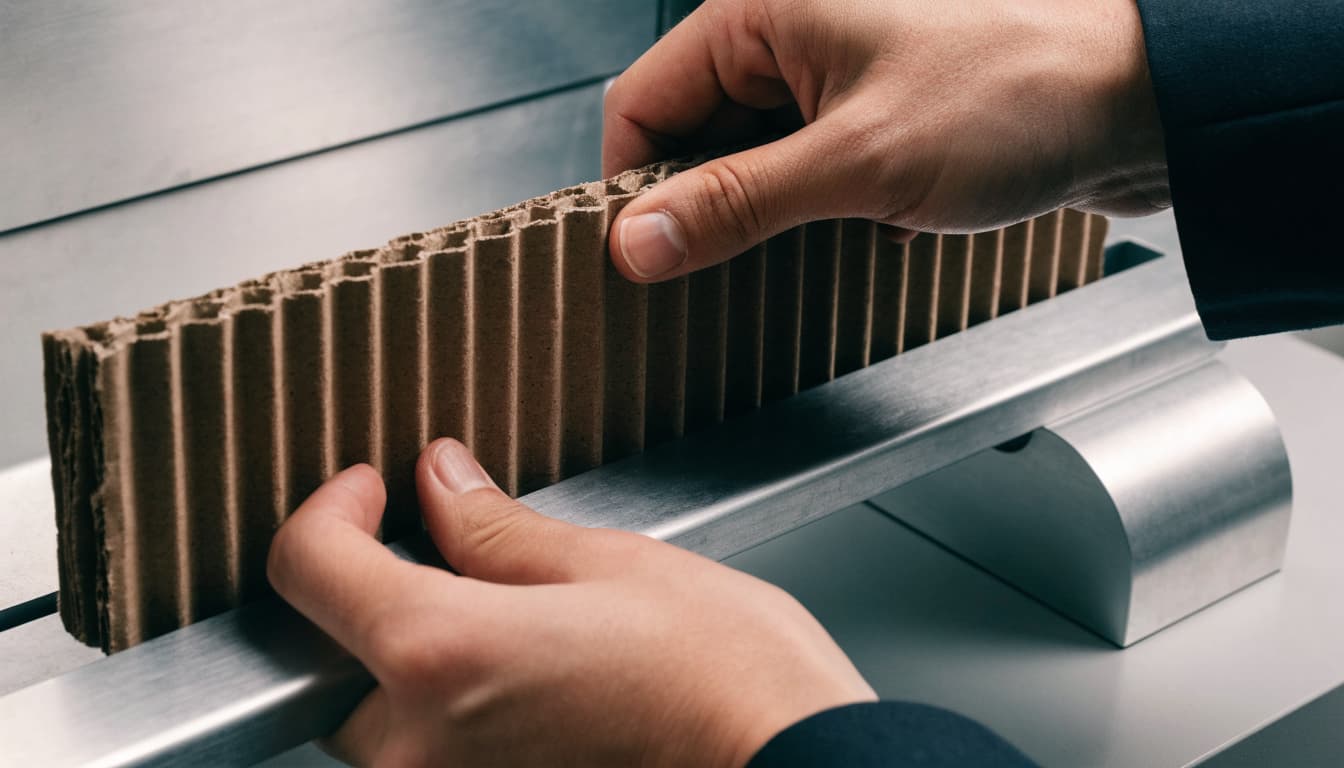
Corrugating medium is the wavy paper layer bonded between flat linerboards. Its flutes do more than create the familiar ridged edge: they help the sheet resist pressure, add stiffness, and soften impacts against the product. This structural role makes medium a key part of how containerboard performs in a shipping carton.
The arches support loads and absorb impact
The arches in the medium act like small columns when a corrugated box stands upright. They help the board resist crushing under stacked cartons, while the space between flutes separates the liners and increases stiffness. When the carton faces side pressure or a bump, the fluted layer can compress slightly and cushion the contents.
Medium quality affects how well the flutes form and hold their shape. Poorly formed or damaged flutes can reduce the board’s resistance to flat crushing and compression. Still, medium alone can’t determine carton performance. Box size, wall construction, liner grades, stacking design, and product weight all matter. A strong board can fail if an oversized carton lets heavy contents shift or if the load exceeds the box’s capacity.
For fragile items, the corrugated shell may need dividers or fitted inserts to prevent contact and movement. Review protective packaging material options alongside board strength when a shipment faces both compression and impact risks.
Medium categories describe fiber, while flutes describe shape
Corrugating medium may use recovered paper fibers or semi-chemical pulp made with virgin hardwood fibers. Recycled medium can suit many standard shipping needs, while semi-chemical medium is often selected when stiffer flutes and stronger compression performance are priorities. The right choice depends on the grade specification and carton requirements, not the category name alone.
Flute profiles, by contrast, describe the corrugation’s geometry, including its height and the number of flutes in a given length. A larger profile generally provides more cushioning and vertical compression strength. Smaller profiles create a thinner, smoother board that can support finer printing and compact package designs. C flute is a common general-purpose profile; E and F flutes are thinner options often chosen when print appearance or a smaller carton matters.
When comparing containerboard and corrugated linerboard specifications, keep these distinctions clear: medium category identifies the paper’s fiber composition, while flute profile identifies its shape. Then assess the finished carton with the actual product, weight, and shipping conditions.
How to Compare Containerboard Strength and Performance
A containerboard grade sheet can list several numbers, but each describes a different property. Compare them against the box’s job, then confirm the finished package with the product and shipping conditions it will face.
Read the measures as different clues
Basis weight describes paper mass per area, usually in pounds per 1,000 square feet or grams per square meter (gsm). It helps with material identification and grade control, but heavier paper isn’t automatically stronger. Fiber quality, moisture, and flute formation also affect performance.
Caliper is board thickness, commonly listed in inches, points, or millimeters. Thickness contributes to stiffness and can help estimate box compression, but it doesn’t measure strength on its own.
Edge Crush Test (ECT) measures how much edgewise compression corrugated board withstands, reported in pounds per inch or kilonewtons per meter. It’s useful when comparing board for stacking loads. TAPPI T 811 is a commonly referenced ECT method.
Burst strength, often called Mullen, measures the pressure needed to rupture a board sample, typically in pounds per square inch. It can help assess resistance to puncture or localized damage, but it predicts stacking performance less directly than ECT.
Cobb measures water absorbed by a paper surface over a set time, reported in grams per square meter. It can help compare moisture resistance, but it doesn’t guarantee performance in humid storage or protect exposed edges from water.
Match the test to the risk
No single number captures how a carton performs in transit. A board can have a high burst rating yet still compress under a warehouse load. Likewise, a strong ECT result won’t show whether an oversized box lets products shift, or whether moisture weakens the package.
For finished-box performance, look at Box Compression Test (BCT) results. BCT measures the compressive load a complete box withstands under controlled conditions. Box dimensions, scores, closures, cutouts, print coverage, and how the product distributes weight can all affect the result.
Validate the complete package
Use grade-sheet values to screen materials, then test the actual box with its intended product, inserts, closure, and case pack. Drop and vibration tests reveal handling damage and movement; compression testing checks stacking capacity. If shipments face moisture or temperature changes, include those conditions in qualification.
For a broader review of packaging material specifications and testing, document the test conditions and acceptance criteria. That way, you can compare supplier results fairly and avoid choosing a grade based on one attractive number.
Match Linerboard and Medium to the Product and Shipping Route
The right containerboard and corrugated linerboard depend on the product and the trip ahead. Start with the load and protection needs, then choose a combination of liner grades, medium, flute profile, and box construction that meets them. The goal is the lowest-cost structure that protects the product and presents it well, not automatically the heaviest board.
Start with weight, fragility, and stacking pressure
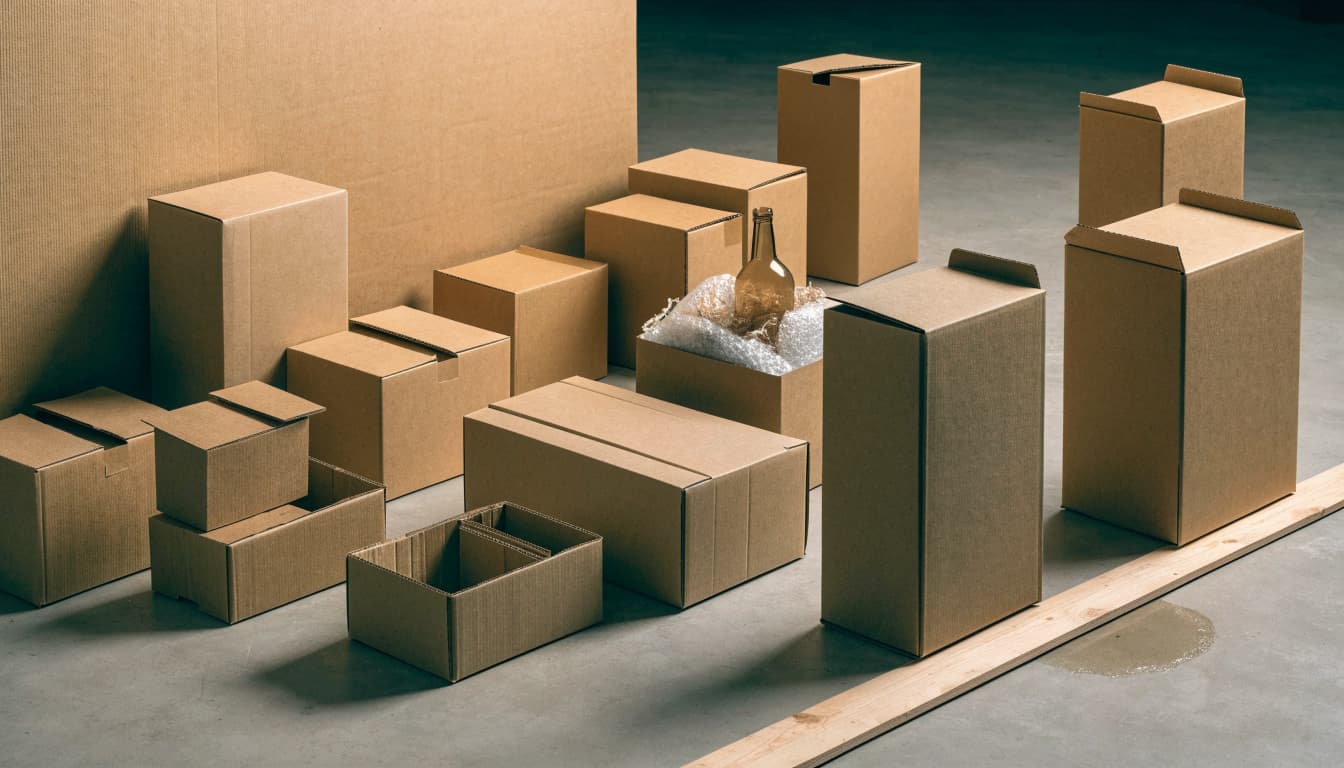
Product weight is a useful first filter. Lightweight, durable goods may need only a lighter single-wall carton, while heavy products put more pressure on the box and may need stronger liners, a suitable medium, or double-wall construction. Fragile items need more than a strong outer shell: dividers or fitted inserts can prevent collisions, while cushioning helps absorb impact.
Next, estimate the load the carton will carry in storage and transit. Consider how many identical boxes may stack above it, how long they may remain stacked, and whether the carton will sit beneath mixed freight. Then right-size the box and secure the contents. Excessive empty space allows movement, while a heavy product in an oversized carton can place uneven stress on its walls.
Account for moisture, transit time, and print needs
Humidity, rain, temperature changes, and long storage periods can weaken paperboard. For moisture-sensitive routes, consider suitable liners or barrier packaging, and pack products dry to avoid trapping condensation. A short local delivery and a long parcel or export route may need different test conditions, even when the product is identical.
Print requirements also influence liner selection. A white-top liner can support brighter graphics, while a standard kraft surface may suit shipping cartons with simpler branding. However, appearance does not determine structural strength, so confirm the board specification separately.
ISTA procedures help teams select tests for hazards such as compression, vibration, drops, and atmospheric conditions. Test the complete package with the actual product, inserts, closures, and route conditions before committing to a large order. Coordinating carton choices with shipping and pack-out plans can also help control freight and handling costs through integrated packaging and fulfillment solutions.
Common Grade-Selection Mistakes That Raise Cost or Damage Risk
A grade name alone can’t predict how a shipping carton will perform. Costly mistakes often come from confusing paper grades with board construction, relying on one specification, or changing materials without testing the finished package.
Confusing linerboard grade with flute or wall construction
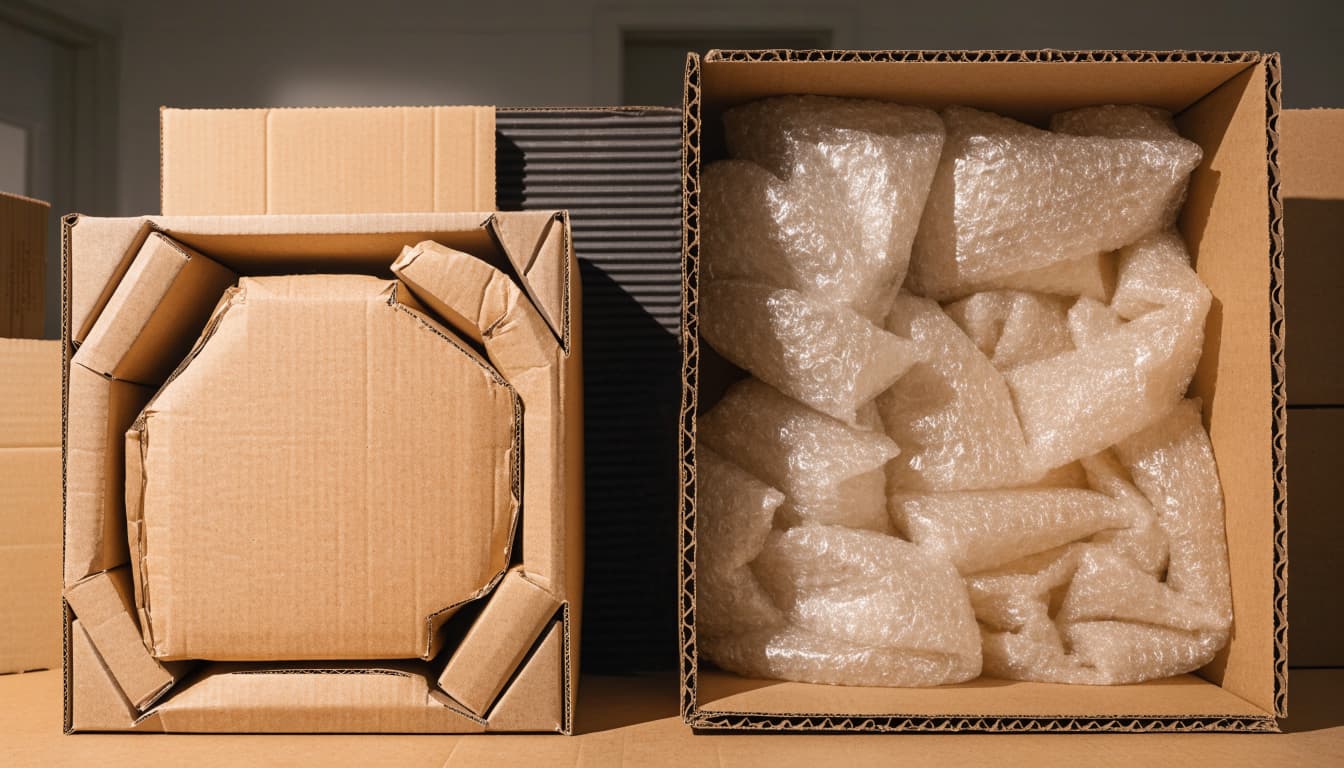
Kraftliner, testliner, and white-top describe linerboard properties, while flute profiles describe the corrugating medium’s shape. Single-wall and double-wall describe the number of layers in the corrugated board. Treating these terms as interchangeable can lead to a quote that doesn’t specify the structure your product needs.
Compare the full construction: liner grades, medium, flute profile, and number of walls. Then check how the completed box performs with the intended load.
Assuming recycled fiber is weak, or virgin fiber is always best
Fiber source matters, but it doesn’t determine performance by itself. A well-specified recycled-fiber board can meet a carton’s needs, while a virgin-fiber liner may add cost without solving the actual failure risk. Choose based on measured board and box performance, not a blanket assumption about recycled or virgin content.
Choosing by basis weight alone
Basis weight identifies paper mass per area, but it isn’t a stand-alone strength rating. TAPPI T 844 helps identify corrugated board’s nominal basis-weight grade; it doesn’t establish how much stacking or handling pressure a finished carton can withstand. Compare relevant performance measures and test the box, especially when loads or shipping conditions are demanding.
Switching materials without testing the finished carton
A liner, medium, or recycled-content change can affect board construction and box performance. Run a pilot with actual products, packers, and shipping routes before placing a large order. Check compression, drops, and vibration, then track damage, packing time, freight cost, and returns. A sample that looks sound on a bench may behave differently in parcel handling or warehouse stacking.
Reducing waste by improving fit, not just downgrading board
Right-sizing can reduce empty space, void fill, and dimensional-weight charges, while a pack-out designed for the product can limit shifting. Measure the packed product, then adjust carton dimensions and cushioning around its shape and fragility. Avoid reducing board strength before testing the revised design. For practical examples of right-sized e-commerce shipping boxes, consider how carton fit and internal protection work together.
Frequently Asked Questions
These answers cover practical decisions that remain after you compare linerboard grades, flute profiles, and strength ratings.
Is corrugated packaging recyclable?
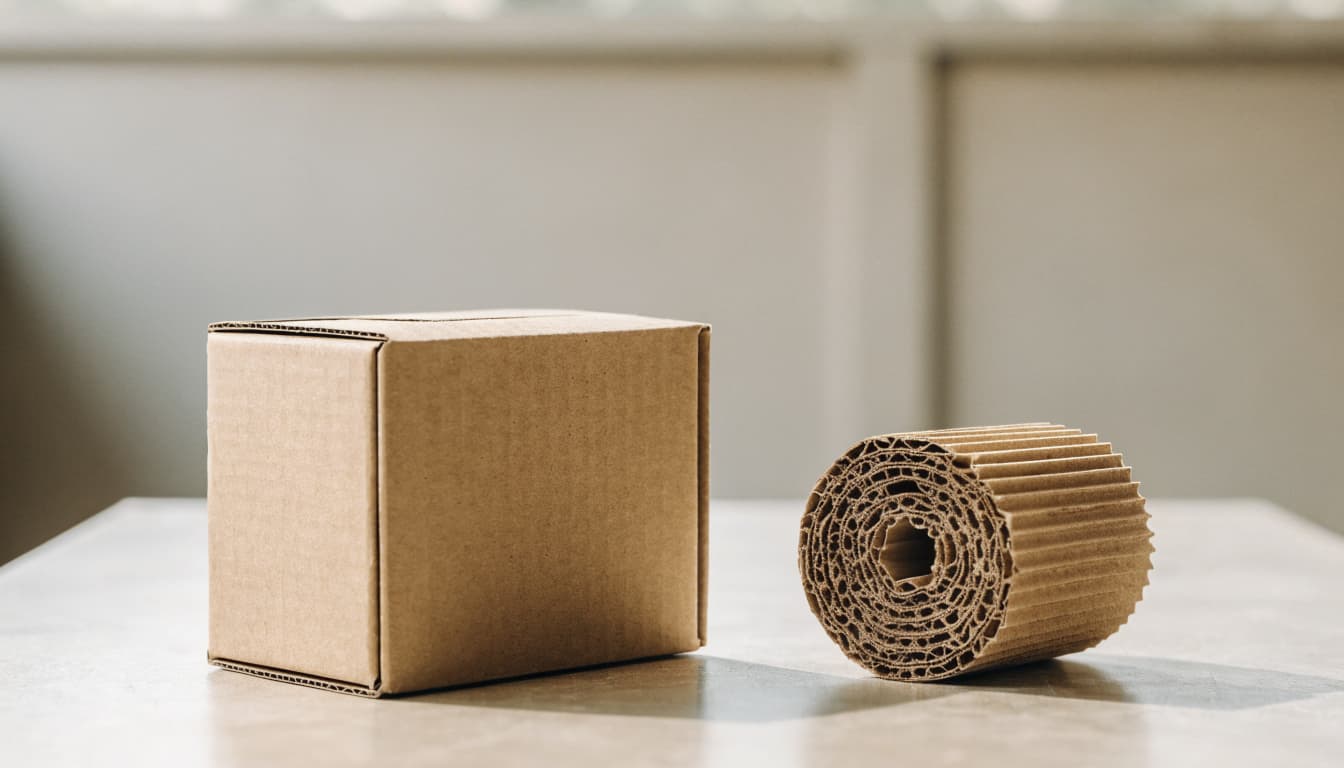
Clean corrugated boxes are widely accepted in paper recycling programs, but local rules vary. Food residue, foil, plastic windows, and some moisture-resistant treatments can make recovery harder, so check local guidance and remove non-paper components when possible.
Does printing or coating make a corrugated box unrecyclable?
Not automatically. AF&PA guidance identifies water-soluble inks, dyes, adhesives, clay coatings, and UV or EB inks as compatible with corrugated recycling. Foils, polymer windows, and some wet-strength treatments can create challenges, so consider end-of-life needs when choosing finishes.
Can corrugated linerboard protect products from moisture?
Standard corrugated board can weaken when it gets wet or sits in high humidity. If moisture is a concern, discuss barrier options and test the finished package under expected storage and shipping conditions. A coating alone doesn’t guarantee protection at exposed edges, seams, or closures.
Can I reuse a corrugated box for another shipment?
Yes, if the carton remains dry, clean, and structurally sound. Before reuse, check the corners, flaps, seams, and walls for crushing, tears, or soft spots, and remove or cover old shipping labels. A box that has lost stiffness may not protect a second shipment reliably.
What details should I provide when requesting a box quote?
Share the product’s dimensions and weight, how it sits inside the carton, and whether it has fragile areas or sharp edges. Also explain the shipping method, destination, storage conditions, branding needs, and any inserts or pack-out steps. Those details help suppliers recommend a practical structure and avoid unnecessary material or pack-line complications. This corrugated packaging partner checklist can help organize specifications.
Does corrugated packaging need special approval for direct food contact?
A corrugated shipping box isn’t automatically suitable for direct contact with food. If food touches the board, tell the supplier and verify that the materials and manufacturing controls meet the requirements for your product and market. For food in a sealed primary package, the corrugated carton typically functions as secondary packaging.
Conclusion
Containerboard and corrugated linerboard make more sense when you separate the layers: linerboard forms the flat faces, while corrugating medium creates the fluted core. Linerboard grades vary by fiber source and surface, so kraftliner, testliner, and white-top options can suit different strength and print needs without guaranteeing the same performance across suppliers.
Choose a board based on the product, protection needs, appearance, shipping conditions, specifications, and total cost. Then compare supplier data and test the complete package with its actual contents and shipping setup before committing to a new grade. That practical check shows whether the carton protects the product and fits the way your team packs and ships it. When reviewing packaging partners, use this guide to choosing a packaging company to assess testing and quality support.
