
Contract Packaging: Why Smart Businesses Outsource in 2026
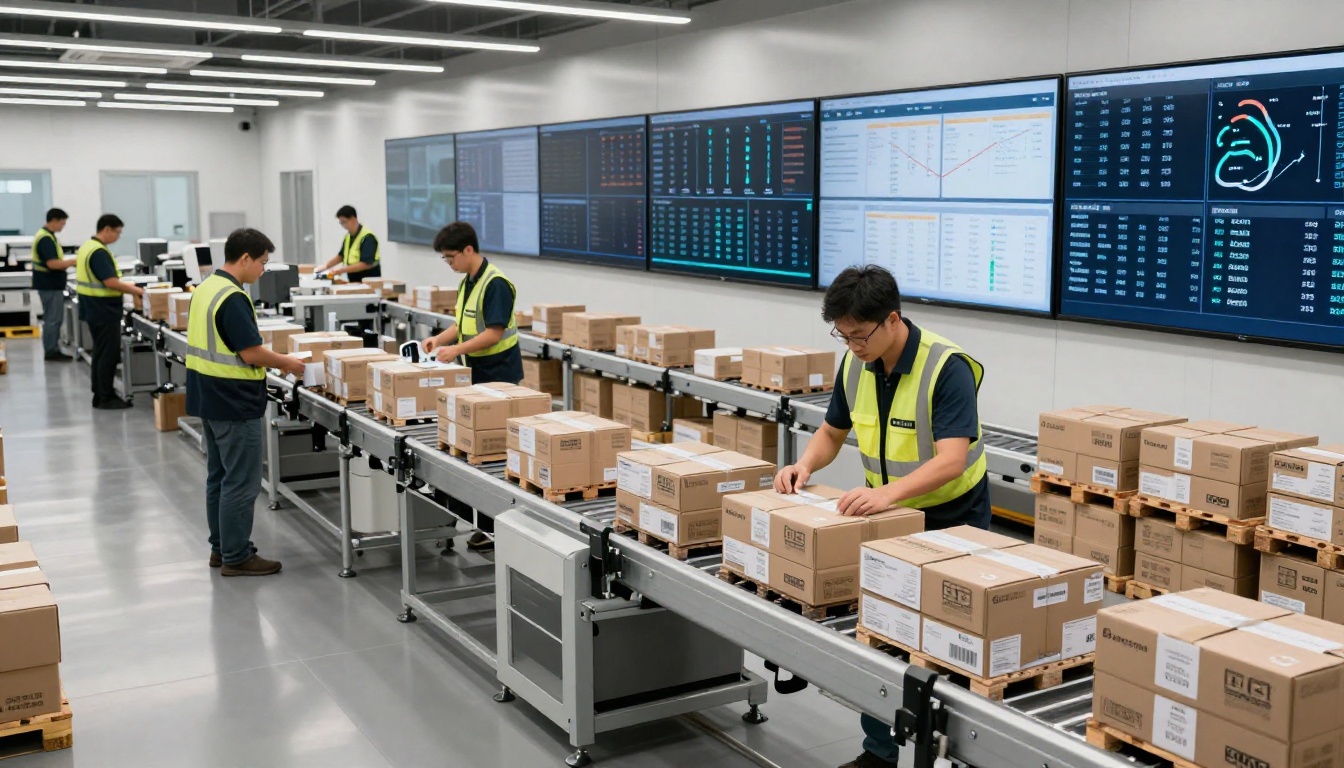
Contract packaging is outsourced packaging work handled by a specialized partner, and for many businesses, it’s a practical way to grow. Instead of building more in-house capacity, you can hand off packaging, kitting, labeling, assembly, and pack-out work to a team that’s built for speed, accuracy, and volume.
That matters more now because demand is rising across food and beverage, health and beauty, and consumer goods. Current market estimates put the contract packaging market at more than $100 billion in 2026, which shows how many brands now need faster speed to market, flexible packaging formats, retail-ready displays, and e-commerce support without slowing down internal teams. In many cases, outsourcing also connects packaging with shipping and order flow, which makes integrated packaging and fulfillment solutions even more useful.
If you’re weighing this option, it helps to know what’s included, when it makes sense, and where the risks can show up. The sections ahead will break down what contract packaging covers, the business benefits, the watch-outs, and how to choose the right partner.
What contract packaging really means, and what services it can include
Contract packaging, often called co-packing, means hiring a specialized partner to handle part or all of your packaging work. In plain language, it is outsourced packaging support. That can be as simple as putting products into cartons, or as broad as labeling, assembly, kitting, repackaging, display builds, and even shipping support.
For many brands, this matters because packaging is rarely just one task. A product may need a label change, a retail-ready bundle, a ship-safe pack-out, and a fast turn for a launch. Instead of building every process in-house, you can outsource the exact steps you need.
From simple packing jobs to full-service packaging support
At the basic end, contract packaging can mean hand packing. Teams place products into boxes, insert literature, apply seals, and check counts. This works well for short runs, fragile items, test programs, or jobs that need a careful human touch.
At the more complex end, co-packers may run automated packaging lines for high-volume work. That can include over-labeling, shrink packaging, blister packaging, bundling, and multi-SKU promotional packs. In other words, the provider is not just “putting items in boxes.” They may be handling the final presentation, protection, compliance, and shelf-readiness of the product.
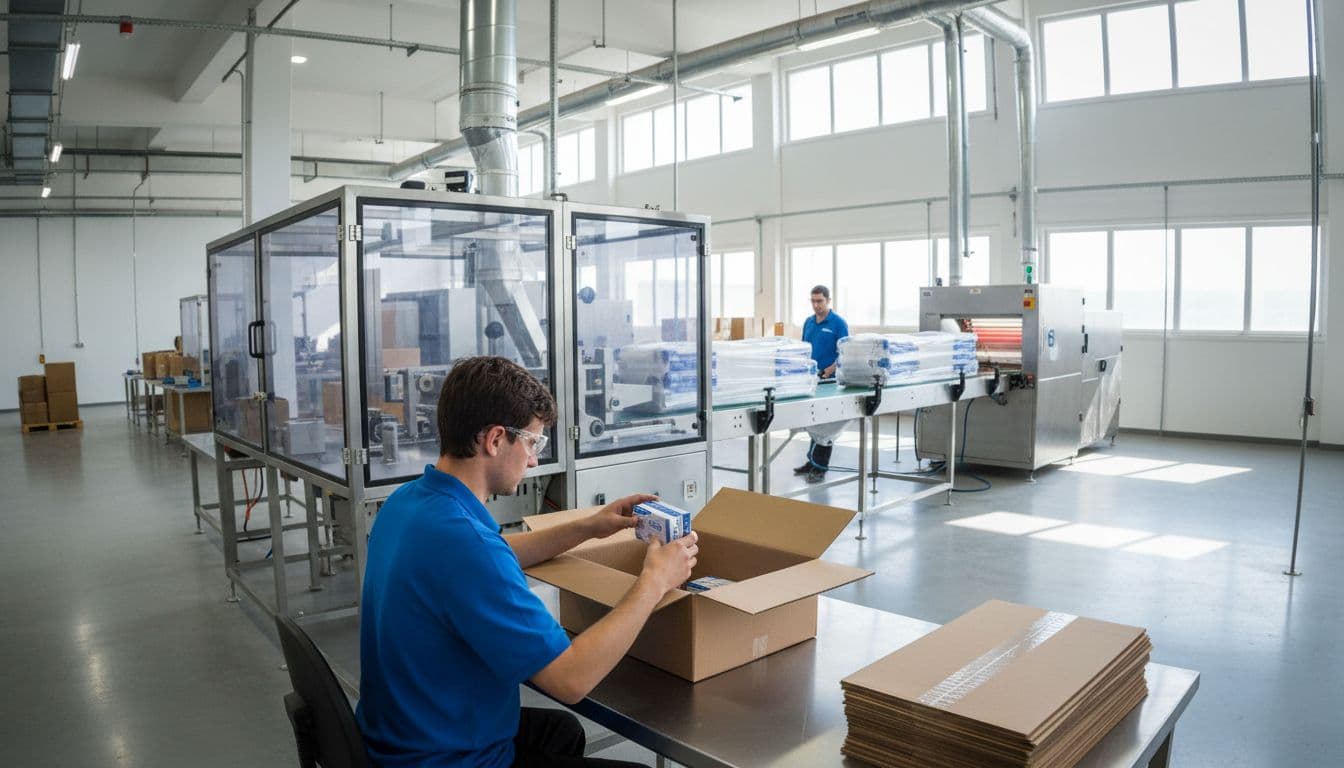
The service mix can vary a lot by project. A business might outsource only one step, such as applying updated labels to existing inventory. Another brand may hand off a full pack-out program that includes assembly, wrapping, retail prep, and palletizing. That flexibility is a big reason co-packing keeps growing in 2026.
A typical scope can include:
- Hand assembly and pack-out for short runs or detailed work
- Over-labeling for compliance changes, promos, or new markets
- Shrink wrapping for multipacks, club packs, and retail bundles
- Blister packaging for small consumer goods that need protection and visibility
- Bundling and repackaging for seasonal offers or store-specific formats
- Multi-SKU promotional builds that combine several items under one selling unit
Good contract packaging is modular. You can outsource one task, several tasks, or an end-to-end packaging program.
How contract packaging connects with kitting, displays, and special projects
Co-packers often support the jobs that do not fit a standard production run. That includes seasonal kits, subscription bundles, retailer sample packs, launch kits, and promotional builds tied to a campaign or event. These projects usually move fast, change often, and involve multiple components that must land in the right place at the right time.
That is where outsourced packaging becomes more than labor. It becomes coordination. A partner may receive separate SKUs, combine them into one finished unit, add inserts, apply labels, and prep the final pack for retail or e-commerce. If you have ever tried to build hundreds or thousands of bundles in-house, you know how quickly a “simple promo” can eat up space and staff time.

Many providers also build point-of-sale displays and other retail-ready formats. So, instead of shipping loose parts to stores and hoping for clean setup, the display can arrive pre-assembled or partially assembled and ready for placement. That saves time downstream and lowers the chance of mistakes at store level.
Bundled products are a strong example. kitting services can simplify multi-item packs, gift-with-purchase offers, and custom promo builds by turning separate items into one managed unit. That is especially useful for product launches, limited-time offers, and programs with several moving parts.
Why packaging and fulfillment often work better together
Packaging choices affect what happens next. A bundle that looks great on the line still has to store well, scan correctly, meet retailer rules, and survive shipping. Because of that, many brands prefer a partner that can manage packaging and logistics together.
When one provider handles warehousing, inventory visibility, outbound shipping, and pack-out work, there are fewer handoffs. That usually means better inventory accuracy, faster order flow, and less confusion when volumes spike. It also helps when a business serves more than one channel, such as retail, wholesale, and direct-to-consumer.
For example, retailer compliance may require exact labeling, carton counts, or pallet formats. DTC orders may need branded inserts, protective packaging, and quick parcel shipment. Those needs are different, but they connect. A packaging partner with distribution and fulfillment services can manage both sides under one roof, which reduces delays between assembly and delivery.
This setup also makes special projects easier to control. If finished goods stay in the same system after packaging, you get a clearer view of inventory and a cleaner path to outbound orders. That matters when timing is tight, promotions are short, or customer expectations are high.
The biggest reasons businesses choose contract packaging
For many brands, contract packaging comes down to one simple goal: grow without building more overhead than the business can carry. When packaging demand rises, internal teams often hit the same walls, limited space, limited labor, limited line time, and too many special projects at once.
Outsourcing solves that pressure in a practical way. It can lower fixed costs, speed up launches, absorb volume swings, and bring in packaging know-how that would take time and money to build on your own. For a closer look at the financial side, this guide to contract packaging vs in-house costs helps frame the trade-offs clearly.
Lower costs without buying more equipment or adding more labor
One of the biggest reasons businesses outsource packaging is simple: they don’t want to buy another line, lease more floor space, or hire a larger team just to keep up. A new packaging setup can look manageable on paper, but the true cost rarely stops at the machine itself. You also pay for installation, training, maintenance, spare parts, supervision, utilities, and the square footage to run it all.
A contract packager spreads many of those fixed costs across multiple clients. That shared model changes the math. Instead of carrying the full burden alone, you pay for the capacity you need, when you need it. In some cases, shared facilities and automation can lower packaging-related costs by roughly 15 to 25 percent, especially when the partner already has efficient lines and trained labor in place. Still, the savings depend on your volume, pack complexity, and how well the project fits the provider’s process.
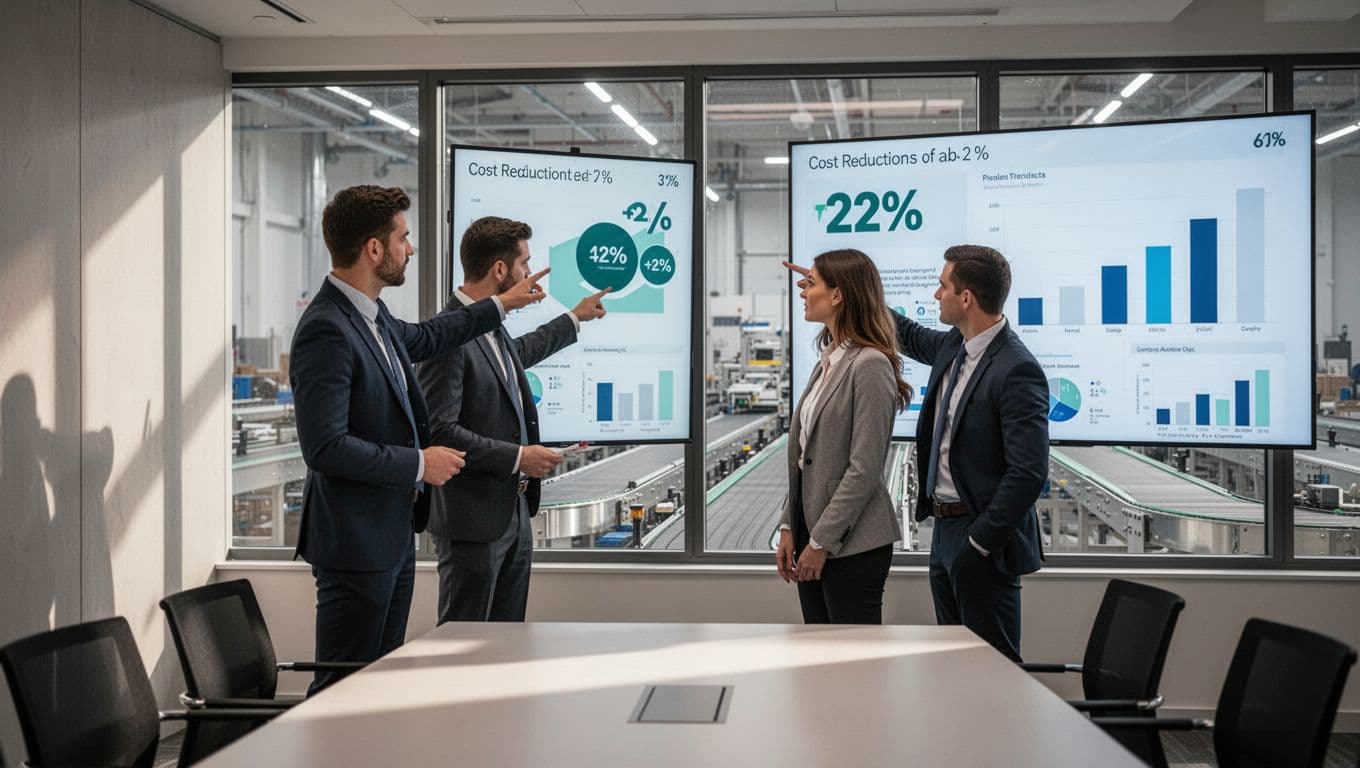
This matters even more for mid-sized brands and growing teams. If your line sits half-used for part of the year, your cost per unit climbs fast. Outsourcing turns more of that cost into a variable expense, which is easier to manage when demand moves around.
The labor side matters too. Hiring operators is only part of the job. You still need onboarding, shift coverage, quality checks, and backup when people call off or leave. A contract packager already has those systems in place, so your team avoids the constant scramble.
If packaging is not your core strength, owning more packaging assets can tie up cash without adding much advantage.
Faster speed to market when timing matters
Speed is another major reason businesses choose contract packaging. When a launch window is tight, building in-house capacity is often too slow. You may need new materials, line trials, staffing, and approval steps before the first finished case is ready. That delay can cost you a season, a promotion, or a retail opportunity.
A good partner helps you move faster because the space, equipment, and process are already there. That can make a real difference when you’re launching a new SKU, refreshing packaging artwork, or preparing a retailer-specific bundle. If a buyer gives you a firm ship date, waiting for internal bandwidth is not a great plan.
This is especially useful in a few common situations:
- Seasonal programs that need to hit shelves before a short selling window closes
- Retailer deadlines for club packs, displays, or promotional bundles
- Limited test runs for a new product or channel
- Urgent relabeling after an artwork update, compliance change, or acquisition
For startups, that speed can mean getting product into the market before cash gets tight. For larger brands, it means protecting internal production time for core SKUs while a partner handles special projects offsite. Either way, outsourcing gives you room to move without slowing the rest of the business.
There is also a hidden benefit here. Faster execution makes it easier to test ideas. You can run a smaller promotion, try a holiday format, or build a market-specific pack without disrupting your main operation. That kind of flexibility is a big reason brands use an outsource contract packaging guide when they need to launch faster and keep operations focused.
More flexibility when demand goes up, down, or sideways
Demand rarely grows in a straight line. It spikes, drops, and shifts by channel. One month you need holiday gift packs. The next month you need online bundles for a direct-to-consumer push. Then a new retail customer asks for club-store packaging with a different count and format. If you handle all of that in-house, you carry the full burden when volume jumps and the full cost when it fades.
Contract packaging gives you a buffer. You can scale output up without buying idle equipment for the slow months, and you can scale down without carrying excess labor when a program ends. That matters for any business with uneven demand, but it is especially helpful for consumer brands running promotions, short-term displays, or channel-specific pack formats.
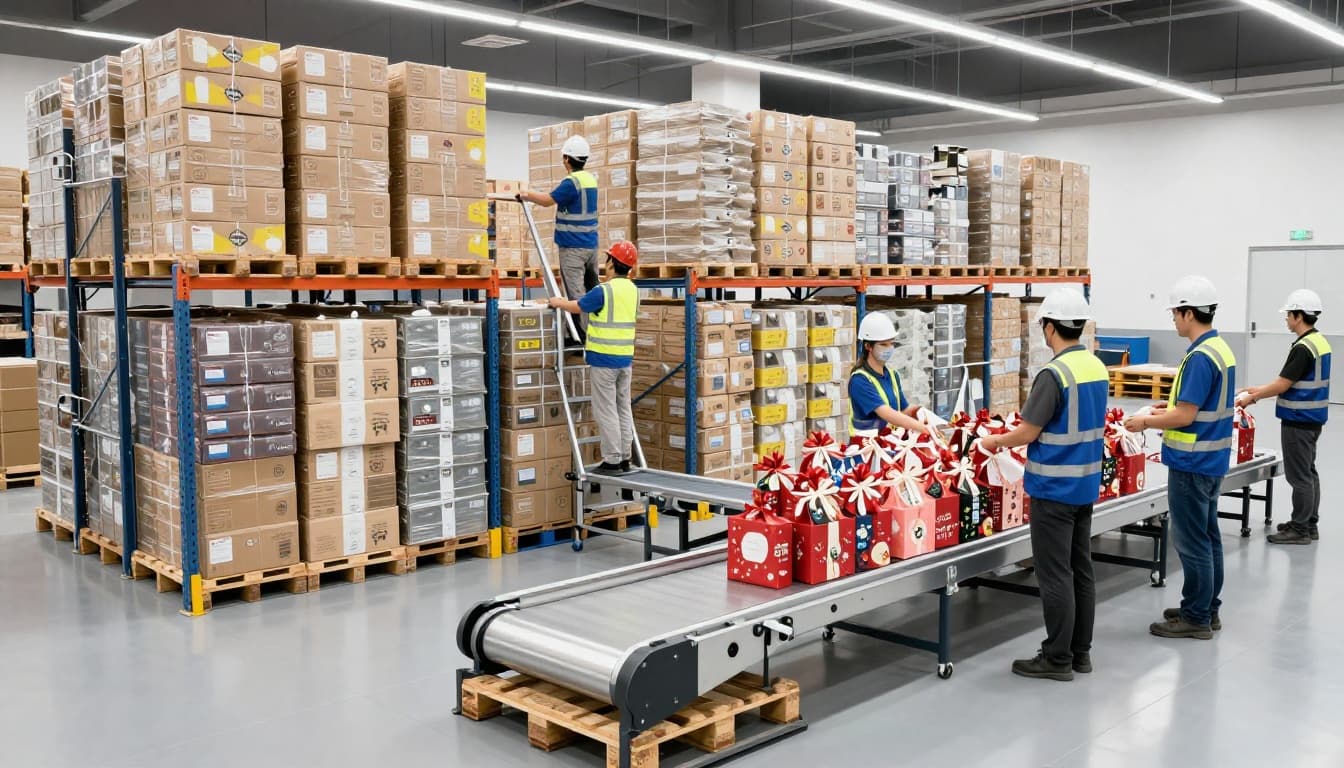
The practical examples are easy to picture. A brand may need:
- Holiday gift packs for a six-week seasonal push
- Retail club packs with larger counts and tougher pallet rules
- E-commerce bundles built for online promotions
- Fast support after landing a new customer or sales channel
Instead of rebuilding your operation each time, you use a partner that can adapt the packaging program around the need. That keeps your fixed footprint smaller and your response time shorter.
For many businesses, this is where contract packaging becomes more than cost control. It becomes capacity insurance. You keep your core operation stable, while the outside partner absorbs the swings that would otherwise disrupt labor planning, warehouse space, and production schedules.
Access to packaging expertise that is hard to build in-house
Packaging looks simple until something goes wrong. A label prints slightly off, a barcode fails to scan, the wrong carton strength causes damage, or a retailer rejects the shipment because the pack format missed a spec. Those problems can eat margin fast.
That is why businesses also choose contract packaging for the expertise. A strong partner brings real know-how in line setup, material handling, quality checks, pack-out flow, retailer requirements, and labeling accuracy. They know how to match the packaging method to the product and channel, whether that means shrink bundles, blister packs, over-labeling, hand assembly, or mixed-SKU kits.
This kind of experience is hard to build quickly in-house because it lives in the details:
- How to set up a line for consistent throughput
- How to catch quality issues before they become rework
- How to meet retailer or channel-specific packaging rules
- How to choose materials that protect the product without wasting money
- How to maintain label placement, counts, and coding accuracy across runs
The right partner helps reduce mistakes because they have seen those issues before. They also help improve pack consistency, which matters just as much as speed. A product that arrives clean, accurate, and retail-ready protects your brand better than a rushed pack-out ever will.
If you’re comparing providers, a guide on choosing a contract packaging partner can help you vet the details that affect quality, speed, and day-to-day reliability.
How contract packaging supports retail, e-commerce, and omnichannel growth
Many brands now sell in stores, on marketplaces, and through direct-to-consumer sites at the same time. That sounds like growth, because it is. Still, each channel puts different pressure on packaging, labeling, pack sizes, and fulfillment flow.
A carton that works on a retail shelf may fail in parcel shipping. A beautiful DTC unboxing experience may waste space and drive up shipping cost. Marketplace rules add another layer, especially when bundles, prep, and replenishment all need to stay accurate. This is where a flexible contract packaging partner helps. Instead of forcing one packaging format into every channel, you can match the pack-out to how the product will actually be sold.
Retail-ready packaging helps products arrive shelf-ready and store-compliant
Retail packaging has two jobs. It has to sell on the shelf and work for the store team. If it looks sharp but takes too long to stock, retailers notice. If it stocks quickly but looks messy, shoppers notice.
That is why shelf-ready packaging matters. The best formats protect products in transit, open fast in the back room, and move straight to the shelf with little extra handling. For retail buyers, that is a win. For brands, it improves presentation and cuts the chance of damaged or poorly merchandised product.
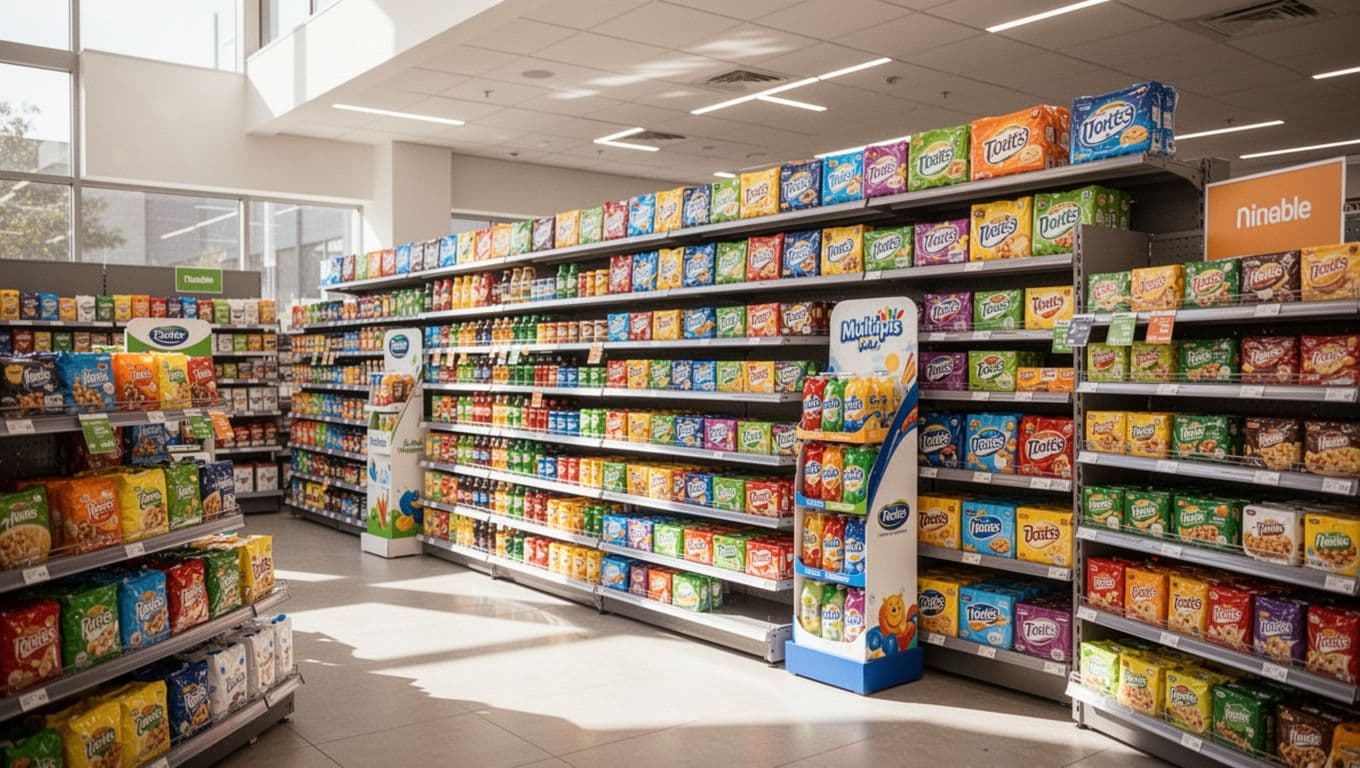
Shelf impact still matters, of course. On a crowded aisle, packaging has only a moment to earn attention. Clean graphics, stable case design, and easy front-facing product placement can make that moment count. Yet retail success is not just about looks. Store teams want packs that are easy to open, easy to stock, and easy to scan.
A strong co-packer can support common retail needs such as:
- Club-store packs with larger counts and tougher case requirements
- Point-of-sale displays that arrive assembled or mostly assembled
- Retailer-specific label placement and barcode rules
- Shelf trays or tear-away cases that reduce handling time
Retailers also expect consistency. If one shipment arrives shelf-ready and the next needs rework, trust drops fast. That is why store-compliant packaging needs clear specs, reliable pack-out, and quality checks at every step. In a busy retail program, packaging is part of operations, not just branding.
In retail, good packaging helps the product sell and helps the store run better.
E-commerce orders need packaging that protects products and controls costs
Online orders play by different rules. A product may look perfect when it leaves your building, but parcel carriers put every package through drops, vibration, compression, and weather exposure. So e-commerce packaging has to do more than look nice. It has to survive the trip without sending shipping costs through the roof.
That balance is harder than it sounds. Too little protection leads to damage, returns, and bad reviews. Too much packaging adds void fill, larger cartons, and higher dimensional weight charges. In e-commerce, every inch matters because carriers often bill by size as much as weight.
This is where channel-specific design matters. A fragile beauty product, a supplement bundle, and a heavy household item all need different pack-outs. The right format protects the product, keeps the box size tight, and still gives the customer a clean experience when it arrives. For brands that need this tied to outbound order flow, e-commerce fulfillment is a natural fit.
Several details shape e-commerce performance:
- Parcel handling means the package must hold up through rough transit.
- Dimensional weight means oversized boxes can hurt margin fast.
- Returns mean packaging should support restocking, inspection, or reboxing.
- Customer experience means the order should arrive clean, complete, and on-brand.
Those needs often change by order type. A single-SKU DTC order may ship in a compact mailer, while a multi-item marketplace order may need stronger corrugate and separate inner protection. That is why many growing brands stop treating packaging as one fixed task. They need packaging logic that changes by channel, order mix, and shipping method.
Recent 2026 market reporting points in the same direction. Automated e-commerce packaging continues to grow, with the market projected to reach about $969.58 million in 2026. That growth reflects a simple truth: online order volume demands faster, more flexible packaging systems that protect products and keep shipping efficient.
Promotional bundles and marketplace prep create new sales opportunities
Growth rarely comes from standard packs alone. Promo bundles, trial sets, influencer kits, and channel-specific assortments can open new revenue without changing the product itself. A strong co-packer helps brands build those offers quickly, then keep them accurate as demand changes.
This matters in omnichannel selling. A bundle for a retail endcap may need a display tray and promotional wrap. A bundle for a brand’s website may need branded inserts and parcel-safe packaging. A marketplace assortment may need prep, labeling, and exact unit configuration before it can even ship. Same products, different rules.
Promotional packaging often supports:
- Limited-time offers and seasonal gift sets
- Trial bundles that raise average order value
- Influencer mailers and PR kits
- Marketplace assortments built to platform requirements
Amazon is a good example. Marketplace success depends on more than listing quality. Units need the right prep, labels, and packaging before they enter the channel. That includes barcode accuracy, compliant bundling, and replenishment planning so inventory stays available. For brands building or expanding that channel, Amazon launch services can support the operational side of the rollout.
Prep work also affects speed. If bundles are built late, labels are missing, or replenishment is slow, a strong promotion can stall out. That is a painful problem, especially when ads are live or a marketplace listing starts gaining traction. A contract packaging partner helps reduce that risk by keeping assembly, prep, and restock support under one roof.
The bigger benefit is flexibility. You can test a holiday pack, create a retailer-exclusive bundle, or prep inventory for Amazon without tying up your internal team for weeks. In other words, contract packaging helps turn packaging into a sales tool, not just a final production step.
Which types of businesses gain the most from contract packaging
Contract packaging is not just for one kind of company. It fits different business stages for different reasons. If you’re a founder trying to stay light, an operations manager fighting bottlenecks, or a brand leader planning a retail push, the best use case often comes down to one thing: fit.
The businesses that gain the most usually share a common problem. They need packaging capacity, speed, or specialization, but building all of it in-house would slow them down.
Startups and emerging brands that need to stay lean
Early-stage brands often have strong products and limited room for mistakes. Buying equipment, hiring a packaging team, and carving out floor space can drain cash before demand is proven. A co-packer gives you a way to launch without building a full packaging department around a forecast that may change next quarter.

That matters even more when you’re still testing what buyers want. You can try a new pack size, a retail bundle, or a cleaner e-commerce presentation without committing to permanent overhead. In other words, you get room to experiment while still looking polished on the shelf or at the customer’s door. For brands that need broad support, end-to-end contract packaging solutions can help bridge the gap between a small internal team and a market-ready product.
Mid-sized companies that are outgrowing their current setup
This is often where the pressure becomes obvious. Orders climb, SKU counts multiply, retailer requests get more specific, and the same internal team is expected to absorb all of it. What used to feel manageable starts to feel like traffic backing up at every intersection.
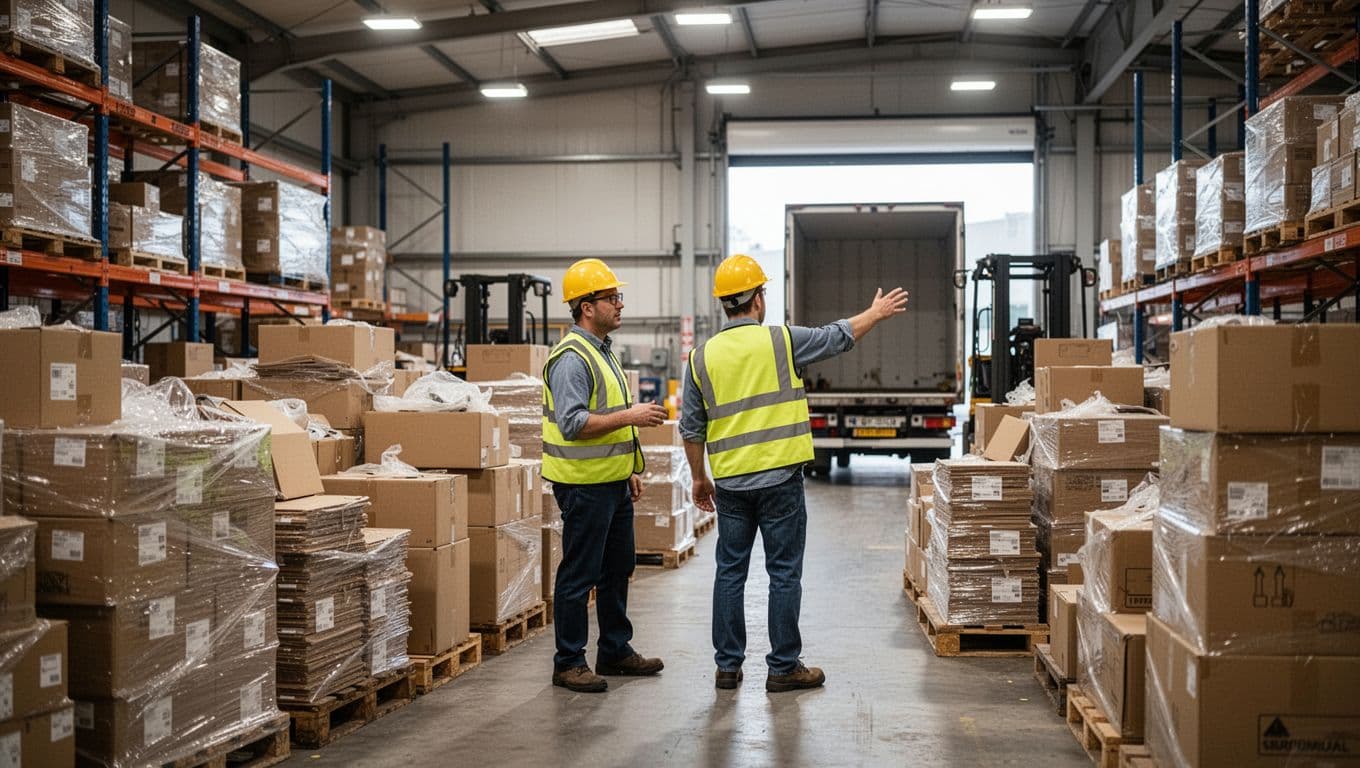
At that stage, outsourcing is less about cutting costs and more about clearing constraints. A packaging partner can take on overflow runs, special packs, relabeling, or retailer programs so your core team stays focused on production, purchasing, and customer growth. That’s especially helpful when labor is tight or line time is already spoken for.
Large brands that need overflow capacity or specialized project support
Enterprise brands usually do not outsource because they lack infrastructure. They outsource because even strong internal networks have limits. Seasonal peaks, regional promotions, line extensions, retailer-specific assortments, and temporary overflow can all disrupt a core plant if everything gets forced through the same system.
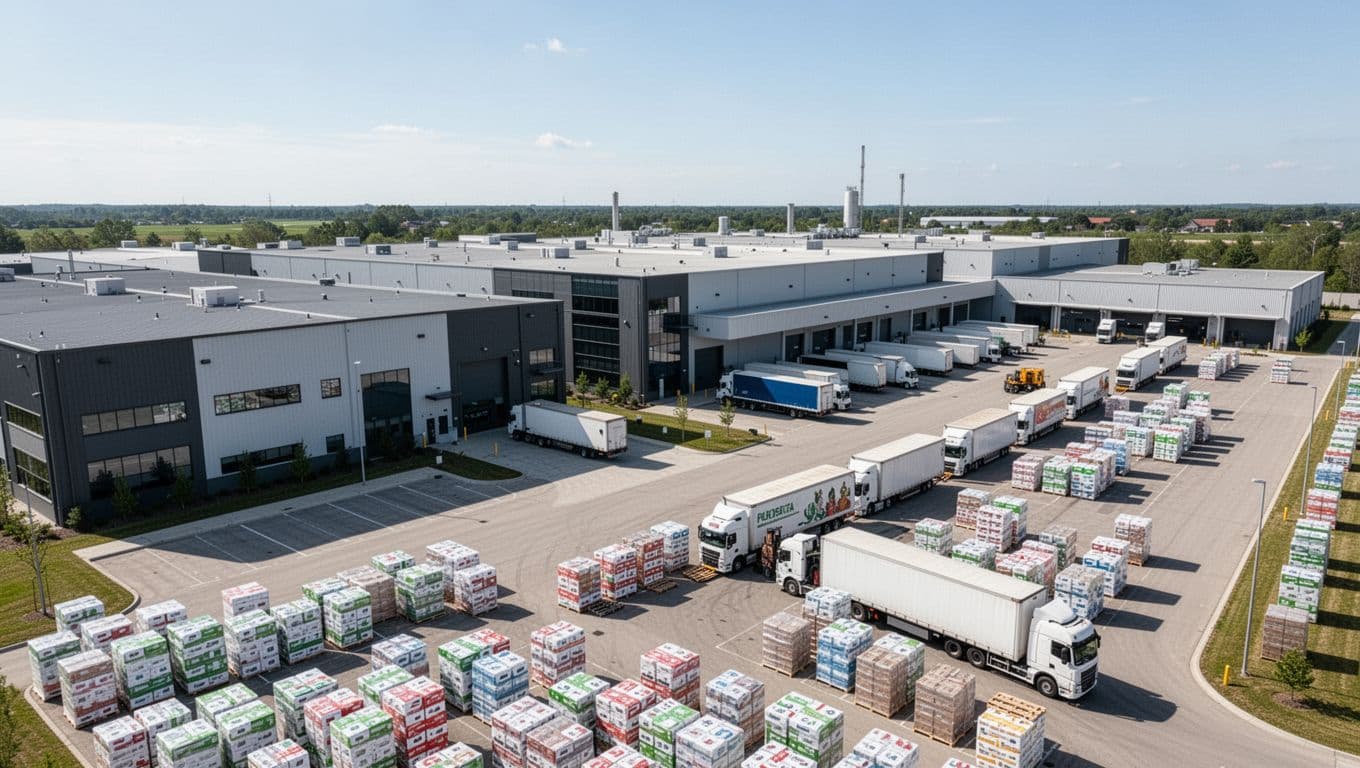
A co-packer gives large brands extra hands without a permanent footprint increase. That can mean handling holiday variety packs, club store formats, or a short-term retailer program while core plants stay focused on base volume. For many national brands, contract packaging works like a pressure valve, keeping the main operation stable when demand spikes or projects get unusually complex.
Industries where compliance, presentation, or speed matter most
Some industries benefit more because packaging carries more risk, or more sales impact. Food and beverage is the clearest example. Current 2026 market reporting shows it remains the largest contract packaging segment, ahead of personal care and other consumer goods categories. That makes sense because food and beverage brands face tight ship windows, labeling demands, freshness concerns, and frequent promotional changes. Brands looking for FMCG co-packers for speed and scale often fall into this camp.
Health and beauty brands also gain a lot from experienced partners because presentation matters almost as much as protection. Publishing and retail consumer goods benefit for a different reason: they often need kitting, display assembly, repacks, or channel-specific formats on short timelines. When compliance, shelf appeal, and turnaround time all matter at once, an experienced packaging partner can keep the program moving without turning your internal team into a fire brigade.
What to watch out for before you outsource packaging
Outsourcing packaging can solve real capacity problems, but only if the partner can match your standards. A weak fit can create new headaches, such as quality issues, slow updates, and late shipments that ripple into customer complaints and retailer friction.
That does not mean you should avoid outsourcing. It means you should vet the setup with the same care you give a new product launch. The safest approach is simple: define what “good” looks like, document it, and make sure the partner can prove they can hit it.
Quality control, communication, and missed deadlines can become real problems
The biggest risk is not outsourcing itself. The real risk is choosing a partner that cannot run your work with consistency. One week your packs look great, the next week labels drift, counts are off, or cases arrive late. When that happens, your brand takes the hit, not the co-packer.
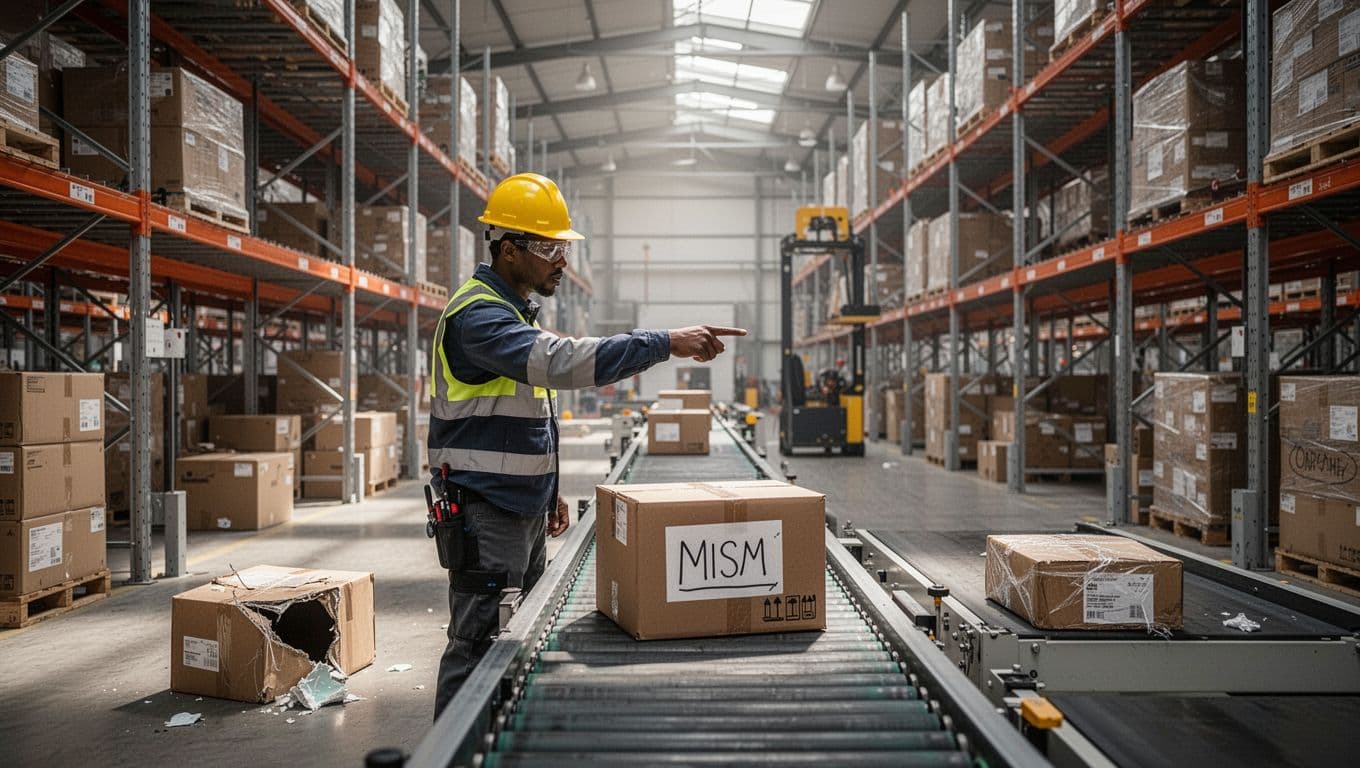
A poor partner usually shows the same warning signs early. Response times drag out. Status updates are vague. Problems surface after inventory has already moved, instead of while there is still time to fix them. In other words, you lose visibility just when you need it most.
A few issues tend to cause the most damage:
- Inconsistent output across shifts, runs, or locations
- Weak reporting on inventory, rework, and production status
- Slow answers when artwork, counts, or priorities change
- Missed ship windows that create retailer fines or rush freight
- Quality checks that happen too late, after bad units pile up
That is why clear service levels matter. You want agreed targets for turnaround time, order accuracy, defect rates, escalation timing, and on-time shipping. If those expectations stay fuzzy, accountability stays fuzzy too.
Sample approvals also protect you. Before full production starts, ask for a “golden sample” that locks in label placement, pack-out steps, materials, inserts, and final appearance. Then make sure both teams work from that same approved version. If details change later, version control has to be just as tight.
Regular reporting matters just as much as floor-level quality. During launch or changeover periods, daily updates often make sense. Once the program settles, weekly reports may be enough. If you want a practical gut check before making the move, these signs it’s time to outsource packaging can help you tell whether the issue is capacity, process, or partner fit.
If you cannot see what is happening, you cannot manage risk before it turns into rework or delays.
Compliance and traceability matter more in 2026
Packaging rules are getting stricter, and buyers are paying closer attention. That includes recyclable material claims, label accuracy, lot tracking, and retailer-specific packaging rules. In 2026, a partner that treats compliance like an afterthought can cost you more than a simple production mistake.
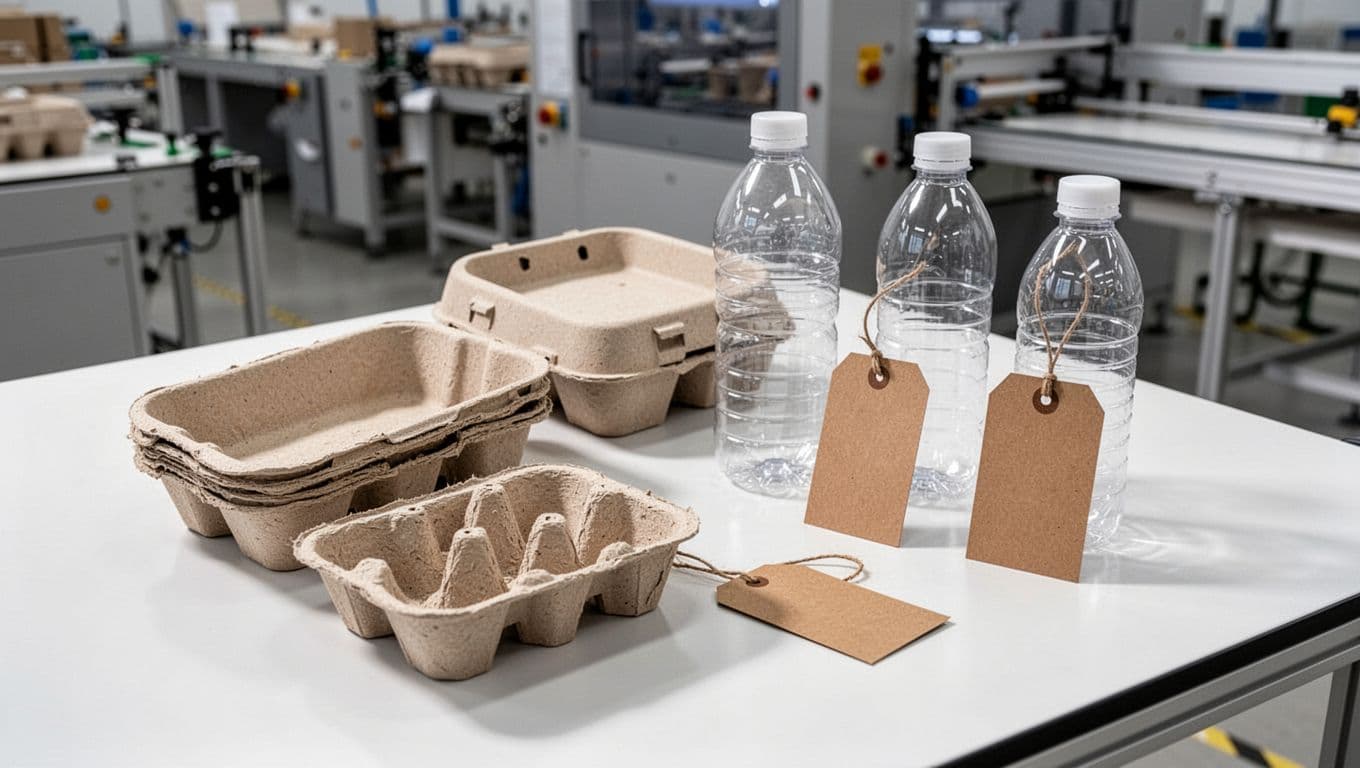
Many brands now face pressure to use packaging that can actually move through real recycling systems, not just sound eco-friendly on paper. Label claims also need more care. Broad terms like “recyclable” or “compostable” can trigger problems if they are not backed up. At the same time, lot control and batch traceability matter more because recalls, chargebacks, and retailer audits move fast.
Retailers are tightening standards too. They may require exact barcode placement, specific case labels, approved pallet patterns, or cleaner traceability by lot. That is one reason some businesses are seeing packaging costs rise by roughly 3 to 5 percent after compliance-related changes, especially when new materials, testing, reporting, or relabeling are involved.
This does not need to become a legal project. Still, you do need a partner that can answer basic operational questions clearly:
- How do they track lots and finished units?
- How do they control label versions and artwork changes?
- What proof do they keep for inspections, checks, and approvals?
- Can they adapt when retailer packaging rules change midstream?
If the answer is “we usually figure it out,” keep looking. Structured traceability and documented checks should already be part of the process. For products that may need label fixes or packaging updates after arrival, a guide to repackaging for compliance can help you spot where errors and extra costs tend to show up.
The handoff from in-house work to an outside partner needs planning
Even a great co-packer can struggle if the handoff is messy. When companies rush onboarding, the same problems show up over and over: wrong materials arrive, artwork versions get mixed up, inventory counts drift, and shipping rules get interpreted three different ways.

A smooth start depends on how well you prepare the basics. The outside team needs a clean playbook, not tribal knowledge from your warehouse lead. If your current process lives in text messages, memory, or handwritten notes, errors will show up fast.
Before work moves, document the parts that drive execution:
- Demand forecasts and likely volume swings
- Packaging specs, bill of materials, and approved samples
- SKU setup, lot control rules, and inventory flow
- Artwork files, label versions, and change approval steps
- QA checkpoints, sampling rules, and defect handling
- Shipping requirements, retailer routing, and pallet specs
Forecasts matter because labor and line time need planning. Specs matter because “pack it like last time” is not a system. Artwork control matters because old labels have a way of hanging around longer than they should. And shipping requirements matter because a finished package is only useful if it can move through the next stop without delay.
It also helps to phase the transition. Many brands start with one SKU family, one promo build, or one overflow program first. That gives both sides time to test communication, reporting, and quality controls before the scope grows. If you are mapping that move now, this outsourcing packaging operations guide and these onboarding steps for fulfillment partners give a useful picture of what a cleaner transition looks like.
Good onboarding lowers rework because the partner is not guessing. It also shortens the time between “we outsourced it” and “it actually runs well,” which is where most of the value lives.
How to choose a contract packaging partner that can grow with your business
A contract packager should solve today’s workload without boxing you in later. The right partner gives you room to launch new SKUs, enter new channels, and handle volume swings without starting your search over in a year.
That means looking past price alone. You want a provider with the right service range, solid operating systems, clear visibility, and enough capacity to keep up when your business changes.
Look for the right mix of services, systems, and production capacity
Start with fit. A partner may look great on paper, but the match falls apart fast if they can’t handle your actual packaging formats. Ask what they run every day, not just what they say they can do. Can they support hand assembly, shrink bundling, over-labeling, blister packaging, club packs, display builds, or mixed-SKU kits? A broad page on contract packaging solutions can help you see whether those capabilities live in one place or sit as vague promises.
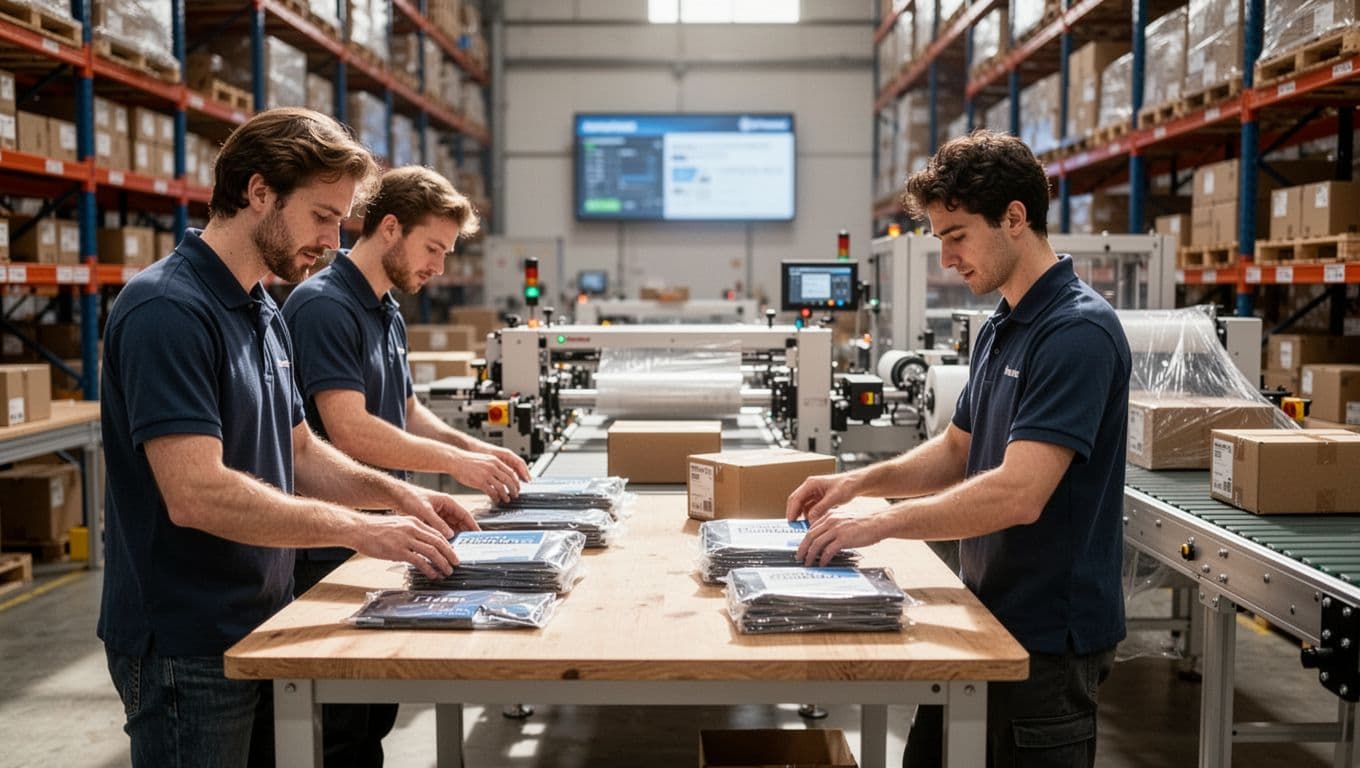
Next, look at the balance between automation and labor. Some jobs need speed and repeatability. Others need careful handwork, frequent changeovers, or flexible assembly. If a provider only shines in one area, you may run into trouble when your program shifts. A strong partner can move between automated runs and labor-heavy projects without losing control.
Systems matter just as much as equipment. Ask how they manage inventory, work orders, material flow, and job status. If they use barcode scanning, warehouse software, and structured project management, you get fewer surprises. If they rely on spreadsheets and side conversations, errors tend to show up later, usually when shipping deadlines are already close.
Capacity is the last piece, and it deserves direct questions. You need to know:
- What volumes they handle now
- How they staff peak periods
- Whether they accept short runs and rush jobs
- How much room they have for new programs
- What happens if your forecast doubles
A partner with enough space, labor options, and line flexibility gives you breathing room. Without that, growth can turn into a backlog.
A good contract packager should feel ready for your next phase, not just your next purchase order.
Ask how they handle accuracy, inventory visibility, and on-time delivery
Packaging quality is easy to talk about and harder to measure. That’s why the best conversations get specific. Ask for the KPIs they track every week, such as order accuracy, defect rate, inventory variance, dock-to-stock time, and on-time shipment percentage. If they can’t name the numbers, they probably can’t manage them well.
Accuracy starts with process. How do they verify counts, labels, lot codes, and pack configurations? What checks happen at receiving, during production, and before shipping? In 2026, buyers should expect barcode scanning, documented quality checks, and clear exception handling, not loose verbal controls.
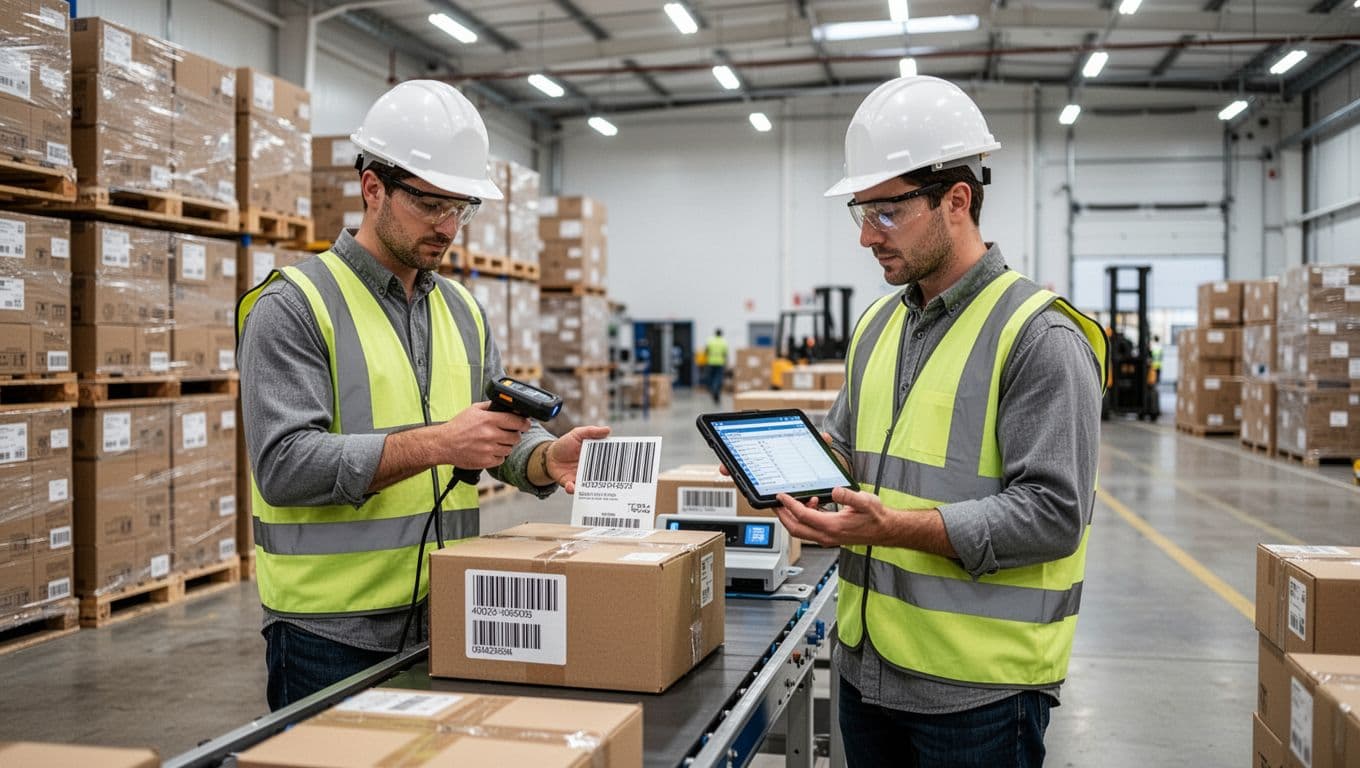
Inventory visibility is just as important because packaging, warehousing, and shipping all touch the customer experience. If packaging consumes the wrong components, your stock counts drift. If finished goods are not updated quickly, orders may route late or oversell. If outbound timing slips, customers blame your brand, not your provider. That is why many businesses want one partner that understands how 3PL fulfillment works alongside packaging operations.
Communication cadence often separates steady partners from stressful ones. Before you sign, ask how often you will get updates and what those updates include. During launch, daily reporting may make sense. Once the program settles, a weekly scorecard may be enough. What matters is consistency. You should know what is in production, what is on hold, what inventory is available, and whether any shipment risk is building.
A useful provider should be able to explain:
- Their normal error rate and how they calculate it
- How they handle inventory discrepancies
- What triggers an escalation
- How they report late risks before a deadline is missed
- Who owns communication on both sides
When visibility is weak, small problems hide until they become expensive. When visibility is strong, you can make decisions early and protect service levels.
Choose a partner that fits your channels, products, and future plans
The best packaging partner fits more than the current job. They should fit your product, your sales channels, and the direction your business is heading. A provider that works well for a simple retail relabel may struggle with fragile DTC shipments, retailer compliance, or transportation coordination. Fit matters because every channel has its own rules.
For product fit, ask whether they have handled items like yours before. That includes shape, fragility, shelf life, packaging materials, and any special storage needs. A beauty bundle, a food multipack, and a publishing kit may all need very different handling. Experience with your category won’t fix everything, but it usually shortens the learning curve.

Channel fit is where many buyers get more careful. Retail programs may require shelf-ready trays, retailer-specific labels, pallet patterns, and exact ship windows. Direct-to-consumer orders need protective packaging, fast order flow, and often branded inserts. If you sell through both, your partner should handle both without treating one as an afterthought. Transportation support also matters, especially when inbound materials, outbound finished goods, and retailer appointments all affect timing.
Then look ahead. Can this partner support club packs next year? Can they add kitting for promotions? Can they absorb a new customer launch or a regional expansion? A provider with flexible capacity and channel experience is easier to grow with than one built for a narrow slice of work.
Before you move forward, use discovery questions that make the fit clear:
- What packaging formats do you run most often, and which ones are less common for your team?
- How do you handle volume spikes, new SKUs, and short-notice changes?
- What systems do you use for inventory control, production tracking, and reporting?
- How do you measure order accuracy, defect rates, and on-time delivery?
- What types of retail, wholesale, or DTC programs do you support today?
- Can you manage warehousing, shipping, or transportation as the program grows?
- What would you need from us to launch cleanly and scale without disruption?
If the answers are direct, detailed, and backed by real process, you’re likely talking to a partner worth serious consideration. If the answers stay broad, the fit probably isn’t there.
Conclusion
Contract packaging makes sense when growth starts to put pressure on labor, space, speed, and consistency. With the right partner, it can lower costs, improve turnaround times, add flexibility, and support cleaner execution across retail, e-commerce, and mixed-channel programs.
That value is even clearer for businesses dealing with seasonal swings, more complex pack-outs, new sales channels, or a team that is already stretched thin. In those cases, outsourcing packaging is not just about saving time, it is about building a more reliable operation that can keep up with demand and protect the customer experience.
If you are weighing the move, it helps to look closely at the cost savings from contract packaging and the operational trade-offs behind them. Packaging may have started as a back-end task, but for many businesses in 2026, it is now a strategic part of how products ship, how brands are perceived, and how growth stays manageable.
