

How to Choose the Best Packaging Company for Your Business in 2026
The right packaging company can shape far more than your pack-out. It affects cost, speed, product quality, customer experience, and your ability to grow without constant delays or rework. In 2026, that choice matters even more because brands face tighter timelines, higher customer expectations, more channel requirements, and rising pressure to stay flexible.
Choosing a packaging company isn’t just about buying boxes, labels, or labor. It’s about finding a partner that can support daily operations, meet retail and e-commerce demands, handle quality checks, and keep up when volumes shift. A strong provider helps you protect margins, ship on time, and keep your brand looking consistent across every order.
That also means looking past the lowest quote. You need a company with the right systems, enough capacity, solid communication, and services that fit how you sell today and how you plan to grow. If you’re comparing co-packers, this contract packaging partner checklist for speed and quality offers helpful context.
In this guide, you’ll learn how to compare providers, ask smarter questions, avoid common mistakes, and choose a packaging partner that fits your goals. By the end, you’ll have a clearer way to make the call with confidence.
Start with your business needs before you compare packaging companies
Before you build a vendor shortlist, get clear on what your business actually needs. That sounds simple, but it’s where many teams slip. They compare packaging companies first, then try to force their product into the wrong setup.
A packaging partner that works well for one brand may be a poor fit for yours. Your product type, packaging format, order volume, shipping method, retail rules, launch timeline, and budget all shape the right choice. If you define those needs first, every later decision gets easier, faster, and more accurate.
List the packaging services your product really needs
Start with the work itself. What has to happen to your product before it can ship, land on a shelf, or reach a consumer in good shape? If you don’t map that out early, every quote will look different, and none will be easy to compare.
For some brands, the need is basic pack-out. For others, the job is more complex. You may need shrink packaging for multipacks, kitting for promos, labeling or over-labeling for retail compliance, blister packaging for visibility and theft control, repackaging to fix supplier issues, or display assembly for in-store launches. Some businesses also need co-packing, assembly, club store packaging, retail-ready packaging, or fulfillment support under one roof.
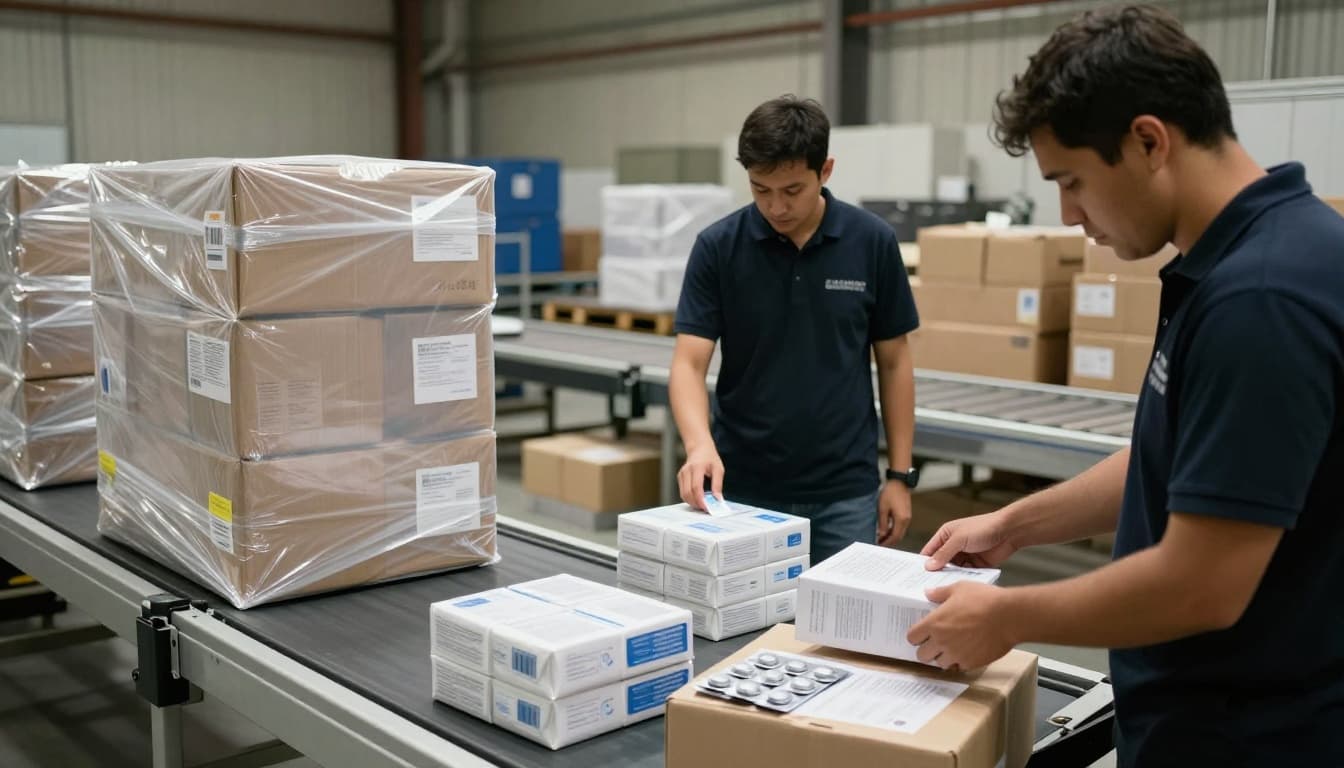
A clear way to sort this out is to split your needs into two groups:
- Must-haves: Services you cannot ship without, such as labeling, shrink bundling, compliance checks, or retail-ready assembly.
- Nice-to-haves: Helpful extras, such as display builds for seasonal programs, custom inserts, or added fulfillment options for future growth.
That split matters more than most teams think. Your must-have list keeps you from choosing a provider that looks affordable but can’t support your day-to-day operation. Meanwhile, your nice-to-have list helps you spot room to grow without paying for services you won’t use yet.
Think of it like building a tool kit. A hammer and tape measure come first. Specialty tools can wait. Packaging works the same way. First, define the steps your product cannot skip. Then look at extra capabilities.
If your program needs multiple services tied together, it helps to review providers with broader contract packaging services instead of looking at one task in isolation. That is often true when the same product needs pack-out, assembly, relabeling, and outbound support on a tight timeline.
The best packaging company is not the one with the longest service list. It’s the one that covers your non-negotiables without adding friction.
Match your packaging plan to where and how you sell
Packaging should fit the sales channel, not just the product. A pack that works in one channel can fail badly in another, even when the item inside is the same.
If you sell through e-commerce, the package has to survive parcel shipping. That usually means stronger protection, fewer loose parts, clean labeling, and a format that packs fast. Damage, void fill, box size, and unboxing all matter because the customer sees the shipment as part of your brand.
If you sell through retail, shelf impact and compliance move up the list. Your product may need barcodes in exact spots, retailer-ready cartons, hang tabs, shelf-ready trays, or attractive blister packaging. In that case, the package is not just protection, it’s also your salesperson.
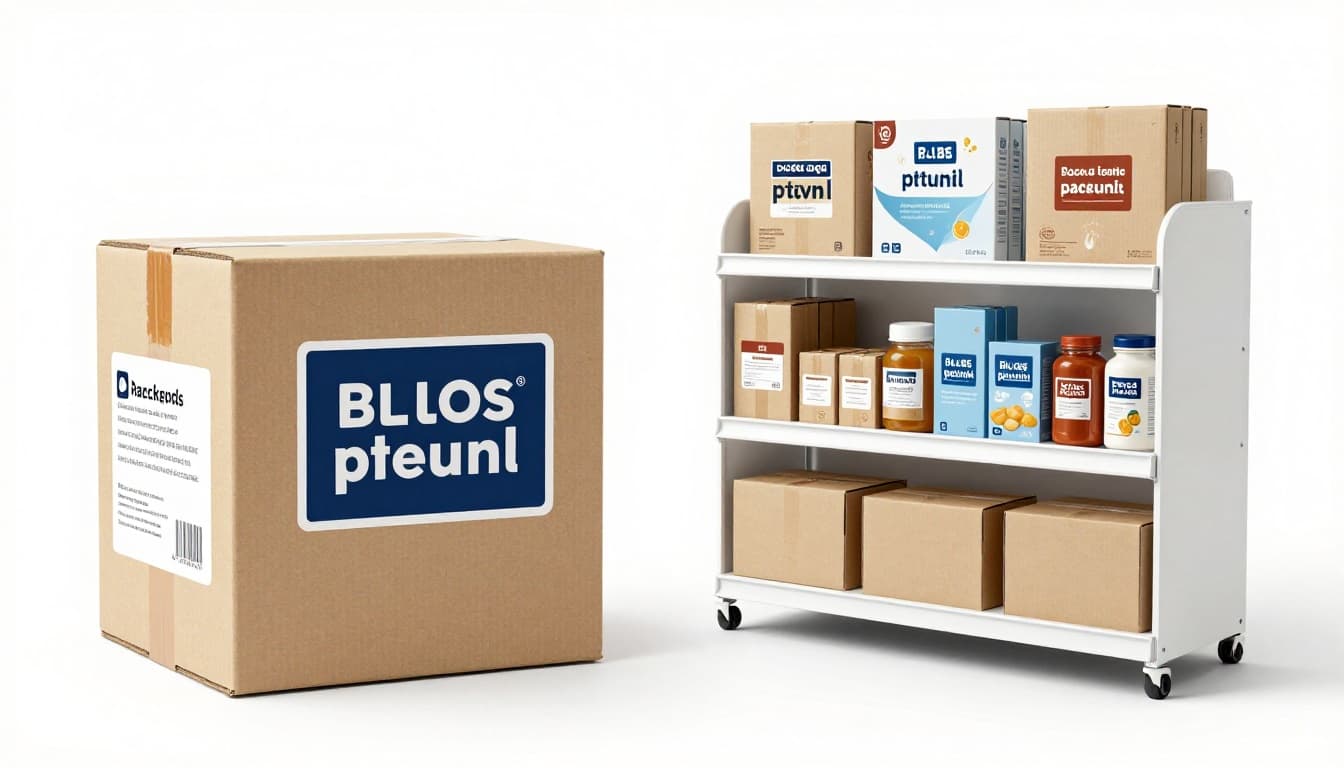
Channel needs often break down like this:
| Sales channel | What packaging usually needs to do |
|---|---|
| E-commerce | Protect during parcel shipping, reduce damage, support fast pick-pack-ship |
| Retail stores | Meet shelf, barcode, and presentation rules, support display appeal |
| Club stores | Handle bulk formats, pallet efficiency, stronger pack structures, retail-ready trays |
| Wholesale distribution | Ship efficiently in larger cases, hold up through handling, stay easy to scan and sort |
Club stores deserve special attention because they often need bigger pack sizes, stronger corrugate, retail-ready trays, and pallet-friendly design. What looks great in a small retail set may not work at all in a warehouse club. Likewise, a wholesale case pack may be efficient for distribution but terrible for direct-to-consumer orders.
This is also where fulfillment support comes into play. If you ship B2B, D2C, or both, your packaging plan has to support those workflows from the start. Many brands do better with integrated packaging and fulfillment solutions because packaging decisions and shipping rules affect each other every day.
Recent industry trends point the same way. In 2026, businesses are putting more weight on partners that can support e-commerce, retail-ready packaging, high-volume handling, and fulfillment together, while also helping with sustainability and tighter compliance demands. In short, channel fit is no longer a side detail. It’s part of the core decision.
Know your volume, seasonality, and speed requirements
A packaging company may look great on paper, but capacity tells the real story. You need a partner that can handle your normal demand, your busy season, your rush orders, and your next phase of growth without missing deadlines or letting quality slip.
Start with your baseline. How many units do you move in a normal week or month? Then look at what changes. Do you run holiday peaks, retail resets, club promotions, product launches, or sudden replenishment orders? If your demand rises fast, your packaging partner must be able to rise with it.
Here are the three numbers to define before you compare vendors:
- Average volume: Your steady, expected flow.
- Peak volume: Your highest seasonal or promotional demand.
- Required turnaround: How quickly finished goods must be packed and shipped.
Those numbers protect you from false confidence. A provider may handle your average volume just fine, but break under pressure when the holiday spike hits. Another may move fast on a small test run, yet struggle once your SKU count or order volume grows.
Speed matters, but only if quality holds. Late shipments hurt. So do bad labels, missing pieces, crushed displays, and reworked packs. A strong partner should be able to absorb pressure without turning your operation into a scramble.
This is especially important if your business has short lead times, retail ship windows, or frequent changeovers. For example, a promotional kit with several components may need assembly this week, re-labeling next week, and rush fulfillment right after. That requires labor, process control, and enough space to move quickly without creating errors.
If seasonality or retailer demands often force quick fixes, a provider with strong repack and correction capability can save you from expensive delays. In those cases, it helps to understand when to outsource repackaging before a packaging issue turns into a missed ship date.
Above all, choose for the real workload, not the calmest month on your calendar. The right packaging company should keep your operation steady when demand is predictable, and dependable when it isn’t.
Look for proven experience, quality systems, and industry fit
A packaging company should prove it can do the work, not just talk about it. Sales language is easy. Real proof looks different, it shows up in past projects, trained teams, clear processes, and results you can measure.
This is where a lot of shortlists shrink fast. Two vendors may offer the same services on paper, but only one may have the right equipment, staff training, and process control for your product. If you want fewer surprises later, look for evidence early.
Ask if they have handled products like yours before
Start with a simple question: Have you packed products like ours before? The answer should be concrete, not vague. You want examples by product type, format, and industry.
That matters because packaging needs change a lot from one category to another. A food and beverage product may need lot traceability, date-code checks, and tighter handling rules. A health and beauty item may involve fragile bottles, leak risks, or GMP-minded processes. Publishing projects often need accurate labeling, bundle control, and display-ready assembly. Retail consumer goods may need speed, shelf appeal, and exact multi-SKU pack consistency.
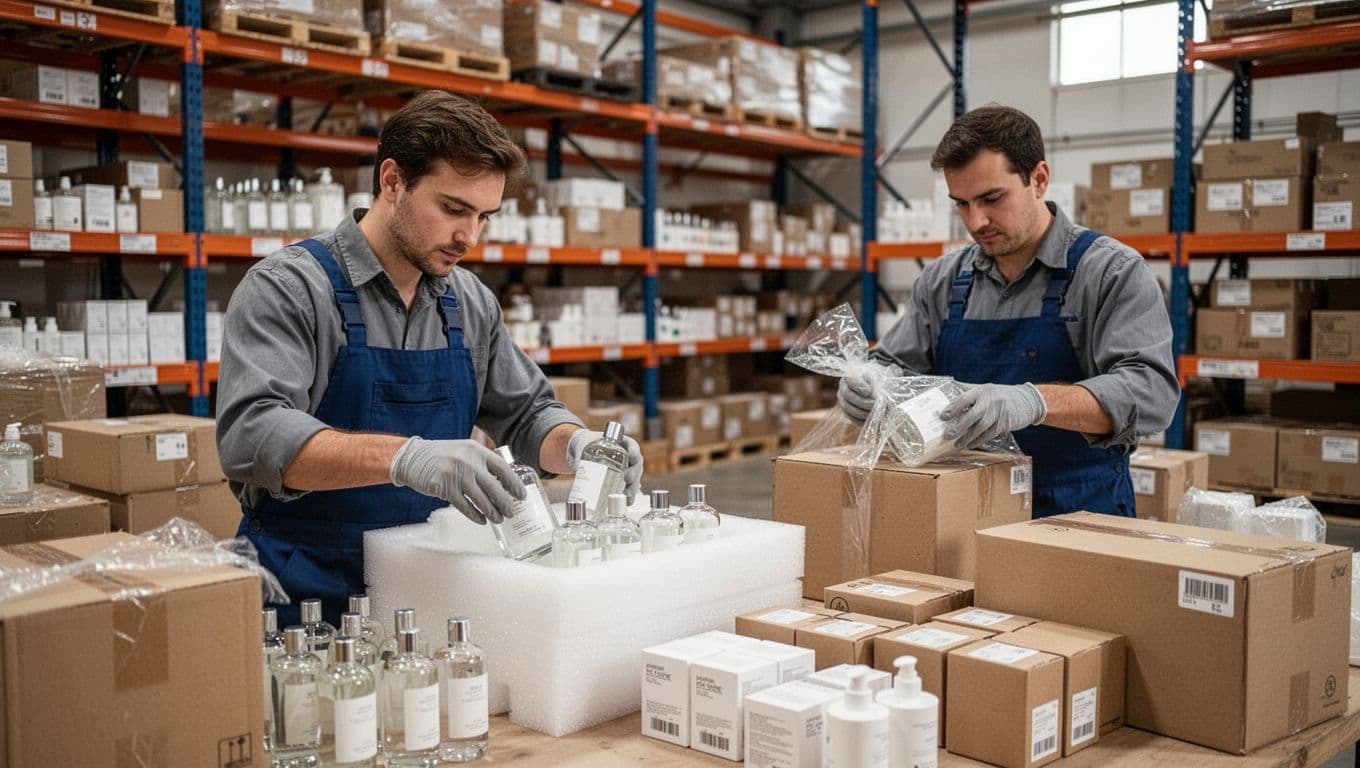
A provider with relevant experience usually asks better questions upfront. They think about issues you may not mention right away, such as:
- Fragility: Will glass, pumps, or delicate printed materials need extra protection?
- Compliance: Do labels, lot codes, or retailer rules need checks at multiple steps?
- Shelf needs: Does the finished pack need to stand out, stack well, or fit a display?
- Product format: Are you packing bottles, pouches, cartons, kits, or mixed components?
In other words, the product itself shapes the process. A team that knows your category is less likely to treat your job like a generic box-filling exercise.
If your project includes bundles, inserts, or multi-part sets, ask how they handle complex builds. Accuracy matters more as SKU counts rise. For projects like that, it helps to review MSL’s guide to warehouse kitting because it shows why organized kitting systems and repeatable assembly steps matter.
You can also look for direct industry fit. Pages like food industry co-packing services or health and beauty packaging solutions make it easier to see whether a provider has already built workflows around products like yours.
Trust comes from proof. If they have done similar work well, they should be able to show you how.
Check how they manage quality, accuracy, and on time delivery
Experience matters, but process control matters just as much. A packaging company can have years in business and still struggle with errors. That’s why you need to ask how they control quality every day.
Keep the questions simple and practical. Ask what happens from the moment inventory arrives to the moment finished goods ship. A good provider should explain its steps clearly, without hiding behind jargon.
Here are a few things worth asking about:
- Quality control steps: What checks happen during setup, production, and final pack-out?
- Lot tracking: Can they trace product lots, date codes, or batches if an issue comes up?
- Error rates: What is their recent mispack, relabel, or rework rate?
- Inventory accuracy: How closely do system counts match physical counts?
- On time delivery: What percentage of orders ship on schedule?
- Service levels: How do they measure performance, and how often do they report it?
Recent best-practice guidance for 2026 points to the same pattern. Buyers should review actual metrics, site records, audit data, and delivery performance, not just promises in a pitch deck. A provider that tracks defect rates, delivery percentages, and traceability is usually easier to trust because the numbers tell a story.
You don’t need a perfect score across every metric. You do need a company that watches the right numbers and acts on them. If they can’t explain how they catch mistakes, fix root causes, and report service levels, that’s a warning sign.
This is especially important for projects with many moving parts. A promo bundle, subscription set, or retailer-specific pack can break down fast when counts are off by even one piece. For more complex builds, custom kitting for accurate fulfillment gives useful context on how assembly and verification work together.
A strong partner should be able to tell you, in plain English, how they protect:
- Product accuracy, so the right items go into the right pack.
- Inventory accuracy, so stock counts stay reliable.
- Delivery performance, so your launch or replenishment stays on track.
If the answer sounds fuzzy, the operation probably is too.
Visit the facility or request a detailed walkthrough
A site visit can tell you more in 30 minutes than a polished slide deck can tell you in a week. If you can visit in person, do it. If not, ask for a real walkthrough on video, not a highlight reel.
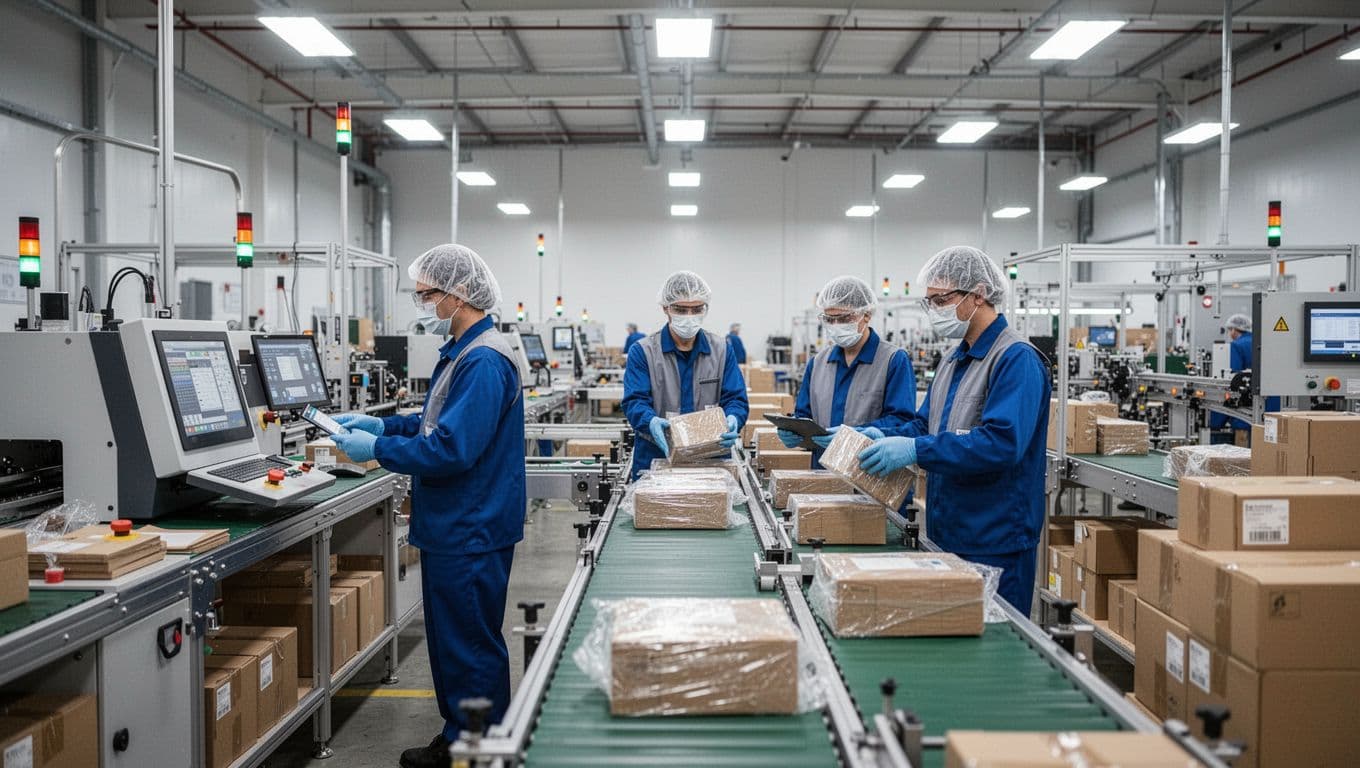
What should you look for? First, check the basics. Is the space clean, orderly, and easy to follow? Do materials look controlled, or does everything seem piled up and improvised? A good operation usually feels calm, even when it’s busy.
Next, watch the flow. Inventory should move in a logical path from receiving to staging, assembly, packing, and shipping. Equipment should look maintained, not patched together. Workstations should support accuracy, with clear spacing, organized materials, and room for checks.
Pay attention to the people, too. Are team members working with confidence? Do they seem trained on the task in front of them? When you ask how they handle a wrong label, a short count, or damaged product, the answer should be direct and specific.
A useful walkthrough should help you spot five things fast:
- Cleanliness: The space looks cared for and fit for the product.
- Organization: Materials, components, and finished goods are easy to identify.
- Workflow: The process moves in a sensible order without obvious bottlenecks.
- Equipment condition: Machines look maintained and ready for repeat work.
- Problem handling: The team has a clear method for exceptions, rework, and escalation.
Think of the facility like a kitchen in an open restaurant. If it’s clean, organized, and well-run behind the scenes, you feel better about what reaches the customer. Packaging works the same way.
Above all, use the visit to test whether the company’s claims match what you can actually see. That’s how you separate a confident seller from a dependable partner.
Compare flexibility, technology, and supply chain support
A packaging partner should do more than pack products and send an invoice. It should help your whole operation move with less friction, better visibility, and fewer surprises.
That matters because packaging sits in the middle of your supply chain. When the provider is flexible, tech-enabled, and connected to fulfillment and freight, your team spends less time chasing updates and fixing handoff problems. In 2026, that kind of support is no longer a bonus. It’s part of choosing the best packaging company for long-term growth.
Choose a partner that can scale with your business
Flexibility matters most when your business stops acting predictable, which it often does. A new product launch, a holiday rush, a retail promotion, or expansion into a new channel can all change volume, pack-out steps, and timing fast.
A strong packaging company can adjust labor, space, materials, and workflows without turning every change into a fire drill. That means it can handle shifting SKUs, last-minute updates, and mixed order volumes while keeping quality steady. If you’re adding club store packs, launching a promo kit, or moving from wholesale into DTC, you need a partner that can bend without breaking.
Think of it like traffic. A flexible provider creates extra lanes when demand builds. A rigid one leaves you stuck behind a bottleneck.
Here is where flexibility pays off most:
- Product launches: New SKUs often come with new labels, inserts, or retail rules.
- Seasonal spikes: Holiday volume can double fast, and delays get expensive.
- Promotions: Limited-time bundles and display builds need quick changeovers.
- New channels: Retail, e-commerce, and club each bring different packaging needs.
If a provider can’t scale, small changes become costly slowdowns. You may miss ship windows, hold inventory longer, pay rush freight, or disappoint retailers and customers. That’s why it’s smart to ask how they handle busy periods, SKU growth, and sudden demand shifts. Content on scaling seasonal packaging for peak demand can help you spot what good capacity planning looks like in the real world.
Ask what technology they use to improve visibility and accuracy
Good technology should make the work easier to manage, not harder to explain. When a packaging company has strong systems in place, you get cleaner inventory control, faster updates, and fewer errors.
Start with the basics. Ask what they use for inventory management, order tracking, reporting, and process control. You want clear answers, not vague claims. If inventory comes in today, can you see it in the system quickly? If an order is packed and staged, can your team track that status without sending three emails?
The right tools improve daily operations in simple ways:
- Inventory systems keep counts current and reduce stock confusion.
- Order tracking gives your team visibility from receipt to shipment.
- Reporting helps you review performance, shortages, and trends.
- EDI support matters if you work with retailers that require clean data exchange.
- Process controls such as barcode scans and verification steps reduce mispacks.
In other words, technology should help the provider move faster while making fewer mistakes. It should also give you confidence that the numbers match what is actually on the floor. Recent supply chain trends point the same way, with more brands expecting real-time tracking, stronger data sharing, and tighter control across packaging and fulfillment workflows.
If a provider’s system can’t show where your inventory is or what stage an order is in, you’re managing blind.
This is especially important when retailer compliance is involved. EDI, scan checks, and traceable workflows can prevent chargebacks, missed routing steps, and shipping errors. If you want more context on what modern systems can improve, this guide to supply chain tech innovations in fulfillment is worth a look.
Think beyond packaging and ask about fulfillment and transportation
Packaging is only one part of getting product where it needs to go. If your provider can also support storage, order processing, and outbound freight, you cut down on handoffs that often cause delays, miscommunication, and extra cost.
Every handoff is a chance for something to go wrong. One company packs the goods, another stores them, another arranges freight, and suddenly no one owns the full timeline. By contrast, a partner with related services can keep inventory, packaging, fulfillment, and transportation connected under one plan.
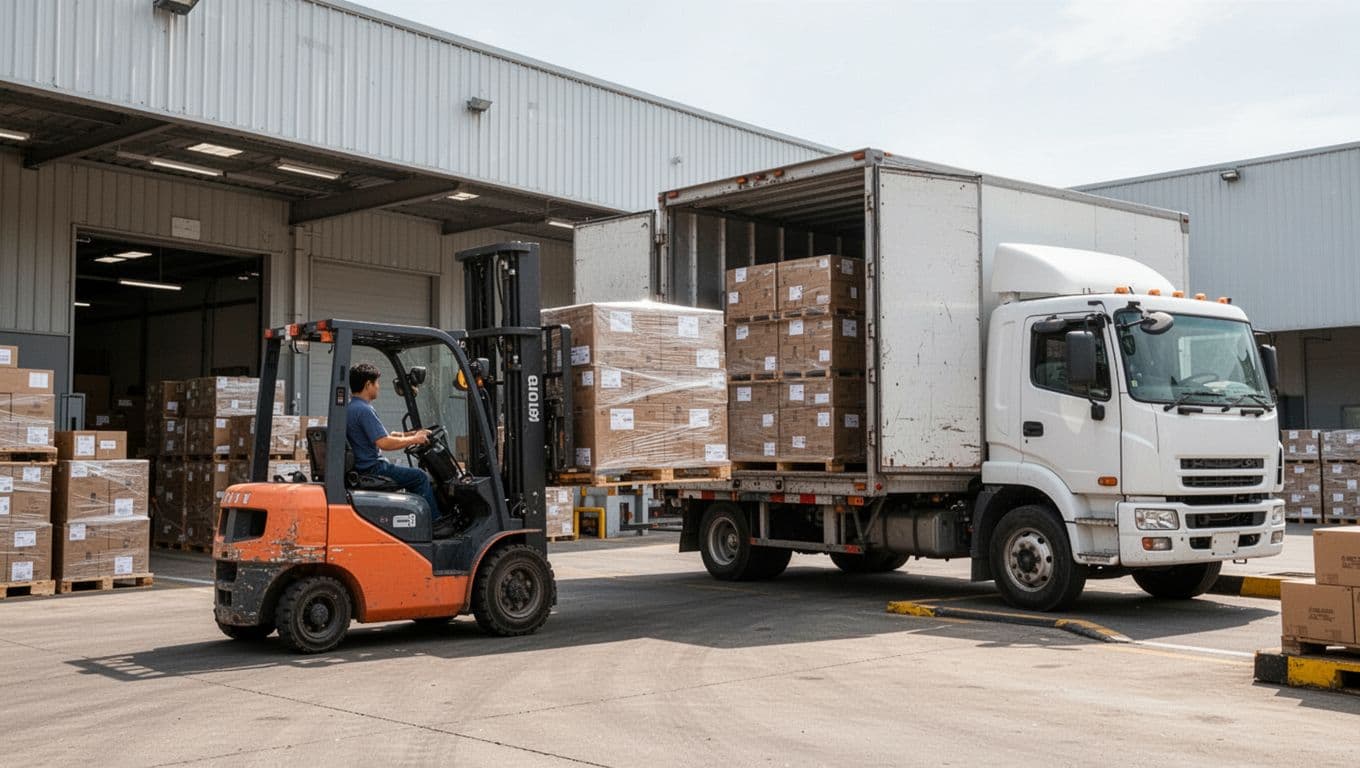
That support becomes more valuable when your operation includes:
- B2B and DTC orders at the same time
- Retail ship windows and strict delivery appointments
- Promo kits that need pack-out, storage, and release by date
- Multiple carriers or freight modes
For example, a seasonal display may need final assembly, short-term storage, retailer routing, and truck scheduling within a tight launch window. When those services sit too far apart, the schedule can wobble fast. When they work together, your team saves time and spends less energy managing exceptions.
That’s why it helps to ask whether the provider offers fulfillment services and transportation services alongside packaging. Those added capabilities can reduce transit gaps, speed up order flow, and make one partner far more useful than a vendor that only handles pack-out. For a broader view, this article on 10 logistics challenges 3PL providers resolve shows how connected logistics support can remove common supply chain headaches.
The bottom line is simple. The best packaging company should help the wider supply chain run better, not just seal the box.
Make sure the company can meet today’s compliance and sustainability demands
In 2026, packaging choices carry more risk than they used to. A good packaging company should help you keep up with changing rules, retailer standards, material limits, and rising pressure to prove sustainability claims with facts.
That doesn’t mean you need legal advice from a vendor. It means you need a partner that asks the right questions, tracks the right details, and helps you avoid costly mistakes before product ships.
Ask for proof behind sustainability claims
Sustainability claims should come with receipts. If a packaging company says a material is recyclable, compostable, or better for the environment, ask what that really means in practice.
Start with the basics. What material is it made from? Is it accepted in real recycling systems, not just technically recyclable in theory? How much post-consumer recycled content does it contain? Can the supplier show certifications or spec sheets that back up those claims?
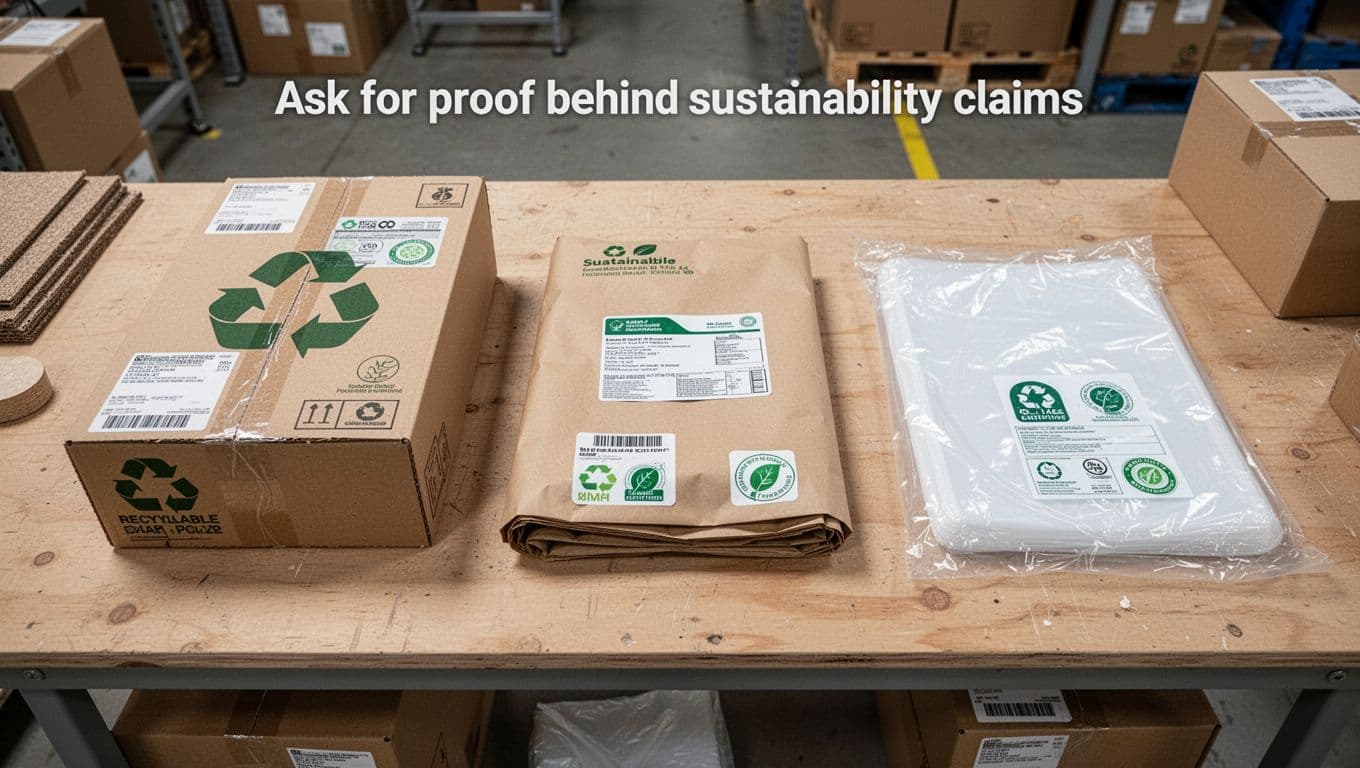
A solid vendor should be ready to discuss details such as:
- Material choice: Why this substrate fits your product, shipping needs, and waste goals
- Recyclability: Whether the pack is likely to be recycled where your customers actually live
- Recycled content: The verified percentage in each component, not just the main pack
- Certifications: Supplier documentation, chain-of-custody records, or recycled-content verification
- Audit support: Data and paperwork that help your team answer retailer or customer requests
This matters more now because EPR pressure is growing across multiple states, and vague green language can create both trust issues and compliance problems. Claims like “eco-friendly” or “green” sound nice, but they don’t tell you much. A better partner will speak in specifics and help you avoid greenwashing. For a practical breakdown, MSL’s guide to sustainable packaging best practices is a useful reference.
If a vendor can’t explain the proof behind a sustainability claim, treat that claim like marketing, not evidence.
Also ask about PFAS. If food-contact packaging or grease-resistant materials are involved, the company should know where PFAS concerns apply and what safer options exist. You don’t want to find out after a retailer review that a material choice created a new problem.
Confirm they understand packaging rules that affect your product
A packaging company should understand the rules that shape your day-to-day operations, not just broad industry talk. That includes retailer compliance, labeling accuracy, product-specific requirements, and the packaging changes showing up in 2026.
Retailers often have their own standards for label placement, barcode quality, case markings, pallet setup, and EDI-related shipping details. If your provider misses one of those steps, you may face chargebacks, rejected loads, or late deliveries. That’s why it helps to choose a team that treats compliance as part of the workflow, not a last-minute check.
Labeling deserves extra attention because small errors can create big headaches. A wrong net quantity, missing warning, outdated ingredient line, or misplaced barcode can stop a shipment fast. The same goes for sustainability claims. Some states are tightening rules on when packaging can be called recyclable, and broad claims without proof are getting more attention.
Your questions can stay simple:
- How do you review labels before production?
- What retailer requirements do you handle most often?
- How do you track rule changes that may affect packaging in 2026?
- Can you support documentation for audits, customer reviews, or compliance checks?
Industry-specific knowledge matters too. Food, beauty, household goods, supplements, and retail consumer products all come with different risks. One product may need lot traceability. Another may need tamper evidence. Another may face PFAS concerns or stricter disposal claims. A good provider should understand where those issues show up and flag them early.
If you want a broader look at current risk areas, MSL’s article on packaging safety compliance 2026 covers labels, PFAS, and EPR in plain language. The takeaway is simple, don’t choose a packaging company that only knows how to pack. Choose one that knows what can stop your product from moving.
Look for packaging designs that reduce waste and still protect the product
The best packaging design is rarely the lightest or the cheapest by itself. More often, it’s the design that uses only what you need, protects the product well, and moves through shipping without driving up damage, returns, or extra freight cost.
That balance matters because waste shows up in more than one place. You can waste material with oversized packs, but you can also waste money and product if the package fails in transit. A cracked bottle, crushed carton, or leaking pouch can wipe out the savings from using less material.
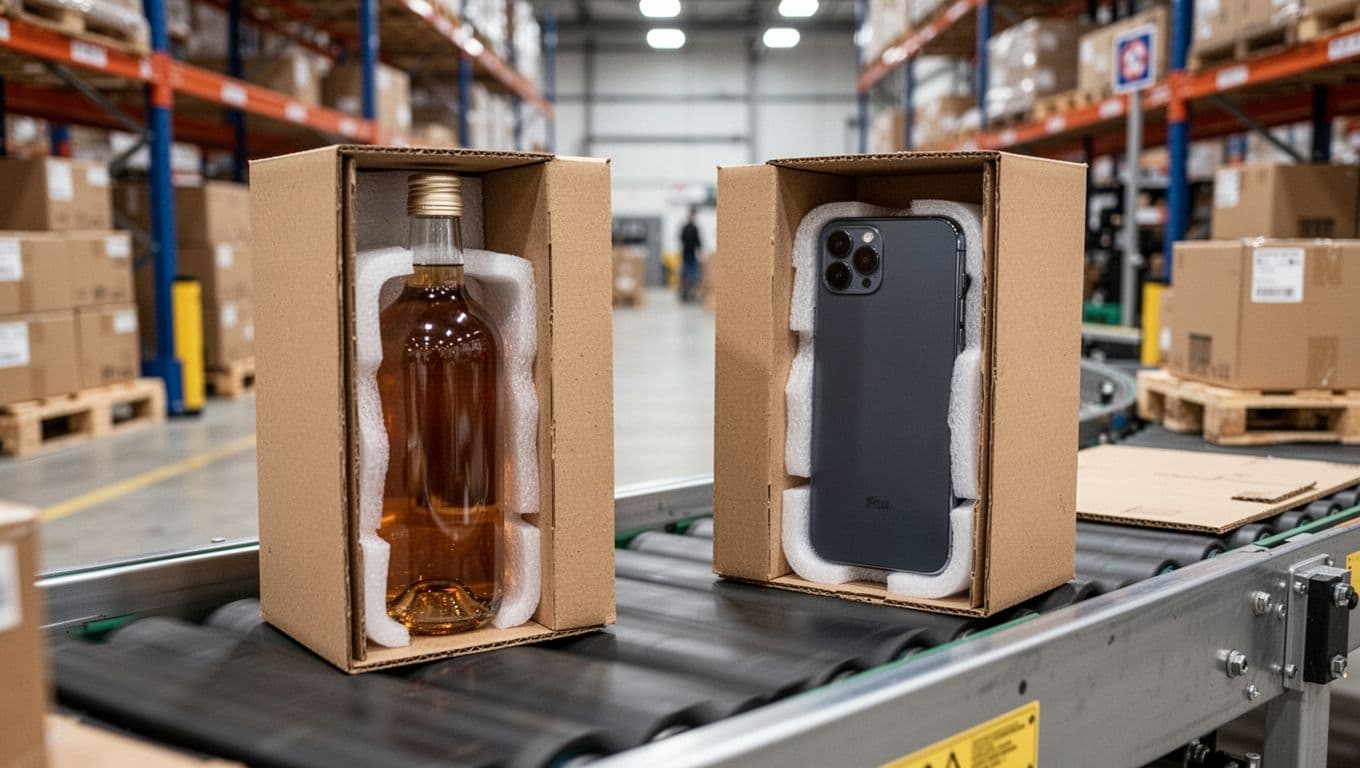
Look for a provider that talks about fit, strength, and efficiency together. That might mean right-sized corrugate, fewer mixed materials, lighter structures, or simpler pack formats that still hold up during storage and transport. In many cases, the smartest design is the one that removes excess without gambling on protection.
A strong packaging company should be able to explain tradeoffs clearly:
- Use less material, but not so little that damage rates rise
- Improve recyclability, while still meeting barrier or durability needs
- Lower cube and weight, so shipping costs stay under control
- Simplify components, so packing gets faster and disposal gets easier
Think of packaging like a bike helmet. No one wants more bulk than necessary, but nobody wants less protection either. The right fit is what matters.
This is also where testing matters. Ask whether they review drop performance, compression strength, seal quality, and pack-out efficiency before recommending a change. If they can tie those choices back to freight savings and waste reduction, even better. MSL’s piece on sustainable packaging shipping impact gives a helpful look at how material use and shipping performance connect.
In short, good packaging design is a balancing act. The right partner helps you cut waste without raising risk.
Use a simple scorecard before you make the final decision
When two packaging companies both sound good, gut instinct stops being enough. A simple scorecard helps you compare them side by side, using the same lens for each vendor. It also keeps one low quote from hiding weak communication, thin capacity, or a shaky quality process.
Score each provider on the factors that affect daily performance, not just price. For most businesses, the core categories are capabilities, quality, speed, communication, technology, compliance support, scalability, and total cost. Use a simple 1 to 5 scale, then weight the categories based on what matters most to your operation.
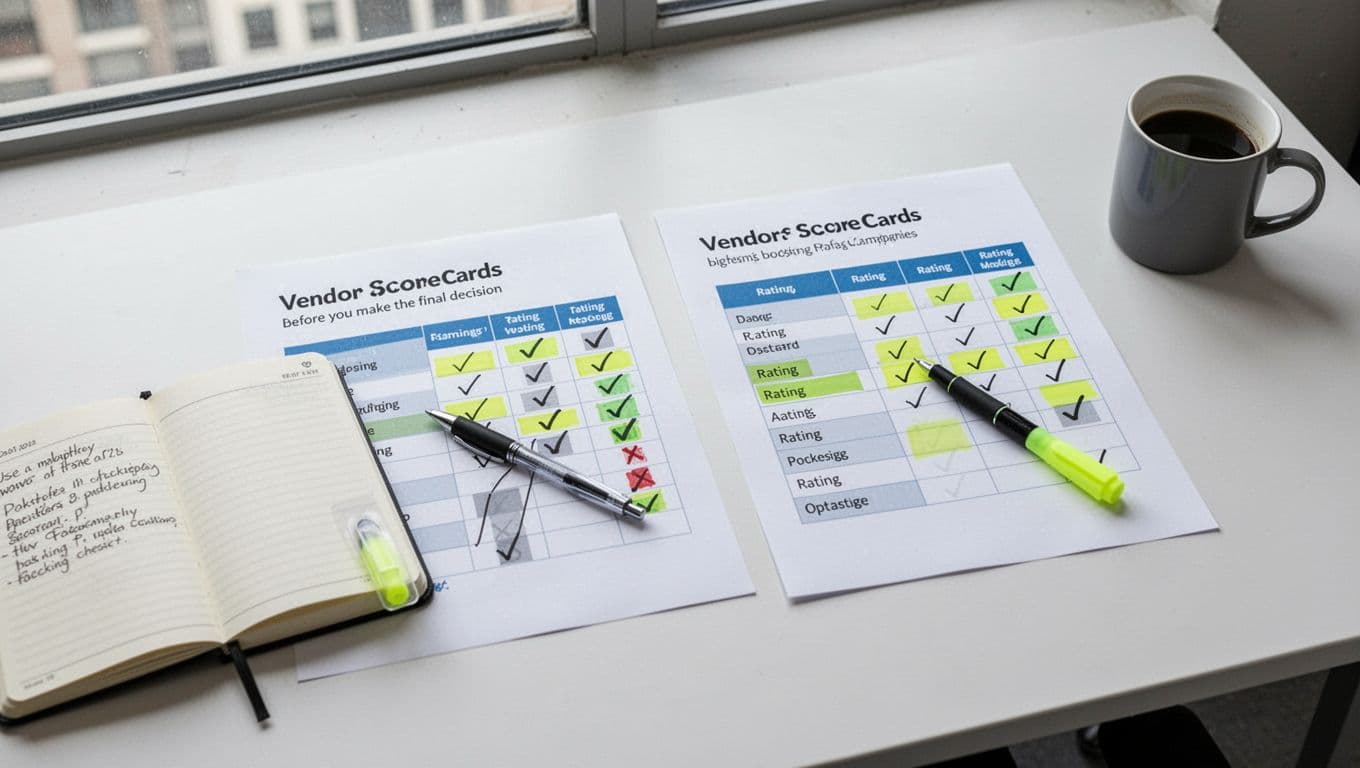
This kind of scorecard works well because it turns vague impressions into a clear decision. For example, a vendor with the lowest unit price may score poorly on backup capacity or reporting. In that case, the quote may be cheap, but the risk is expensive. If you want a broader view of choosing the right packaging partner, it helps to review how flexibility, capacity, and communication affect long-term fit.
A simple starting point looks like this:
| Criteria | What to score |
|---|---|
| Capabilities | Can they handle your formats, channels, and service mix? |
| Quality | Do they have clear checks, testing, and proof of results? |
| Speed | Can they meet lead times and rush needs without errors? |
| Communication | Are updates clear, timely, and easy to act on? |
| Technology | Do they offer inventory visibility, reporting, and traceability? |
| Compliance support | Can they help with labels, retailer rules, and documentation? |
| Scalability | Can they grow with your volume and seasonal swings? |
| Total cost | What will you really pay after fees, rework, freight, and delays? |
Questions to ask during the first meeting
Bring a short list and use it like a pressure test. You are not trying to impress them. You are trying to see how they think when the work gets real.
- Lead times: What are your standard lead times, and what changes during peak periods?
- Minimums: Do you have minimum order volumes, minimum run sizes, or setup fees for small jobs?
- Backup capacity: If volume spikes or a line goes down, what backup plan do you use?
- Testing: What product, packaging, or transit testing do you perform before full production?
- Reporting: What reports do you share on output, accuracy, defects, and on-time performance?
- Sample runs: Can we start with a sample order or pilot run before a larger commitment?
- Problem resolution: If there’s a mispack, delay, or damaged shipment, how is it handled and how fast?
- Account ownership: Who manages our account day to day, and who is the backup contact?
A strong partner should answer these clearly and without dancing around the details. If you need more context on when outsourcing packaging makes sense, early conversations like this usually make the answer obvious.
Red flags that should make you pause
Some warning signs show up fast, if you know where to look. The biggest one is vagueness. If a provider talks in broad claims but can’t show numbers, examples, or a process, slow down.
Watch for these issues during calls, tours, and quote reviews:
- Vague answers about lead times, staffing, systems, or problem handling
- No proof of results, such as service metrics, references, or similar project examples
- Weak communication, including slow replies, unclear follow-up, or shifting answers
- Poor organization in files, specs, samples, or facility flow
- Hidden fees that appear late, such as changeover, storage, rush, or reporting charges
- No clear quality process for setup checks, inspections, traceability, or corrective action
- Limited room to grow, especially if your volume, SKU count, or channel mix is likely to expand
Think of red flags like cracks in a foundation. One small issue may not kill the deal, but several together usually tell you what life after signing will feel like. Brands weighing packaging outsourcing costs and pilot options should pay close attention here, because bad fit gets expensive fast.
How to run a small test before signing a bigger agreement
Before you lock into a long-term deal, run a pilot. That could be a sample order, a small production run, or a trial project with one SKU. The goal is simple, watch how the provider performs when real work starts.
Keep the test small, but make it meaningful. Use actual components, real packaging specs, and a live timeline. Then measure what matters:
- Speed: Did they hit the promised timeline?
- Damage rates: Did product or packaging arrive in good condition?
- Accuracy: Were labels, counts, and pack-outs correct?
- Communication: Did your team get timely updates and clear answers?
Also compare the final invoice to the original quote. A pilot should reveal whether the working relationship matches the sales pitch. If the test goes smoothly, your scorecard gets stronger. If it doesn’t, you just saved yourself from a larger mistake. For a closer look at how to test a packaging partner with a pilot, this step is often the smartest move before a bigger commitment.
Conclusion
The best packaging company isn’t the biggest name or the lowest bid. It’s the partner that fits your business, protects product quality, supports growth, and makes daily operations easier.
That means starting with your real needs, then checking for proven experience with products like yours. It also means reviewing quality systems, visibility tools, compliance support, and practical sustainability standards, because those details shape cost, speed, and reliability over time.
A simple scorecard helps bring all of that into focus. When you compare providers the same way, it’s easier to spot true fit and avoid expensive mistakes. If you’re still weighing whether outside support makes sense, these 7 signs to outsource to a contract packaging company can help you pressure-test the decision.
Ask better questions. Look past the sales pitch. Choose a packaging partner that can keep up now, adapt later, and support your business for the long haul.
